The Best Drought-Tolerant Arizona Plants For Planting Strips Between Sidewalk And Street
Some of the best plants for a yard are growing in the last place most people think to look. That narrow strip between the sidewalk and street might seem like an impossible place to keep looking good, especially through months of heat and dry weather.
Yet certain plants thrive there with very little help.
The difference comes down to choosing varieties that can handle tough conditions from the start. While some plants struggle in exposed areas, others keep their color, shape, and appeal even when the weather becomes challenging.
Arizona is full of planting strips that take a beating from sun and heat, but the right choices can completely change how those spaces look.
A few well placed plants can turn a forgotten stretch of ground into one of the most attractive parts of the yard.
1. Red Yucca Handles Heat Reflected From Pavement
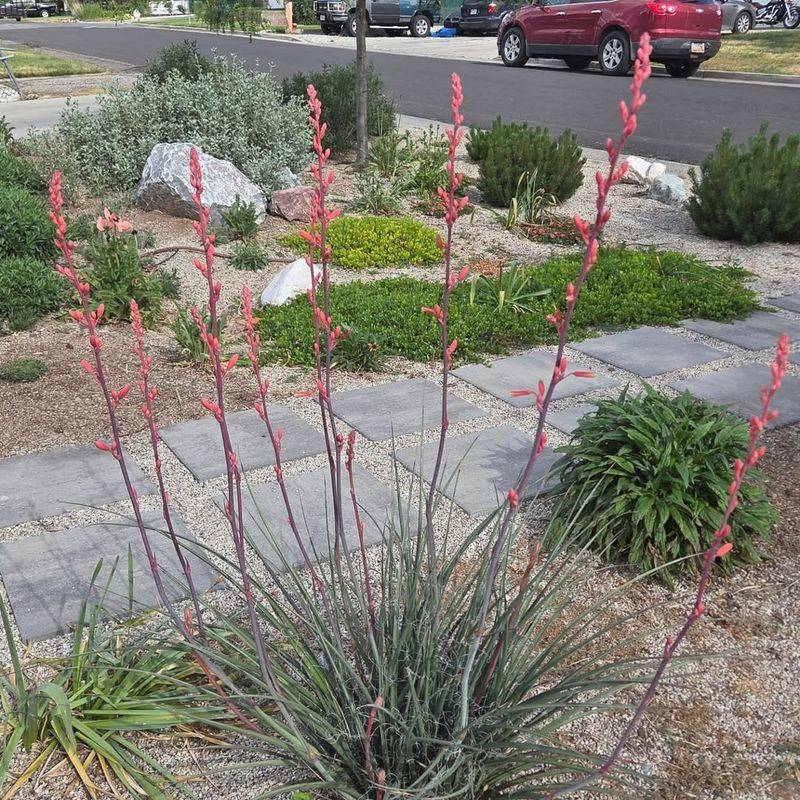
Pavement radiates stored heat long after sunset. Red Yucca handles scorching temperatures with ease while producing coral blooms on stalks that reach four feet high.
This southwestern native features narrow, arching leaves that form a fountain-shaped clump about three feet wide. The foliage stays evergreen year-round, providing constant visual interest even when flowers take a break.
Hummingbirds visit the tubular blooms from spring through fall, adding movement and life to your parking strip.
Roots dig deep rather than spreading wide, making this plant perfect for confined spaces. Once established after the first growing season, it needs water only during extended dry periods.
The thick, waxy leaves store moisture efficiently and resist damage from reflected sunlight bouncing off nearby concrete.
Plant in full sun for best flowering. Space them three feet apart if using multiples.
Trim spent flower stalks at the base to keep things tidy. The sharp leaf tips deserve respect during planting and maintenance, so wear thick gloves and position plants away from high-traffic areas where kids or pets might brush against them.
Its ability to handle reflected heat makes it one of the most dependable choices for areas between sidewalks and streets where many other plants struggle.
Mature clumps stay attractive with very little upkeep, making them a practical option for long-term color in tough locations.
2. Desert Marigold Keeps Blooming Through Dry Spells
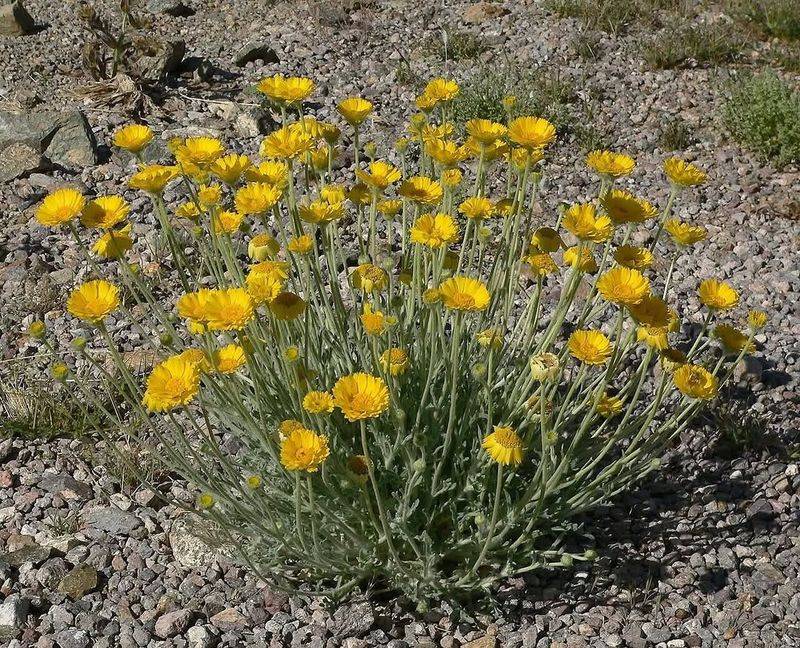
Bright yellow flowers pop against gray pavement from March through November. Desert Marigold delivers nonstop color when other plants shut down during hot months.
Each plant spreads about one foot wide and reaches eight to twelve inches tall. The cheerful daisy-like blooms measure two inches across and appear in waves rather than all at once.
Gray-green foliage provides a soft texture that contrasts nicely with the vivid petals. This Arizona native reseeds readily, filling in bare spots without becoming invasive or overtaking other plants.
Water deeply once every two weeks during summer for continuous flowering. In cooler months, rainfall usually provides enough moisture.
Deadheading spent blooms encourages more flowers, but leaving some seed heads allows natural reseeding for next season. Plants typically live three to four years before needing replacement, though volunteers often fill in gaps.
Your Arizona Garden Changes Every Week. Your Plan Should Too.
Gardening in Arizona changes quickly throughout the season. Every Friday you’ll receive a simple weekly plan showing exactly what to plant, prune, fertilize, harvest, and protect so you never miss the right timing.
Full sun brings out the best performance. Avoid afternoon shade from buildings or walls.
These low-growers work well along sidewalk edges where taller plants might block visibility. Pair them with upright varieties for layered interest in wider planting strips.
The flowers attract native bees and other pollinators throughout the growing season, bringing extra activity to even the hottest parts of the yard.
Good drainage is essential, since plants tend to decline when soil stays wet for long periods.
3. Angelita Daisy Delivers Color With Minimal Water
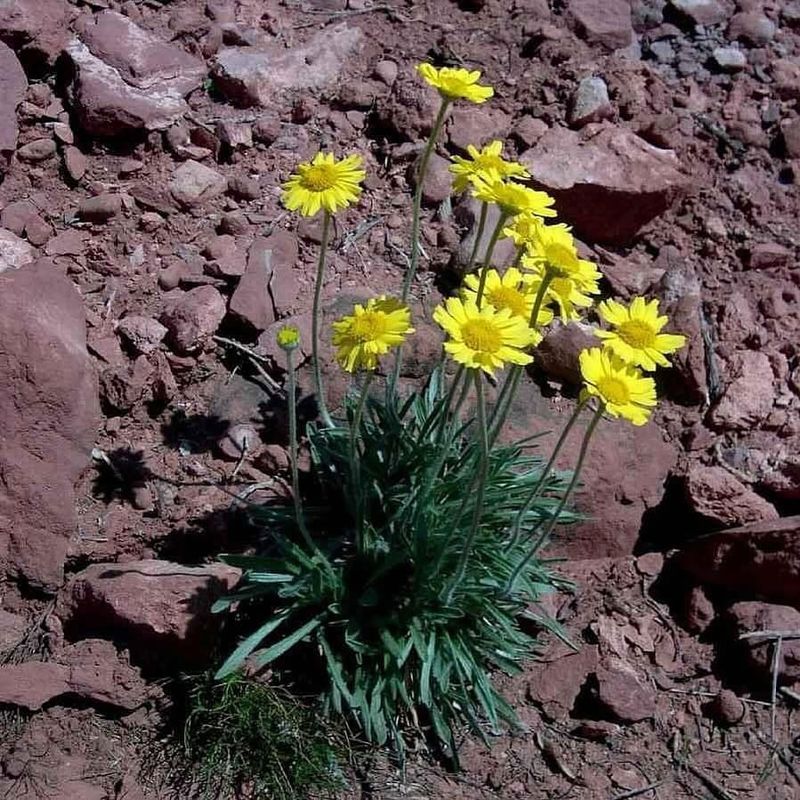
Golden spheres of tiny flowers cover this compact mound from spring through fall. Angelita Daisy thrives on neglect once roots establish in parking strip soil.
The rounded form grows twelve to eighteen inches tall and spreads equally wide. Fine-textured foliage resembles soft green needles that stay attractive even without blooms.
Flowers emerge in clusters that look like golden pom-poms, creating a cheerful display that brightens dreary streetscapes. Each bloom period lasts several weeks before plants take a short rest and rebloom.
Established plants survive on monthly deep watering during summer. Winter rains typically provide sufficient moisture for spring growth and flowering.
Trim plants back by one-third in late winter to encourage bushy growth and prevent woody stems. This light pruning takes just minutes per plant and keeps them looking fresh.
Plant in full sun with good drainage. Rocky or sandy soil suits them better than heavy clay.
Space eighteen inches apart for a continuous border effect. They tolerate reflected heat exceptionally well, making them ideal for south-facing strips that bake all afternoon long.
Butterflies frequently visit the flowers, adding even more color and movement to the planting area throughout the warmer months.
Their compact size also makes them easy to fit into narrow spaces where larger shrubs would quickly become overcrowded.
4. Blackfoot Daisy Thrives In Tough Roadside Conditions
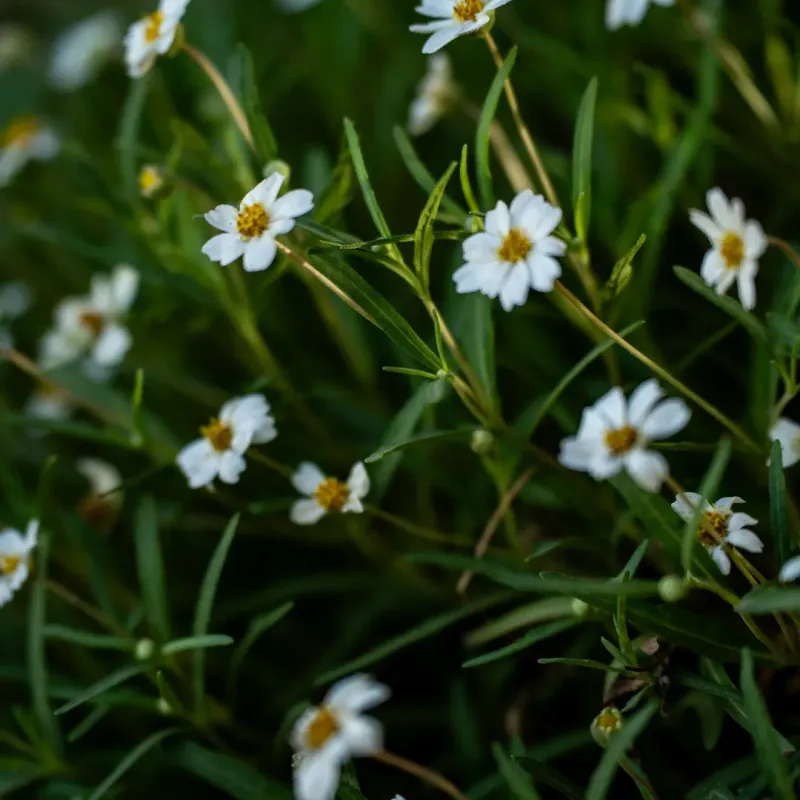
White petals with sunny yellow centers bloom nearly year-round in mild climates. Blackfoot Daisy handles car exhaust, foot traffic, and baking heat without complaint.
This low-growing perennial forms a spreading mat six to twelve inches tall and eighteen inches wide. The small leaves create a fine texture that serves as a perfect backdrop for the cheerful blooms.
Flowers appear most heavily in spring and fall but continue sporadically through summer and winter in protected locations. Plants spread slowly by underground stems, filling in gaps without aggressive takeover behavior.
Water every ten days during hot months for continuous flowering. Plants can survive longer dry periods but may stop blooming temporarily.
Shear plants back by half in midsummer if they look tired or stop flowering. This rejuvenation pruning triggers fresh growth and renewed blooming within a few weeks.
Full sun produces the most flowers. Plants tolerate light foot traffic, making them suitable for strips where people occasionally step over.
Pair with taller plants behind them or use as a standalone ground cover in narrow spaces where height restrictions apply.
Good drainage is especially important, since Blackfoot Daisy performs best in dry, rocky soils and struggles in areas that stay wet.
The lightly fragrant flowers also attract pollinators, helping support bees and butterflies throughout the growing season.
5. Damianita Stays Neat Without Extra Irrigation
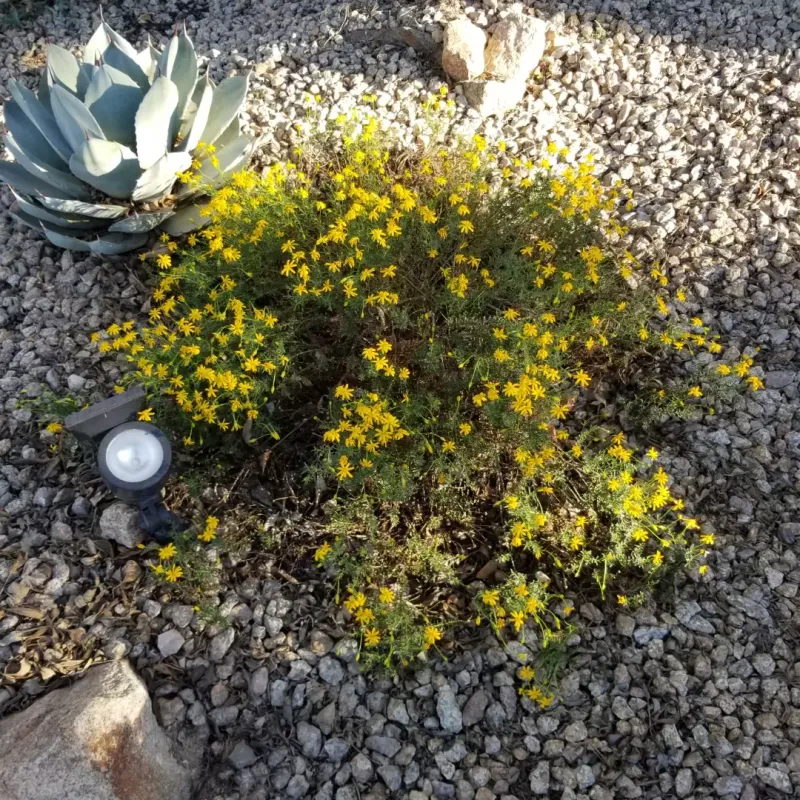
Perfectly rounded mounds hold their shape without pruning or fussing. Damianita brings structure and bright yellow flowers to parking strips that need low-maintenance solutions.
Each plant forms a dense hemisphere twelve to eighteen inches tall and wide. The tiny aromatic leaves smell pleasant when brushed against, releasing a subtle fragrance near sidewalks.
Golden flowers appear in spring and again in fall, covering plants so completely that foliage nearly disappears beneath the blooms. Between flowering periods, the tidy green mounds provide consistent texture and form.
Established plants need supplemental water only during extended summer dry spells. Monthly deep watering maintains flowering, but plants survive with less.
The compact root system adapts well to confined planting strips where space is limited. No pruning is required to maintain the natural rounded shape that makes this plant so appealing.
Plant in full sun for best results. Space eighteen inches apart for individual specimens or twelve inches for a continuous hedge effect.
The small size works well under mailboxes or near driveways where larger plants might interfere with visibility or vehicle clearance.
Excellent heat tolerance allows Damianita to stay attractive through long stretches of hot weather that can stress less-adapted plants.
Its naturally neat growth habit also reduces maintenance, making it a reliable choice for busy landscapes.
6. Globe Mallow Adds Seasonal Interest To Narrow Spaces
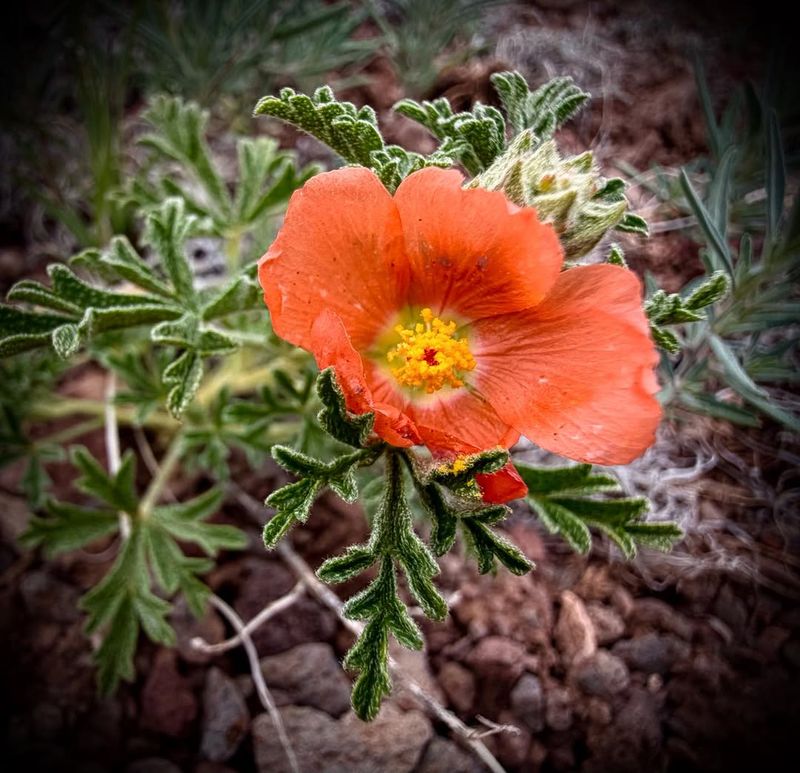
Coral-orange blooms on tall stems create vertical interest in flat parking strips. Globe Mallow brings movement and color from early spring through summer with minimal care requirements.
Plants reach two to three feet tall when flowering but maintain a compact base about eighteen inches wide. Gray-green leaves form a low mound for most of the year, then send up flowering stalks that attract bees and butterflies.
The papery petals in shades of apricot, coral, or orange create a warm color palette that complements desert landscapes. After blooming, plants go semi-dormant in winter, losing some leaves but maintaining a presence.
Water every two weeks during active growth for extended flowering. Plants tolerate longer dry periods but may go dormant early.
Cut back spent flower stalks to six inches above ground after blooming finishes. This cleanup prevents self-seeding if you prefer controlled plantings, though volunteers rarely become problematic.
Full sun produces the most blooms. Plants lean toward light sources, so position them where leaning won’t obstruct walkways.
The soft foliage texture contrasts nicely with architectural plants like agaves or yuccas in mixed plantings.
The flowers attract a steady stream of pollinators during the warmer months, bringing extra activity to planting strips and roadside beds.
7. Brittlebush Performs Well In Hot, Exposed Areas
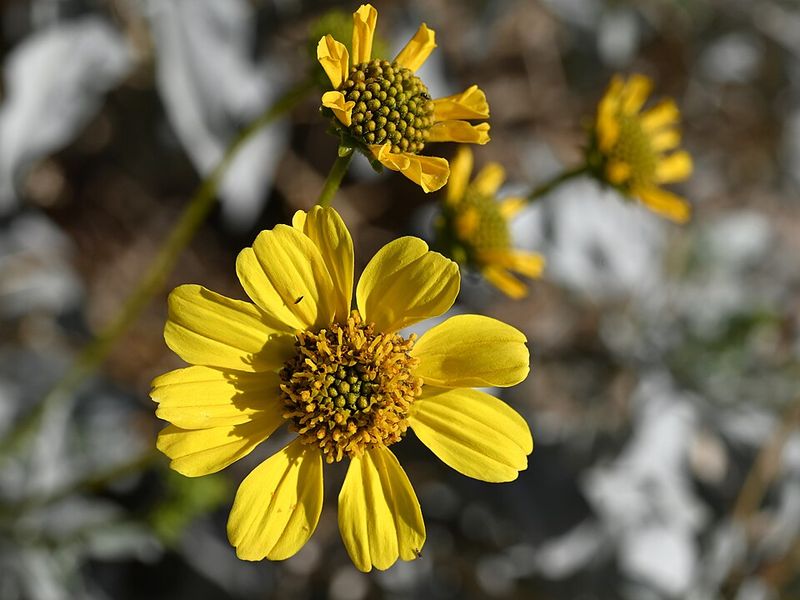
Silvery leaves reflect intense sunlight while bright yellow flowers rise on tall stalks. Brittlebush turns parking strip challenges into advantages with its heat-loving nature.
This rounded shrub grows two to three feet tall and equally wide at maturity. The soft gray foliage provides year-round interest and contrasts beautifully with darker pavement or nearby green plants.
Flower stalks emerge in spring, rising above the foliage to display clusters of cheerful yellow blooms that last for weeks. Stems produce a fragrant resin that early settlers used for various purposes.
Water monthly during summer once established. Plants can survive on rainfall alone in some areas but look better with occasional deep watering during extended dry periods.
Trim plants back by one-third after flowering to maintain compact shape and prevent legginess. Old plants sometimes develop bare centers and benefit from replacement every five to seven years.
Full sun and reflected heat bring out the best silver color in foliage. Space plants three feet apart for mature coverage.
They work well as anchor plants in wider strips or standalone specimens in narrow spaces where one bold plant makes more impact than several small ones.
The drought-tolerant nature of Brittlebush helps reduce maintenance while still providing reliable color and texture throughout much of the year.
8. Desert Zinnia Covers Ground Without Heavy Water Use
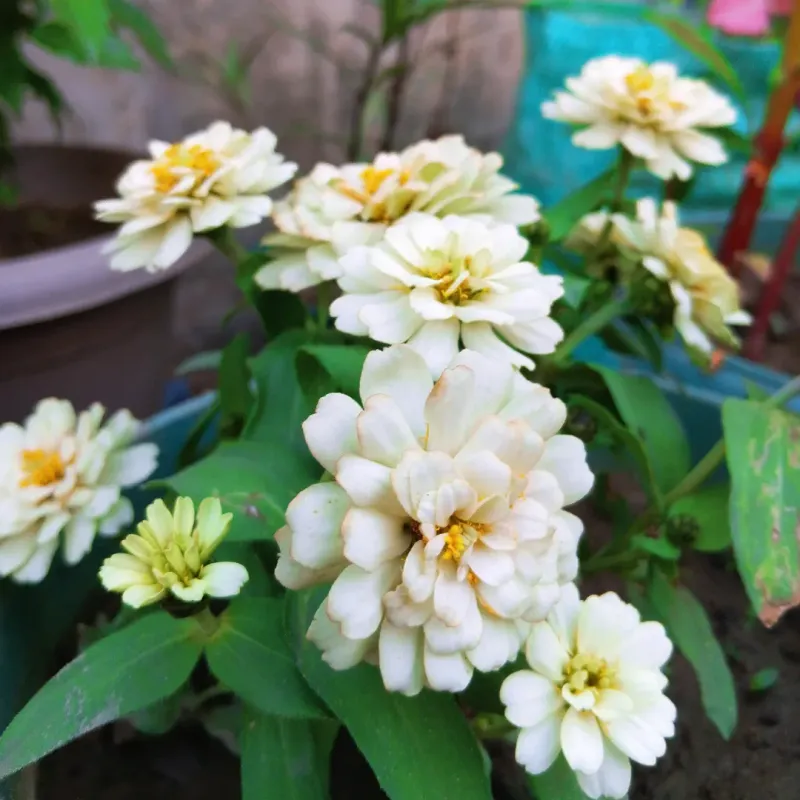
Papery white flowers appear year-round in mild climates. Desert Zinnia spreads slowly to create a flowering ground cover that stays under one foot tall.
Plants form low mats six to eight inches tall and spread two feet wide over time. The small narrow leaves create fine texture that doesn’t compete visually with nearby plants.
White flowers with yellow centers measure about one inch across and appear continuously in warm weather, taking short breaks only during coldest months. This native plant attracts small native bees and other beneficial insects to your parking strip.
Water every two weeks during summer for continuous blooming. Established plants survive longer dry periods but flower less frequently.
Shear plants lightly in late winter to remove any frost-damaged growth and encourage fresh foliage. No other maintenance is typically needed beyond occasional weeding around young plants.
Full sun produces the most flowers. Plants tolerate light shade but bloom less.
The low height makes them suitable for areas near driveways where taller plants might block driver visibility. Combine with upright accent plants for visual interest in wider planting strips that accommodate layered designs.
Its tidy growth habit allows it to fit neatly into narrow spaces without spilling onto sidewalks or creating maintenance concerns near paved areas.
9. Chuparosa Tolerates Harsh Streetside Exposure
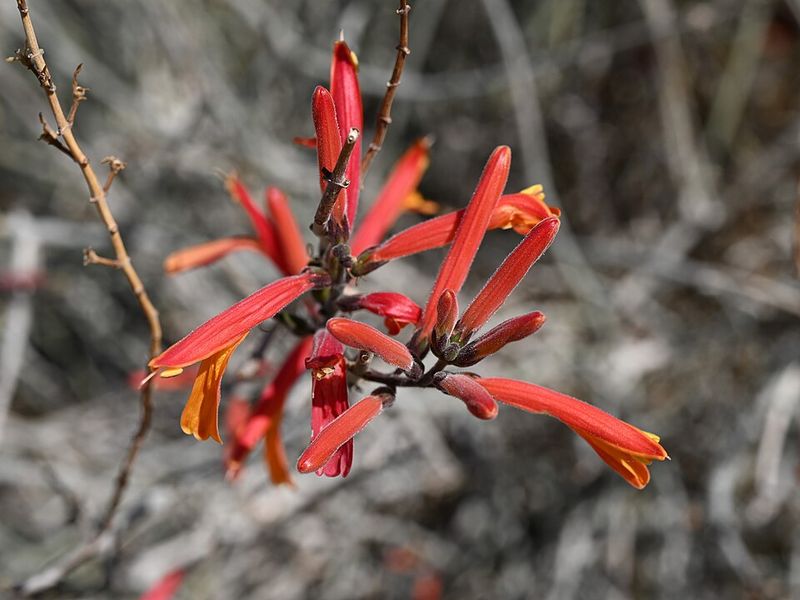
Red tubular flowers dangle from green stems throughout the warm season. Chuparosa brings hummingbirds to your parking strip while handling reflected heat and poor soil with ease.
This open shrub reaches three to five feet tall and wide, creating a fountain-like form of arching green stems. The small leaves drop during drought or cold, leaving photosynthetic green stems to carry on.
Bright red flowers appear from spring through fall, with heaviest blooming in spring and again after summer rains. Hummingbirds visit constantly during flowering periods, providing entertainment for anyone walking past.
Water every two weeks during summer for best flowering and foliage retention. Plants survive much longer dry periods by dropping leaves and entering semi-dormancy.
Prune stems back by half in late winter to control size and encourage bushy growth. Hard pruning to one foot above ground rejuvenates old plants that have become too large or sparse.
Full sun produces the most flowers. Plants tolerate reflected heat from pavement exceptionally well.
Space four feet apart in wider strips or use single specimens in narrow areas. The airy structure allows visibility through branches, making them suitable near intersections where sight lines matter.
Despite its delicate appearance, Chuparosa is remarkably tough and adapts well to harsh growing conditions that challenge many other flowering shrubs.