The Reasons Pennsylvania Gardeners Are Adding Lemon Balm Near Their Patios
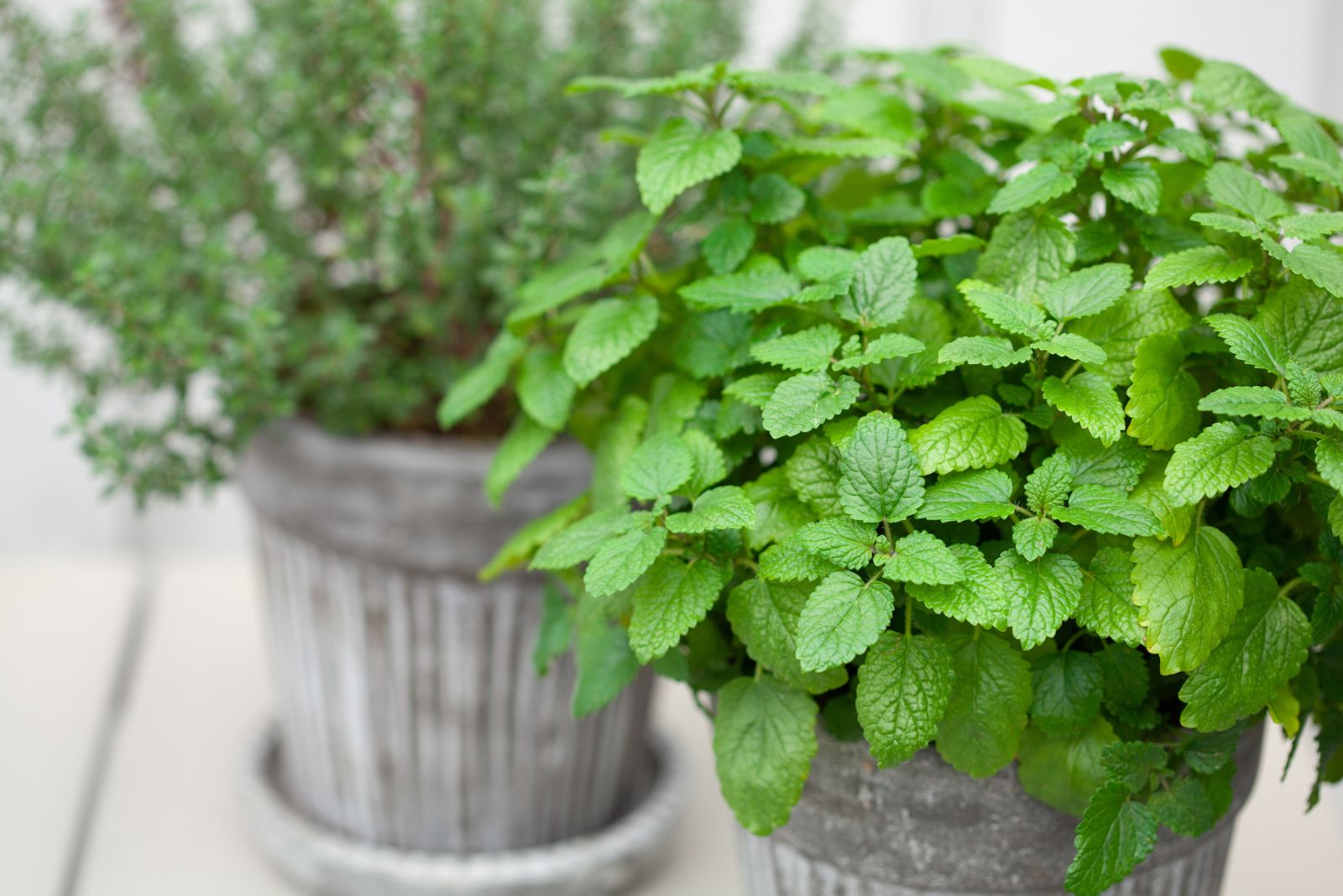
Lemon balm is one of those plants that tends to get overlooked in favor of flashier herbs or more well-known garden favorites, but Pennsylvania gardeners who have added it near their patios are discovering that it earns its space in more ways than one.
The fragrance alone makes it worth growing close to where you spend time outdoors, a clean citrus scent that carries lightly on a warm afternoon without being overwhelming.
Beyond the smell, lemon balm has practical qualities that make it genuinely useful in an outdoor living area, from the insects it discourages to the ones it attracts, and the way it interacts with the surrounding plants in a patio setting.
It is also easy to grow in Pennsylvania, comes back reliably each season, and spreads willingly enough to fill a space without much encouragement.
Once people understand everything this plant is quietly doing near their outdoor space, it tends to become a permanent fixture.
1. It Releases A Fresh Lemon Scent
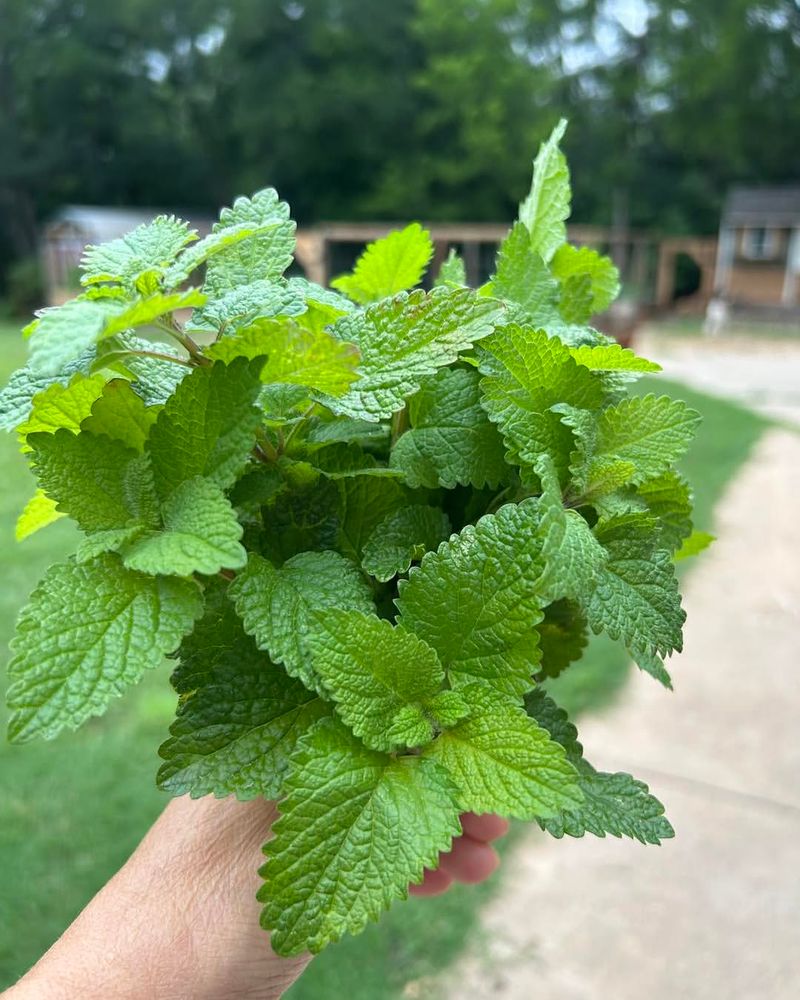
Walk past a patch of lemon balm and give one of its leaves a gentle brush, and something almost magical happens. A clean, bright lemon fragrance floats right up to meet you.
It is one of the most instantly refreshing scents you can add to an outdoor space without buying a single candle or spray.
Lemon balm belongs to the mint family, which is part of why its fragrance is so strong and pleasant. The leaves hold tiny oil glands that release that citrusy smell when touched, brushed, or even when the wind moves through the plant.
Placing it near a patio chair or along a walkway means you catch that scent naturally throughout the day.
Pennsylvania summers can get humid and warm, and patios sometimes collect stale air or outdoor odors from grills, trash bins, or nearby compost.
A few pots of lemon balm nearby can make the whole area feel cleaner and more inviting without any extra effort. Guests often notice the pleasant smell right away and ask what it is.
The scent is soft enough that it does not overpower other garden smells or bother people who are sensitive to strong fragrances. It blends nicely with lavender, basil, or mint if you enjoy mixing herbs together.
Even on still summer evenings, the fragrance tends to linger in the air around the plant, turning an ordinary patio into a spot that genuinely feels good to sit in for hours.
2. Lemon Balm May Help Discourage Mosquitoes
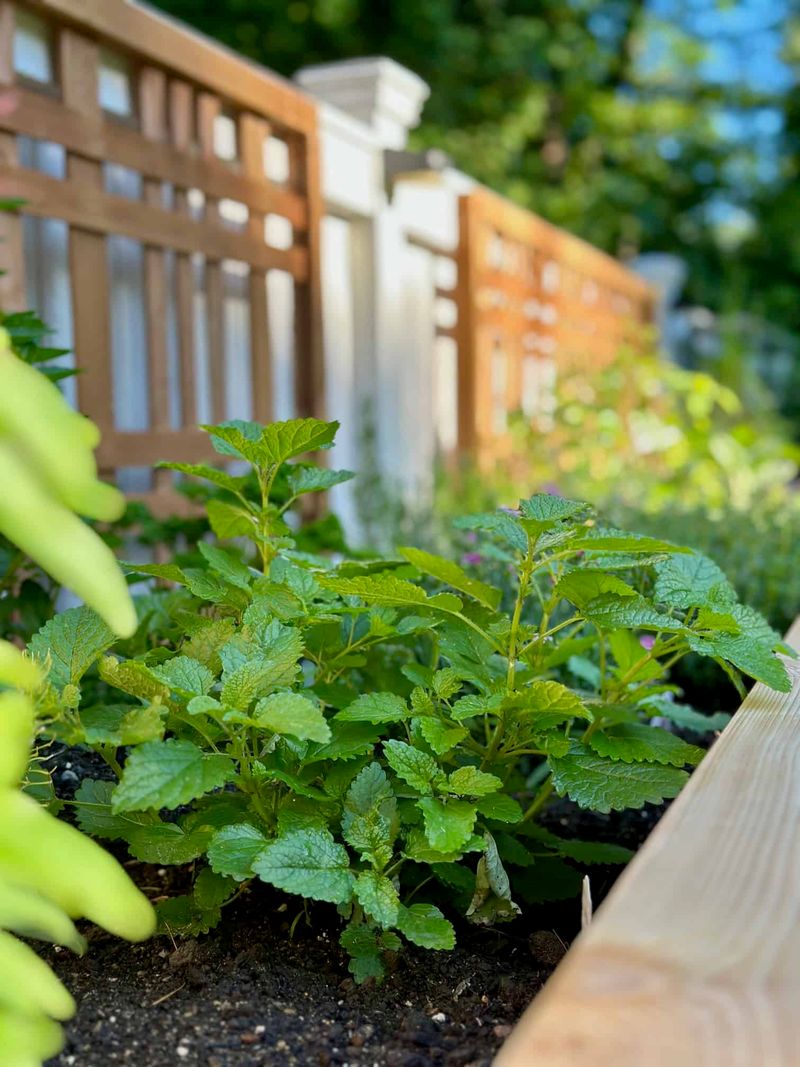
Mosquitoes are one of the biggest complaints Pennsylvania homeowners have about spending time outdoors during the summer. Sitting on a patio at dusk can quickly turn unpleasant when the biting starts.
Many gardeners have started looking for natural ways to make their outdoor spaces less attractive to these pests, and lemon balm keeps coming up in that conversation.
The plant contains a compound called citronellal, which gives it that lemony aroma and is also found in citronella, one of the most widely used natural mosquito repellents around.
Your Pennsylvania Garden Changes Every Week. Your Plan Should Too.
Gardening in Pennsylvania changes quickly throughout the season. Every Friday you’ll receive a simple weekly plan showing exactly what to plant, prune, fertilize, harvest, and protect so you never miss the right timing.
While lemon balm alone is not a guaranteed shield against every mosquito in the yard, many gardeners report noticeably fewer insects hovering around areas where the plant grows in abundance.
For best results, try placing several pots of lemon balm directly around seating areas rather than just in a garden bed across the yard. Crushing a few leaves and rubbing them lightly on your skin before sitting outside can also boost the effect.
The oil from the leaves is what carries most of the repelling properties, so releasing it matters.
Lemon balm works best as part of a broader outdoor strategy. Pairing it with other insect-discouraging plants like rosemary, catnip, or marigolds can make a real difference in how comfortable your patio feels on summer evenings.
It is a low-effort, pleasant-smelling approach that many Pennsylvania families appreciate, especially when spending long evenings outdoors with kids or pets running around the backyard.
3. It Thrives In Pennsylvania Summers
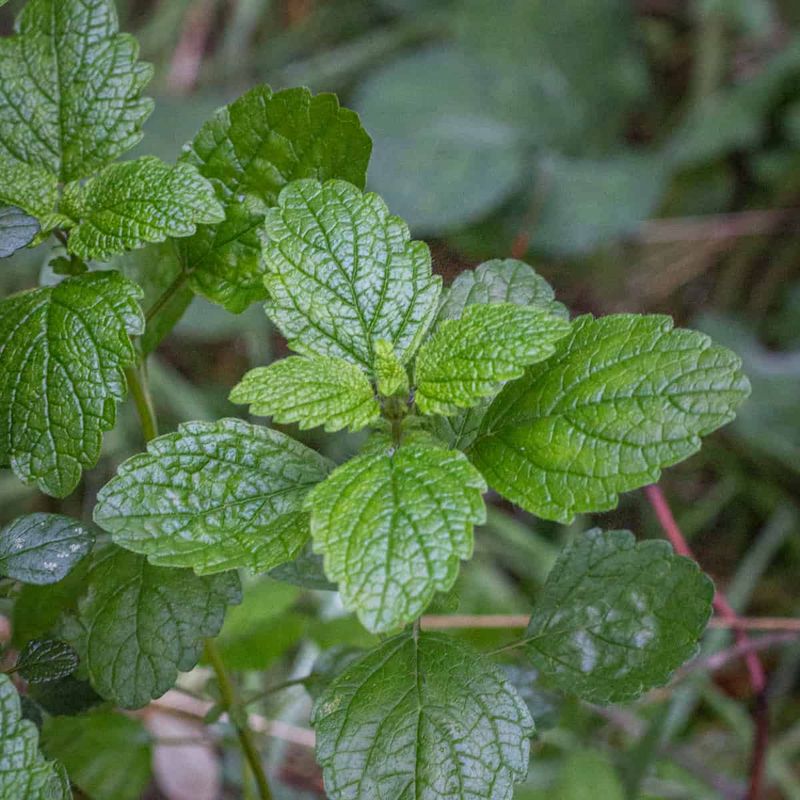
Not every herb handles Pennsylvania weather with ease. The state gets hot, humid summers, rainy spring spells, and occasional dry stretches that can stress out more delicate plants.
Lemon balm, though, takes all of that in stride with almost zero fuss, which is a big reason so many gardeners here have come to love it.
Lemon balm grows best in USDA hardiness zones 4 through 9, and most of Pennsylvania falls comfortably within that range.
It prefers well-drained soil and partial to full sun, which makes it a natural fit for the sunny corners and mixed garden beds that are common in Pennsylvania backyards.
Even in shadier spots, it manages to put out healthy, fragrant growth throughout the season.
One of the best things about growing lemon balm in this region is how little attention it needs once it gets going. Water it regularly during dry spells, give it decent soil, and it will reward you with thick, bushy growth from late spring all the way through early fall.
It bounces back quickly after a hard pruning, too, which encourages fresh new leaves and keeps the plant looking tidy.
Beginner gardeners especially appreciate how forgiving lemon balm is. Missing a watering day or forgetting to fertilize does not set it back the way it might with more finicky herbs.
For anyone just getting started with herb gardening in Pennsylvania, lemon balm is often one of the very first plants recommended because it builds confidence and produces results quickly and reliably.
4. Lemon Balm Attracts Pollinators When Flowering
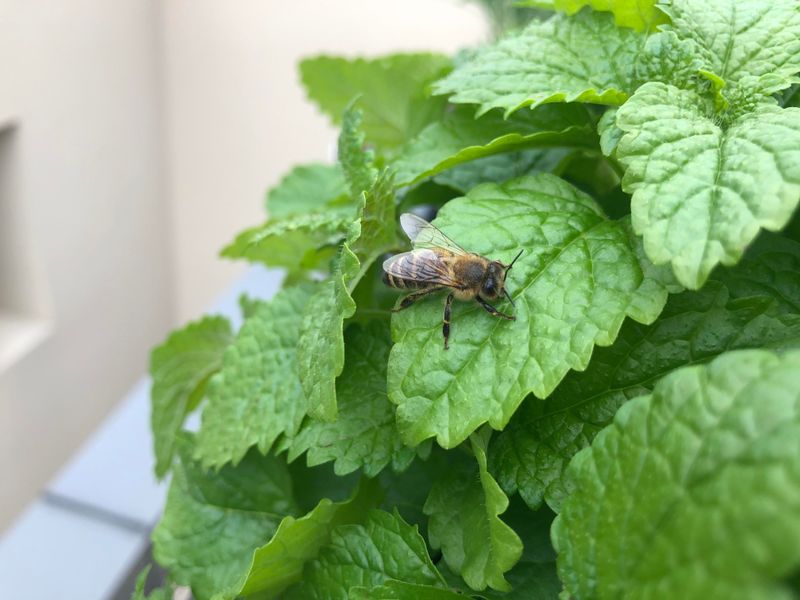
Bees have been having a tough time lately. Habitat loss, pesticide use, and changing weather patterns have made it harder for pollinators to find the food and shelter they need.
Planting lemon balm near your patio is one small but meaningful way to help, and the plant does not need much encouragement to get the job done.
When lemon balm blooms in midsummer, it produces clusters of tiny white flowers that are absolutely loved by bees. Honeybees, bumblebees, and several species of native bees all visit the blooms regularly.
Butterflies and hoverflies also stop by, turning your patio garden into a lively, buzzing little ecosystem during the warmest months of the year.
Historically, beekeepers planted lemon balm near hives to attract swarms and keep bees calm. Ancient Greek and Roman farmers used it for this exact purpose, which shows just how long people have recognized the plant’s connection to pollinators.
Bringing that tradition into a modern Pennsylvania backyard is a genuinely satisfying way to support local wildlife.
If you want to enjoy both the fragrant leaves and the pollinator benefits, try a simple trick: let some stems flower while cutting others back for fresh leaf growth.
That way you get a continuous harvest of leaves for tea or cooking while still offering blooms for visiting insects throughout the summer.
The flowers are also edible and can be added to salads or used as a garnish, giving you even more reasons to let the plant bloom freely.
5. It Can Be Used In Tea And Recipes
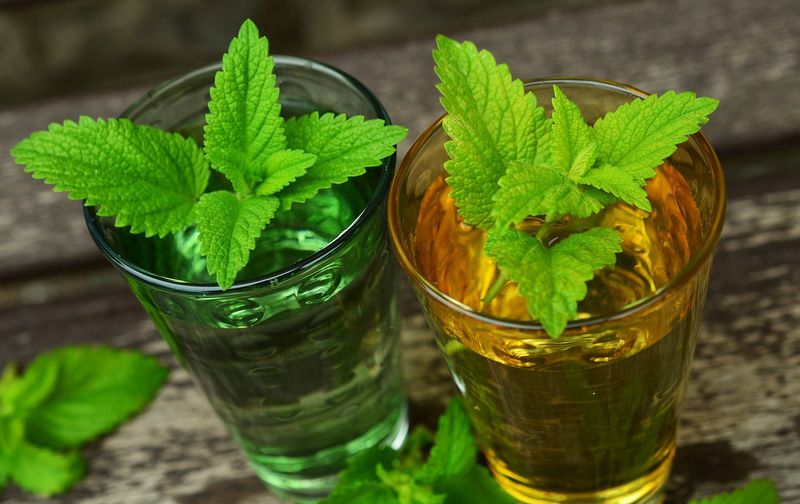
Imagine stepping off your patio, snipping a handful of fresh green leaves, and walking back inside to make a soothing cup of herbal tea.
That is exactly the kind of everyday luxury lemon balm offers, and it is one of the top reasons gardeners keep coming back to this plant season after season.
Lemon balm tea has been used for centuries as a gentle remedy for stress, restless nights, and an upset stomach. The flavor is mild and pleasant, with a soft citrus note that does not taste medicinal or overpowering.
A simple hot brew made from fresh or dried leaves is one of the most relaxing evening drinks you can make entirely from your own backyard.
Beyond tea, lemon balm works surprisingly well in a wide range of recipes. Chop the leaves finely and stir them into lemonade or infused water for a refreshing summer drink.
Add them to fruit salads, green salads, or grain bowls for a pop of flavor that is light and herby without being sharp. The leaves also pair nicely with honey, peaches, strawberries, and soft cheeses.
Bakers sometimes use lemon balm in shortbread cookies, pound cakes, and sorbets where a delicate citrus note is welcome without the tartness of actual lemon juice. Because the plant grows so vigorously, you will rarely run short of leaves to experiment with.
Harvesting regularly actually encourages the plant to produce more growth, so using it in the kitchen is genuinely good for the garden too.
6. It Grows Well In Containers
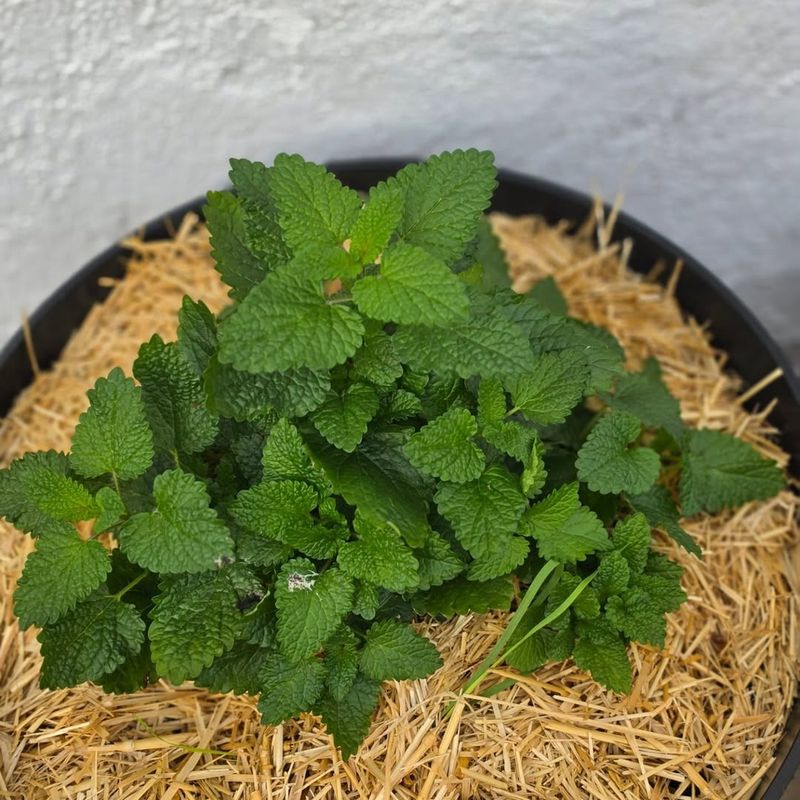
Lemon balm has one personality quirk that every new grower should know about upfront: it spreads. Fast.
Left unchecked in an open garden bed, it can take over neighboring plants and claim far more space than most gardeners planned for. The good news is that a simple pot or planter solves this completely, and container growing actually suits lemon balm very well.
Growing lemon balm in containers near your patio keeps it exactly where you want it. You get all the fragrance, the pollinator activity, and the harvestable leaves without worrying about it creeping into your flower beds or vegetable garden.
Large pots, window boxes, raised planters, and even five-gallon buckets all work great as long as they have drainage holes at the bottom.
Container-grown lemon balm does need a bit more attention to watering since pots dry out faster than garden beds during Pennsylvania’s warm summers.
Checking the soil every couple of days and watering thoroughly when the top inch feels dry keeps the plant happy and productive.
A slow-release fertilizer mixed into the potting soil at the start of the season gives it steady nutrition without much fuss.
One of the nicest things about container growing is flexibility. You can move pots around the patio to catch more sun, tuck them closer to seating areas when guests come over, or bring them indoors before the first frost to extend your harvest into late fall.
For small-space gardeners or anyone with a deck instead of a yard, containers make lemon balm a totally practical and enjoyable choice.