What North Carolina Hydrangeas Actually Need In June To Keep Blooming Through August
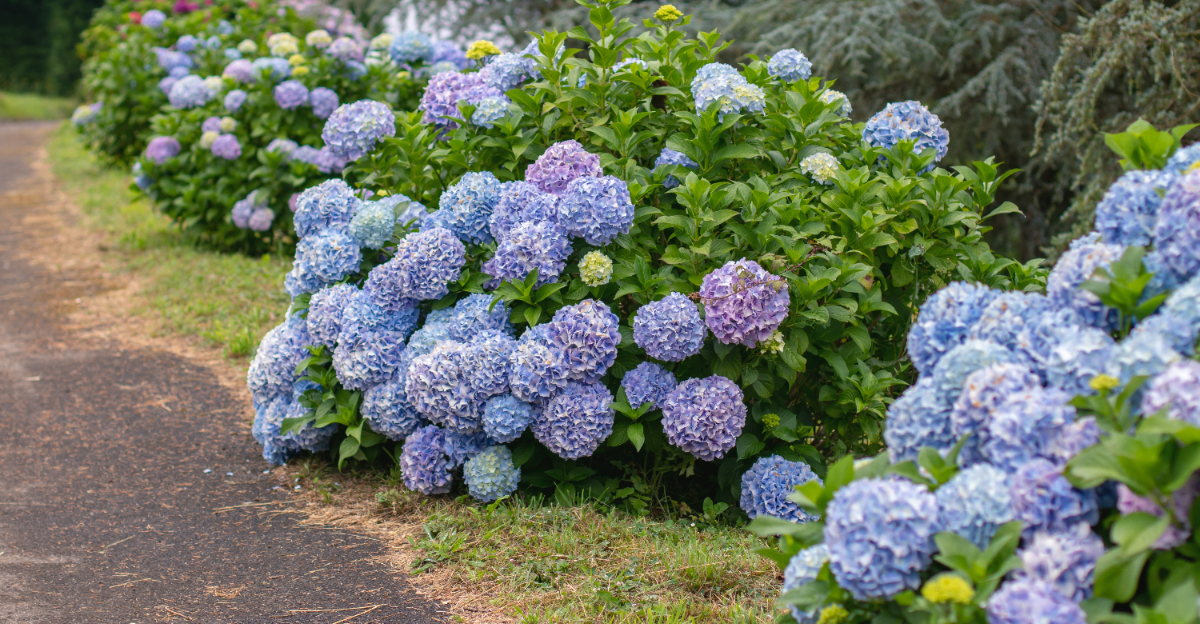
A hydrangea that peaks in June and coasts through the rest of summer on fading blooms is only doing part of its job.
North Carolina’s growing season is long enough that with the right care in June, many hydrangeas can stay in active bloom well into August, and some push even further into fall.
Most gardeners don’t realize that June is actually the month where that outcome gets decided. What you do right now, while the first blooms are either finishing or still going strong, sets up everything that follows.
It’s not about doing more. In some cases it’s about stopping something you’re already doing.
A few targeted adjustments this month work with the plant’s natural cycle in a way that keeps the energy going toward new blooms instead of letting the whole thing wind down before summer is anywhere close to finished.
1. Deep Watering During Dry Periods
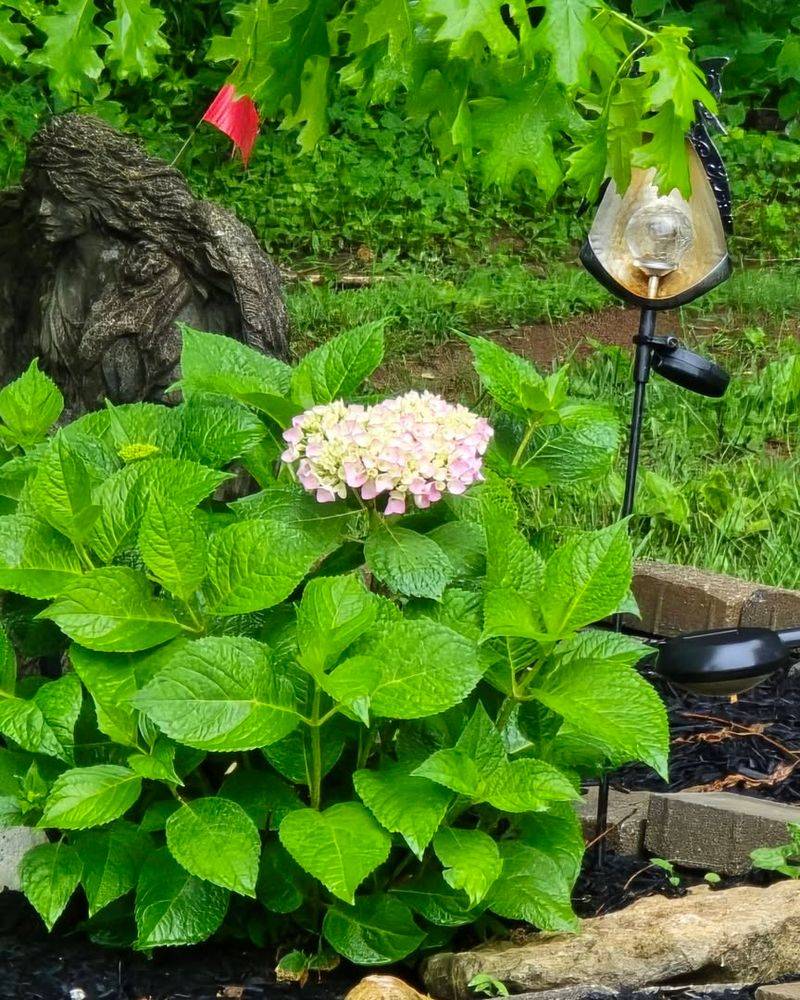
Few things stress a hydrangea faster than inconsistent water during a North Carolina summer.
June temperatures regularly push into the upper 80s and low 90s, and that kind of heat pulls moisture out of the soil much faster than most gardeners expect.
Your hydrangea macrophylla is not a drought-tolerant plant, and it will let you know when it is struggling.
Deep watering means getting water down into the root zone, usually six to eight inches below the surface, rather than just wetting the top layer. Shallow watering encourages roots to stay near the surface, where they dry out fastest.
When you water deeply and less frequently, roots grow downward to find moisture, making the plant much more resilient during dry stretches.
In North Carolina, a good rule of thumb is to give your hydrangeas about one inch of water per week, and more during heat waves.
Early morning is the best time to water because it allows foliage to dry before evening, which helps reduce fungal issues.
Avoid watering at night whenever possible. A slow trickle from a soaker hose or drip line placed near the base of the plant is one of the most effective methods for getting water exactly where the roots need it most.
2. A Fresh Layer Of Mulch Around The Root Zone
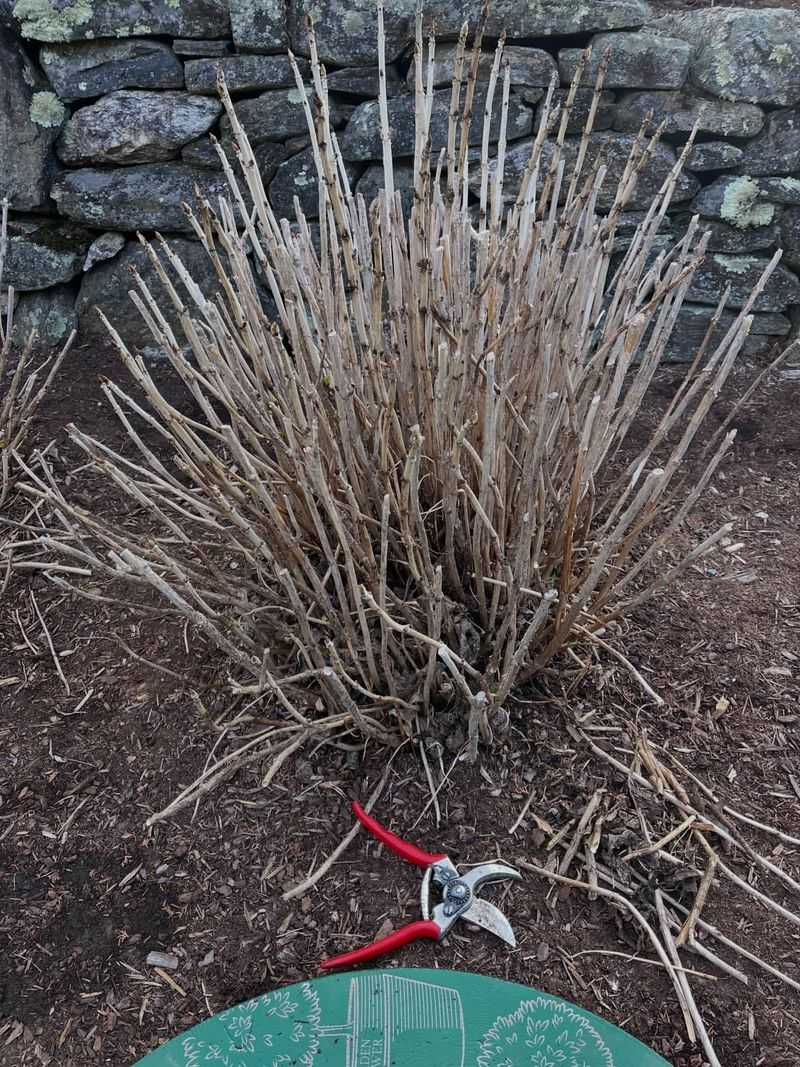
Mulch is one of the most underrated tools a hydrangea gardener has, especially heading into a North Carolina summer.
A fresh two to three inch layer of organic mulch spread around the base of your plant does several important things at once, and the timing of June is just right to get it down before the real heat arrives.
First and most obviously, mulch slows down moisture evaporation from the soil. On a hot July afternoon, bare soil can lose a significant amount of moisture within just a few hours.
Mulch acts like a blanket, keeping that water in the ground where roots can actually use it. It also moderates soil temperature, keeping roots cooler during the hottest parts of the day, which reduces stress on the plant considerably.
Your North Carolina Garden Changes Every Week. Your Plan Should Too.
Gardening in North Carolina changes quickly throughout the season. Every Friday you’ll receive a simple weekly plan showing exactly what to plant, prune, fertilize, harvest, and protect so you never miss the right timing.
Shredded hardwood, pine bark, or pine straw all work well for hydrangeas. Keep the mulch a few inches away from the main stem to prevent rot and moisture buildup right at the base.
Over time, organic mulch also breaks down and improves soil structure, which benefits long-term root health.
Refreshing the layer each spring or early summer is a simple habit that pays off dramatically in bloom quality and overall plant resilience throughout the hottest months of the year.
3. Protection From Hot Afternoon Sun
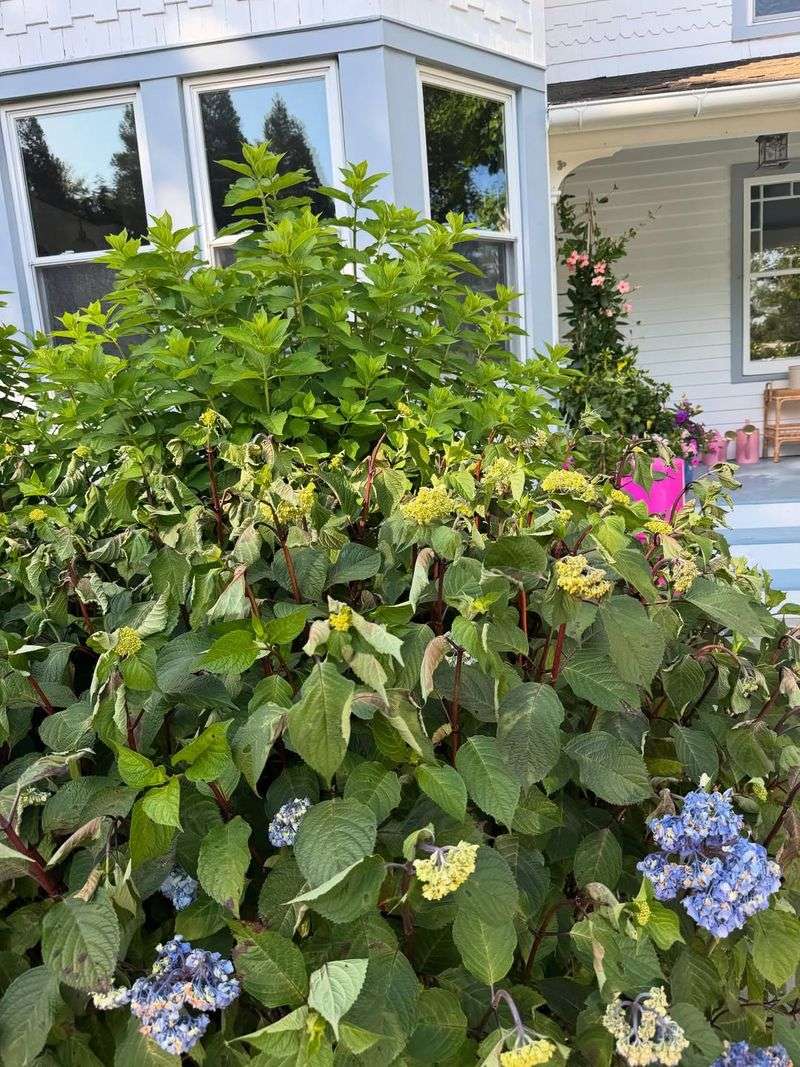
Walk through almost any successful hydrangea garden in the South and you will notice a pattern: the best-looking plants are rarely sitting in full afternoon sun.
Hydrangea macrophylla genuinely performs better with morning sun and afternoon shade, and in North Carolina, that distinction becomes especially important once June arrives.
Morning light gives the plant the energy it needs for photosynthesis without the punishing intensity of midday and afternoon rays. After about 1 p.m., direct sun in North Carolina can be brutal.
Leaves scorch, flowers fade faster, and the whole plant can look exhausted by evening even if the soil moisture is fine. Positioning matters enormously, and if your plant is already in a tough spot, creative use of shade cloth can help bridge the gap.
A shade cloth rated at 30 to 40 percent light reduction, temporarily set up on the western side of the plant during summer afternoons, can make a real difference without blocking too much light overall.
Nearby trees, fences, or structures that cast afternoon shade are natural allies. If you are planning a new planting, choose a spot on the east or north side of a structure for ideal light conditions.
Your blooms will stay fuller, more vibrant, and last significantly longer when the plant is not fighting intense afternoon heat on top of summer humidity.
4. Consistent Soil Moisture Instead Of Wet-Dry Cycles
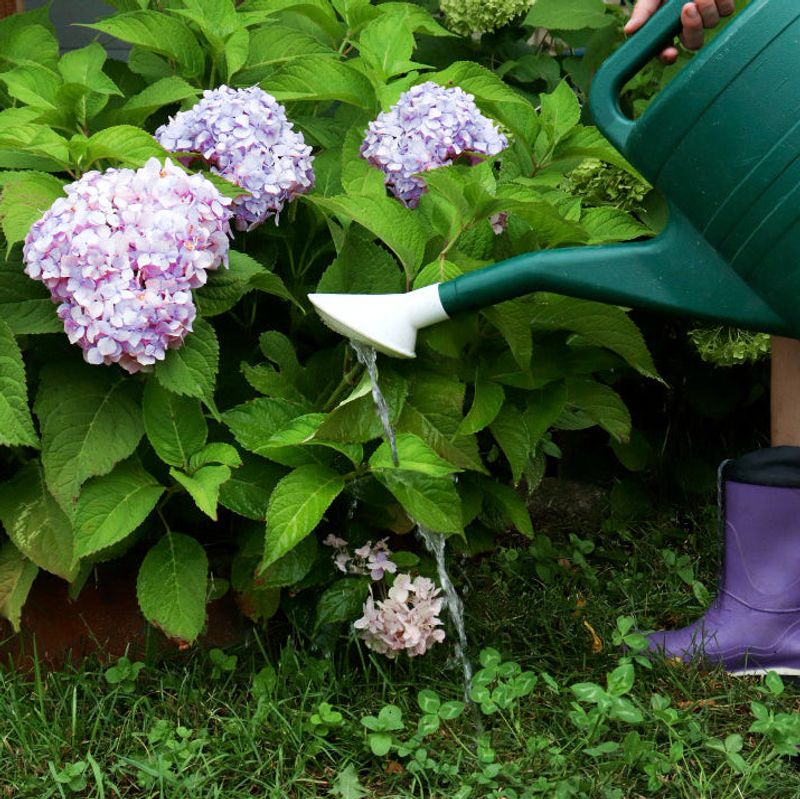
Hydrangeas are surprisingly sensitive to the rhythm of watering, not just the total amount of water they receive.
Going from soaking wet soil to bone-dry conditions and back again is one of the most common causes of wilting, poor flower quality, and stressed plants during the summer bloom season in North Carolina.
Think of it this way: when soil swings between extremes, roots have a hard time keeping up with the plant’s demands. During a dry period, even a few days without water can cause blooms to droop and petals to look papery or burned at the edges.
Then when water finally arrives, the plant can struggle to recover its full appearance before the next dry stretch hits.
The goal is to maintain evenly moist soil throughout the season, not wet and not dry. Checking soil moisture two to three inches below the surface every couple of days is a reliable way to stay ahead of problems.
A simple finger test works just fine: if the soil feels dry at that depth, it is time to water. Combining consistent watering with a good layer of mulch gives you the best chance of maintaining that steady moisture level.
Plants that experience fewer wet-dry extremes tend to produce fuller blooms, hold their flowers longer, and look healthier overall from June straight through the end of August.
5. Avoiding Heavy Fertilization In Summer
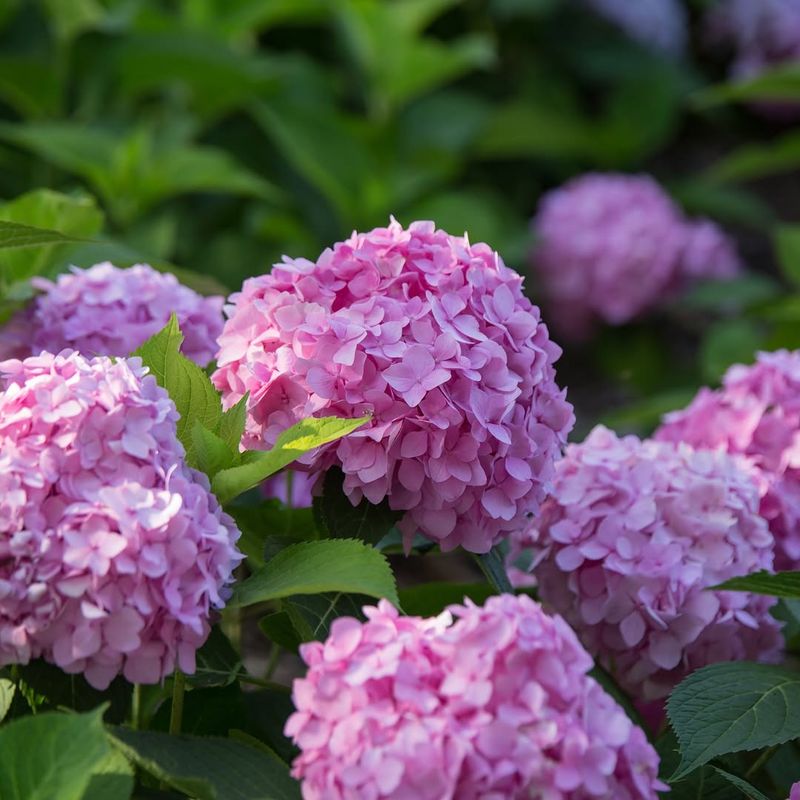
Here is something that surprises a lot of gardeners: more fertilizer in summer does not mean more flowers.
For hydrangea macrophylla, heavy feeding during June and July can actually work against you, pushing the plant to produce lots of leafy green growth at the expense of the blooms you are trying to keep going through August.
Nitrogen, in particular, is the nutrient that drives vegetative growth. When you apply a high-nitrogen fertilizer during active bloom season, the plant channels energy into making new leaves rather than sustaining and developing flowers.
You end up with a very green, very leafy shrub that looks healthy but is not delivering on blooms. That is not the trade-off most gardeners want in the middle of summer.
If you fertilized in early spring with a balanced or bloom-boosting formula, your plant likely has enough nutrients to carry it through the summer season without additional feeding.
If you feel the plant genuinely needs a boost, a light application of a low-nitrogen, slow-release fertilizer in very early June is the safer approach.
Avoid fertilizing after mid-June in North Carolina because new growth stimulated late in the season may not harden off properly before the temperature shifts in fall.
Healthy soil preparation in spring is really the best investment for strong summer blooming.
6. Good Airflow Around The Plant
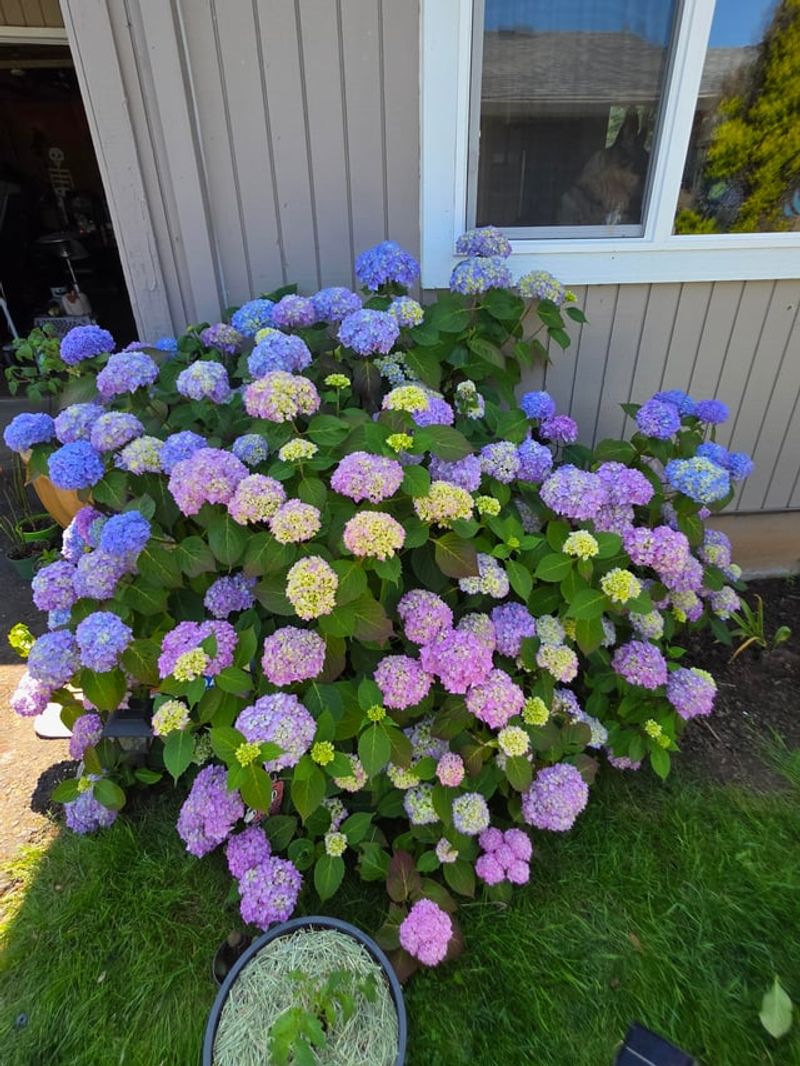
North Carolina summers are famously humid, and that moisture-laden air creates ideal conditions for fungal diseases like powdery mildew and botrytis to move in on hydrangeas.
One of the simplest and most effective ways to reduce disease pressure is to make sure your plants have good airflow around them throughout the growing season.
Crowded plants trap warm, damp air around their foliage, especially overnight when temperatures drop slightly and humidity rises. That combination of warmth and moisture is exactly what fungal spores love.
You will start to see powdery white patches on leaves, or brown spotting that spreads quickly if airflow is poor and the problem goes unaddressed for long.
Proper plant spacing is the foundation of good airflow. Hydrangea macrophylla typically needs at least four to six feet of space between plants, depending on the variety.
If existing plants are already crowded, selectively removing a few interior stems in early spring each year can open up the canopy and improve air circulation without harming the plant.
Avoid planting in low spots where air tends to stagnate. Keeping the area around the base clear of fallen leaves and debris also helps.
Good airflow does not just prevent disease; it actually helps the plant regulate temperature more effectively, which adds up to better overall performance during the hottest and most humid weeks of summer.
7. Protection From Competition By Tree Roots
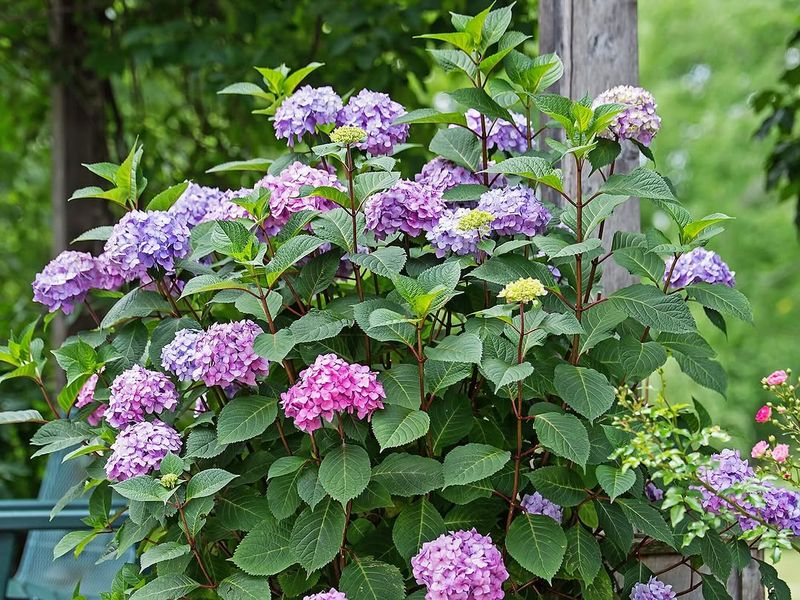
Planting a hydrangea beneath a large shade tree seems like the perfect solution for afternoon sun protection, and in some cases it genuinely works.
But there is a hidden challenge that many gardeners do not think about until summer arrives: tree roots are aggressive competitors, and they can quietly steal the water and nutrients your hydrangea needs to keep blooming.
Mature trees like oaks, maples, and sweet gums have extensive root systems that spread far beyond the drip line of the canopy.
When summer rainfall gets scarce and you are counting on irrigation to carry your hydrangeas through, tree roots can intercept a surprising amount of that moisture before it ever reaches your shrub.
The hydrangea ends up water-stressed even when you think you are watering enough.
If your hydrangeas are growing near large trees, increase your watering frequency during dry spells and check soil moisture more often than you would for plants in open beds. A thicker layer of mulch can help slow evaporation and give the hydrangea a slight advantage.
Some gardeners use a physical root barrier installed vertically in the soil to reduce competition, though this works better as a preventive measure than a fix after the fact.
Choosing planting locations thoughtfully from the beginning is always the easier path, but with extra attention, hydrangeas near trees can still put on a beautiful summer show.
8. Leaving Flower Buds Intact
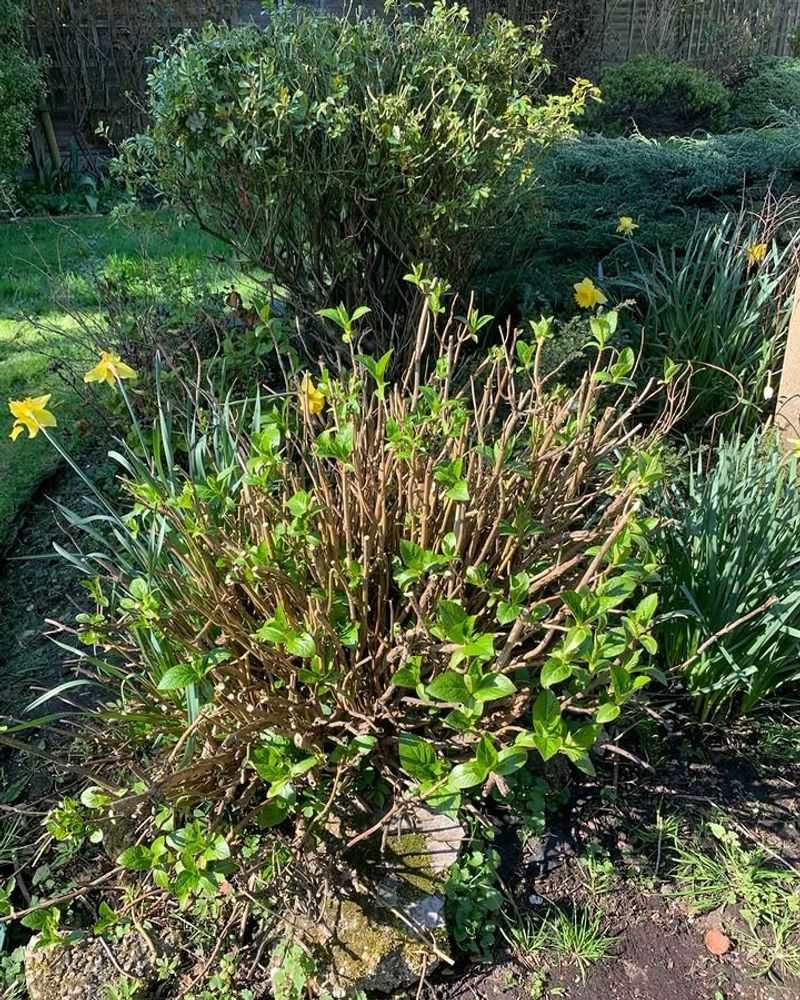
Pruning feels productive, and it is tempting to tidy up a hydrangea that looks a little unruly as summer gets going.
But for hydrangea macrophylla, reaching for those pruning shears in June is one of the fastest ways to accidentally wipe out your summer bloom display before it even gets started.
Most hydrangea macrophylla varieties bloom on old wood, meaning the flower buds were formed on last year’s stems during late summer and fall. Those buds survived winter and are now ready to open.
If you cut stems back in June, even just to shape the plant, you are likely removing buds that were weeks away from opening into full, beautiful flowers. The result is a neatly trimmed shrub with almost no blooms for the rest of the season.
The correct time to prune hydrangea macrophylla is right after blooming finishes, typically in late summer or very early fall, before the plant sets next year’s buds.
If you need to remove a damaged or crossing stem during summer, make the cut as selectively as possible and only take what is truly necessary.
Some newer reblooming varieties like Endless Summer produce buds on both old and new wood, giving you a little more flexibility, but even those benefit from minimal pruning during active bloom season.
When in doubt, put the shears down and let the plant do its thing.
9. Monitoring For Heat Stress Before Severe Wilting Occurs
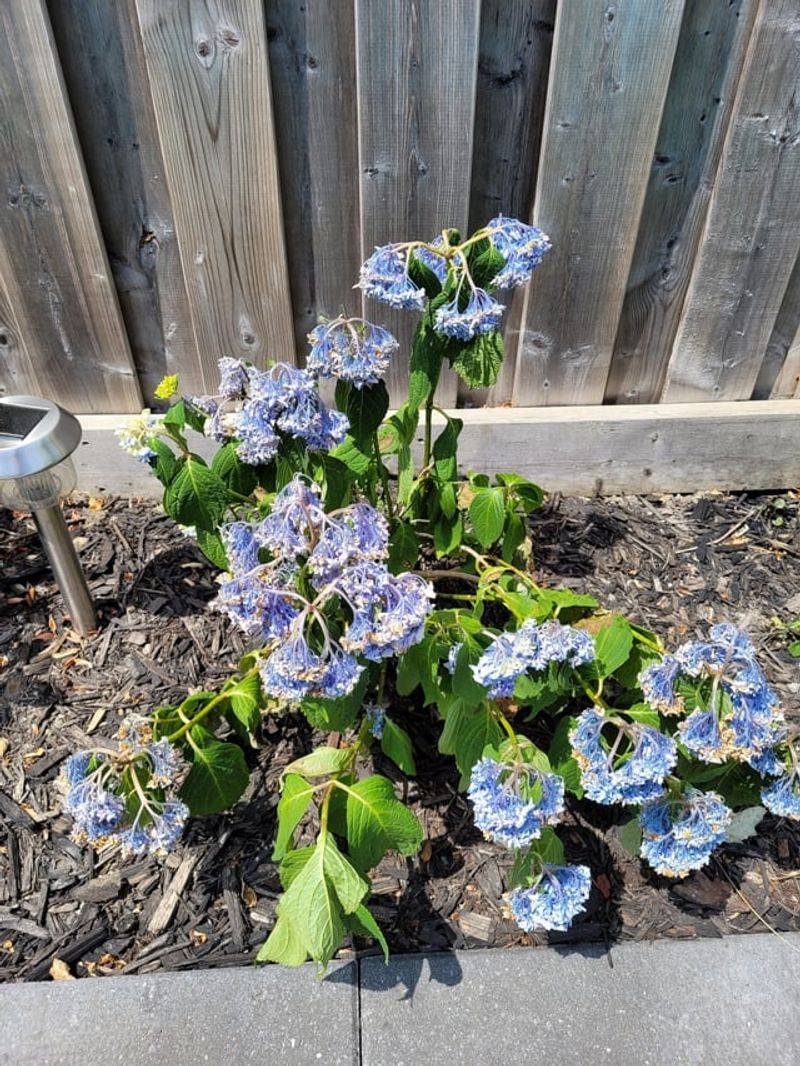
Catching heat stress early makes a huge difference in how quickly your hydrangea recovers and how much the flowers are affected.
By the time a plant looks severely wilted and the blooms are hanging completely limp, you are already playing catch-up.
Learning to spot the early warning signs gives you time to act before real damage sets in. Early heat stress in hydrangea macrophylla often shows up as slight drooping of the outer leaves in the afternoon, even when the soil is adequately moist.
The leaves may look dull rather than glossy, and the edges might start to look slightly paler or softer than usual.
These are subtle signs, but they are the plant’s way of telling you it is working hard to manage the heat load.
When you notice early stress signals, give the plant a deep watering in the early morning of the following day if the soil has dried out. Adding a bit more mulch around the base can also help cool the root zone.
If the plant is in a container, moving it to a shadier spot during peak heat weeks is an easy fix. Afternoon misting is sometimes suggested but can increase fungal risk in humid climates, so use that strategy cautiously.
Staying observant and proactive keeps small problems from turning into bigger setbacks that affect bloom quality for weeks at a time.
10. Healthy Leaves To Support Continued Blooming
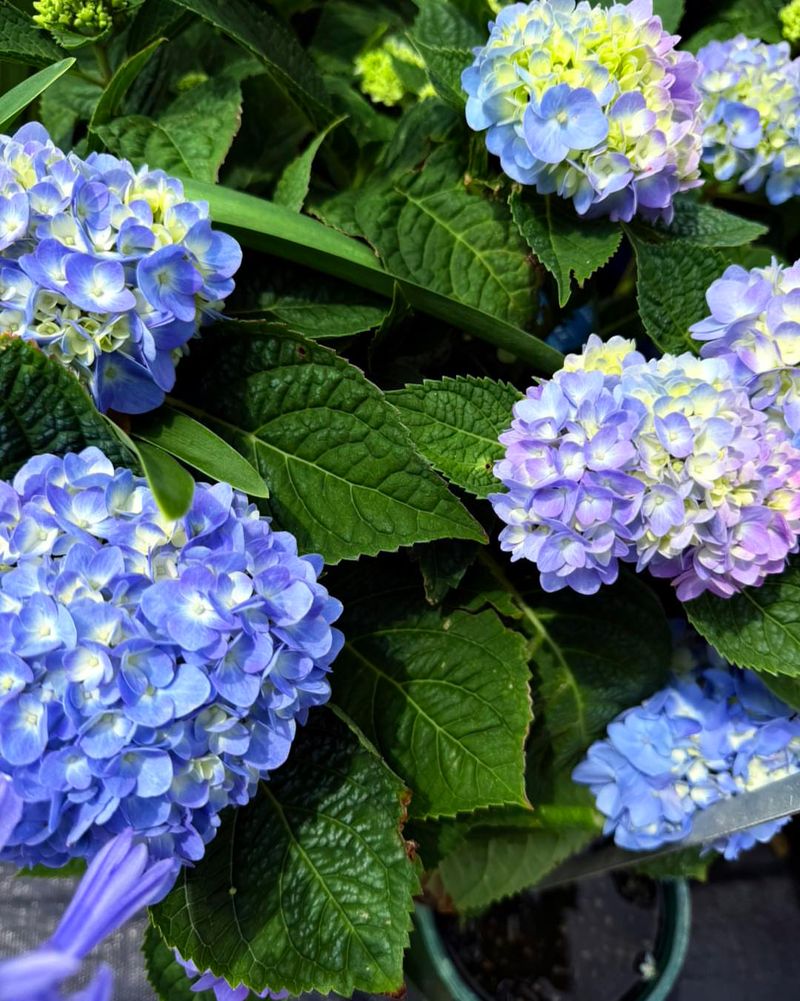
Flowers get all the attention, but the leaves are actually doing the heavy lifting when it comes to keeping your hydrangea blooming through August.
Healthy foliage is the engine of the plant, capturing sunlight and converting it into the energy needed to sustain flowers and produce new buds.
When leaves are damaged, diseased, or stressed, that energy production drops and bloom quality follows.
Fungal diseases are one of the most common reasons hydrangea leaves decline during North Carolina summers. Powdery mildew, cercospora leaf spot, and anthracnose can all cause leaves to yellow, brown, or drop prematurely.
Keeping foliage healthy means staying on top of these issues with good cultural practices first: proper spacing, morning watering, and removing affected leaves promptly when you spot them.
Insect damage is another factor worth watching. Japanese beetles can skeletonize hydrangea leaves fairly quickly during summer, and aphid colonies can weaken new growth.
A regular visual check of both the tops and undersides of leaves helps you catch these problems early. If you need to treat, choose a product appropriate for the specific pest and apply it in the early morning to avoid harming pollinators.
A hydrangea with full, healthy leaves going into July and August has a much better chance of maintaining strong blooms all the way to the end of summer compared to one struggling with foliage loss.
11. Realistic Expectations During Extreme Heat
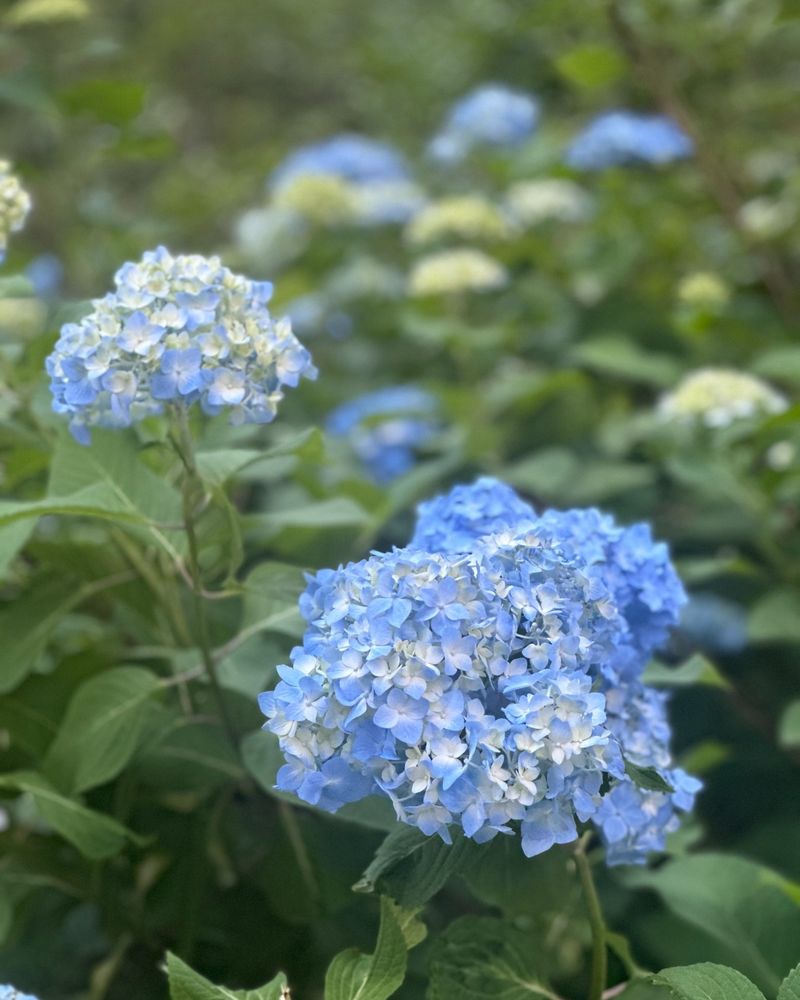
Even the most well-cared-for hydrangea in North Carolina will sometimes look a little rough in the middle of a July heat wave, and that is completely normal.
One of the most common panics among hydrangea growers is seeing afternoon wilt and immediately assuming something is seriously wrong.
Understanding what is actually happening takes a lot of the worry out of summer gardening.
Hydrangea macrophylla wilts in intense afternoon heat as a self-protective response. The plant temporarily reduces water loss by letting leaves droop, which decreases the surface area exposed to direct sun.
It is a smart survival strategy, not a sign of failure on your part. If the plant perks back up by early evening or the following morning, it is handling the heat just fine and does not need emergency intervention.
Where gardeners sometimes create problems is by over-watering in response to afternoon wilt. Adding large amounts of water to soil that is already adequately moist can cause root issues over time.
Before watering, always check the soil moisture a few inches below the surface. If it still feels moist, the plant just needs time to cool down as temperatures drop in the evening.
Setting realistic expectations for summer performance means you can enjoy the blooms your hydrangea does produce without stressing over every warm afternoon.
Gorgeous hydrangeas and hot summers can absolutely coexist with a little patience and understanding.