Stop Making These Cool Night Pepper Mistakes In Virginia
Virginia nights can turn on you fast. One clear evening in my second season growing peppers, I walked out to check my plants at dusk and noticed the temperature had already dropped ten degrees.
By morning, half my crop looked like it had given up entirely. Cool nights in Virginia have a particular way of exposing every small mistake made before sunset.
The state’s spring weather has a habit of sending one more cold spell just when you think the season has turned for good. A forgotten row cover, a missed weather alert, or watering at the wrong hour can quietly set back weeks of progress.
The gap between a productive pepper patch and a struggling one rarely comes down to luck. It almost always traces back to a few key decisions made as daylight fades.
Master those evening habits, and your pepper plants will grow stronger, fruit heavier, and keep producing long after your neighbors have given up. Are you making any of these cool night mistakes with your peppers?
Transplanting Before Soil Hits 60 Degrees F
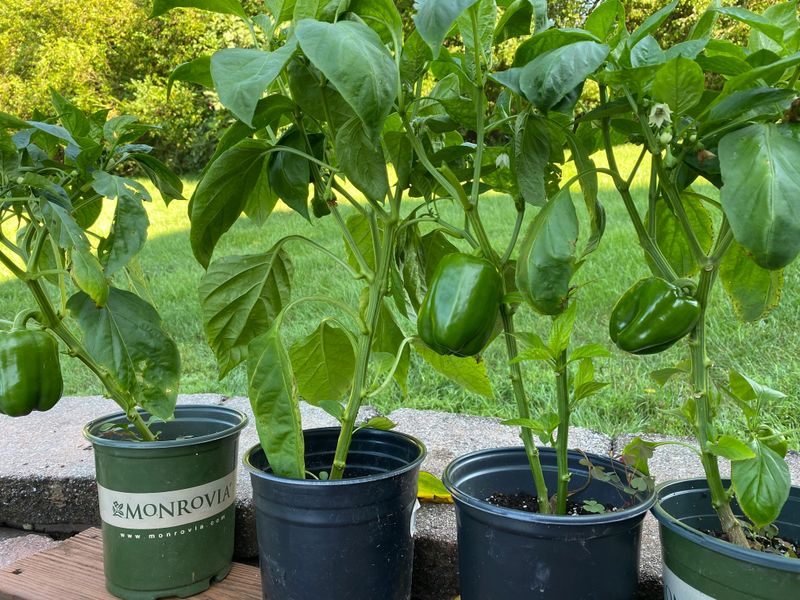
Cold soil is one of the most overlooked threats to pepper transplants. Peppers are tropical plants at heart, and their roots simply shut down when the ground is too chilly.
Even if your seedlings look healthy above the surface, planting into soil below 60 degrees F causes stress that can haunt the plant for weeks. Soil temperature and air temperature are two completely different things.
You might have a warm, sunny day in late April, but six inches underground, the earth is still holding onto winter like it owes it money. A cheap soil thermometer, available at any garden center, takes the guesswork out of the equation entirely.
Stick the thermometer four inches deep and check it in the morning for three consecutive days. If the reading stays at or above 60 degrees F, you are good to transplant your cool night pepper starts.
If it dips below that threshold even once, give it another week before trying again. Rushing this step is one of the most common cool night pepper mistakes Virginia gardeners make every single spring.
Cold-shocked roots struggle to absorb water and nutrients, which means slow growth, yellow leaves, and disappointing harvests. Patience here pays off in peppers, and that is a trade worth making every time.
Skipping Hardening Off Your Pepper Seedlings
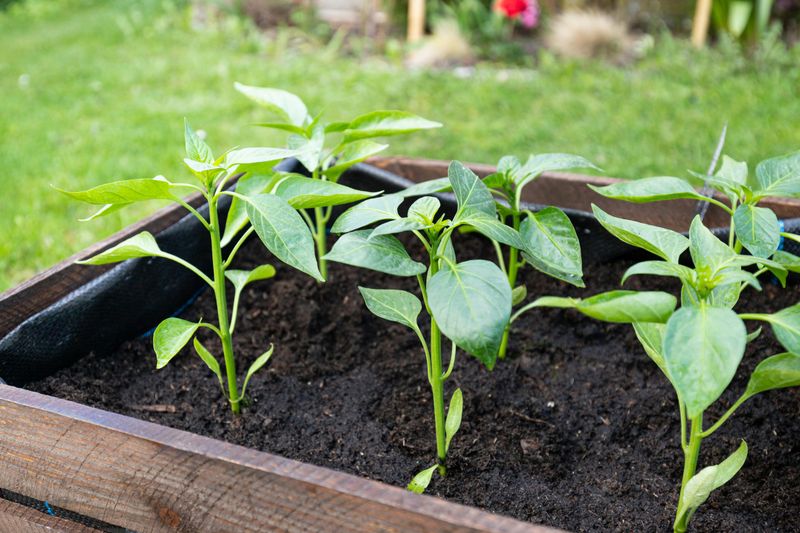
Imagine spending months indoors and then being shoved outside into wind, sun, and temperature swings without any warning. That is exactly what happens to your pepper seedlings when you skip hardening off.
The shock can set plants back significantly, and some take much longer to recover. Hardening off is the gradual process of introducing indoor-grown seedlings to outdoor conditions.
Start by setting them outside in a sheltered, shaded spot for just one hour on the first day. Over seven to ten days, slowly increase their outdoor time and sun exposure until they can handle a full day outside without wilting.
Your Virginia Garden Changes Every Week. Your Plan Should Too.
Gardening in Virginia changes quickly throughout the season. Every Friday you’ll receive a simple weekly plan showing exactly what to plant, prune, fertilize, harvest, and protect so you never miss the right timing.
Wind is actually the sneaky part of this process that most people overlook. A gentle breeze strengthens plant stems, but a sudden gust on a fragile seedling can cause real physical damage.
Choose a calm, mild day for the first few sessions and avoid putting them out on particularly breezy afternoons. One of the biggest cool night pepper mistakes is assuming that a warm forecast means seedlings are ready for the ground.
Temperature is only one piece of the puzzle, and outdoor conditions are far more complex than a climate-controlled growing room.
Take the extra ten days to harden them off properly, and your transplants will hit the ground running instead of gasping for air.
Nights Dropping Below 55 Degrees F and What It Costs You
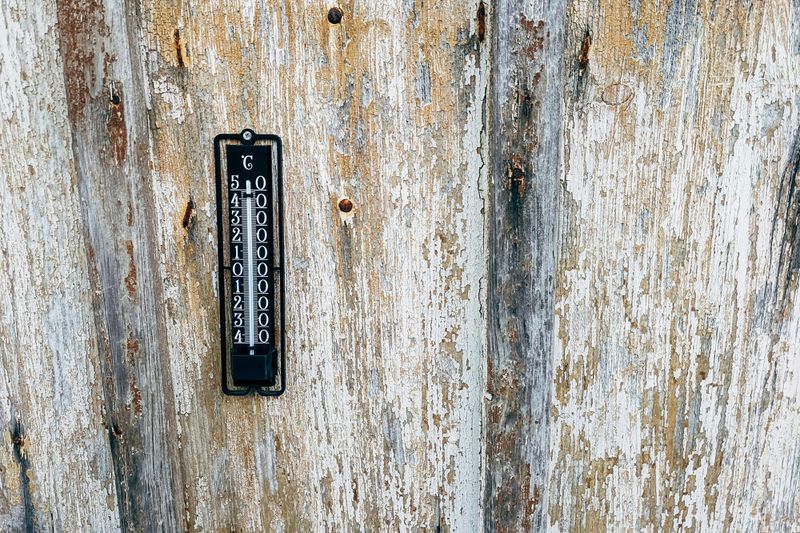
Once nighttime temperatures fall below that mark, peppers slow their growth, drop flowers, and sometimes refuse to set fruit at all.
This is one of those cool night pepper mistakes that costs you not just now, but weeks down the road when your harvest comes in thin. Pepper flowers are especially sensitive to cool nights.
When temperatures dip low, the pollen becomes less viable, and the plant simply drops the bloom rather than wasting energy on a fruit that will not develop properly.
You might not notice the damage right away, but the empty spots on your plant later in the season tell the whole story. The fix is straightforward once you understand what is happening.
Monitor your overnight forecast closely from late April all the way through early June. Anytime the predicted low edges toward 55 degrees or below, take action before sunset rather than hoping the plant will tough it out.
Row covers, cloches, or even a simple frost blanket draped loosely over the plant can raise the temperature around your peppers by four to six degrees.
That small buffer makes an enormous difference in flower retention and overall plant health. Protecting your plants on those borderline nights is one of the easiest wins in the entire growing season.
Plant After May 15 In Virginia, Wait For Warm Soil
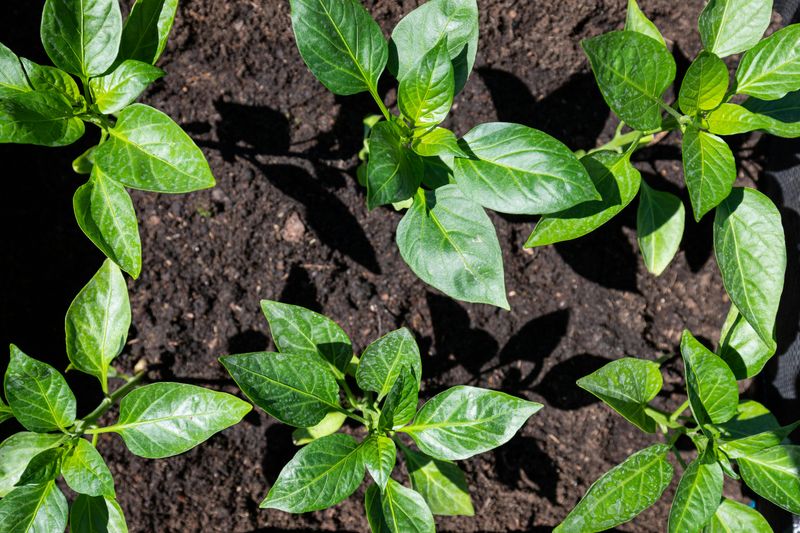
May 15 is not just a random date on the calendar for Virginia gardeners. It marks the point when nighttime temperatures become reliably warm enough for peppers to thrive.
Planting after this date is the move, and resisting the urge to go early is one of the most important habits you can build.
Planting before May 15 is one of the most stubborn cool-night pepper mistakes people make, usually because they are eager after a warm week or two. Virginia’s weather in April and early May is famously unpredictable.
A stretch of 75-degree days can fool even experienced gardeners into thinking summer has arrived early. Then a cold front rolls through, nighttime lows drop into the upper 40s, and those optimistic early transplants take a serious beating.
Mountain and western regions of the state can see frost as late as mid-May, so gardeners there should treat May 15 as a minimum, not a guarantee. Coastal and northern Virginia gardeners have a bit more flexibility.
The safest approach is still to wait for consistent overnight lows above 55 degrees before committing your transplants to the ground.
Use the extra time before your planting date to build better soil, set up your irrigation, and get your row covers ready.
A pepper plant that goes into warm, prepared soil on May 16 will outperform one that struggled through a cold snap planted on May 1. Good timing is not impatience, it is strategy.
No Row Covers on Cool Nights Leaves Peppers Exposed
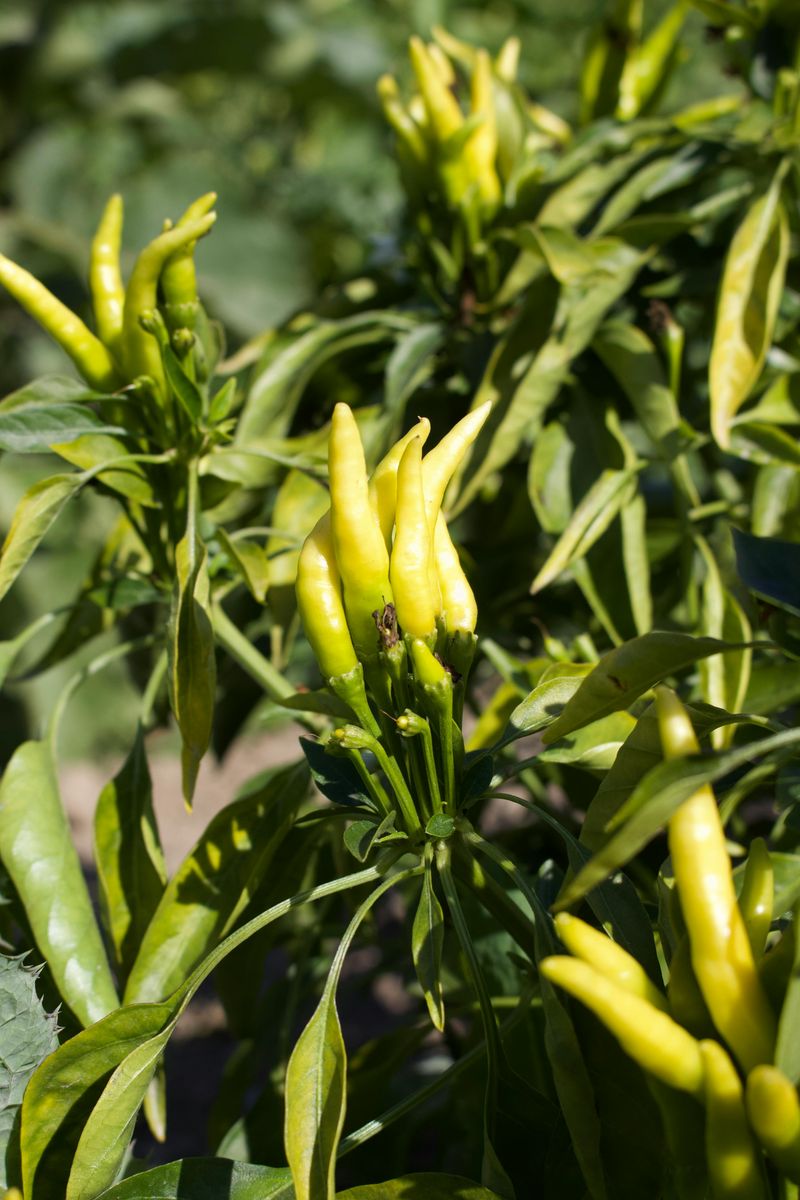
The cheapest tool in your pepper arsenal is probably collecting dust in the shed. Skipping row covers on cool nights is a mistake that compounds over the season because each stressful night chips away at your plant’s ability to produce.
Think of row covers as a warm blanket for your garden, and start using them the moment nighttime lows look iffy.
Lightweight row cover fabric, sometimes called Reemay or spunbond fabric, lets in light, air, and moisture while trapping heat around the plant.
A single layer can raise the temperature inside the cover by four to six degrees, which is often enough to keep your peppers safe on borderline nights. Double-layering adds even more protection when a real cold snap threatens.
Setup is easier than most people think. Drape the fabric loosely over your plants so they have room to grow, then anchor the edges with garden staples, rocks, or sandbags.
Make sure to remove the cover during the day so your plants get full sun and proper air circulation. Leaving row covers on cool nights off your to-do list is one of those cool night pepper mistakes you will only make once after you see the difference they make.
Plants that get protected on cold nights consistently outperform unprotected ones in terms of fruit set and overall yield. A modest investment in row cover fabric can pay off many times over by harvest time.
Removing Cold Protection Too Early in the Season
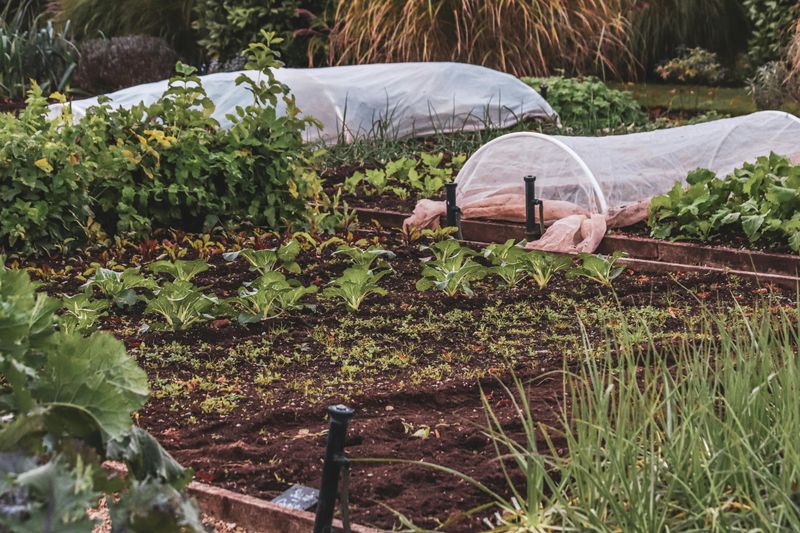
Pulling off your row covers the moment the calendar hits May feels like a victory lap, but it can actually set your peppers back hard.
Virginia spring weather has a habit of sending one more cold spell just when you think the season has turned for good.
Removing cold protection too early is a classic cool night pepper mistake that catches gardeners off guard every single year. The urge to take covers off is completely understandable.
You want to see your plants, check their progress, and give them full sun without any barriers. But those instincts, while well-meaning, can lead to exposed plants on a night that drops unexpectedly into the low 50s.
A good rule of thumb is to keep your row covers accessible and ready through Memorial Day weekend, even if you are not using them every night.
Check the ten-day forecast regularly and keep an eye on the overnight lows rather than just the daytime highs. Daytime warmth means very little to a pepper plant that shivered through a 48-degree night.
Think of cold protection as a seasonal insurance policy rather than a temporary fix. The cost of keeping the fabric nearby is zero, but the cost of a late cold snap on unprotected plants can mean weeks of stunted recovery.
Keep your covers close until the overnight lows are consistently and reliably above 55 degrees before you put them away for good.
Planting In Low-Lying Frost Pockets Around Your Yard
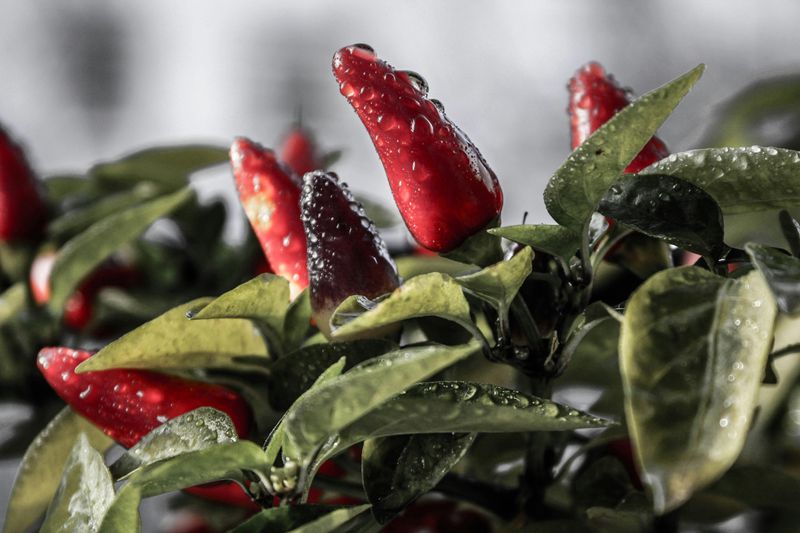
Cold air is heavier than warm air, and it flows downhill like water, pooling in low spots across your yard. Those low-lying areas are called frost pockets, and planting peppers in them puts your plants at a disadvantage before the night even starts.
Many Virginia gardeners discover them only when one section of the garden consistently suffers more than the rest.
Walk your yard on a calm, clear morning after a cool night and pay attention to where the frost or heavy dew lingers longest. Those are the cold air collection zones, and they can be several degrees colder than the rest of your property.
A difference of just three or four degrees can mean the gap between a healthy pepper and a cold-shocked one. Raised beds and sloped planting areas naturally drain cold air away and tend to stay warmer overnight.
If your only option is a low-lying spot, build the bed up with additional soil or use cold frames to create a physical barrier against that settling cold air. Elevation, even just six inches of it, can make a meaningful difference on frosty nights.
Scouting your yard before you plant is one of the most underrated moves in smart pepper gardening.
Understanding your microclimate lets you make better decisions about where to place your most temperature-sensitive crops. Your peppers deserve the warmest spot in the yard, so give it to them.
Ignoring the Overnight Forecast Before Bed
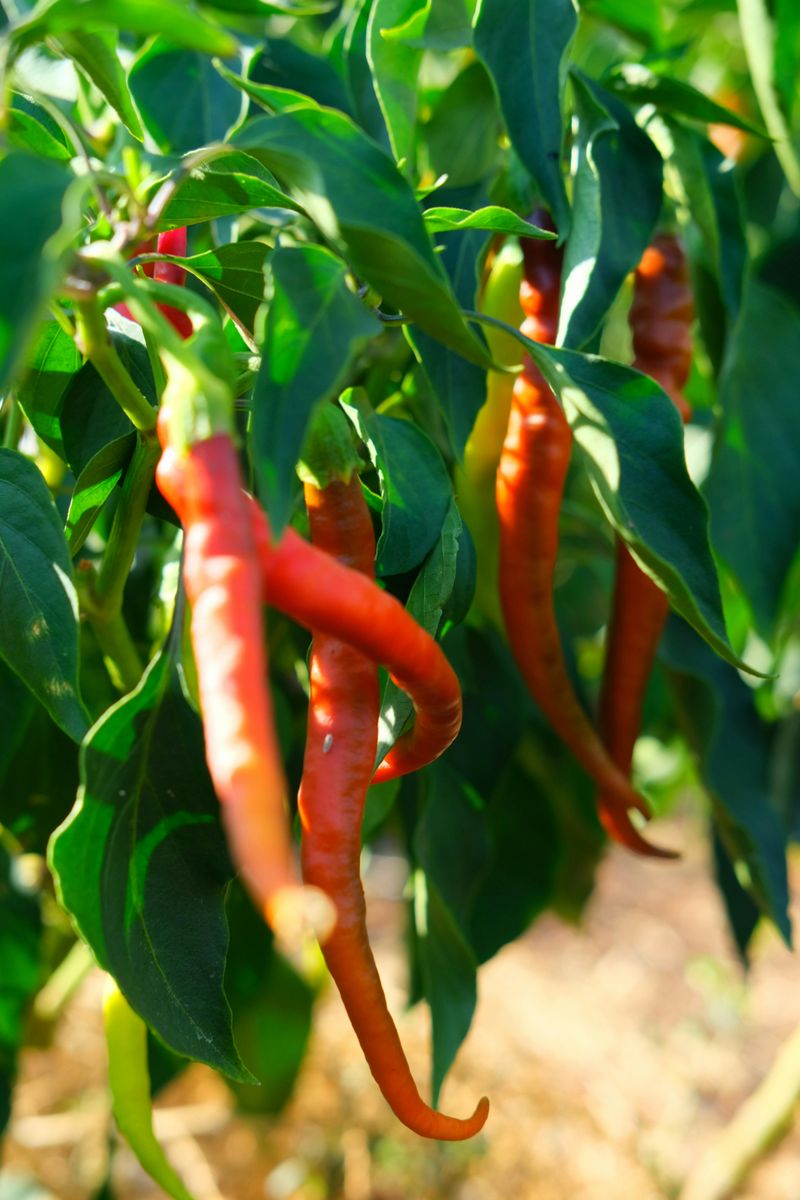
Checking the weather only in the morning is like reading yesterday’s news and calling it research. The overnight forecast is the single most important data point for cool night pepper gardening.
Skipping it feels minor until your plants pay the price. One unprotected night at 48 degrees can set back weeks of careful growing in a matter of hours.
Weather apps have gotten remarkably accurate for overnight lows, and most of them update multiple times throughout the day.
Make it a habit to check the overnight low before you go to bed, especially during May and early June when temperatures are still unpredictable. Set a phone alert for any forecast below 55 degrees so you never get caught off guard.
Local forecasts are more reliable than national ones for catching those small, regional temperature drops that matter most to gardeners.
Virginia’s terrain varies enormously from the coast to the mountains, so a statewide forecast can miss what is happening in your specific zip code.
Local news weather segments and county-level weather services are worth bookmarking for the growing season.
Developing a nightly weather check habit is one of the simplest, highest-return actions you can take for your cool night pepper crop.
Three minutes of attention before bed can save your plants from a night of stress that takes weeks to recover from. Check the forecast, cover your peppers when in doubt, and wake up to a garden that is still thriving.