The Native North Carolina Shrub Whose Berries Pull Fall Songbirds Into Your Yard When Everything Else Empties Out
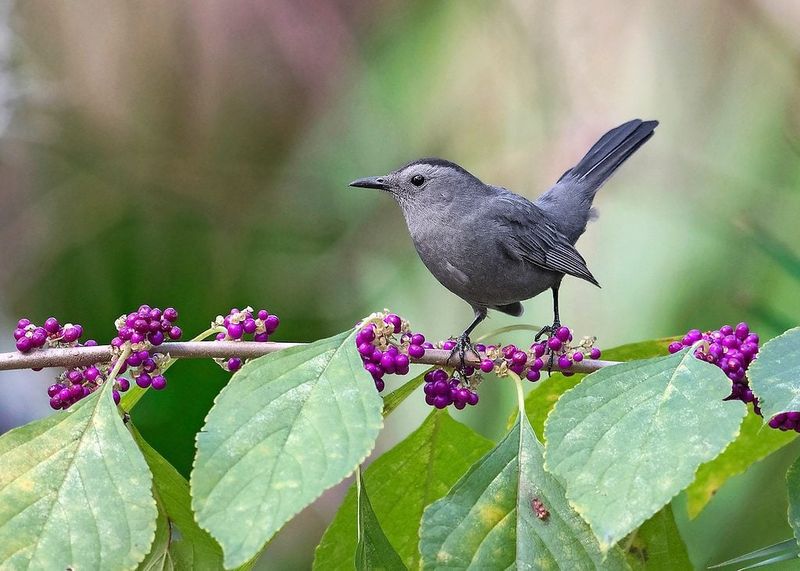
You step outside on a late August evening and the yard feels quieter than it did two months ago. The summer regulars have thinned out, the feeders see less action, and that stretch between summer abundance and the first real cold snap can feel like a gap in your bird-friendly plans. One native North Carolina shrub can help close that gap, not by guaranteeing a parade of songbirds, but by putting out a generous spread of fruit right when fall migrants are moving through and looking for a quick meal. American beautyberry, Callicarpa americana, earns a place in yards across the state because its berry clusters ripen from late summer through fall, roughly August into November, landing right in the middle of migration season.
A Native Shrub For North Carolina’s Fall Food Window
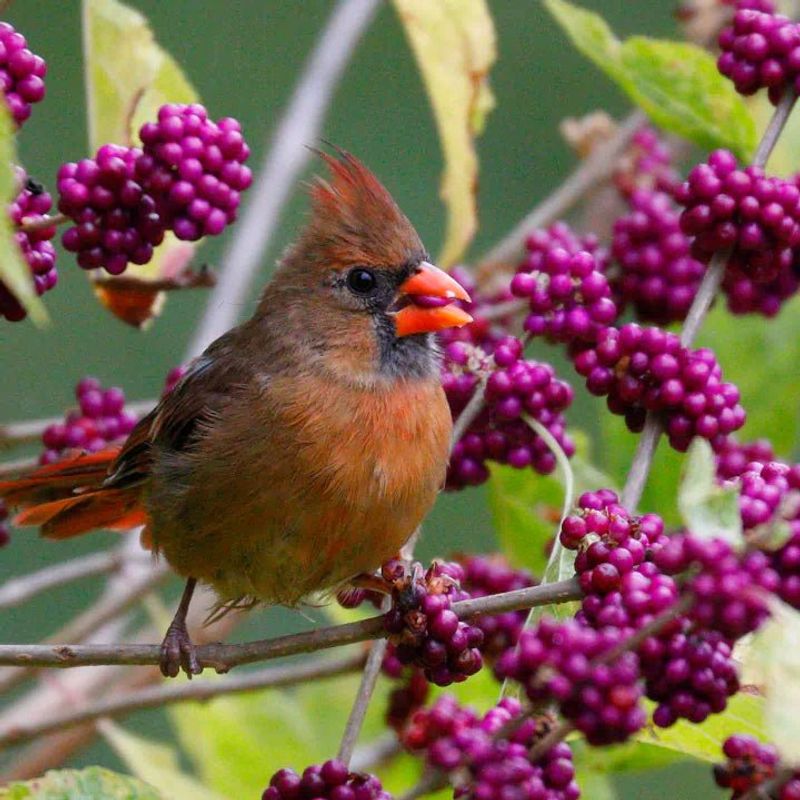
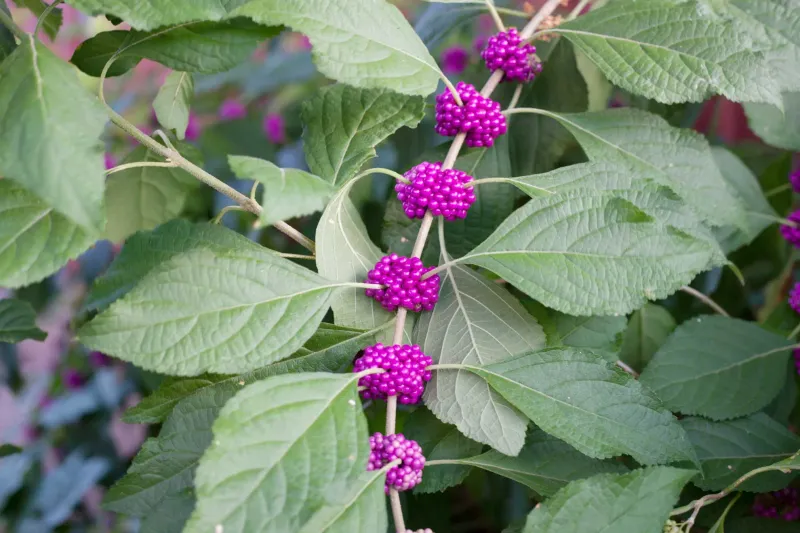
American beautyberry, Callicarpa americana, is the shrub behind the headline promise, and the honest version of that promise is still pretty good. Native across North Carolina’s mountains, Piedmont, Sandhills, and Coastal Plain, this deciduous shrub produces some of the most eye-catching fruit you will find in a southeastern yard. The berry clusters are a deep, almost electric purple, and they wrap tightly around the stems in a way that makes the whole branch look like it was decorated on purpose.
Mature plants generally reach about 3 to 8 feet tall and 3 to 6 feet wide, with loose, arching stems that give the shrub a relaxed, cottage-garden look rather than a clipped formal shape. That arching habit is not a flaw. It is just how beautyberry grows, and it leaves plenty of room for birds to land and feed without feeling exposed.
The fruit ripens from late summer through fall, roughly August through November, though timing and how long the berries persist will vary depending on your site, the season’s rainfall, and how many birds find the plant.
NC State Extension notes that the fruit can carry into early winter under the right conditions. On a warm Coastal Plain site, berries may hang longer than they would in the mountains after a hard frost.Planting beautyberry can add a useful late-season food source to your yard. What it cannot do is guarantee a steady stream of migrating birds, replace a broader mix of habitat, or prove that every other food source has disappeared. Think of it as one well-timed layer in a yard that birds find worth visiting, backed up by Audubon North Carolina’s recommendation of the species for fall bird gardens.
Why The Berries Overlap Fall Migration
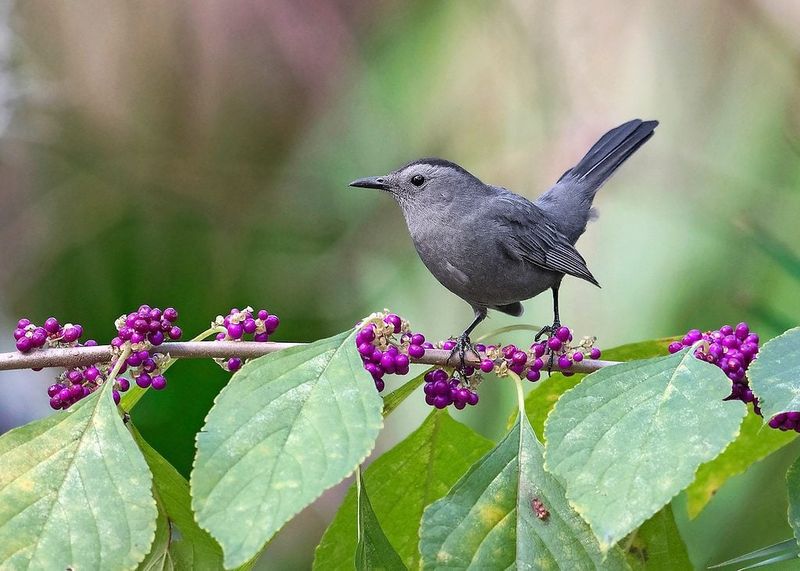
North Carolina sits in the middle of one of the busiest migration corridors in the eastern United States, and fall migration does not wait for October. Audubon North Carolina’s fall migration guide notes that movement in the mountains and Piedmont can begin as early as August, with shorebirds and some warblers pushing south before most people think of migration at all. That early start lines up almost exactly with when beautyberry’s first berries begin to ripen.
Your North Carolina Garden Changes Every Week. Your Plan Should Too.
Gardening in North Carolina changes quickly throughout the season. Every Friday you’ll receive a simple weekly plan showing exactly what to plant, prune, fertilize, harvest, and protect so you never miss the right timing.
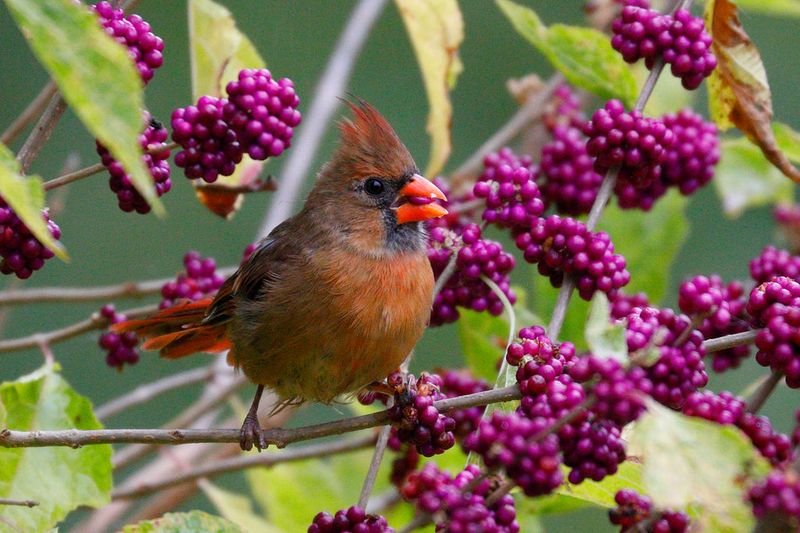
The overlap is genuinely useful. A fruit-eating bird moving through your county in late August or September needs calories, and a shrub loaded with accessible berries is a practical reason to slow down. Audubon North Carolina’s beautyberry planting guide documents Gray Catbirds, Black-throated Blue Warblers, Northern Mockingbirds, and Hermit Thrushes as birds that use the fruit. NC State Extension adds American Robin, Brown Thrasher, Purple Finch, and Eastern Towhee to the list of documented visitors.
That said, your yard may not see every species on that list. Bird presence during migration depends on local habitat, weather patterns, how many trees and shrubs surround your property, and plain luck of timing. A single beautyberry plant makes your yard more useful, not a certified stopover destination.
Beautyberry also does not feed birds in a vacuum. Insects, seeds, other native fruit, and supplemental feeders may still be available in September and October. Research on light pollution and tree cover during migration reminds us that birds respond to a whole landscape, not a single food source. Beautyberry adds one more reason for fruit-eating migrants to pause, and that is genuinely worth something.
How To Identify American Beautyberry
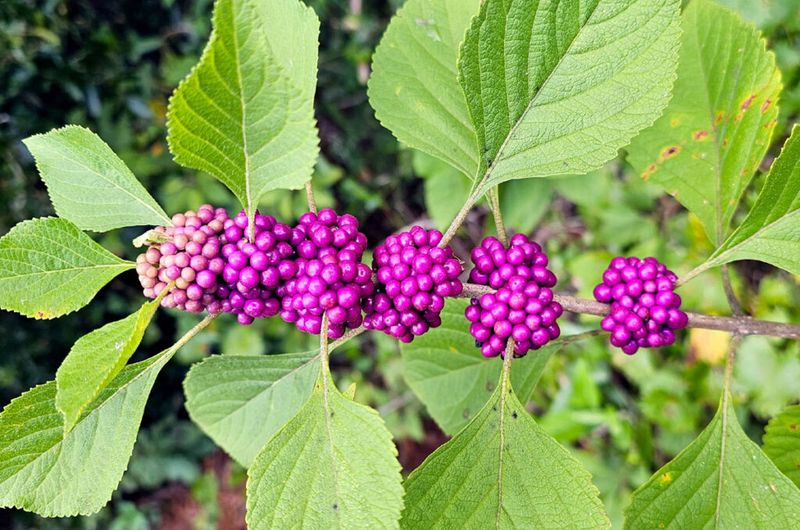
Before you buy a plant or celebrate the one already growing at the edge of your yard, take a close look at what you actually have. American beautyberry has one feature that makes it almost impossible to confuse with most other shrubs: the berry clusters wrap completely around the stem at each leaf node, like a bracelet tightened against the branch. That encircling pattern is distinctive and visible from several feet away.
Audubon North Carolina’s beautyberry guide points out that not every plant sold under the beautyberry name is the native species. Japanese beautyberry, Callicarpa japonica, and other nonnative Callicarpa species show up in nurseries and sometimes in landscapes. The nonnative species tend to have smaller, narrower leaves and hold their fruit clusters slightly away from the main stem rather than encircling it. If you are buying specifically for birds and regional habitat value, ask for Callicarpa americana by botanical name and confirm with the seller.
NC State Extension’s plant profile describes the native species as having large, somewhat coarse leaves with a slightly rough texture, which helps separate it from finer-leaved ornamental relatives. The leaves also carry a faint, herbal scent when crushed, a detail many gardeners notice the first time they brush against a stem.
Here is where identification actually matters for safety. Purple and black berries appear on several North Carolina plants, and not all of them are benign. Pokeweed and American black nightshade both produce dark berries and can be toxic, especially to children. NC State lists American beautyberry berries as edible to humans but bland, sometimes used for jelly.
Even so, do not let children or pets sample unidentified purple berries, and always confirm the plant before assuming the fruit is safe.
Choose A Site That Supports A Full Berry Display
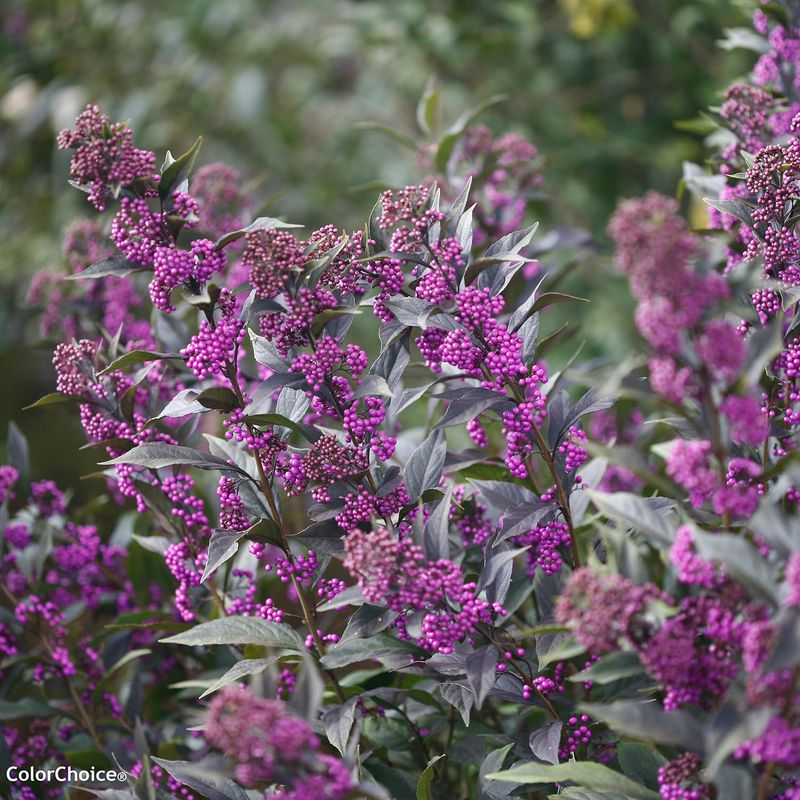
Picking the right spot for beautyberry is the single decision that most affects how many berries you get each fall. The shrub performs best in full sun to part shade. NC State defines full sun as at least 6 hours of direct sunlight per day, and plants that get those hours tend to produce denser, more abundant fruit clusters than those tucked into deep shade. A spot along a fence line, at the edge of a tree canopy, or in an open border works well across most North Carolina yards.
NC State Extension lists beautyberry as tolerant of clay, loam, and sand, along with moist soil, occasionally dry soil, heat, and drought once established. That range covers a lot of North Carolina ground, from Piedmont red clay to the sandy soils of the Coastal Plain to mountain garden beds. The main thing the shrub does not forgive is standing water. Good drainage matters more than soil type.
If your Piedmont yard has heavy clay that holds water after rain, the practical fix is improving drainage at the planting site, either by amending the backfill with organic matter or by choosing a slightly raised spot. Adding fertilizer automatically is not the answer. Soil testing is a smarter first step, and NC State recommends it before applying any amendments to trees or shrubs.
Give each plant approximately 3 to 6 feet of space in all directions at maturity. NC State’s native plant design guidance emphasizes planning for full mature size rather than spacing young plants based on how small they look at the nursery. Crowding beautyberry among large foundation azaleas, dense hydrangeas, or evergreen shrubs limits airflow, reduces sun exposure, and can cut berry production noticeably. Give it room and it will reward you with a display that is hard to miss from 20 feet away.
Prune In Late Winter To Keep Fall Fruit
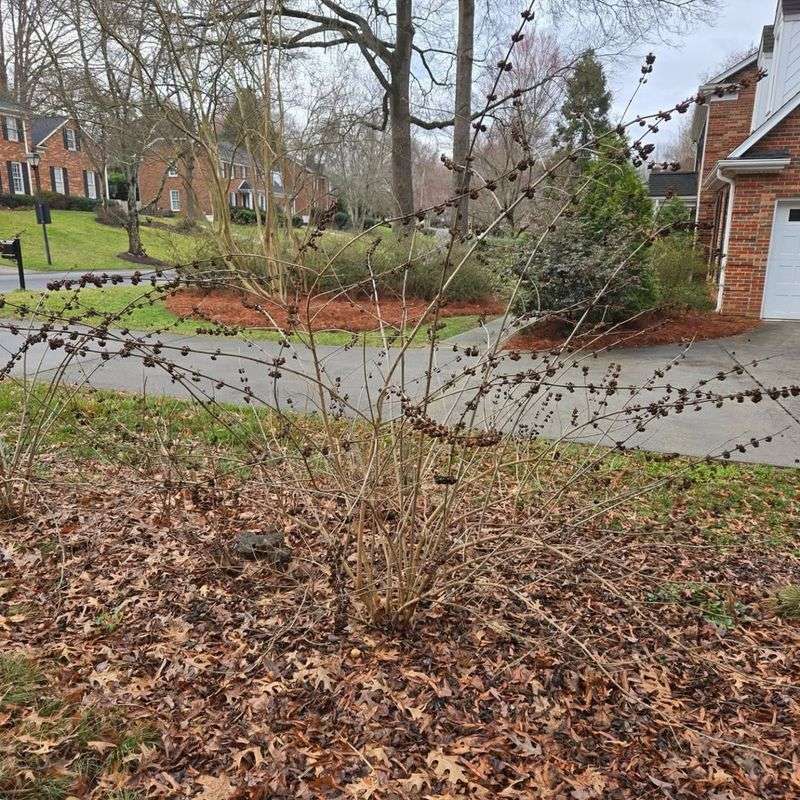
Many Piedmont gardeners see beautyberry’s long, arching stems and assume something has gone wrong. Nothing has. That loose, fountain-like shape is the plant’s natural growth habit, and a mature shrub left to its own devices will spread into a graceful, informal mound that birds can actually navigate. Pruning is optional if you have the space and like the look.
When space is limited or the shrub has grown beyond its welcome, late winter is your window. NC State Extension notes that beautyberry can be cut back hard, to about 1 foot above the ground, in late winter without harming the plant. The reason this timing works is straightforward: beautyberry’s flowers and fruit develop on new growth produced each season, not on old woody stems from previous years. Cut it back before growth starts in spring, and the plant simply pushes out fresh stems that will carry the fall berry crop.
Prune after spring growth has already begun, and you remove stems that are already building toward fruit. Prune in late summer, when the berries are forming or nearly ripe, and you lose most of your fall display. Those two windows are the ones to avoid.
A light shaping cut in late winter, removing the longest or most awkward stems without cutting everything to the ground, is enough to keep a mature shrub tidy without sacrificing berry production. If a plant has been neglected for several years and grown very large, the hard cutback to 1 foot is a genuine reset. The shrub typically rebounds within a single growing season and fruits again that same fall, which is a reasonable return for about 20 minutes of work on a mild February afternoon.
Give A New Planting A First-Season Routine
Planting a native shrub does not mean walking away and letting nature handle everything. Native status means beautyberry is adapted to North Carolina’s climate and soils over the long run, but a freshly dug and transplanted shrub is under real stress for its first growing season, regardless of how tough it becomes later.
Water the plant thoroughly the day you put it in the ground.
NC State Extension recommends watering new plantings as soon as possible to reduce transplant shock, and that guidance applies to native shrubs just as much as to any other landscape plant. Through the first summer, check soil moisture around the root zone at least once a week. Sandy Coastal Plain soils dry out faster than Piedmont clay and may need water every few days during a dry stretch.Mountain sites at higher elevation can be surprisingly dry in late summer if rain has been scarce.
A 2- to 3-inch layer of mulch over the root zone helps hold moisture, moderate soil temperature, and reduce competition from weeds without smothering the crown. Keep mulch a few inches away from the base of the stems.
On fertilizer, resist the urge to feed automatically. NC State’s guide to fertilizing trees and shrubs directs gardeners to use a soil test before applying any nutrients, because over-fertilizing can push leafy growth at the expense of fruit. NC State’s beautyberry profile does not list fertilizer as a routine requirement. Once established, usually after its first full growing season, beautyberry is genuinely low-maintenance.
It is not effortless in year one, but the workload drops off sharply after that.
Build The Bird Habitat Around The Shrub
One beautyberry plant is a good start. A yard that actually supports birds through fall migration is built from more pieces than any single shrub can provide on its own. NC State Extension’s backyard bird habitat guide frames plant diversity as the foundation, because more native plant species means more insect species, and insects are what most songbirds feed their nestlings and rely on during migration even when berries are available.
Pair beautyberry with native plants that extend the food calendar in both directions. Native dogwoods and viburnums offer fruit earlier in the season. Goldenrod and native asters provide seeds and insects well into October. Joe Pye weed and native grasses add structure and foraging perches.
A clean, shallow water source matters more than most gardeners expect, especially during dry fall stretches when natural water is scarce across the Piedmont and Sandhills.
Audubon’s bird-friendly yard guidance adds protective cover and predator management to the list. Dense shrubs or small trees near feeding areas give birds a quick escape route from hawks and cats. Keeping cats indoors during peak migration weeks, roughly September through early November in most of North Carolina, removes one of the most significant threats to migrating songbirds at the yard scale.
American beautyberry is a strong North Carolina choice, backed by documented bird use and well-suited to the state’s range of conditions. NC State’s plant profile confirms its value as a late-summer-through-fall fruit source across multiple regions. What it cannot do alone is replace a full habitat. One well-placed shrub can make your yard meaningfully more useful to fall birds.
The yard that keeps them coming back is the one that gives them food, water, cover, and room to feel safe all at once.