Native Plants Every Georgia Gardener Should Be Growing
Why struggle with plants that never seem happy in the yard? Some species need extra water, extra care, and constant attention just to get through the season.
Others settle in, start growing, and look like they belong there from day one.
That is one reason native plants continue gaining attention. They are already adapted to local conditions, which means they often need less work to stay healthy and attractive.
Many also support pollinators, birds, and other wildlife that help bring more activity to a garden.
A well chosen native plant can provide color, texture, and seasonal interest without becoming a constant project. Georgia has no shortage of great options.
Some are known favorites, while others deserve far more attention than they receive. A few of them may completely change how a yard looks and feels.
1. Keep Summer Color Going With Purple Coneflower
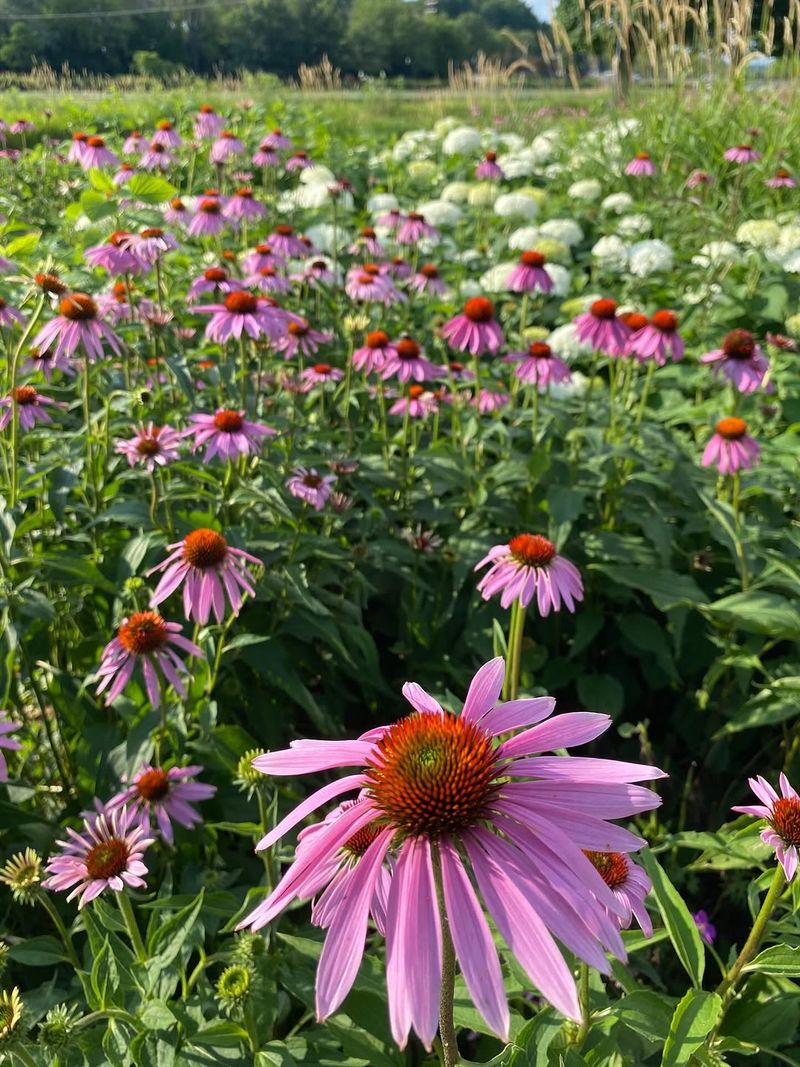
Purple coneflower blooms when most spring flowers have faded. The bright pink petals surround spiky orange centers that goldfinches absolutely love.
Blooms appear in June and keep coming through September if you deadhead spent flowers.
Plant these in full sun with decent drainage. They tolerate clay soil better than most perennials.
Space them about two feet apart because mature clumps spread nicely without becoming aggressive.
Butterflies and bees visit constantly during peak bloom. Later in fall, songbirds peck at the seed heads for food.
Leaving some flowers standing through winter provides natural bird feeders and adds texture to dormant beds.
Drought rarely bothers established plants. Water during the first season, then let nature take over.
These coneflowers reseed moderately, giving you extras to move around or share with neighbors.
Pair them with black-eyed Susans or ornamental grasses for a classic meadow look. The upright habit works well in the middle or back of borders.
Cut flowers last over a week in vases, making them practical for arrangements.
Powdery mildew sometimes appears in humid weather but rarely harms the plant. Good air circulation helps prevent it.
Divide crowded clumps every few years if flowering starts to decline, which helps maintain vigor and encourages stronger blooming.
2. Bee Balm Gives Pollinators A Boost
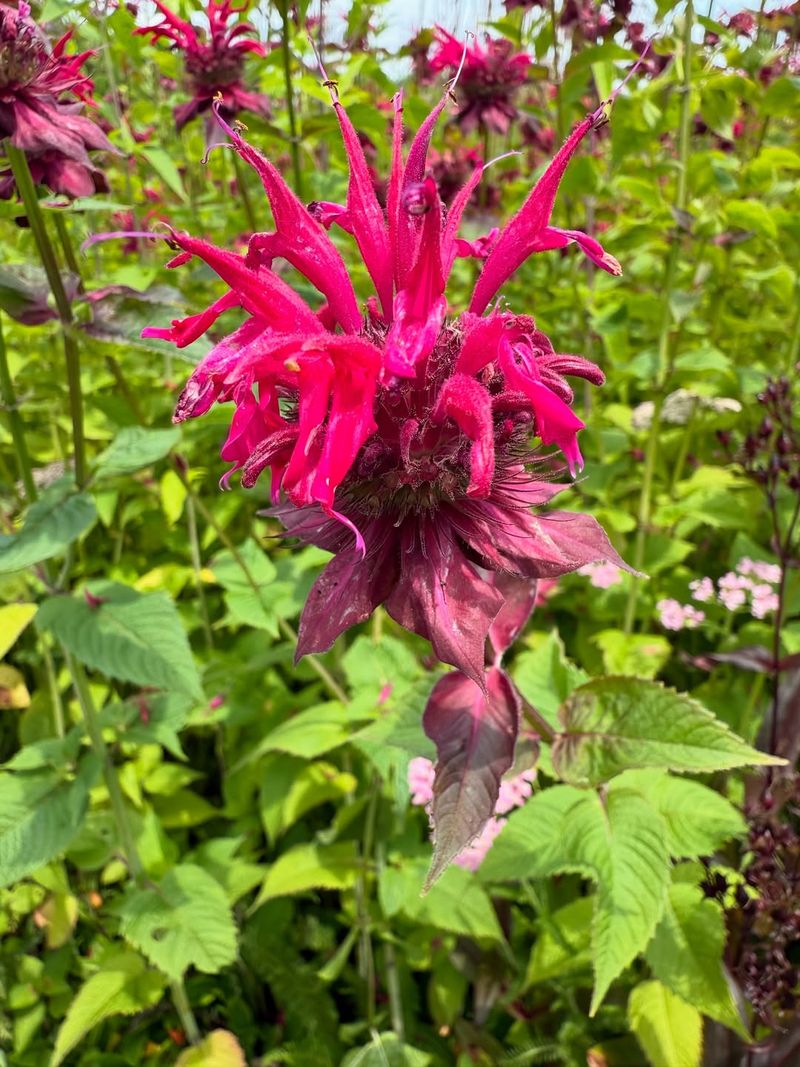
Hummingbirds spot bee balm from across the yard. The tubular red flowers are perfectly shaped for their long beaks.
Bloom time runs from late June into August, right when hummers need fuel for raising babies.
Choose a spot with morning sun and afternoon shade in Georgia. Full sun works in cooler regions, but our intense heat stresses the plant.
Consistent moisture keeps foliage looking fresh and blooms abundant.
The square stems and minty fragrance identify this plant as a member of the mint family. Leaves make a pleasant tea that early settlers used for colds.
Crushing a leaf releases strong aromatic oils.
Powdery mildew appears on crowded plants with poor air flow. Thin out stems in spring and divide clumps every three years.
Newer cultivars resist mildew better than older types.
Butterflies and bees join hummingbirds at the flowers. After blooming finishes, cut stems back by half to encourage fresh growth.
Your Georgia Garden Changes Every Week. Your Plan Should Too.
Gardening in Georgia changes quickly throughout the season. Every Friday you’ll receive a simple weekly plan showing exactly what to plant, prune, fertilize, harvest, and protect so you never miss the right timing.
Deadheading prolongs flowering but requires daily attention during peak season.
Spreads through underground runners but pulls easily if it wanders too far. Mulch around plants to keep roots cool and retain moisture during summer.
Rich soil with plenty of organic matter helps bee balm produce stronger growth and a heavier display of flowers throughout the season.
3. Get Year-Round Interest From Oakleaf Hydrangea
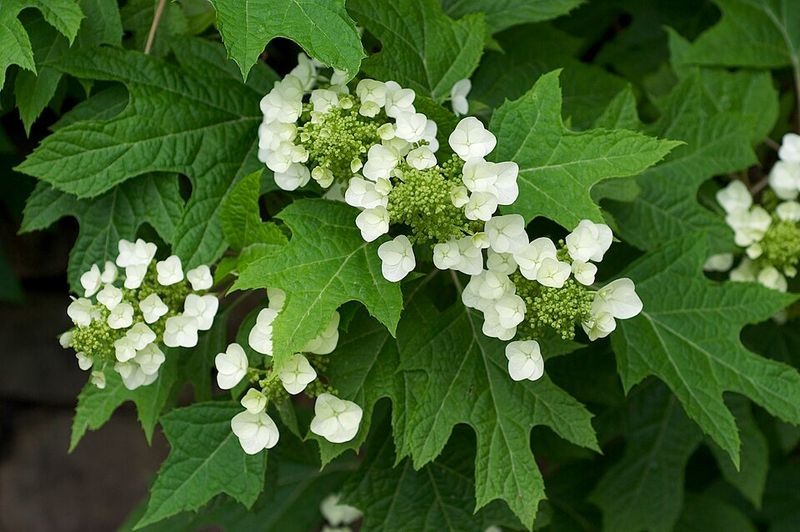
Four seasons of beauty come from one shrub. White cone-shaped flowers emerge in May and gradually fade to pink, then tan.
The blooms hold their shape through winter, creating natural dried arrangements right on the plant.
Shade tolerance makes this hydrangea perfect for woodland edges or under tall pines. Morning sun with afternoon protection produces the best flowering.
Plants grow five to eight feet tall with equal spread, so give them room.
Leaf shape resembles oak leaves, hence the name. Foliage turns burgundy and purple in fall, rivaling any maple for color intensity.
Peeling cinnamon-colored bark adds winter interest after leaves drop.
Established plants handle drought remarkably well for a hydrangea. Deep watering once weekly during dry spells keeps them looking good.
Shallow roots appreciate a thick layer of mulch year-round.
Prune only to remove damaged wood or control size. Flowers form on old wood, so spring pruning sacrifices blooms.
Shape plants right after flowering if needed.
Native understory shrubs like this one support more insect species than exotic plants. Those insects feed baby birds during nesting season.
One oakleaf hydrangea can help raise dozens of nestlings each spring.
Mature plants become increasingly impressive with age, developing larger flower displays and a stronger branching structure that enhances their year-round appeal.
4. Butterfly Weed Thrives In Sunny Spaces
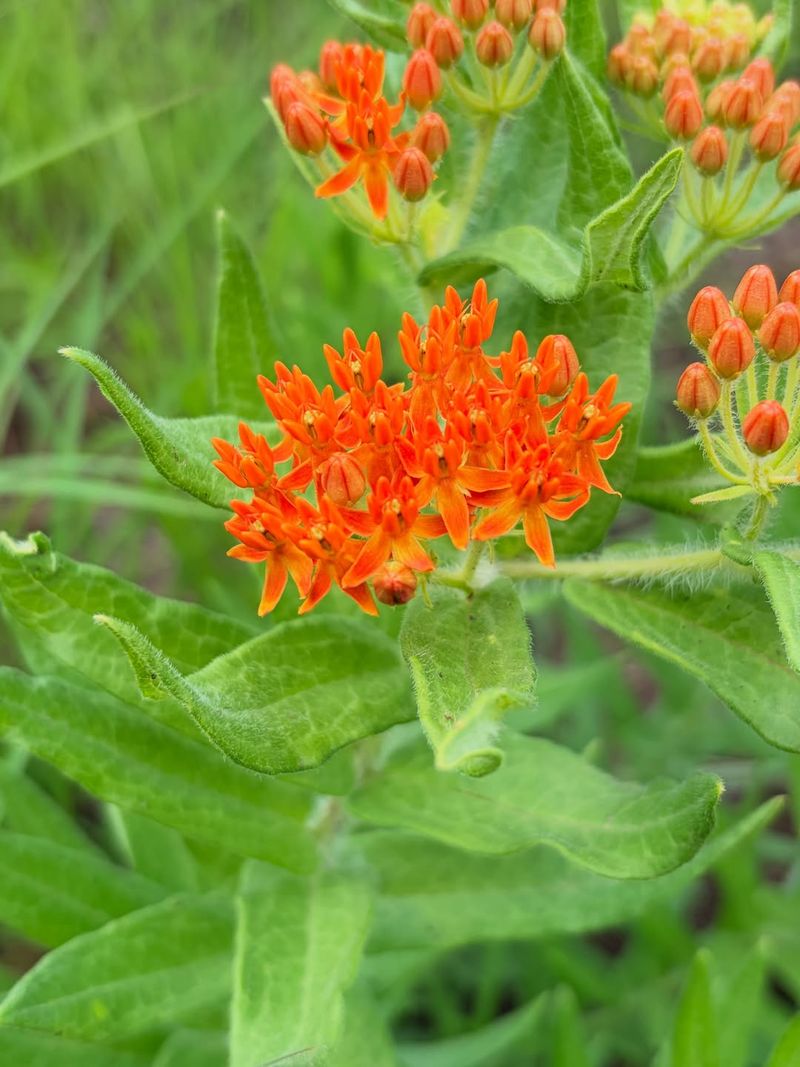
Orange flames seem to dance above the foliage when butterfly weed blooms. Flat-topped flower clusters appear in June and attract every butterfly in the neighborhood.
Monarchs especially love this plant because it serves as both nectar source and host plant for their caterpillars.
Hot, dry spots that challenge other perennials suit butterfly weed perfectly. Sandy or rocky soil with excellent drainage keeps roots healthy.
Once established, these plants tolerate drought well and keep blooming through the worst summer heat.
Seedpods split open in fall to release silky-tufted seeds that float on the breeze. Leaving pods intact provides winter interest and allows natural reseeding.
Seedlings appear in spring but take two years to bloom.
Deep taproots make transplanting mature plants nearly impossible. Start with small container plants or sow seeds directly where you want them.
Mark the spot because new growth emerges late in spring.
Aphids sometimes cluster on stems but rarely cause serious damage. A strong spray from the hose knocks them off.
Milkweed bugs with orange and black markings often appear but only feed on seeds, not living tissue.
Pair with purple coneflowers and black-eyed Susans for a pollinator buffet that blooms all summer.
5. River Oats Makes Shaded Areas More Interesting
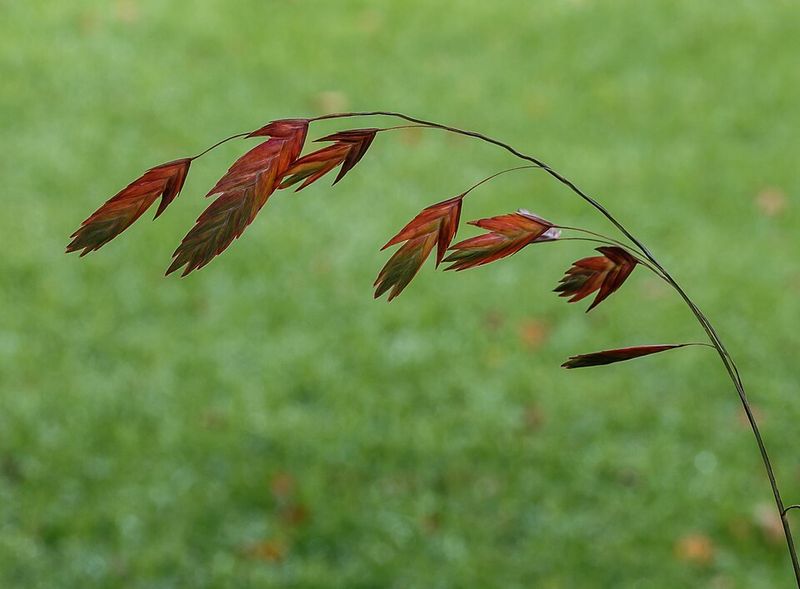
Shade gardens often lack movement and texture. River oats solves both problems with arching stems that sway in the slightest breeze.
The flat, dangling seed heads resemble actual oat grains and catch light beautifully.
This grass grows two to four feet tall in partial to full shade. It tolerates more sun with adequate moisture but truly excels under tree canopies where other plants struggle.
Adaptability to different soil types makes it foolproof.
Green seed heads appear in summer and mature to golden tan by fall. They persist through winter, rattling softly when wind blows through dormant stems.
Cut back old growth in late winter before new shoots emerge.
Spreads by rhizomes and self-seeding but never becomes thuggish like some ornamental grasses. Unwanted seedlings pull easily from loose soil.
This moderate spreading actually helps fill in shaded areas faster.
Erosion control on slopes benefits from the extensive root system. Plant along creek banks or anywhere soil tends to wash away.
The roots stabilize soil while adding natural beauty.
Songbirds eat the seeds throughout fall and winter. Leaving stems standing provides food when other sources become scarce.
The dried foliage also offers nesting material in spring.
6. Blazing Star Brings Height To Garden Beds
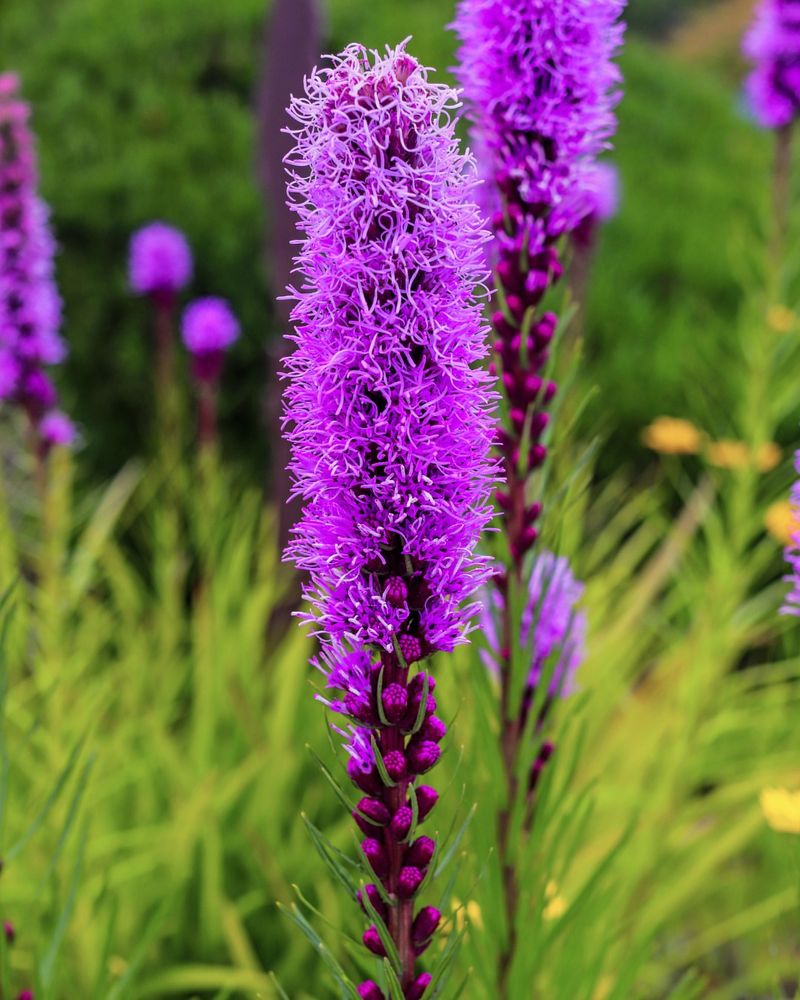
Vertical purple spikes rise three to five feet above grass-like foliage. Blazing star blooms from the top down, which is opposite of most spike flowers.
This unusual trait makes it easy to identify even from a distance.
Butterflies mob the fuzzy flowers in July and August. Swallowtails, monarchs, and skippers all visit constantly.
The nectar seems especially attractive to migrating butterflies passing through in late summer.
Plant corms in fall or early spring in full sun. Spacing them eight inches apart creates a dramatic effect when they bloom together.
Well-drained soil is essential because wet winter soil rots the corms.
Staking usually becomes necessary as flowers open. The tall stems catch wind and topple without support.
Place stakes early before stems reach full height to avoid damaging roots.
Goldfinches strip seeds from dried flower spikes in fall. The birds hang upside down while feeding, creating an acrobatic show.
Leaving stalks standing through winter feeds birds when food becomes scarce.
Deer rarely bother blazing star despite eating many other perennials. The foliage apparently tastes unpleasant to them.
This makes it valuable in areas where deer pressure limits plant choices.
Divide clumps every four years to maintain vigor. Corms multiply underground and eventually crowd each other.
7. Let Coral Honeysuckle Cover A Fence
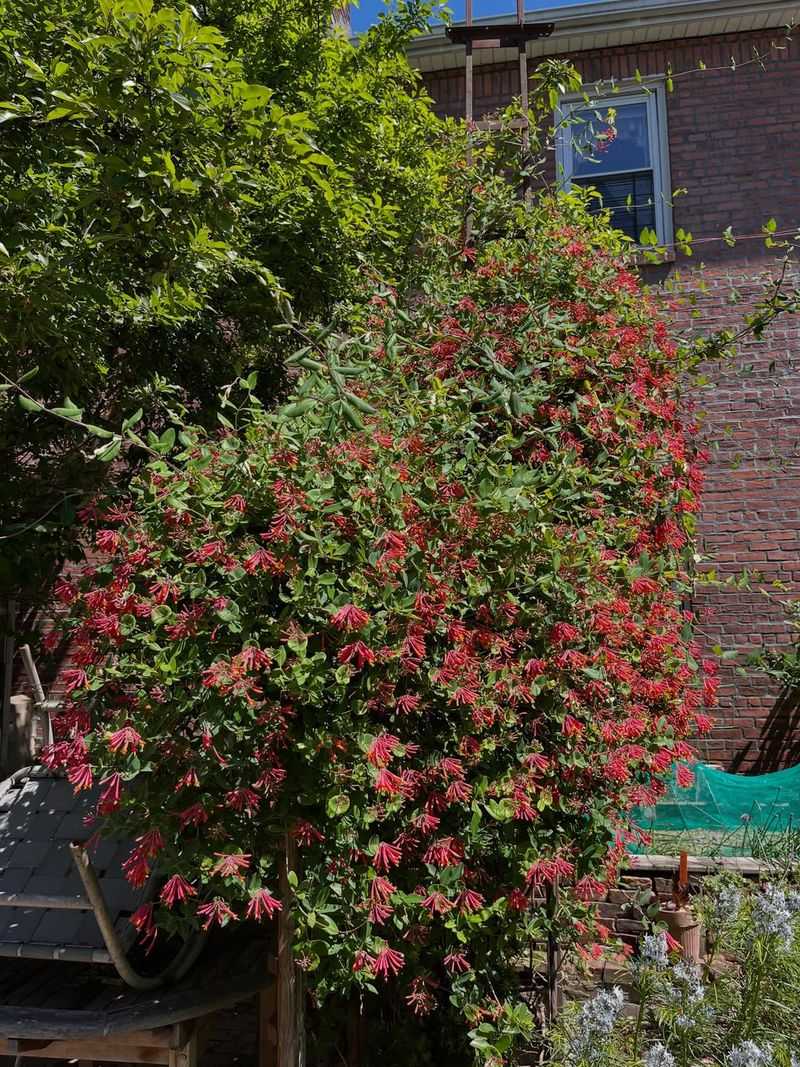
Tubular coral flowers dangle in clusters along twining stems from April through September. Hummingbirds visit these blooms more than almost any other native vine.
The flowers contain no fragrance but produce abundant nectar.
This well-behaved vine climbs by twining rather than clinging with aerial roots. It covers a fence or trellis without damaging wood or paint.
Growth reaches fifteen feet but stays manageable with occasional pruning.
Red berries follow the flowers in fall and persist into winter. Cedar waxwings and robins eat them eagerly.
The fruit provides important food during migration and cold snaps.
Part shade to full sun both work well. More sun produces heavier flowering but requires consistent moisture during establishment.
Once roots spread, the vine handles dry spells without wilting.
Japanese honeysuckle has given all honeysuckles a bad reputation, but coral honeysuckle behaves completely differently. It spreads slowly, never escapes into wild areas, and supports native wildlife.
The two plants are not even closely related despite sharing a common name.
Prune after flowering to control size or shape the vine. Hard pruning in late winter rejuvenates overgrown plants.
New growth emerges quickly in spring.
Aphids occasionally cluster on tender new growth but wash off easily with water spray.
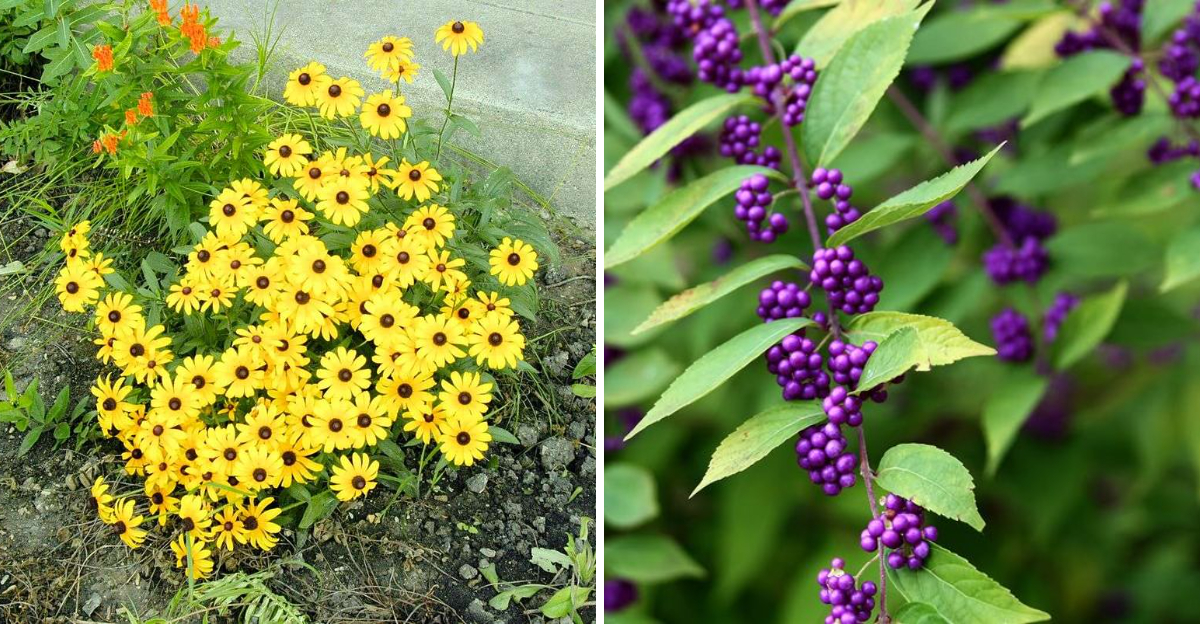
8. Black-Eyed Susan Extends Summer Blooms
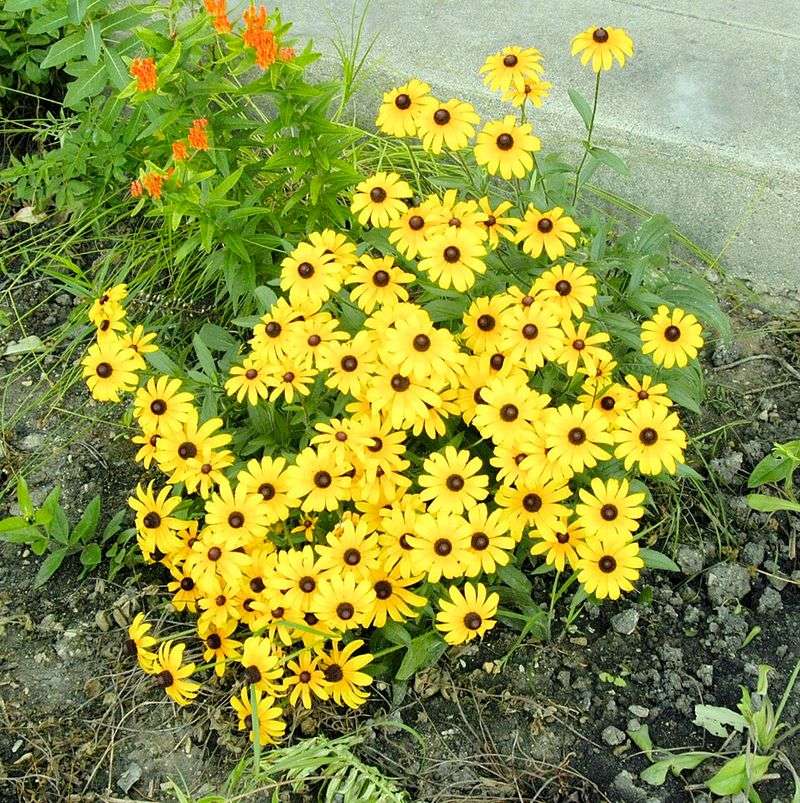
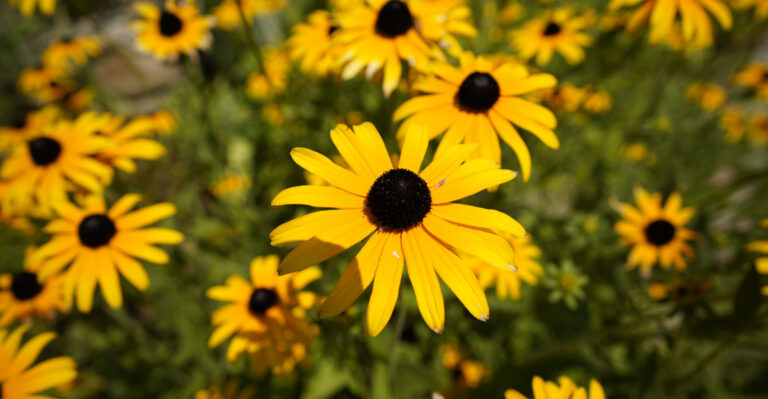
Cheerful yellow daisies with chocolate centers brighten gardens from June through October. Black-eyed Susans bloom longer than almost any other perennial, especially if you remove spent flowers regularly.
Each plant produces dozens of blooms over the season.
Full sun and average soil are all these tough plants require. They handle clay, sand, or rocky ground without complaint.
Drought tolerance increases each year as roots grow deeper.
Goldfinches perch on faded flowers to extract seeds in late summer. Watching these bright yellow birds work the seed heads provides endless entertainment.
Leave some flowers uncut to feed birds through fall.
Plants often act as short-lived perennials but reseed reliably. You get a steady population without aggressive spreading.
Seedlings appear in different spots each spring, creating a natural meadow effect.
Pair them with purple coneflowers and butterfly weed for a classic prairie-style planting. The combination blooms for months and needs minimal care.
All three plants share similar growing requirements.
Powdery mildew appears on lower leaves in humid weather but rarely affects flowering. Good air circulation and avoiding overhead watering help prevent it.
The problem looks worse than it actually is.
Cut flowers last up to ten days in arrangements. Harvest when blooms first open for longest vase life.
9. American Beautyberry Attracts More Birds
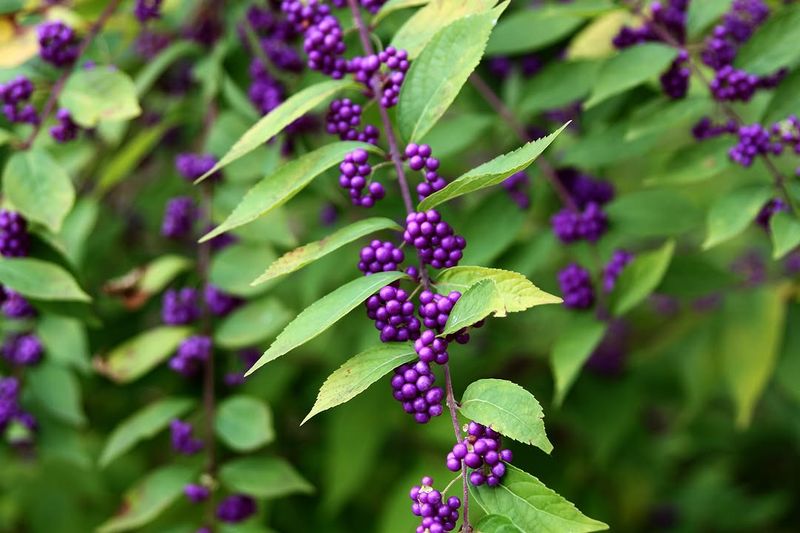
Metallic purple berries encircle the stems in fall like strings of beads. Nothing else in the native plant world produces this particular shade of purple.
The berries practically glow against yellow fall foliage.
Arching branches create a fountain-like shape four to six feet tall and wide. Small pink flowers in summer go mostly unnoticed until berries form in September.
The real show starts when berries ripen.
Mockingbirds, cardinals, and thrashers devour the berries once they soften after the first frost. Before that, birds ignore them completely.
The fruit apparently needs cold temperatures to become palatable.
Part shade produces the best growth and heaviest fruiting. Too much shade reduces berry production significantly.
Morning sun with afternoon protection works perfectly.
Prune hard in late winter to maintain compact shape and encourage vigorous new growth. Flowers and berries form on current season’s wood, so aggressive pruning does not sacrifice the fall display.
Unpruned plants become leggy and produce fewer berries.
Berries make interesting additions to fall arrangements. Cut branches last two weeks indoors if you harvest before birds strip them bare.
The purple color holds without fading.
Deer browse the foliage occasionally but rarely cause serious damage. The plant rebounds quickly from browsing.