The Georgia Flower Pollinators Depend On Before Fall Arrives
Late summer can leave many gardens with fewer flowers than expected. That creates a challenge for hungry pollinators searching for reliable food across Georgia.
One native wildflower blooms when many others begin fading. Its bright flowers provide fresh nectar during an important time of the season.
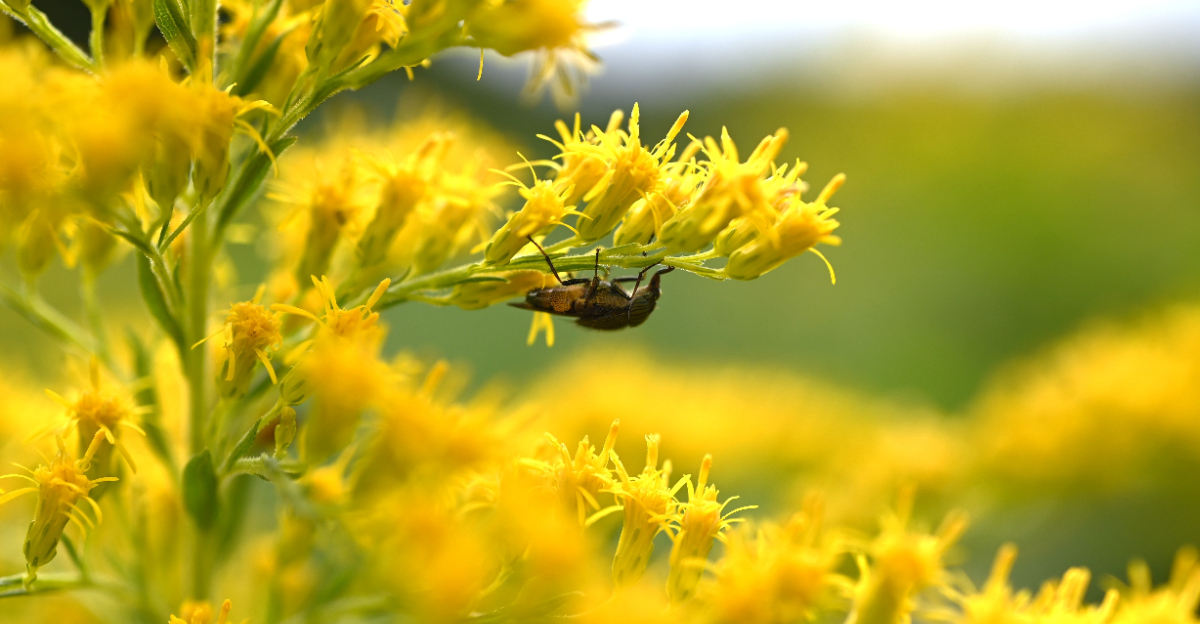
Bees, butterflies, and other beneficial insects quickly gather around its blooms. They depend on these late flowers before cooler weather arrives.
The plant is also easy to grow in the right location. Once established, it asks for very little attention.
That combination makes it valuable for both wildlife and home gardens. Few native flowers bloom so generously this late in the year.
This overlooked wildflower does far more than brighten the landscape.
It helps support pollinators when dependable nectar sources become much harder to find before fall arrives.
1. Goldenrod Produces Nectar When Many Other Flowers Fade
Pollinators face a serious food gap in late summer. Most spring and early summer bloomers are finished, and fall flowers have not opened yet.
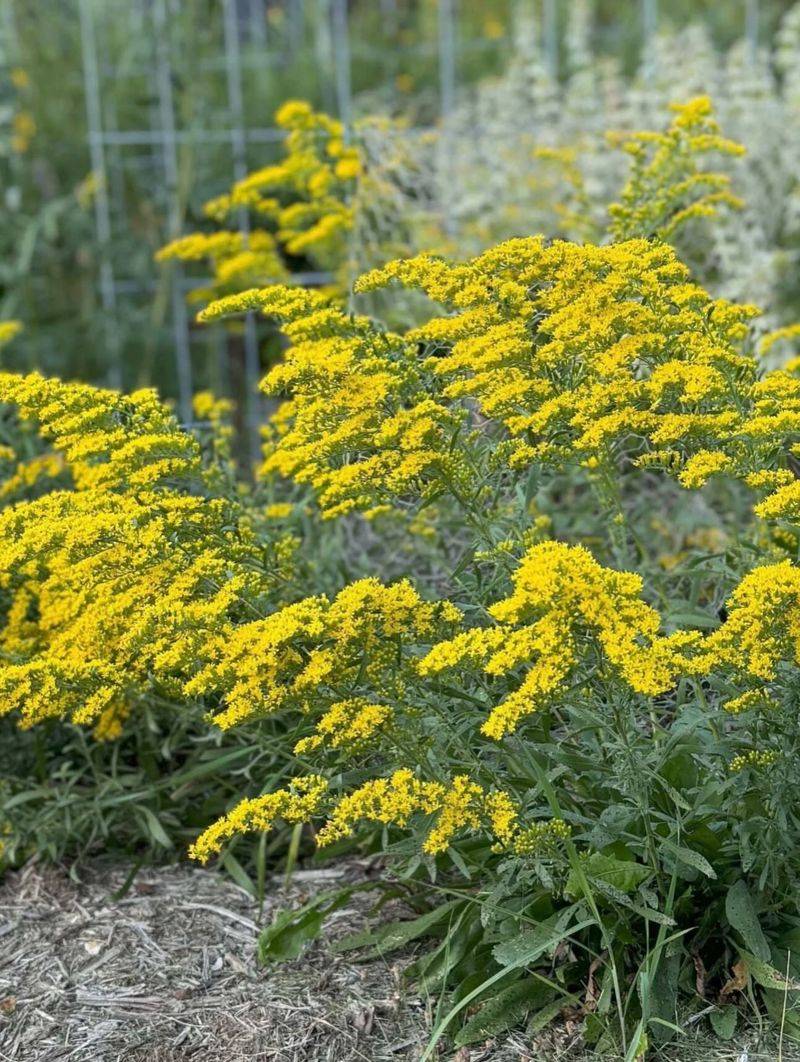
Goldenrod fills that gap with a massive burst of nectar-rich blooms right when it matters most.
Bees, wasps, beetles, and butterflies all visit goldenrod heavily. Native bees in particular depend on it to build up fat reserves before winter.
Without enough late-season nectar, many colonies struggle to survive the cold months ahead.
Goldenrod blooms from late summer into fall, covering a window that few other plants can match. One established clump can attract dozens of pollinator species within a single afternoon.
Watching it on a warm September day feels like standing next to a buzzing, golden highway.
One common myth is that goldenrod causes hay fever. Ragweed gets the blame unfairly placed on goldenrod because they bloom at the same time.
Goldenrod pollen is heavy and sticky, carried by insects rather than wind, so it rarely triggers allergies.
Planting goldenrod is one of the most practical decisions a pollinator gardener can make. It bridges the late-season gap with minimal effort and maximum impact.
Few native plants punch above their weight quite like this one does.
2. Late Season Blooms Last For Several Weeks
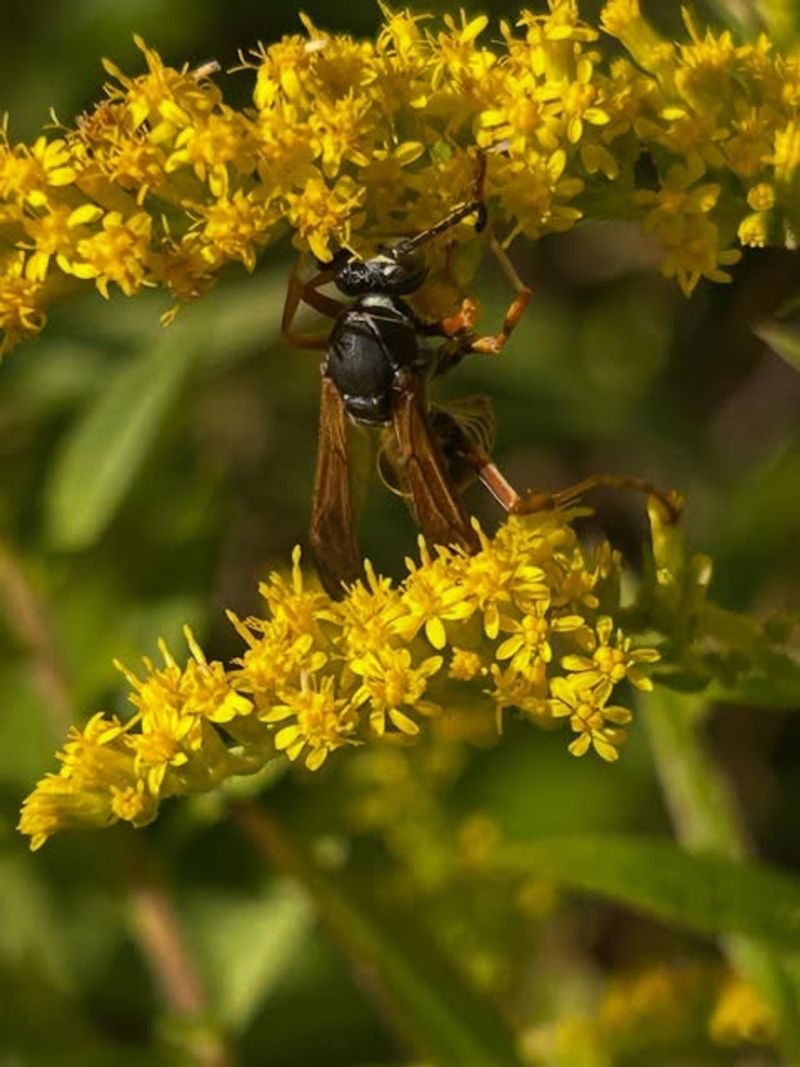
Not every plant earns its garden space, but goldenrod absolutely does. Its bloom window stretches across several weeks, not just a few days.
That extended run makes it far more reliable than many other late-season flowers.
Depending on the variety, blooms can appear as early as August and continue well into October. Some native species hold their flowers even longer under mild fall conditions.
That kind of staying power is rare in the late-season garden.
Pollinators benefit from that extended bloom period in a very practical way. A longer window means more chances to collect nectar and pollen before temperatures drop.
It also supports a wider range of species that emerge at slightly different times.
Gardeners benefit too. A plant that looks great for six or more weeks earns far more visual value than a short bloomer.
Goldenrod delivers bold, golden color right when the garden landscape often starts looking tired and sparse.
Your Georgia Garden Changes Every Week. Your Plan Should Too.
Gardening in Georgia changes quickly throughout the season. Every Friday you’ll receive a simple weekly plan showing exactly what to plant, prune, fertilize, harvest, and protect so you never miss the right timing.
Staggering a few different goldenrod varieties can stretch the bloom season even further. Early, mid, and late-blooming types exist within the native species available in the Southeast.
Mixing two or three varieties in the same bed creates a rolling wave of flowers that pollinators visit consistently from late summer through fall.
3. Full Sun Produces The Most Flowers
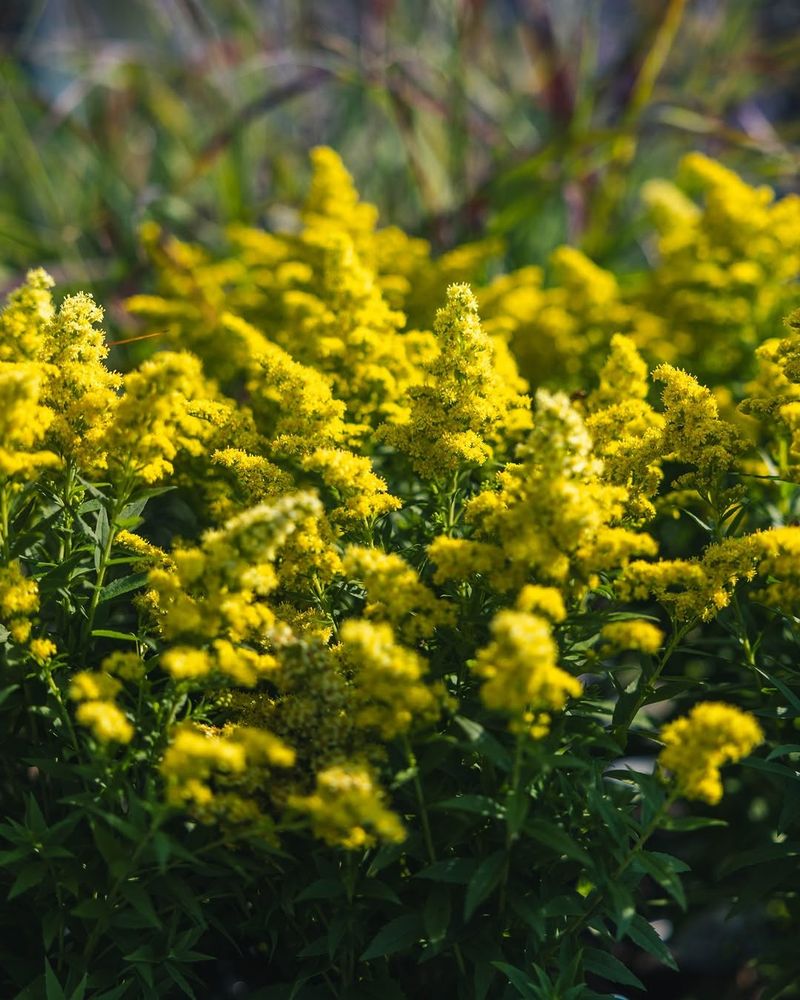
Sunlight is the engine behind goldenrod’s bloom production. Give it a spot with six or more hours of direct sun daily, and it rewards you with dense, heavily loaded flower spikes.
Cut that light short, and the blooms thin out fast.
Partial shade is not ideal for goldenrod, though it can survive in it. Stems grown in lower light tend to stretch and lean.
Flower production drops noticeably, and the plant becomes more prone to flopping over by mid-fall.
Full sun also helps the plant stay compact and upright. Good light exposure encourages strong stem development from the base up.
A well-lit goldenrod clump holds its shape through wind and rain far better than one growing in a shaded corner.
Choosing the right planting spot matters more than most people realize. A sunny patch near a fence line, along a driveway edge, or at the back of a border works well.
Open meadow-style plantings are where goldenrod naturally thrives.
Roadsides and old fields across the Southeast show exactly where goldenrod performs best. Those exposed, sun-drenched spots push the plant to produce its heaviest flower loads.
Replicating that open, sunny environment in a home garden gives pollinators the richest possible nectar source heading into fall.
4. Well Drained Soil Supports Healthy Growth
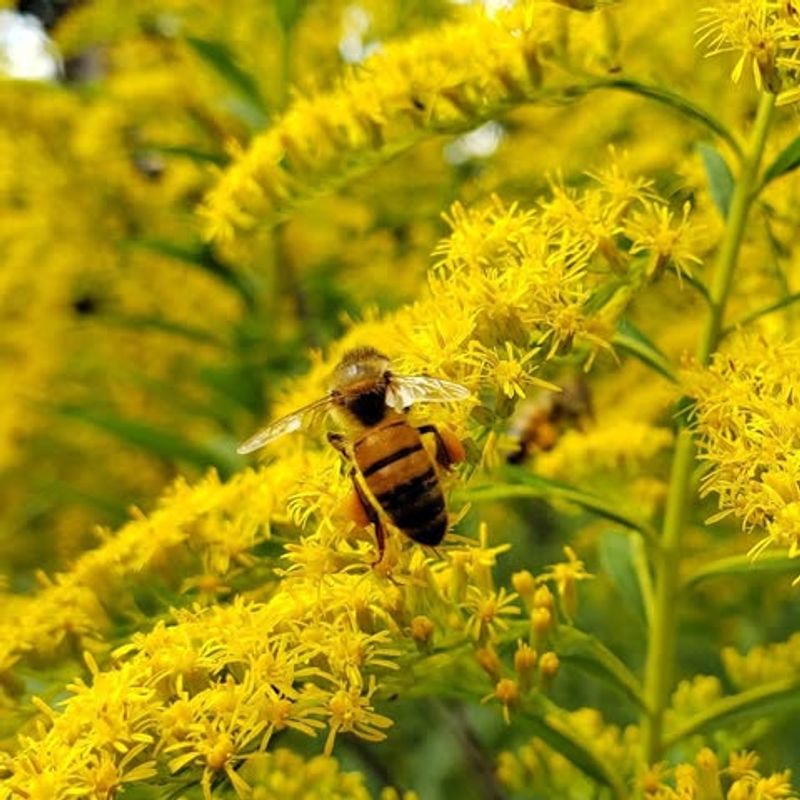
Soggy roots are one of the fastest ways to weaken goldenrod. Standing water and heavy clay that holds moisture too long stress the plant at the root level.
Over time, poor drainage can cause root rot and reduce flowering significantly.
Well-drained soil lets goldenrod develop a deep, healthy root system. Loose, sandy loam or amended garden soil works well.
Even rocky or gravelly soil drains fast enough to keep roots in good shape through wet fall weather.
Georgia gardeners dealing with dense clay soil have a few options. Raising beds by several inches improves drainage quickly.
Mixing in coarse sand or pine bark fines also loosens heavy soil and improves water movement around the roots.
Interestingly, goldenrod does not need rich or heavily fertilized soil. Overly fertile ground actually pushes too much leafy growth at the expense of flowers.
Lean, average soil with decent drainage tends to produce the best blooms.
Avoid planting goldenrod in low spots where water collects after rain. High ground, sloped areas, or raised edges of a garden bed are much better choices.
Getting drainage right from the start saves a lot of trouble later and keeps the plant producing strong flowers season after season.
5. Established Plants Need Very Little Water
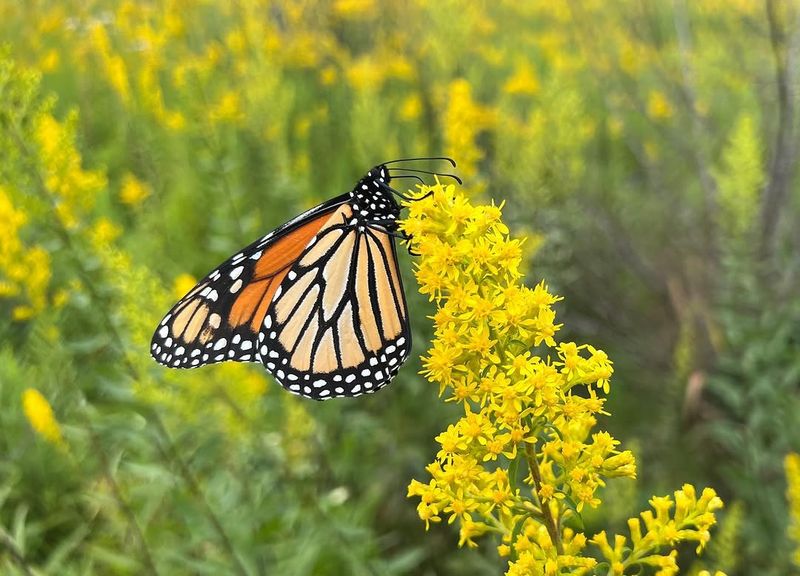
Once goldenrod settles in, it handles dry spells remarkably well. Established plants develop deep root systems that pull moisture from lower in the soil profile.
Regular watering becomes largely unnecessary after the first growing season.
That drought tolerance makes goldenrod a smart choice for low-maintenance gardens. Many parts of the South experience dry stretches in late summer.
Goldenrod keeps blooming through those dry weeks without much help from a garden hose.
New transplants do need consistent moisture during their first summer. Roots need time to spread and anchor before the plant can fend for itself.
Watering every few days during the establishment period sets the plant up for long-term independence.
After that first season, occasional deep watering during extended droughts is usually enough. Shallow, frequent watering is less effective than one good soak every week or two during dry stretches.
Deep watering encourages roots to push downward rather than staying near the surface.
Overwatering is a more common problem than underwatering once goldenrod matures. Soggy conditions through repeated irrigation can weaken the plant over time.
Letting the soil dry out between waterings keeps the root zone healthy and the plant performing at its best through the fall bloom season.
6. Leave The Stems Standing Until Spring
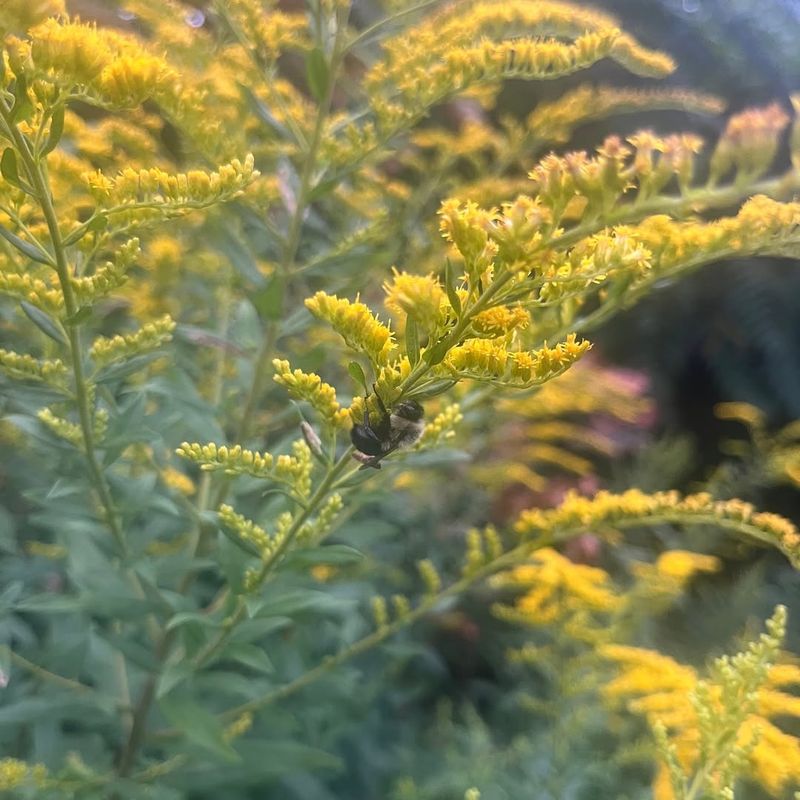
Cutting goldenrod down in fall feels tidy, but it removes something pollinators genuinely need. Hollow and pithy stems provide overwintering shelter for native bees.
Leaving them standing through winter supports insects that would otherwise have nowhere safe to shelter.
Stem-nesting bees lay eggs inside plant stems and seal them off before cold weather arrives. Those eggs and larvae spend winter inside the stem, emerging in spring as adults.
Removing stems in fall clears out those nesting sites before the life cycle can complete.
Seed heads also provide food for birds through the colder months. Goldfinches and sparrows pick seeds from dried goldenrod heads well into winter.
A standing patch of goldenrod becomes a winter feeding station without any extra effort from the gardener.
Leaving stems standing also protects the crown of the plant from temperature swings. Dried stems and leaf litter around the base act as light insulation.
In areas with occasional hard freezes, that extra buffer can help the plant come back stronger in spring.
Cutting everything back in early spring, just before new growth emerges, is the better timing. Fresh stems push up through the old growth quickly once soil temperatures warm.
Waiting until then keeps the garden functional for wildlife all the way through the coldest part of the year.
7. It Returns Reliably Every Year
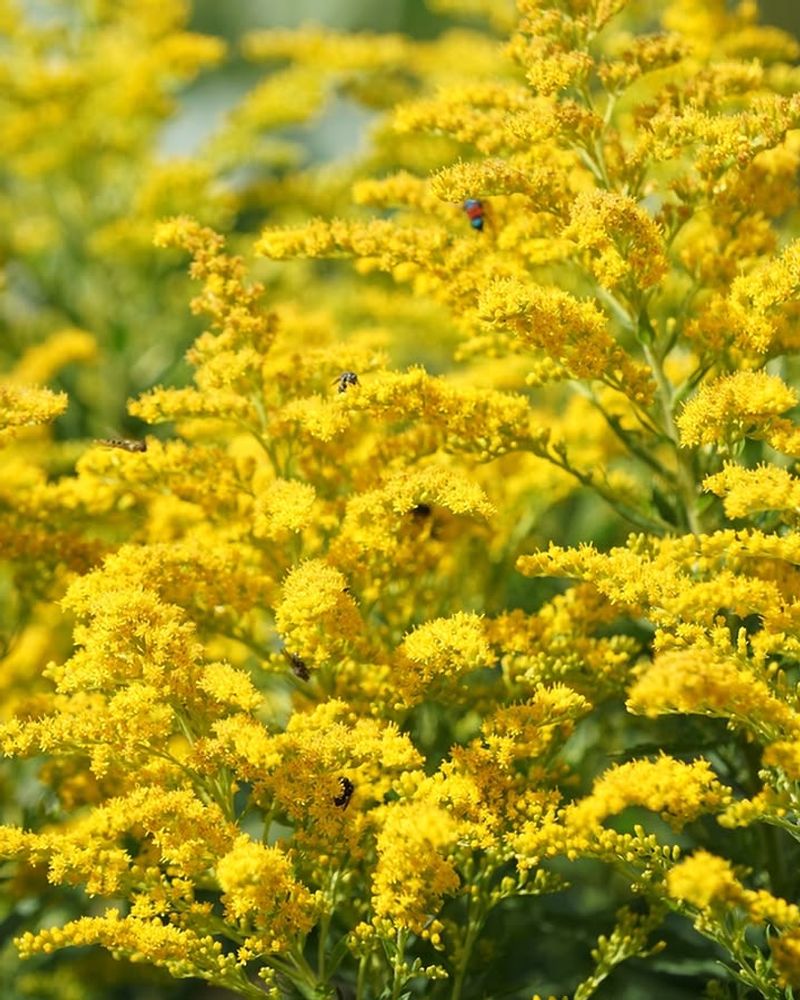
Planting goldenrod once is usually all it takes. As a perennial, it comes back from the same root system year after year without needing to be replanted.
That long-term reliability makes it one of the most cost-effective plants in a pollinator garden.
Each spring, new shoots emerge from the base and grow quickly through summer. By late August or early September, the plant is in full bloom again.
In Georgia’s climate, goldenrod rarely needs coaxing to return on schedule.
Over several seasons, an established clump spreads slowly outward from the center. Clumps can be divided every few years to keep growth in check or to start new patches elsewhere in the garden.
Division also refreshes the plant and often improves bloom production.
Goldenrod can spread by seed as well, so some gardeners deadhead spent flowers to limit self-seeding. Leaving a few seed heads benefits birds and allows some natural spread.
Managing how much seed disperses is easy once you know what to watch for.
Long-lived perennials like goldenrod are the backbone of a low-effort pollinator garden. A plant that feeds dozens of insect species, returns without replanting, and asks only for decent sun and drainage is hard to beat.
Over time, a well-placed goldenrod patch becomes one of the most productive spots in the entire yard.