What Seeing A Hummingbird In Your Missouri Yard Really Means
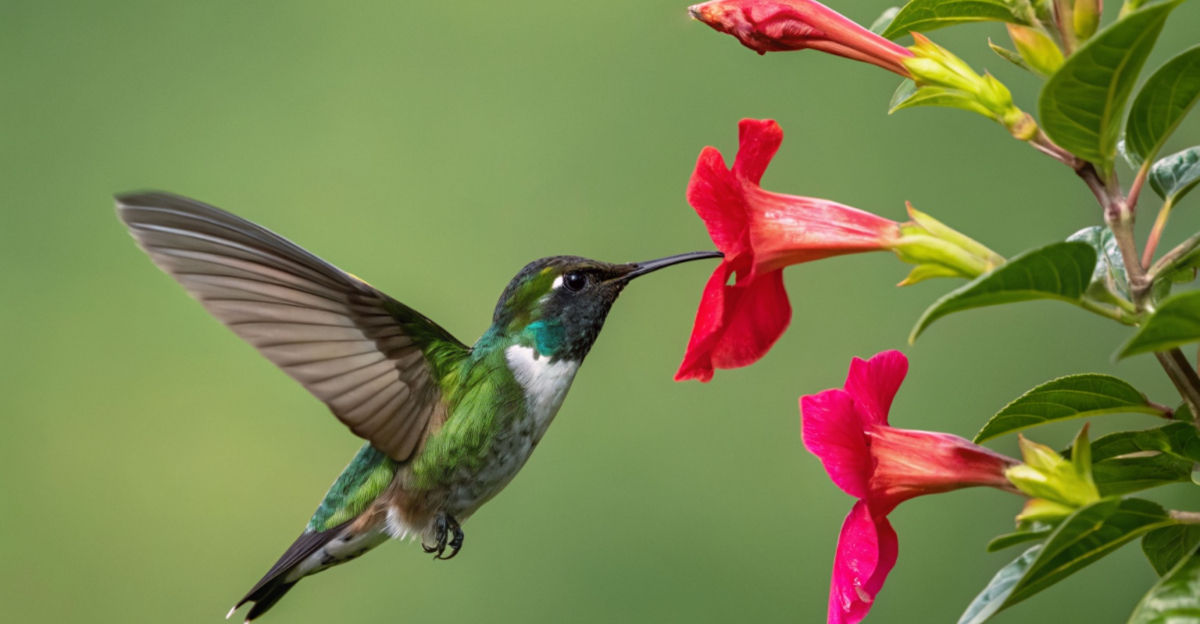
A flash of green shoots past your window before you even register what you saw. You turn around, and there it is. A hummingbird, hovering in mid-air like it defies every rule of nature.
That moment is not an accident.
Hummingbirds do not wander. They do not show up in just any yard. When one appears in yours, it means something specific about your space, your plants, and the time of year you caught it.
These birds travel up to thousands of miles each migration season, and somehow, your Missouri yard made the cut.
That kind of precision does not happen by chance. Hummingbirds are built to find exactly what they need, and when they find it, they remember it.
So what did they find there? Here is what that sighting is really telling you.
Your Yard Passed The Hummingbird Test
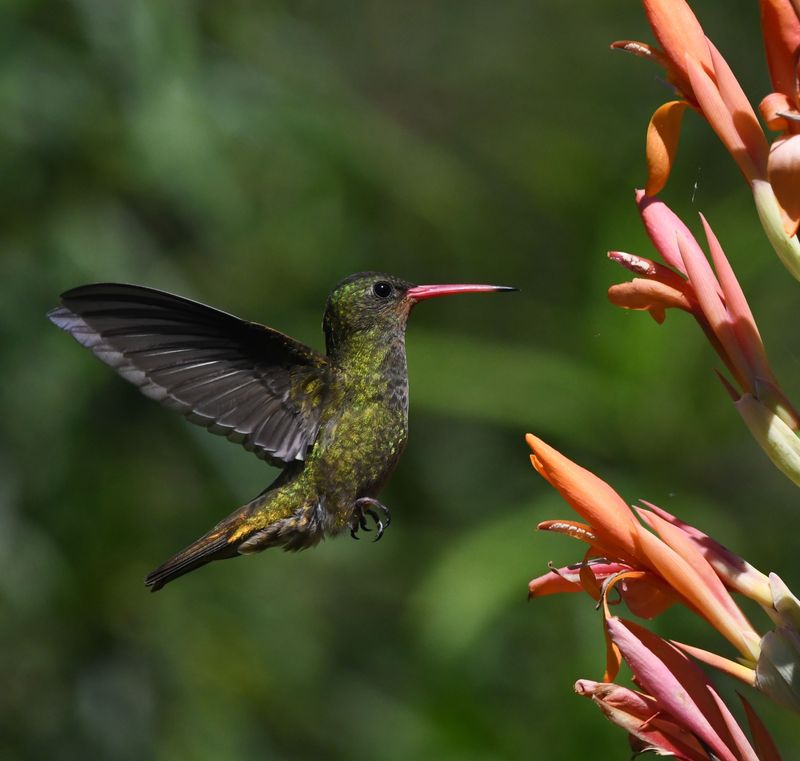
Not every yard makes the cut. When a hummingbird shows up in your garden, it means your outdoor space has something worth stopping for.
Hummingbirds are picky travelers. They scout for nectar-rich flowers, reliable water sources, and safe perching spots before they commit to visiting.
Your yard checked at least one of those boxes, and that is genuinely something to feel good about. Most generic suburban lawns never attract a single one.
These birds do not settle for less. If one showed up in your yard, your space already has what it takes.
They burn through calories at a staggering rate, needing to feed frequently. A yard that supports that kind of demand has serious natural appeal.
If you have native plants, flowering shrubs, or even a simple feeder, you passed the test without even trying. That is the beauty of it.
The real question now is whether you can keep that rating. Small tweaks, like adding a water mister or planting more trumpet-shaped blooms, can upgrade your yard from a pit stop to a preferred destination.
Spotting a hummingbird in your Missouri yard is a quiet confirmation that your green space is doing something right. Keep building on that foundation, and those visits will only get more frequent.
Hummingbird Species You’re Likely Seeing In Missouri
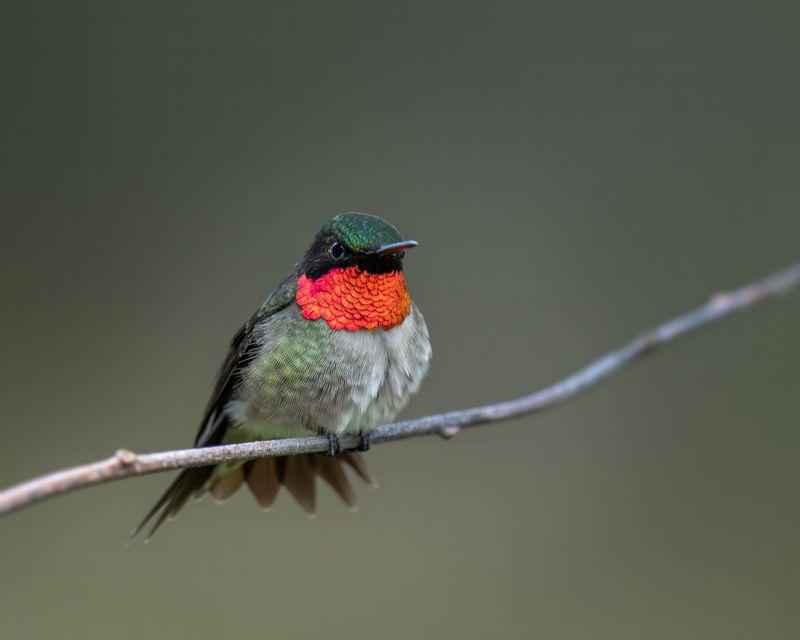
One bird dominates the Missouri hummingbird scene. The ruby-throated hummingbird is the species you almost certainly spotted, and it is the only one that breeds regularly in the state.
Male ruby-throated hummingbirds are easy to identify. In the right light, their throat patch blazes red or magenta. In shade, it can look nearly black.
Females look slightly different, with white throats and a softer green back. Both sexes share the same compact body shape and rapid wingbeat that makes them look almost like oversized bumblebees.
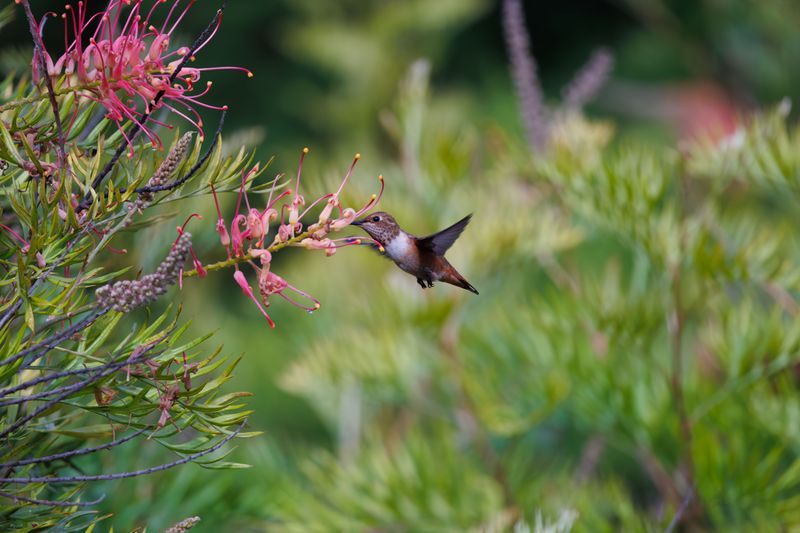
Occasionally, a rufous hummingbird passes through during fall migration. These western visitors are feisty little birds with orange-brown coloring and a reputation for chasing every other hummingbird away from feeders.
Rare sightings of other species, like the black-chinned or broad-tailed hummingbird, have been reported in the state. These are genuine surprises and worth documenting with a photo if you spot one.
Your Missouri Garden Changes Every Week. Your Plan Should Too.
Gardening in Missouri changes quickly throughout the season. Every Friday you’ll receive a simple weekly plan showing exactly what to plant, prune, fertilize, harvest, and protect so you never miss the right timing.
Your best move is to keep a feeder up from late April through mid-October. That window covers the full arrival and departure cycle for the ruby-throated hummingbird in Missouri.
Learning the difference between males and females can make your backyard birdwatching much more rewarding. Once you know what you are looking at, each visit feels like a small personal discovery.
Knowing your species is the first step toward understanding what your yard needs to keep these birds coming back season after season.
The Plants That Attract Hummingbirds To Missouri Gardens
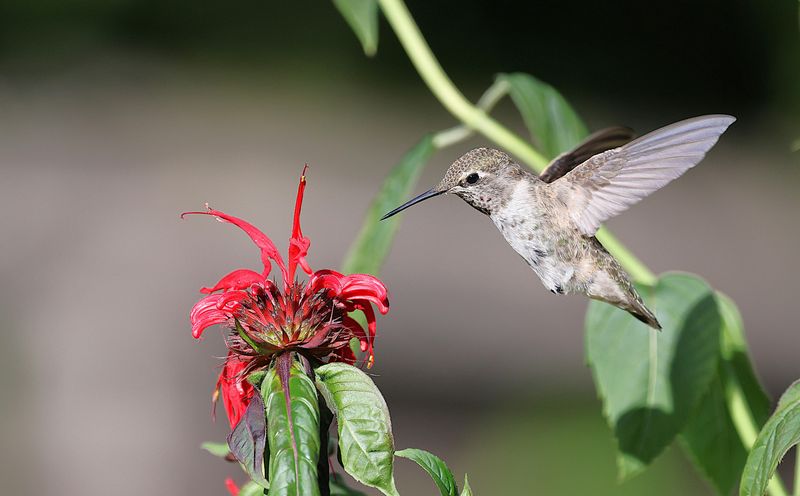
Red, tubular, and dripping with nectar. That is the hummingbird’s dream meal, and certain plants deliver it better than anything else.
Trumpet vine is a Missouri native that hummingbirds find almost impossible to resist. Its bright orange-red blooms are shaped like a funnel designed specifically for a long, slender beak.
Bee balm, also called Monarda, is another top performer. It blooms in shades of red and pink through midsummer and supports not just hummingbirds but also native bees and butterflies.
Cardinal flower is a showstopper along stream banks and moist garden beds. Its intense scarlet spikes are one of the most reliable hummingbird magnets in the entire eastern United States.
Salvia, particularly red or blue varieties, produces long-lasting blooms that keep feeding opportunities open from late spring through fall. Native salvias are especially effective and low maintenance.
Coral honeysuckle is a well-behaved native vine that offers clusters of tubular red and yellow flowers. Unlike its invasive cousin, Japanese honeysuckle, this one plays nicely in a garden.
Planting in clusters rather than single specimens makes a big difference. A mass of bee balm is far more visible to a passing hummingbird than one lonely stalk.
Building a hummingbird-friendly garden in your Missouri yard does not require a landscape degree. A few well-chosen native plants, placed in a sunny spot, is all it takes.
Signs Your Yard Is Healthier Than You Think
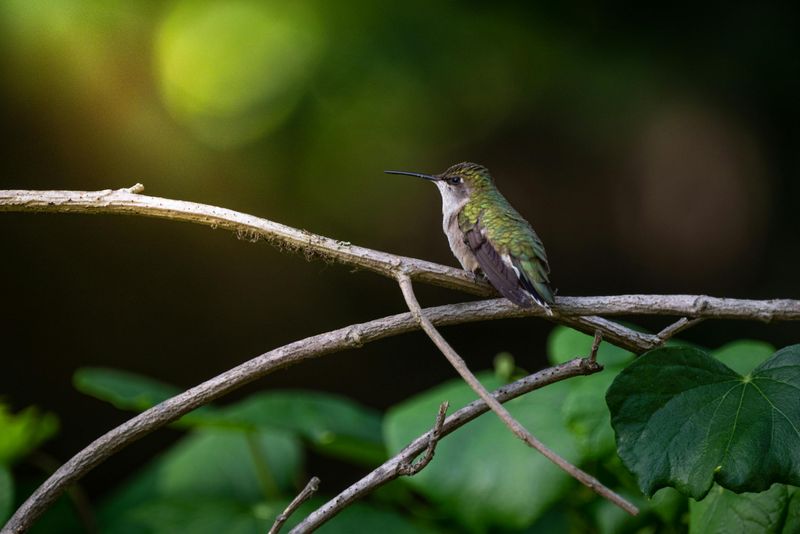
Watch a hummingbird long enough and it starts telling a story. The way it moves through your yard tells you a lot about the health of your outdoor space.
A hummingbird that feeds calmly and returns repeatedly is a sign of low stress in your yard. It feels safe, the food is reliable, and the habitat meets its needs.
Aggressive chasing behavior between two hummingbirds usually means your yard has become desirable territory. That is actually a good sign, even if it looks dramatic.
A bird that hovers briefly and then leaves without feeding may be responding to a feeder with old or fermented nectar. Freshen it up and watch what happens next.
Hummingbirds that visit in the early morning and late afternoon are following natural feeding rhythms. Seeing them at those peak times means your yard is part of their established daily route.
If a hummingbird is seen bathing in a mister or birdbath, your yard has graduated to full habitat status. Water is a critical resource that many backyards overlook completely.
A hummingbird perching quietly on a thin branch is resting, conserving energy between feeds. Having perch-friendly shrubs and trees nearby signals that your yard offers more than just food.
Every behavior you observe is a clue about what your yard is doing right and where it could improve. Pay attention, and these tiny birds become the best free consultants your garden will ever have.
One-Time Visitor Or Summer Regular
One visit does not make a resident. Knowing the difference between a migrating bird and a nesting one changes how you respond to what you are seeing.
A hummingbird that appears once and vanishes is likely a migrant moving through on its way north or south. These birds stop for quick fuel and rarely linger more than a day.
A bird that returns to the same feeder or flower bed multiple times over several days is showing territorial behavior. That is a strong signal it has decided to stick around.
Nesting females in Missouri often become very secretive. If a female you have been watching suddenly disappears for long stretches, she may be incubating eggs nearby.
Male hummingbirds perform dramatic U-shaped dive displays to impress females. Witnessing that aerial show in your yard means you have a resident male who considers your space his home base.
Juveniles, which appear in late summer, can look confusingly similar to females. Their slightly shorter beaks and fresher plumage are subtle clues that help tell them apart.
Keeping a simple log of when and how often you see hummingbirds helps you track patterns over weeks. A notebook or a free birding app works perfectly for this.
Once you learn to read the signs, spotting a hummingbird in your Missouri yard shifts from a happy surprise to an informed observation. That shift makes the whole experience even more satisfying.
Setting Up A Hummingbird Feeder
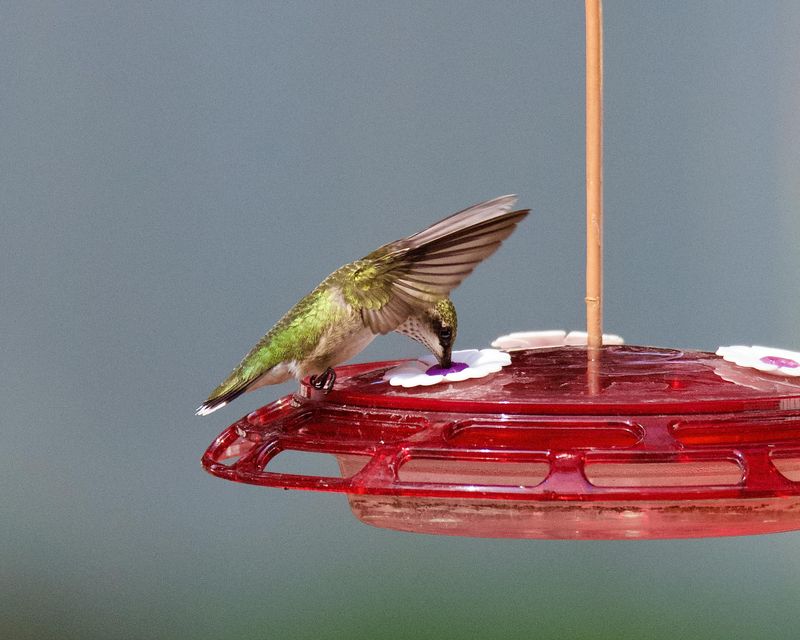
A good feeder can be the difference between occasional visits and a yard full of wings. Setup matters more than most people realize.
Choose a feeder with red coloring on the body or ports. Hummingbirds are strongly drawn to red, and the color alone can act as a beacon from a distance.
Skip the red dye in the nectar. Plain sugar water, made with one part white sugar and four parts water, is all you need. Dyes add nothing and may cause harm over time.
Placement is crucial. Hang your feeder near flowers but away from heavy foot traffic. A spot with morning sun and afternoon shade keeps the nectar fresh longer.
In Missouri’s summer heat, clean the feeder every two to three days. Nectar can ferment fast and make birds sick.
Multiple feeders placed in different parts of your yard reduce competition. Dominant males tend to guard a single feeder aggressively, so spreading them out gives other birds a fair shot.
Adding a small ant moat above the feeder and bee guards over the ports solves two of the most common feeder frustrations. Both products are inexpensive and widely available.
A well-maintained feeder sends a clear signal to every hummingbird passing through your Missouri yard: this place is safe, reliable, and worth a return visit every single time.