These Oregon Pollinator Plants Start Pulling Their Weight In June
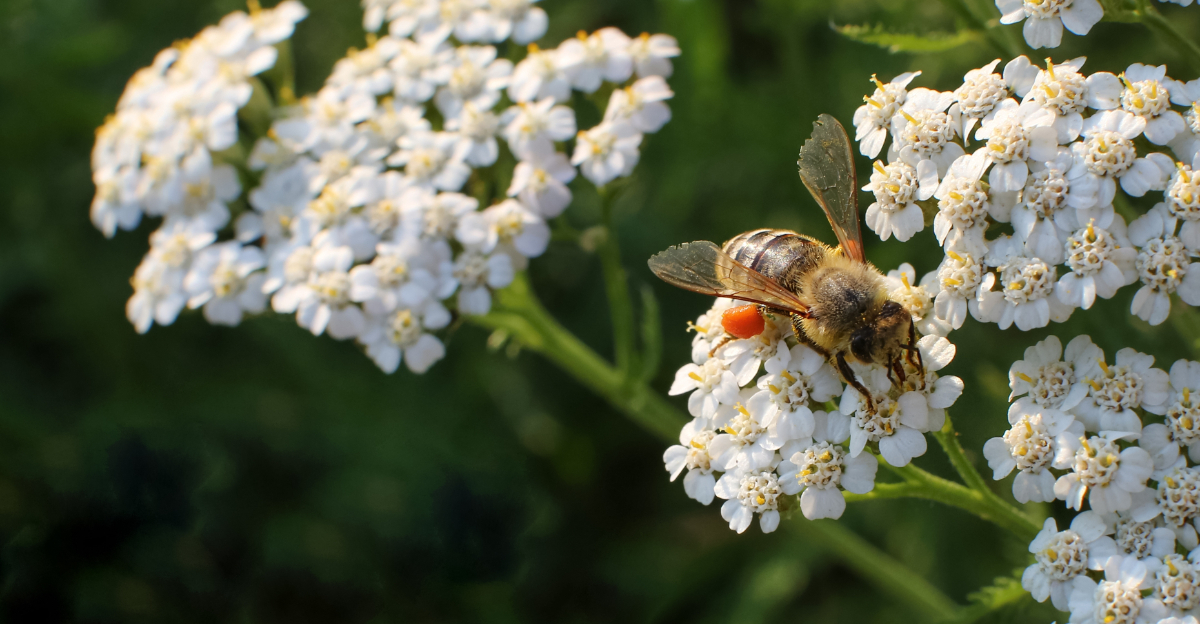
June is when an Oregon pollinator garden starts to feel busy in the best way. Flowers open, bees move with purpose, and every sunny break seems to bring more wings into the yard.
This is also when the right plants begin doing real work. They are not just adding color.
They are feeding pollinators at a key point in the season, right when many insects need steady support. A smart mix can make a small garden feel full of life without adding extra fuss.
Native blooms, long lasting flowers, and well placed perennials can turn quiet beds into favorite stopping spots.
Plant the right choices, and June becomes more than the start of summer. It becomes the moment your garden starts giving back.
1. Oregon Sunshine Feeds Pollinators In Hot Sunny Beds
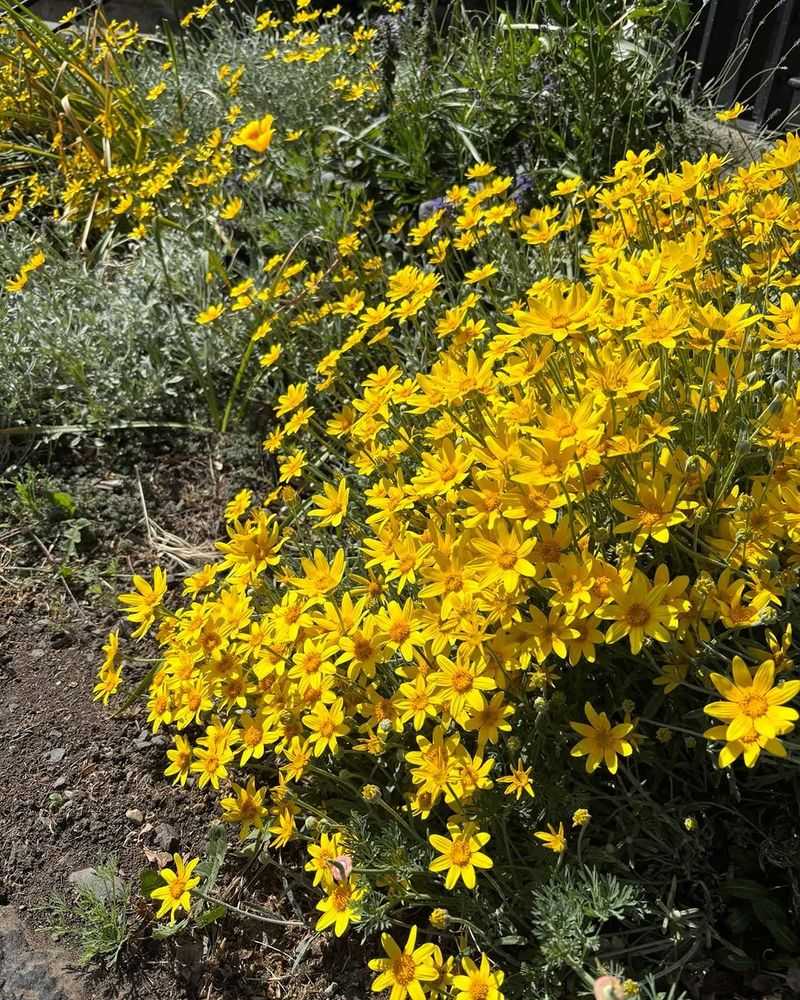
Few plants handle heat and dry soil as cheerfully as Oregon Sunshine. Known botanically as Eriophyllum lanatum, this tough little wildflower is a staple of sunny, well-drained spots across our state.
Its golden-yellow daisy-like flowers open up just in time for early summer pollinators.
Bees absolutely love it. Native bumblebees, sweat bees, and even small solitary bees all visit the blooms for pollen and nectar.
Because the flowers are wide and open, even smaller insects can access the center easily. That makes it one of the most accessible plants you can add to a dry garden.
It also handles neglect surprisingly well. Once established, Oregon Sunshine rarely needs watering in summer.
That low-maintenance quality makes it a favorite for gardeners who want big pollinator impact without constant upkeep. It tends to spread gently over time, slowly filling in gaps in rocky or gravelly beds.
This plant also pairs well with other sun-loving natives like yarrow and farewell-to-spring. Grouping them together creates a long bloom window and a diverse food source for visiting insects.
Try planting it along pathways, slopes, or in raised beds where drainage is excellent. By mid-June, a healthy clump will be covered in blooms.
Deadheading spent flowers can encourage a second flush later in summer. It is a small plant with a big personality, and pollinators always seem to find it first.
2. Showy Milkweed Helps Monarchs And Native Bees
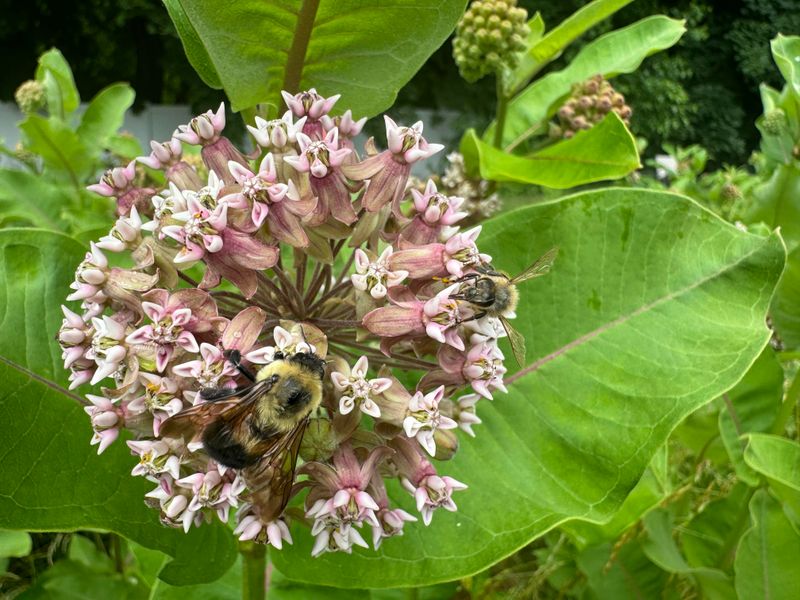
There is something almost magical about watching a monarch butterfly land on a milkweed bloom.
Asclepias speciosa, commonly called Showy Milkweed, is one of the most important plants you can grow for pollinators in our state.
It does double duty by feeding adult butterflies and serving as the only host plant monarch caterpillars can use.
The flowers themselves are stunning. They form rounded clusters of dusty pink and purple blooms that smell faintly sweet.
Native bumblebees, honeybees, and dozens of other species visit them throughout the day. Few plants attract such a wide variety of insects all at once.
Showy Milkweed prefers full sun and tolerates dry to moderately moist soils. It spreads by underground rhizomes, so give it room to roam or plant it in a contained bed.
In drier inland areas of our state, it performs especially well once established.
Your Oregon Garden Changes Every Week. Your Plan Should Too.
Gardening in Oregon changes quickly throughout the season. Every Friday you’ll receive a simple weekly plan showing exactly what to plant, prune, fertilize, harvest, and protect so you never miss the right timing.
Starting from transplants is easier than starting from seed, though seeds can work if you cold-stratify them first.
Plant in groups of three or more to create a visual mass that pollinators can spot from a distance. The larger the patch, the more activity you will see.
June is when the blooms really open up and the action begins. Monarch numbers have been declining for years, so every milkweed plant genuinely matters.
Adding even one to your yard puts you on the right side of conservation.
3. Western Columbine Brings Hummingbirds Into The Garden
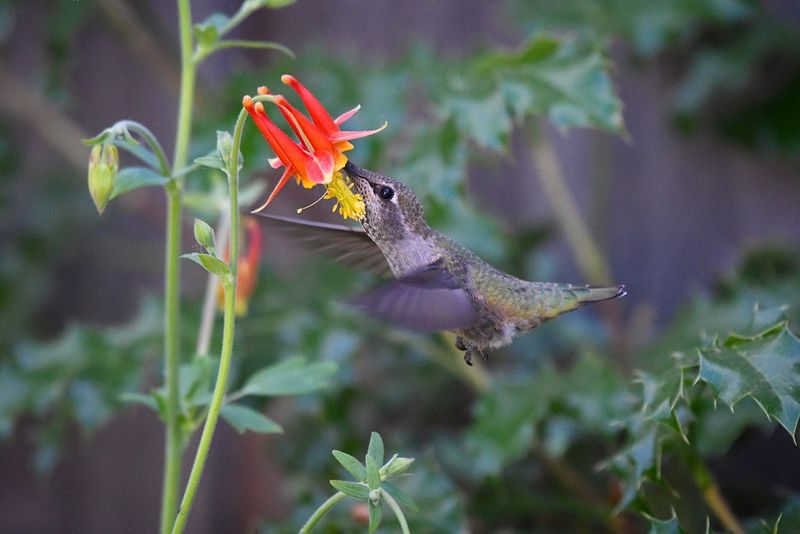
Long red spurs and bright yellow petals make Western Columbine one of the most recognizable wildflowers in our state. Aquilegia formosa was practically designed with hummingbirds in mind.
The long nectar spurs fit a hummingbird’s bill almost perfectly, making this a plant that truly earns its place near any garden seating area.
Bumblebees also visit, though they sometimes cheat by biting a hole near the base of the spur to steal nectar without pollinating the flower.
Even so, the plant keeps producing blooms from late spring well into June and sometimes beyond.
Each stem carries several nodding flowers that sway gently in a breeze. Western Columbine thrives in part shade to full sun, depending on moisture. In warmer, sunnier spots it prefers some afternoon shade.
It grows naturally along stream banks and forest edges across the state, so it appreciates a bit of organic matter in the soil.
Self-seeding is one of its best qualities. Once established, it will gradually spread around the garden in a relaxed, natural way.
You can encourage this by letting the seed pods dry on the plant before cutting them back. Over time, a small colony forms without much effort on your part.
Few experiences beat sitting outside in June and watching a rufous hummingbird zip from flower to flower.
Planting Western Columbine near a window or patio gives you a front-row seat to that show every single year.
4. Yarrow Turns June Beds Into Beneficial-Insect Habitat
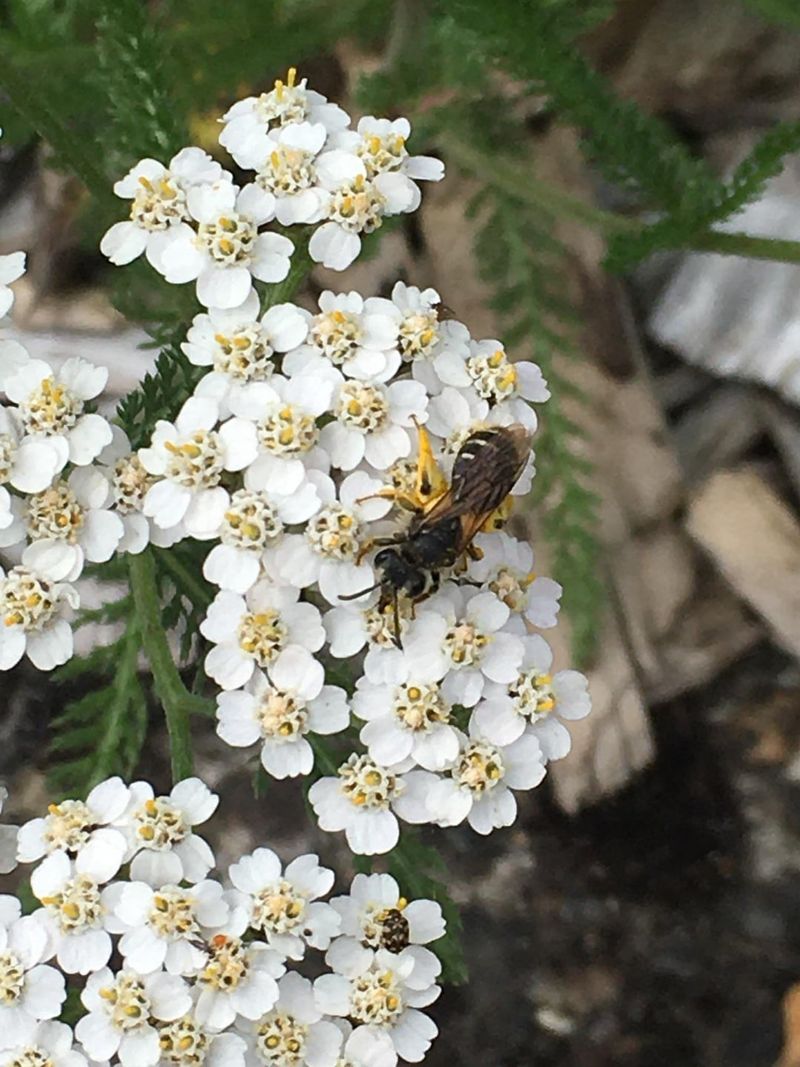
Yarrow has been growing wild across North America for thousands of years, and pollinators have been taking advantage of it the whole time.
Achillea millefolium is the native species found throughout our state, and it blooms reliably starting in late spring and running through summer.
The flat-topped flower clusters act like landing pads for dozens of insect species.
What makes yarrow especially useful is the sheer variety of visitors it attracts. Parasitic wasps, hoverflies, small native bees, and even beetles all show up regularly.
Many of these insects are also natural pest controllers, so a yarrow patch does double duty in the garden.
Growing yarrow is about as easy as it gets. It tolerates poor soil, drought, and even some foot traffic near edges.
Full sun is ideal, though it can handle light shade. Once planted, it spreads by both seed and rhizome, eventually forming a low, feathery mat of aromatic foliage.
The white-flowered native form is most common, but cultivated varieties come in yellow, pink, and red. For maximum wildlife value, the straight native species is always the better choice.
Cultivars can look flashier but often attract fewer insects.
Cutting yarrow back by about a third after the first bloom flush often triggers a second round of flowers in late summer.
That extended bloom period keeps your garden active for pollinators well past June. It is a plant that quietly holds a garden together.
5. Self-Heal Feeds Small Bees In Low Garden Spaces
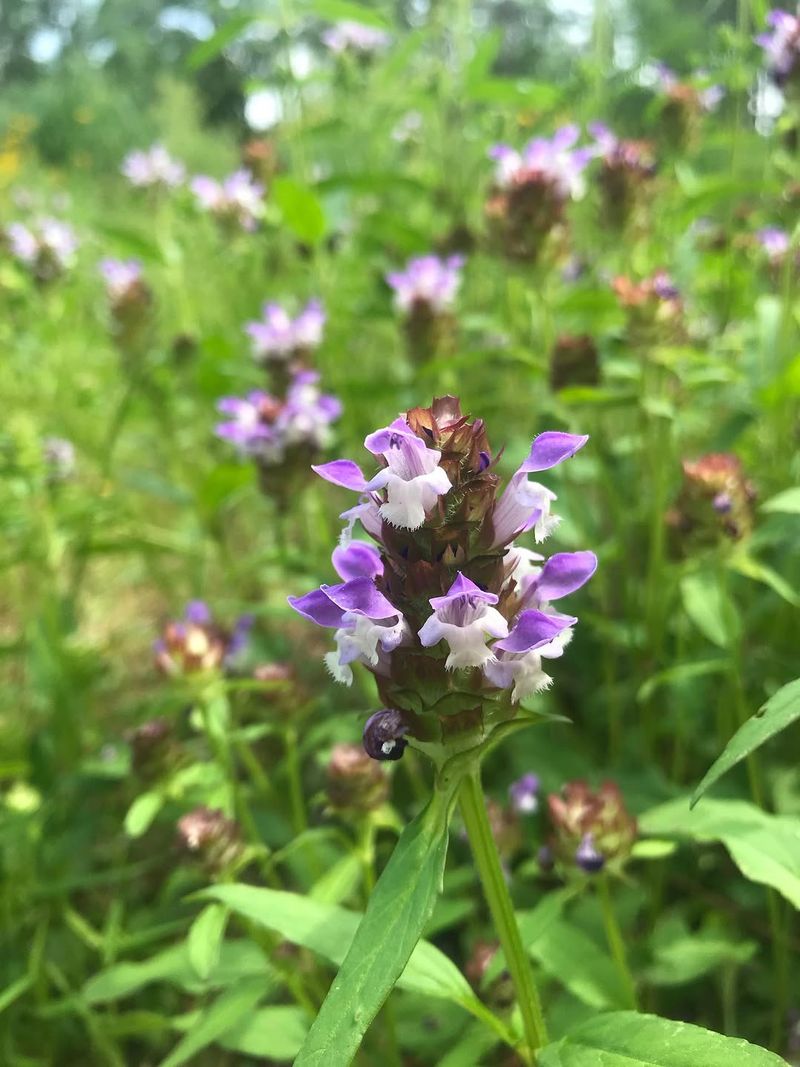
Not every pollinator plant needs to be tall and showy. Self-Heal, or Prunella vulgaris, proves that small plants can carry a big load.
This low-growing native spreads across moist, partly shaded spots and produces dense spikes of violet-purple flowers right around the start of June.
Small native bees love it. Mason bees, sweat bees, and small bumblebees all work the flowers with enthusiasm.
Because the blooms are close to the ground, this plant is especially valuable for ground-nesting bees that do not fly far from their nesting sites to forage.
Self-Heal is remarkably adaptable. It handles both sun and shade, moist and moderately dry soils, and even tolerates some lawn competition.
Many gardeners discover it growing on its own in shaded corners or along garden edges where other plants struggle. Rather than pulling it, try letting it stay and spread.
It works beautifully as a ground cover beneath taller native plants. Pair it with Western Columbine or Douglas Aster to create a layered planting that supports pollinators at multiple heights.
The combination looks naturalistic and requires very little maintenance once established.
Historically, this plant was used in herbal medicine across many cultures, which is how it earned its common name.
Whether or not you are interested in its traditional uses, its value to small bees is reason enough to welcome it.
A patch of Self-Heal in a shaded corner is a simple and rewarding addition to any pollinator-friendly yard.
6. Douglas Aster Starts Building Toward Late-Season Blooms
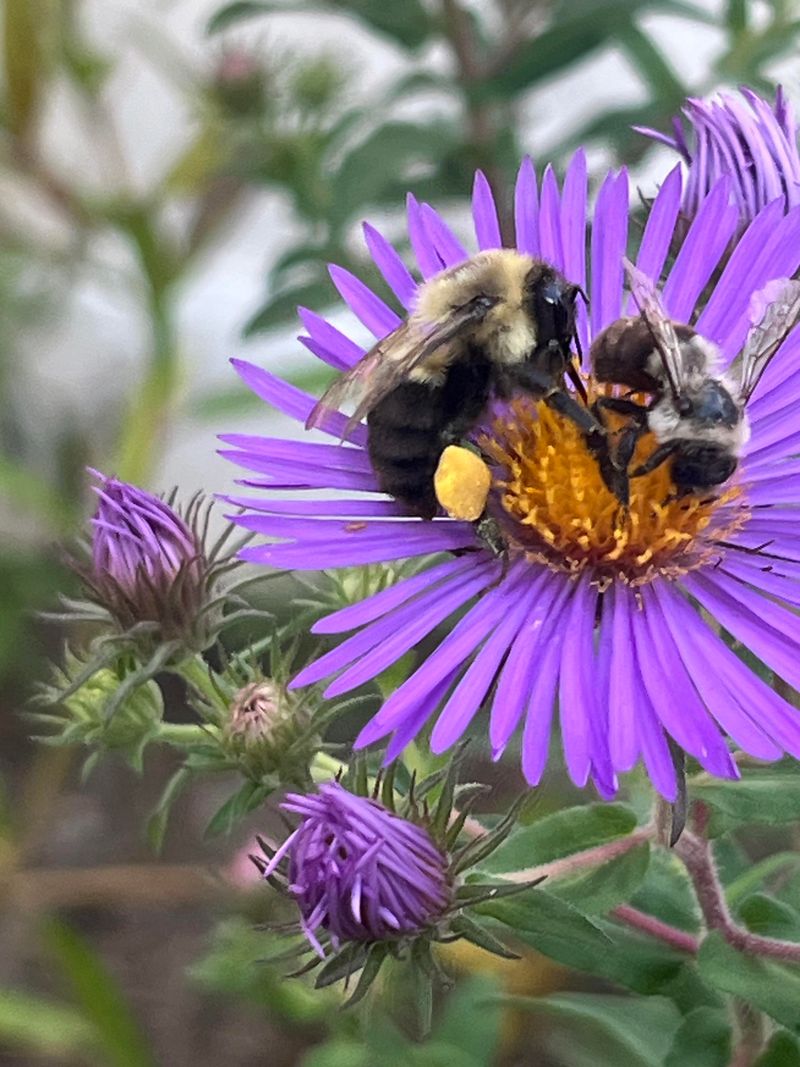
Most asters are known as fall plants, but Douglas Aster starts its journey much earlier. Symphyotrichum subspicatum begins producing flower buds in June, with full blooms often arriving by midsummer and continuing well into fall.
That long season makes it one of the most valuable plants you can add to a pollinator garden in our state.
The flowers are classic daisy-style, with slender purple or lavender petals surrounding a bright yellow center. Bumblebees, native sweat bees, and many butterfly species visit them regularly.
As summer progresses and other plants finish blooming, Douglas Aster becomes an increasingly important food source.
It grows naturally in moist to moderately dry soils, often near streams, meadows, and forest edges. In the garden, it does well in full sun to part shade.
It can get a bit tall and floppy without support, so planting it next to sturdier neighbors helps keep it upright and looking tidy.
Cutting plants back by half in late May encourages bushier growth and more blooms. This technique, sometimes called the Chelsea chop, works well for many aster species.
It also slightly delays the bloom time, which can help extend the overall flowering window in a mixed planting.
Watching a Douglas Aster patch in late summer is one of the great simple pleasures of native gardening.
The plant never stops giving, and pollinators seem to agree. Starting it in June sets up a reward that pays off for months to come.
7. Farewell-To-Spring Gives Bees A Big Early-Summer Push
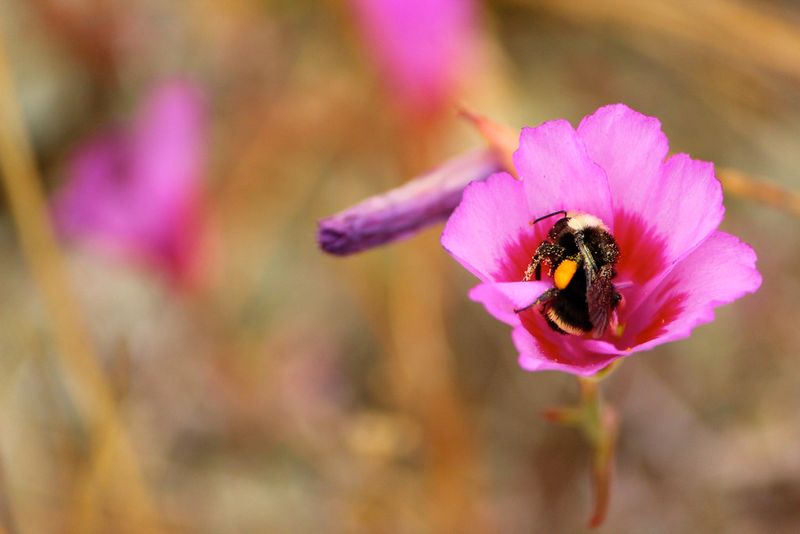
With a name like Farewell-to-Spring, you might expect this plant to be winding down by June. Surprise: it is actually hitting its peak.
Clarkia amoena, a native annual found across our state’s western valleys and coastal areas, bursts into bloom right as spring transitions into summer.
The timing is perfect for bees that are ramping up colony activity. The flowers are cup-shaped and come in shades of pink, magenta, and lavender, often with darker blotches near the center. Native bees go wild for them.
Specialist bees in the genus Lasioglossum are particularly drawn to Clarkia flowers, and you may also spot bumblebees and small sweat bees working the blooms throughout the day.
Because it is an annual, Farewell-to-Spring grows fast and blooms heavily before setting seed. It prefers poor, dry, rocky or sandy soil with full sun.
Rich garden soil actually tends to produce lush foliage at the expense of flowers, so resist the urge to fertilize.
Direct sowing in fall or very early spring gives the best results. The seeds need a period of cold and moisture to germinate well, mimicking natural conditions.
Once you have it established, it self-sows freely and comes back year after year with minimal effort on your part.
A mass planting of Farewell-to-Spring in June is a genuinely breathtaking sight. The flowers shimmer in the breeze, and the bee activity around them is nonstop.
It is one of those plants that makes you feel like your garden is really working.