These Texas Clay Soil Plants Spread On Their Own And Never Need Replacing
Texas clay soil has a way of narrowing the plant selection conversation down to a short and unsatisfying list. It drains poorly, compacts under pressure, and holds moisture unevenly in ways that cause root problems for plants that were not designed to handle it.
Most gardeners either amend constantly, replace plants that do not make it, or quietly accept that certain parts of the yard will always be a struggle.
There is another option, and it starts with finding plants that are genuinely built for clay rather than ones that merely tolerate it with enough extra care.
Some Texas plants not only survive clay soil but actively spread through it, filling in on their own schedule and returning each season without any intervention.
Once they get established, they become some of the most low maintenance parts of the yard, handling the conditions that defeat everything else without asking for much in return.
1. Turk’s Cap
Picture a plant so tough it laughs at Texas heat, clay soil, and summer drought all at the same time.
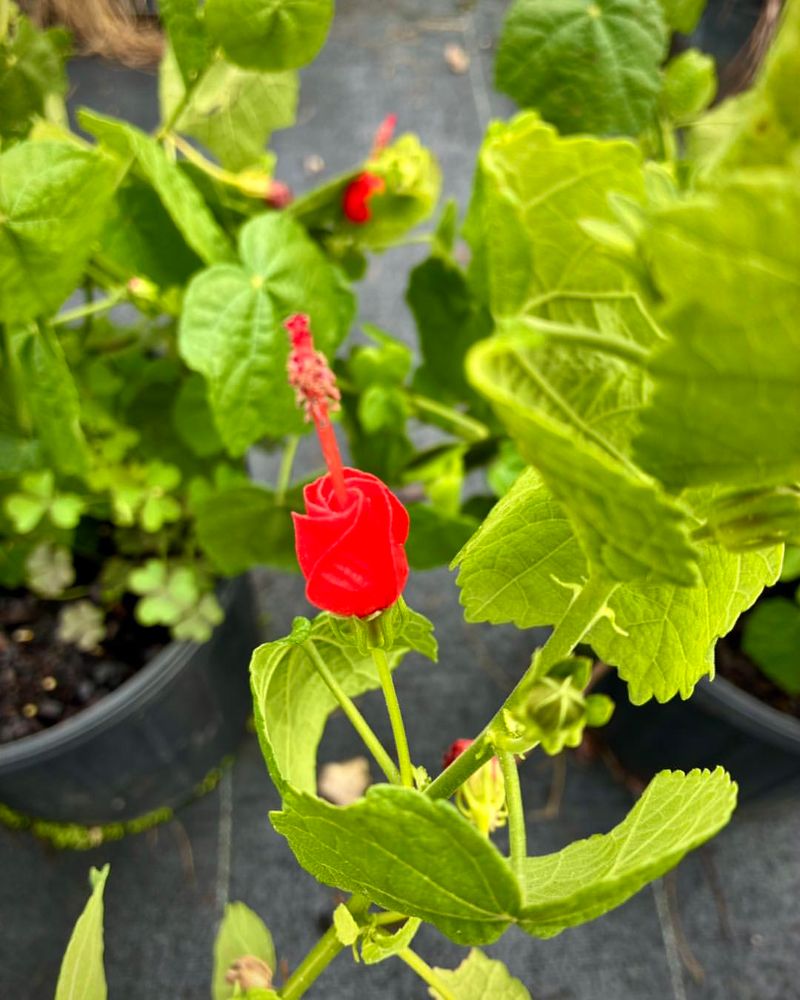
That plant is Turk’s Cap, and it is one of the most reliable native plants you can grow in the Lone Star State. Its bright red, twisted flowers look like tiny turbans, which is exactly how it got its name.
Turk’s Cap spreads gradually through underground stems called rhizomes. Over time, a single plant can grow into a wide, lush colony without any help from you.
It fills in shady spots beautifully, making it perfect for areas under trees where other plants struggle to survive.
One of the best things about Turk’s Cap is how little care it actually needs. Once it is established in your yard, you can basically leave it alone. It handles heavy clay soil with ease because its roots push right through the dense ground.
Hummingbirds and butterflies absolutely love the flowers, so planting Turk’s Cap also turns your yard into a mini wildlife habitat.
The plant blooms from late spring all the way through fall, giving you months of color. It can grow in full shade, part shade, or even full sun, which makes it incredibly flexible.
Fun fact: the red berries that appear after the flowers are actually edible and taste a little like watermelon. Birds love them too, which only adds to this plant’s charm. If you want one plant that does everything, Turk’s Cap is the answer.
2. Horseherb
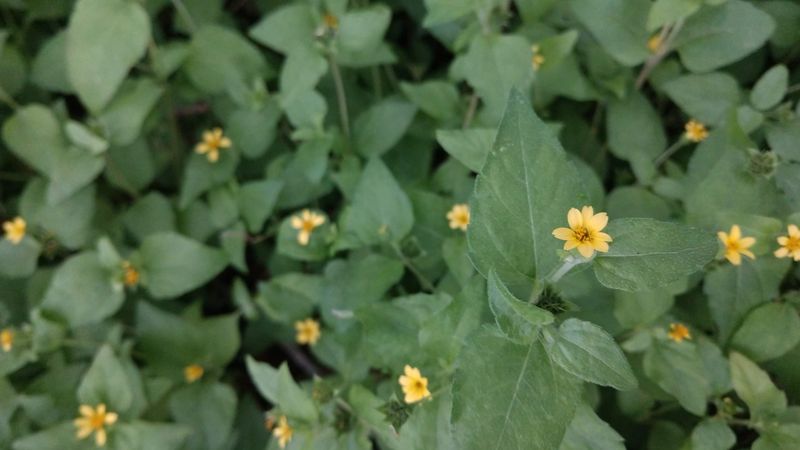
Walk through almost any shaded Texas yard and you might already have Horseherb growing without even realizing it. This tough little native plant forms a dense, low-growing green carpet that fills bare spaces fast.
Gardeners who fight bare patches under trees will find Horseherb to be a genuine game-changer.
Horseherb, also known as Straggler Daisy, spreads quickly by dropping seeds and creeping along the ground. It does not need any encouragement.
Give it a little shade and some clay soil, and it will take over in the best possible way. The tiny yellow flowers it produces are actually quite pretty up close.
Your Texas Garden Changes Every Week. Your Plan Should Too.
Gardening in Texas changes quickly throughout the season. Every Friday you’ll receive a simple weekly plan showing exactly what to plant, prune, fertilize, harvest, and protect so you never miss the right timing.
Because it stays low to the ground, usually only about six inches tall, Horseherb works beautifully as a lawn alternative in shaded areas where grass refuses to grow.
It handles foot traffic surprisingly well for such a delicate-looking plant. Many Texas homeowners use it intentionally as a no-mow ground cover.
Horseherb is not picky about soil quality either. It actually prefers the kind of heavy, compacted clay soil that drives most gardeners crazy.
The more challenging the conditions, the more Horseherb seems to thrive and spread. It is one of those plants that rewards neglect rather than constant attention.
Another bonus is that Horseherb is a host plant for certain butterfly species, making it a smart choice for pollinator gardens.
Once established, it rarely needs watering, even during dry Texas summers. It is as close to a no-effort ground cover as you will ever find.
3. Frogfruit
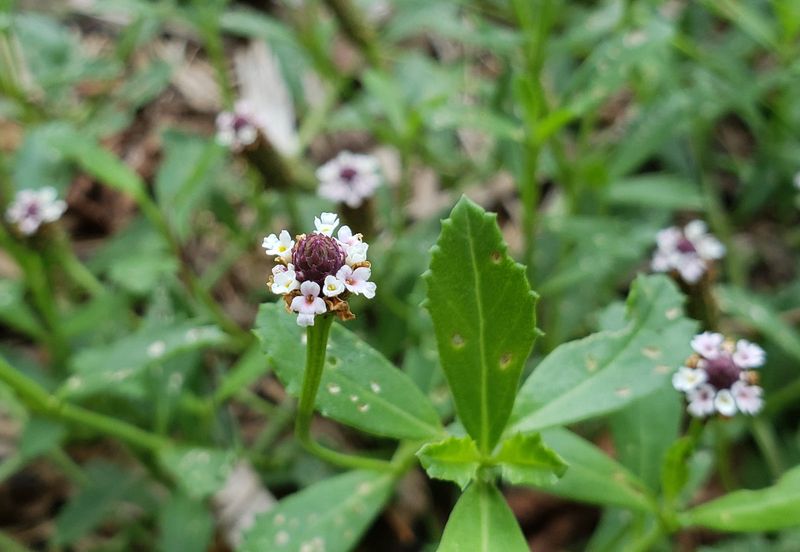
Do not let the funny name fool you. Frogfruit is one of the hardest-working ground covers in all of Texas.
It spreads steadily by sending out runners along the soil surface, rooting at each node and creating a thick, weed-suppressing mat. Once it gets going, bare dirt simply does not stand a chance.
What makes Frogfruit especially impressive is how well it handles a wide range of Texas soils. Clay, sandy loam, rocky ground – Frogfruit handles them all without missing a beat.
It grows naturally along roadsides, creek banks, and open fields, which tells you just how adaptable it really is.
The tiny white and pink flowers it produces may be small, but they are absolutely packed with nectar. Butterflies, bees, and other pollinators flock to Frogfruit all season long. It is actually considered one of the top butterfly host plants in the entire state of Texas.
Frogfruit tolerates both wet and dry conditions, which is rare for any plant. In clay soil that holds water after heavy rain, Frogfruit keeps right on growing while other plants sit in soggy misery.
During dry spells, it slows down but bounces back the moment moisture returns. Height-wise, Frogfruit stays very low, usually under six inches, so it works well as a lawn substitute or path border. It can handle light foot traffic too, which adds to its usefulness.
If you want a tough, beautiful, wildlife-friendly ground cover that practically plants itself, Frogfruit belongs in your yard.
4. Inland Sea Oats
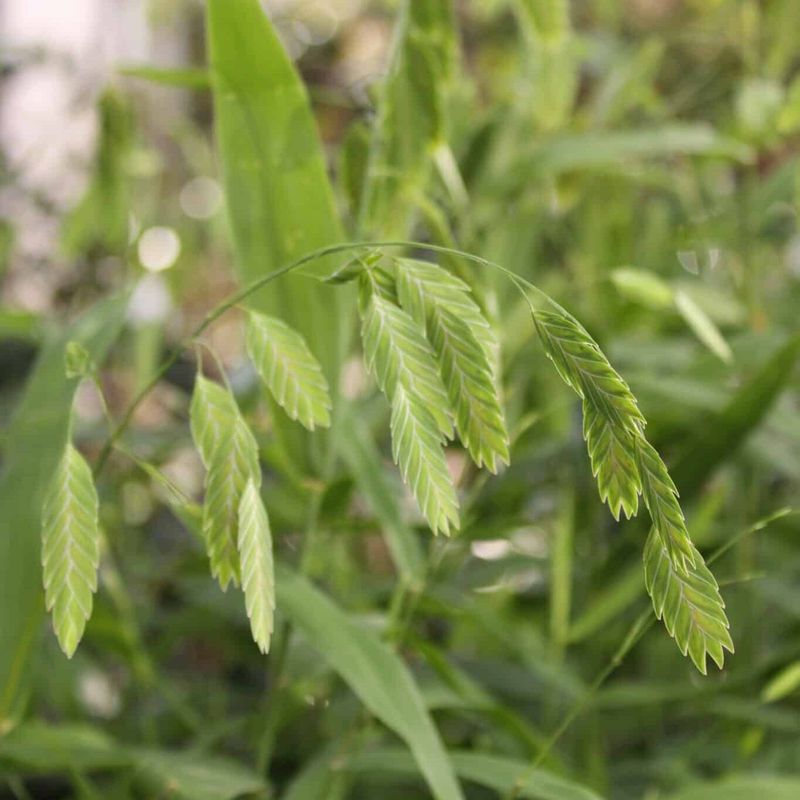
Few native grasses look as graceful as Inland Sea Oats. The flat, dangling seed clusters sway in even the slightest breeze, giving your garden a soft, almost magical movement. Beyond its good looks, this grass is a powerhouse performer in heavy Texas clay soil.
Inland Sea Oats self-seeds so readily that one plant can become a dozen within just a few seasons. The seeds drop close to the parent plant, slowly expanding the colony outward.
You never have to buy more plants because the ones you already have keep multiplying on their own year after year.
Shade is where Inland Sea Oats truly shines. Most grasses struggle under trees, but this one thrives in deep shade, part shade, and even dappled light.
It fills those difficult, dry-shade areas under large oaks or pecans that leave most gardeners stumped for solutions.
The plant grows to about two or three feet tall, making it a great mid-height option for layered garden beds. In fall, the foliage turns a warm bronze color that adds seasonal interest without any extra effort on your part.
The dried seed heads also look beautiful in cut flower arrangements. Birds love the seeds too, so Inland Sea Oats pulls double duty as both a garden plant and a wildlife food source. It requires almost no maintenance once established.
No fertilizing, very little watering, and no dividing needed for years. For shaded clay soil areas, it is honestly one of the best plants you can choose.
5. Gregg’s Mistflower
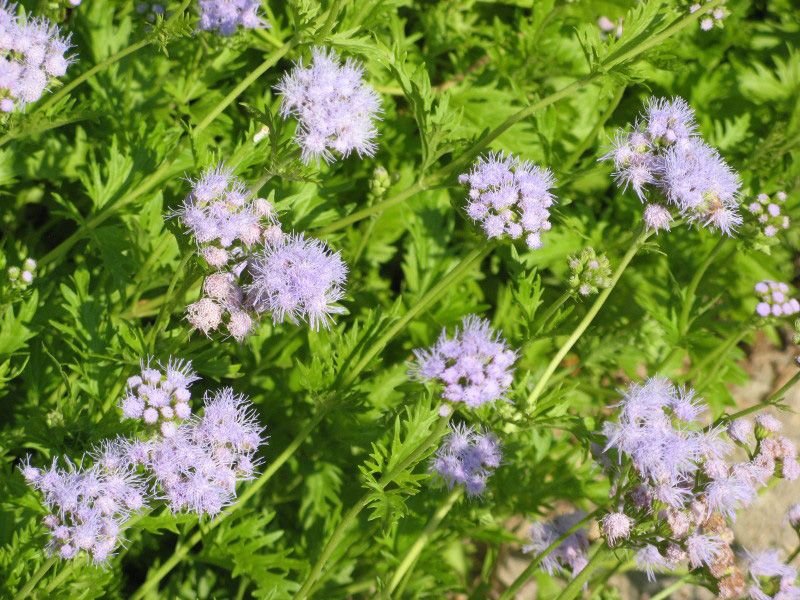
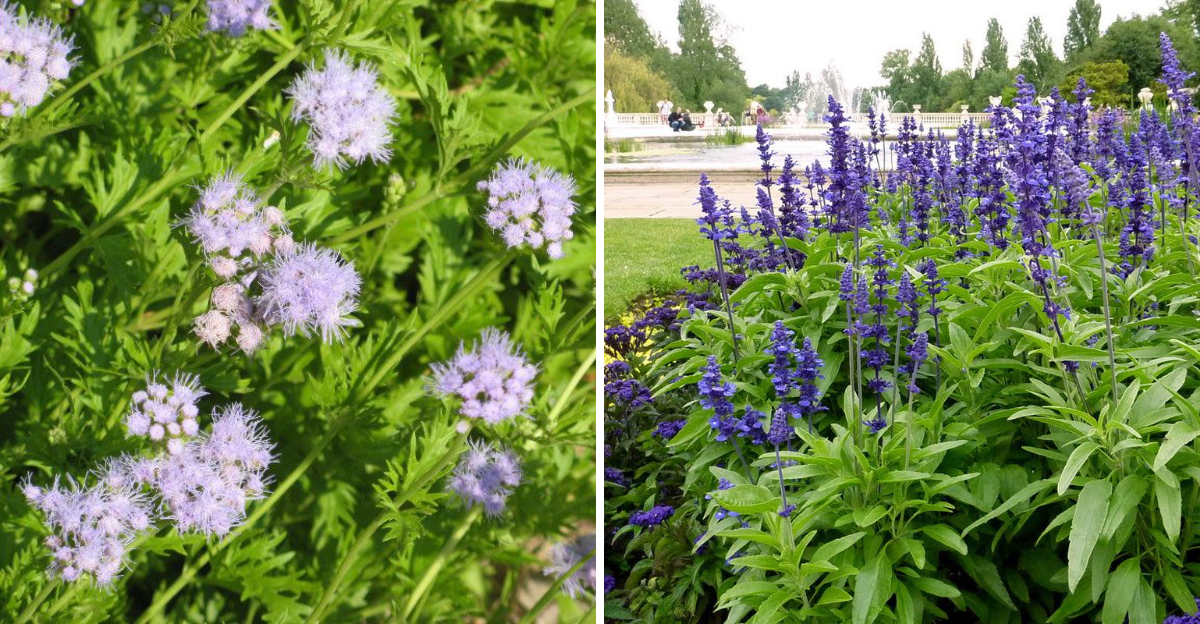
Every fall, Gregg’s Mistflower puts on a show that stops people in their tracks. The clusters of fuzzy, blue-purple flowers seem to appear almost overnight, and within days, they are absolutely covered in butterflies.
If you have never seen a Queen butterfly feeding on Mistflower, you are seriously missing out.
As a spreader, Gregg’s Mistflower is impressively vigorous. It fills garden beds quickly through a combination of underground stems and self-seeding.
Plant one clump in spring and by the following year, you will have a noticeably larger patch. Give it a few years and it becomes a full, lush colony.
Clay soil suits it just fine. Gregg’s Mistflower grows naturally along creek banks and woodland edges across Central and South Texas, where clay and rocky soils are common.
It does not need rich, amended soil to perform well. In fact, overly rich soil can make it grow too aggressively.
The plant typically grows two to three feet tall and wide, making it a solid mid-border choice. It blooms from late summer through fall, which is exactly when most other garden plants are winding down.
That late-season color is incredibly valuable in a Texas garden. Cutting it back hard in early spring keeps it from getting too woody and encourages fresh, bushy new growth. Other than that, Gregg’s Mistflower really does not ask for much.
Water it occasionally during its first summer, then step back and let it do its thing. Year after year, it comes back bigger and better.
6. Mealy Blue Sage
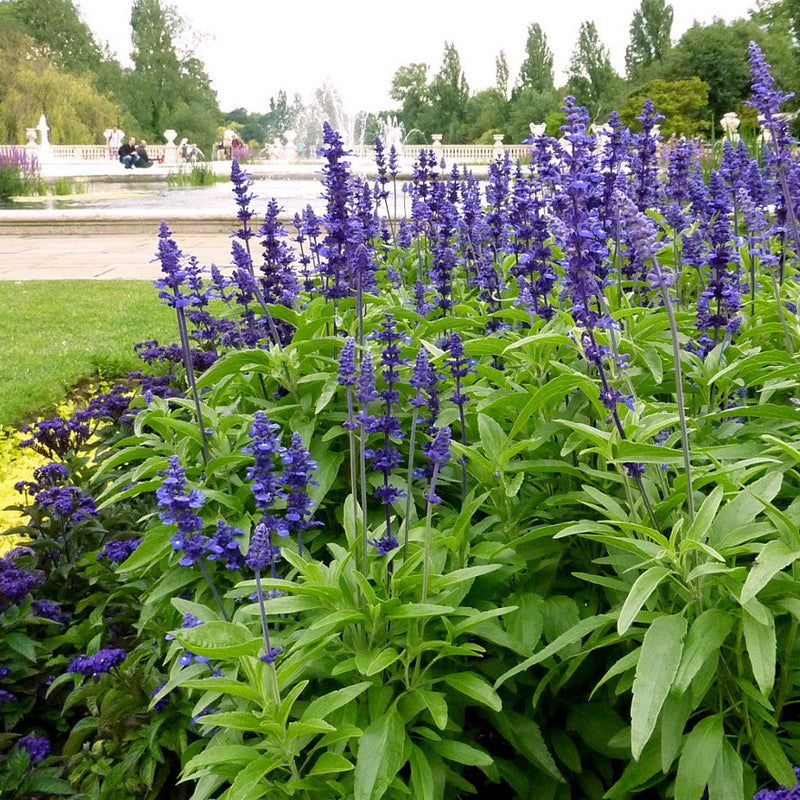
Mealy Blue Sage has a quiet kind of confidence. It does not demand attention with flashy, oversized blooms.
Instead, it produces tall, airy spikes of soft blue-purple flowers that drift gracefully above silvery-green foliage. And season after season, it keeps coming back without you ever having to replant it.
The secret to its staying power is reseeding. Mealy Blue Sage drops seeds generously at the end of each season, and those seeds germinate readily in Texas clay soil the following spring.
Over time, you end up with more plants than you started with, filling in your garden beds naturally and beautifully.
Pollinators go absolutely wild for Mealy Blue Sage. Bees, butterflies, and hummingbirds visit the flowers constantly throughout the long blooming season, which stretches from spring all the way through fall.
Few plants offer that kind of sustained pollinator value across so many months. Full sun is where Mealy Blue Sage performs best, though it tolerates light shade without too much complaint.
It grows to about two or three feet tall, making it a natural fit for the middle or back of a sunny border. Planting it in groups creates a beautiful, billowing effect.
Drought tolerance is another major selling point. Once established, Mealy Blue Sage handles long dry spells without any supplemental watering.
The clay soil actually helps here, holding onto moisture between rains. Trim it back lightly in late winter to keep it tidy, and it will reward you with another season of effortless beauty.
7. Texas Sedge
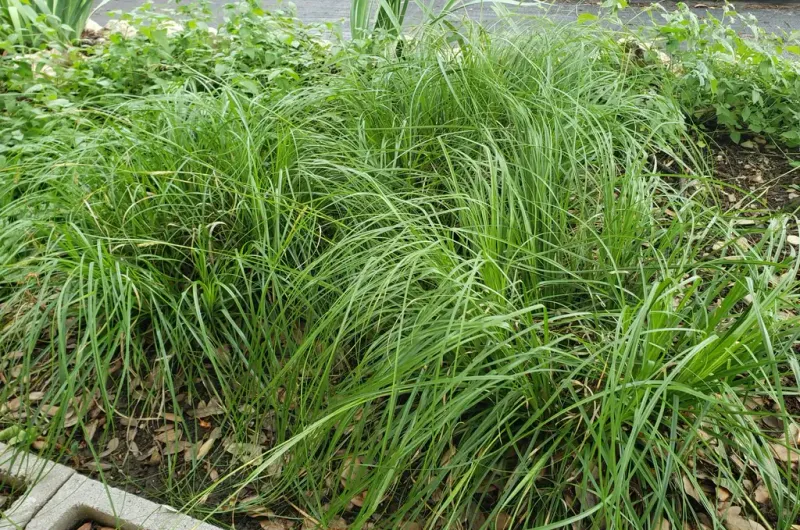
Most people overlook sedges when planning a garden, and that is honestly their loss. Texas Sedge is one of those quietly dependable plants that just keeps doing its job year after year without any fuss.
It forms expanding colonies of fine, arching green foliage that look tidy and natural at the same time.
In heavy clay soil, Texas Sedge is practically unstoppable. It spreads through underground rhizomes, slowly but steadily pushing outward to cover more and more ground.
Over a few seasons, a small planting becomes a weed-suppressing mat that makes bare soil a distant memory. Weeds genuinely struggle to compete once Texas Sedge gets established.
Shade is where this plant earns its keep most impressively. Deep shade under large trees, dry shade along north-facing walls – Texas Sedge handles all of these situations without skipping a beat.
Very few plants can match its performance in truly challenging shaded spots. The foliage stays evergreen or semi-evergreen in most parts of Texas, meaning you get year-round coverage rather than a bare, ugly patch during winter.
The texture is soft and fine, creating a look that feels more like a natural woodland floor than a typical garden bed.
Maintenance is minimal. Texas Sedge rarely needs dividing, never needs fertilizing, and once established, survives on rainfall alone in most Texas climates.
You can mow it lightly in early spring to refresh the look, or simply leave it alone entirely. Either way, it comes back full, green, and ready to spread a little more each year.