These Are The Florida Native Plants That Bounce Back After A Hurricane Faster Than Any Others
Storm recovery looks different from one Florida yard to the next. Some plants spend weeks looking rough after a major hurricane passes through.
Others look almost normal within days. That gap comes down to one thing more than anything else.
Whether the plant genuinely belongs here or just tolerates it. Florida natives that evolved through centuries of storm cycles carry a kind of resilience that adapted ornamentals simply cannot match.
Their root systems anchor differently. Their stems flex instead of snap.
Their regrowth kicks in fast because the plant is not wasting energy on basic survival. Gardeners who have rebuilt yards after major storms start to notice the same plants standing in every time.
Not because of luck. Because of deep biological adaptation to exactly this kind of punishment.
Your yard can be built around plants like that. Most gardeners just have not been pointed toward the right ones yet.
1. Use Sea Oats To Help Dunes Recover After Storms
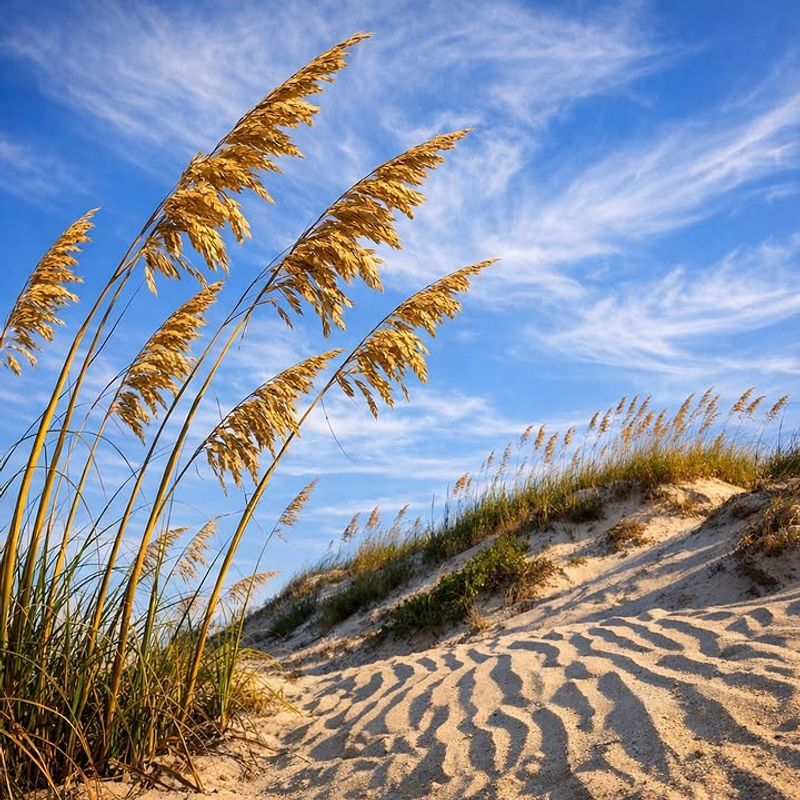
Windblown sand piles up against fences, walkways disappear under shifting drifts, and dune edges look raw and exposed after rough weather passes through. Sea oats are native dune plants valued for their ability to stabilize sand and help support dune systems along coastal edges.
Their upright seed heads and grassy texture make them recognizable features in barrier island and beachfront landscapes.
Sea oats grow tall, slender stems topped with flat, oat-like seed clusters that sway in the breeze. Their deep root systems spread underground, anchoring sand and helping hold dunes in place even after storms reshape the coast.
They thrive in full sun, sandy soil, and salty air, making them ideal for exposed coastal sites where other plants struggle.
Homeowners should never collect sea oats from the wild or disturb protected dune areas. In many coastal counties, sea oats are legally protected because of their importance to dune stability and shoreline protection.
Check local rules before planting, trimming, removing, or working around dune vegetation. Some areas require permits or restrict certain activities near natural dune systems.
Sea oats help with sand stabilization, not magical hurricane protection. They cannot stop storm surge or prevent all erosion, but they do provide a living framework that helps dunes recover over time.
Planting sea oats after storm damage can support natural dune rebuilding. This is especially true when combined with proper fencing, walkways, and erosion control measures recommended by local Extension offices or coastal management programs.
2. Plant Railroad Vine Where Sandy Ground Needs Stabilizing
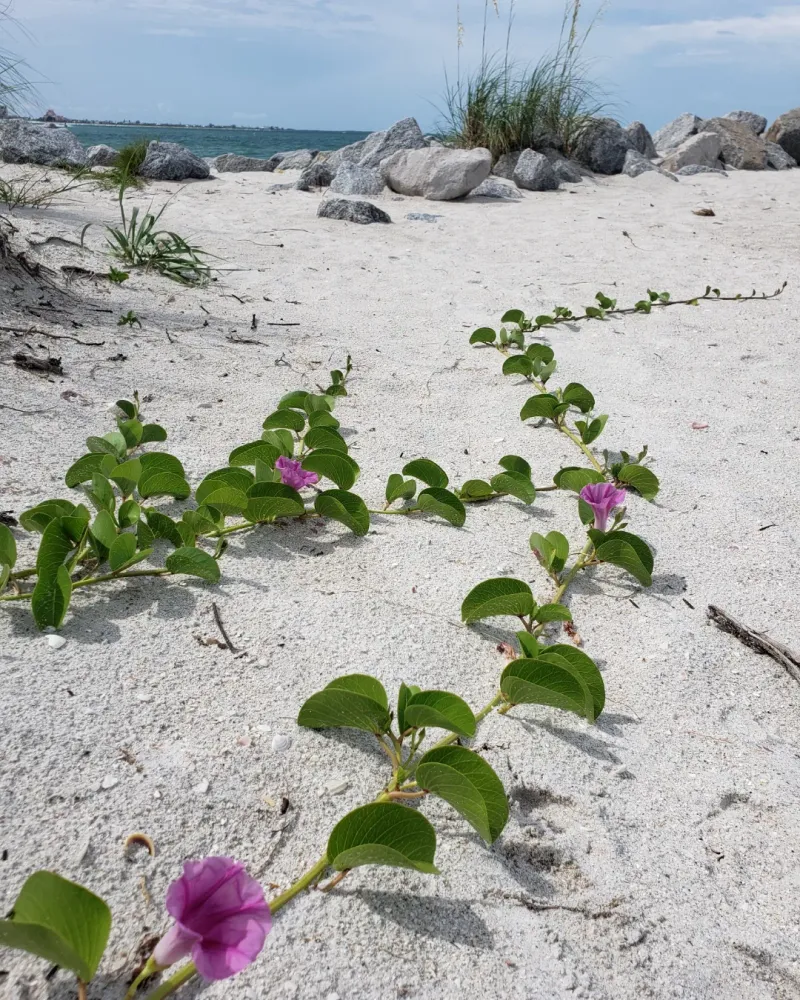
Bare sand stretches across a hot, open strip where storm surge washed away groundcover and left nothing but loose, shifting soil. Washed-out edges along driveways, paths, and property lines can look raw and unstable until something takes root again.
Railroad vine is a Florida native beach and dune plant that can spread over sandy ground and help stabilize open coastal areas where other groundcovers fail.
This plant produces long, trailing runners that creep across the sand, rooting at nodes as they spread. Its leaves are small and succulent-like, adapted to survive salt spray, sun, and dry sandy conditions.
Your Florida Garden Changes Every Week. Your Plan Should Too.
Gardening in Florida changes quickly throughout the season. Every Friday you’ll receive a simple weekly plan showing exactly what to plant, prune, fertilize, harvest, and protect so you never miss the right timing.
Purple morning-glory-like flowers bloom along the vines, adding seasonal color to otherwise barren stretches of sand.
Railroad vine belongs in sunny, sandy, coastal-style sites, not wet heavy soil or deeply shaded areas. Its spreading habit is useful in open spaces where you want living cover, but not ideal for tight formal beds or small yards.
In the right location, it can fill bare ground relatively quickly and help hold sand in place after storms disrupt the landscape.
Railroad vine is not a tidy, controlled groundcover. It spreads aggressively in favorable conditions and can escape formal boundaries.
Use it where its vigorous growth is an advantage, such as dune edges, sandy slopes, or wide open coastal lots. Avoid planting it near manicured beds, small gardens, or areas where you need precise control over plant placement and spread.
3. Choose Sea Grape For Salt And Wind Exposed Sites
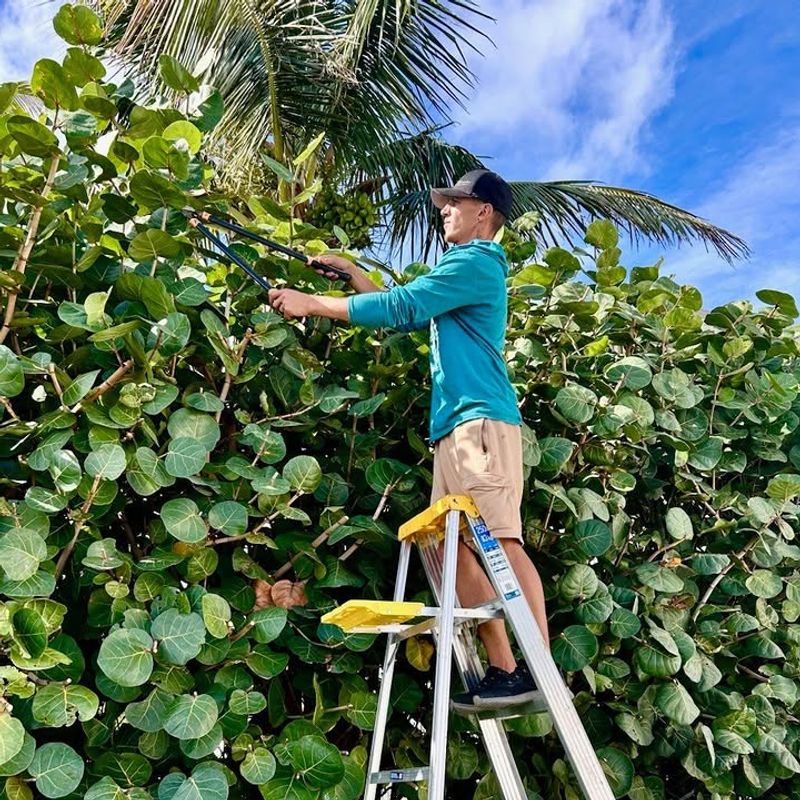
A salty, wind-facing property edge takes a beating every time rough weather rolls through. Salt spray burns tender plants, wind tears at brittle branches, and exposed sites can look battered and bare after storms pass.
Sea grape is a native coastal shrub or small tree known for large rounded leaves and salt tolerance. It is useful in exposed coastal landscapes where other plants struggle.
Sea grape produces thick, leathery leaves that can handle salt spray and wind better than most landscape plants. It can grow as a multi-stemmed shrub or be trained into a small tree, depending on pruning and site conditions.
Mature plants can work as a screen, wind-buffering plant, or bold foliage feature where there is enough room for their spreading habit.
Sea grape can grow large, so it should not be squeezed into small foundation beds or narrow walkways. Without regular pruning, it can reach substantial size and spread, especially in warm coastal areas.
Regional differences matter. Sea grape is better suited to warmer coastal and southern regions and can be cold sensitive farther north.
Freezes can damage or set back plants in northern regions or inland areas with colder winter temperatures.
After storms, sea grape may lose leaves, suffer salt burn, or show broken branches, but healthy, well-sited plants often resprout from roots and stems. Do not rush heavy pruning right after a storm unless broken wood creates a safety hazard.
Wait to see what regrows before deciding what to remove or replace.
4. Grow Saw Palmetto For Low Evergreen Storm Structure
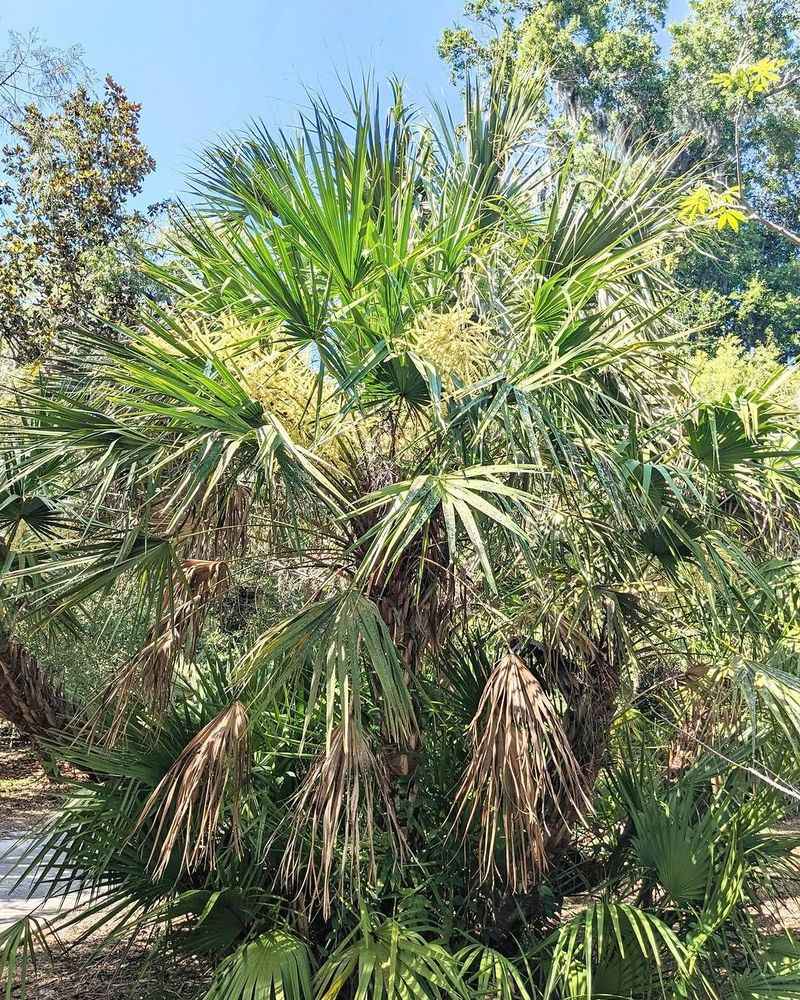
Storm-flattened beds lose shape fast when taller plants collapse under wind and water. A landscape that still needs low, tough shape after rough weather can benefit from low-growing plants.
These plants stay close to the ground and hold their form even when conditions turn harsh. Saw palmetto is a native, low, rugged palm-like shrub that can provide evergreen structure after storms batter taller growth.
Saw palmetto grows slowly, forming dense clumps of fan-shaped fronds that spread outward rather than upward. Its tough, spreading habit and suitability for sandy or dry sites make it a reliable choice.
It works well in naturalistic landscapes, coastal yards, and areas where low maintenance matters. The fronds stay green year-round, giving the landscape lasting structure even when other plants look stressed or damaged.
Saw palmetto can be broad and sharp-edged, so it needs space and should not be planted where people must brush past it. The stems have sharp teeth along their edges, and the plant can spread several feet wide over time.
Place it away from walkways, play areas, and high-traffic zones where its spiny edges could cause problems.
Its low form can help keep structure in a landscape even when taller plants look battered. After storms, saw palmetto may show some salt burn or broken fronds, but established plants usually recover without heavy intervention.
Trim damaged fronds as needed, but avoid cutting into the growing center of the plant.
5. Plant Beach Sunflower For Fast Coastal Color After Wind
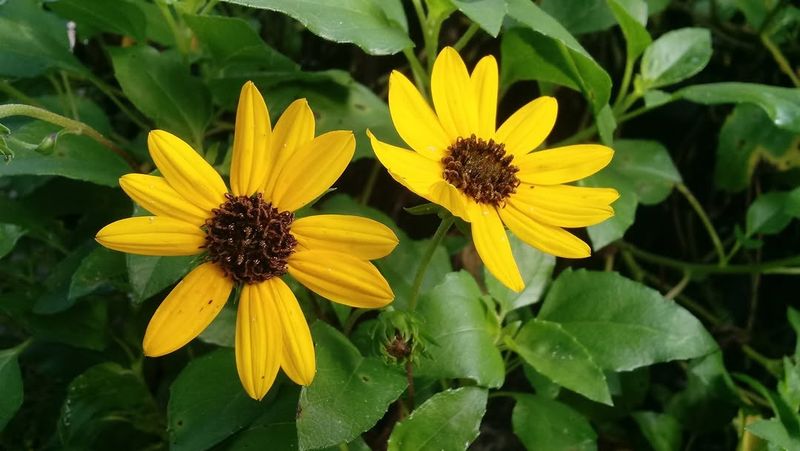
A bare sunny bed needs color after wind strips softer plants and leaves nothing but empty soil and scattered debris. Refilling open sunny areas after cleanup and replanting takes time.
Some native plants can help bring quick-looking color and groundcover-style coverage to storm-hit spaces. Beach sunflower is a native, low-growing plant that can bring cheerful blooms and spreading growth to sunny, sandy, coastal gardens.
Beach sunflower produces bright yellow daisy-like flowers on trailing stems that spread across the ground. It tolerates salt spray, sandy soil, and full sun, making it a good fit for exposed coastal sites where other flowering plants struggle.
Its spreading growth habit can help cover open ground relatively quickly once plants establish and begin growing actively.
Beach sunflower can spread or reseed, so it fits informal coastal beds better than tight formal designs. In favorable conditions, it may spread beyond intended boundaries or pop up in nearby areas.
Use it where its casual, free-spreading habit is welcome, not in carefully edged beds or small formal gardens.
Beach sunflower will not instantly repair storm damage, but it can help refill open sunny areas after cleanup and replanting. Plant it in well-drained sandy soil, full sun, and locations where salt spray and wind are common.
Avoid planting it in heavy clay, wet sites, or shaded areas where it may struggle or grow poorly. After establishment, it can tolerate dry conditions and continue blooming through warm months.
6. Use Coontie For Tough Low Growth After Rough Weather
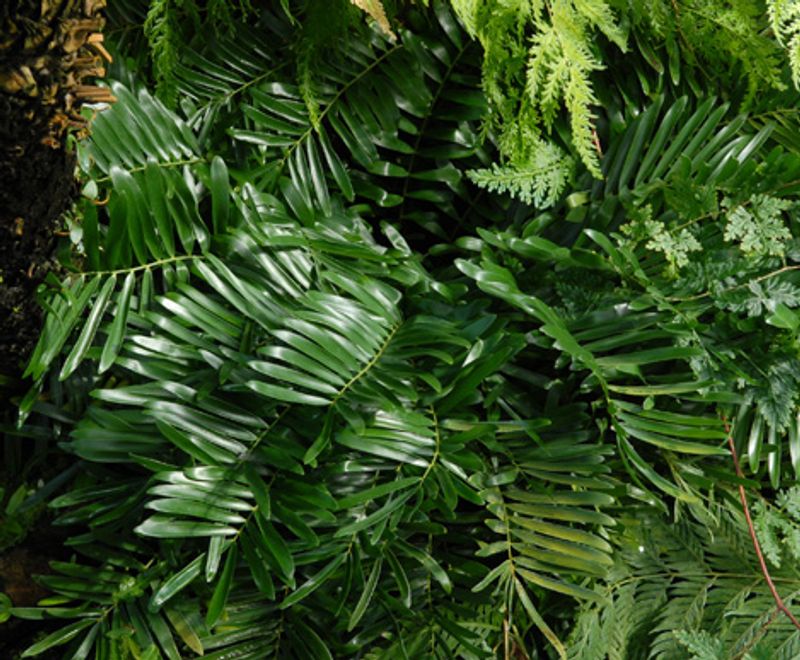
Wanting something sturdy and low after flimsy plants collapse can guide your choices toward natives that offer long-lasting structure and resilience. Coontie is a native cycad with tough, low, shrub-like growth that can provide lasting structure in the right site.
Its dark green, feather-like fronds grow in a compact clump, giving the landscape evergreen texture that holds up through dry spells, storms, and seasonal stress.
Coontie tolerates drought once established and can grow in sandy, well-drained soil with partial shade or full sun. It is the larval host plant for the atala butterfly, making it a valuable addition to wildlife-friendly landscapes.
Its slow growth and compact form make it a good fit for low borders, foundation beds, and naturalistic settings where low maintenance matters.
Coontie is toxic if eaten, including seeds and plant parts. Place it thoughtfully in yards with pets, children, or curious visitors who might touch or taste plants.
Do not make it sound edible or harmless. All parts of the plant contain toxins, and ingestion can cause serious health problems.
Coontie is useful for low structure after rough weather, but it still needs correct planting and drainage. It does not tolerate wet, poorly drained soil or flooding.
Plant it in raised beds, sandy sites, or well-drained areas where water does not pool. After storms, coontie may show some salt burn or damaged fronds, but healthy plants usually recover with minimal intervention.
Trim damaged fronds and allow time for new growth to emerge.
7. Choose Simpson Stopper For A Native Screen That Regrows Well
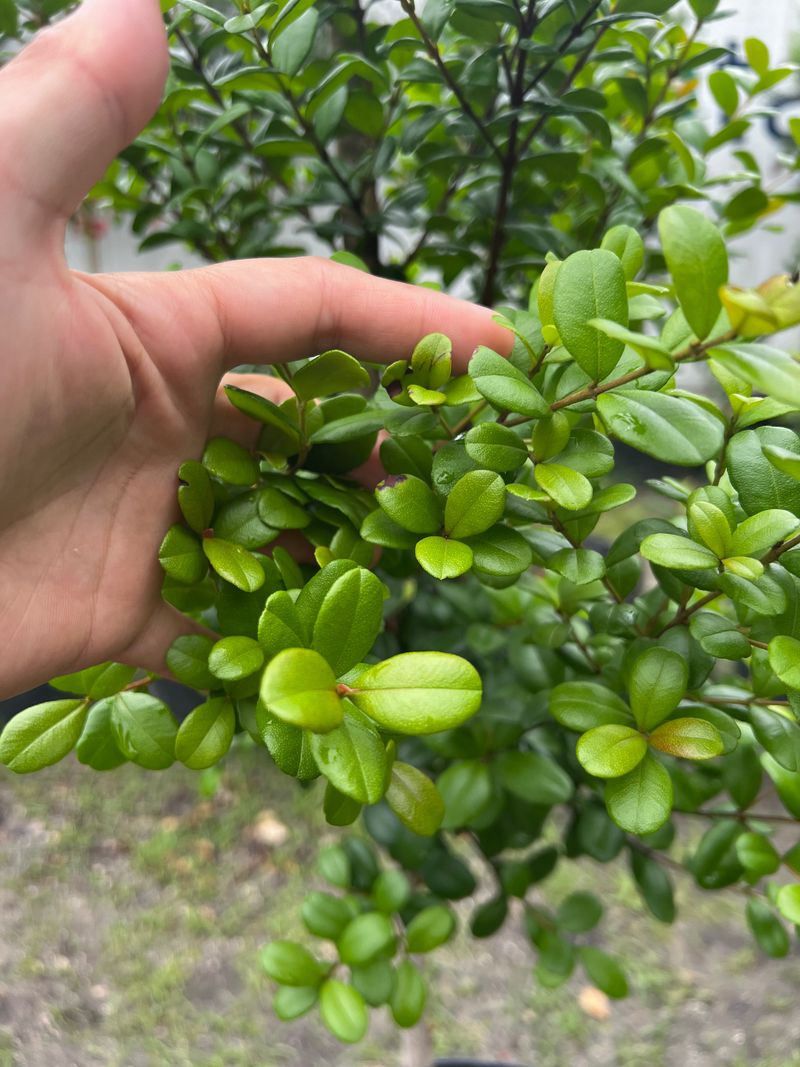
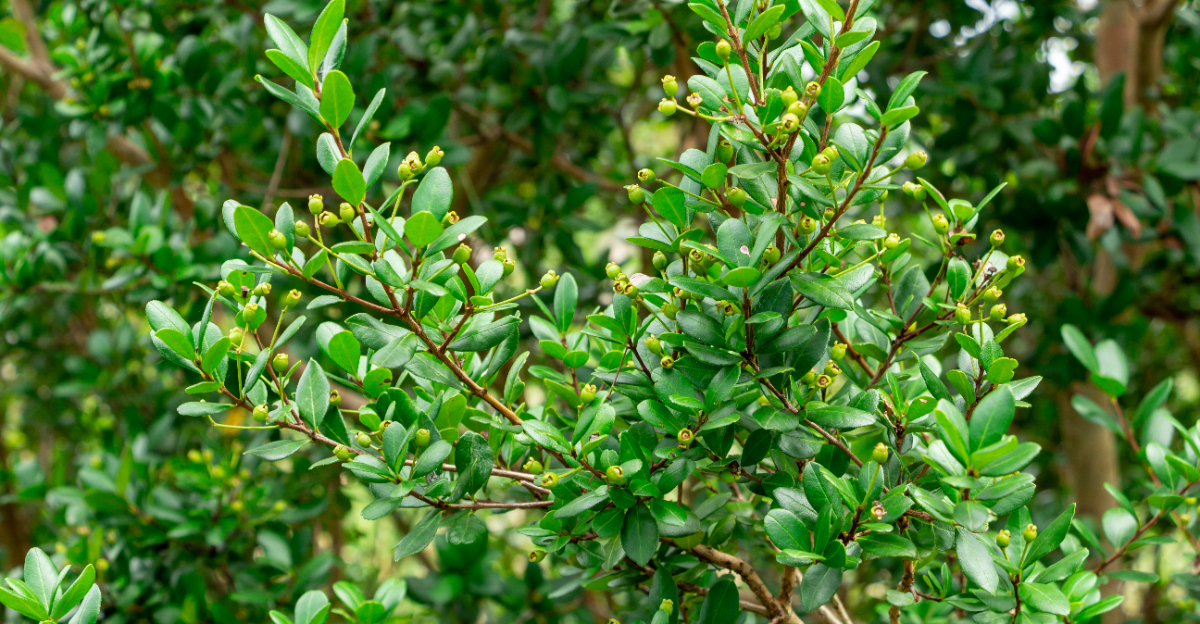
A damaged screen or privacy hedge that needs a stronger native replacement can leave you searching for plants that offer density, regrowth potential, and wildlife value. Simpson stopper is a native shrub or small tree that can work as a screen, hedge, or wildlife-friendly landscape plant when given the right site and care.
Its evergreen foliage, flowers, and red fruit make it a useful choice for homeowners looking to rebuild privacy and structure after storm damage.
Simpson stopper produces small, aromatic leaves and white flowers that attract pollinators. Its red berries provide food for birds and other wildlife.
It can grow as a dense shrub or be trained into a small tree, depending on pruning and spacing. Its moderate growth rate and compact form make it suitable for hedges, screens, and mixed plantings.
Healthy, well-sited native shrubs can be pruned and guided after storm damage, but no plant is guaranteed to recover after severe damage. Avoid harsh shearing, which can weaken plants and reduce flowering and fruiting.
Instead, use selective pruning to remove damaged wood and shape growth over time.
Choose the right mature size before planting. Simpson stopper can reach significant height and width if left unpruned, so place it where roots and branches have room to spread.
Avoid planting it too close to structures, walkways, or utility lines. After storms, check for broken branches, salt burn, and root damage.
Rinse salt spray from foliage when appropriate, improve drainage where possible, and wait to see what regrows before replacing everything.
8. Plant Muhly Grass For Wind Swept Texture That Returns
Wind moves through a bed rather than tearing apart heavy, brittle growth when plants have flexible, airy texture. After rough weather, landscapes can benefit from plants that bend instead of break and return with soft, flowing movement.
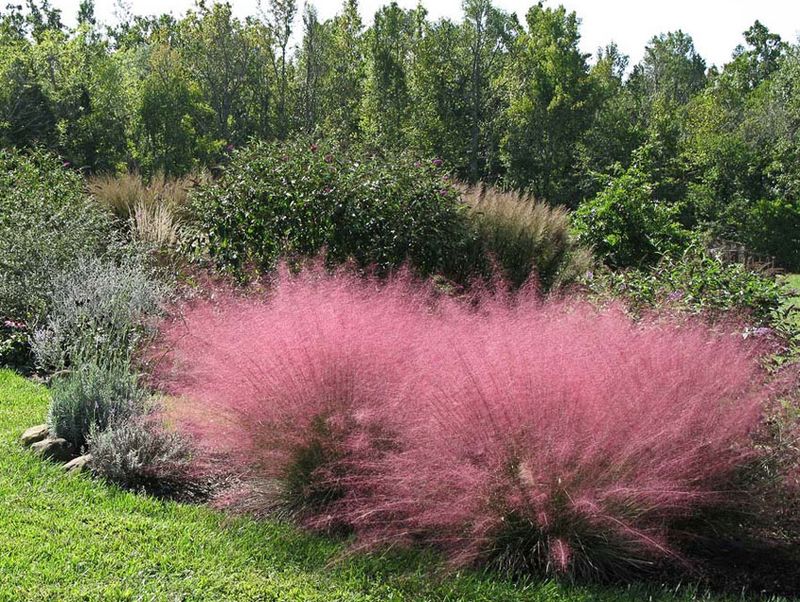
Muhly grass is a native clumping grass that can return with airy texture and seasonal color when planted in the right sunny, well-drained site.
Muhly grass produces soft, feathery plumes in fall, adding pink or purple hues to the landscape when other plants begin to fade. Its fine-textured foliage forms neat clumps that sway gracefully in the breeze.
It is useful in masses, borders, and coastal-style beds where its delicate appearance softens hard edges and adds movement to the design.
Muhly grass is not a dune stabilizer unless a reliable source supports that exact claim. It can help refill a landscape visually after rough weather, but it is not a structural barrier against storms.
Its role is aesthetic and textural, not protective or stabilizing in the way that deep-rooted dune plants function.
Plant muhly grass in full sun and well-drained soil. It does not tolerate wet, poorly drained sites or heavy shade.
After storms, it may look flattened or salt-burned, but established clumps usually rebound with new growth. Cut back damaged foliage in late winter or early spring to make room for fresh growth.
Avoid overwatering or planting in heavy clay, which can lead to root rot and poor performance.