The Florida Garden Problem That Gets Blamed On Pests But Is Almost Always The Soil
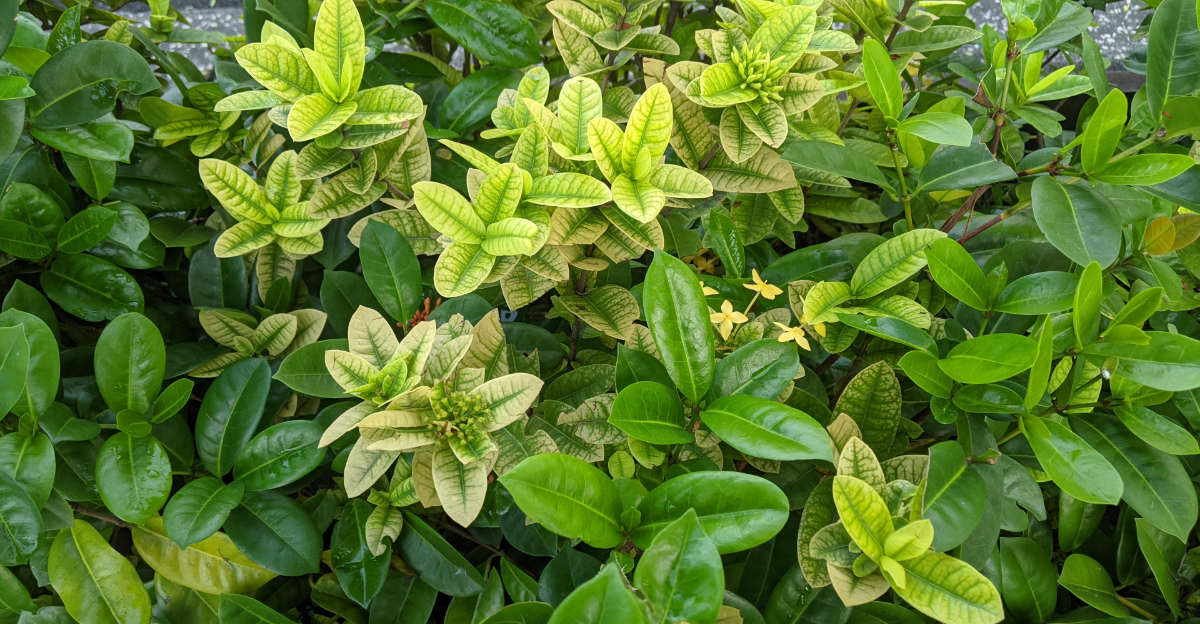
Yellow leaves signal trouble quickly, but the real culprit hides underground. Spraying more pesticide won’t fix what’s actually failing beneath your soil.
Florida soil quietly withholds the iron your plants desperately need. Chlorosis mimics pest damage so convincingly that even experts get fooled.
Gardeners blame beetles, fungus, even weather, while your roots quietly and chronically decline. Nutrients sit locked inside alkaline soil, inaccessible to your struggling roots.
Limestone bedrock across Florida creates conditions most gardeners never learn to recognize. Every yellowing leaf on your plant tells a story your instincts keep misreading.
Watering more won’t help when your real issue is chemistry, not moisture. Testing your soil reveals answers that spraying never will.
Understanding this hidden imbalance changes everything about how you garden here. Ignoring it guarantees more decline, more confusion, and more avoidable effort. You need to understand what is truly happening beneath your feet before it costs you.
The Garden Problem Everyone Blames On Bugs
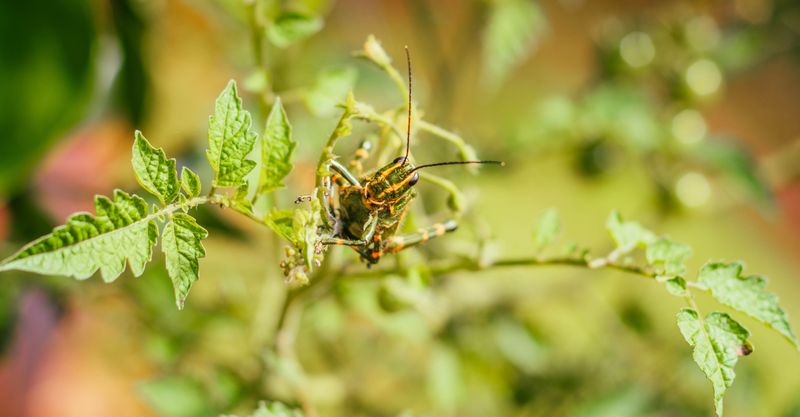
Your plants look terrible, and you are ready to call a pest control company. Yellow leaves, stunted growth, and patchy color patterns can make any gardener consider pesticide treatment.
But before you spend money on pesticides, take a closer look at what is actually happening. Iron deficiency chlorosis mimics pest damage so closely that even experienced Florida gardeners get fooled every season.
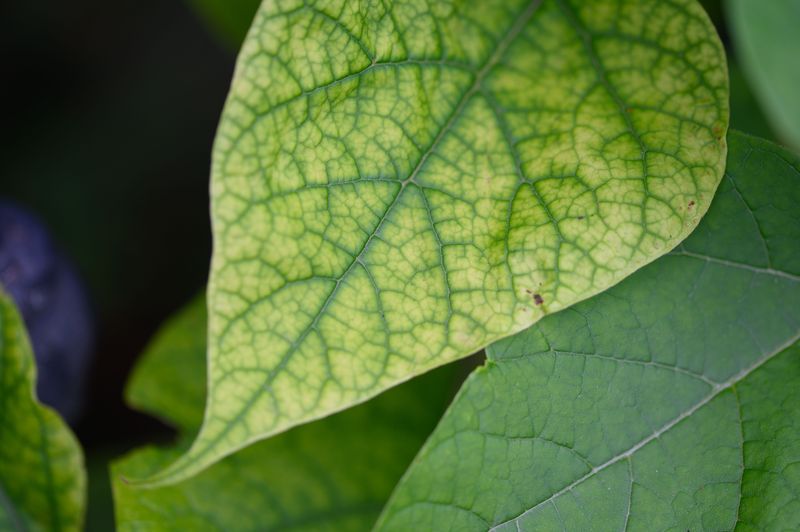
The clue is in the pattern. Pest damage usually shows holes, chewed edges, or sticky residue on leaves. Chlorosis shows yellowing between the leaf veins while the veins stay green.
Florida soil is notoriously sandy and low in organic matter. That combination creates conditions where plants cannot absorb iron even when it exists in the ground.
Florida homeowners commonly spray their yards for insects every year without fixing the actual issue. The bugs may come and go, but the yellow leaves keep coming back because the soil never changed.
Understanding what is really happening underground is the first step toward a healthy garden. Once you stop blaming the wrong culprit, you can finally start treating the right one.
Why Iron Deficiency Chlorosis Looks Like A Pest Problem
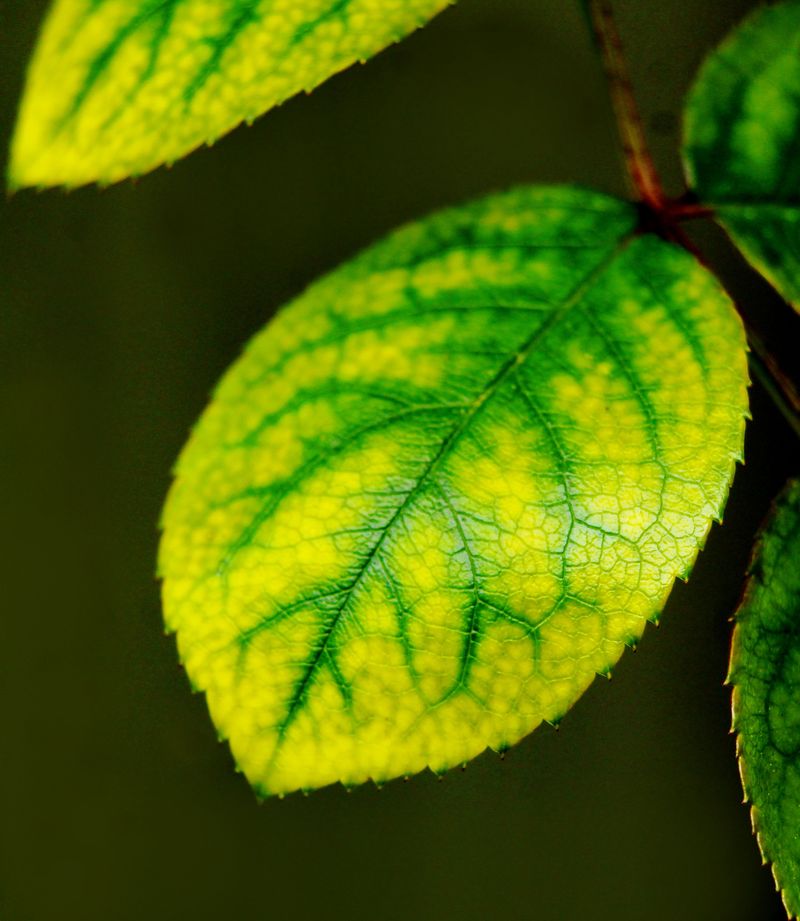
Seeing yellow leaves on your plants feels alarming, and your brain immediately searches for something to blame. Insects are the most obvious suspect because they are visible, familiar, and easy to point at.
Iron deficiency chlorosis creates a very specific visual pattern that tricks gardeners constantly. The space between the leaf veins turns bright yellow while the veins themselves stay dark green.
Spider mites, whiteflies, and aphids can also cause yellowing, which adds to the confusion. The difference is that pest-related damage tends to be irregular, patchy, and often comes with visible insects or webbing nearby.
Chlorosis, on the other hand, appears evenly across new growth first. Young leaves at the tips of branches show the problem before older leaves do, which is a key diagnostic clue many people miss.
The iron in your soil may actually be present in decent amounts. The problem is that high soil pH locks the iron into a form that plant roots simply cannot take up.
Your Florida Garden Changes Every Week. Your Plan Should Too.
Gardening in Florida changes quickly throughout the season. Every Friday you’ll receive a simple weekly plan showing exactly what to plant, prune, fertilize, harvest, and protect so you never miss the right timing.
Spraying pesticides on a chlorosis problem does not address the underlying cause. Your plants will keep struggling until the real issue gets addressed at the root level, literally.
Alkaline Soil Is The Real Culprit, Not Insects
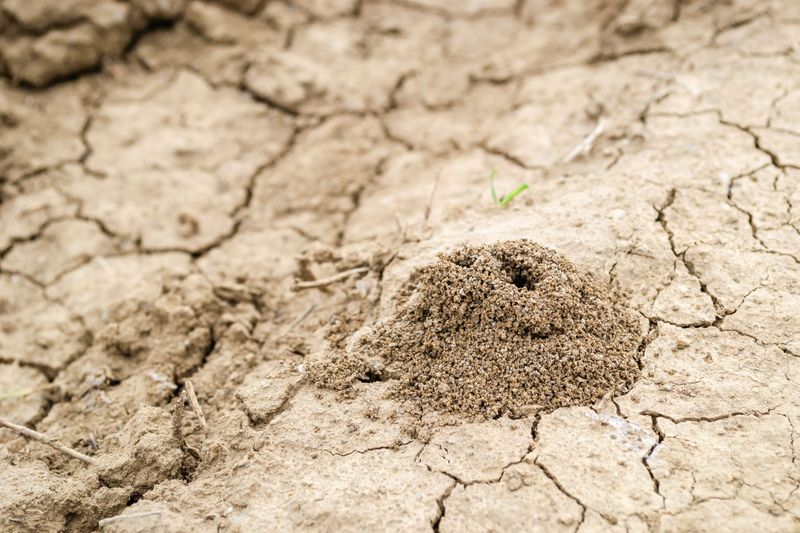
Florida soil has an overlooked characteristic that most homeowners never discover until their garden is already in trouble. Much of the state sits on top of limestone bedrock, and that limestone slowly raises soil pH over time.
When soil pH climbs above 7.0, iron becomes chemically bound in the soil. Plant roots cannot absorb it no matter how much fertilizer you add on top.
This is the core reason iron deficiency chlorosis is such a persistent issue across the state. The problem is not a lack of iron in the ground. The problem is that the iron is locked away and unavailable.
Sandy soils drain quickly and wash away the organic matter that normally helps buffer pH levels. Without that buffer, alkalinity builds up season after season and makes the problem progressively worse.
Irrigation water in many parts of the state is also slightly alkaline. Watering your garden daily with high pH water gradually raises soil pH even in beds that started out balanced.
Testing your soil pH is the single most important step you can take before buying any product. A simple test kit from a garden center is typically affordable and gives you an answer quickly.
Knowing your pH number puts you in control of the solution. Without it, you are just guessing and spending money on fixes that will not work.
Certain Florida Plants Are Affected By This The Most
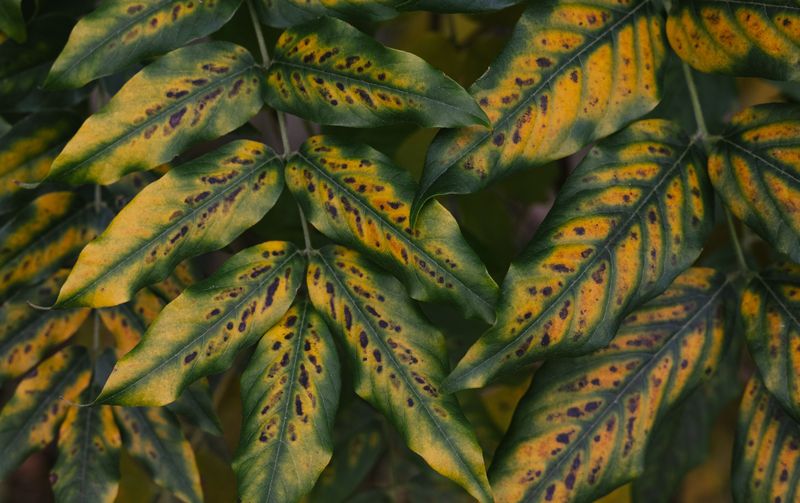
Not every plant reacts the same way to alkaline soil, and some are dramatically more sensitive than others. Knowing which plants are most vulnerable can help you prioritize where to focus your efforts first.
Gardenias are among the plants most affected by iron deficiency chlorosis in the state. Their dark green foliage should be deep and glossy, but in alkaline soil they turn pale yellow almost immediately after planting.
Azaleas and camellias are also highly susceptible because they are acid loving plants by nature. Putting them in high pH soil means they struggle significantly in unsuitable conditions.
They struggle from day one. Blueberries need soil pH between 4.5 and 5.5 to thrive properly.
Most Florida soils sit well above that range, which means blueberry growers face a significant challenge without serious soil amendment.
Ixora is a widely used landscaping shrub in the state, and it is also frequently affected by chlorosis. The bright orange and red blooms disappear when the plant cannot access enough iron to support healthy growth.
Even some fruit trees like citrus and avocado show chlorosis symptoms in high pH soils. The good news is that these plants can recover beautifully once the soil conditions are corrected with the right approach.
Choosing acid loving plants for your yard without amending the soil first increases the risk of poor growth. A little preparation before planting saves years of frustration.
Telling The Difference Between This And An Actual Infestation
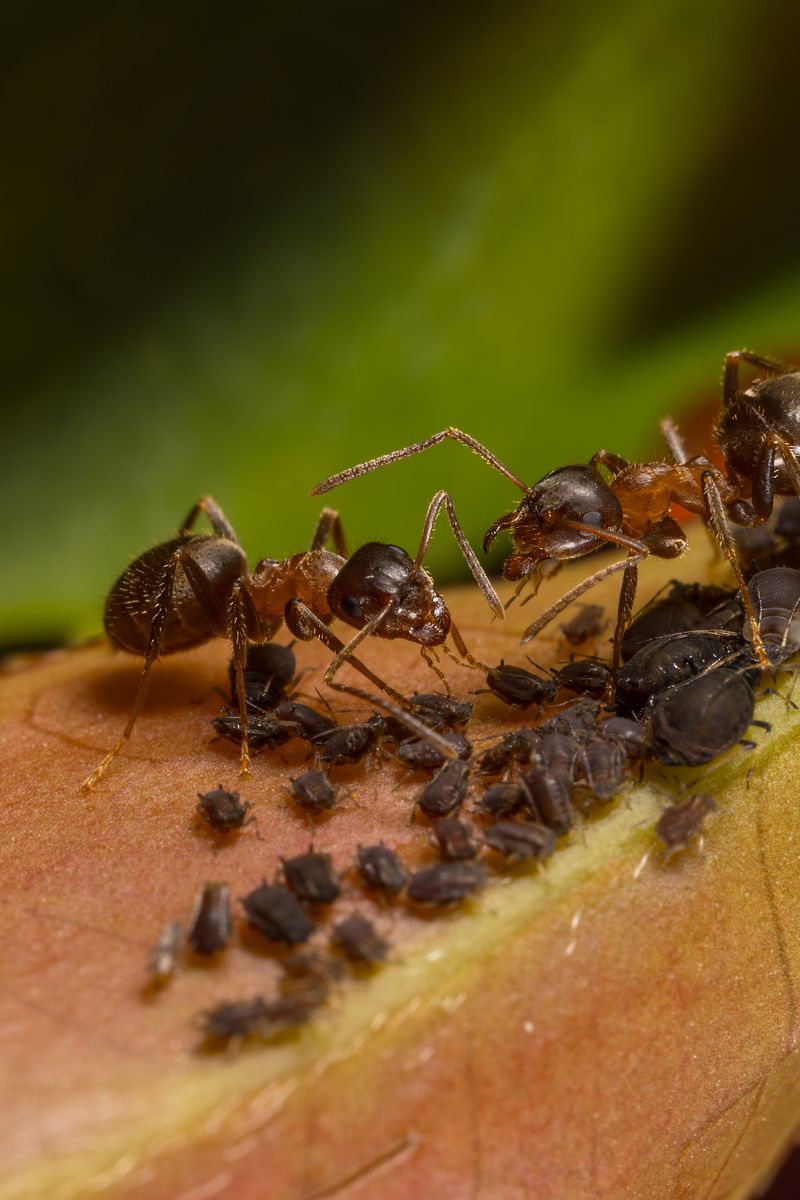
Standing in your garden trying to figure out what is wrong can feel overwhelming, especially when the damage looks similar across different causes. A few targeted observations can clear things up fast.
Start by looking at the pattern of yellowing on the affected leaves. Chlorosis creates a clean, consistent yellow color between the veins while the veins stay distinctly green. That specific pattern is your biggest clue.
Pest damage rarely follows that neat interveinal pattern. Insects typically leave behind ragged edges, stippled surfaces, sticky honeydew residue, or tiny visible bodies crawling on the undersides of leaves.
Flip a few leaves over and examine them carefully with a magnifying glass if needed. Spider mites leave fine webbing.
Aphids cluster in groups. Whiteflies flutter up when disturbed. Chlorosis leaves nothing on the underside.
Also pay attention to which leaves are affected first. Iron deficiency shows up on new growth at the tips and outer branches before spreading inward. Most pest infestations do not follow that same top down pattern.
Another useful check is consistency across the plant. Chlorosis tends to affect the whole plant somewhat evenly, while pest damage often concentrates on one section where the insects are most active.
Once you have ruled out visible insects and confirmed the interveinal pattern, you can move forward with confidence. Treating the right problem from the start saves time, money, and a lot of plant stress.
Fixing Iron Deficiency Chlorosis The Right Way
The moment you confirm chlorosis is your problem, you have real options that actually work. Fixing it is not complicated, but it does require targeting the soil rather than the plant itself.
The first step is lowering your soil pH to a range where iron becomes available again. Elemental sulfur is the most effective long term amendment for acidifying soil in Florida gardens. Apply it according to package directions based on your current pH reading.
Sulfur works slowly, taking several weeks to months to shift the pH meaningfully. For faster results, chelated iron products provide iron in a form that plants can absorb even in high pH conditions.
Chelated iron can be applied as a soil drench or as a foliar spray directly on the leaves. Foliar applications work quickly and give visibly greener growth within a week or two of treatment.
Adding organic matter like compost, peat moss, or pine bark to your garden beds helps buffer pH naturally over time. Organic material also improves drainage and feeds beneficial soil microbes that support plant health.
Avoid using hard tap water if your municipal supply tests alkaline. Rainwater collection is a simple and free way to water acid loving plants with gentler, lower pH water throughout the growing season.
Consistency is what separates a temporary fix from a permanent solution. Retest your soil every season and adjust as needed.
With consistent care, your garden can recover the lush, green growth it’s capable of producing.
Keeping Chlorosis From Coming Back Next Season
Getting your plants green again feels like a win, but the real victory is keeping them that way through every season ahead. Prevention is far easier than repeated treatment once you understand what drives the problem.
Mulching your garden beds heavily is one of the best preventive habits you can build. A thick layer of pine bark or pine needle mulch slowly acidifies the soil beneath it as it breaks down over time.
Keep your mulch layer at least three inches deep around acid loving plants. Refresh it every season because it breaks down and loses its acidifying effect as the year progresses.
Avoid using high alkaline materials near sensitive plants. Concrete edging, stucco walls, and limestone pavers can leach alkalinity into surrounding soil with every rain and irrigation cycle.
Fertilize with acid forming fertilizers designed specifically for azaleas, gardenias, and similar plants. These products lower pH slightly with each application and deliver the micronutrients that alkaline soil tends to block.
Soil testing should become a regular habit rather than a one time event. Checking pH at the start of each growing season lets you catch any upward drift before it causes visible damage to your plants.
Iron deficiency chlorosis does not have to be a recurring issue in your garden. With the right soil management habits in place, your plants can stay healthy, vibrant, and properly diagnosed and managed year-round.