The Rat Repelling Shrubs Texas Gardeners Are Planting Along Their Foundations
Foundation plantings are the first line of landscaping most homeowners think about in terms of curb appeal, but they can also serve a far more practical purpose that rarely gets discussed.
Rats looking for entry points into a home tend to work along the foundation, using dense low plantings as cover while they search for gaps and weaknesses.
What grows along that foundation either encourages that behavior or disrupts it, and a growing number of Texas gardeners are making that choice intentionally.
Certain shrubs produce strong scents that rats find overwhelming and actively avoid, and when planted along the foundation perimeter, they create a deterrent that works around the clock without any maintenance after establishment.
Texas heat and dry conditions actually intensify the aromatic compounds in many of these plants, making them more effective here than they would be in a cooler climate.
Solving a pest problem while improving the look of the foundation at the same time is a straightforward win for any Texas homeowner.
1. Rosemary
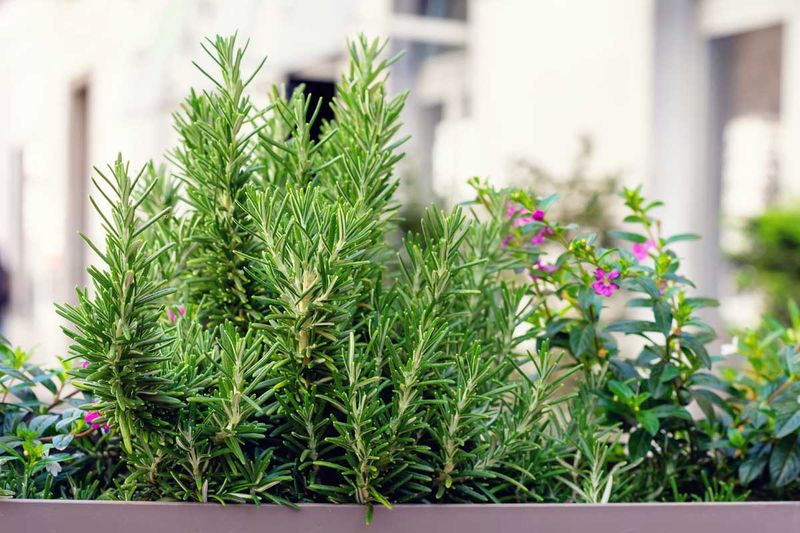
Walk past a rosemary bush and you will immediately understand why rats want nothing to do with it. The strong, piney scent that humans find pleasant is completely overwhelming to rodents.
Their sensitive noses simply cannot handle it, and they tend to avoid areas where rosemary grows thick and close to the ground.
Rosemary is one of the best shrubs you can plant along a Texas foundation. It thrives in the heat, handles drought like a champ, and stays green all year long.
The dense, needle-like branches also make it harder for small animals to pass through and find gaps near your home’s base.
Planting rosemary along a south or west-facing foundation works especially well because those spots get the most sun.
Full sun actually makes the plant release even more of its natural oils, which strengthens the scent that keeps pests away. Space plants about two to three feet apart so they grow into a solid, connected border.
Upright varieties like Tuscan Blue can reach four to six feet tall, giving you both coverage and a striking visual. Trailing rosemary works well for sloped areas or raised beds near the foundation.
Either way, you get a tough, fragrant plant that earns its spot in the garden every single day of the year.
2. Lavender
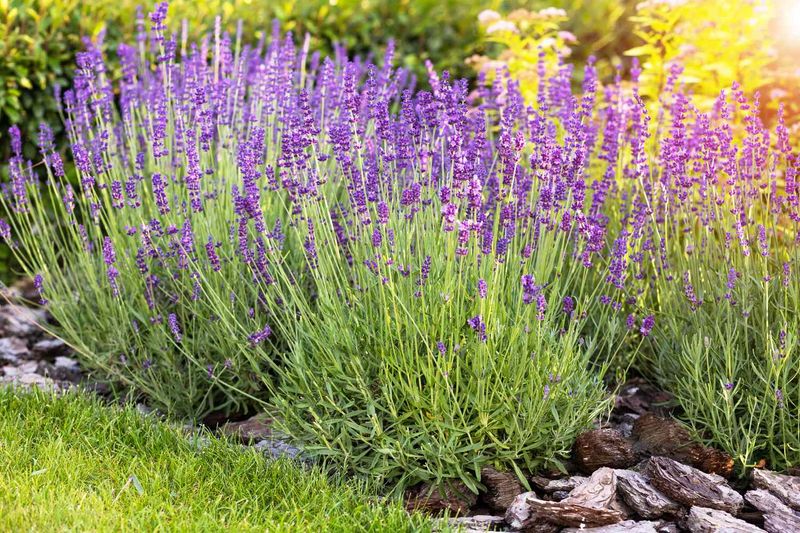
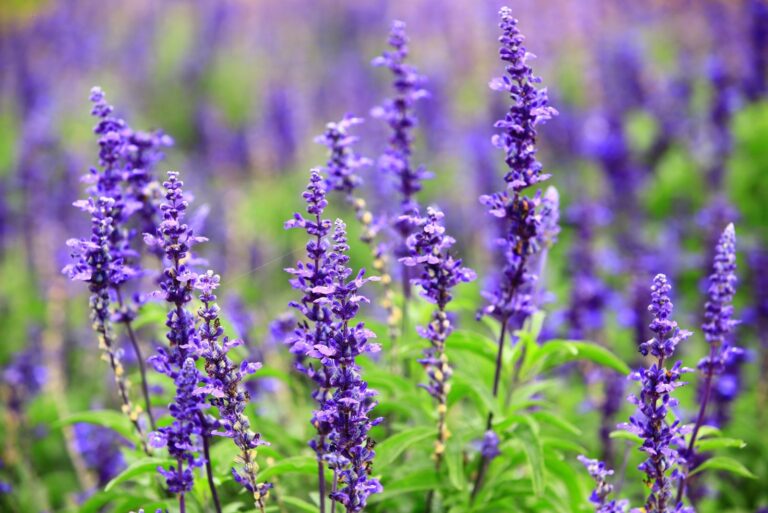
Lavender has a scent that most people absolutely love, but rats feel the complete opposite way. The strong floral fragrance, especially from the essential oils in the leaves and stems, is a known natural rodent deterrent.
Gardeners across Texas have reported fewer signs of rat activity near beds where lavender is growing full and healthy.
Growing lavender in Texas requires a few smart choices. You want to pick heat-tolerant varieties like Provence or Phenomenal, which hold up better in the intense summer temperatures.
Plant them in well-draining soil because lavender hates wet roots, and Texas clay soil may need to be amended with sand or gravel before planting.
Along a foundation, lavender works best when it gets at least six hours of direct sunlight each day. South-facing walls are ideal.
Your Texas Garden Changes Every Week. Your Plan Should Too.
Gardening in Texas changes quickly throughout the season. Every Friday you’ll receive a simple weekly plan showing exactly what to plant, prune, fertilize, harvest, and protect so you never miss the right timing.
The reflected heat from brick or stone walls actually mimics the dry, sunny climate of the Mediterranean, which is exactly where lavender originally comes from. That means your foundation could actually help the plant thrive.
Beyond keeping rats away, lavender adds gorgeous purple color to your yard during blooming season. Bees and butterflies love it, so you are also supporting local pollinators.
Trim it back lightly after each bloom cycle to keep growth compact and encourage fresh new stems. A well-maintained lavender border is both a pest barrier and a genuinely beautiful garden feature that neighbors will stop to admire.
3. Wax Myrtle
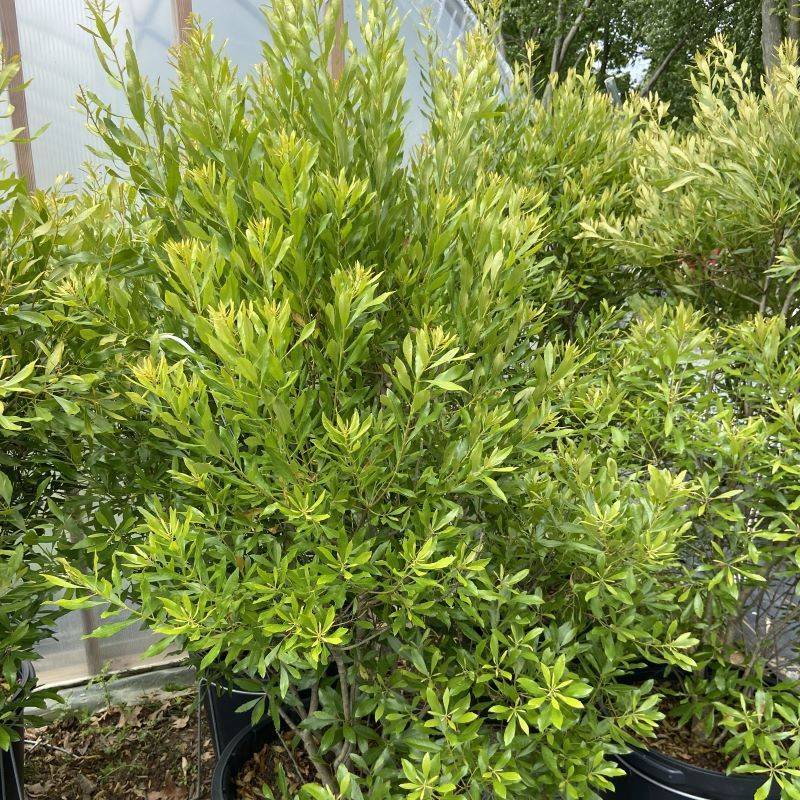
Wax myrtle is a Texas native that has been quietly doing important work in home landscapes for generations. Brush your hand against its leaves and you will catch a sharp, spicy fragrance that is immediately noticeable.
That same scent is what makes rats and other rodents steer clear of areas where wax myrtle is planted thick along a foundation.
One of the biggest advantages of this shrub is how fast it grows. In the right conditions, wax myrtle can put on several feet of growth each year.
That means you can establish a solid, dense barrier along your foundation relatively quickly compared to slower-growing alternatives. Once it fills in, it creates a screen that blocks both sight lines and entry points for pests.
Wax myrtle handles the full range of Texas weather conditions. It tolerates heat, drought, poor soil, and even occasional flooding.
That kind of toughness makes it a reliable choice for homeowners who want low-maintenance protection. You do not have to baby it or worry every time a dry spell hits.
For foundation planting, keep wax myrtle trimmed to a manageable height so it does not crowd gutters or block windows. Regular pruning also encourages bushier growth at the base, which is exactly where you want coverage to prevent rodents from finding shelter.
The aromatic leaves stay on the plant year-round, so the pest-deterring fragrance never really takes a break.
4. Texas Mountain Laurel
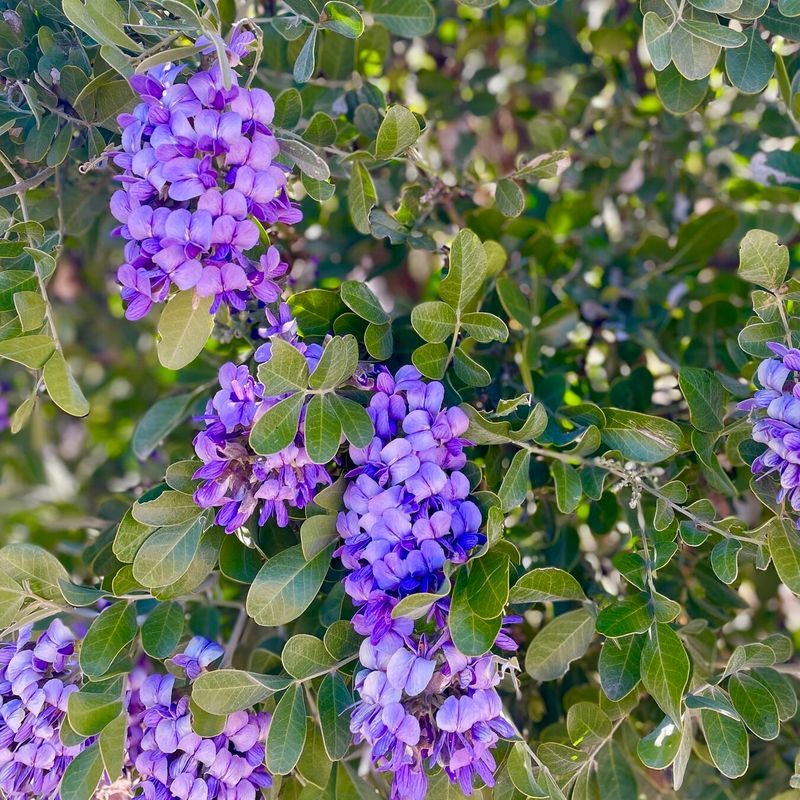
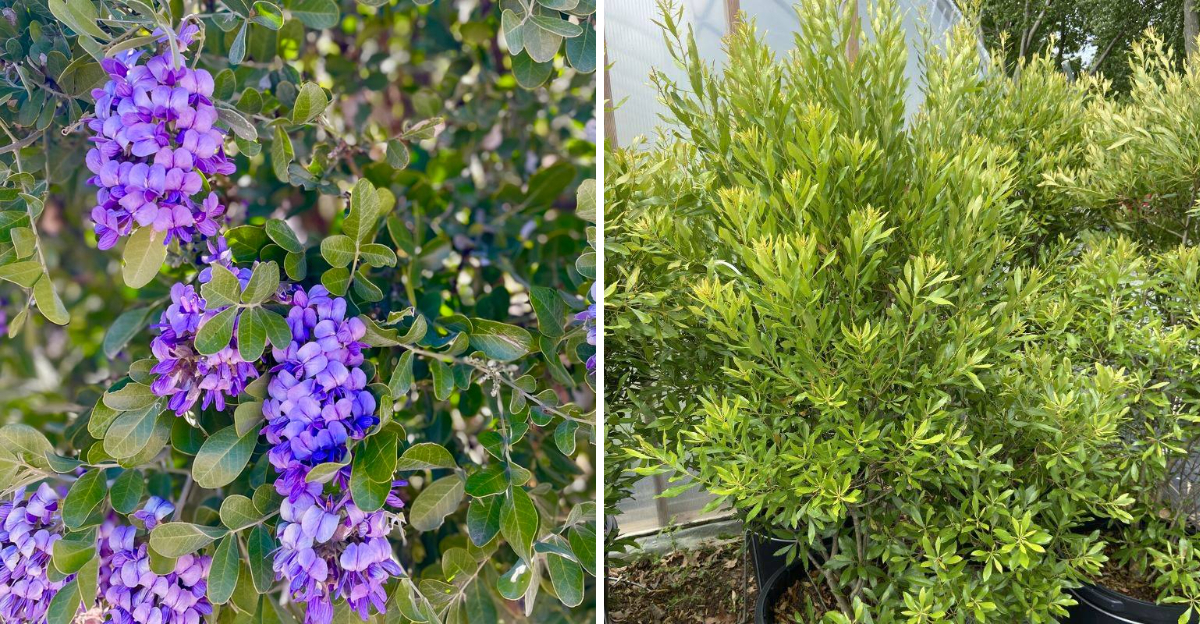
Few shrubs in Texas offer the combination of beauty and function that mountain laurel brings to a foundation planting. Every spring, it bursts into clusters of purple blooms that smell like grape soda, which is a scent that surprises a lot of first-time gardeners.
While humans find it charming, the dense evergreen structure and strong natural compounds in the foliage make it far less appealing to rodents looking for a place to nest.
Texas mountain laurel is a native plant, which means it evolved to handle the local climate without much help from you.
It is extremely drought tolerant once established, and it thrives in rocky, alkaline soil that would challenge many other shrubs. If your foundation sits on caliche or thin topsoil, this plant will still perform well.
Growth is slow, but patience pays off. Mature plants can reach eight to ten feet tall and just as wide, creating a dense, impenetrable wall of foliage along the side of your home.
The thick canopy at the base leaves very little open space where rats could squeeze through or find sheltered spots to set up camp.
Plant mountain laurel in a spot with full sun to light shade, and make sure the soil drains freely. Avoid overwatering, especially during the establishment phase.
Once it settles in, this shrub practically takes care of itself. The combination of fragrant blooms, tough foliage, and dense structure makes it one of the most well-rounded foundation shrubs available to Texas homeowners.
5. Autumn Sage
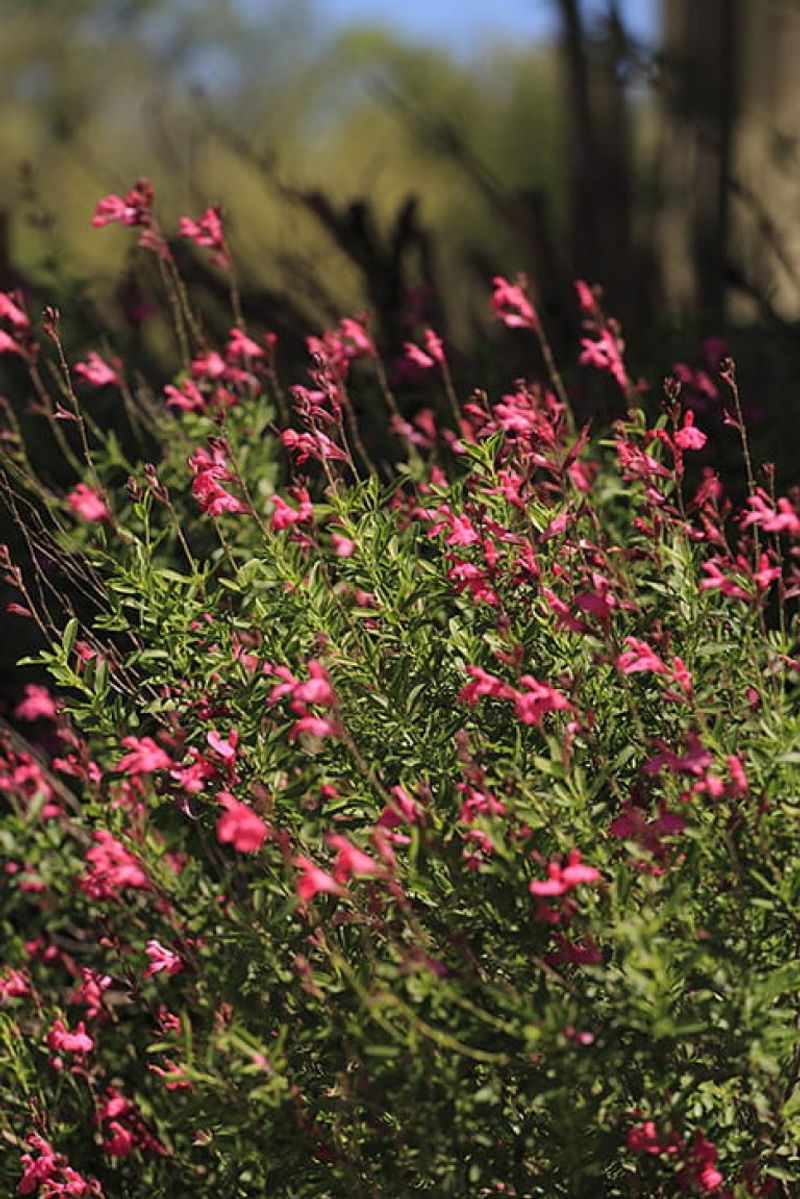
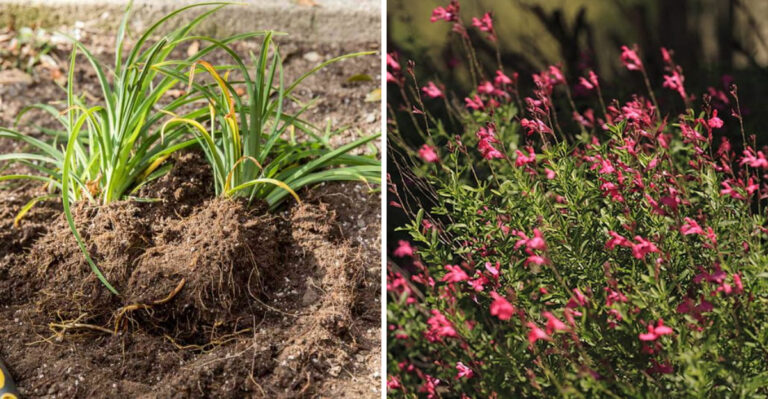
Autumn sage is the kind of plant that keeps giving all season long. It blooms in spring, takes a short break in the hottest part of summer, and then comes back strong in fall with a fresh flush of bright red, pink, or coral flowers.
That long bloom period, combined with aromatic foliage that rodents find unpleasant, makes it a standout choice for Texas foundation beds.
The leaves of autumn sage release a sharp, herby fragrance when touched or when the wind passes through the plant. Rats rely heavily on their sense of smell to navigate and find safe nesting spots.
A foundation lined with strongly scented plants like autumn sage sends a clear signal that the area is not a good place to settle down.
From a practical standpoint, autumn sage is one of the easiest shrubs to grow in Texas. It handles heat and drought without much fuss and actually performs better in lean, well-drained soil than in rich, heavily amended beds.
Overwatering is one of the few things that will cause problems, so let the soil dry out between waterings once the plant is established.
Hummingbirds absolutely cannot resist the tubular flowers, so planting autumn sage along your foundation turns the space into a lively, colorful scene. Cut plants back by about a third in late winter to encourage strong new growth and a fuller shape.
A neatly maintained row of autumn sage creates a fragrant, attractive barrier that works hard while looking effortless.
6. Flame Acanthus
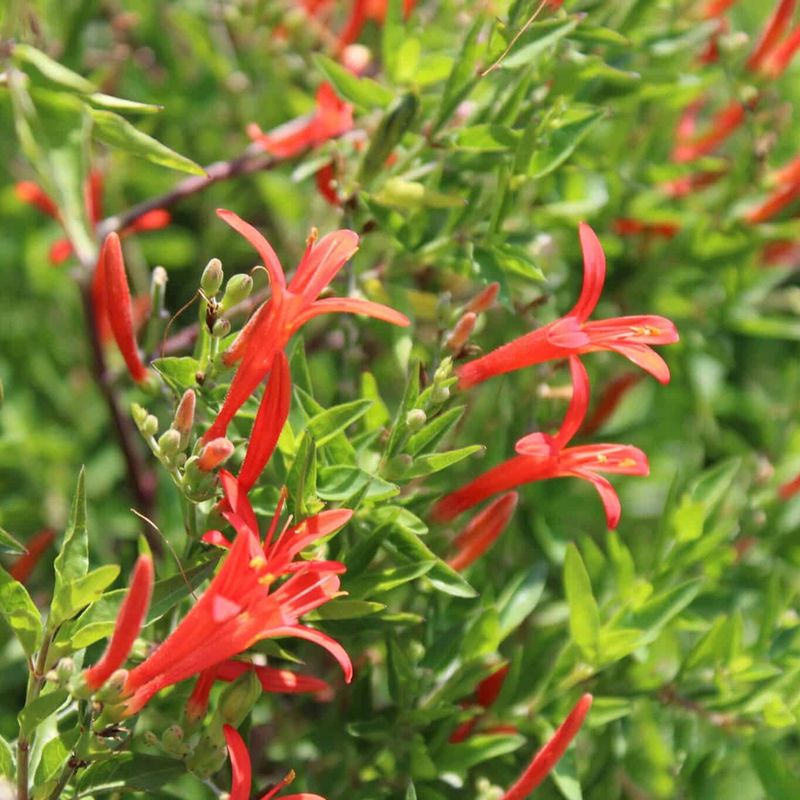
If you have ever seen flame acanthus in full bloom, you already know it earns its name. The clusters of bright orange-red tubular flowers look like tiny flames scattered across the plant, and hummingbirds show up in impressive numbers to enjoy them.
Beyond the visual drama, this tough native shrub brings something extra to the foundation bed: aromatic foliage that rodents find off-putting.
Flame acanthus is built for Texas summers. It grows naturally in the Hill Country and surrounding regions, which means it is fully adapted to rocky soil, brutal heat, and long dry spells.
Once established, it barely needs any supplemental watering. That kind of resilience makes it a practical choice for homeowners who want effective foundation coverage without constant upkeep.
The plant grows into a rounded, bushy shape that fills in nicely along a foundation line. Its dense branching structure at the base creates a physical barrier that discourages small animals from getting close to your home’s exterior.
Combined with the aromatic leaves, you get both a scent-based and structural deterrent working at the same time.
Cut flame acanthus back hard in late winter, almost to the ground, and it will bounce back with vigorous new growth as temperatures warm up. This annual pruning keeps the plant tidy and prevents it from getting too woody over time.
Plant it in full sun for the best flower production and the most robust growth. A row of flame acanthus along your foundation is bold, functional, and genuinely Texas tough.
7. Texas Sage
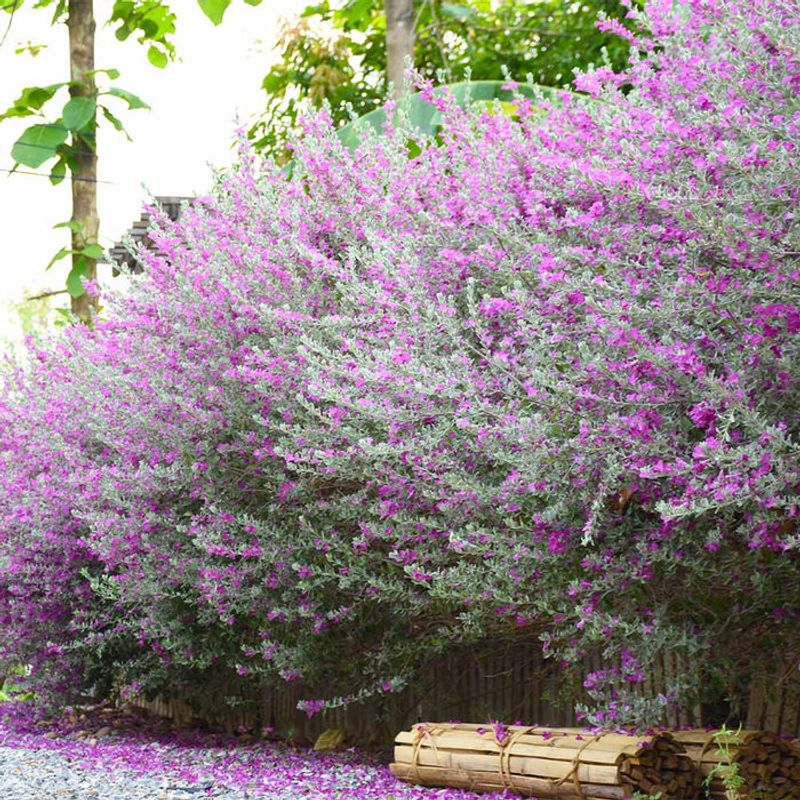
Texas sage, sometimes called cenizo or purple sage, is one of the most recognizable native shrubs in the state. After a good rain, it erupts in a cloud of purple flowers that can be spotted from down the street.
Beyond the showstopping display, its silvery aromatic foliage contains natural compounds that make rats and other rodents reluctant to hang around nearby.
The scent from Texas sage leaves is subtle to humans but strong enough to bother a rodent’s highly sensitive nose.
When planted in a continuous border along a foundation, the cumulative effect of multiple plants creates a fragrant zone that sends a clear message to pests.
Pair it with other aromatic shrubs on this list and you have an even stronger natural deterrent system working for you.
Texas sage is perfectly suited for the alkaline, rocky soils found across much of the state. It needs excellent drainage and full sun, and it actually looks and smells better when it is not over-fertilized or overwatered.
Giving it tough conditions brings out the best in this plant, which is a refreshing change from high-maintenance landscaping.
Mature plants can reach four to eight feet tall and wide, depending on the variety. Compact selections like Green Cloud or White Cloud stay smaller and work well for tighter foundation spaces.
The silvery leaves look striking against brick or stone, and the contrast between the foliage color and the purple blooms is one of the most eye-catching combinations in any Texas garden. It is a plant that genuinely belongs here.