These Texas Vegetables Almost Never Work Out Planted In June (And Better Swaps)
June in Texas feels like it should still be a viable planting month, and for some crops it genuinely is. For others, putting them in the ground right now is setting yourself up for a season of frustration that ends with very little to show for the effort.
Texas June heat is not just warm, it is the kind of sustained, intense heat that shuts down germination, stresses transplants before they can establish, and pushes certain vegetables past the point where they can set fruit or develop properly.
The problem is that a lot of common vegetable choices get planted in June out of habit or optimism without any real consideration for whether the timing makes sense in a Texas climate.
Knowing which vegetables are a lost cause this month and what to swap them out for can save a full season of wasted effort and redirect that energy toward crops that will actually deliver a real harvest.
1. Lettuce
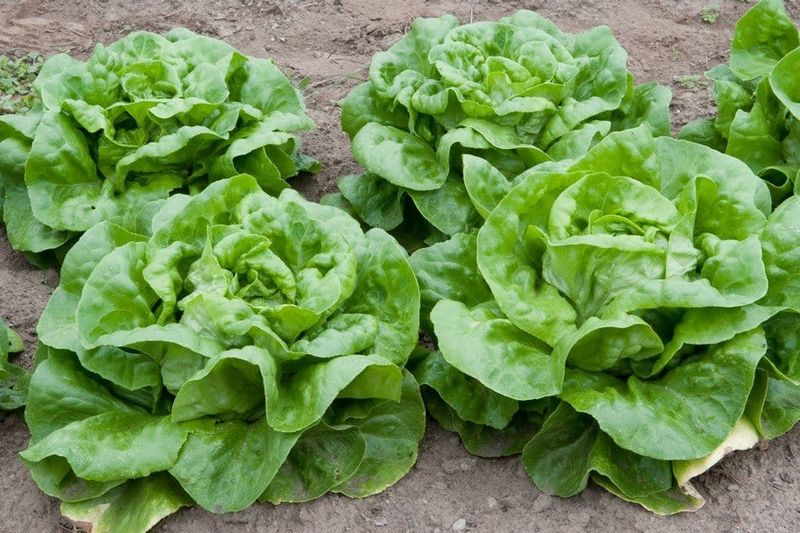
Planting lettuce in June in Texas is almost always a losing battle. The moment soil temperatures stay above 80 degrees, lettuce shifts its energy away from making leaves and straight into producing flowers and seeds.
That process is called bolting, and once it starts, the leaves turn bitter and tough almost overnight.
Most Texas gardeners learn this lesson the hard way after watching a beautiful row of lettuce turn into a cluster of tall, bitter stalks within days of a heat wave.
June temperatures across Texas regularly reach triple digits, and lettuce simply was not built for that kind of punishment. Even with extra watering and shade cloth, results are usually disappointing.
Malabar Spinach is the perfect June swap. It looks similar to leafy greens, but it actually loves heat and humidity.
The thick, glossy leaves hold up beautifully in Texas summers and taste mild and slightly earthy when used fresh or cooked.
Malabar Spinach is a climbing vine, so it grows upward along a trellis or fence, saving space in your garden. It keeps producing all summer long without bolting.
You can harvest leaves regularly, and the plant just keeps going strong right through the hottest months.
For Texas gardeners craving fresh greens in summer, Malabar Spinach is a true game changer that delivers where lettuce simply cannot.
2. Spinach
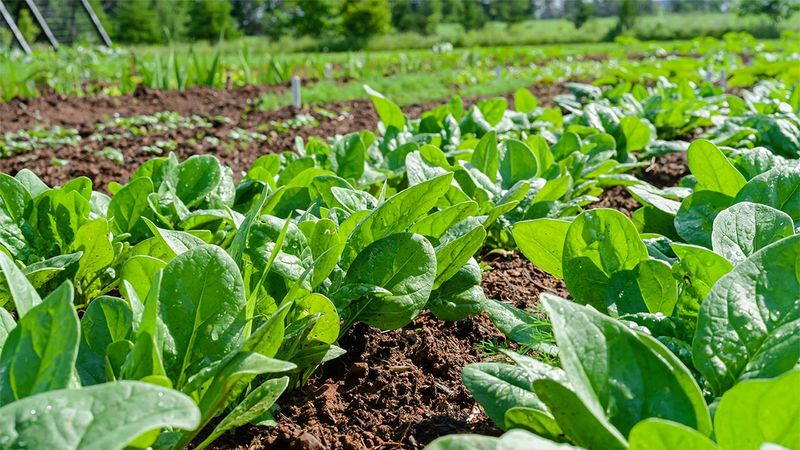
There is something almost heartbreaking about watching a healthy spinach plant collapse under a Texas June sun. Spinach is a cool-season crop through and through.
Once average daily temperatures push past 75 degrees, spinach starts to bolt, lose flavor, and eventually stop producing usable leaves altogether.
The problem is not just the heat during the day. Texas nights in June stay warm too, often staying above 70 degrees.
Spinach needs cooler nights to recover and keep growing. Without that relief, the plant gets stressed fast.
Watering more does not fix the problem because the root cause is temperature, not moisture.
New Zealand Spinach is the brilliant swap that most Texas gardeners have not discovered yet.
Despite the name, it is not a true spinach, but the flavor and texture of its leaves are very similar. The big difference is that New Zealand Spinach absolutely thrives in hot weather.
Your Texas Garden Changes Every Week. Your Plan Should Too.
Gardening in Texas changes quickly throughout the season. Every Friday you’ll receive a simple weekly plan showing exactly what to plant, prune, fertilize, harvest, and protect so you never miss the right timing.
It spreads along the ground like a low mat, filling in garden beds nicely and even helping shade the soil to keep roots cooler. The leaves stay tender and tasty all summer long without bolting.
You can harvest tips regularly, and the plant keeps branching out with fresh new growth. It handles Texas heat, drought, and humidity far better than regular spinach ever could.
Planting New Zealand Spinach in June gives you a reliable, productive green all the way through the hottest part of the year.
3. Peas
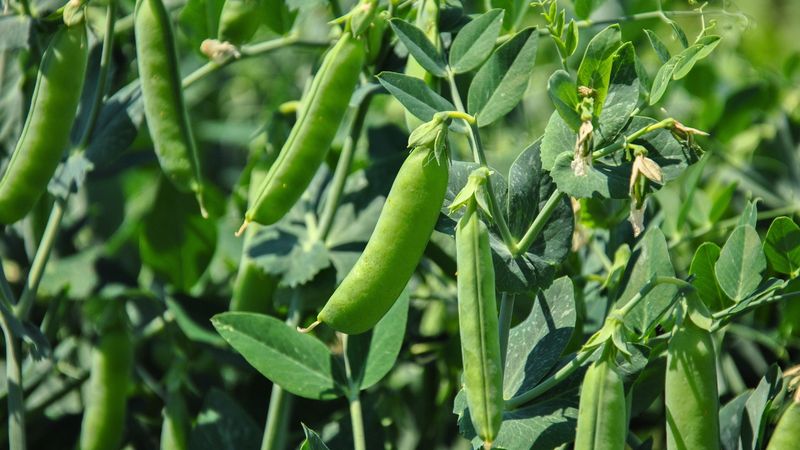
Peas and Texas June heat are simply not compatible. English peas, snap peas, and snow peas all belong to the cool season, and they stop producing pods once temperatures climb above 85 degrees.
Planting them in June means they will struggle almost from the moment they sprout, and you will rarely get a meaningful harvest.
Heat causes pea plants to drop their flowers before pods can even form. The vines may still look somewhat green for a while, but without successful pollination, there will be no peas to pick.
It is frustrating to tend a plant that looks alive but delivers nothing, especially during the long Texas summer.
Southern Peas, sometimes called cowpeas or black-eyed peas, are the ideal June replacement. They were practically made for Texas summers.
These tough, productive legumes actually prefer warm soil and hot weather to get established and grow strong.
Southern Peas fix nitrogen in the soil as they grow, which is a bonus for your garden beds. They produce pods reliably through summer heat and are fairly drought-tolerant once established.
Varieties like Zipper Cream, Purple Hull, and Iron and Clay are all popular across Texas for a very good reason. They produce heavily even when temperatures soar.
Harvesting Southern Peas fresh for cooking is a classic Texas summer tradition, and growing them is far more rewarding than fighting to keep cool-season peas alive in June heat.
4. Broccoli
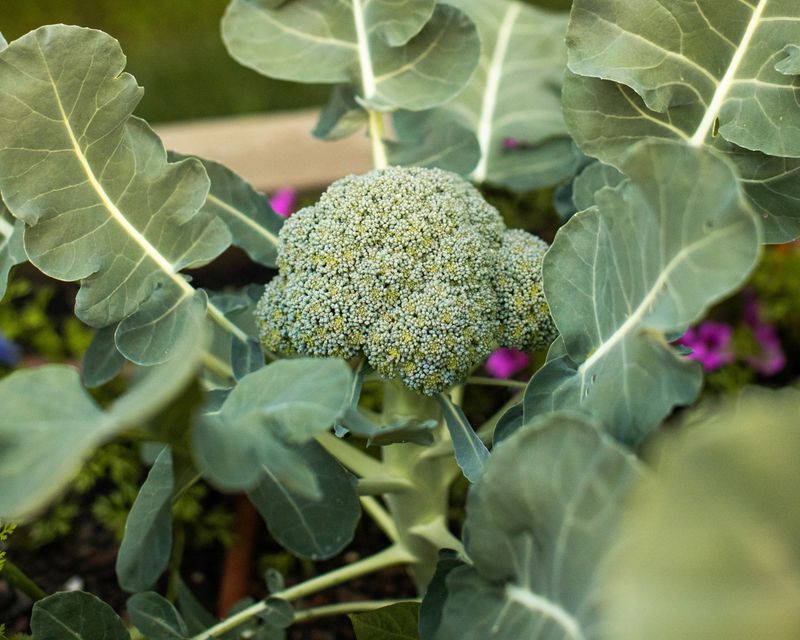
Broccoli is a vegetable that needs cool temperatures to form its tight, green heads. When broccoli is planted in June in Texas, it often grows leaves just fine, but the heads either never develop or they open up immediately into loose yellow flowers before they are anywhere close to harvest size.
The heat rushes the plant past the stage where you actually get something edible. Even gardeners who try to give broccoli afternoon shade in June usually end up disappointed.
The soil stays too warm, nights offer no relief, and the plant just cannot do what it is designed to do. Broccoli needs consistent temperatures between 65 and 80 degrees to produce properly, and Texas June does not offer that.
Okra, on the other hand, was practically invented for Texas summers. It is one of the most heat-loving vegetables you can grow, and June is actually a great time to get it started.
Okra seeds germinate quickly in warm soil and start producing pods within about 50 to 65 days.
The plants grow tall and strong, producing beautiful hibiscus-like flowers before each pod forms. Regular harvesting keeps new pods coming all summer long.
Okra is also fairly drought-tolerant once it gets established, which is a big advantage during dry Texas summers. Varieties like Clemson Spineless and Emerald are reliable performers across the state.
Swapping broccoli for okra in June is one of the smartest decisions a Texas gardener can make.
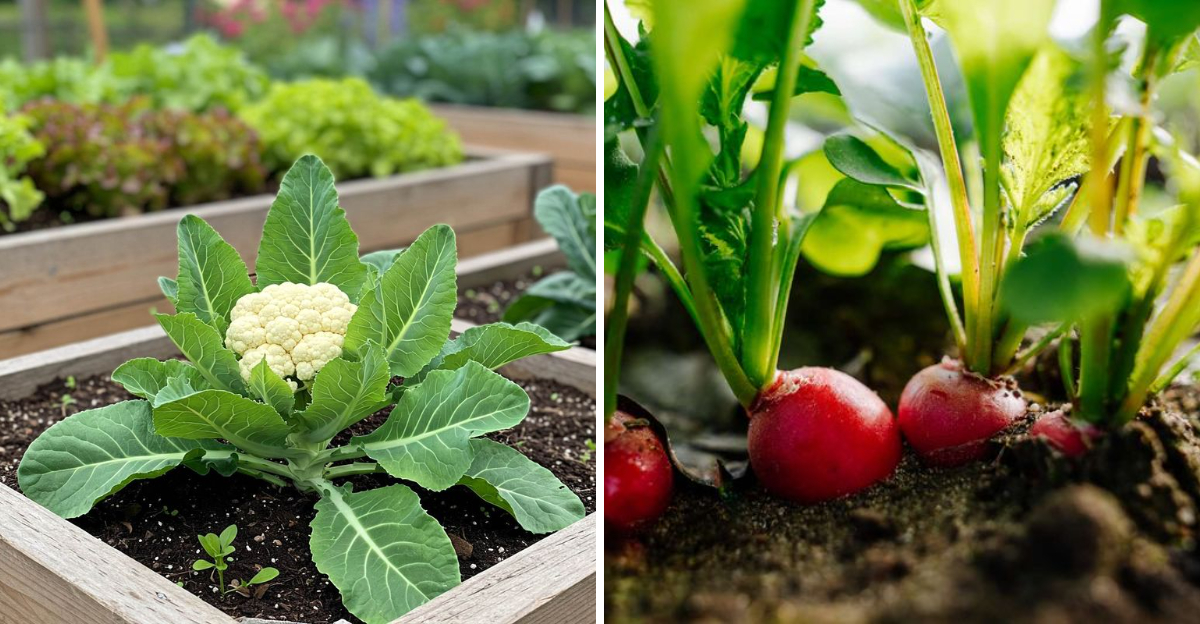
5. Cauliflower
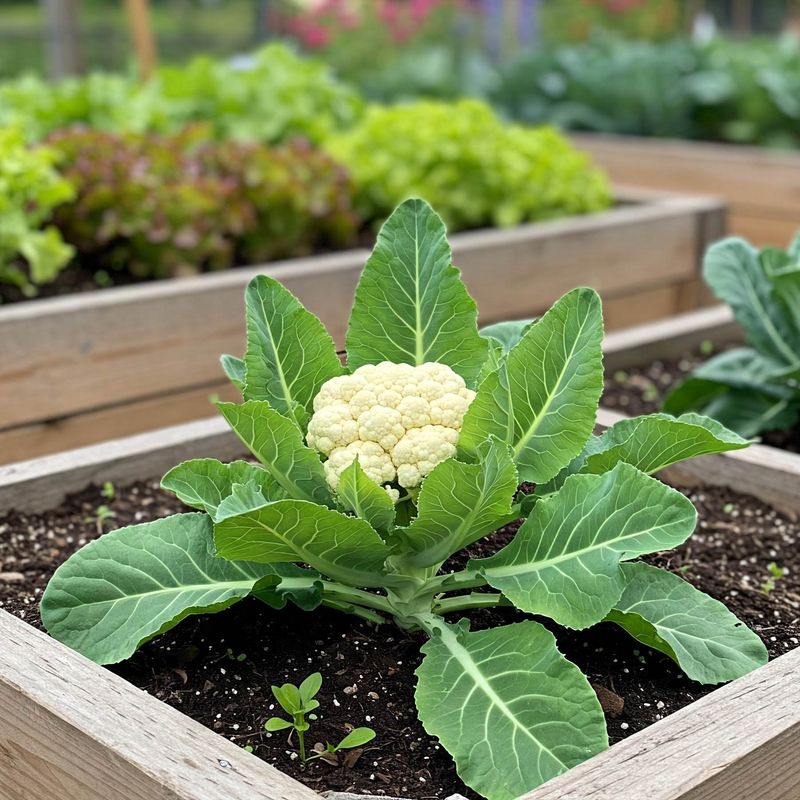
Cauliflower is even more temperature-sensitive than broccoli, which says a lot. Heads only form properly when temperatures stay consistently between 60 and 75 degrees.
Plant cauliflower in June in Texas, and those ideal conditions simply do not exist. The heads either fail to form at all or they develop loose, grainy curds that look nothing like what you find in a grocery store.
Cauliflower also needs a longer growing season to mature correctly, and planting it when summer heat is already at full strength gives it no chance to establish before conditions become too extreme.
Even experienced gardeners with well-amended soil and irrigation systems rarely succeed with June-planted cauliflower in Texas.
Eggplant is a completely different story. It absolutely loves the heat and produces beautifully in Texas summers.
June is actually one of the best times to get eggplant seedlings into the ground across most of the state. The plants establish quickly and begin flowering within a few weeks.
Eggplant varieties like Black Beauty, Ichiban, and Rosa Bianca all perform well in Texas heat and humidity. The fruit develops fast once flowers are pollinated, and plants can produce continuously from midsummer all the way into fall.
Eggplant is also versatile in the kitchen, working well grilled, roasted, or used in stews and dips.
Trading out cauliflower for eggplant in June gives Texas gardeners a vegetable that truly earns its place in the summer garden.
6. Radish
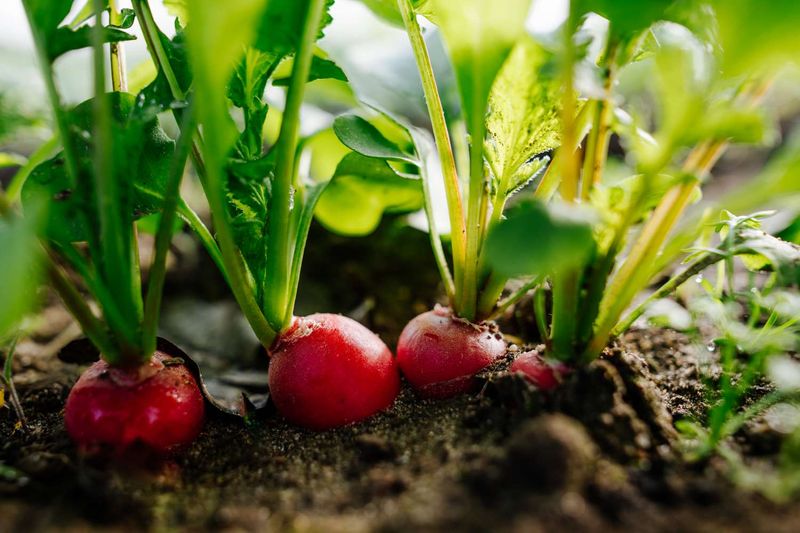
Radishes are one of the fastest-maturing vegetables you can grow, which makes them tempting to plant anytime. But June in Texas exposes a big weakness in summer radish growing.
Heat pushes radishes to mature too quickly, and instead of producing smooth, mild, crisp roots, they turn pithy, cracked, and almost unbearably spicy. The texture and flavor are simply unpleasant.
Summer heat also causes radish plants to bolt fast, sending up flower stalks before the roots have even sized up properly. You end up with lots of tops and very little usable root.
It is one of those situations where the plant technically survives but does not produce anything worth eating.
Sweet potatoes are the ideal June swap, and they could not be more different from radishes in terms of summer performance. They are vigorous, heat-loving vines that take over garden space with enthusiasm once the soil warms up.
June planting gives sweet potato slips plenty of time to establish and develop large, sweet roots before fall harvest.
Sweet potatoes are also surprisingly low-maintenance once they get going. They spread their vines to shade out weeds, they handle dry spells reasonably well, and they store beautifully after harvest.
Varieties like Beauregard and Centennial are popular Texas choices that produce reliably in the summer heat.
Growing sweet potatoes in June turns what would have been a disappointing radish patch into one of the most rewarding harvests of your entire gardening year.
7. Cilantro
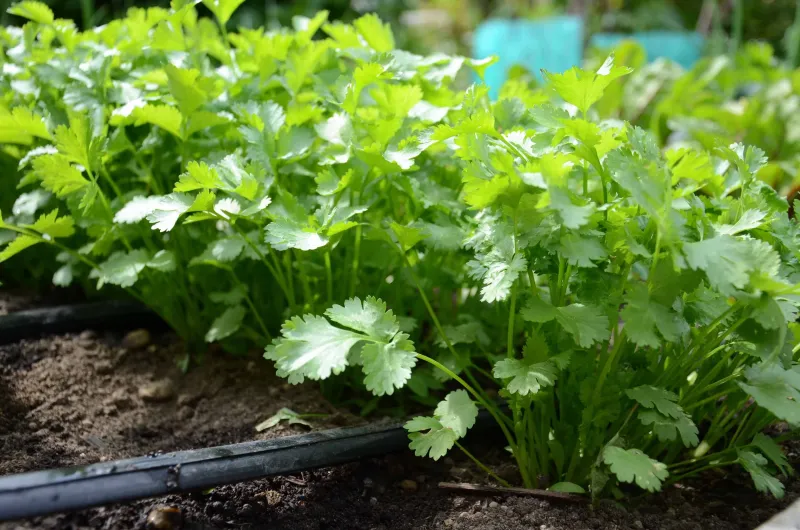
Cilantro is one of those herbs that gardeners try to grow in summer and almost always regret. It bolts so fast in Texas June heat that you barely have time to harvest a handful of leaves before the plant shoots straight up into a tall flower stalk.
Once bolting starts, the remaining leaves turn feathery and lose most of their flavor. The whole process can happen in less than two weeks when temperatures are high.
Cilantro needs cool weather to stay in its leafy, harvestable stage. It prefers temperatures between 50 and 80 degrees, which makes it a great fall and early spring herb in Texas but a complete mismatch for June.
Planting it repeatedly through summer hoping for different results is one of the most common frustrations among Texas herb gardeners.
Basil, however, is summer royalty in Texas gardens. It loves heat, thrives in full sun, and grows lush and full right through the hottest months of the year. June is genuinely one of the best times to plant basil across the state.
Varieties like Genovese, Thai Basil, and Lemon Basil all perform wonderfully in Texas summer conditions. Regular pinching of flower buds keeps the plants bushy and producing fresh, fragrant leaves all season long.
Basil also pairs beautifully with summer vegetables like tomatoes and eggplant, making it a natural fit for the Texas summer garden.
Swapping cilantro for basil in June is a simple change that makes a huge difference in your herb garden results.