The Fig Tree Mistakes California Gardeners Make In Summer Heat
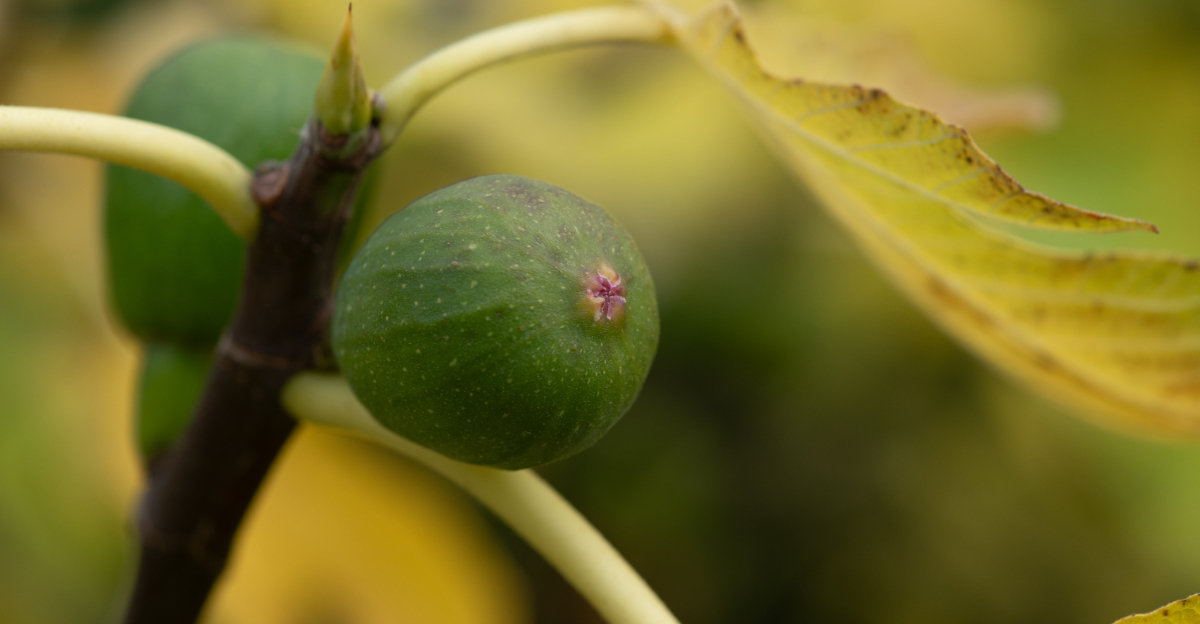
Fig trees may love warm weather, but summer heat can still push them harder than gardeners expect. A tree can look tough and easygoing while small problems build in the background.
Missed watering, harsh pruning, crowded roots, or fruit picked too soon can all chip away at the harvest.
California’s long sunny season makes figs seem almost effortless, which is why the biggest mistakes often come from doing either too much or too little.
A stressed tree may drop fruit, slow its growth, or give you figs that never reach their best flavor. The tricky part is that many warning signs look minor at first.
A few yellow leaves or smaller figs may not seem urgent, but they can point to care habits that need a closer look.
Avoid the common summer mistakes, and your fig tree has a much better shot at staying productive.
1. Letting The Soil Swing From Dry To Soaked
Watering a fig tree should feel like a steady rhythm, not a rescue mission.
One of the most common mistakes gardeners make during summer is letting the soil dry out completely and then flooding it with water to make up for lost time.
That back-and-forth stress is hard on any tree, but fig trees feel it especially fast. When soil goes bone dry, the roots start to struggle.
They pull moisture from the fruit and leaves just to survive. Then when a sudden heavy soak arrives, the roots absorb water so quickly that the fruit can crack or split.
The tree spends more energy recovering than growing. The best approach is consistent, deep watering. During peak summer heat, most fig trees need water two to three times per week.
The goal is to keep the soil evenly moist about six to eight inches down. A simple wooden stick or moisture meter can help you check before you water.
Sandy soils dry out faster and need more frequent watering. Clay soils hold moisture longer but can get waterlogged if you overdo it.
Knowing your soil type makes a real difference in how you time your watering schedule.
Early morning is the best time to water. The tree gets moisture before the heat peaks, and the surface dries out enough to reduce mold or fungal issues.
Drip irrigation works especially well because it delivers water slowly and directly to the root zone without waste.
2. Giving Potted Fig Trees Too Little Water
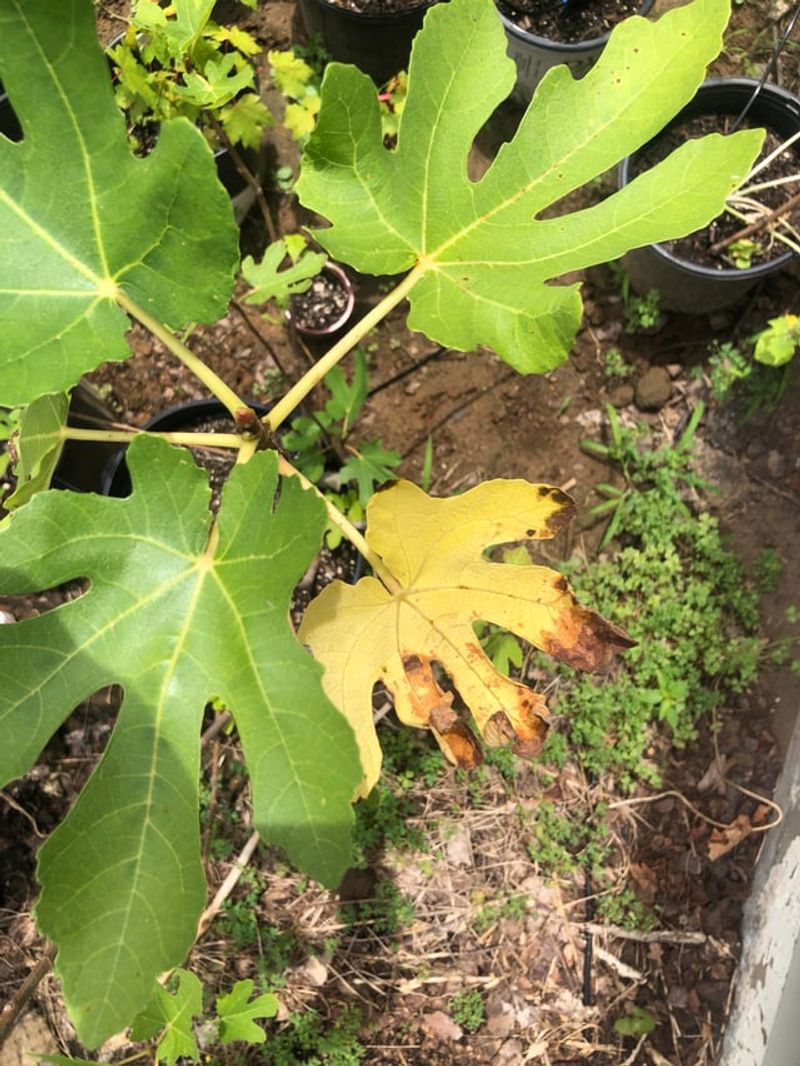
Potted fig trees are a popular choice for gardeners who want flexibility. You can move them around, bring them indoors, and grow a fig even without much yard space.
But container life comes with one serious challenge during summer: pots dry out fast, and most gardeners do not water them nearly enough.
A fig tree in the ground has access to deeper, cooler soil layers. A potted fig only has what is inside the container.
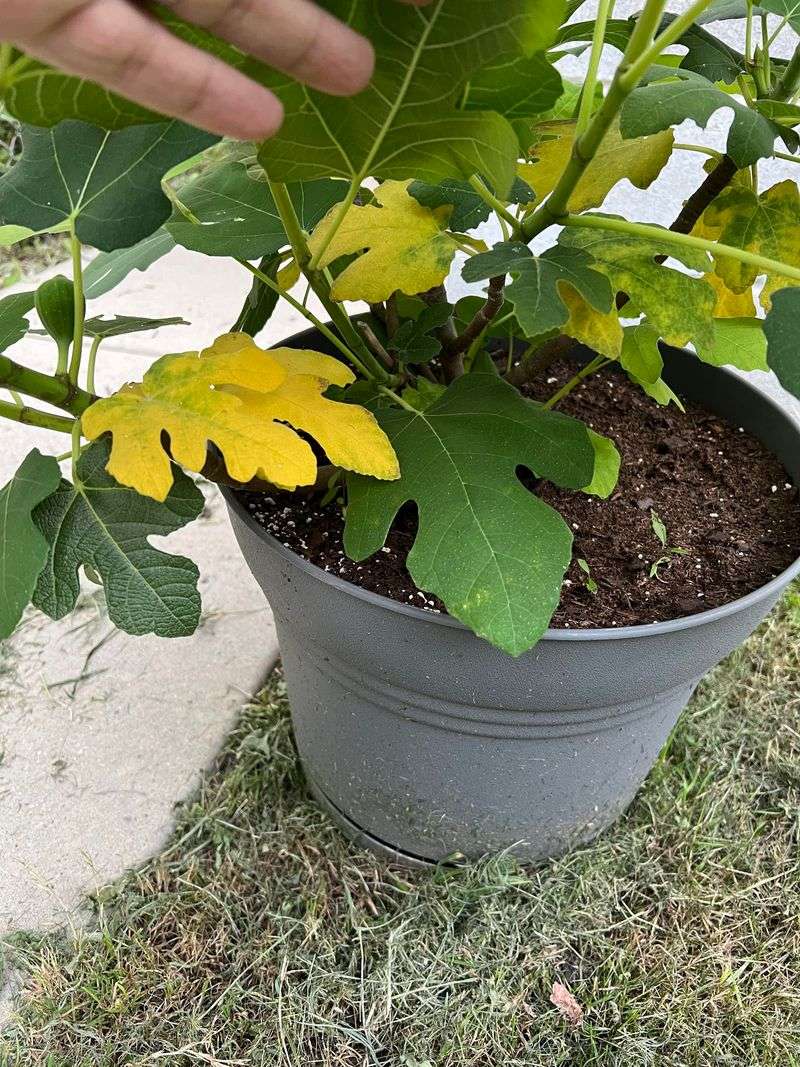
When temperatures hit the 90s and beyond, a pot sitting in direct sun can lose most of its moisture in a single day. The roots have nowhere to go for relief.
Your California Garden Changes Every Week. Your Plan Should Too.
Gardening in California changes quickly throughout the season. Every Friday you’ll receive a simple weekly plan showing exactly what to plant, prune, fertilize, harvest, and protect so you never miss the right timing.
Signs of underwatering in potted figs are pretty clear once you know what to look for. Leaves may turn yellow, curl at the edges, or feel dry and crispy.
Fruit may shrivel or drop before it ripens. The soil surface may pull away from the sides of the pot, which means it has shrunk from dryness.
During hot spells, a potted fig may need water every single day. Check the soil by pressing your finger about an inch deep.
If it feels dry, water thoroughly until it drains from the bottom holes. Never let a potted fig sit in standing water, though, as that causes root problems just as fast.
Choosing a larger pot also helps. More soil volume means more moisture is stored between waterings, giving the roots a better buffer during the hottest days of summer.
3. Forgetting Mulch Before The Heat Peaks
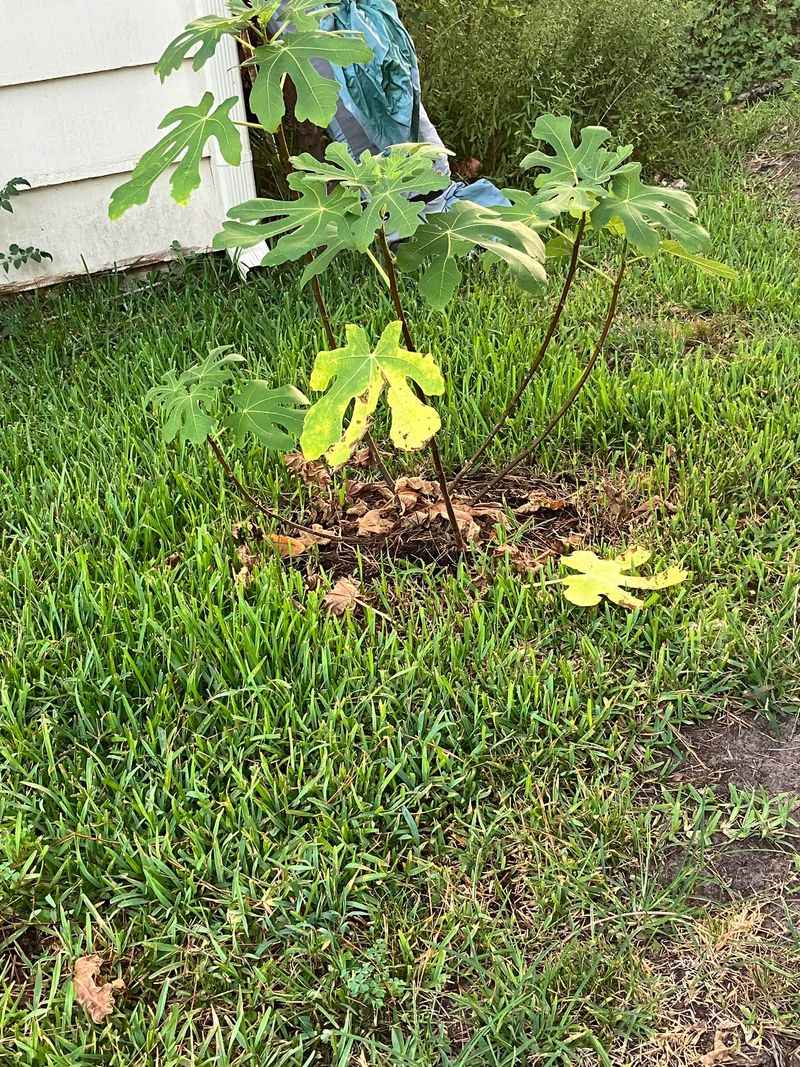
Mulch might be the single most underrated tool in a summer garden. A thick layer of organic material around the base of a fig tree does several things at once.
It holds moisture in the soil, keeps roots cool, and slows down weed growth that competes for water and nutrients.
Many gardeners skip it or apply it too late in the season. By the time June rolls around in our state, the sun is already intense. Bare soil heats up quickly and loses moisture fast.
Root systems that stay too warm start to slow down, and a stressed root system means a stressed tree. Mulching before the heat peaks, ideally in late April or May, gives the tree a head start.
Wood chips, straw, and shredded bark all work well as mulch for fig trees. Apply a layer about three to four inches thick, spreading it out to the drip line of the tree.
The drip line is the outer edge of the canopy, which is roughly where the roots spread out underground.
One important detail: keep the mulch a few inches away from the trunk itself. Mulch piled against the bark can trap moisture and lead to rot or pest problems near the base of the tree.
Refreshing the mulch layer mid-season is also a smart move.
It breaks down over time, so adding more in July can give the tree another layer of protection through the hottest stretch of summer. It is a small effort with a big payoff.
4. Pruning Fig Trees Hard In Summer
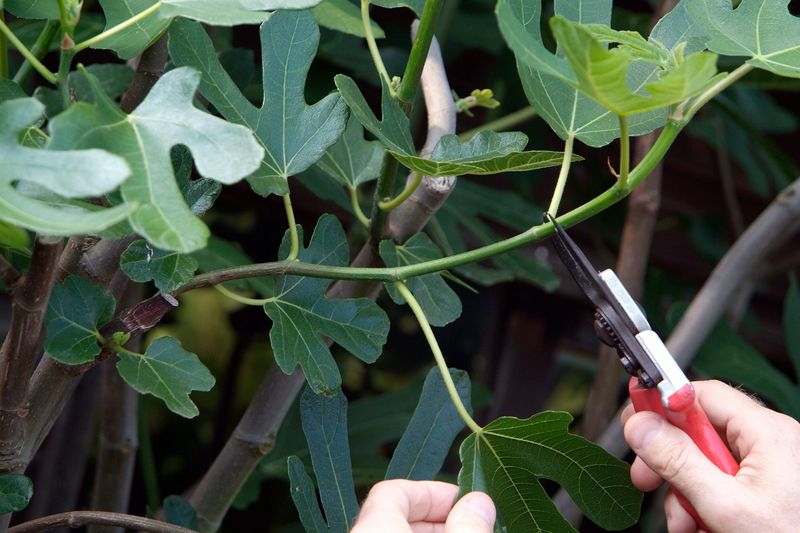
Pruning is one of those tasks that gardeners sometimes do whenever they have a free Saturday, without thinking about timing. With fig trees, timing really matters.
Heavy pruning during summer heat puts the tree under serious stress at the worst possible time.
When you cut large branches in summer, the tree has to work hard to seal those wounds while also managing heat, water loss, and fruit production. It is a lot to handle all at once.
The tree diverts energy away from fruit and root development just to repair the cuts. That can mean smaller harvests and a weaker tree heading into fall.
Summer pruning should be light and targeted. Removing dead or crossing branches is fine.
Pinching back the tips of new growth to encourage branching is also acceptable. But taking off major limbs or doing a heavy reshape should wait until the tree is dormant in late fall or winter.
Another risk of summer pruning is sunburn. Fig trees develop a canopy that naturally shades the inner branches and trunk.
When you remove too much of that canopy at once, the exposed bark can get scorched by direct sun. Sunburned bark looks bleached and can crack, which opens the tree up to pests and disease.
If you notice a branch that looks unhealthy and needs to come off, go ahead and remove it.
But try to make clean cuts, avoid removing more than ten to fifteen percent of the canopy at one time, and leave the big reshaping work for cooler months.
5. Feeding Too Much Nitrogen During Hot Weather
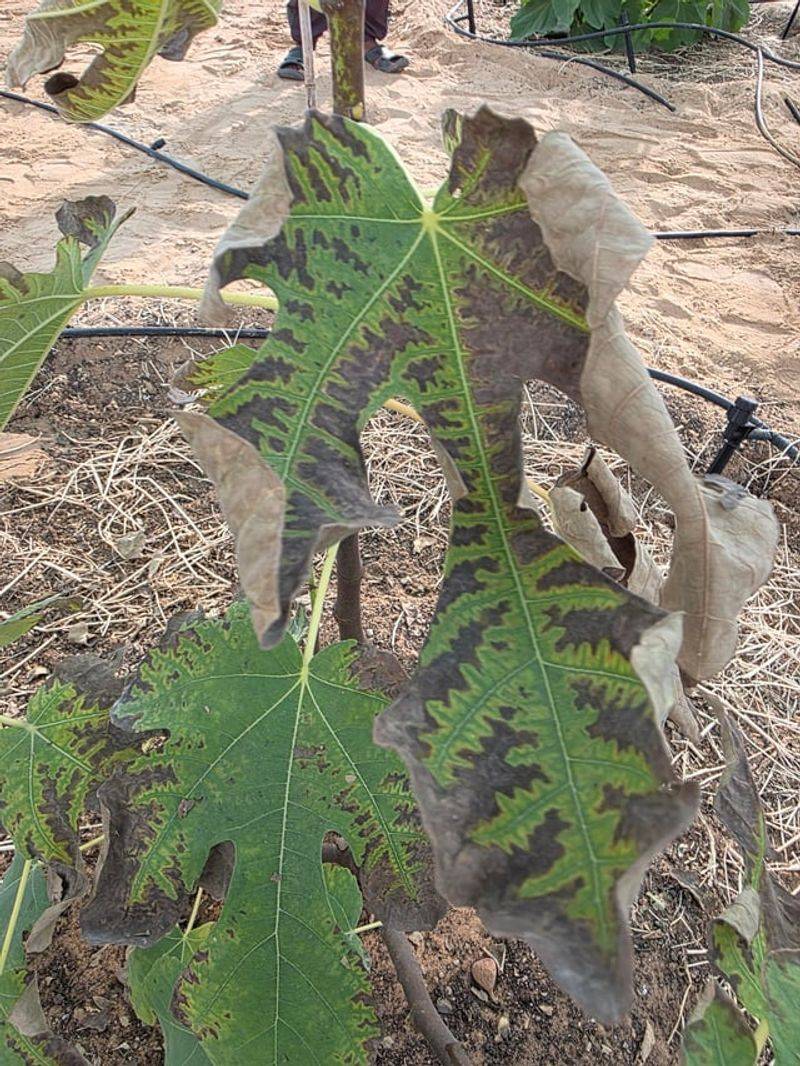
Nitrogen is the nutrient most responsible for leafy, green growth in plants.
It sounds like something you would always want more of, but during a hot summer, too much nitrogen can actually work against your fig tree in a few surprising ways.
High nitrogen levels push the tree to produce a lot of new soft, leafy growth very quickly. That new growth is tender and uses a lot of water to stay healthy.
In summer heat, that extra demand for moisture puts the tree under more stress, not less. The new leaves wilt fast, and the tree struggles to keep up.
Too much nitrogen also shifts the tree’s energy away from fruit production. Instead of putting effort into ripening the figs already on the branches, the tree focuses on growing more leaves.
You end up with a lush-looking tree that produces fewer ripe figs, which is the opposite of what most gardeners want.
The best approach for summer feeding is to use a balanced, slow-release fertilizer or to skip fertilizing altogether once temperatures consistently hit the 90s.
If your tree looks healthy and green, it probably does not need much feeding at all during midsummer.
A light application of compost around the base of the tree is a gentler option. It feeds the soil slowly and improves moisture retention at the same time.
Save the heavier fertilizing for early spring, when the tree is actively pushing new growth and the temperatures are still manageable.
6. Leaving Young Trees Exposed To Harsh Afternoon Sun
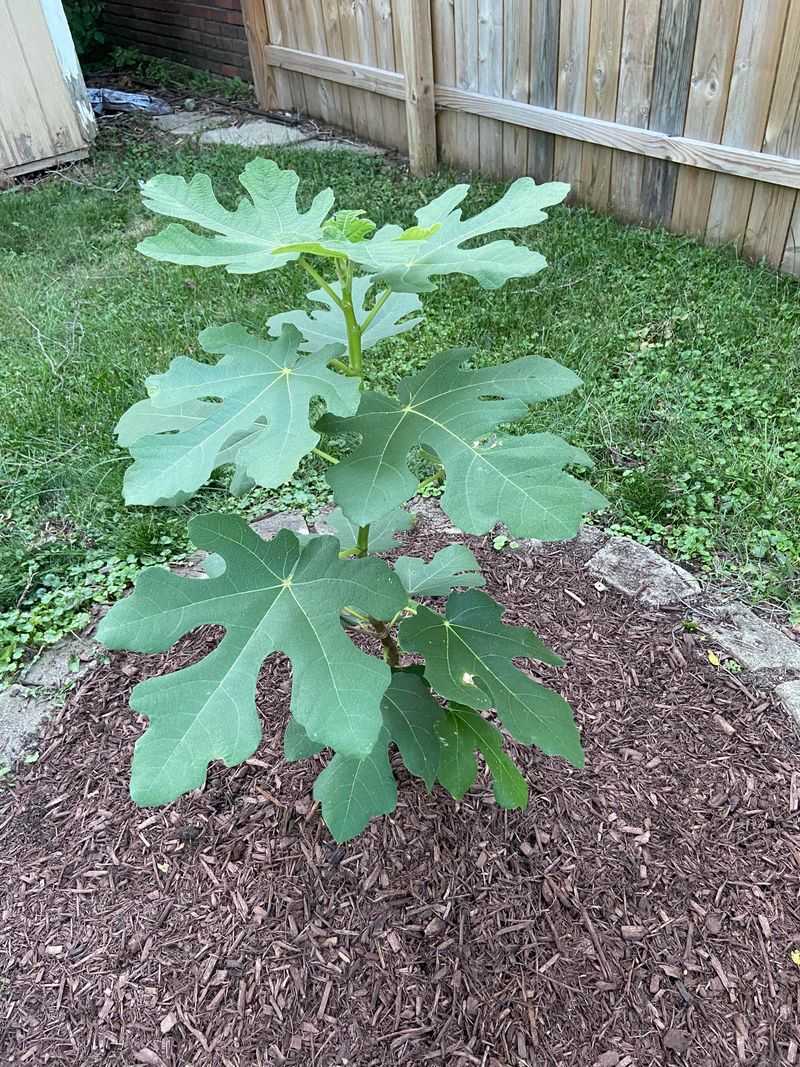
There is a big difference between a mature fig tree and a young one that was planted in the last year or two.
Established trees have deep root systems, thick bark, and a full canopy that helps them handle intense summer heat.
Young trees have none of those advantages yet, and leaving them fully exposed to harsh afternoon sun is one of the fastest ways to set them back.
Afternoon sun in our state during July and August can be brutal.
Temperatures in direct sunlight can climb well above the air temperature, and young fig trees with limited root depth simply cannot pull up enough water fast enough to keep cool.
Leaves curl, turn pale, and may develop dry brown patches along the edges.
One simple solution is a shade cloth. These lightweight fabric screens block a percentage of sunlight while still allowing airflow.
A thirty to fifty percent shade cloth hung on the west or southwest side of a young tree can make a noticeable difference during the hottest part of the day.
Planting near a fence or larger shrub that provides afternoon shade is another smart strategy. The goal is not to block all sunlight, because fig trees do need sun to produce fruit.
The goal is to soften the intensity during the two to five o’clock window when the heat is at its peak.
As the tree matures and its root system grows deeper, it will handle full sun much better on its own. Until then, a little afternoon protection goes a long way.
7. Ignoring Fruit Drop As A Heat-Stress Warning
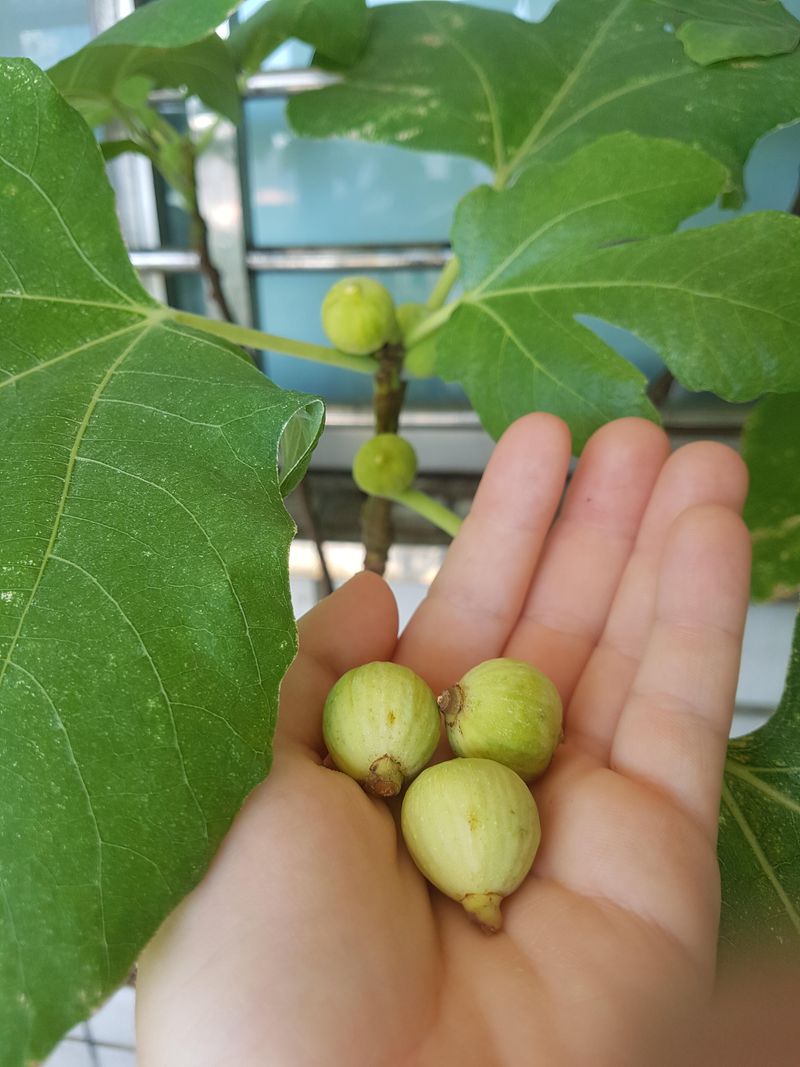
Walking outside to find a bunch of unripe figs on the ground can feel frustrating. Many gardeners assume it is just a normal part of how fig trees behave, or they blame insects without looking deeper.
But when a fig tree drops fruit in summer, it is usually sending a clear message that something is wrong with its growing conditions.
Heat stress is one of the most common triggers for summer fruit drop. When a tree is struggling to stay hydrated and cool, it sheds fruit as a survival response.
The tree is cutting its losses, letting go of the figs it cannot support so it can focus on keeping its core structure alive. It is a built-in response, but it is also a warning sign worth taking seriously.
Inconsistent watering is often the root cause. If the tree went through a dry spell followed by heavy watering, the sudden change can trigger fruit drop.
High heat combined with low soil moisture creates the same effect. Checking your watering habits is always the first step when you notice fruit falling early.
Nutrient imbalances can also play a role, especially if the tree has been over-fertilized with nitrogen.
Too much leafy growth competes with fruit development, and the tree may drop fruit to manage its energy load. Once you spot fruit on the ground, act quickly.
Adjust your watering to be more consistent, add mulch if you have not already, and check for any other stressors like pests or compacted soil.
Early action can stop the drop and protect the rest of the harvest.