Why This Heat Wave Could Stunt California Tomato Production For Weeks
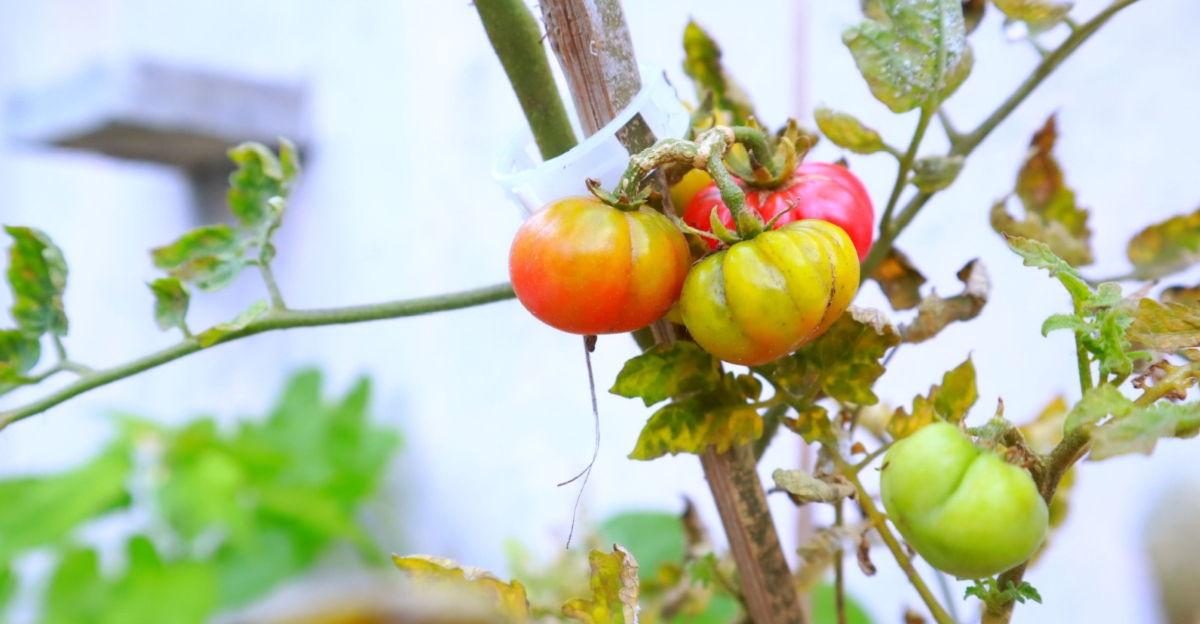
This summer is not playing around, and California tomato gardeners are feeling it in a very specific and frustrating way. The plants look fine.
Actually, some of them look great, full of green growth and plenty of flowers. And yet the tomatoes are just not setting.
If you have been standing in your garden lately wondering what on earth is going on, you are not imagining things and you are definitely not alone.
When temperatures push into the upper 90s, tomato flowers have a pretty tough time doing what they are supposed to do.
Pollination gets disrupted, flowers drop, and fruit set can slow down or stop almost completely. It is one of those maddening situations where the plant looks healthy but the harvest tells a different story.
The good news is that understanding why it happens makes the waiting a whole lot easier.
1. High Heat Stops New Fruit Set
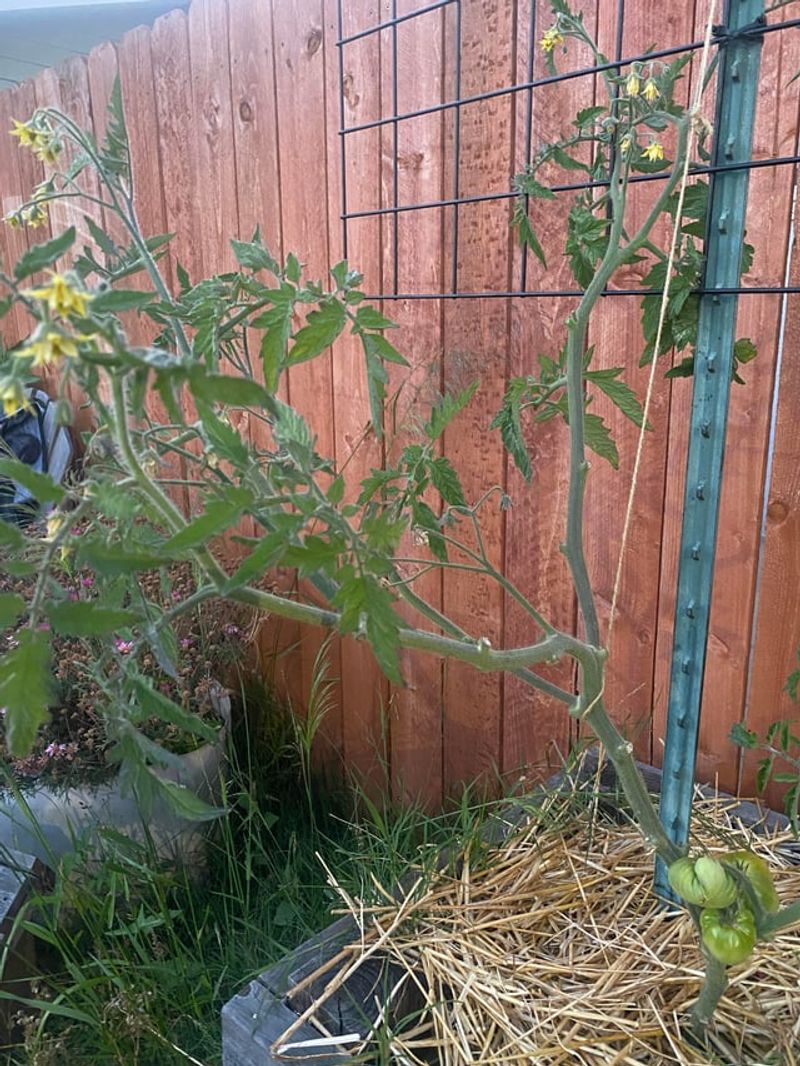
Stalled tomato blossoms are one of the first signs that a heat wave is quietly working against your garden. When daytime temperatures climb above roughly 90°F to 95°F, tomato plants often stop setting new fruit entirely.
The plant is still alive and may even look healthy, but the reproductive process has essentially hit a pause button.
Fruit set happens when pollen successfully fertilizes a flower, and heat can disrupt every step of that process. High temperatures can damage the flower itself, reduce pollen release, and interfere with the plant’s ability to complete fertilization.
When that chain breaks down, flowers come and go without ever becoming tomatoes.
In California’s warm inland areas, this can happen fast. A stretch of just a few days above 95°F during the hottest part of July is often enough to stall production noticeably.
Gardeners may walk out to check their plants and notice clusters of flowers with nothing developing behind them.
Existing fruit that was already forming before the heat arrived will likely keep growing. The problem shows up in the next wave of production, where new fruit simply does not appear.
Recognizing this early helps gardeners avoid frustration and set realistic expectations for when fresh tomatoes will start showing up again on the vine.
2. Pollen Loses Viability In Extreme Temperatures
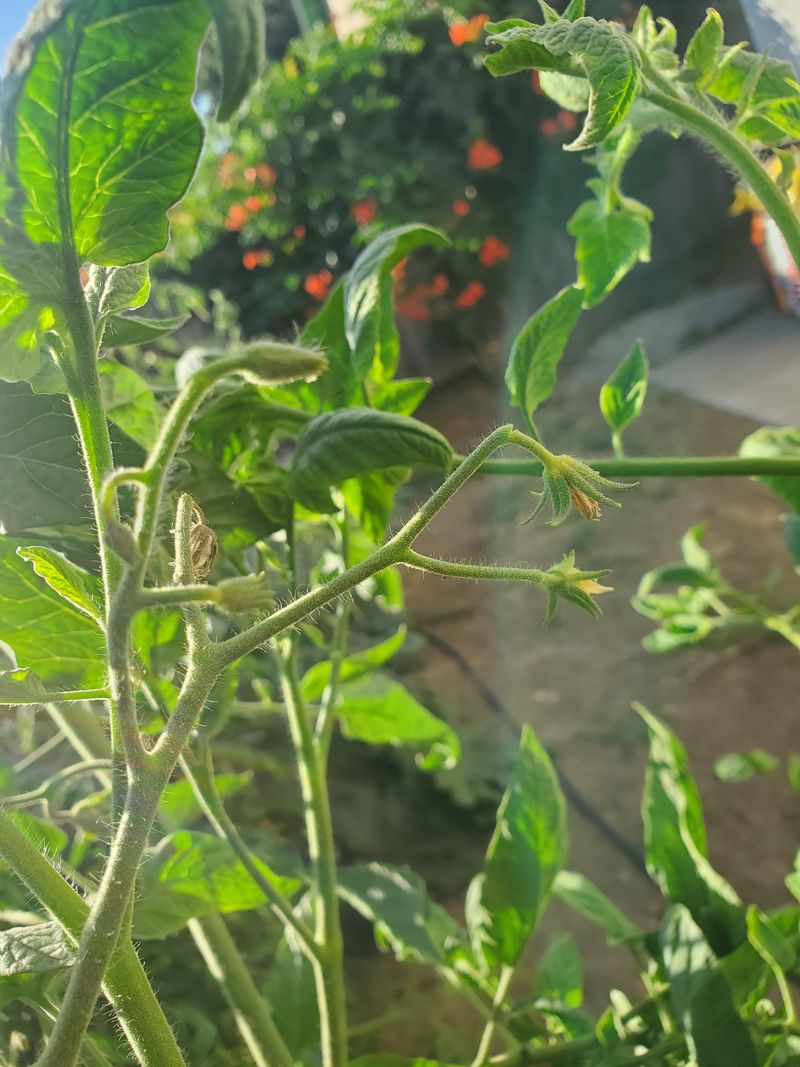
Sticky, clumping pollen is something most gardeners never think about, but during a California heat wave, it becomes one of the biggest obstacles to a healthy tomato harvest.
Tomato pollen is fragile, and when temperatures get extreme, that fragility becomes a real problem.
When heat climbs into the upper 90s or beyond, tomato pollen can lose its ability to germinate properly. Even if a bee visits the flower or the wind shakes the vine, the pollen may not be functional enough to complete fertilization.
The result is a flower that blooms, gets visited, and then drops without ever setting fruit.
In California’s hot inland gardens and raised beds, this problem can stretch across an entire heat event. Every day that temperatures stay dangerously high is another day that pollen viability suffers.
Your California Garden Changes Every Week. Your Plan Should Too.
Gardening in California changes quickly throughout the season. Every Friday you’ll receive a simple weekly plan showing exactly what to plant, prune, fertilize, harvest, and protect so you never miss the right timing.
Some gardeners try hand-pollinating their plants with a small paintbrush or electric toothbrush, but if the pollen itself is compromised, that effort may not produce results.
The good news is that pollen viability tends to recover once temperatures ease. New flowers that form after a heat wave will likely produce healthier pollen under more moderate conditions.
Watching for fresh buds after the heat breaks is a promising sign that the plant is ready to try again and that fruit set may soon follow in the coming weeks.
3. Hot Nights Make Recovery Slower
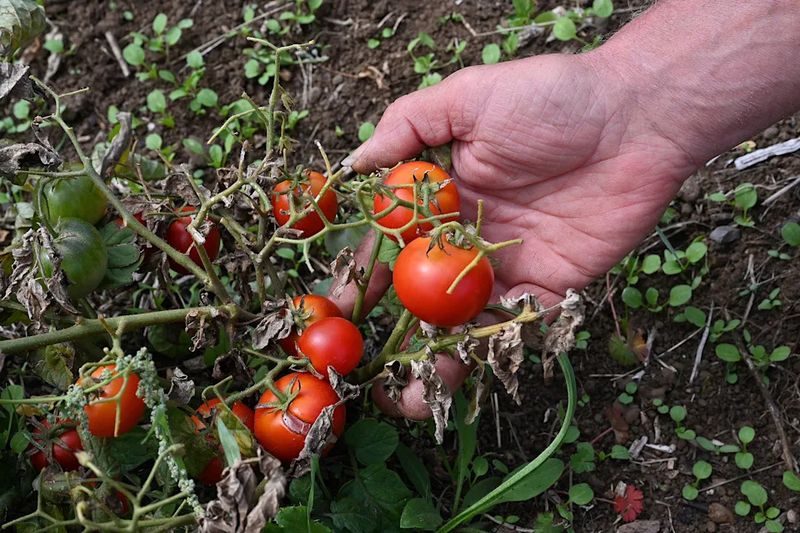
Warm evenings in California can feel pleasant after a scorching day, but for tomato plants, hot nights are a serious setback. Tomatoes need nighttime temperatures to drop into a reasonable range so they can recover from daytime heat stress.
When nights stay too warm, that recovery window shrinks considerably.
Plants use cooler nighttime hours to move energy, repair heat-related stress, and prepare for the next day. If the temperature barely drops after sunset, the plant stays in a stressed state around the clock.
Over several nights, this kind of continuous stress can make it even harder for the plant to support new flower development or fruit set.
In California’s inland valleys and urban heat islands, summer nights can stay surprisingly warm. A night where temperatures remain in the mid-70s or higher gives tomato plants very little relief.
Gardeners in these areas may notice that their plants seem to be struggling more than expected, even after a slight dip in daytime highs.
Containers and raised beds can hold heat longer than in-ground gardens, which may make nighttime recovery even slower for plants growing in those setups.
Checking soil temperature in the evening can give a clearer picture of how much heat the roots are still dealing with.
Keeping soil moist and mulched can help lower those root-zone temperatures and offer at least some relief during warm California nights.
4. Flowers Drop Before Tomatoes Can Form
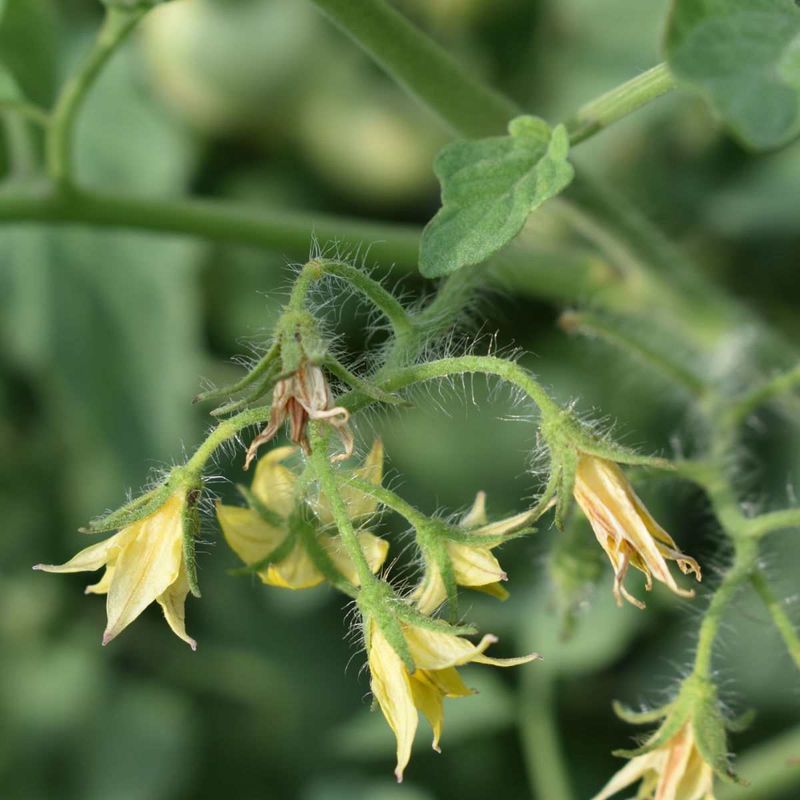
Empty flower clusters with nothing developing inside them are a frustrating sight for any California tomato grower.
Flower drop is one of the most visible signs that heat is interfering with production, and it can happen quickly once temperatures climb into the danger zone for tomatoes.
When conditions are too hot for successful pollination, the plant essentially gives up on that flower and drops it. This is a natural response, not a sign that something is permanently wrong with the plant.
The tomato is conserving energy by letting go of flowers that are unlikely to develop into fruit under current conditions.
Gardeners often notice small yellow blossoms scattered on the soil below their plants during a heat wave.
At first, it might seem like a pest problem or a disease, but heat is frequently the cause during July and August in California’s warmer growing regions.
Checking the timing of the drop against recent temperature spikes can help confirm what is happening.
Once flower drop begins, the plant needs time to form new buds, open new flowers, and attempt pollination again under better conditions. That cycle takes days to weeks, which is a big reason why production can stall for a noticeable stretch of time after a heat event.
Patience is the most useful tool a gardener has while waiting for that next round of blossoms to appear and hold.
5. New Blossoms Need Cooler Conditions
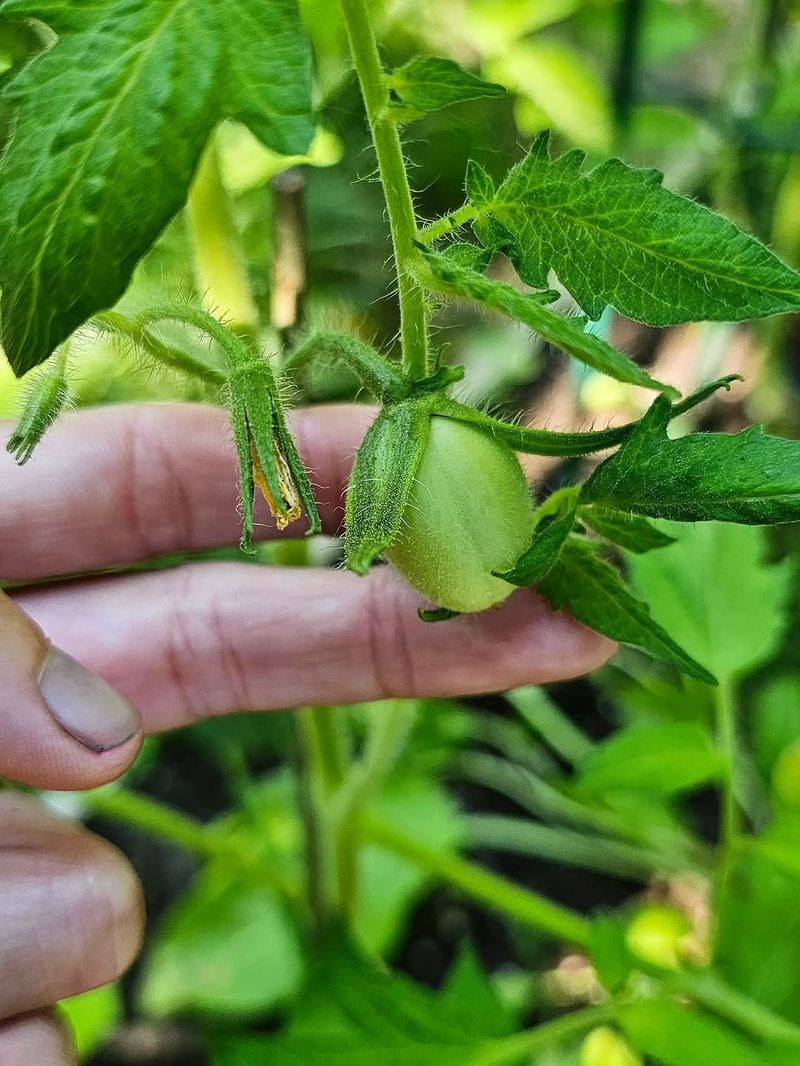
After a heat wave passes, many California gardeners expect their tomato plants to bounce back quickly. The truth is a bit more complicated, and understanding that timeline helps avoid disappointment when fresh tomatoes do not appear right away.
Even after temperatures ease, the plant needs time to form new flower buds. Those buds then need to open, get pollinated, and begin developing into fruit.
Depending on the variety and the growing conditions, that process can take several weeks from the time new blossoms first appear. Cooler days help, but the calendar still has to do its part.
In California, the timing of that recovery depends a lot on where you are growing. Coastal gardens that see regular afternoon fog may recover faster than gardens in hot inland areas where temperatures stay elevated longer.
Raised beds and containers in full sun may also take more time to cool down, which can delay the appearance of new blossoms even after a heat event ends.
Looking for small, tightly closed buds on the growing tips of your plant is an encouraging sign that new production is on its way. Those buds are a signal that the plant is moving past the stress of the heat and preparing to try again.
Keeping the plant well-watered and lightly shaded during this recovery window can support that process and help the next round of flowers have a better chance of holding on and setting fruit.
6. Dry Soil Adds Another Layer Of Stress
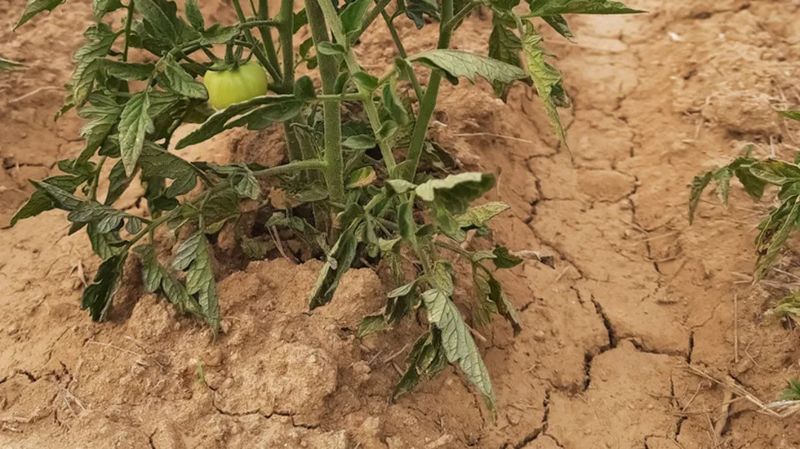
Hot days and dry soil are a difficult combination for tomato plants trying to survive a California heat wave.
When the soil dries out too quickly between waterings, the plant faces two stressors at once, and that double burden can make heat damage significantly worse.
Tomatoes need consistent moisture to keep leaves firm, move nutrients through the plant, and support flower and fruit development.
When soil moisture drops too low, the plant may start pulling back from non-essential functions, and reproduction is often one of the first things to slow down.
A plant fighting drought stress on top of heat stress has very little energy left for setting new fruit.
In California’s warm inland regions, soil in raised beds and containers can dry out surprisingly fast during a heat wave. Checking soil moisture daily, or even twice a day during extreme heat, is a reasonable approach.
Pushing a finger a few inches into the soil gives a quick and reliable read on whether the plant needs water.
Mulching around the base of tomato plants helps slow evaporation and keeps root-zone temperatures lower. Straw, wood chips, or even dry leaves spread a few inches thick can make a meaningful difference.
Drip irrigation or soaker hoses are especially useful during heat waves because they deliver water directly to the roots without wetting the leaves, which can reduce sun scorch during the hottest parts of a California summer day.
7. Shade Cloth Can Reduce Heat Damage
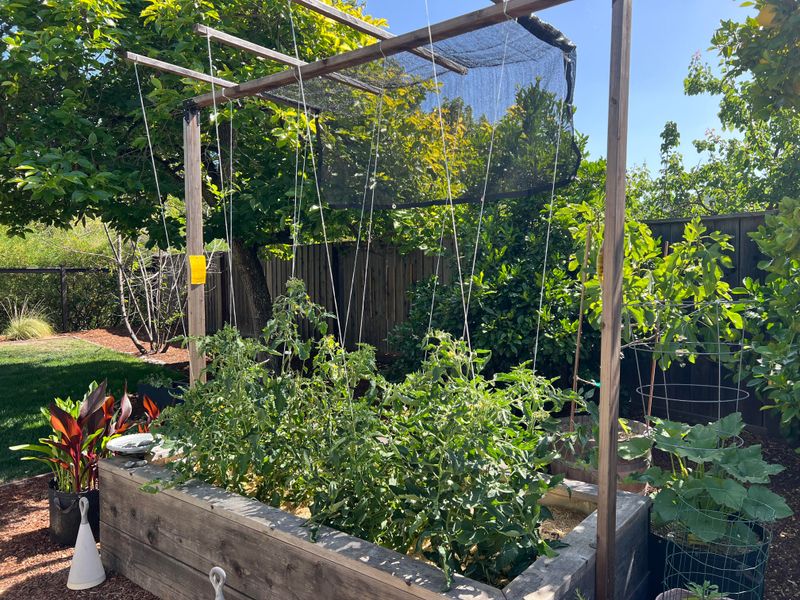
One of the most practical tools California tomato growers have during a heat wave is shade cloth, and it is worth knowing how to use it before temperatures peak.
Shade cloth is a lightweight, breathable fabric that blocks a portion of sunlight without cutting off airflow, which helps bring leaf temperatures down during the hottest parts of the day.
A 30 to 40 percent shade cloth is often a reasonable starting point for tomatoes. Too much shade can slow the plant’s growth and reduce fruit production over time, so finding a balance matters.
The goal is to take the edge off extreme afternoon sun without turning the garden into a dark, underperforming space.
Setting up shade cloth before a heat event is more effective than scrambling to install it once temperatures are already extreme. Draping it over a simple frame or tying it to stakes above the plant can provide meaningful protection during the worst afternoon hours.
In California’s inland valleys, where summer sun is intense, even a few degrees of temperature reduction at the leaf level can make a difference for pollen health and flower retention.
Removing shade cloth on cooler days or after a heat wave passes allows the plant to return to full sun production.
Shade cloth is not a cure for heat stress, but used thoughtfully, it can help tomato plants hold more flowers and recover faster once conditions begin to improve across California gardens and raised beds.
8. Production Often Returns After Temperatures Ease
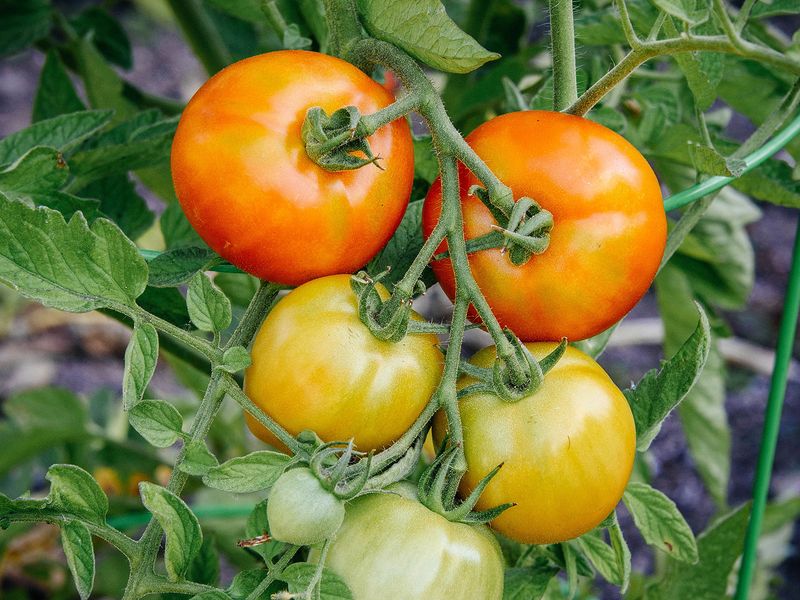
Delayed harvests are discouraging, but the encouraging reality is that most healthy tomato plants in California gardens do recover once a heat wave passes. The plant has not lost its ability to produce fruit.
It has simply been waiting for conditions that allow pollination and fruit set to succeed again.
Once temperatures ease back into a more reasonable range, new flower buds begin to form on the growing tips. Those flowers open, get pollinated, and start developing into fruit.
Depending on the tomato variety, you may see small green tomatoes appearing within a few weeks after the heat breaks. Cherry tomato varieties tend to bounce back a bit faster than larger slicing types.
Keeping the plant healthy during the recovery period gives it the best opportunity to produce well. Consistent watering, light fertilizing if needed, and removing any dried or spent flower stems can help redirect the plant’s energy toward new growth.
Avoid heavy pruning during this time, since the plant needs its leaves to support recovery.
California’s summer growing season is long enough that a heat-related pause does not have to mean the end of your harvest.
Many gardeners see a strong second wave of production in late summer and into fall, especially in areas where temperatures moderate after August.
Staying patient, keeping the plant watered, and watching for those new buds is the most rewarding approach after a difficult stretch of heat.