Pennsylvania’s Most Overlooked Native Perennial That Blooms Longer Than Any Hosta
Hostas have dominated Pennsylvania shade and border gardens long enough that they have started to feel inevitable, the plant you plant when you are not sure what else to plant.
They are reliable, no question about that, but reliable and interesting are not the same thing, and hostas bloom briefly and then spend most of the season as a foliage backdrop.
Pennsylvania has a native perennial that outperforms hostas on nearly every measure that actually matters to a gardener who wants sustained seasonal interest.
It blooms across a stretch of summer that hostas cannot come close to matching, attracts pollinators consistently through its entire bloom period, and comes back each year with more energy than the season before.
It grows in gardens across Pennsylvania already, often unrecognized for how exceptional it actually is compared to what most people plant around it. Once you start seeing it clearly, the hosta next to it starts looking like a missed opportunity.
Black-Eyed Susan Delivers Months Of Color While Hostas Finish Their Flower Show Early
Hostas are the royalty of the shade garden. Gardeners love them for their thick, glossy leaves that come in dozens of colors and patterns.
But here is the truth most plant tags do not tell you: hosta flowers last only a couple of weeks at best. After that brief moment of bloom, the show is basically over for the season.
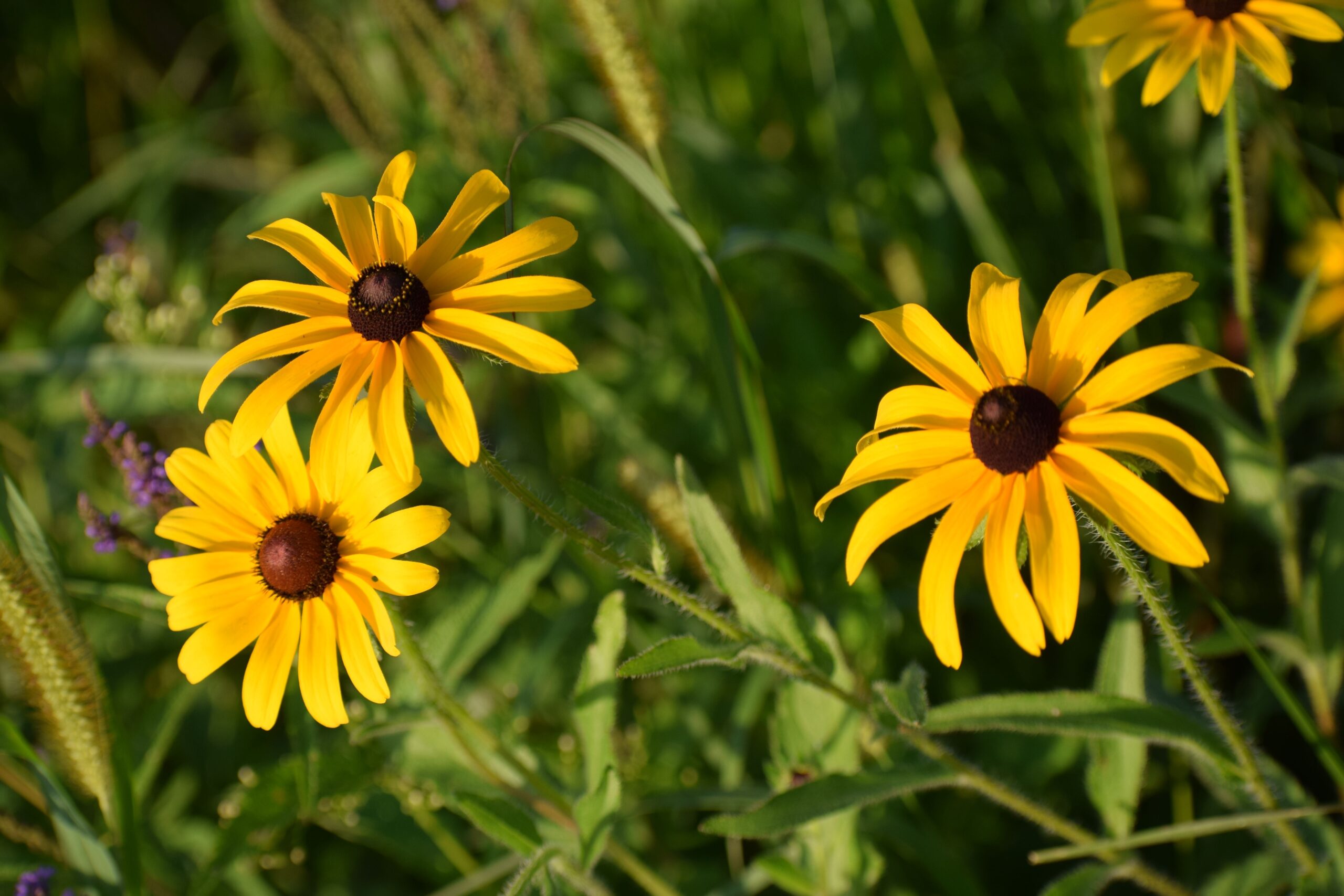
Black-Eyed Susan tells a completely different story. Those bold yellow petals with the dark chocolate center keep showing up from early summer and do not stop until fall frost arrives.
That is not a few weeks of color. That is months of steady, cheerful blooming in your garden beds.
As a native Pennsylvania perennial, Black-Eyed Susan has been growing in this region long before anyone planted a single hosta.
It evolved right here, which means it already knows how to handle Pennsylvania summers, clay-heavy soils, and unpredictable rain. It does not need much help from you to look good.
When you plant it alongside hostas, the difference in bloom time is obvious. Hostas go quiet while Black-Eyed Susan keeps delivering.
For gardeners who want color that lasts all season without a lot of fuss, this native wildflower is one of the smartest choices you can make for a Pennsylvania yard.
It Blooms For Much Longer Than Most Gardeners Expect
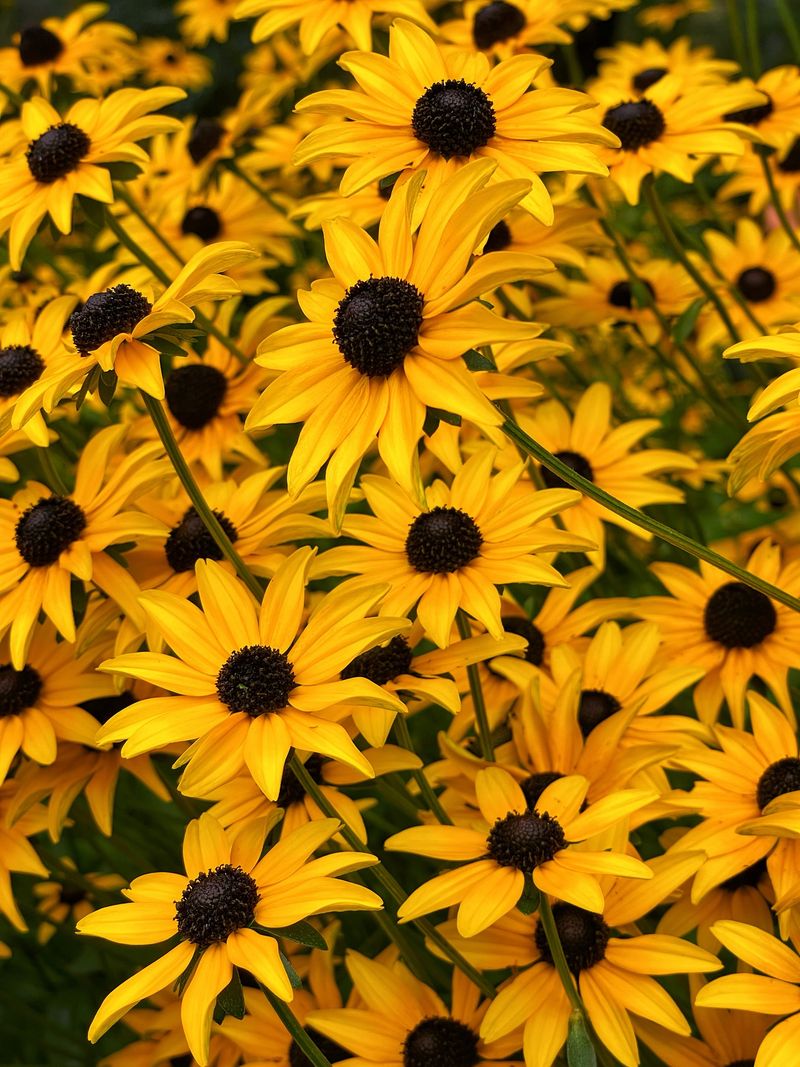
Ask most people when Black-Eyed Susan blooms and they will guess July and August. That answer is not wrong, but it leaves out a lot.
Many varieties start showing flowers as early as June. Some keep going strong all the way into October. That kind of bloom window is rare for any perennial, let alone one this easy to grow.
Part of what makes the bloom period so long is the way new flower buds keep forming on branching stems. Instead of pushing out one big flush of flowers all at once, Black-Eyed Susan staggers its blooms.
One stem finishes while another is just opening. That rolling pattern keeps the garden looking fresh for weeks on end.
Your Pennsylvania Garden Changes Every Week. Your Plan Should Too.
Gardening in Pennsylvania changes quickly throughout the season. Every Friday you’ll receive a simple weekly plan showing exactly what to plant, prune, fertilize, harvest, and protect so you never miss the right timing.
Certain cultivars push this even further. Varieties like ‘Goldsturm’ are famous for their extended blooming habit, putting out waves of flowers from midsummer deep into fall.
Even the straight native species, Rudbeckia hirta, holds its blooms for an impressive stretch of time with almost no extra care needed.
For comparison, most hostas bloom for roughly two to three weeks. Some gardeners barely notice hosta flowers before they are gone.
Black-Eyed Susan gives you a bloom season that stretches across three or even four months. If you want your garden to look alive and colorful from summer into fall without replanting or deadheading constantly, this perennial earns its place every single year.
It Thrives In Pennsylvania Heat And Humidity
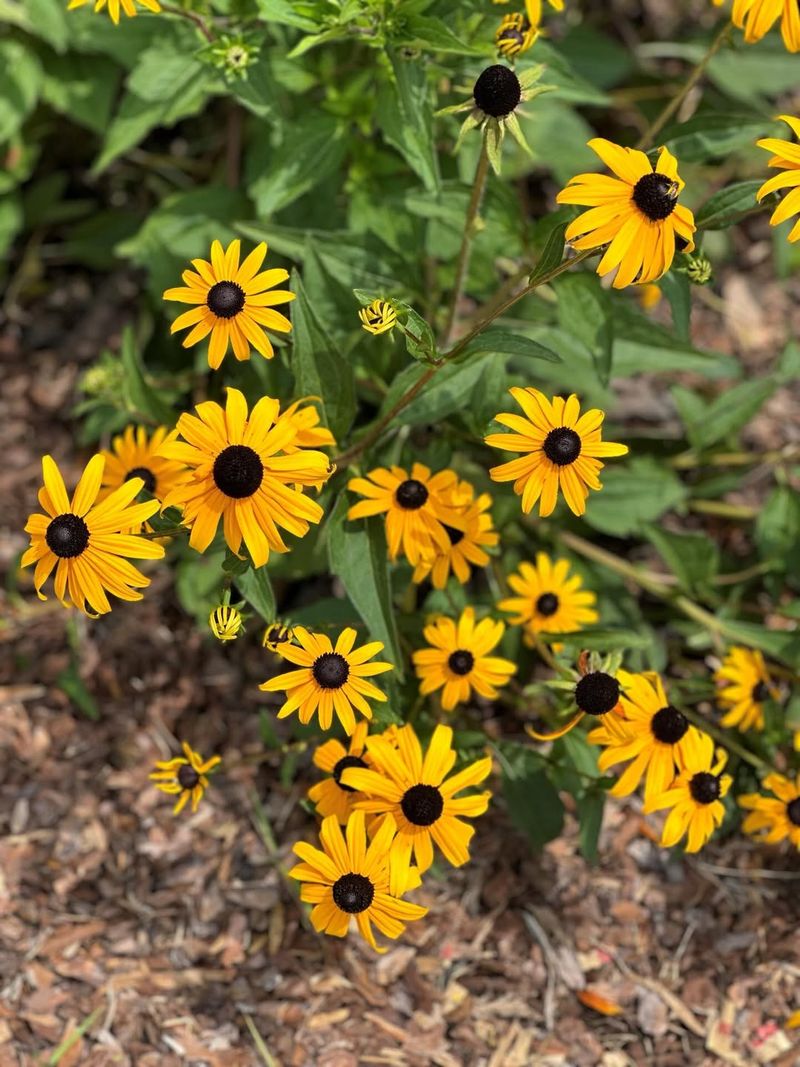
Pennsylvania summers can be brutal. Heat stacks up in July and August, humidity makes the air feel thick, and many ornamental plants start looking tired and droopy by midsummer.
Black-Eyed Susan barely notices. It was built for exactly this kind of weather because it has been living through Pennsylvania summers for thousands of years.
One reason it handles heat so well is its root system. Once established, Black-Eyed Susan sends roots deep into the soil.
Those deep roots help it pull up moisture during hot spells when the top few inches of ground dry out quickly. A week without rain that would stress a hosta barely slows this plant down.
Average garden soil is perfectly fine for Black-Eyed Susan. You do not need to amend heavily or add special fertilizers.
In fact, soil that is too rich can cause the plants to grow tall and floppy instead of producing more flowers. Lean soil actually encourages better blooming, which is great news for Pennsylvania gardeners dealing with rocky or clay-heavy ground.
Full sun is where it really shines. Give it six or more hours of direct sunlight and it will reward you with the most flowers possible.
It can handle a little afternoon shade, but heavy shade cuts down on blooms significantly. For hot, sunny spots in the yard where other plants struggle to look their best all summer, Black-Eyed Susan is one of the most reliable choices available to Pennsylvania gardeners.
Pollinators Can’t Get Enough Of It
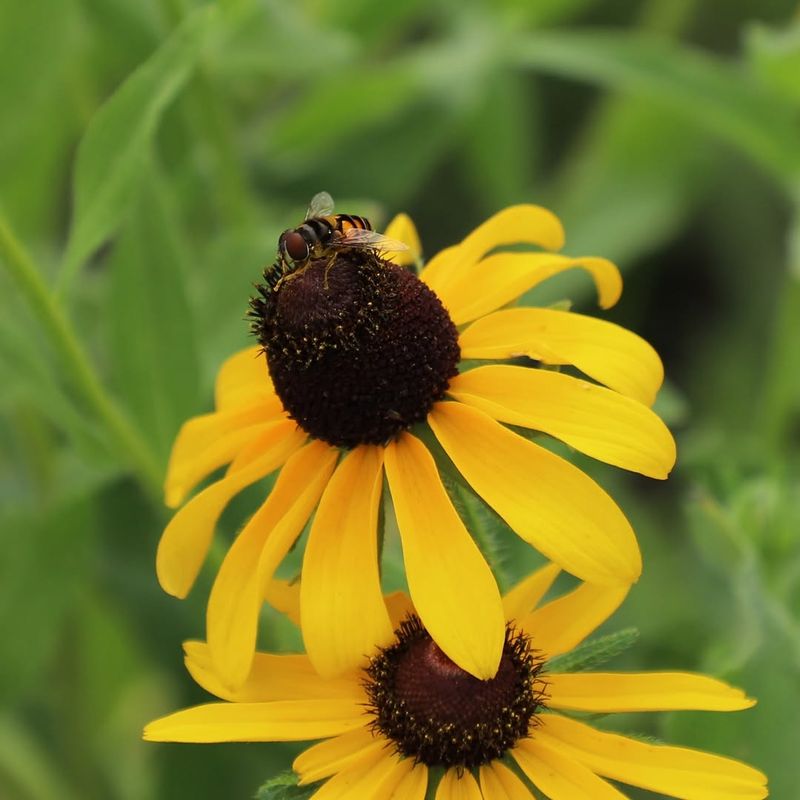
Walk past a patch of Black-Eyed Susan on a warm afternoon and you will notice something right away: the buzzing. Bees absolutely love this plant.
Bumblebees, honeybees, and native solitary bees visit the flowers constantly from the moment they open in the morning until the light fades. The flat, open flower shape makes nectar easy to reach, which is why so many bee species prefer it.
Butterflies are just as enthusiastic. Monarchs, swallowtails, painted ladies, and skippers all show up regularly to feed on the nectar.
During summer migration, these flowers can be a critical fuel stop for butterflies passing through Pennsylvania. Planting a few clumps of Black-Eyed Susan in your yard is one of the simplest things you can do to support local butterfly populations.
Beyond nectar, the plant also supports other beneficial insects. Small native bees sometimes use the stems for nesting.
Beetles and wasps that prey on garden pests visit the flowers too, which can actually help keep your garden healthier overall. It is a small wildlife ecosystem packed into one cheerful yellow flower.
When the blooms finally fade in fall, the seed heads take over as a food source. Goldfinches and other seed-eating birds cling to the dried stems and pick the seeds out one by one.
Leaving the seed heads standing through winter gives birds a free meal and adds interesting texture to the winter garden. Few plants offer this much wildlife value across so many seasons without any extra effort from you.
It Looks Great Even As Summer Turns To Fall
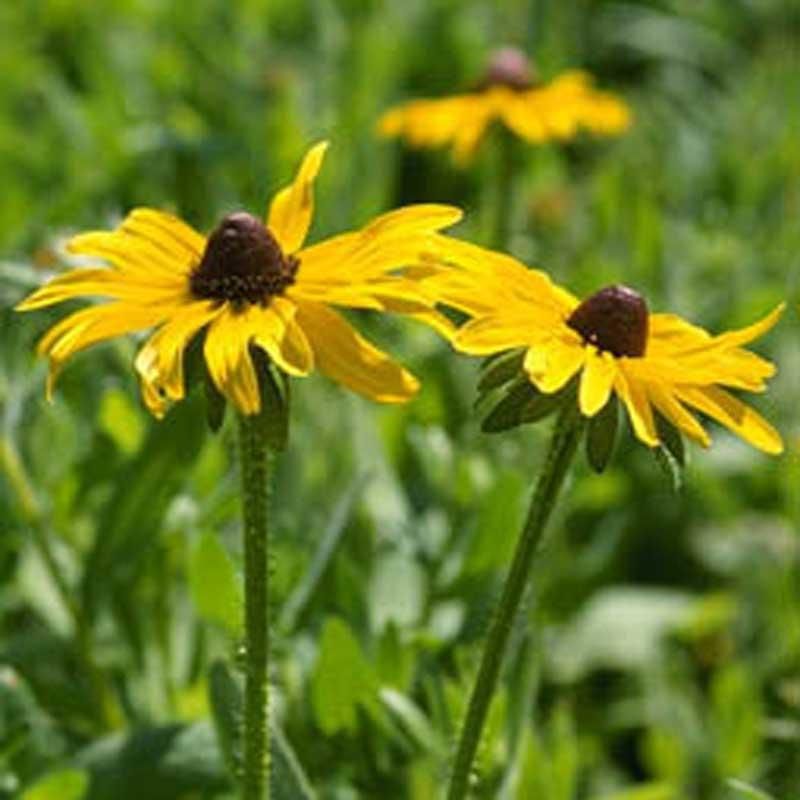
Late August arrives and most perennials start looking worn out. Daylilies have gone quiet. Hostas are still leafy but not doing much. Coneflowers are winding down.
Meanwhile, Black-Eyed Susan is still going strong, pumping out fresh yellow blooms like summer never got the memo that it was ending.
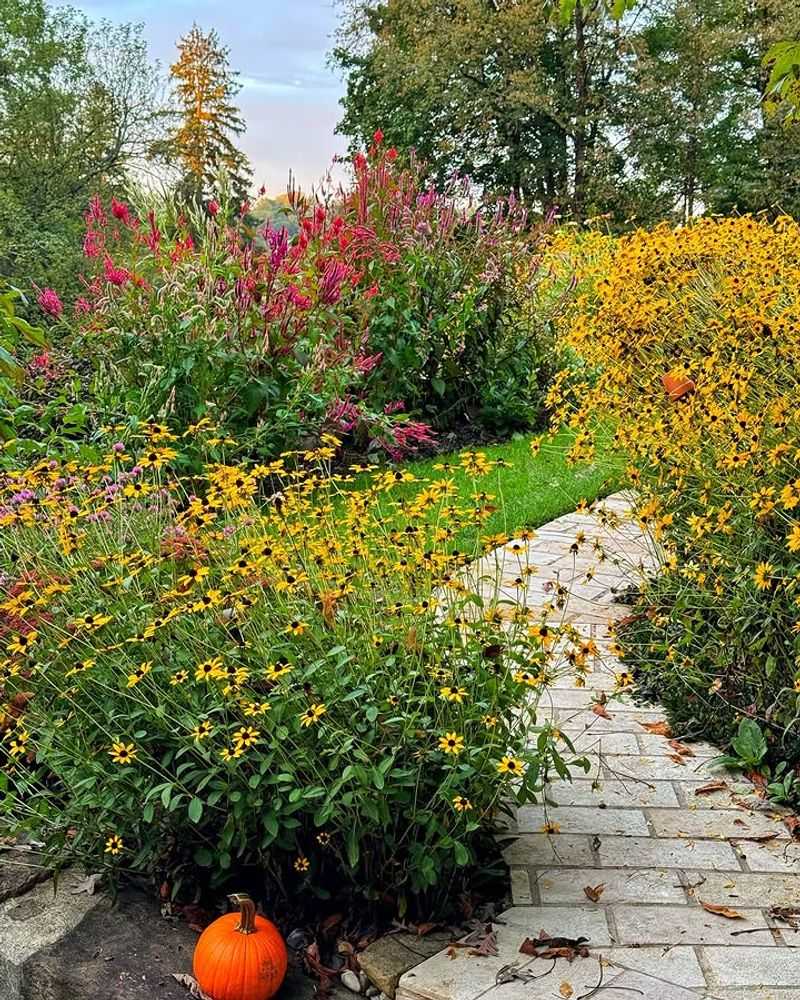
That late-season staying power is one of the things gardeners appreciate most once they start growing it. The bright golden yellow of the petals actually looks even more striking in fall when it contrasts with the warm oranges and reds of changing leaves nearby.
It is like the plant was designed to look its best right when everything else is fading. As the flowers finally finish, the seed heads that form are not just useful for birds. They add real visual interest to the garden through fall and into winter.
The dark, rounded centers on their tall stems create structure and texture in a season when most gardens look flat and bare. Many gardeners intentionally leave them standing for exactly this reason.
Pairing Black-Eyed Susan with ornamental grasses, asters, or goldenrod creates a fall garden that looks intentional and full of life well past the first cool nights.
The combination of yellow blooms, bronze seed heads, and swaying grass creates a layered seasonal display that takes almost no planning to pull off.
For gardeners who want color and interest from July all the way through November, this native perennial is one of the best tools available in Pennsylvania.
It Practically Takes Care Of Itself
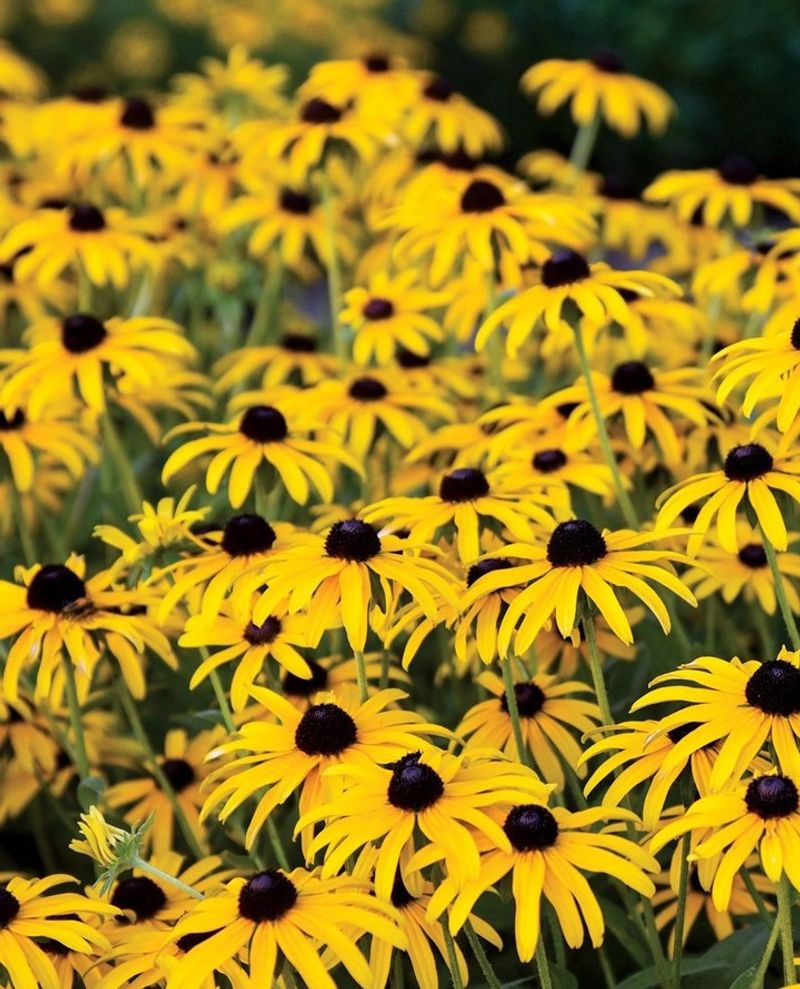
Some plants make you work for every bloom. They need constant feeding, careful watering schedules, and attention every few weeks just to stay alive.
Black-Eyed Susan is not one of those plants. Once it gets settled into your garden, it pretty much handles itself from season to season without much help from you at all.
The first year after planting, give it regular water while the roots get established. After that, you can mostly step back.
Established plants handle dry spells on their own, bounce back after heavy rain, and do not need fertilizer to keep producing flowers. Deadheading spent blooms can encourage a second flush, but it is completely optional.
Skip it and the plant will still look great. Here is something fun: Black-Eyed Susan self-seeds freely. One plant can become three or four plants within a season or two as seeds drop and sprout nearby.
Over time, a small clump can fill in a whole bed naturally. This spreading habit makes it a fantastic choice for naturalizing along fences, meadow edges, or any spot where you want coverage without replanting every year.
It also returns reliably as a perennial in most Pennsylvania gardens. Some forms behave more like biennials, but named cultivars like ‘Goldsturm’ are dependably perennial and come back stronger each spring.
Dividing clumps every few years keeps them vigorous and gives you extra plants to spread around the yard. For gardeners who want beauty without constant effort, this native wildflower is about as close to effortless as a garden plant can get.