June Is Not Too Late To Plant These Pennsylvania Garden Favorites
June has a reputation in Pennsylvania as the month when serious planting is winding down, and a lot of gardeners treat it as the end of the window rather than part of it.
That assumption causes people to miss out on a surprisingly productive stretch of the growing season.
Pennsylvania’s summer is longer and more forgiving than the spring rush mentality gives it credit for, and there are quite a few plants that go into the ground in June and perform better for it, skipping the frost risk and transplant stress that earlier planting sometimes brings.
Some of them establish faster in warm June soil than they ever would have in cool April ground.
Others are specifically timed to shine later in summer and into fall, which means starting them now puts them right on schedule.
If you have been eyeing empty bed space and wondering whether it is worth planting anything this late, the answer is genuinely yes for more options than most people expect.
1. Zinnia
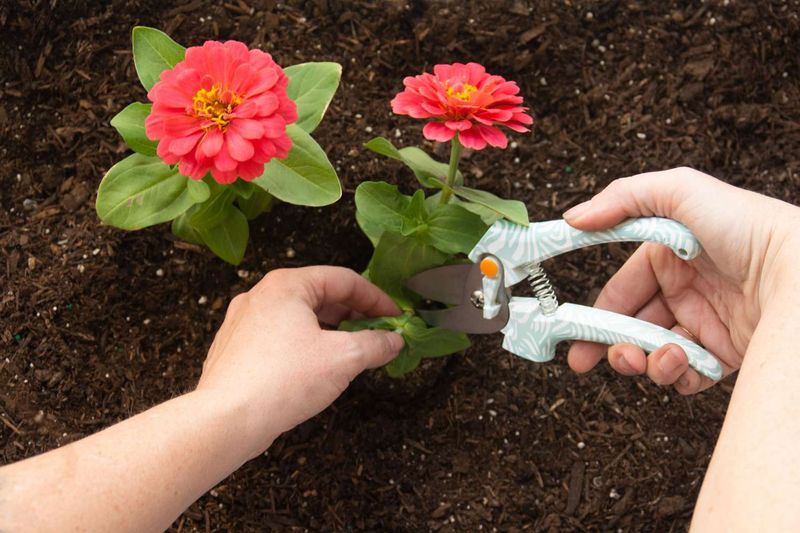
Few flowers bring as much joy to a summer garden as the zinnia. These bold, cheerful blooms come in nearly every color you can imagine, from deep red and hot pink to soft lavender and bright orange.
Zinnias are one of the easiest flowers a beginner can grow, and planting them in June gives them exactly what they love most: warm soil and plenty of sunshine.
Zinnias germinate quickly, often sprouting within just a few days of being planted. Once they are established, they grow fast and start blooming in as little as six to eight weeks.
That means if you plant them now, you could have a full display of color by late July that lasts well into October.
To get started, simply sow the seeds directly into the ground about a quarter inch deep. Space them around six inches apart so each plant has room to spread out.
Zinnias prefer full sun, so choose a spot that gets at least six hours of direct sunlight each day.
Water them at the base of the plant rather than overhead to keep the leaves dry and healthy. Once they start blooming, snip off spent flowers regularly. This practice, called deadheading, encourages the plant to produce even more blooms.
Zinnias also attract butterflies and hummingbirds, making your garden feel alive with movement and color. They are heat-tolerant, low-maintenance, and absolutely stunning.
For Pennsylvania gardeners planting in June, zinnias are a no-fail choice worth every bit of effort.
2. Marigold
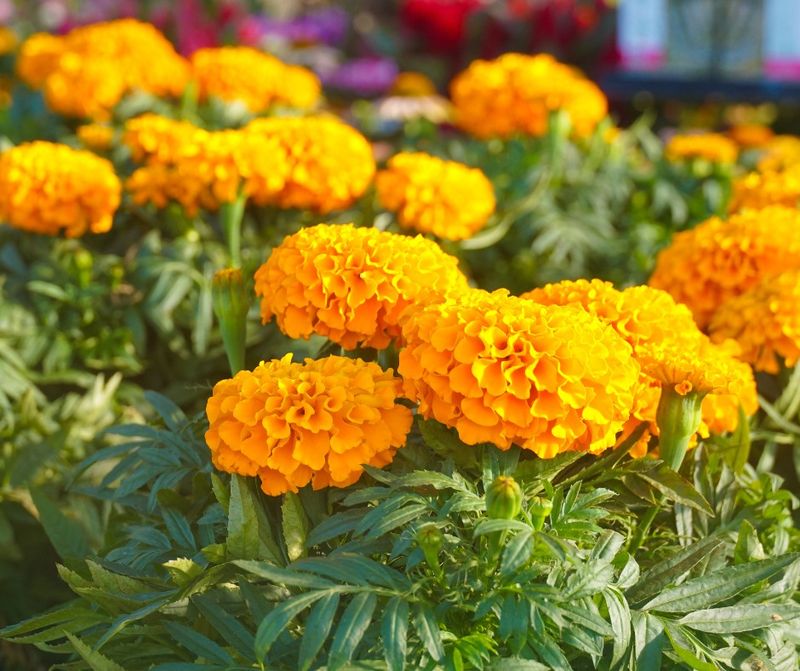
Marigolds have been a garden staple for generations, and there is a very good reason for that. These tough, fast-growing flowers establish themselves quickly in warm June soil and keep producing cheerful blooms all the way through the first frost.
Pennsylvania gardeners have relied on marigolds for decades, and once you grow them, you will understand why.
One of the best things about marigolds is how versatile they are. You can plant them along borders, tuck them into containers, or scatter them throughout a vegetable garden.
Your Pennsylvania Garden Changes Every Week. Your Plan Should Too.
Gardening in Pennsylvania changes quickly throughout the season. Every Friday you’ll receive a simple weekly plan showing exactly what to plant, prune, fertilize, harvest, and protect so you never miss the right timing.
Many experienced gardeners plant marigolds near tomatoes, peppers, and squash because they naturally repel certain pests like aphids and whiteflies. That makes them both beautiful and practical.
Marigolds prefer full sun and well-drained soil. When planting in June, water them in well after transplanting or sowing seeds.
They are drought-tolerant once established, but a consistent watering schedule during the first few weeks will help them settle in faster.
Deadhead spent blooms regularly to encourage continuous flowering throughout the season.
Marigolds come in several varieties, including French marigolds, which stay compact and bushy, and African marigolds, which grow tall and produce large, pompom-like flowers. Both do wonderfully in Pennsylvania summers.
Did you know marigolds have been used in cooking and herbal medicine for centuries? Their petals are edible and can be added to salads for a pop of color.
Whether you grow them for beauty, pest control, or both, marigolds are a June planting winner every time.
3. Cucumber
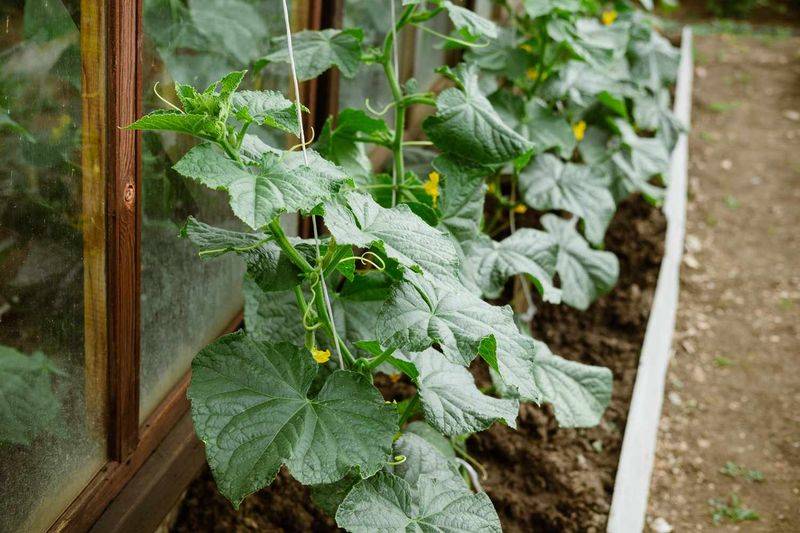
Cucumbers are one of those vegetables that just seem to explode with growth once the weather gets warm. By June in Pennsylvania, the soil has fully warmed up, and that is exactly the condition cucumbers need to take off.
If you plant cucumber seeds or transplants now, you can realistically expect to be harvesting fresh cucumbers by late July or early August.
Cucumbers grow fast. Under the right conditions, a cucumber plant can go from a tiny seedling to a full-grown vine in just a few weeks.
They love heat, consistent moisture, and plenty of sunshine. Choose a spot in your garden that gets at least six to eight hours of sun daily for the best results.
You can grow cucumbers on the ground, but giving them a trellis or cage to climb saves space and keeps the fruit off the soil. This also helps improve air circulation around the plant, which keeps it healthier throughout the season.
Bush varieties work well in smaller gardens or containers if space is limited. Water cucumbers deeply and consistently, aiming for about an inch of water per week. Uneven watering can lead to bitter-tasting fruit, so try to keep the moisture level steady.
A layer of mulch around the base of the plants helps retain soil moisture and keeps roots cool during hot spells.
Cucumbers are incredibly rewarding to grow. There is something deeply satisfying about pulling a crisp, cool cucumber straight from your own garden on a hot summer afternoon in Pennsylvania.
4. Basil
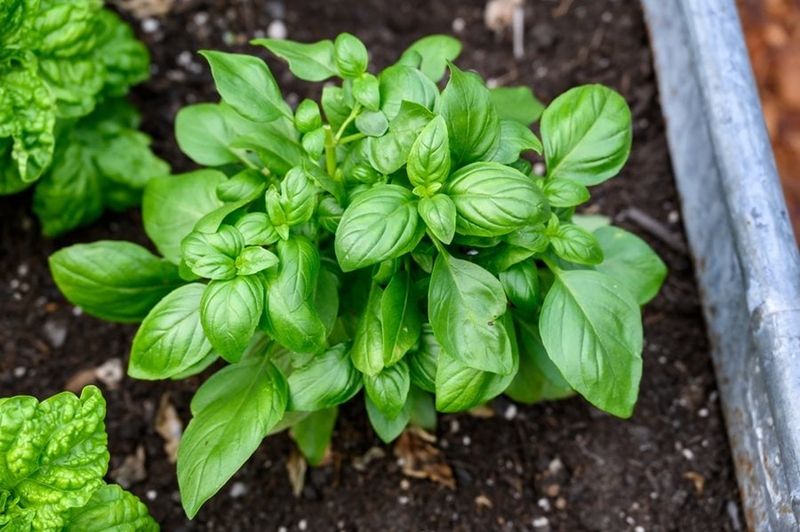
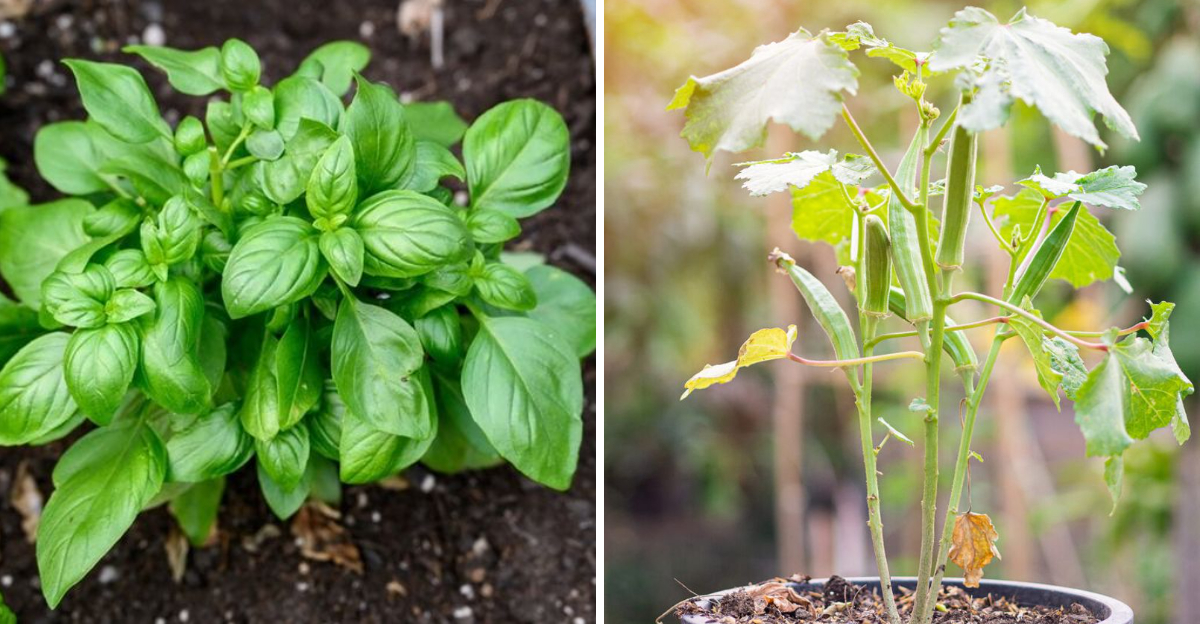
Walk past a basil plant on a warm summer day and brush your hand across its leaves. That rich, sweet, slightly peppery aroma is one of the most satisfying smells in all of gardening.
Basil is a warm-weather herb through and through, and planting it in June means it goes into the ground at exactly the right moment.
Earlier in the spring, cool nights can stress basil plants and stunt their growth. But by June, Pennsylvania nights have warmed up enough that basil can truly settle in and thrive.
Many experienced herb gardeners actually prefer waiting until June to plant basil for this very reason. You skip the cold-weather struggles and go straight to lush, productive growth.
Plant basil in a sunny spot with well-drained soil. It needs at least six hours of direct sunlight each day to grow well.
If you are short on garden space, basil grows beautifully in pots on a patio or deck. A container near your kitchen door is especially handy when you need a quick handful for cooking.
Pinch off the flower buds as soon as they appear. This keeps the plant focused on producing flavorful leaves rather than going to seed.
Regular harvesting also encourages the plant to stay bushy and full rather than growing tall and leggy.
Basil pairs wonderfully with tomatoes in the garden and on the plate. Growing both together is a classic combination that Pennsylvania home gardeners have loved for a long time. Fresh basil from your own yard makes homemade pasta sauce taste incredibly good.
5. Okra
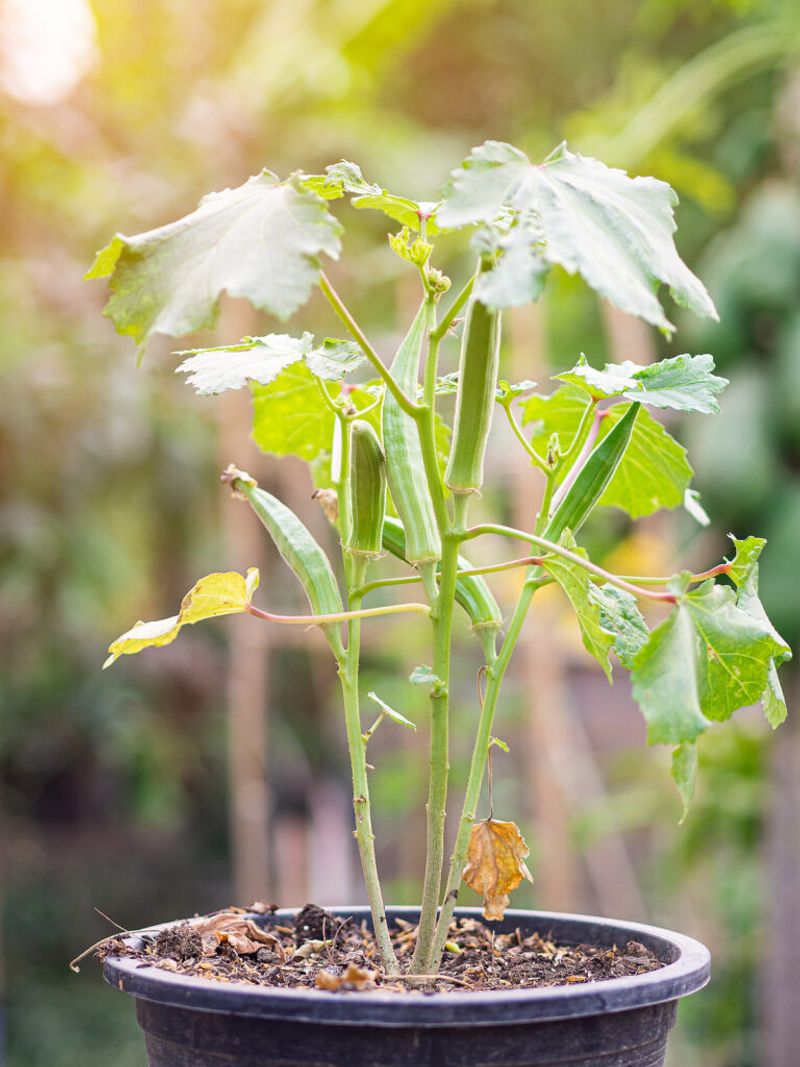
Okra might not be the first plant that comes to mind when you think of a Pennsylvania garden, but it absolutely deserves a spot in yours.
This heat-loving vegetable thrives in the kind of hot, sunny summers that Pennsylvania delivers, and planting it in June gives it plenty of time to produce a generous harvest before the season ends.
Okra grows tall and striking, sometimes reaching five or six feet in height by the end of summer. Its flowers are gorgeous, resembling hibiscus blooms with creamy yellow petals and a deep red center.
Even if you have never eaten okra before, the plant alone is worth growing for its looks. Plant okra seeds directly in the ground after any risk of cool nights has passed. Soak the seeds in water for a few hours before planting to help speed up germination.
Space plants about 12 to 18 inches apart in a sunny location with good drainage. Okra does not like to sit in wet soil, so make sure water moves through freely.
Once established, okra is surprisingly low-maintenance. It handles heat and even brief dry spells better than many other vegetables.
Harvest the pods when they are two to four inches long for the best texture and flavor. Pods left on the plant too long become tough and fibrous.
Okra can be roasted, grilled, pickled, or added to soups and stews. Growing your own means you get to enjoy it at peak freshness, which is a completely different experience from anything you find in a store.
6. Black-Eyed Susan
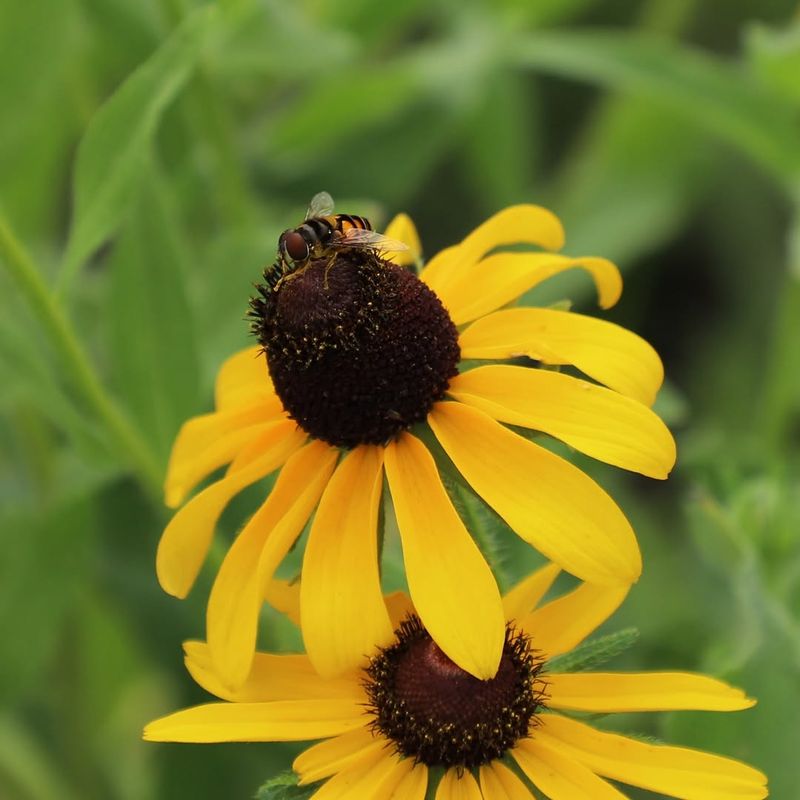
There is something wonderfully wild and free about Black-Eyed Susans. Their golden yellow petals surrounding a dark chocolate-brown center look like little bursts of sunshine scattered across the garden.
Native to North America and well-adapted to Pennsylvania’s climate, these cheerful perennials are one of the best plants you can add to your garden in June.
Garden experts consistently point out that June is still an excellent time to establish Black-Eyed Susans. Plants set in the ground now will develop strong root systems throughout the summer and reward you with late-season blooms in August and September.
In following years, they come back even stronger, spreading gradually to fill more space in your garden.
Black-Eyed Susans are incredibly tough. They handle heat, drought, and poor soil conditions that would stress many other plants.
Choose a sunny location and plant them in well-drained soil. Once they are in the ground and settled, they need very little attention to thrive.
These flowers are also magnets for pollinators. Bees, butterflies, and even goldfinches are drawn to them throughout the season.
If you leave the seed heads standing in fall and winter, birds will visit regularly to feed on the seeds, adding life and movement to your garden even after the blooms have faded.
Black-Eyed Susans look stunning when planted in groups or mixed with purple coneflowers and ornamental grasses.
They bring a natural, meadow-like quality to any garden space and require almost no effort once they are established. For Pennsylvania gardeners, they are truly a gift that keeps giving year after year.
7. Bee Balm
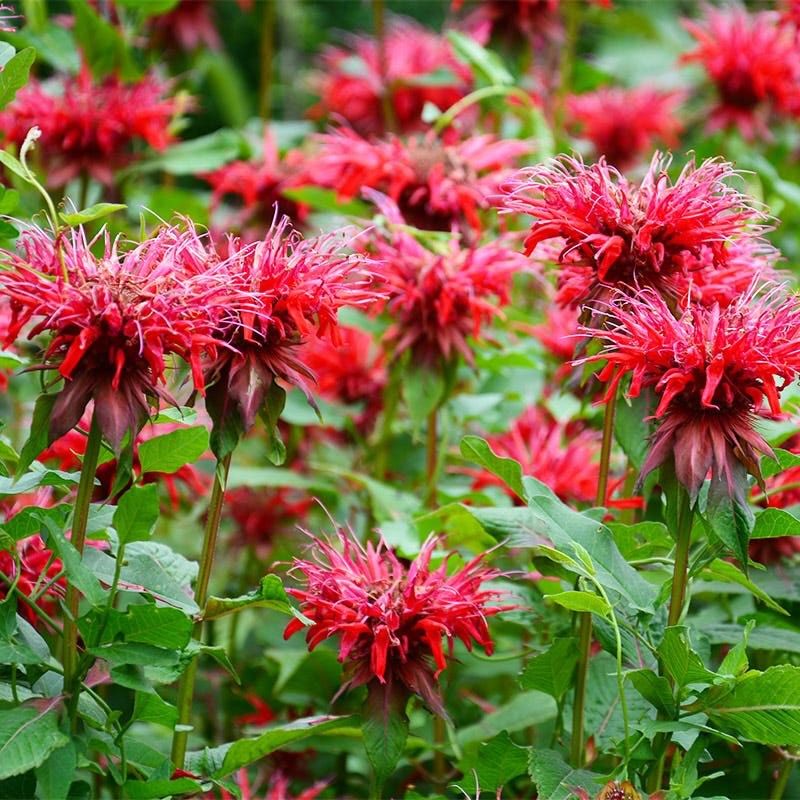
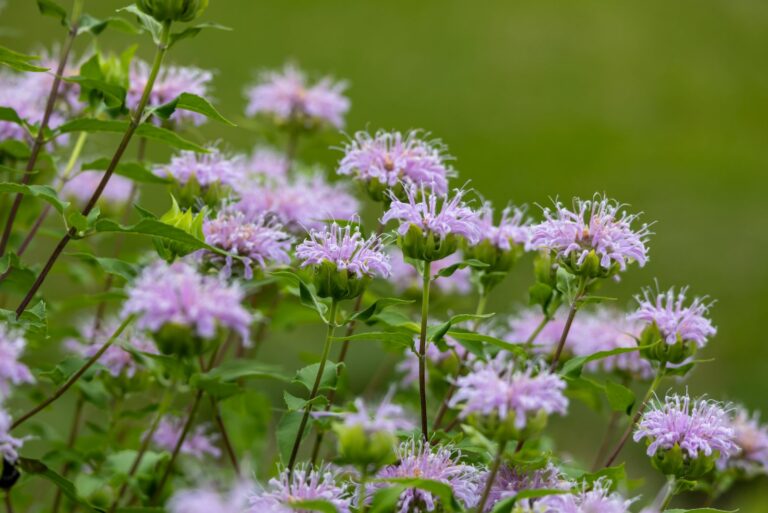
If your garden has ever felt a little too quiet, bee balm is the plant that changes everything. Named for its remarkable ability to attract bees, this native perennial also draws hummingbirds and butterflies in impressive numbers.
Planting it in June gives bee balm enough time to settle in and produce its distinctive shaggy, firework-like blooms later in the season.
Bee balm belongs to the mint family, and like its relatives, it spreads with enthusiasm once it feels at home. This can be a wonderful thing if you have a large area to fill, but if space is limited, simply divide the clumps every couple of years to keep things tidy.
The divided sections can be replanted elsewhere or shared with neighbors who want to attract more pollinators to their own yards.
Plant bee balm in a spot with full sun to partial shade and moist, well-drained soil. Good air circulation around the plants helps prevent powdery mildew, which can sometimes appear on the leaves during humid Pennsylvania summers.
Spacing plants about 18 to 24 inches apart gives each one room to breathe and grow. The blooms come in rich shades of red, pink, purple, and white depending on the variety.
Red varieties tend to be especially popular with hummingbirds, making them a fantastic choice if you enjoy watching those tiny, fast-moving birds visit your garden.
Bee balm also has a long history of use in herbal teas and natural remedies. The leaves have a pleasant, slightly spicy fragrance that smells wonderful when brushed or crushed. It is a plant with personality, purpose, and real pollinator power.