The Vegetable Indiana Gardeners Plant In June For A Full Fall Harvest
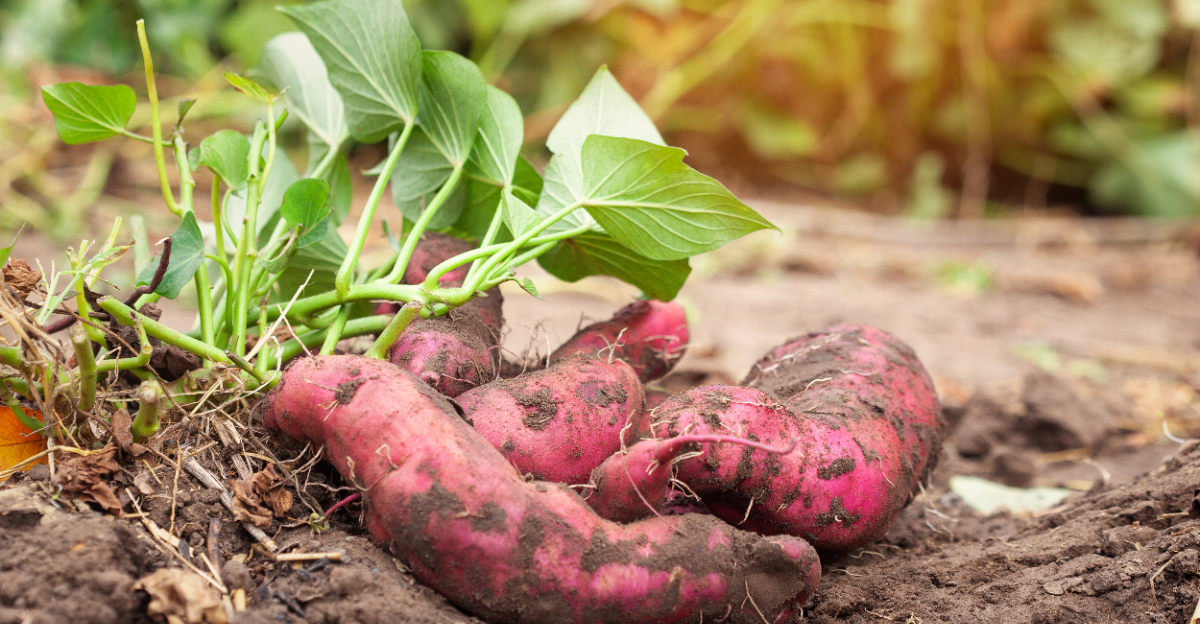
June in Indiana is deceptive. The days are long, the soil is finally warm, and most gardeners are still focused on tomatoes and zucchini.
But the experienced ones in the yard are already thinking about October. They are planting something most people overlook.
It thrives in Indiana’s long, hot summers. It asks for very little and gives back a lot. A few slips planted in June can turn into a wheelbarrow full of golden roots by fall.
It does not need a greenhouse or a complicated planting schedule. Just warm soil, a little patience, and the right know-how.
This is not a vegetable that punishes beginners. It is one that rewards anyone willing to plan ahead. It adapts well to most backyard setups, from sprawling gardens to a handful of raised beds.
The One Crop Every Indiana Senior Gardener Grows In June
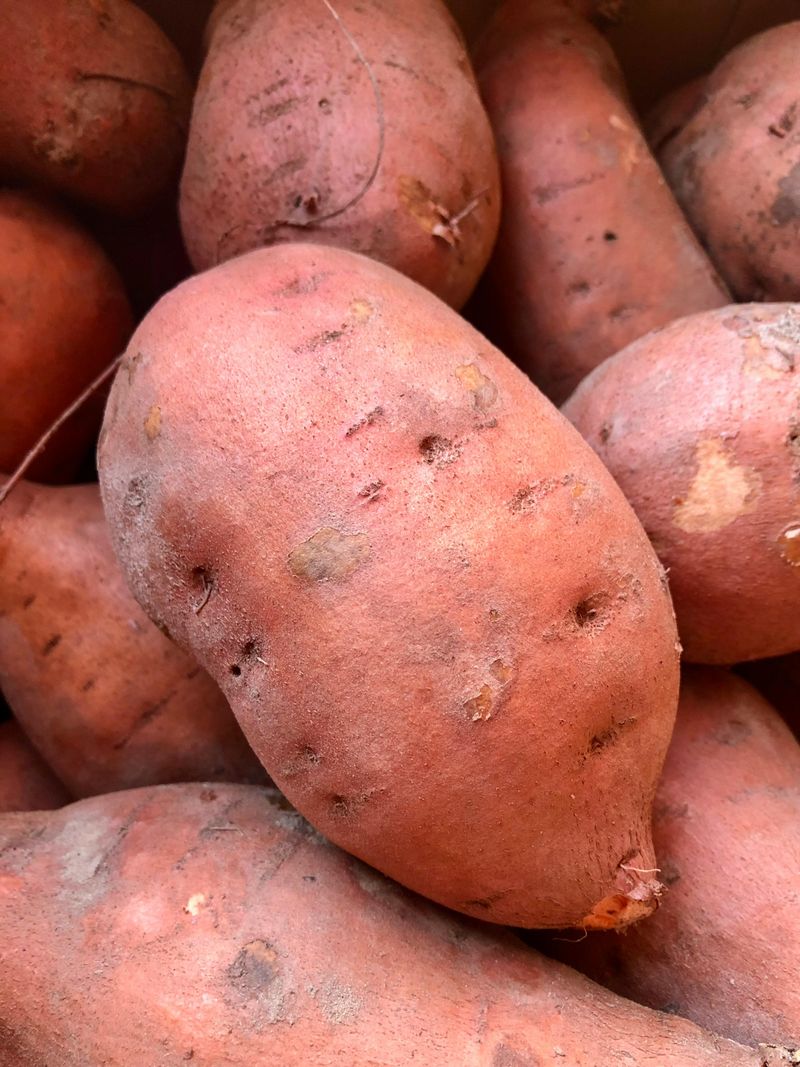
Ask any seasoned Hoosier gardener what goes in the ground every June, and you will hear the same answer fast. Sweet potatoes have been a reliable June planting for many Indiana home gardeners for decades.
These roots thrive in the long, warm days that follow planting. They need about 90 to 120 days to fully develop, making June the perfect launch point for a fat October harvest.
Older gardeners in Indiana swear by sweet potatoes because they are forgiving, productive, and incredibly satisfying to pull from the earth. One slip planted in June can produce five to ten full-sized roots by fall.
Unlike finicky vegetables that demand constant attention, sweet potatoes mostly take care of themselves once established. That low-maintenance quality makes them a reliable choice for gardeners who want results without daily fuss.
Indiana’s climate gives sweet potatoes exactly what they need. The warm nights and humid summers create ideal growing conditions that few other states can match.
Sweet potatoes also store beautifully, stretching a single harvest across months of meals. Growing your own fall sweet potatoes in Indiana is one of the most rewarding things a home gardener can do.
Why June Is The Sweet Spot For Planting Sweet Potatoes In Indiana
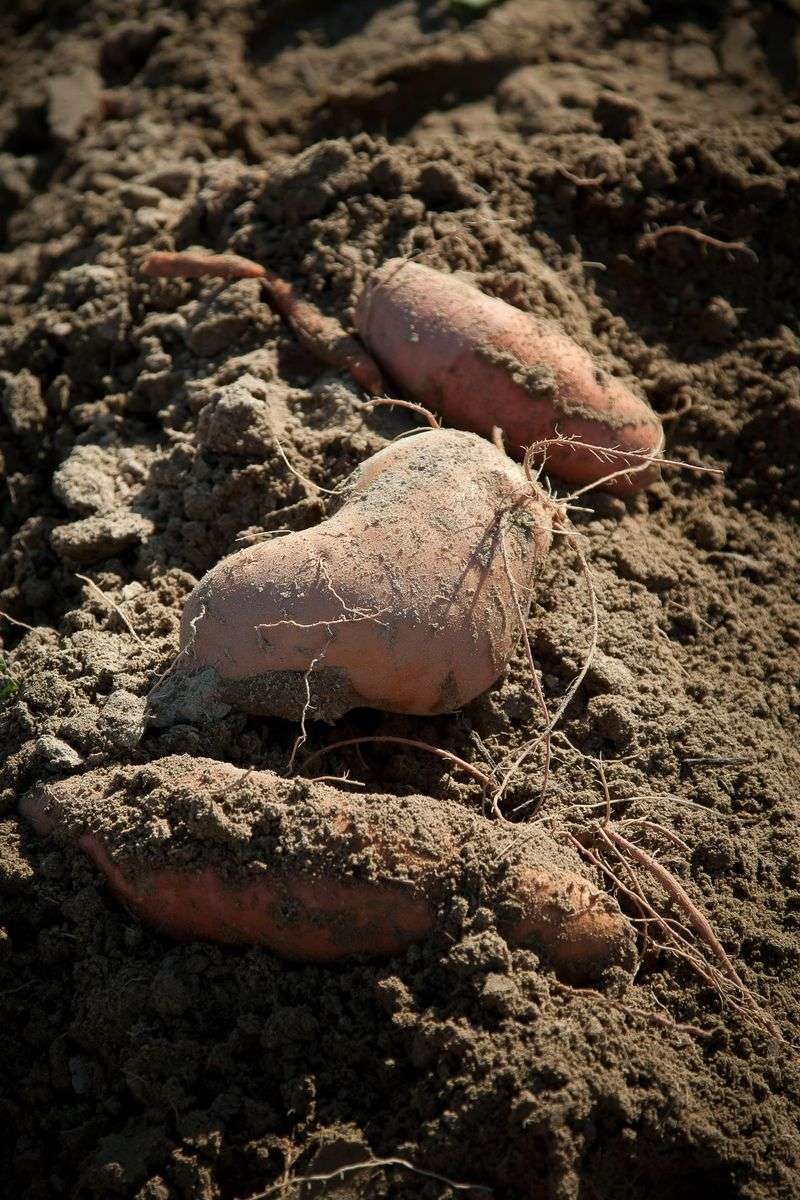
Timing is everything when it comes to sweet potatoes in Indiana. June offers the warm soil temperatures these roots demand to grow strong and deep.
Sweet potatoes need soil that stays above 60 degrees Fahrenheit consistently. In most parts of Indiana, that reliable warmth does not arrive until late May or early June.
Planting too early risks cold soil that stunts growth or rots slips before they root. Waiting until June means your slips hit the ground running in conditions built for success.
Indiana summers deliver the long stretches of heat and sunlight that sweet potatoes love. The crop uses every warm week between June and harvest to pack sugar and starch into each root.
June also gives gardeners enough runway before the first fall frost, which typically arrives in mid-October across Indiana. That window of roughly 120 days is exactly what sweet potatoes need to reach full size.
Your Indiana Garden Changes Every Week. Your Plan Should Too.
Gardening in Indiana changes quickly throughout the season. Every Friday you’ll receive a simple weekly plan showing exactly what to plant, prune, fertilize, harvest, and protect so you never miss the right timing.
Planting in June is not guesswork. It is a calculated move that aligns your garden with Indiana’s natural growing rhythm for a full fall harvest of sweet potatoes.
How To Prepare Your Indiana Soil For Sweet Potatoes
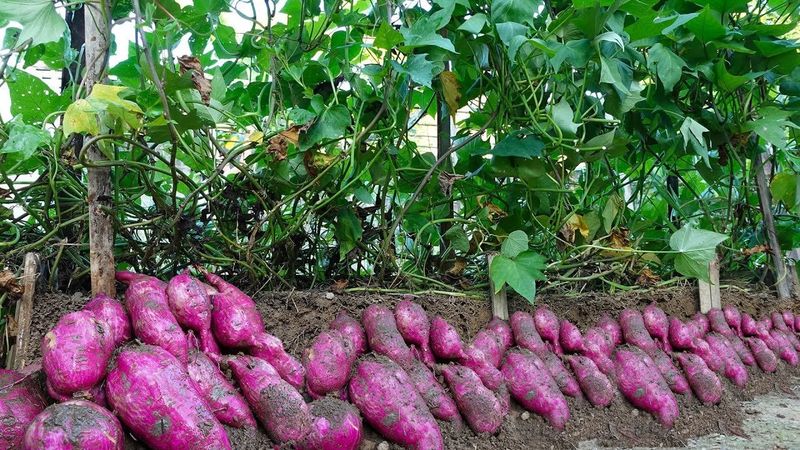
Sweet potatoes do not ask for much, but they are picky about one thing: loose, well-drained soil. Compacted ground forces roots to grow misshapen and small.
Start by loosening your bed at least 12 inches deep. A garden fork works great for breaking up clumps without destroying soil structure.
Mix in compost to boost drainage and add gentle nutrition. Avoid heavy nitrogen fertilizers, which push leafy green growth at the expense of the roots you actually want.
Sweet potatoes prefer slightly acidic soil with a pH between 5.5 and 6.5. A simple home test kit from any garden center can confirm whether your bed is in the right range.
Indiana’s clay-heavy soils can hold too much moisture if left unprepared. Taking time to amend your bed before planting makes a noticeable difference in root size and shape.
Raised rows work especially well for Indiana clay soils. Mounding the soil about 8 to 10 inches high improves drainage and warms up faster in spring, giving your slips a head start.
Good soil preparation is the foundation of a great fall sweet potato harvest. Spend an afternoon getting your bed right, and your plants will reward you with big, beautiful roots come October.
Planting Sweet Potato Slips The Right Way
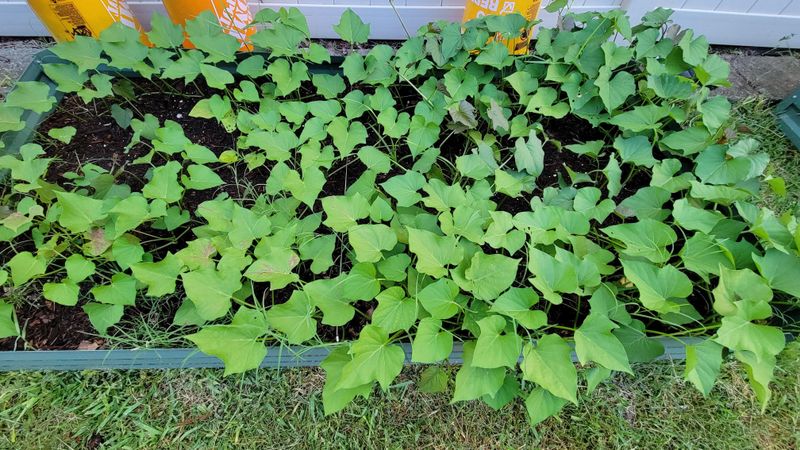
Sweet potato slips look fragile at first glance, but do not let that fool you. These small green shoots are tougher than they appear and root surprisingly fast in warm soil.
Space your slips about 12 to 18 inches apart in rows set roughly 3 feet wide. That spacing gives each plant room to spread its vines and develop a full root system underground.
Plant each slip deep enough to bury at least two leaf nodes below the soil surface. Firm the soil gently around each one and water them in well right after planting.
For the first week, check your slips daily and keep the soil moist but not soggy. Once they perk up and start pushing new leaves, they are rooted and ready to grow on their own.
Buying certified disease-free slips from a reputable nursery makes a real difference. Healthy slips establish faster and face fewer problems throughout the growing season.
Planting sweet potato slips correctly sets the tone for your entire fall harvest. A little care at this stage pays off in a big way when October arrives and digging begins.
Caring For Sweet Potatoes Through Indiana’s Summer Heat
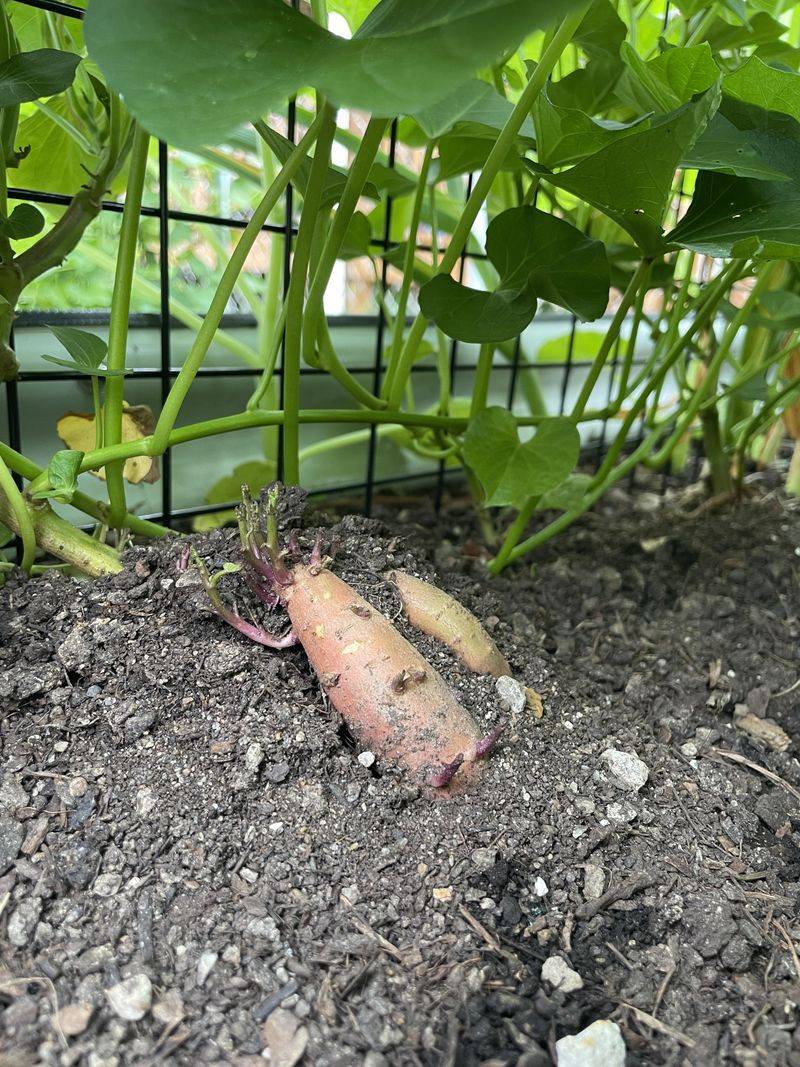
Once sweet potato vines start spreading, the garden starts looking like a green carpet. That vigorous growth is a good sign your roots are hard at work underground.
Water your plants deeply once a week during dry spells. Sweet potatoes are drought-tolerant compared to many vegetables, but consistent moisture during July and August encourages bigger roots.
Avoid overwatering, which can lead to root rot and cracked skins at harvest. The goal is steady, even moisture rather than frequent shallow watering that never reaches the roots.
Weed pressure drops naturally as the vines spread and shade the soil. Early in the season, pull weeds by hand to avoid disturbing the shallow feeder roots just below the surface.
Indiana summers can bring stretches of intense heat that stress many plants. Sweet potatoes actually welcome that heat and push their hardest growth during the hottest weeks of July and August.
Skip heavy fertilizing once vines are established. Too much feeding late in the season shifts energy away from root development, which is the opposite of what you want heading into fall harvest.
How To Know When Your Sweet Potatoes Are Ready To Harvest
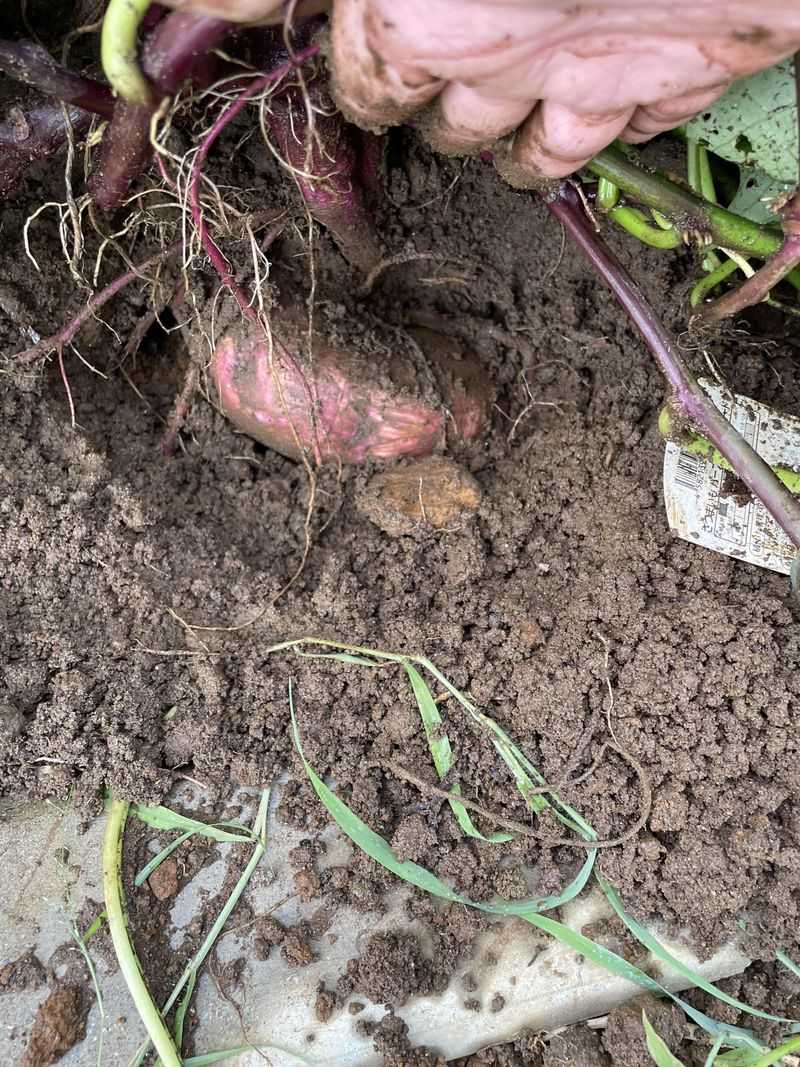
Harvest time is the moment every sweet potato gardener waits for all season. Knowing exactly when to dig makes the difference between a great crop and a wasted one.
Most varieties reach full maturity between 90 and 120 days after planting. If you put slips in the ground in early June, plan to start checking in late September or early October.
Watch the leaves for clues. When vines begin to yellow and the foliage looks tired, that signals the roots have finished their main growth push and are ready to come up.
Dig a test root before pulling the whole crop. Use a garden fork, working from the outer edge of the plant toward the center to avoid stabbing the roots.
Harvest before the first hard frost hits. A light frost will not harm the roots underground, but a hard freeze can damage them quickly and ruin your storage potential.
The moment you pull that first big, heavy root from the soil is genuinely thrilling. Your June investment just paid off in the most satisfying way possible for your fall harvest table.
Storing Your Fall Harvest To Last Through Winter
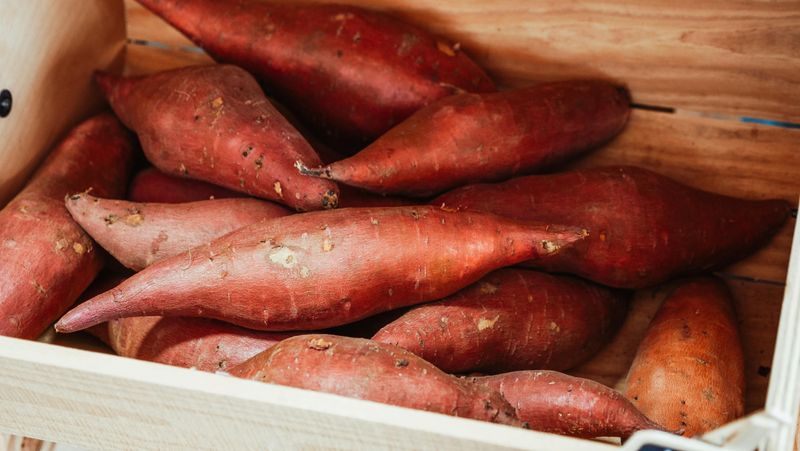
Pulling sweet potatoes from the ground is only half the story. How you store them afterward determines whether you enjoy them for weeks or months.
Curing is the essential first step that most first-time growers skip. Place your freshly dug roots in a warm spot between 80 and 85 degrees Fahrenheit for 10 to 14 days.
Curing toughens the skin, heals small nicks from the garden fork, and converts starches into sugars. That process is what makes a homegrown sweet potato taste sweeter than anything from a grocery store.
After curing, move your roots to a cool, dark location around 55 to 60 degrees Fahrenheit. A basement corner, a root cellar, or even a cool closet works well for long-term keeping.
Do not refrigerate sweet potatoes. Cold temperatures below 50 degrees Fahrenheit cause the flesh to harden and develop an unpleasant taste that no amount of cooking can fix.
Stored correctly, your fall sweet potato harvest from Indiana can last four to six months with ease. That means your June planting effort keeps feeding your family all the way through a cold Hoosier winter.