Why Pennsylvania Gardeners Are Ripping Out Their Hostas In Full Sun And What They’re Planting Instead
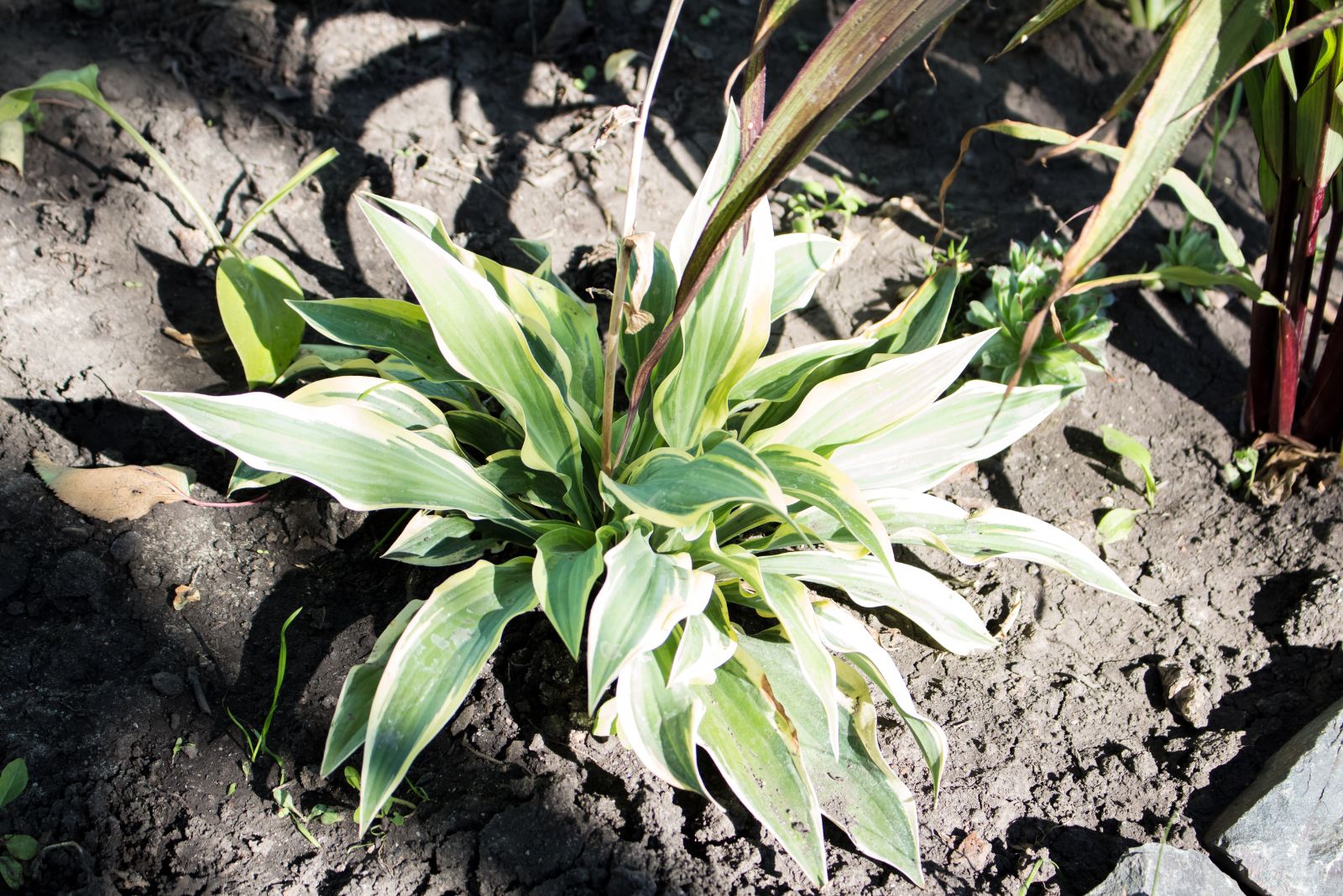
Hostas in full sun are one of the more common planting mistakes in Pennsylvania gardens, and it is easy to understand how it happens.
The plants are widely available, the variety selection is enormous, and the gardening advice around them is so broadly positive that the nuances about placement tend to get lost.
What follows is usually a stretch of summers watching otherwise healthy-looking plants burn at the edges, fade in color, and underperform in ways that a shady location would have prevented entirely.
Pennsylvania gardeners who have reached that point of frustration are increasingly pulling full sun hostas out and replacing them with plants that actually belong in those conditions, and the results are changing how those areas of the yard look and function through the entire growing season.
The alternatives being planted instead are not just better suited to full sun. Several of them are flat out more interesting than hostas ever were in a spot that was always wrong for them.
1. Hostas Struggle In Full Sun
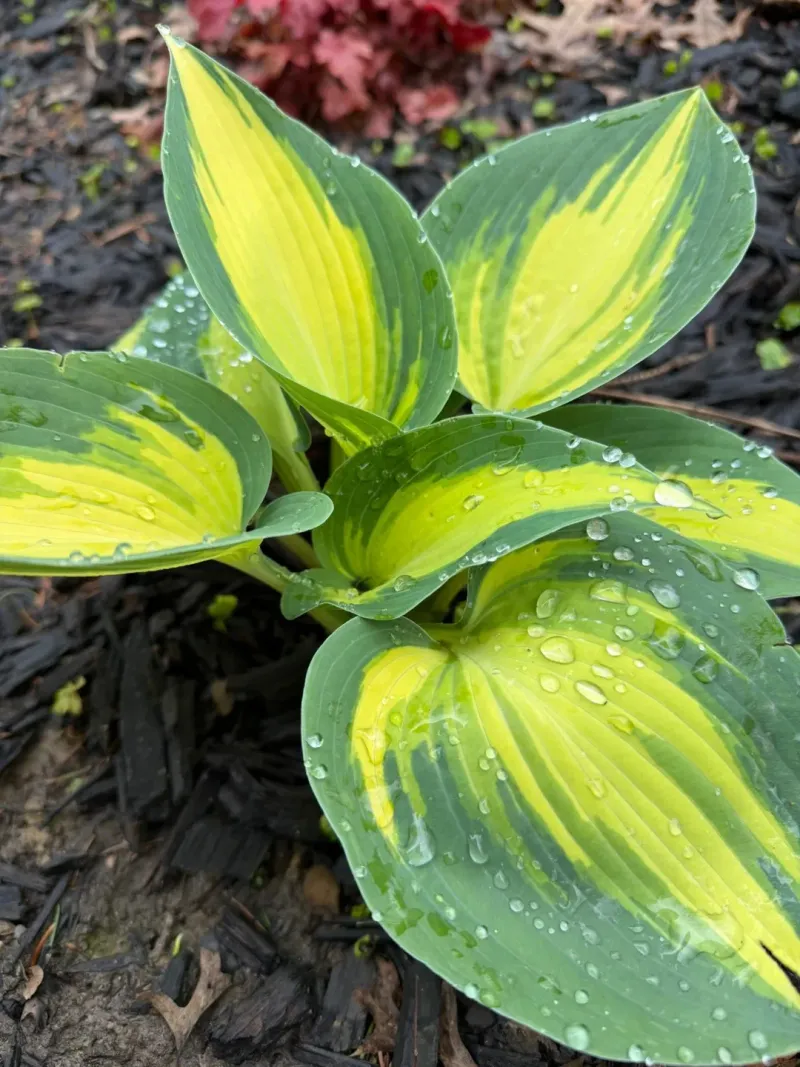
You’ve probably seen it happen right in your own backyard. A hosta that looked lush and green in spring suddenly starts looking pale, crispy, and tired by midsummer.
That’s not a coincidence. Hostas are naturally woodland plants, and they evolved to grow under the canopy of trees where light is soft and filtered.
When full sun hits those broad leaves for hours every day, a few bad things happen fast. The leaf surface scorches and bleaches out, especially on lighter-colored varieties like Gold Standard or Sum and Substance.
The plant loses water much faster than its roots can replace it, which leads to wilting and stress that just keeps building.
Sunny spots also tend to attract more slugs and deer, two of the most common hosta pests in Pennsylvania. Deer in particular are bold in open, sunny areas where they feel less exposed.
Slugs thrive in the moisture that gardeners add to keep sun-stressed hostas alive. The foliage quality drops noticeably too. Instead of those big, bold, eye-catching leaves that make hostas famous, you get smaller, duller, thinner leaves that just don’t perform.
The plant’s overall vigor goes down, and it starts to look more like a problem than a feature. Pennsylvania summers can be hot and humid, which makes sun stress even worse. Gardeners are finally recognizing that fighting nature rarely works.
Replacing struggling hostas with sun-tolerant or shade-adapted alternatives is the smarter, easier choice for a healthier, more beautiful garden.
2. Ferns (Dryopteris Or Ostrich Fern)
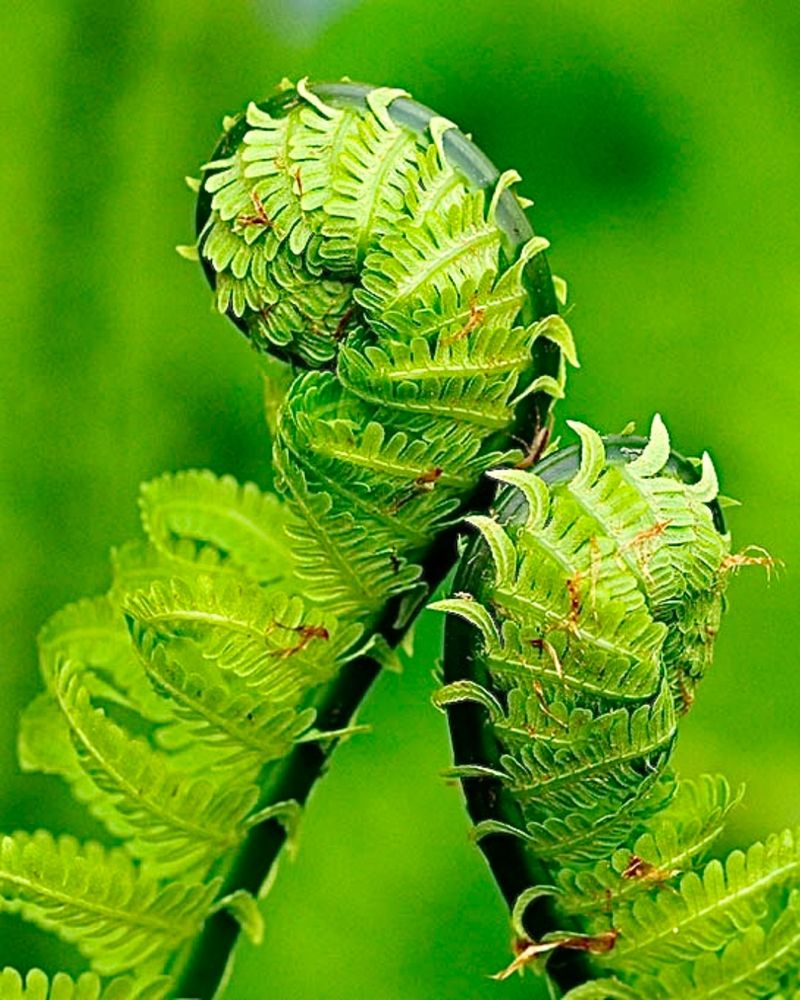
Few plants bring the kind of relaxed, natural beauty that ferns do. Walk into any Pennsylvania woodland in summer, and you’ll find ferns thriving in exactly the kind of dappled, shaded conditions that hostas also prefer.
The difference is that many fern species handle heat and brief periods of morning sun far better than hostas ever could.
The Ostrich Fern, known scientifically as Matteuccia struthiopteris, is a Pennsylvania native and an absolute showstopper. Its tall, vase-shaped fronds can reach four to five feet high, creating a dramatic backdrop in any shaded or partially shaded garden bed.
Your Pennsylvania Garden Changes Every Week. Your Plan Should Too.
Gardening in Pennsylvania changes quickly throughout the season. Every Friday you’ll receive a simple weekly plan showing exactly what to plant, prune, fertilize, harvest, and protect so you never miss the right timing.
It spreads slowly over time, filling in gaps and creating that lush, layered look that gardeners love.
Wood ferns like Dryopteris marginalis are another excellent choice. They’re semi-evergreen, which means they hold their green color well into late fall, giving your garden interest long after most other perennials have faded.
They’re also incredibly tough and low-maintenance once established. Ferns are great at providing textural contrast too. Their feathery, finely divided fronds look stunning next to bold-leaved plants like astilbe or heuchera.
That contrast creates visual depth and makes your garden feel thoughtfully designed rather than randomly planted.
Watering needs are moderate, and most ferns prefer consistently moist, well-drained soil rich in organic matter.
Adding a layer of mulch around the base helps retain moisture and keeps roots cool. Once settled in, ferns are remarkably self-sufficient and come back stronger every spring.
3. Heuchera (Coral Bells)
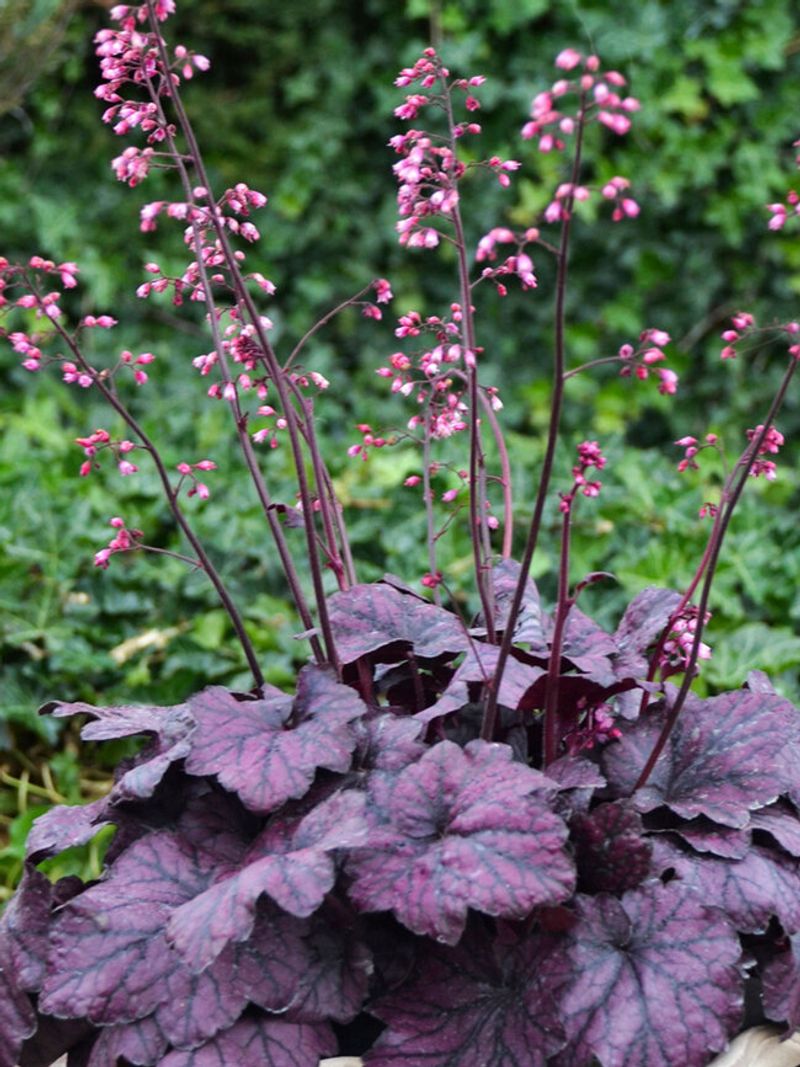
Honestly, if there’s one plant that deserves way more attention in Pennsylvania gardens, it’s Heuchera. Commonly called Coral Bells, this perennial is packed with personality.
The foliage comes in an almost unbelievable range of colors, from deep burgundy and chocolate brown to bright lime green and soft caramel orange, and it holds that color from spring all the way through fall.
Unlike hostas, Heuchera handles part shade to dappled sun without throwing a fit. It doesn’t bleach out or wilt when some direct morning light hits it.
In fact, many varieties actually develop richer, more saturated leaf color when they get a little sun exposure during the cooler parts of the day.
The flowers are a bonus that many gardeners don’t even expect. Slender, wiry stems shoot up in late spring and early summer, topped with tiny bell-shaped blooms in shades of red, pink, white, and cream.
Hummingbirds absolutely love them, which adds another layer of life and movement to your garden space.
Heuchera stays relatively compact, usually reaching about one to two feet in height and spread, making it ideal for borders, edging, or tucking into spots where you need a reliable, colorful anchor plant.
It pairs beautifully with ferns, astilbe, and tiarella for a layered, multi-textured look. Soil drainage matters a lot with Heuchera. It does not like sitting in soggy ground, so amending heavy clay soil with compost before planting makes a real difference.
With good drainage and a little mulch, Coral Bells thrive season after season with minimal fuss.
4. Astilbe (Astilbe Spp.)
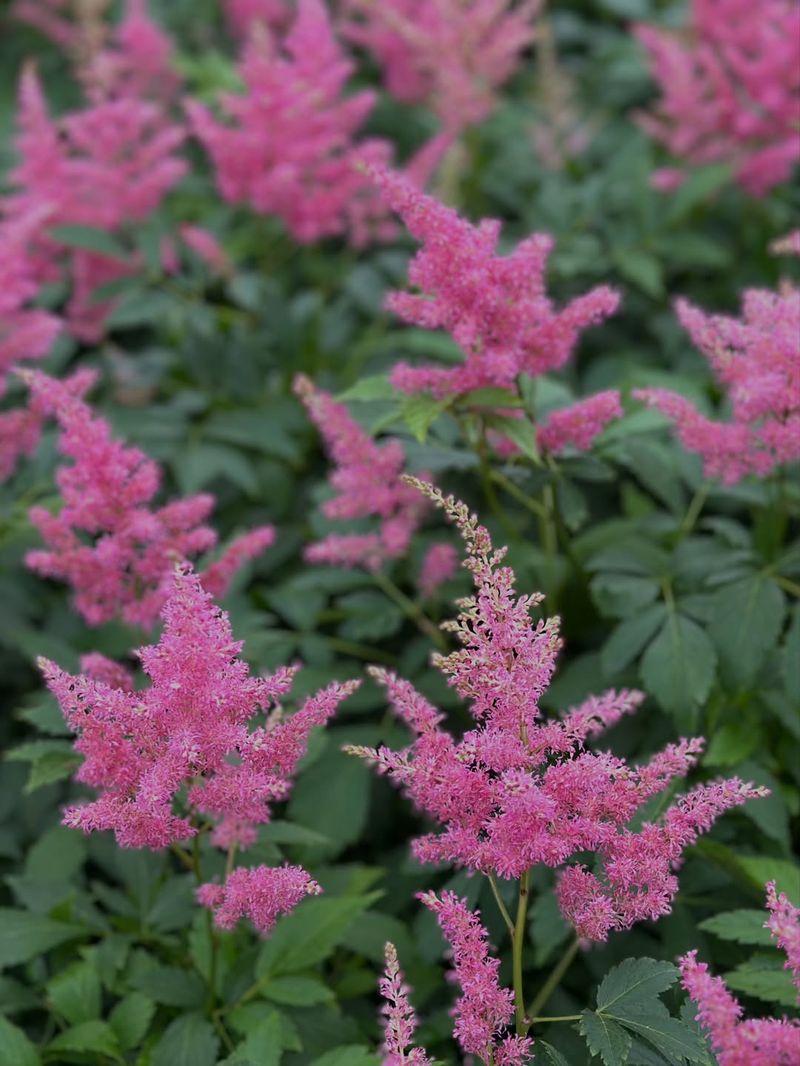
There’s something almost magical about watching astilbe bloom in midsummer. Those tall, feathery plumes of pink, white, red, or lavender rise up above the foliage like soft fireworks, and they last for weeks.
For gardeners replacing hostas in shaded or partially sunny spots, astilbe is one of the most rewarding swaps you can make.
Astilbe thrives in the same moist, rich, well-drained soil conditions that hostas prefer. Pennsylvania’s humid summers actually work in astilbe’s favor, as long as the planting spot doesn’t stay waterlogged.
Morning sun with afternoon shade is the sweet spot, and many varieties handle that kind of partial exposure beautifully without any signs of stress.
The foliage is worth celebrating on its own. Even before the flowers appear, astilbe leaves are deeply cut and fern-like, giving the plant a lush, textured look that adds real substance to a garden bed.
After the flowers fade, the dried plumes stay attractive well into fall, adding structure and visual interest even in the off-season.
Astilbe comes in a wide range of heights, from compact eight-inch dwarf varieties to tall three-foot specimens that make bold statements in larger beds.
Mixing different heights and bloom times extends the flowering season and keeps the garden looking dynamic from late spring through late summer.
Planting near a downspout, rain garden, or naturally moist area of the yard gives astilbe ideal conditions. Consistent moisture is the key to keeping it happy, and a layer of organic mulch helps hold that moisture in during Pennsylvania’s warmer months.
5. Ligularia (Ligularia Spp.)
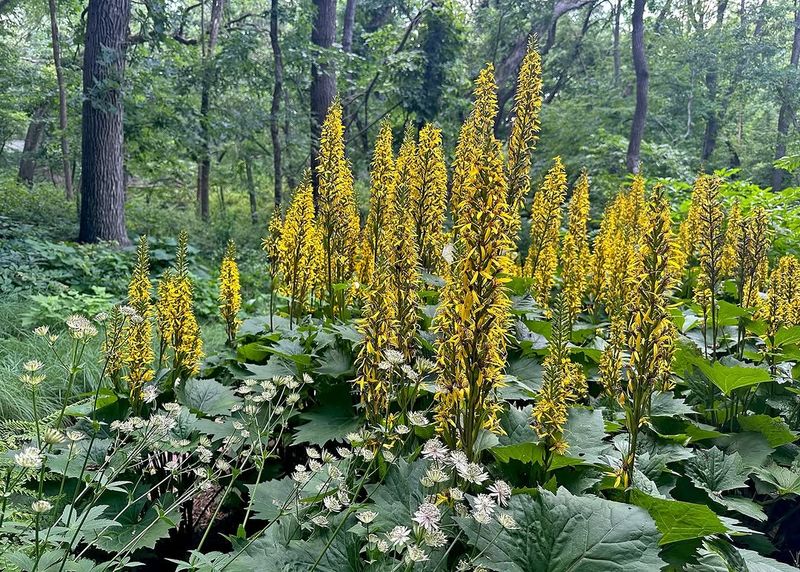
Bold, dramatic, and completely unapologetic about taking up space, Ligularia is the kind of plant that makes people stop and ask what it is.
The leaves are enormous, sometimes reaching a foot or more across, and they have a rich, deep green color that stays looking good all season in the right conditions. Some varieties even have striking purple or bronze undersides that catch light beautifully.
Ligularia prefers shade or morning sun, and it’s a strong choice for Pennsylvania gardeners who want something with real visual impact where hostas have been struggling.
It especially shines in spots that stay naturally moist, like low areas of the yard, spots near a water feature, or beds along a north-facing fence or wall.
The flowers are a late-season treat. In late summer and early fall, tall spikes covered in bright yellow or orange daisy-like blooms shoot up from the center of the plant, sometimes reaching four to six feet high.
That flowering period fills a gap when many other shade perennials have already finished for the year.
One honest heads-up: Ligularia wilts dramatically in afternoon heat, even when it has plenty of water.
That wilting is temporary and the plant recovers by evening, but it can be alarming if you’re not expecting it. Choosing a spot with afternoon shade solves the problem entirely.
Pairing Ligularia with astilbe, ferns, or Solomon’s Seal creates a layered, woodland-inspired garden that looks like it took years of planning, even if you put it together in a single afternoon planting session.
6. Tiarella (Foamflower)
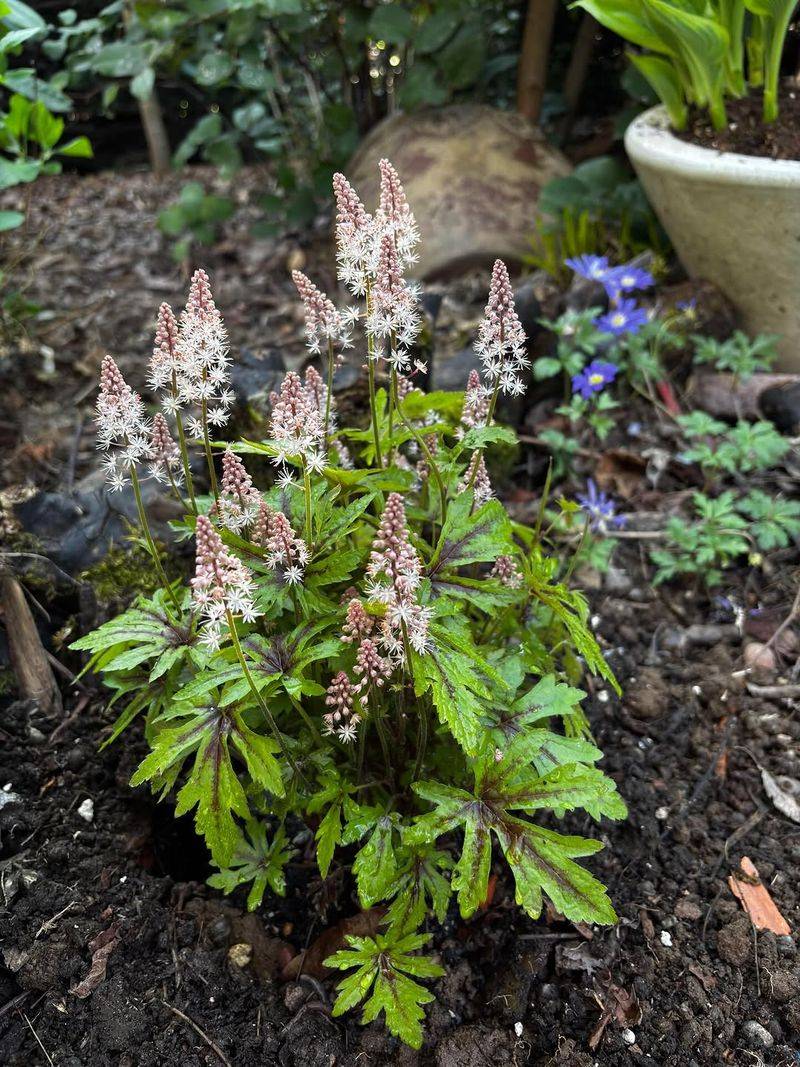
Native plants often get overlooked in favor of flashier exotic varieties, but Tiarella, commonly called Foamflower, is one Pennsylvania native that genuinely earns its place in any shade garden.
It’s low-growing, spreads steadily to form a dense groundcover, and offers two seasons of real ornamental interest without asking for much in return.
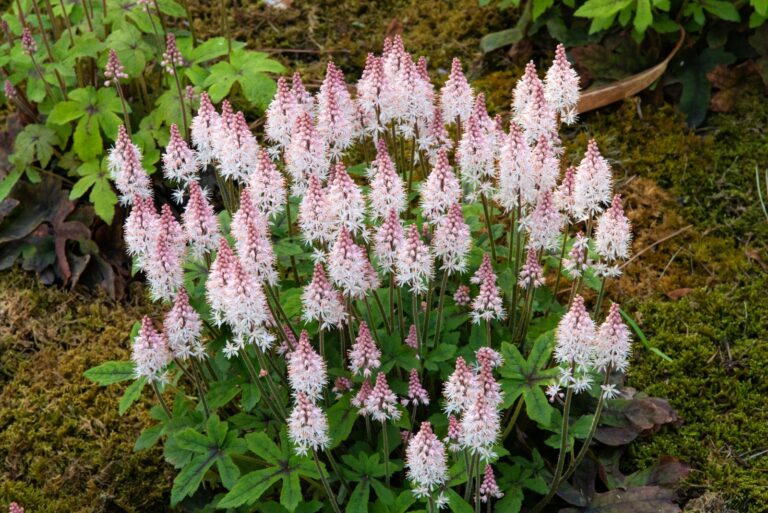
In spring, Foamflower puts on a sweet show. Slender stems rise just above the foliage and bloom with delicate, star-shaped white or soft pink flowers that have a light, airy look, almost like foam settling on water.
That’s exactly where the common name comes from, and once you see it in bloom, the name makes perfect sense.
The foliage is interesting year-round too. Many varieties have dark markings or patterns on their leaves, often in burgundy or chocolate brown, that give them a decorative, almost stained-glass quality.
The leaves stay attractive long after the flowers finish, providing groundcover texture through summer and into fall.
Tiarella thrives in shade to partial sun, making it a versatile option for spots that get a bit of morning light before shade takes over.
It’s also a natural fit for woodland-style gardens, slopes where erosion is a concern, or the front edge of a mixed perennial border where a low, spreading plant ties everything together.
Because it’s a Pennsylvania native, Foamflower supports local pollinators and wildlife. Bees visit the spring blooms regularly, and the dense mat of foliage provides ground-level cover for beneficial insects throughout the growing season.
It’s a plant that gives back to the whole garden ecosystem.
7. Solomon’s Seal (Polygonatum Spp.)
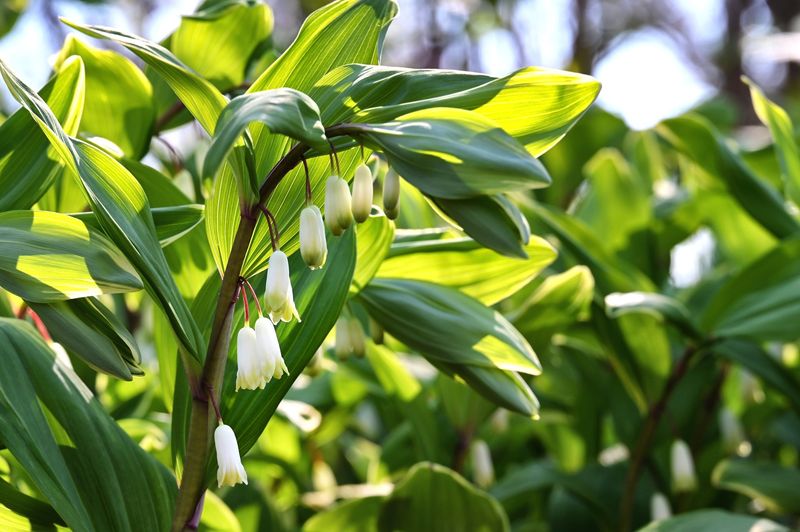
There’s an old-fashioned elegance to Solomon’s Seal that few other shade perennials can match.
The gracefully arching stems, lined with oval leaves and decorated with small, white bell-shaped flowers dangling underneath, have a quiet, understated beauty that fits perfectly into naturalistic or woodland-style Pennsylvania gardens.
Solomon’s Seal is one of those plants that works hard without ever looking like it’s trying too hard. In spring, the stems emerge from the ground and arch outward in a way that adds real structure and movement to a garden bed.
The little white bells appear in late spring and attract early pollinators before fading into attractive blue-black berries by late summer.
The fall color is another reason to love this plant. The foliage turns a clear, warm yellow before the stems retreat underground for winter, giving you one last moment of seasonal interest before the garden goes quiet.
That three-season performance is something a stressed hosta in full sun simply cannot deliver.
Growing conditions are straightforward. Solomon’s Seal prefers moist, well-drained soil rich in organic matter and thrives in full shade to partial shade.
It spreads slowly by underground rhizomes, gradually forming wider clumps over the years without becoming invasive or difficult to manage.
Variegated varieties like Polygonatum odoratum Variegatum add even more visual interest, with creamy white leaf margins that brighten up dark garden corners beautifully.
Pair it with ferns and Tiarella for a layered, low-maintenance shade planting that looks lush and intentional from the very first season it goes in the ground.