8 Reasons Why Some Florida Pollinator Gardens Get Flowers But Few Butterflies
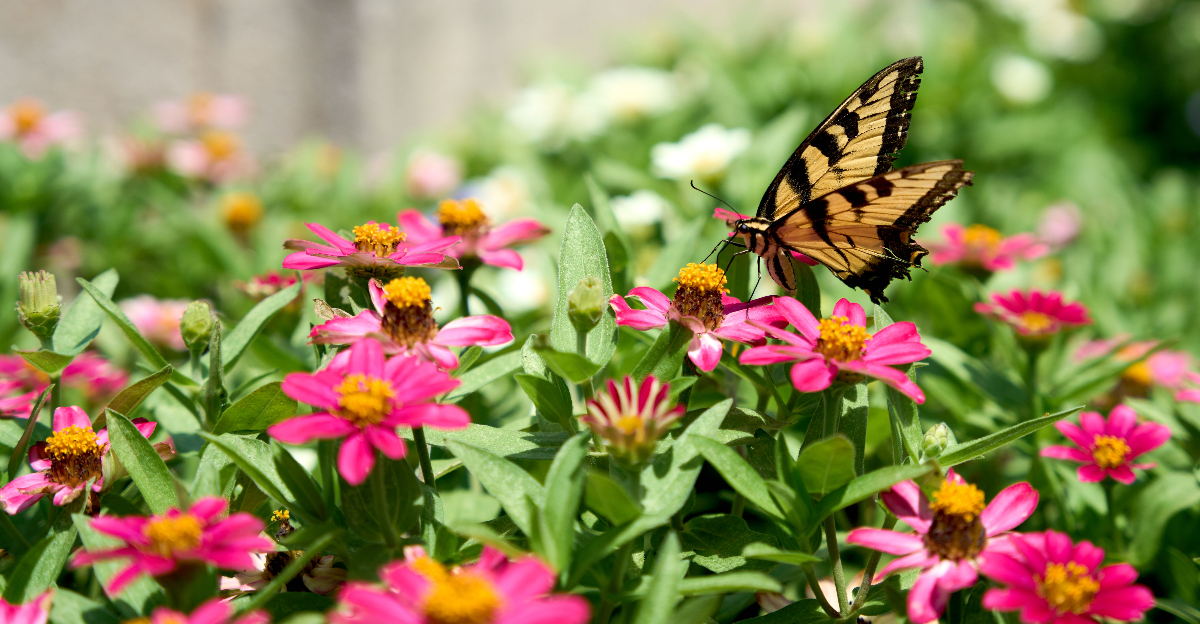
The flowers are there. The garden looks colorful and well-tended. And yet, the butterflies are not showing up the way you expected.
A few pass through occasionally. Maybe one lands for a moment before moving on. But that steady, lively butterfly activity you were hoping for never quite materializes, and you can’t figure out why.
Here is the thing most butterfly gardening advice glosses over: flowers are only part of the equation. A garden that looks perfect to you can still be missing something that butterflies are specifically looking for, and they will simply go elsewhere until they find it.
The gaps are usually small. Some of them are not obvious at all. A few of them might genuinely surprise you, especially if you thought you had everything covered.
Florida butterfly gardens that truly come alive share something in common, and it goes well beyond the blooms. Here’s what your garden might be missing.
1. No Host Plants Means Fewer Caterpillars Later
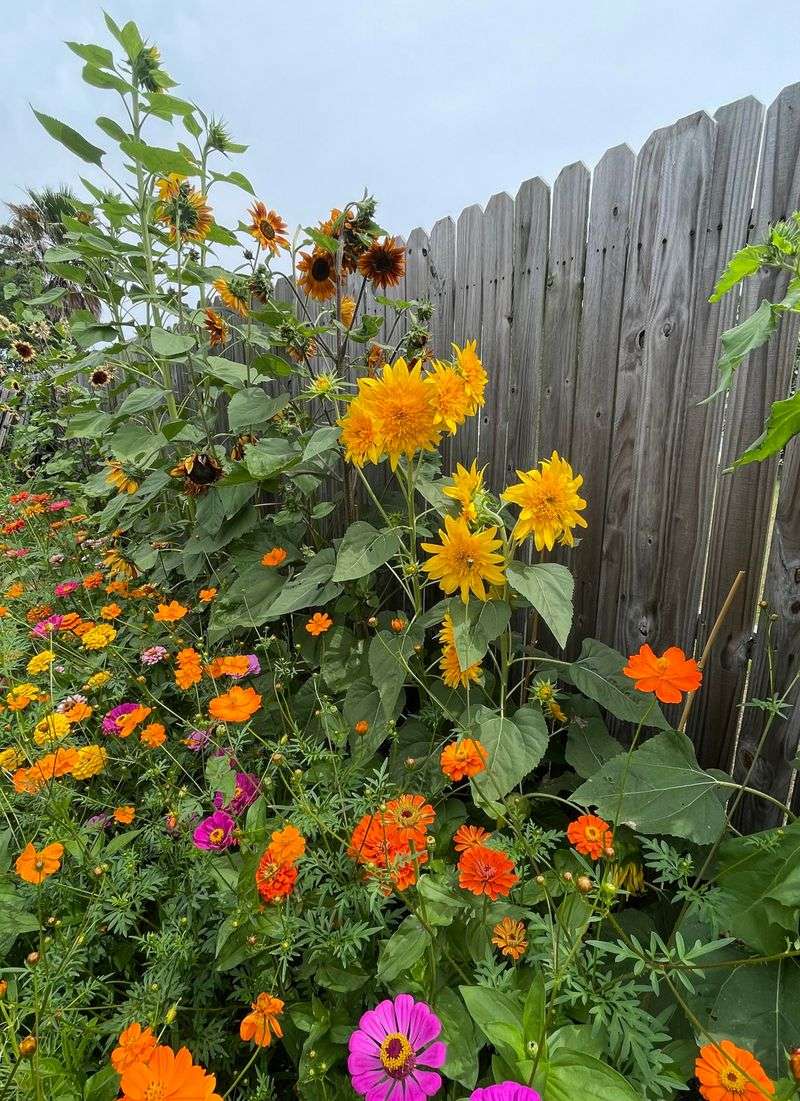
A garden full of nectar flowers can look ready for butterflies. But butterflies are picky planners.
Adult butterflies do not lay eggs on just any leafy plant nearby. They look for specific host plants their caterpillars can eat after hatching.
Without those plants, your garden may become a quick snack stop instead of a true butterfly habitat. That is the gap many gardeners miss.
Nectar plants feed adult butterflies. Host plants feed the next generation. A garden usually needs both if you want more long-term activity.
This works like opening a café without adding a nursery next door. Visitors may stop by, but they may not settle in.
Start by noticing which butterflies already appear in your area. Then match them with the plants their caterpillars use. Different species often need different hosts.
Some host plants are not flashy. Native grasses, wild senna, passionvine, pawpaw, and herbs may look quieter than big flowering annuals. But to butterflies, they can be essential.
Do not worry if caterpillars chew the leaves. That is part of the job. A perfect-looking host plant is not always the goal.
Tuck host plants into corners, edges, or mixed borders. You do not need a huge yard. Even a few well-chosen plants can change the garden’s role.
The result is a space that offers more than nectar. It gives butterflies a reason to return, lay eggs, and keep the cycle moving. That is where the garden earns its wings.
2. Milkweed Is Missing For Monarch Life Cycles
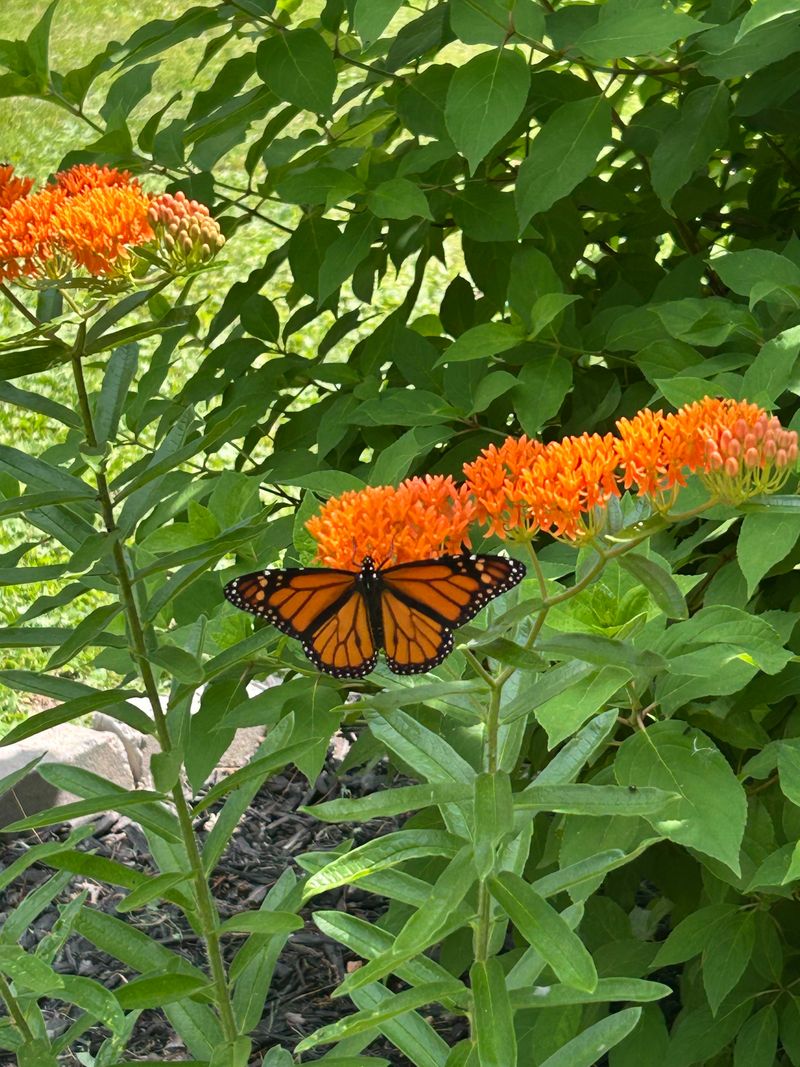
Monarchs get a lot of attention, and it is easy to see why. Their orange wings are bold. Their migration story is fascinating. And many Florida gardeners would love to see more of them floating through the yard.
But monarchs have one non-negotiable need. Their caterpillars eat milkweed.
If milkweed is missing, adult monarchs may still visit nectar flowers. But they will not have the host plant needed for laying eggs.
Florida gardeners have several milkweed choices, and the choice matters. Native milkweeds are often better aligned with local seasonal patterns. Butterfly weed and aquatic milkweed are two options worth seeking out.
Your Florida Garden Changes Every Week. Your Plan Should Too.
Gardening in Florida changes quickly throughout the season. Every Friday you’ll receive a simple weekly plan showing exactly what to plant, prune, fertilize, harvest, and protect so you never miss the right timing.
Tropical milkweed is common in nurseries, but it needs extra management in Florida. Because it can stay green year-round, it may interfere with natural monarch behavior and increase disease concerns.
If you already grow tropical milkweed, cut it back hard in fall. That helps refresh the plant and reduce lingering problems.
Plant milkweed in a sunny spot. A small cluster works better than one lonely stem because caterpillars can eat a surprising amount.
Do not spray milkweed if caterpillars are present. Even gentle products can harm the very insects you are trying to support.
Add nectar plants nearby so adult monarchs have food after laying eggs. Pentas, native mistflowers, firebush, and other butterfly favorites can help round out the planting.
The result is a monarch-ready corner with both food and purpose. A few milkweed plants can turn a pretty bed into a migration-side story with real meaning.
3. Passionflower Is Missing For Gulf Fritillaries
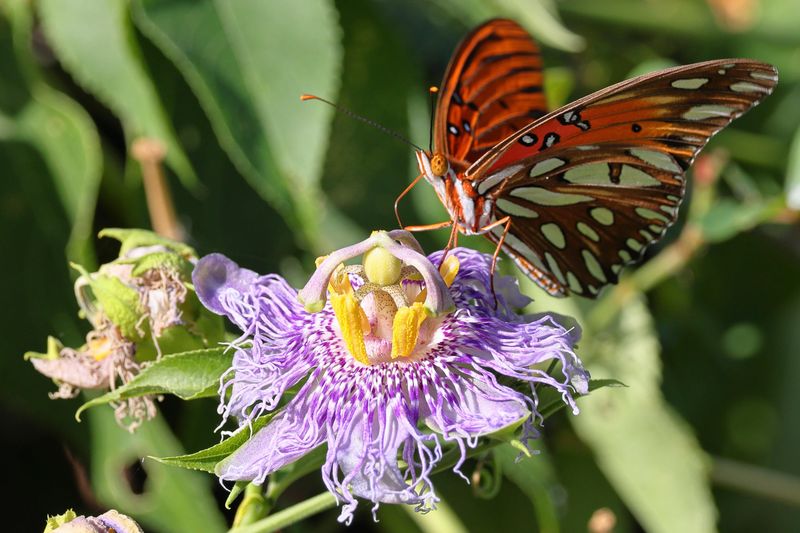
Gulf fritillaries are hard to miss. But if your garden lacks passionflower, they may not stay long.
Passionflower, also called passionvine, is the key host plant for Gulf fritillary caterpillars. Adult butterflies look for it when they are ready to lay eggs. Without it, your nectar flowers may attract a quick visit, but not much more.
Passionvine can be vigorous in Florida, which is part of why it works so well. It climbs fences, trellises, shrubs, and relaxed garden edges with real energy. Give it a place where a little wildness feels welcome.
A back fence, pollinator corner, or naturalized bed can be a good fit. It may be too enthusiastic for a tiny formal border unless you prune often.
The caterpillars can chew the leaves heavily. That may surprise new gardeners. But chewed leaves on passionflower often mean the plant is doing exactly what you planted it to do.
Add nectar flowers nearby to keep adult butterflies around. Lantana, pentas, porterweed, and native bloomers can help create a full-service butterfly stop.
Passionflower also brings its own bloom drama. The flowers look layered, unusual, and almost unreal. The result is a vine that feeds caterpillars, fascinates people, and invites fritillary activity.
4. Parsley And Dill Are Missing For Swallowtails
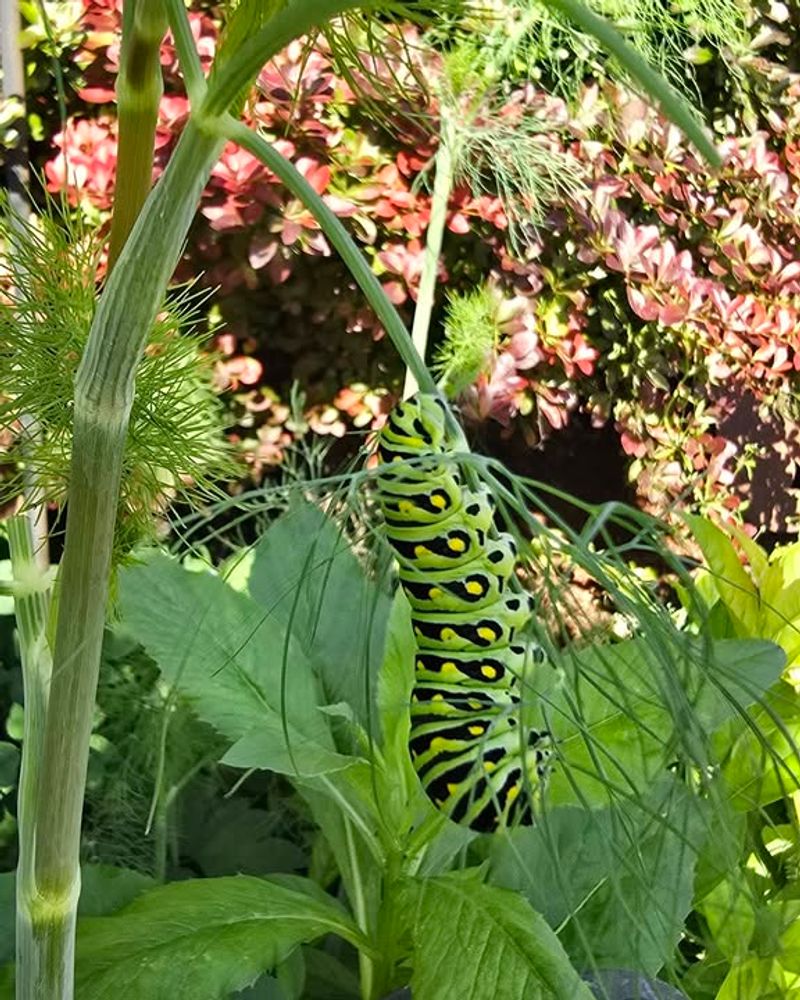
Your herb garden may be closer to a butterfly habitat than you realize.
Parsley, dill, fennel, and related herbs can support swallowtail caterpillars. So if you see a striped caterpillar munching through dill, pause before you remove it. That little guest may become a black swallowtail.
Many gardeners grow these herbs only for the kitchen. Butterflies see them differently.
For swallowtails, these plants can become host plants. Adults may lay eggs on them because the caterpillars can feed there. The catch is that caterpillars eat with commitment.
A single small parsley plant may not last long once several caterpillars arrive. That is why planting extra helps.
Set aside part of your herb bed for the butterflies. Grow one section for cooking and another for caterpillar dining. That way, everyone gets a share.
Clusters work better than single plants. A patch of dill or parsley gives caterpillars more food and makes it easier for adults to find the plants.
Giant swallowtails may also use citrus trees as host plants. Their caterpillars can look like bird droppings, which is a clever disguise.
If you have citrus, inspect leaves before reacting to odd-looking caterpillars.
Avoid spraying herbs that are being used by caterpillars. Even products meant for common pests can affect butterfly larvae.
Letting a few herbs get ragged can feel strange at first. But that small imperfection can bring a big reward. The result is an herb garden with extra life in it.
Parsley and dill bring flavor to your plate and swallowtail support to your yard. Isn’t that a pretty delightful trade?
5. Nectar Blooms Are Too Sparse Between Seasons
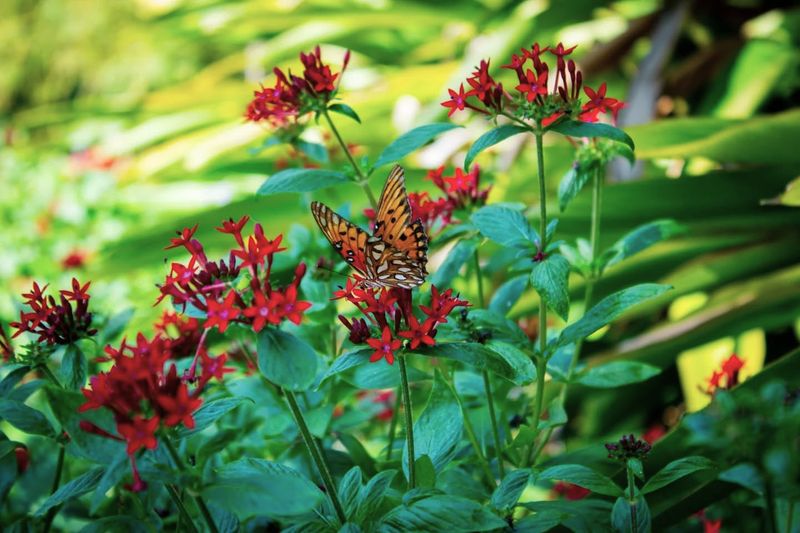
Butterflies notice timing. A garden can look amazing in spring and still lose visitors later if the bloom supply disappears. In Florida, this matters because butterflies may be active for much of the year.
If your garden peaks for one month, then goes quiet, butterflies may move on. They need regular fuel, not one seasonal buffet.
Walk through your garden with a calendar in mind. What blooms in late winter? What carries spring? What handles summer heat? What keeps going into fall? If you find a long gap, that is the place to improve.
Summer plants like pentas, porterweed, firebush, and lantana can help keep nectar flowing. Fall bloomers like goldenrod, blue mistflower, and native asters can extend the season.
Choose a mix of flower shapes too. Different butterflies feed from different bloom forms. Clusters, flat-topped flowers, tubular blooms, and small native flowers can all play a role.
Plant in groups instead of scattering one of everything. Butterflies find larger patches more easily. A group of three or five plants can be more useful than a single bloom hidden in a busy bed.
Keep some flowers in sunny, sheltered areas. Butterflies often feed where they can warm up and move easily. The result is a garden that stays open for business through more of the year.
6. Pesticide Use Makes The Garden Less Welcoming
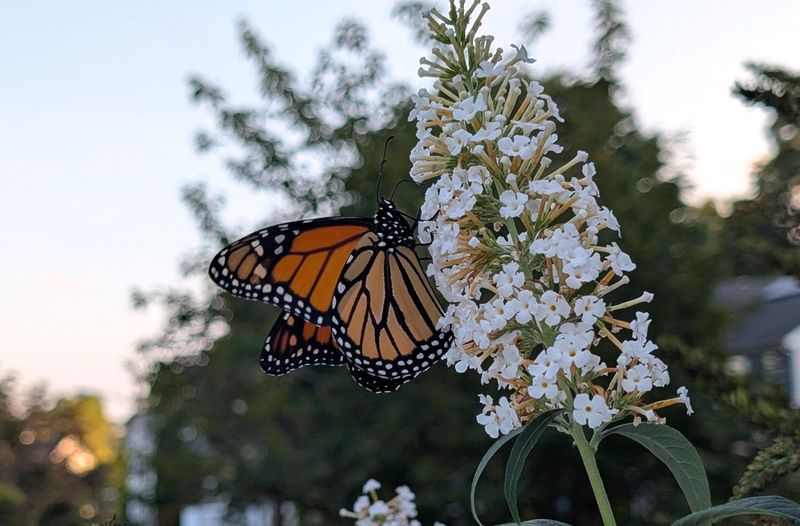
A butterfly garden does not need to look flawless. In fact, a little leaf chewing can be a good sign.
Many gardeners spray at the first hint of aphids, whiteflies, or caterpillar damage. That reaction is understandable. But broad sprays can make a pollinator garden less welcoming.
Butterflies, caterpillars, and beneficial insects can all be affected by products used for other pests.
Even some sprays labeled natural or organic can harm caterpillars if they land on host plants. That is especially important in gardens meant to support butterfly life cycles.
Before spraying, ask what is really happening. Is the plant in serious trouble? Or is there a small pest issue the garden can tolerate?
Often, a strong blast of water, hand removal, or pruning one affected stem may be enough. Spot treatments are better than spraying the whole bed.
Keep sprays away from host plants whenever possible. Those are the plants caterpillars need most.
Beneficial insects can also help. Lady beetles, lacewings, parasitic wasps, and other garden allies may show up when you reduce chemical pressure.
Healthy plants also handle minor pest activity better. Good spacing, proper watering, and mulch can all support plant resilience.
This gives the garden a more balanced feel. It may not look perfectly polished, but it can become much more alive.
A few imperfect leaves are sometimes the price of a functioning habitat. Less spraying can lead to more fluttering. That is a pest-control plot twist worth considering.
7. Too Few Native Plants Limit Local Butterfly Support
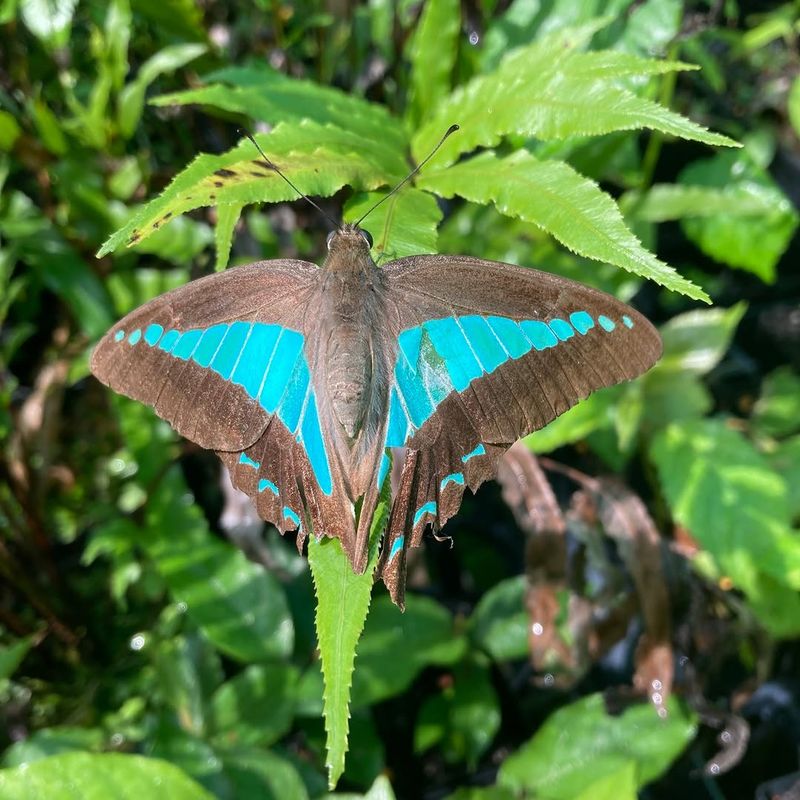
Not every flower speaks butterfly. Some blooms look beautiful to people but offer little value to local species. That can leave a garden colorful, yet strangely quiet.
Native plants often have an advantage. Florida butterflies and Florida native plants have long relationships.
Many butterflies recognize native plants through scent, shape, color, and chemistry. That connection matters most with host plants.
Some caterpillars can feed only on certain native or closely related plants. If those plants are missing, the butterfly may not use your garden for reproduction.
Native nectar plants help too. Coreopsis, mistflower, wild blue indigo, Stokes aster, firebush, and beautyberry can all support different parts of a Florida pollinator garden.
The exact best choices depend on your region. North, Central, and South Florida do not all behave the same way.
Start small if a full native makeover feels overwhelming. Swap one low-value ornamental for a native nectar plant. Add one host plant for a butterfly you want to support. Then watch what changes.
Native plants can also make garden care easier once established. Many handle Florida heat, humidity, and rainfall patterns better than delicate ornamentals.
They still need the right placement. Sun, soil, moisture, and mature size all matter. The result is a garden that feels more connected to its place.
More native plants can mean more local cues, more habitat value, and more reasons for butterflies to stay. That is where the garden gets a little more fluent in butterfly language.
8. No Shelter Leaves Butterflies Exposed To Wind And Heat
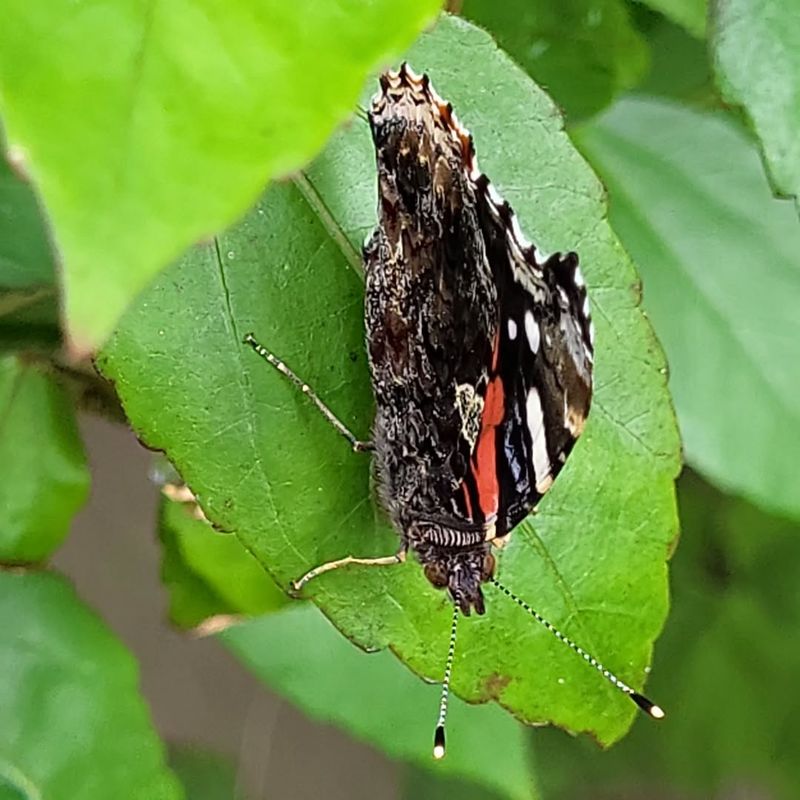
Butterflies may look delicate, but they are not helpless. Still, they need comfortable places to feed, rest, and warm their wings.
A wide-open flower bed can offer nectar, but it may not feel safe or usable. Strong wind, harsh sun, and exposed layouts can make butterflies move through quickly. Shelter changes that.
Shrubs, hedges, small trees, and layered plantings create calmer pockets in the garden. Those protected spaces help butterflies land and feed without being pushed around by wind.
Shade matters too, but balance is important. Butterflies need sun to warm up, especially in the morning. They also need places to escape intense heat later in the day. A good butterfly garden offers both.
Place taller plants where they can block wind without shading the whole bed. Shrubs along the north or west side can create a more comfortable feeding zone.
Add flat stones in sunny areas for basking. Butterflies may use warm surfaces to raise their body temperature before flying actively.
Layer the planting with groundcovers, mid-height flowers, and taller shrubs. This makes the garden feel more like a habitat than a display shelf.
Native shrubs like beautyberry, wild coffee, or firebush can add both structure and wildlife value. Leave a few quiet corners too. Not every inch needs to be clipped and cleaned.
Shelter gives butterflies a reason to linger instead of just passing through. That is how a flower bed becomes a true flutter-friendly refuge.