The Native Plants That Help Florida Wildlife When Heat, Drought, And Fire Stress Hit
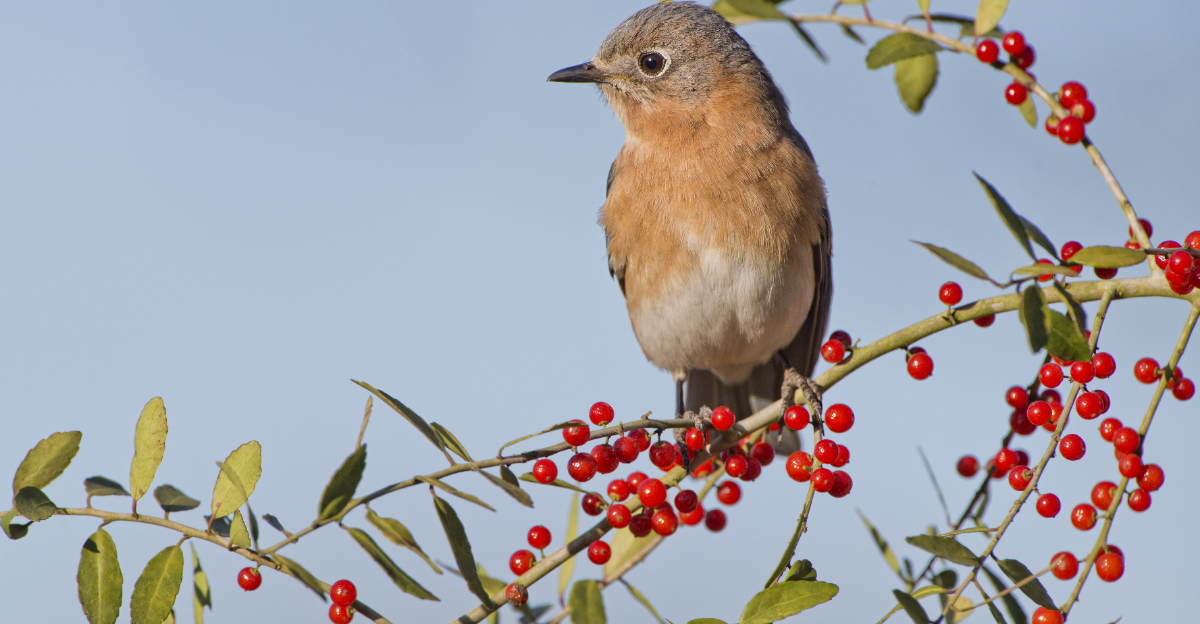
Florida wildlife does not get a break when conditions turn brutal. Drought tightens water sources, extreme heat pushes animals out of exposed areas, and fire stress reshapes habitat faster than most species can adjust.
The yards and green spaces that hold native plants through all of that become genuinely critical. Not just nice to have, actually critical.
Most ornamental landscapes fall apart under the kind of pressure our summers and dry seasons deliver. Plants stress out, food sources disappear, and the wildlife that depended on them moves on or does not make it.
Native plants built for this specific climate cycles behave completely differently under that same pressure.
They hold their fruit longer, maintain cover when exotic ornamentals drop their leaves, and keep root systems intact through conditions that flatten everything else.
The right natives in the right spots become a refuge when Florida’s weather turns unforgiving. That is a role worth understanding.
1. Plant Longleaf Pine For Fire-Adapted Wildlife Habitat
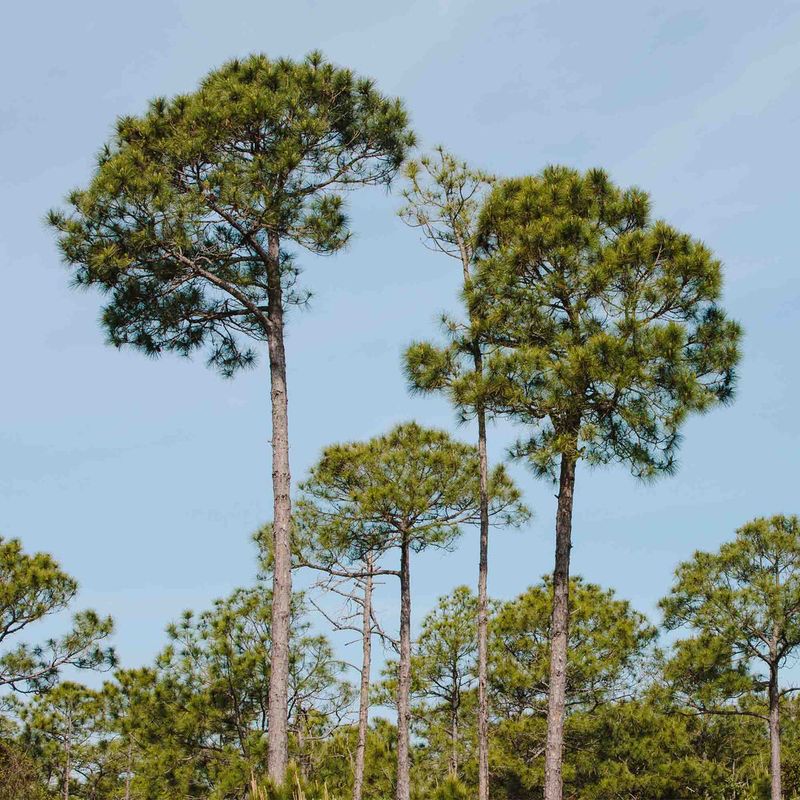
Picture a dry, open stretch of sandy ground where the sky is wide and the soil is pale gold. That is the kind of place longleaf pine, Pinus palustris, was built for.
According to UF/IFAS, longleaf pine is a keystone species of fire-adapted native ecosystems. It also provides critical habitat structure for wildlife, including cavity-nesting birds and ground-foraging species.
The tree offers shade canopy, cone seeds for birds and small mammals, and a vertical structure that supports a layered native community below. It is not a quick-fix plant.
Longleaf pine grows slowly in its early years and needs open, sunny, well-drained sandy sites with plenty of long-term room.
Do not plant it near rooflines, power lines, or tight foundation beds. Spacing from structures matters for safety and for the tree to develop properly.
Firewise guidance from UF/IFAS Extension emphasizes that even fire-adapted trees need clearance from homes.
Once established in the right site, longleaf pine becomes a slow-growing anchor for a native habitat planting that supports wildlife across many years.
Site selection is everything with this tree, so take the time to plan carefully before planting.
2. Use Wiregrass Where Fire-Shaped Landscapes Belong
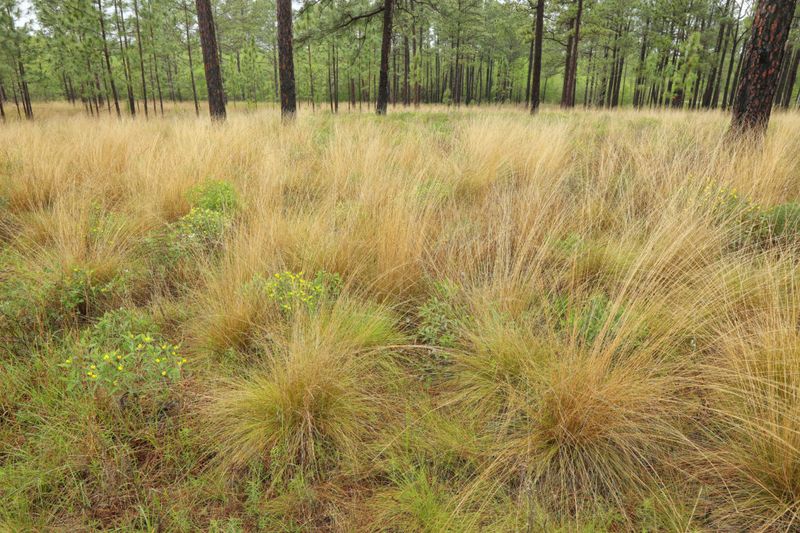
Bare sandy ground between native shrubs can look unfinished and invite weedy invasion. Wiregrass, Aristida stricta or Aristida beyrichiana, is a native groundcover.
It historically defined the understory of longleaf pine flatwoods and sandhills across this state. UF/IFAS recognizes wiregrass as a foundational species in fire-adapted plant communities.
It plays a key role in supporting the natural fire cycle that keeps these ecosystems healthy.
For wildlife, wiregrass provides nesting material, insect habitat at the soil level, and structural ground cover that complements taller native plantings.
It belongs in restoration-style, sunny, sandy, or naturalistic sites, not as a random ornamental clump dropped beside a front walkway or mixed border.
One important point: fire-adapted does not mean homeowners should light a match without professional guidance. Prescribed burning on private property requires proper permits, trained personnel, and coordination with local authorities.
Your Florida Garden Changes Every Week. Your Plan Should Too.
Gardening in Florida changes quickly throughout the season. Every Friday you’ll receive a simple weekly plan showing exactly what to plant, prune, fertilize, harvest, and protect so you never miss the right timing.
UF/IFAS Extension and county fire officials can point homeowners in the right direction. Wiregrass works best when the whole planting system fits the site.
Think open, sunny, and sandy, and let wiregrass do what it evolved to do across generations of this state’s native landscape.
3. Choose Saw Palmetto For Rugged Cover In Dry Sites
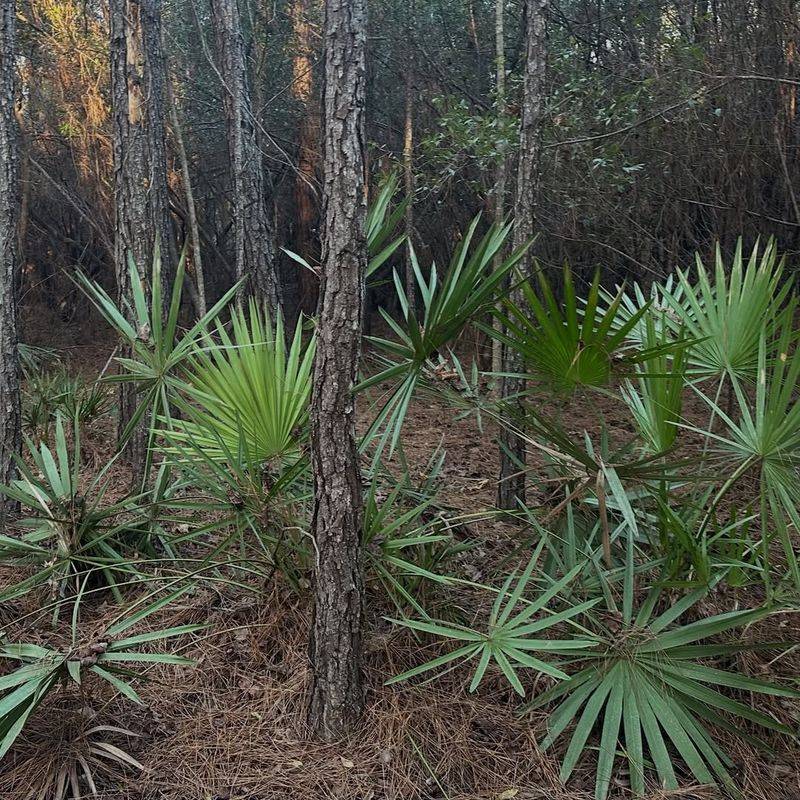
Hot, exposed spots where most plants look exhausted by midsummer are exactly where saw palmetto, Serenoa repens, earns its reputation. This native palm-like shrub has been part of dry, sandy, and scrub habitats across this state for thousands of years.
According to UF/IFAS, saw palmetto provides important wildlife cover, fruit for bears and birds, and structural shelter in dry native landscapes.
Its drought tolerance once established makes it a logical fit for sites where irrigation is limited. The dense, spreading canopy creates shaded refuges that small mammals, ground-nesting birds, and reptiles use for protection from heat and predators.
That wildlife value is real and well-documented.
However, saw palmetto spreads wide and has sharp, saw-toothed leaf stems that can cause injury. Keep it away from narrow walkways, driveways, doorways, and areas where people or pets pass regularly.
In fire-prone landscapes, UF/IFAS Firewise guidance recommends maintaining clearance between large shrubs and structures. It also recommends managing dry leaf litter and spacing plants so fire cannot easily travel from one to the next.
Saw palmetto is tough and useful, but it needs the right site and consistent maintenance nearby to be both safe and ecologically valuable.
4. Plant Coontie For Low Drought-Tough Wildlife Value
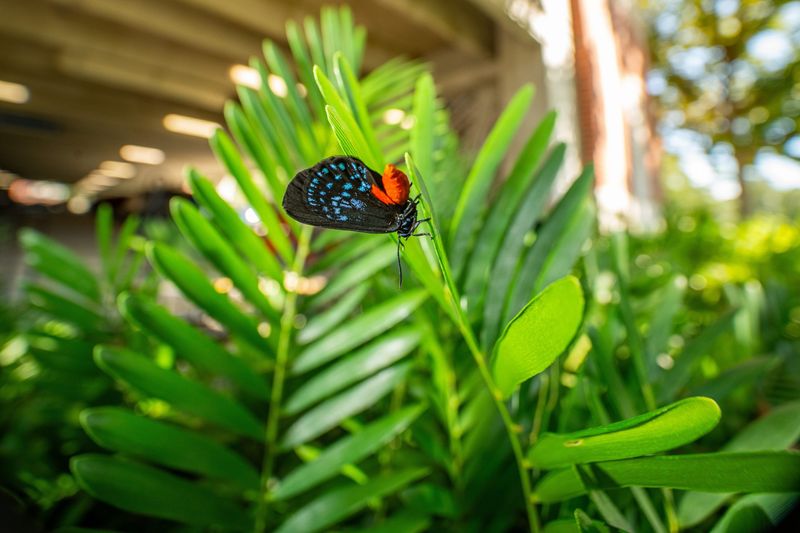
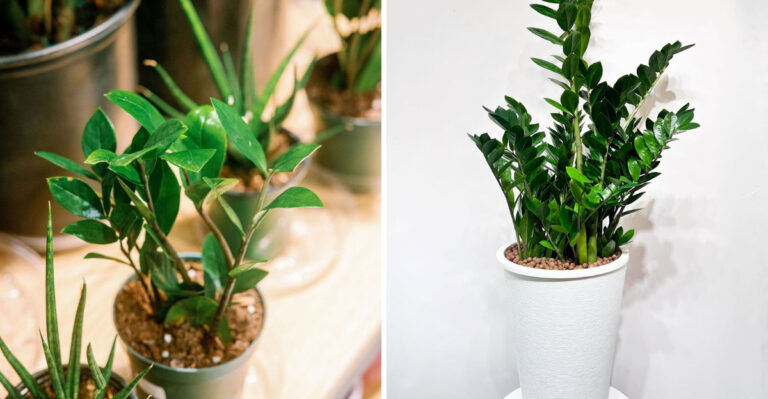
A low native planting that holds its shape through dry stretches without constant irrigation sounds almost too good to be true. Coontie, Zamia integrifolia, delivers exactly that in the right site.
Coontie is Florida’s only native cycad, and UF/IFAS notes that it thrives in well-drained, sandy soils in sun or partial shade. It is slow-growing and stays low, making it a tidy choice for dry, naturalistic beds.
The wildlife value of coontie is specific and well-documented. It is the sole larval host plant for the atala butterfly, Eumaeus atala.
This species was once nearly lost from this state and has made a gradual comeback in areas where coontie is planted. Supporting the atala is a meaningful contribution to local butterfly conservation.
Here is the safety nuance that every homeowner needs to know: coontie is toxic if eaten. Seeds, roots, and plant parts can cause serious harm to pets, children, and curious visitors.
The Florida Poison Control Network confirms its toxicity. Place it thoughtfully, away from areas where pets dig or young children play.
It is a beautiful and ecologically valuable plant, but location planning matters before a single shovel goes in the ground.
5. Grow Firebush For Heat And Pollinator Support
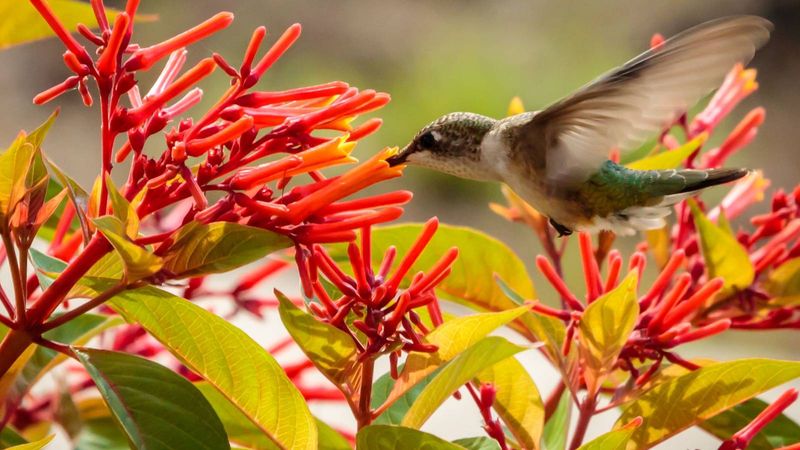
Hummingbirds hovering at clusters of bright orange-red tubes while the thermometer climbs past ninety degrees — that is firebush. Hamelia patens is doing exactly what it was built for.
UF/IFAS Gardening Solutions describes firebush as a native shrub that attracts hummingbirds, butterflies, and other pollinators with its tubular flowers. That makes it one of the most wildlife-friendly choices for a hot, sunny native bed.
Heat tolerance is a genuine strength. Firebush keeps producing blooms through summer conditions that shut down many ornamental shrubs.
In southern regions, it can grow into a large, multi-stemmed shrub several feet tall and wide. In northern regions, cold temperatures may cut it back seasonally, resulting in a smaller or more herbaceous form that regrows in spring.
That regional difference matters for placement. Give it room to reach its mature size, especially in warmer areas.
Do not skip watering during the establishment period just because firebush is heat-tolerant. New plantings need consistent moisture to develop roots before they can handle dry stretches.
Manage dry leaf debris around the base and keep spacing generous in landscapes near structures. Firebush rewards the right site with months of color and steady pollinator traffic through the hottest part of the year.
6. Use Beautyberry For Wildlife Fruit After Stressful Weather
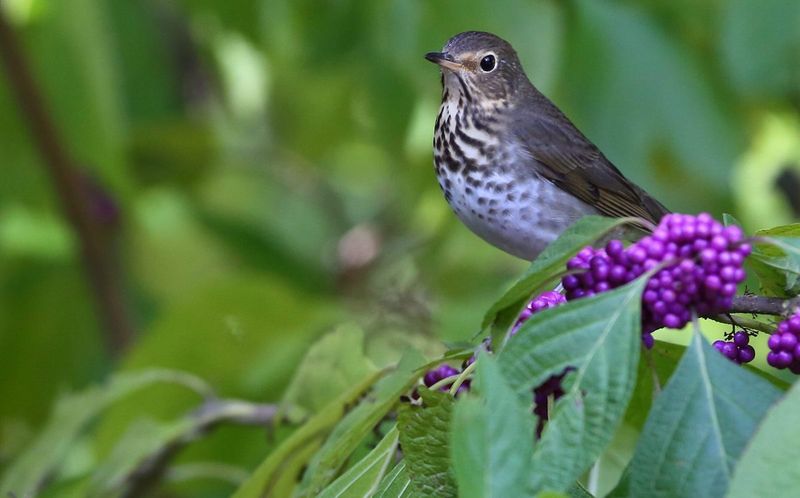
By late summer, after weeks of heat and rain gaps, a yard can look rough and washed out. Then American beautyberry, Callicarpa americana, shows up with its clusters of vivid purple berries crowded along arching branches, and the whole scene changes.
UF/IFAS describes American beautyberry as a native shrub that produces fruit eaten by numerous bird species. That makes it a standout wildlife plant for the late-season landscape.
The berries appear after summer stress has peaked, arriving just when many wildlife species need reliable food sources before cooler months. That timing is part of what makes this plant ecologically useful rather than just visually striking.
Cardinals, mockingbirds, and other native birds seek out the fruit regularly.
Be specific when shopping. This article refers to native American beautyberry, not imported beautyberries, Asian species, or vague nursery tags that may not identify the plant clearly.
Ask for Callicarpa americana by name. In the landscape, this shrub spreads wide with loose, arching branches and may self-seed into nearby areas.
Give it room in a naturalistic border or woodland edge rather than a rigid formal bed. Manage the area around it to keep dry debris from accumulating, especially in fire-prone neighborhoods where plant debris near structures increases risk.
7. Plant Sunshine Mimosa To Cover Hot Open Ground
Bare soil between shrubs bakes fast in full sun, and that exposed ground does more harm than it looks. It dries out faster, loses moisture quickly, and offers nothing to pollinators or ground-level wildlife.
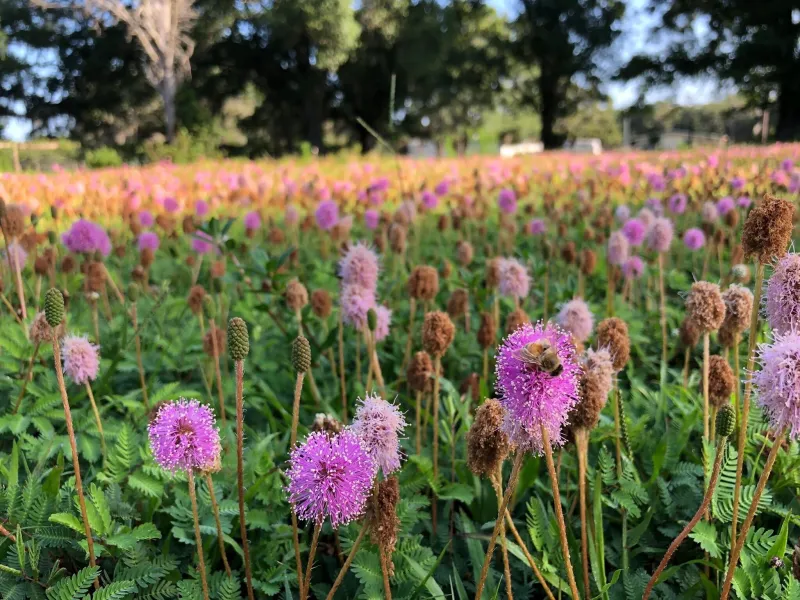
Sunshine mimosa, Mimosa strigillosa, is a native groundcover that spreads low across sunny, open ground and helps shade the soil below. UF/IFAS notes its fern-like leaves, pink powderpuff flowers, and value to native bees and other pollinators.
Living groundcover that shades bare soil can reduce soil temperature and slow moisture loss during dry stretches. That is a practical benefit beyond the visual appeal.
Sunshine mimosa fits the role of a heat-season groundcover that actively contributes to a healthier planting bed rather than just filling space.
The spreading habit is real and worth planning for. Sunshine mimosa works well in informal, naturalistic areas where it can move outward without conflicting with a tidy design.
It is less suited to rigid formal beds where its spread would need constant management. In fire-prone landscapes, keep any groundcover layer thinned and avoid letting it build up dense dry material near structures.
UF/IFAS Florida-Friendly Landscaping guidance supports using low, spreading natives to reduce bare soil exposure in sunny yards with sandy, well-drained conditions.
8. Choose Beach Sunflower For Dry Coastal Color
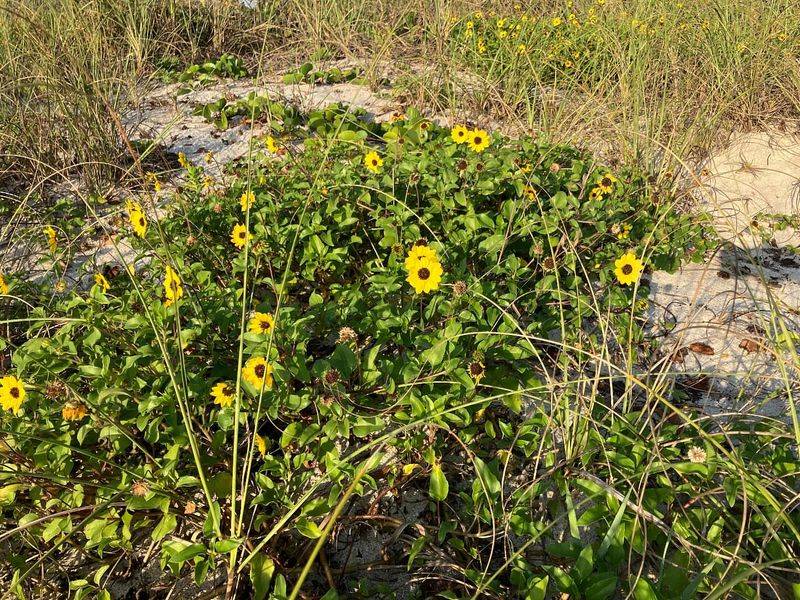
Sandy edges along sunny beds and coastal-style yards often get the harshest combination of heat, salt, and dry soil. Beach sunflower, Helianthus debilis, handles that combination with cheerful persistence.
UF/IFAS Gardening Solutions describes beach sunflower as a low-growing native suited to sunny, sandy sites with good drainage. It also notes the plant’s tolerance of salt air and dry conditions once established.
The bright yellow flowers appear over a long season and attract native bees and butterflies. Seeds from spent blooms can feed small birds and ground-foraging wildlife.
The spreading, low habit also shades the soil below, which helps reduce moisture loss during hot, dry stretches in sandy yards and coastal areas.
Beach sunflower reseeds and spreads, so it fits informal, naturalistic, or coastal-style beds better than a tight formal design where spread needs to stay controlled. Do not expect it to perform well in deep shade, wet soil, or consistently soggy spots.
It belongs in sun, sand, and good drainage. In landscapes near structures, keep spread managed and clear dry plant material regularly.
Inland yards away from coastal conditions may see different results. Check with your local county Extension office to confirm whether beach sunflower suits your specific site before committing to a large planting.
9. Use Yaupon Holly For Tough Evergreen Shelter
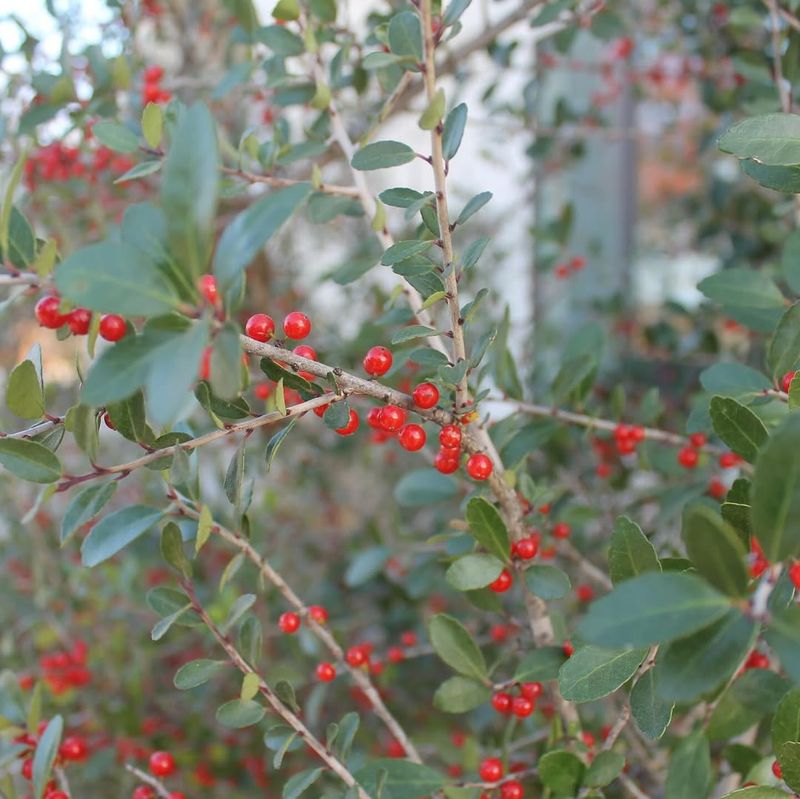
When heat and dry weather thin out softer plants, wildlife needs reliable cover that stays put. Yaupon holly, Ilex vomitoria, is an evergreen native shrub or small tree that keeps its leaves through heat, drought stress, and cold.
That makes it one of the most consistent shelter plants available in native landscapes. UF/IFAS describes yaupon holly as a tough, adaptable native with high wildlife value, including dense cover and berries on female plants that attract birds.
The berry production depends on having female plants, which require a nearby male plant for pollination. When shopping, ask the nursery which cultivar is female, which is male, and how large each grows at maturity.
Cultivar size varies widely, from compact rounded forms to larger multi-stemmed trees, so matching the cultivar to the available space matters.
Near homes and fire-prone areas, evergreen density is useful for wildlife but requires management. UF/IFAS Firewise guidance recommends spacing shrubs so fire cannot ladder from one plant to the next.
It also recommends keeping dry leaf debris cleared from around the base and maintaining defensible space near structures. Pruning yaupon holly to maintain airflow and reduce interior deceased material helps manage fire risk.
It does this without sacrificing the plant’s value as year-round wildlife shelter and evergreen structure in the landscape.