Why Are Virginia Homeowners Confusing Crane Flies With Grubs This Time Of Year
Have brown patches started creeping across your Virginia lawn this July? Your first thought might be grubs, and honestly, who could blame you?
They’re the usual suspect when turf starts falling apart. But what if the damage keeps spreading even after you treat for grubs?
You could be dealing with crane flies instead, a lawn pest most Virginia homeowners have never even heard of. Misidentifying lawn pests costs real money and real time.
Grubs and crane fly larvae both feed underground, both leave dead grass behind, and both strike during warm months. But they respond to completely different treatments.
Reaching for the wrong product does nothing except drain your wallet. Before you buy anything this season, take a closer look at what is actually living beneath your turf.
Because treating the wrong pest is basically just fertilizing your frustration.
They Leave Brown, Patchy Bare Spots Across The Lawn
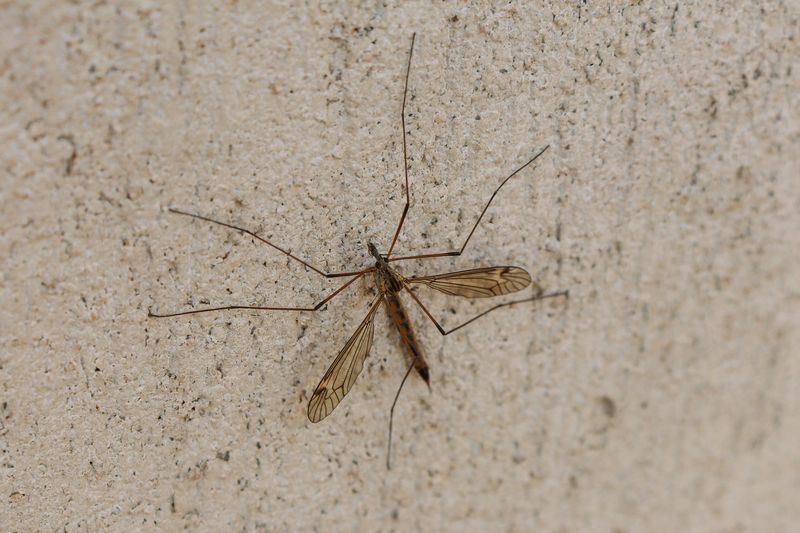
Scattered brown patches on your lawn can stop you cold on a Saturday morning walk outside.
Those damaged spots feel alarming, and the first instinct for most homeowners is to blame white grubs chewing through roots underground.
But here is the twist: crane fly larvae, called leatherjackets, feed on grass roots too, and they leave behind damage that looks almost identical.
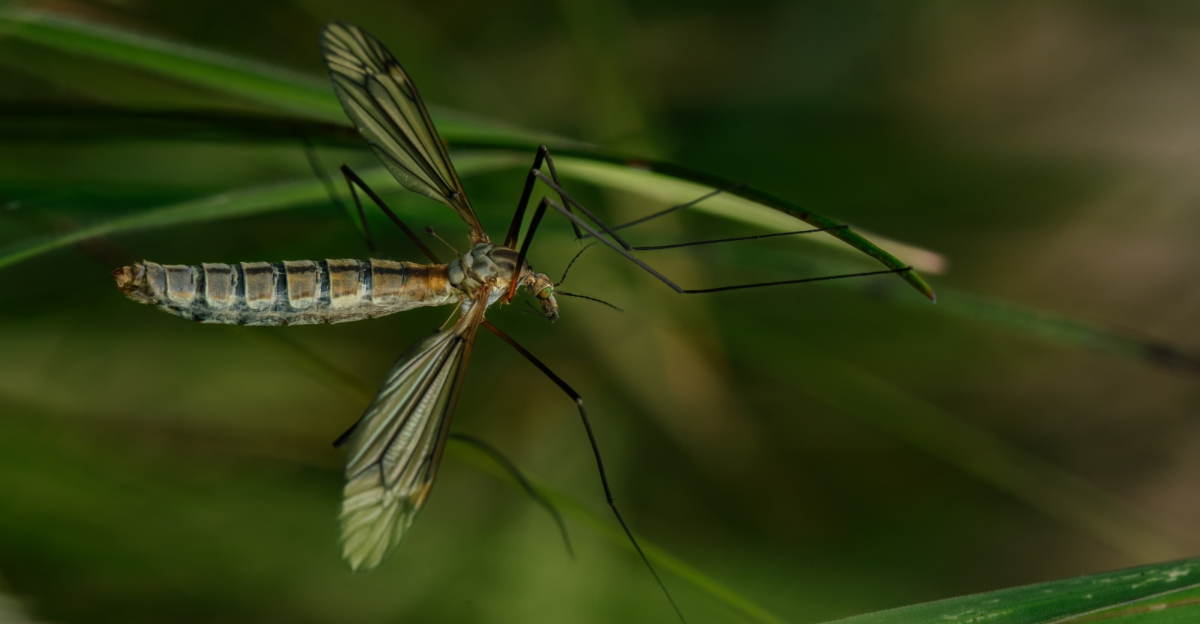
Crane flies are those giant, mosquito-looking insects that flutter around porch lights every summer evening.
Their larvae hatch in the soil and quietly munch on grass roots from late summer into fall.
The brown patches they create are patchy, irregular, and scattered, much like classic grub damage.
One key difference is that crane fly damage tends to spread more slowly and unevenly across the turf.
Grub damage often follows a more concentrated pattern tied to egg-laying areas.
If your brown spots seem random and scattered without a clear center, crane fly larvae deserve a serious look before you reach for any treatment product.
Misidentifying the pest means wasting money on the wrong fix, and your lawn keeps suffering while you wait for results that will never arrive.
Grass Lifts Right Off The Soil With Almost No Effort
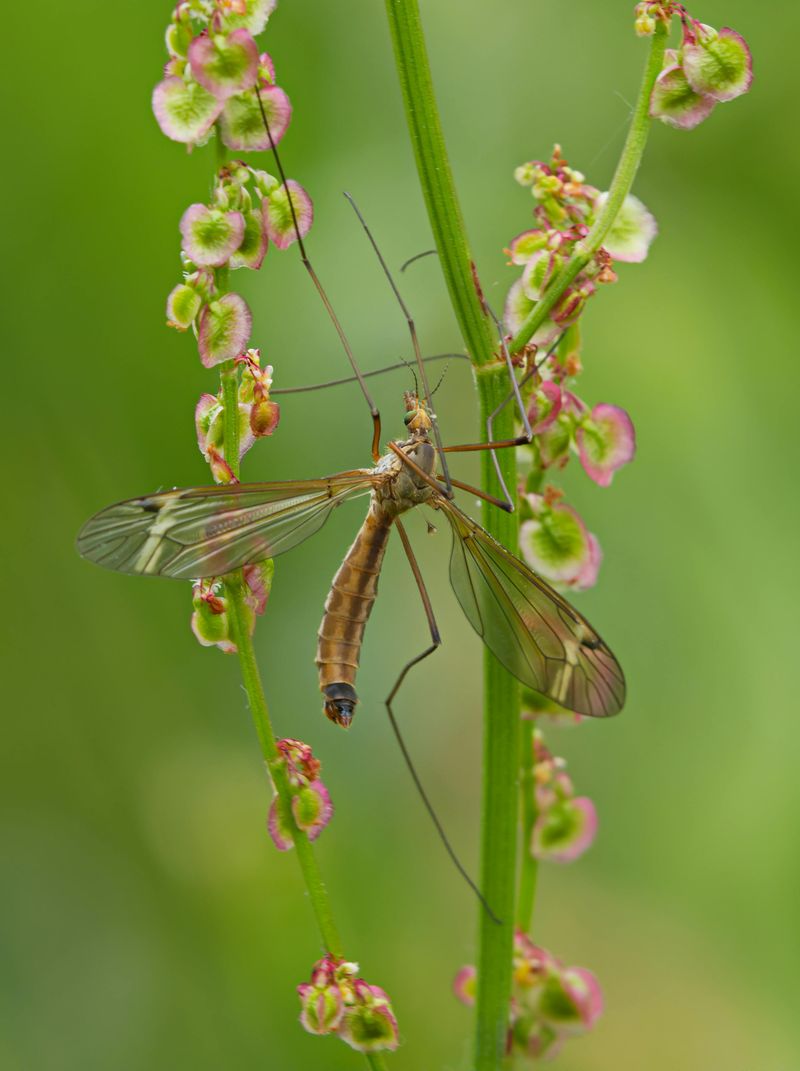
Healthy grass should resist when you tug it, almost like pulling a carpet nailed firmly to the floor.
When grass lifts with almost no effort, something underground has been cutting the roots loose.
Both grubs and crane fly larvae do exactly this, which is why so many Virginia homeowners misread the signs every single year.
White grubs are the larvae of beetles like Japanese beetles and masked chafers, and they sever roots at the soil level.
Leatherjackets, the larvae of crane flies, do the same thing but tend to feed closer to the thatch layer.
When you pull up a handful of grass and see no grubs clinging to the roots, do not assume the lawn is pest-free. Crane fly larvae are sneaky because they often hide deeper in the soil during the day and feed at night.
A quick tug test in the morning might not reveal them right away. Try pulling back a small section of turf and searching carefully through the top two inches of soil.
Your Virginia Garden Changes Every Week. Your Plan Should Too.
Gardening in Virginia changes quickly throughout the season. Every Friday you’ll receive a simple weekly plan showing exactly what to plant, prune, fertilize, harvest, and protect so you never miss the right timing.
Finding pale, gray-brown, legless larvae instead of the classic curled white C-shape is a strong sign that crane flies, not grubs, are behind your lawn troubles this season.
Turf Rolling Back Like A Carpet When Lifted
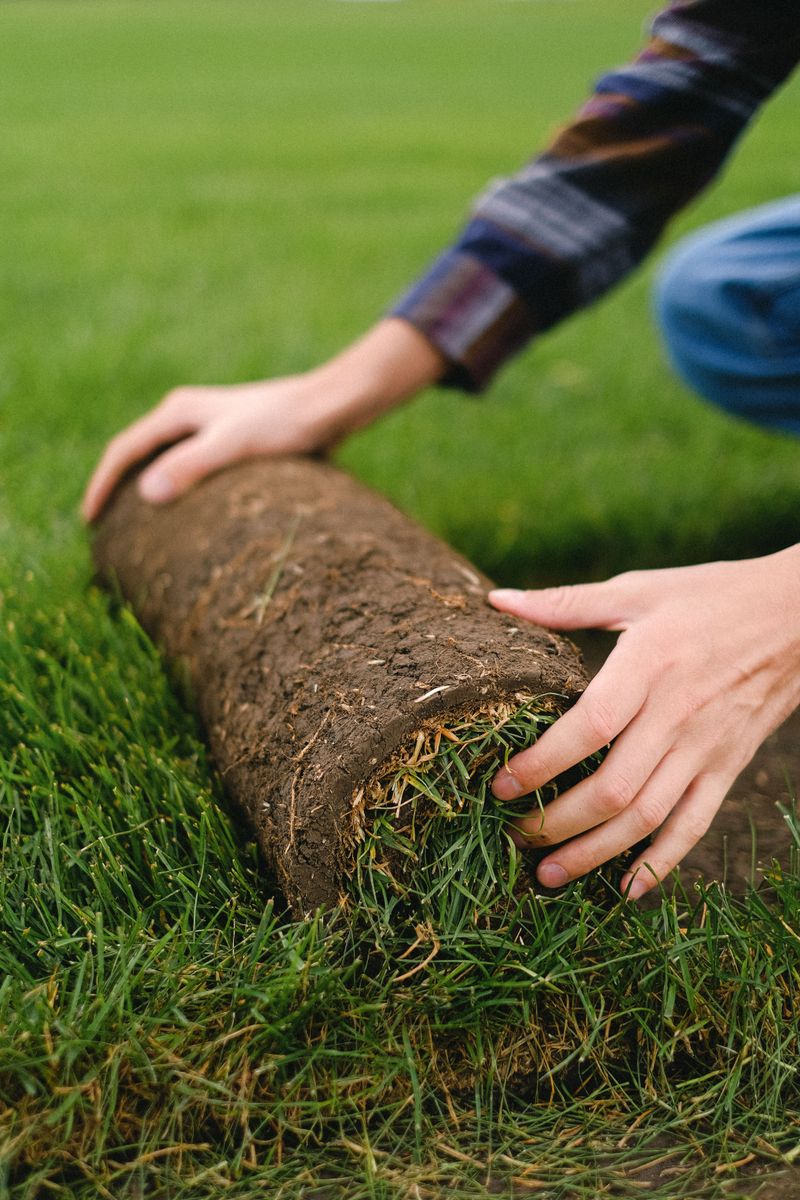
Few lawn moments are as unsettling as grabbing the edge of your turf and watching it peel back like a welcome mat.
That rolling-back sensation means the root system holding everything together has been destroyed from below.
It is one of the most dramatic signs of underground larval feeding, and it sends most homeowners straight to the grub treatment aisle.
The problem is that crane fly larvae can cause this exact same effect, especially in late summer when populations peak.
Leatherjackets feed aggressively on roots and organic matter in the thatch layer, weakening the turf’s grip on the soil beneath.
By the time your lawn is rolling back, the damage is already advanced and has been building for weeks.
Before buying any grub control product, take a moment to examine what is living in that exposed soil.
Grub worms are easy to spot: fat, white, C-shaped, and usually an inch or longer.
Crane fly larvae look very different: they are grayish-brown, legless, and have a tough, leathery skin that earned them the nickname leatherjackets.
Mistaking one for the other leads to treatments that do nothing, and your lawn continues to unravel one rolled-back section at a time.
Turf Feels Spongy And Shifts Beneath Your Feet
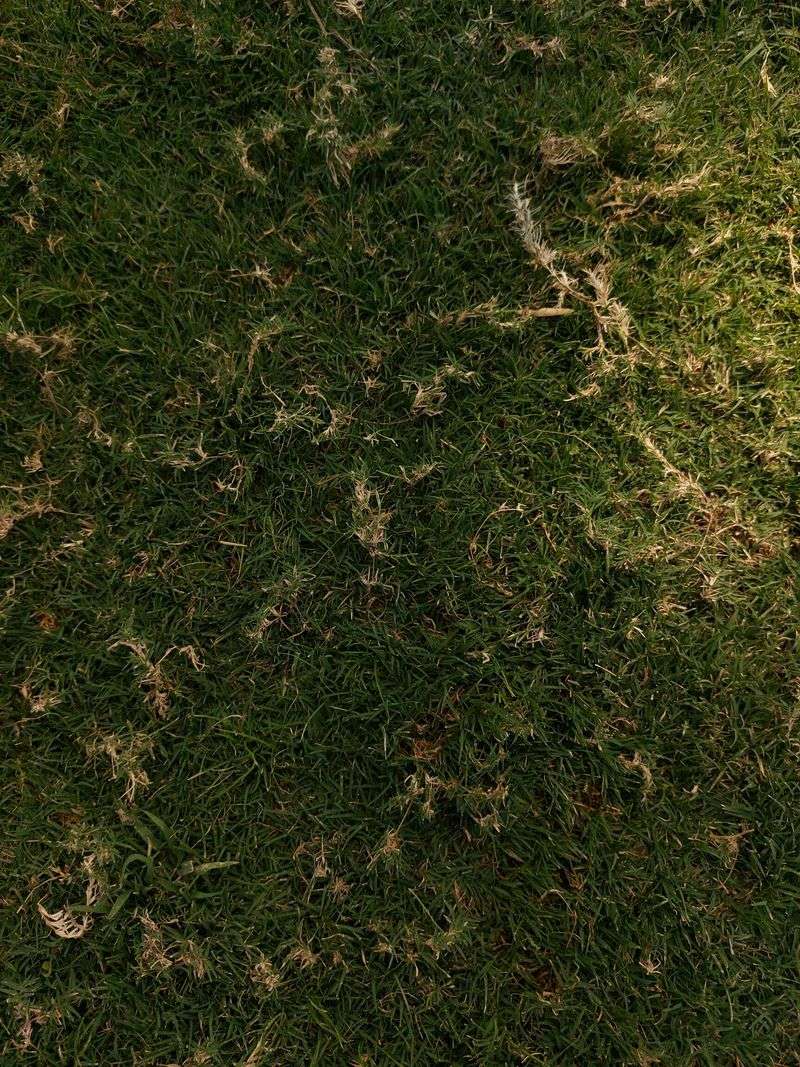
Walking across your lawn should feel firm and grounded, like stepping on a solid green floor.
When every step feels soft and spongy, almost like walking on a wet sponge, that is your lawn telling you something is very wrong underground.
This texture change is one of the earliest and most overlooked signs of larval activity beneath the surface.
Spongy turf happens when the root system becomes so damaged that the grass loses its anchor to the soil.
Both grubs and leatherjackets cause this, which is exactly why crane flies and grubs get confused so often during summer months in this region. The turf feels loose because the roots holding it down have been partially or fully eaten away.
A quick way to check is to press firmly with your foot and then lift the turf at the edge. If it moves with almost no resistance, you have a root-feeding problem worth investigating.
Digging down two to three inches in a few spots will tell you who is responsible. Soft, gray, worm-like creatures without legs point strongly toward crane fly larvae.
Finding curled, white grubs with visible legs and a brown head capsule confirms a grub problem instead. Knowing which one you are dealing with is the only way to choose a treatment that actually works.
Birds Pecking Aggressively At Concentrated Lawn Areas
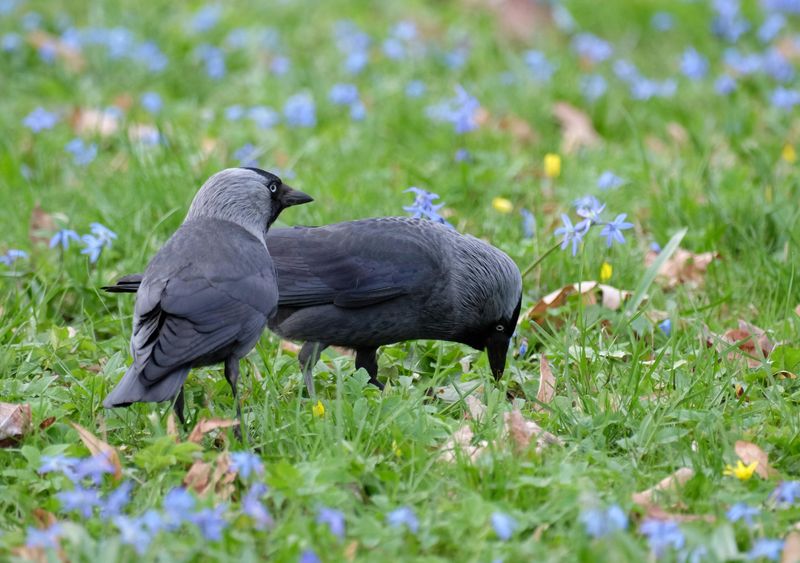
Robins, starlings, and crows are not gathering on your lawn for a casual visit. When birds start pecking aggressively at the same concentrated spots day after day, they are hunting something underground.
Birds have an uncanny ability to detect larval movement beneath the surface, and a yard full of feeding birds is one of nature’s most reliable pest alerts.
Here is where the confusion deepens: birds love both grubs and crane fly larvae equally. They cannot tell the homeowner which pest is below, and most homeowners assume it must be grubs because that is the pest they have heard about most.
Crane fly larvae are actually a favorite food for many bird species, especially during late summer when leatherjackets are actively feeding near the soil surface.
Concentrated bird activity in specific lawn zones is a strong signal that the pest population in those areas is especially dense.
Rather than immediately treating for grubs, use the birds as a guide and start digging in those exact spots. Count the larvae you find per square foot to assess the severity.
If grub counts per square foot are running high, that’s usually a sign treatment is worth considering. Thresholds vary depending on the pest and your local conditions.
Skunks And Raccoons Digging Up Turf Overnight
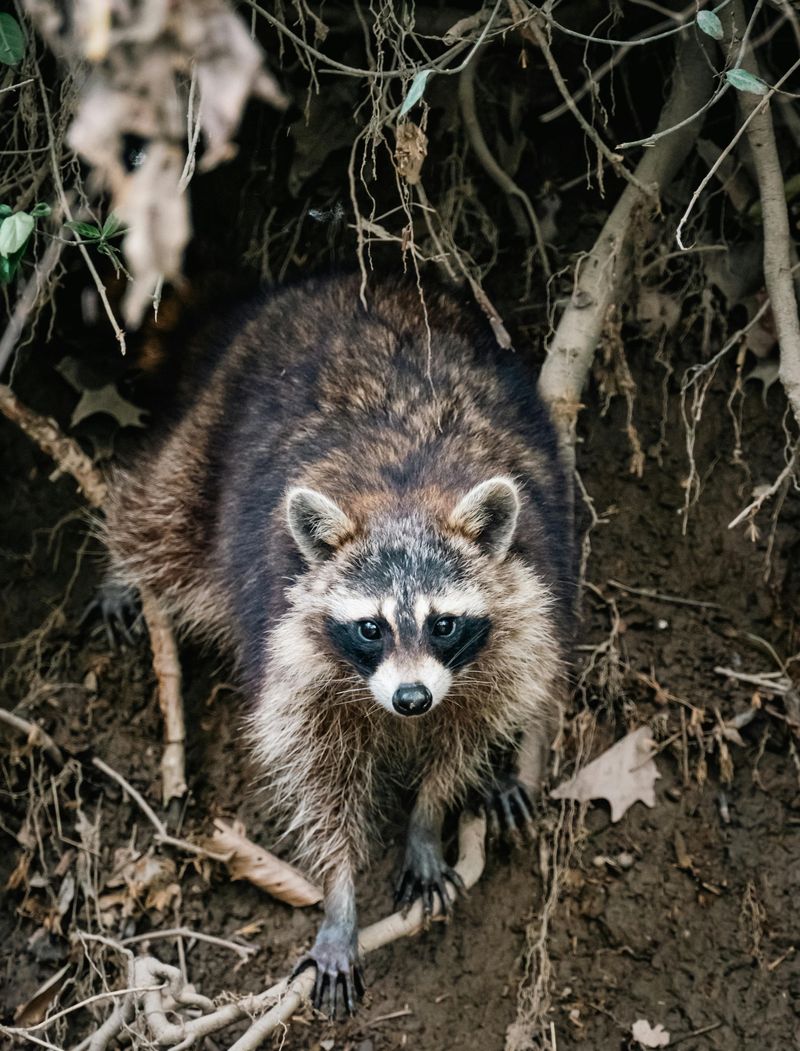
Waking up to find your lawn torn apart overnight feels like a crime scene investigation before your first cup of coffee.
Chunks of turf flipped over, soil exposed, and claw marks in the dirt are classic signs that nocturnal animals came searching for a midnight snack.
Skunks and raccoons are expert diggers motivated almost entirely by the promise of fat, juicy larvae waiting just below the surface.
Most homeowners see this damage and immediately assume grubs are the culprit, and sometimes they are right.
But crane fly larvae are equally attractive to skunks and raccoons, especially in late summer when leatherjackets are plump and active near the soil surface. Wildlife does not discriminate between grub species; they simply follow the food.
The overnight digging pattern is actually useful information if you pay attention to where it happens. Animals tend to focus their energy in areas with the highest larval density, so their digging spots become your best investigation zones.
Head out the next morning, pick a freshly dug area, and examine the soil carefully. Identify the larvae before spending money on any treatment.
A targeted, correct response will stop the wildlife visits far more effectively than throwing the wrong pesticide at a misidentified pest.
Damage Appearing In Late Summer To Early Fall
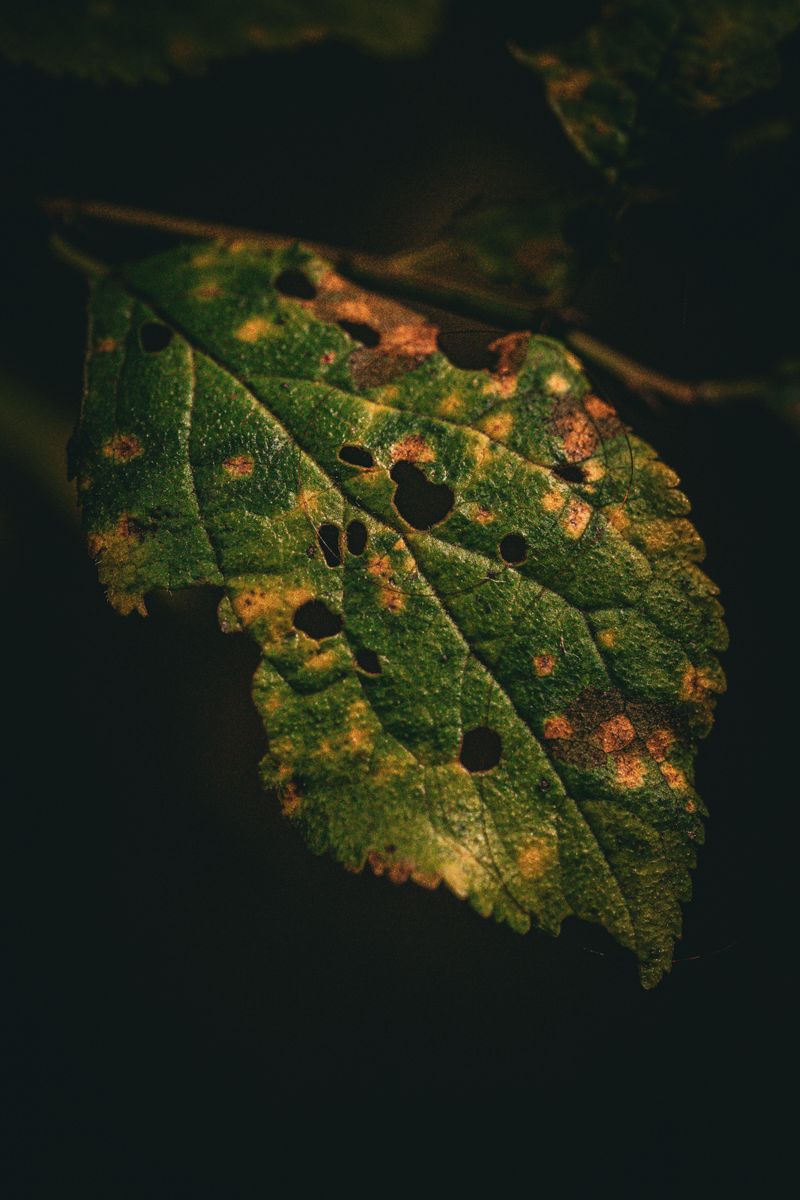
Both grubs and crane fly larvae save their worst behavior for late summer. If your lawn looked fine in June but started declining in August, the calendar itself is a clue worth paying attention to.
Both pests follow seasonal rhythms that overlap almost perfectly, which is a big reason why Virginia homeowners confuse crane flies with grubs this summer.
Grub eggs are laid in midsummer and hatch in late July and August, when young larvae begin feeding aggressively on roots.
Crane fly adults typically emerge in late summer, though timing can vary depending on the species and local conditions.
The timing overlap is almost perfectly synchronized, making it genuinely hard to tell them apart based on season alone.
Crane fly damage has a longer season than most homeowners expect. Leatherjackets survive winter underground and resume feeding again as spring temperatures rise. Grub damage typically slows as the larvae move deeper into the soil before winter.
If your lawn deteriorates again in early spring without any new pest introduction, crane fly larvae that survived winter are a likely explanation. Seasonality alone will not solve the mystery, but it narrows your list of suspects significantly.
Lawn Decline Worsening After Rain
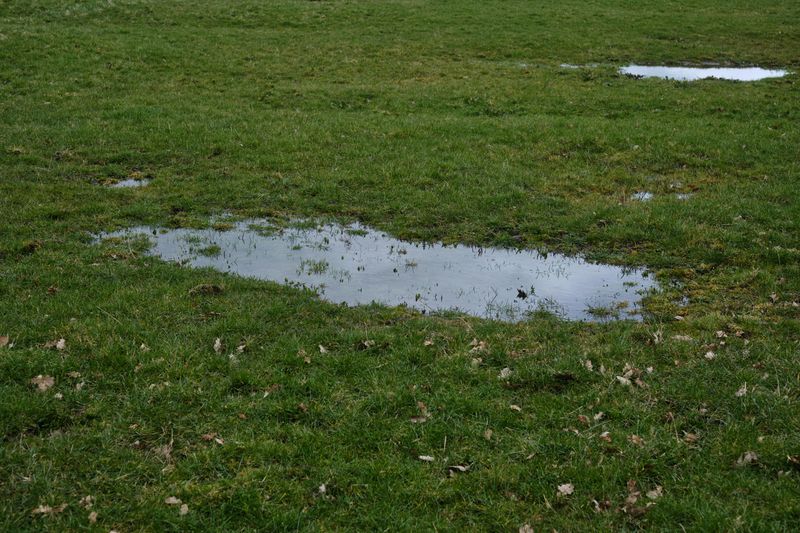
Rain fixes a lot of lawn problems, but not the ones hiding underground. Wet soil conditions actually make larvae more active and mobile, allowing them to feed faster and across a wider area.
Many homeowners notice their lawn looks worse the week after heavy rain and cannot figure out why. For crane fly larvae specifically, wet conditions are practically ideal living circumstances.
Leatherjackets thrive in moist soil and become significantly more active after rainfall, spreading through the turf and consuming roots at an accelerated rate.
This post-rain decline is one of the clearest behavioral clues that separates crane fly damage from typical grub activity patterns.
Grub larvae also become more active in moist soil, but they tend to move deeper when conditions get too wet, which can actually reduce surface damage temporarily.
Crane fly larvae do the opposite, rising closer to the surface and feeding more intensely. If you notice your lawn declining specifically after wet weather, examine the top inch of soil in a few spots.
A population of gray, legless, leathery larvae near the surface after rain is a strong confirmation that crane flies are the pest you need to address, not grubs.
Grub Treatments Showing No Improvement
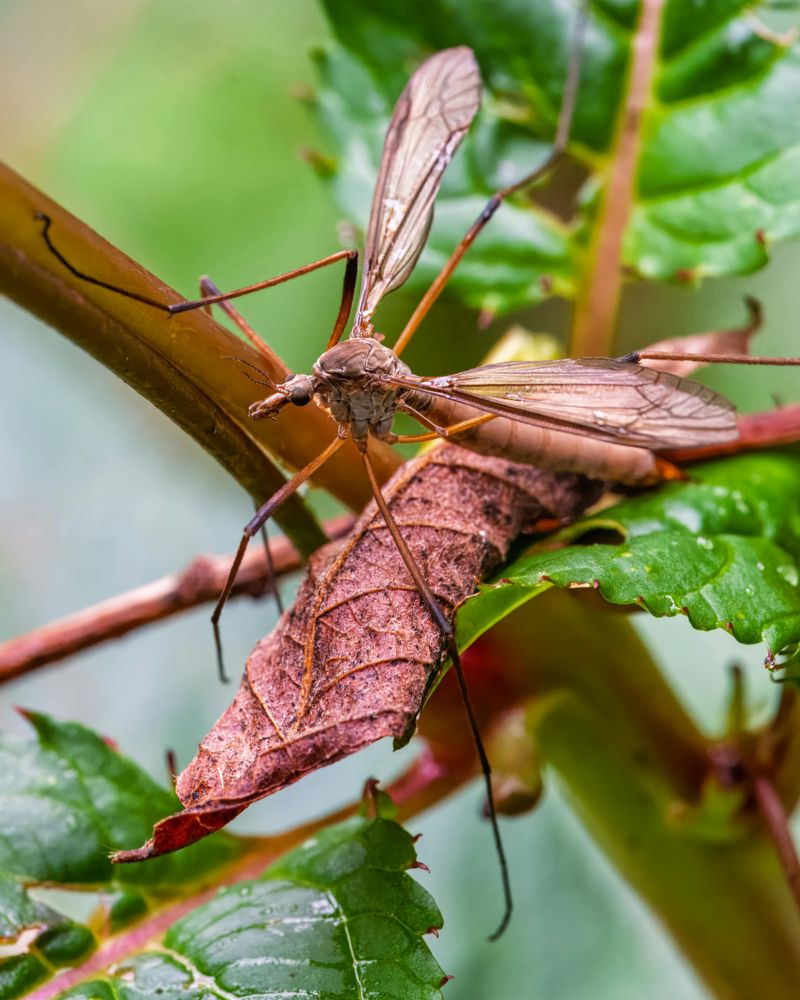
Forty dollars and careful application mean nothing when you are targeting the wrong pest. No improvement after two to three weeks of grub treatment usually sends homeowners straight to self-doubt.
The more likely explanation is that grubs were never the problem to begin with. Crane fly larvae are not affected by most common grub control products, because those formulations target beetle larvae specifically.
If leatherjackets are the actual pest in your soil, applying grub control is unlikely to make a real difference while your lawn continues to suffer.
This mix-up between crane flies and grubs is one of the most expensive and frustrating mistakes homeowners make. Confirming the pest before treating is always the smarter move, no matter how urgent the damage looks.
A proper soil inspection takes about fifteen minutes and can save you from repeated failed treatments.
For crane fly larvae, some targeted biological controls are available. Your local cooperative extension office can point you toward registered treatment options for your area.
Confusing crane flies with grubs costs Virginia homeowners real time and real money every season. One simple identification step before buying any product is all it takes to avoid that mistake.
Larvae In Soil That Look Similar To White Grubs
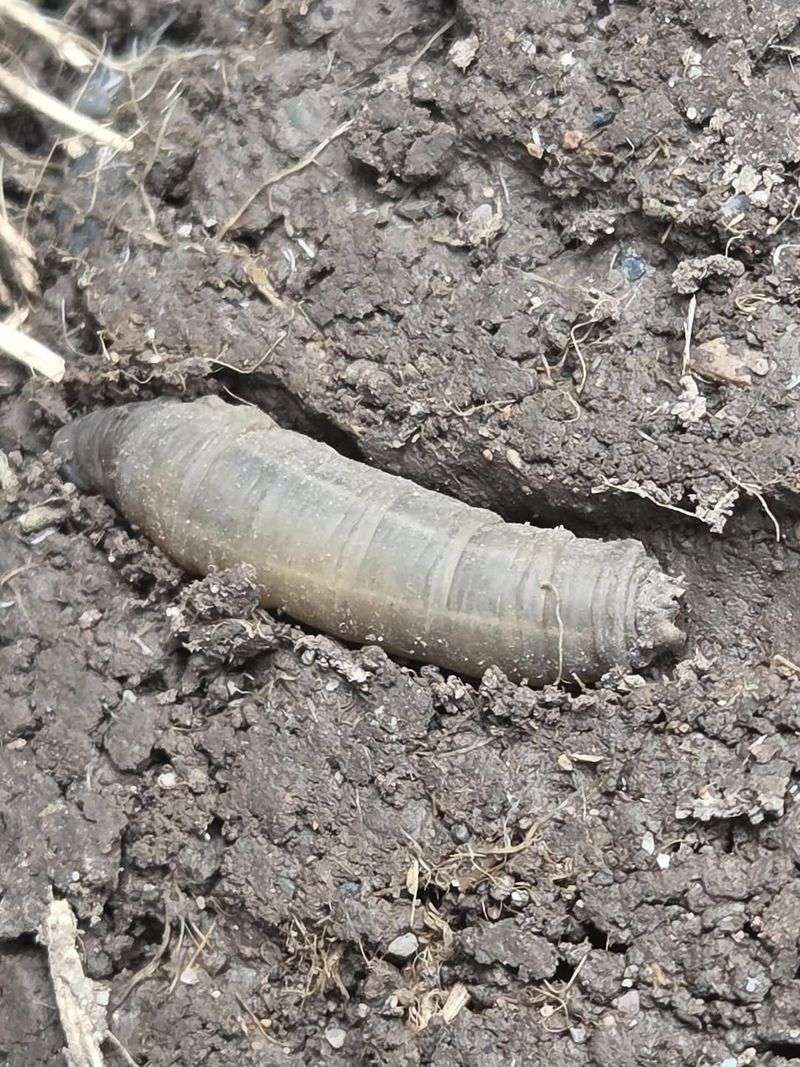
Both larvae hide in dark soil and that is exactly where the confusion between them takes hold. They are pale, soft-bodied, and roughly similar in size depending on their growth stage.
At a glance, especially for someone who has never seen either up close, they can look alarmingly similar.
White grubs are distinctly C-shaped, have three pairs of tiny legs near the head, and a brown or orange head capsule.
Crane fly larvae, or leatherjackets, are straight or slightly curved, completely legless, grayish-brown, and have a tough, wrinkled skin texture that feels almost rubbery. Once you know what to look for, the two are easy to tell apart in good lighting.
The challenge is that most homeowners dig up one or two larvae in poor light, feel panicked, and make a snap judgment without examining the details carefully.
Taking a photo and comparing it to reliable online resources or sending it to your local cooperative extension office takes only a few minutes. Getting the identification right protects your lawn, your wallet, and your time.
Too often, the crane fly and grub mix-up sends homeowners down the wrong treatment path. A simple, careful look at what is actually in your soil is all it takes to get back on track.