8 Vegetables To Direct Sow In Virginia The First Week Of August
August still lingers across Virginia, yet your garden already senses meaningful change. Most gardeners assume August only signals summer’s slow retreat. That assumption can shorten your harvest window.
Soil across Virginia still holds enough warmth for remarkably fast germination. Skip the trays, cell packs, and slow transplant shock entirely. Direct sowing lets roots settle before cooler air arrives.
Radishes mature quickly under this lingering summer sun. Leafy greens stretch fast, fueled by rapidly shortening daylight hours. Cooler nights bring out sweetness most gardeners never expect.
Timing decides whether you enjoy fresh meals or late ones. Waiting simply reduces flavor, texture, and valuable growing time. This window rewards prompt planting.
Seeds planted now quickly become dinner well before frost arrives. Every plant you sow this week shapes your fall table.
Your entire harvest calendar now depends on what happens next. Here’s what to plant to make the most of it.
1. Beets
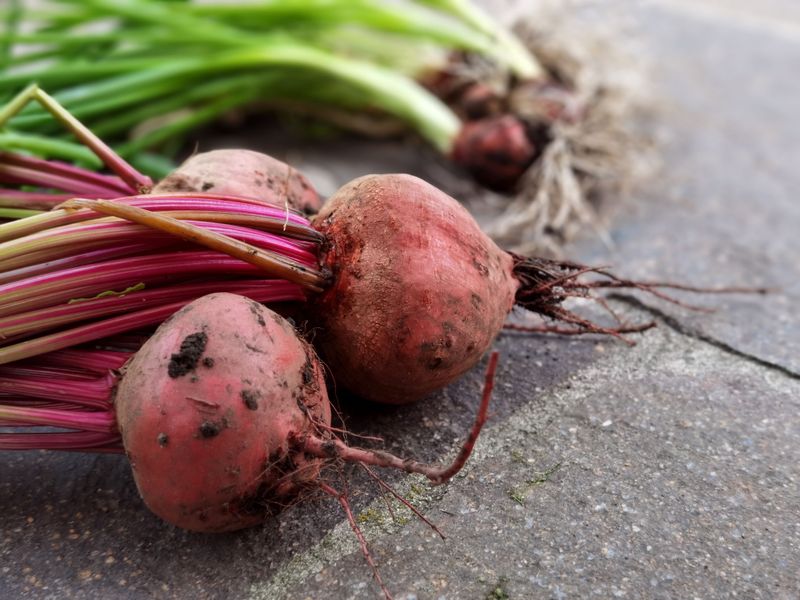
Beets are the underdog of the fall garden, and they deserve way more credit. Plant them the first week of August in Virginia and you will have sweet, earthy roots ready by October.
Beet seeds are actually clusters, so each one you drop in the soil can sprout multiple seedlings. Thin them early so roots have room to swell and grow properly.
Soil prep matters a lot here. Loosen your ground to about 12 inches deep, break up any clumps, and work in some compost before sowing.
Plant seeds about half an inch deep and space them two inches apart in rows. Keep the bed moist during germination, which usually takes five to ten days in warm August soil.
Once seedlings are two inches tall, thin to four inches apart. Do not toss those thinnings because beet greens taste amazing sauteed with garlic and butter.
August heat can stress young beets, so a light layer of straw mulch helps hold moisture and cool the soil. Water consistently, about one inch per week, to prevent the roots from cracking.
Beets prefer a soil pH between 6.0 and 7.0. If your garden soil leans acidic, add a sprinkle of lime a few weeks before planting to balance things out.
Harvest beets when they reach golf ball size for the sweetest flavor. Leave them in the ground a bit longer and they get bigger, though sometimes woodier in texture.
2. Spinach
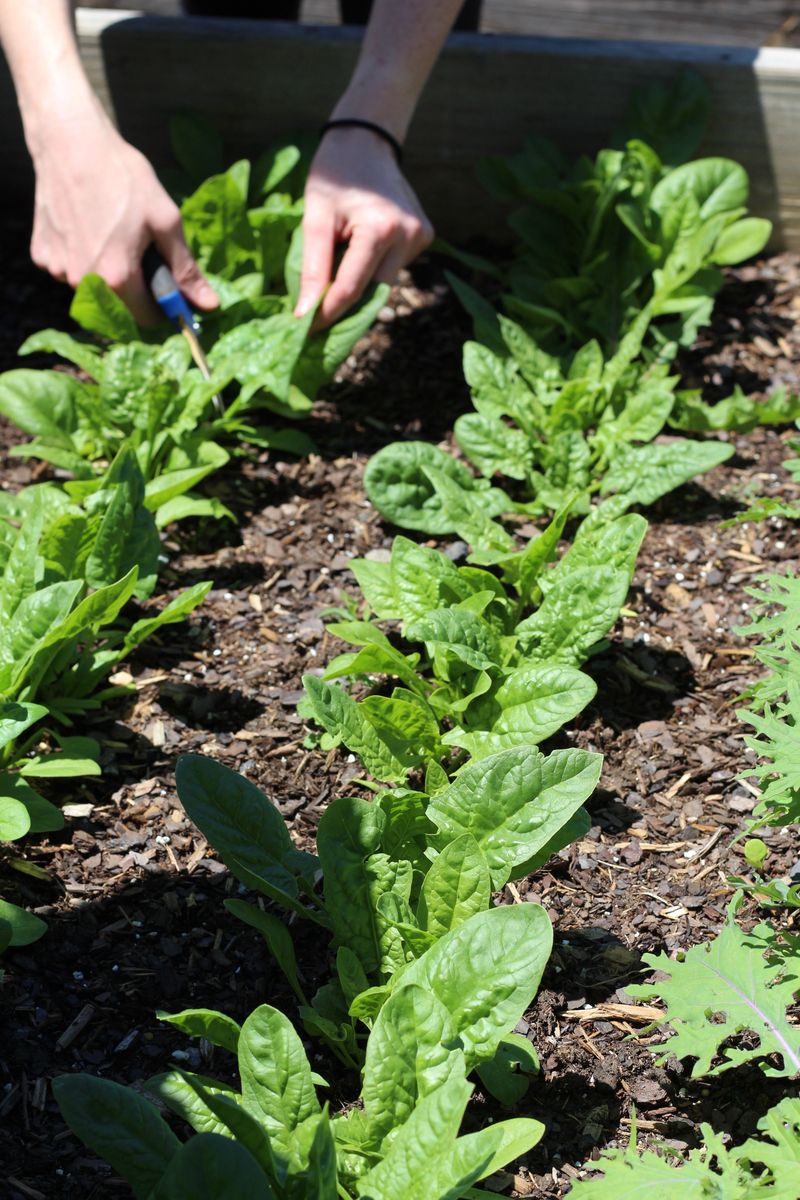
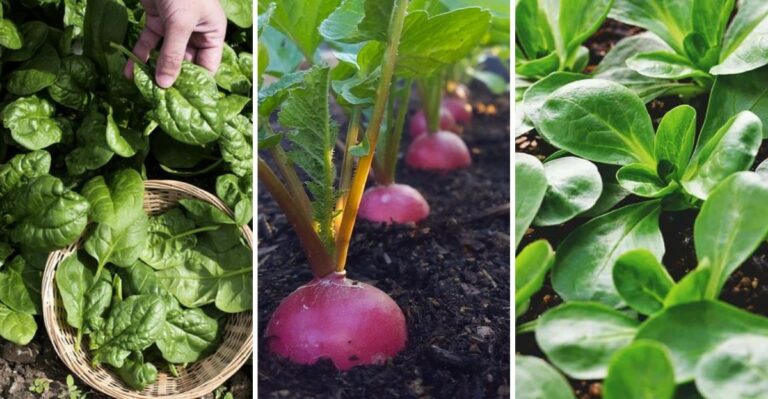
Spinach is the cool-weather champion that makes fall gardening feel like a reward. Sow it in early August in Virginia and it grows slowly through the warm weeks, then kicks into high gear when temperatures drop.
One thing most gardeners do not know is that spinach seeds germinate poorly when soil temps are above 75 degrees Fahrenheit. Pre-chill your seeds in the fridge for a few days before planting to improve your germination rate.
Sow seeds half an inch deep and two inches apart in rows about one foot wide. Choose a bolt-resistant variety like Bloomsdale Long Standing or Tyee for the best results in warm August soil.
Your Virginia Garden Changes Every Week. Your Plan Should Too.
Gardening in Virginia changes quickly throughout the season. Every Friday you’ll receive a simple weekly plan showing exactly what to plant, prune, fertilize, harvest, and protect so you never miss the right timing.
Keep the seed bed consistently moist during germination, which can take one to two weeks. Shading the area lightly with a row cover or shade cloth helps cool the soil and speeds up sprouting.
Once seedlings are two inches tall, thin to four to six inches apart. Crowded spinach produces small leaves and bolts faster when warm spells hit in September.
Feed plants with a nitrogen-rich fertilizer about three weeks after germination. Spinach is a heavy feeder and responds quickly to nutrients with lush, dark green leaf growth.
Harvest outer leaves when they are three to four inches long, leaving the center to keep producing. This cut-and-come-again approach extends your harvest window well into November or even December.
Spinach actually survives light frosts beautifully, making it one of the most rewarding vegetables to grow in a Virginia fall garden.
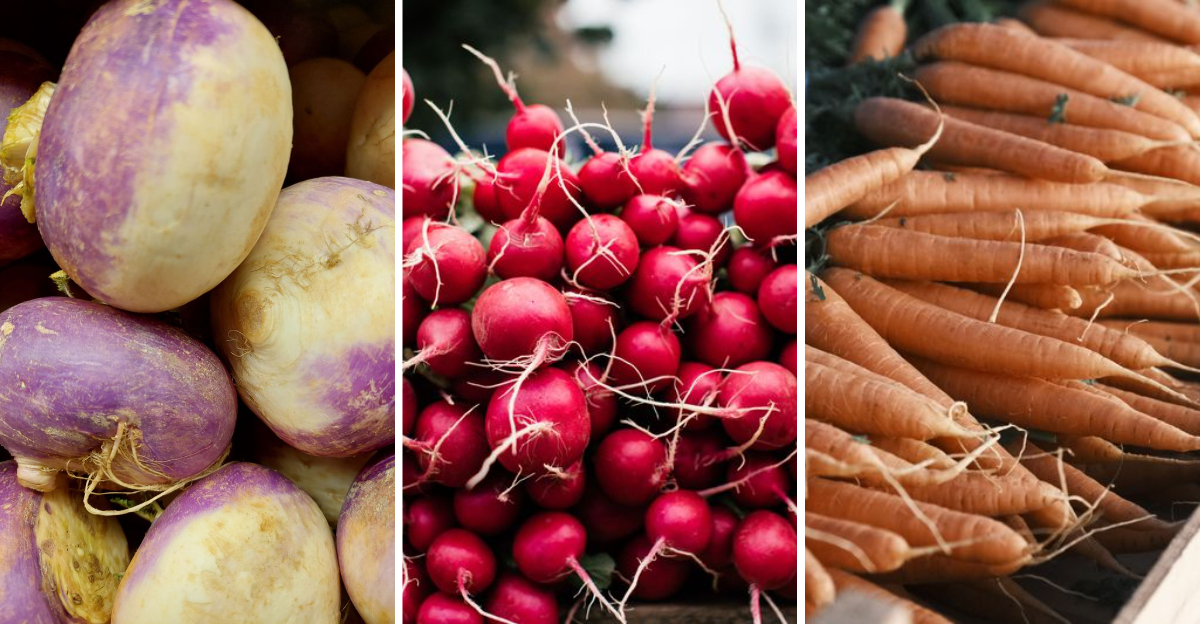
3. Carrots
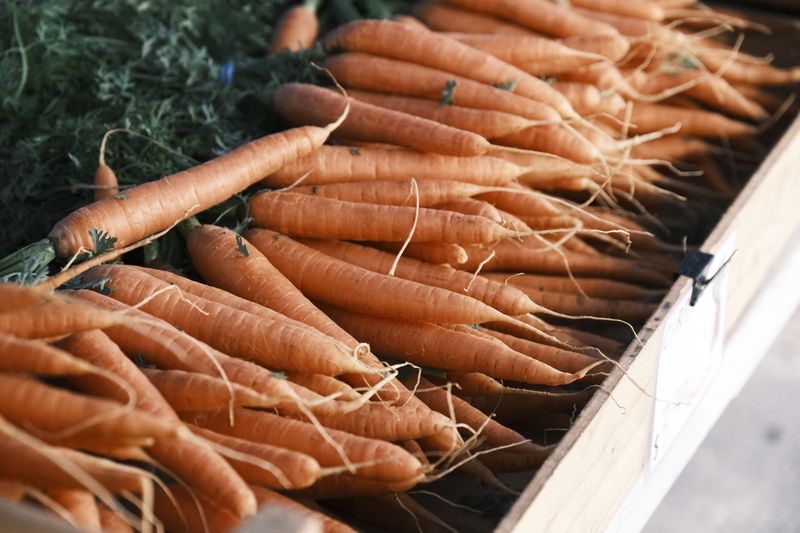
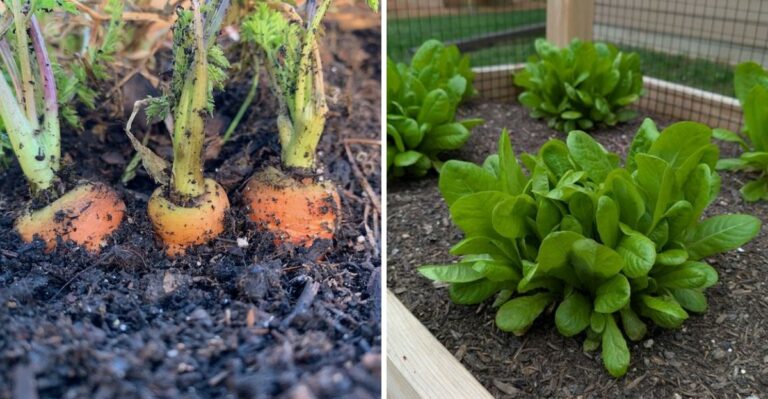
Carrots planted in early August in Virginia catch a lucky break. The warm soil speeds up germination, and the cooling fall temps sweeten the roots like natural candy.
One tricky part about growing carrots is keeping the seed bed moist until sprouts appear. Carrot seeds are tiny and slow, taking up to two weeks to germinate, so do not give up on them.
Sow seeds a quarter inch deep and about two inches apart in rows spaced six inches wide. Loose, sandy, or well-amended soil is key because rocky or compacted ground causes forked, stubby roots.
Cover seeds lightly and press the soil down gently to ensure good contact. Lay a thin board or burlap over the row to hold moisture, then check daily and remove it the moment you see green sprouts poking up.
Thin seedlings to two to three inches apart once they reach one inch tall. Crowded carrots fight each other for space and end up small and misshapen.
Feed your carrot bed with a low-nitrogen fertilizer about four weeks after planting. Too much nitrogen pushes leafy tops at the expense of the actual root you want to eat.
Expect to harvest in 50 to 80 days depending on the variety, which puts you anywhere from September to November. A light frost actually improves carrot flavor by converting starches into sugars.
Pull them after the first frost hits for the sweetest possible taste straight from your Virginia fall garden.
4. Radishes
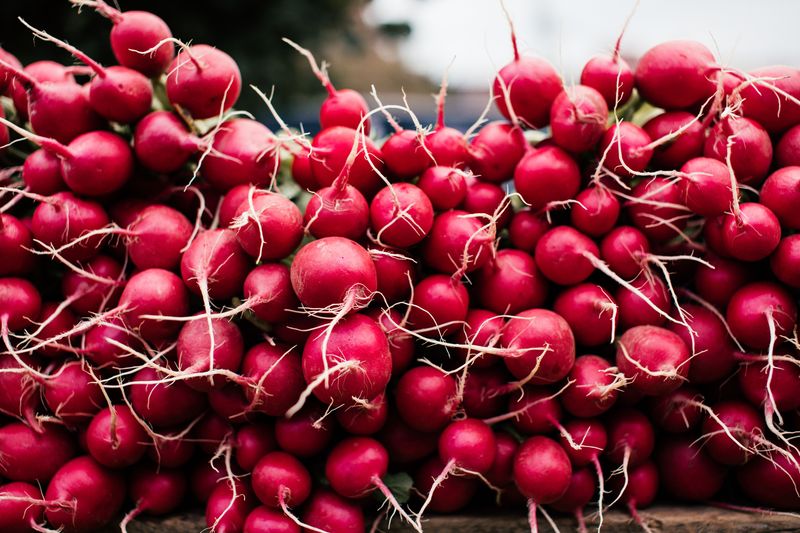
If patience is not your strong suit, radishes are your best friend in the garden. These fast-growing roots can go from seed to table in as little as 25 days, making them the ultimate quick win.
Sow radish seeds directly in the ground during the first week of August and you could be crunching on fresh ones before the month even ends. That kind of turnaround is hard to beat in any garden.
Plant seeds half an inch deep and one inch apart in rows about six inches wide. Radishes do not need much fuss, just consistent moisture and decent sunlight to thrive.
Thin seedlings to two inches apart once they sprout so each root has space to round out properly. Crowded radishes stay thin and bolt to seed faster than you want.
August heat can push radishes to bolt quickly, so choose a fast-maturing variety like French Breakfast or Cherry Belle to beat the heat. These types stay mild and crisp even when temperatures are still climbing.
Water evenly and avoid letting the soil dry out between waterings. Irregular moisture causes radishes to crack or develop a hot, pithy texture that nobody enjoys eating.
Radishes also work as companion plants, helping break up compacted soil for neighboring vegetables. Their quick growth cycle means you can sow a second succession a few weeks later for a longer harvest window.
Harvest promptly when roots reach the right size because leaving them too long makes them woody and sharp-tasting.
5. Turnips
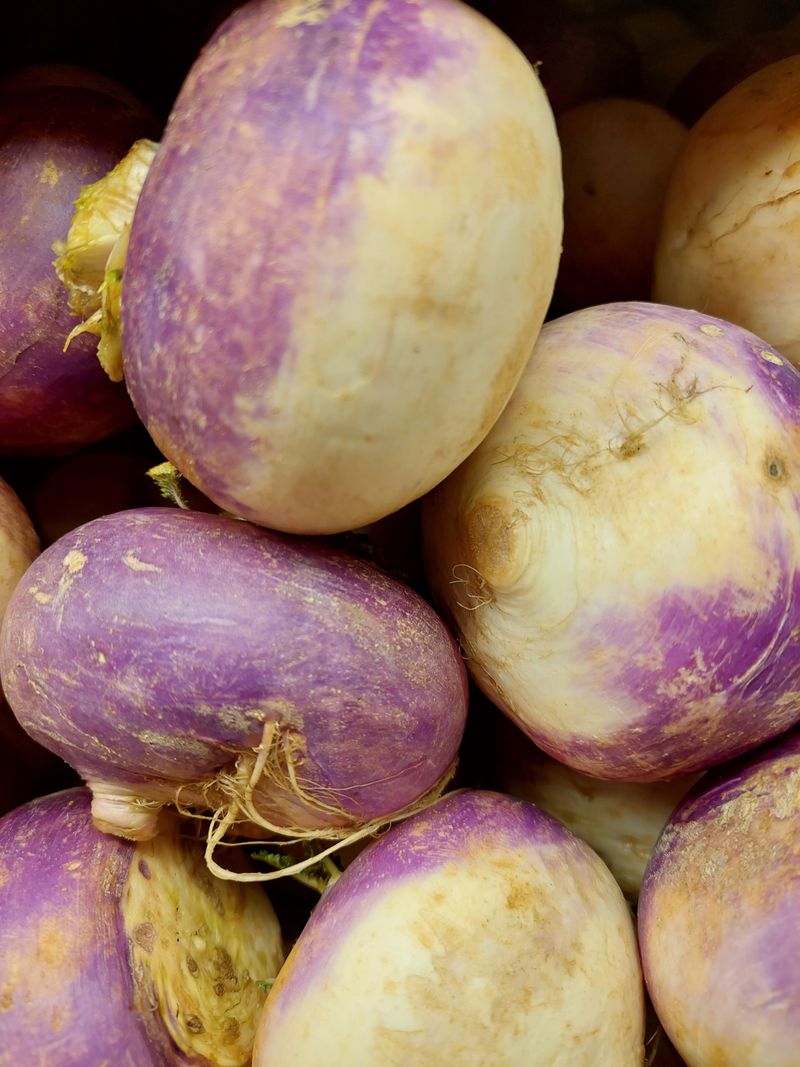
Turnips are one of those old-school vegetables that serious fall gardeners swear by. Plant them in early August and you get both edible roots and tasty greens from one single crop.
Direct sowing turnips in Virginia during the first week of August gives them about 60 days before the first frost typically arrives. That timing lines up almost perfectly for a late September to early October harvest.
Sow seeds a quarter inch deep and one inch apart in rows spaced 12 inches wide. Turnips germinate fast, usually within four to seven days, so you will see action in the garden almost immediately.
Thin plants to four to six inches apart once seedlings are a few inches tall. Proper spacing lets the roots develop a round, full shape instead of staying small and cramped.
Turnip greens are ready to harvest even before the roots mature. Snip outer leaves when they are six to eight inches tall and enjoy them steamed, sauteed, or tossed into soups.
Choose varieties like Purple Top White Globe or Hakurei for reliable fall production in Virginia. Hakurei is especially sweet and tender, almost like an apple when eaten raw right from the garden.
Water turnips consistently, about one inch per week, and avoid letting the soil crust over. A light mulch layer helps regulate soil temperature and holds moisture during those warm August days.
Fall-grown turnips taste sweeter after a frost, so hold off on harvesting until that first cold snap rolls through your area.
6. Swiss Chard
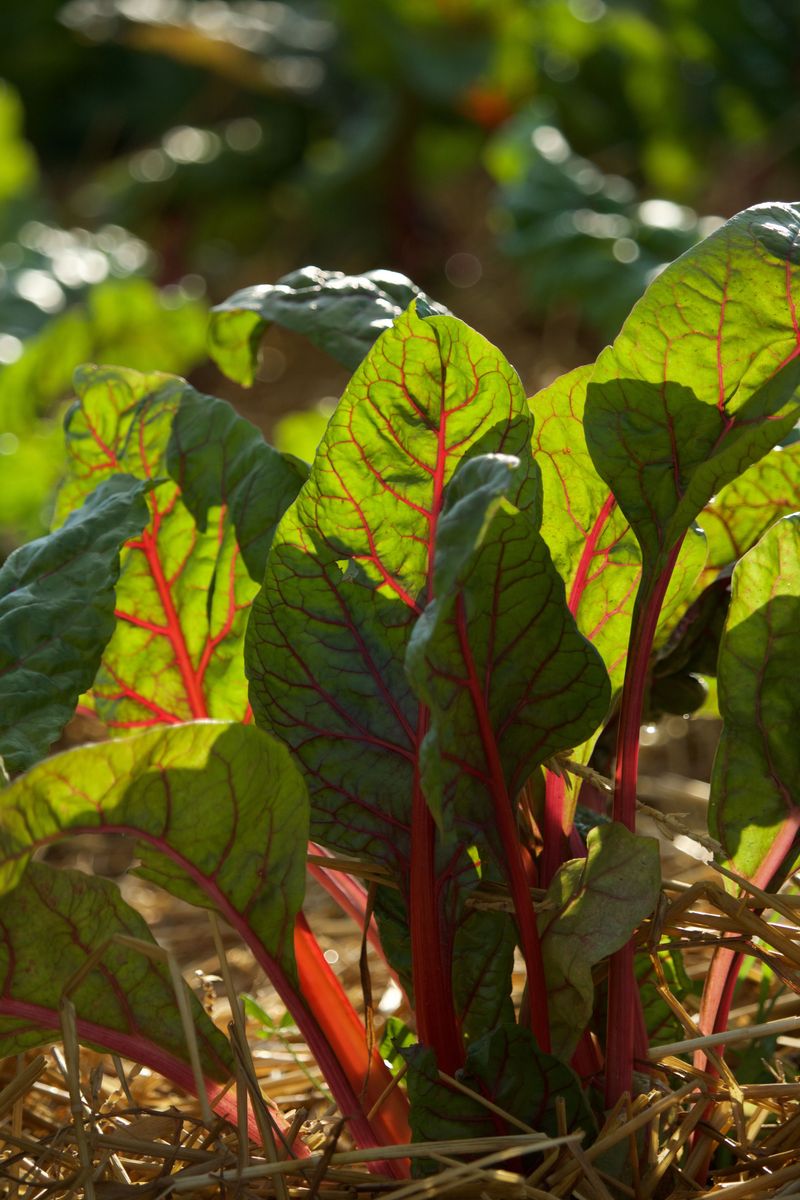
Swiss chard is notably hardy and low-maintenance, and that is exactly what you want when planting in August heat.
Its bold, colorful stems look gorgeous in the garden while delivering a steady supply of nutritious leaves all the way through fall.
Chard seeds are actually multi-germ clusters, similar to beets, so each seed can produce several seedlings. Sow them half an inch deep and four inches apart, then thin to six to eight inches once they sprout.
Plant chard in a spot that gets at least six hours of sun daily but has some afternoon shade to buffer August heat. A little shade keeps the plants from wilting and encourages steady, healthy leaf growth.
Water deeply once or twice a week rather than shallow daily watering. Deep watering encourages roots to grow down, which makes plants more drought-tolerant as temperatures fluctuate through September.
Swiss chard is not picky about soil, but it performs best in well-drained ground with a pH between 6.0 and 6.8. Mix in compost before planting to give seedlings a nutrient-rich head start.
Harvest outer leaves when they reach six to eight inches long, cutting them at the base of the stem. The plant will keep pushing out new leaves from the center for weeks on end.
Rainbow chard varieties like Bright Lights add a pop of color to both the garden and the plate. Few vegetables look as stunning while being this easy to grow in a fall garden.
7. Bush Beans
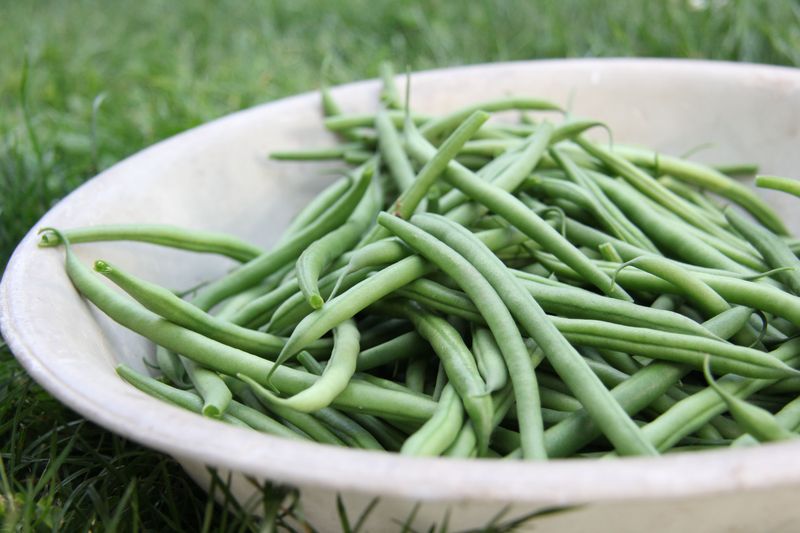
Bush beans grow quickly, and August is a good final window to plant them. Planted in the first week of August in Virginia, they can produce a full harvest before the first frost shuts things down.
Unlike pole beans, bush varieties do not need trellises or support structures. They stay compact, grow quickly, and deliver a concentrated harvest in about 50 to 60 days.
Sow seeds one inch deep and three to four inches apart in rows spaced 18 inches wide. Bean seeds rot in soggy soil, so make sure your garden bed drains well before planting.
Some gardeners avoid pre-soaking bean seeds since long soaks can cause splitting, though a brief soak works fine for many. Plant them directly in moist soil for the simplest, most reliable results.
Beans fix their own nitrogen from the air, so they do not need heavy fertilizing. In fact, too much nitrogen pushes leafy growth and reduces the number of pods you actually harvest.
Water consistently at soil level, avoiding wetting the leaves. Wet foliage on beans encourages fungal diseases like powdery mildew, which can spread fast in late summer humidity.
Pick pods when they are firm, slender, and snap cleanly in half. Leaving pods on the plant too long signals the plant to stop producing, so harvest regularly to keep the crop going. A late summer bean harvest in a Virginia fall garden feels like an extra reward, and it is.
8. Lettuce
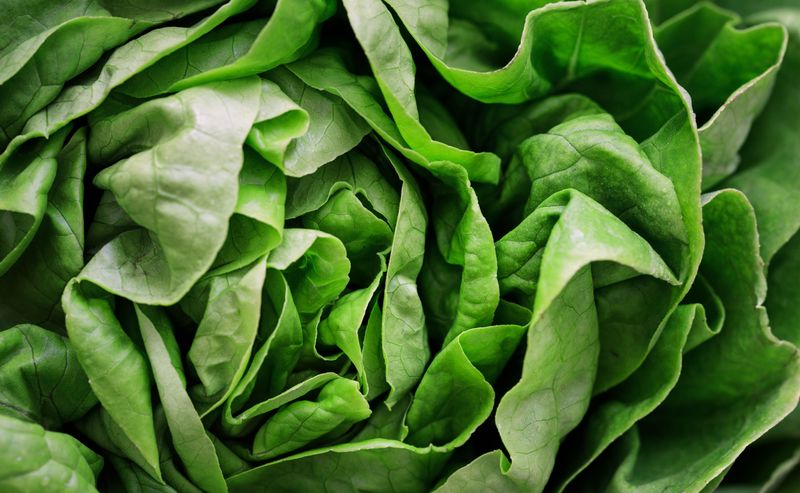
There is nothing quite like cutting fresh lettuce from your own garden for a salad. Plant it the first week of August in Virginia and you will have crisp, tender leaves ready to harvest in just four to six weeks.
Lettuce seeds need light to germinate, so do not bury them deep. Scatter seeds on the surface of moist soil, press them in gently, and keep the bed consistently damp until sprouts appear.
August soil is warm, which can inhibit lettuce germination. Pre-chill your seeds in the refrigerator for two days before sowing to trick them into thinking conditions are ideal for sprouting.
Choose loose-leaf varieties like Black Seeded Simpson, Red Sails, or Oakleaf for the best fall results. These types handle warm starts better than head lettuce and bounce back quickly once cooler temps arrive.
Thin seedlings to six to eight inches apart once they are an inch tall. Crowded lettuce bolts fast and turns bitter, especially when late summer heat lingers into September.
Water lightly and frequently to keep the top layer of soil moist without waterlogging the roots. Shade cloth stretched over the bed during the hottest part of the day can make a big difference in plant health and leaf quality.
Harvest outer leaves regularly to encourage the plant to keep producing fresh growth from the center. A fall lettuce patch can keep your salad bowl full well into November in a Virginia fall garden.