This Is Why Arizona Palm Trees Suddenly Drop Fronds — And What’s Actually Worth Worrying About
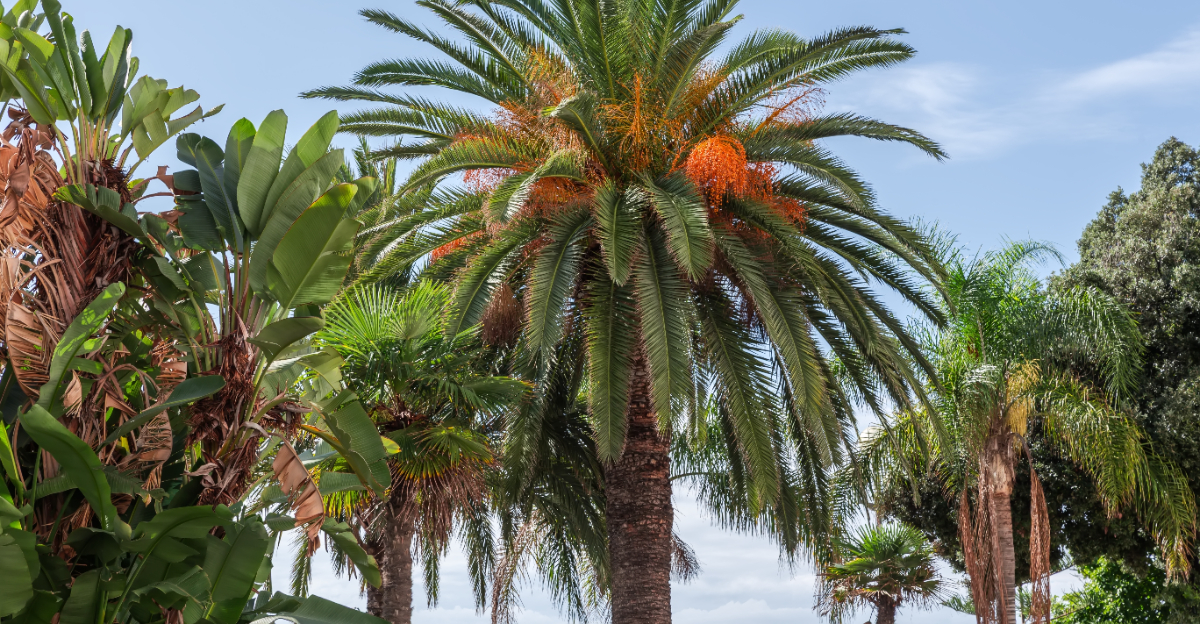
Few things get attention faster than looking at a palm tree one day and finding a large frond on the ground the next. It can happen without warning, leaving people wondering whether the tree is struggling or if a serious problem is developing.
When a palm has been healthy for years, that sudden change can be especially unsettling.
The confusing part is that not every fallen frond means something is wrong. Palms are constantly growing and changing, and some frond drop is simply part of that process.
At the same time, there are situations where falling fronds can signal that the tree is dealing with stress or conditions that deserve a closer look.
Arizona landscapes are filled with palms, which means this question comes up every year as temperatures climb and growing conditions change.
Knowing the difference between normal frond loss and signs of a bigger issue can make it much easier to decide when concern is actually warranted.
1. Older Fronds Drop As The Canopy Matures
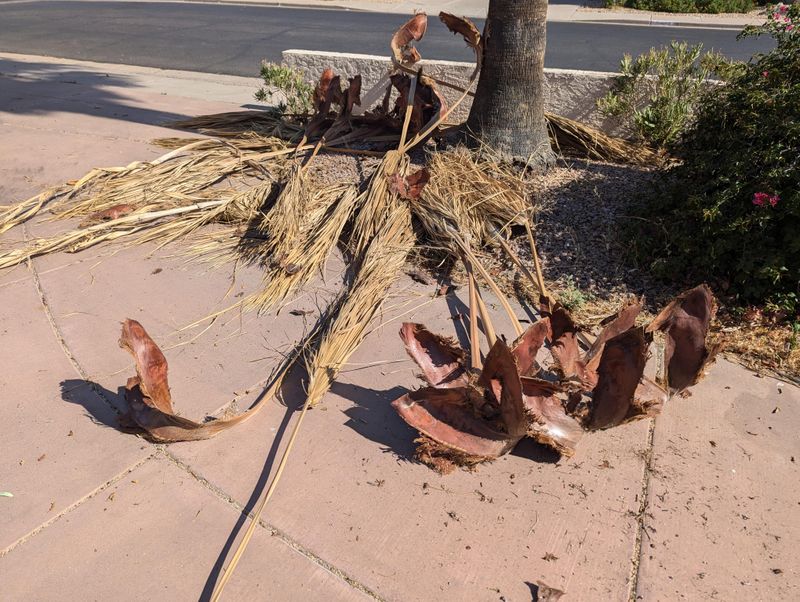
Lower fronds turning yellow and falling off is one of the most misunderstood things about palm care. Most people panic, but it is completely normal.
Palms naturally shed older growth as new fronds push out from the top.
A healthy palm constantly cycles through fronds. New ones grow from the center crown, and older ones at the bottom slowly lose their green color, droop, and eventually drop.
No intervention needed in most cases.
In hot desert climates, this process can feel faster than expected. High temperatures speed up the palm’s growth cycle, especially during summer.
Fronds that would last months in cooler regions may brown out in just a few weeks here.
What you want to see is green at the top and gradual browning only at the bottom. That pattern means the palm is working normally.
Fronds dropping from the middle or upper canopy are a different story entirely.
Avoid removing fronds before they fully brown. Cutting green or yellow fronds early stresses the tree and removes nutrients it is still pulling from those leaves.
Let the frond finish its cycle first.
Palms also shed fronds after producing fruit or flowers.
2. Trouble Starts When The Crown Looks Thin

A thick, full canopy at the top means your palm is doing well. When that crown starts looking sparse, something has shifted, and it deserves a closer look.
Crown thinning is often the first visible sign of a stressed palm. Fronds may still be green, but fewer new ones are pushing through.
Growth slows down noticeably compared to previous seasons.
Nutrient deficiency is one common reason. Palms in sandy or alkaline desert soils often struggle to absorb enough potassium and magnesium.
Without those nutrients, new frond production slows and the canopy begins to look hollow at the top.
Root stress is another cause. Compacted soil, poor drainage, or recent construction nearby can all disrupt root function.
When roots cannot absorb water and nutrients efficiently, the canopy takes the hit first.
Check how recently the palm was fertilized. Desert palms benefit from slow-release palm fertilizer applied two to three times per year.
Your Arizona Garden Changes Every Week. Your Plan Should Too.
Gardening in Arizona changes quickly throughout the season. Every Friday you’ll receive a simple weekly plan showing exactly what to plant, prune, fertilize, harvest, and protect so you never miss the right timing.
Skipping fertilization for a full season can cause noticeable crown thinning by late summer.
Also look at how much direct sun the crown receives. Palms planted near structures or under shade from newer growth may not get the light they need.
Full sun exposure matters a lot in open desert landscapes.
A thin crown does not always mean permanent damage.
3. Check Soil Moisture Before Adding More Water
Overwatering is one of the most common mistakes made with desert palms. It sounds counterintuitive, but too much water causes more problems than too little in most cases.
Wet soil that never fully dries out suffocates roots. Roots need oxygen to function, and soggy soil cuts that off.
Once roots start struggling, fronds drop faster and recovery takes a long time.
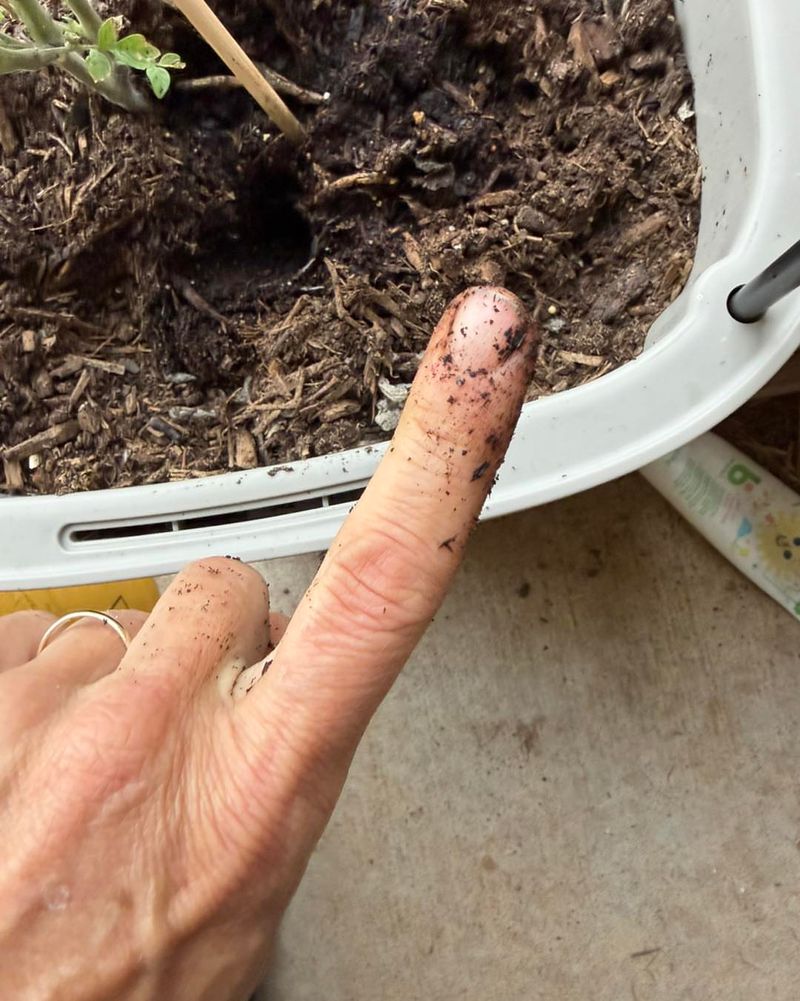
Before turning on the irrigation, push a finger or a wooden dowel about six inches into the soil near the base. If it comes out damp, hold off watering.
If it comes out dry, the palm is ready for a deep soak.
Deep, infrequent watering works much better than frequent shallow watering for established palms. A long slow soak every seven to ten days during summer encourages roots to grow deeper.
Shallow daily watering keeps roots near the surface where they are more vulnerable to heat and drought stress.
Newly planted palms need more frequent watering for the first few months. Once established, they handle dry stretches well.
Most desert palms are surprisingly drought tolerant once their root systems are fully developed.
Watch for yellowing on lower fronds combined with soft, mushy soil. That combination often points to root rot from overwatering.
4. Inspect New Growth After Windy Weather
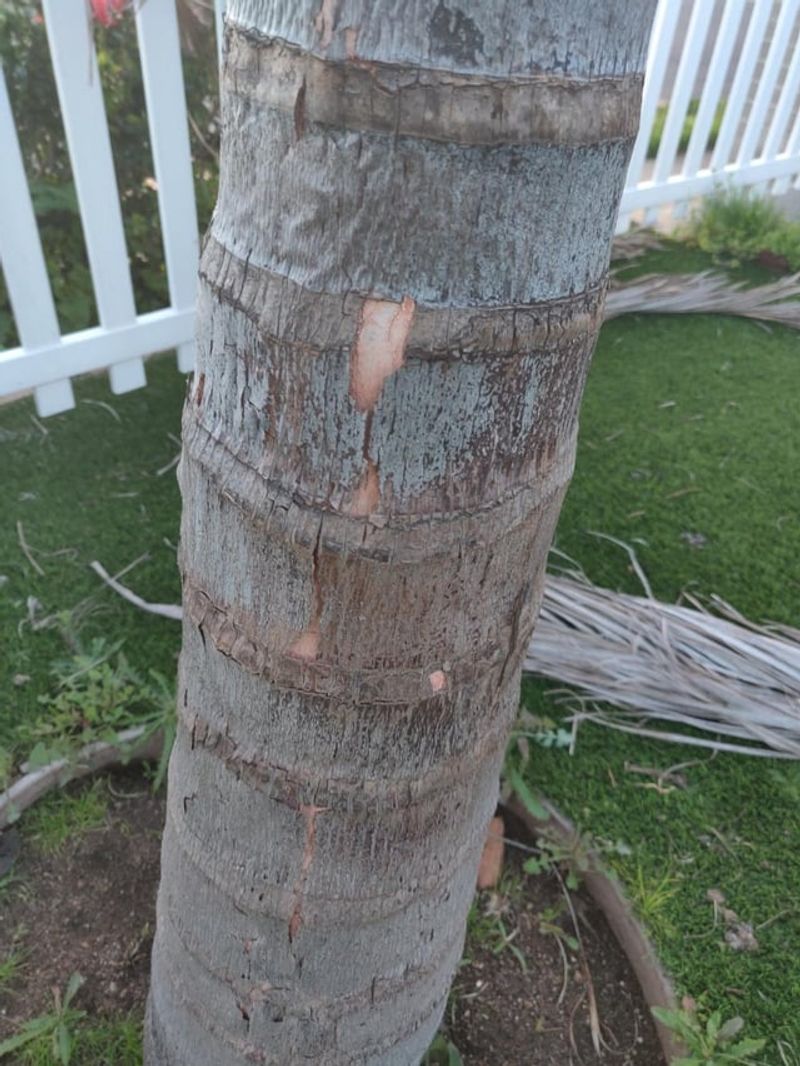
Strong winds hit desert regions hard, especially during monsoon season. After a big storm rolls through, checking your palm’s newest growth should be the first thing on your list.
Wind can snap or bend emerging fronds before they fully open. A damaged spear, which is the tightly rolled new frond in the center, may look fine from a distance but could be cracked or kinked underneath.
That kind of damage limits how the frond opens and can lead to deformed or stunted growth.
Look at the center of the canopy right after high winds. Healthy new growth should be upright and firm.
A spear that leans heavily to one side or looks bent at an odd angle may have sustained physical damage during the storm.
Dust storms also coat fronds with fine particles. A thick layer of dust blocks sunlight from reaching leaf surfaces and can slow photosynthesis.
A gentle rinse with a garden hose after a dust storm helps the palm recover faster.
Fronds that were already weakening before a storm often get knocked loose during high winds. Do not assume wind caused the problem just because timing lines up.
Check the base of fallen fronds for signs of disease or rot, which would indicate a separate issue.
5. Cut Away Fully Brown Fronds Only
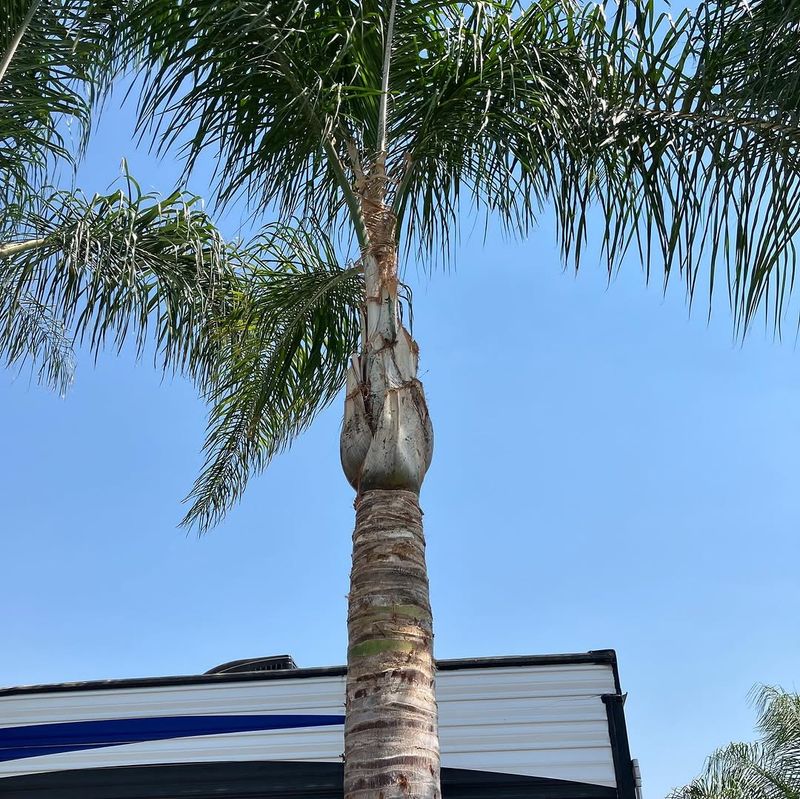
Pruning palms feels satisfying, but cutting at the wrong time causes real harm. Grabbing the clippers every time a frond turns slightly yellow is a mistake many homeowners repeat season after season.
Fronds that are still yellow or partially green are actively sending nutrients back into the trunk. Removing them early wastes that energy and forces the palm to work harder to replace what was lost.
Wait until a frond is completely brown and dry before cutting it off.
Use clean, sharp tools every time. Dull blades crush and tear rather than cut cleanly, leaving ragged wounds that take longer to seal.
Cut fronds as close to the trunk as possible without cutting into the trunk itself. Leaving long stubs creates entry points for insects and fungal issues.
A clean cut flush with the boot, which is the fibrous base left behind, heals much faster.
Never cut fronds pointing upward at an angle above horizontal. Removing fronds that grow above a horizontal line stresses the palm and removes active photosynthesis capacity.
Only fronds hanging below horizontal are candidates for removal.
6. Check New Fronds For Nutrient Deficiencies
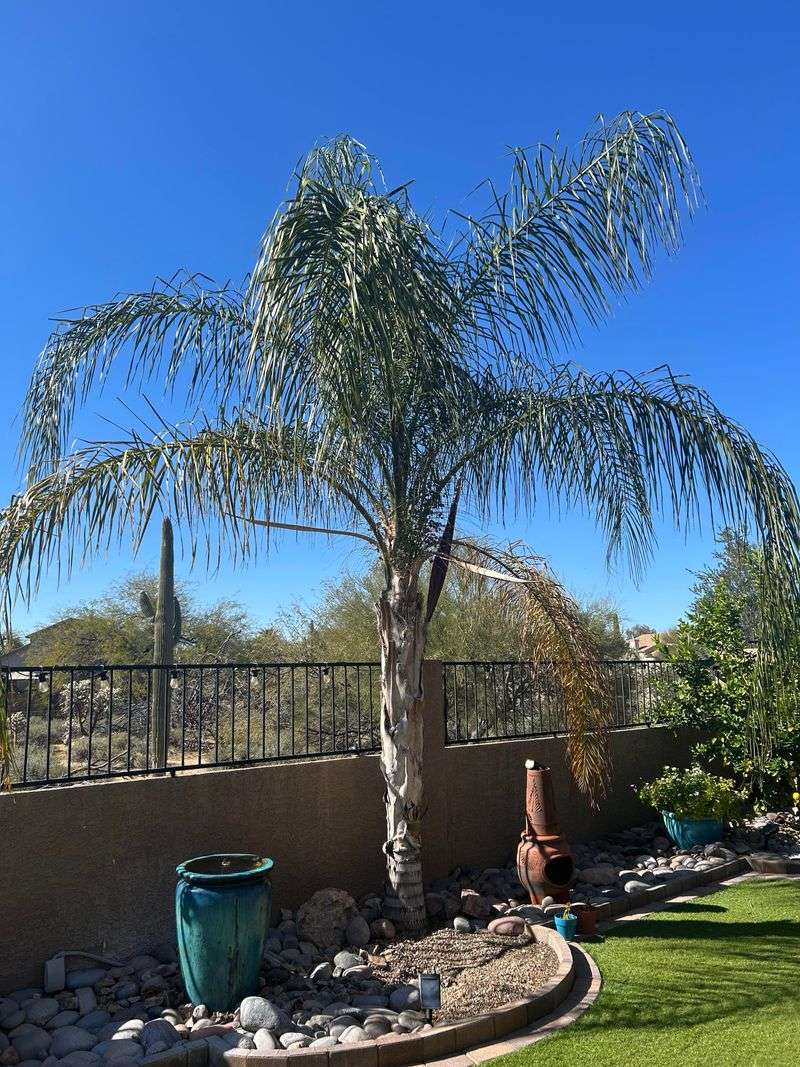
New fronds tell you a lot about what is happening inside the palm. Discoloration on emerging leaves is one of the clearest early signals that something is off with the tree’s nutrition.
Potassium deficiency shows up as yellow or orange spotting on older fronds first, then progresses toward the center. Magnesium deficiency creates a yellow band along the edges of older fronds while the center stays green.
Both are very common in the sandy, alkaline soils found across the desert Southwest.
Manganese deficiency is different and more urgent. It shows up on the newest fronds, making them look frizzled, weak, or shriveled as they emerge.
New growth that looks abnormal right out of the center spear is a sign to act quickly.
Soil pH plays a big role in nutrient availability. Desert soils are often highly alkaline, which locks up certain minerals even when they are physically present in the ground.
A soil test can confirm whether pH adjustment is needed alongside fertilization.
Palm-specific slow-release fertilizers are formulated with the right nutrient ratios for these trees. General-purpose fertilizers often lack the magnesium and potassium levels that palms require.
Using the wrong product can actually make deficiencies worse over time.
7. Keep An Eye On The Center Spear
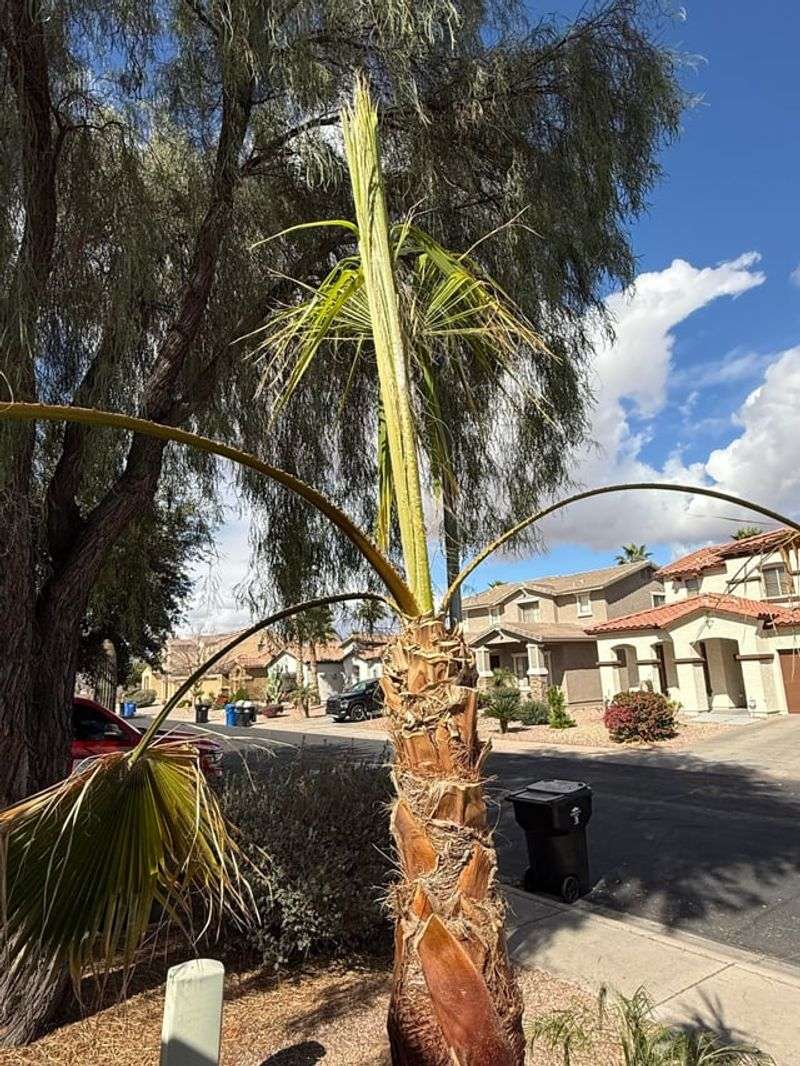
Out of everything on a palm tree, the center spear deserves the most attention. Lose that, and the palm cannot produce new fronds at all.
The spear is the tightly rolled new frond sitting at the very top center of the canopy. Healthy spears stand upright, feel firm, and have a bright green color.
A spear that pulls out easily, smells bad, or has turned brown at the base is a serious warning sign.
Bud rot is the most damaging condition that affects the spear. It is caused by a pathogen that enters through wounds, standing water, or damaged tissue.
Once rot reaches the growing point deep inside the crown, recovery becomes very difficult.
Frond-footed bugs and palm weevils sometimes target the spear as well. These insects bore into the center of the canopy and damage tissue from the inside.
Fronds near the top may start dropping in clusters when pest activity is present at the crown.
After heavy rain or monsoon storms, check that no water is pooling inside the crown. Standing water in the center of a palm creates ideal conditions for fungal and bacterial problems.
Good drainage around the base of the tree also helps prevent moisture from accumulating near the root zone.