Arizona Plants That Look Heat Stressed Even When They Are Perfectly Healthy
Arizona summers have a talent for making perfectly healthy plants look absolutely terrible, and homeowners who don’t know what to expect can spend a lot of unnecessary time worrying.
Bare stems appear overnight, leaves pale out or drop without warning, canopies thin out in ways that feel alarming, and suddenly you’re standing in your yard convinced something has gone seriously wrong.
Here’s the thing though: a lot of the time, nothing has. Many Arizona native plants are genuinely brilliant at looking rough precisely because that’s how they survive.
Dropping leaves, fading color, going semi-dormant, these aren’t signs of a struggling plant. They’re signs of a very smart one doing exactly what it was built to do in intense desert heat.
Knowing which plants are supposed to look a little rough right now can save you a lot of stress and a lot of unnecessary watering.
1. Palo Verde Can Drop Leaves And Still Keep Working
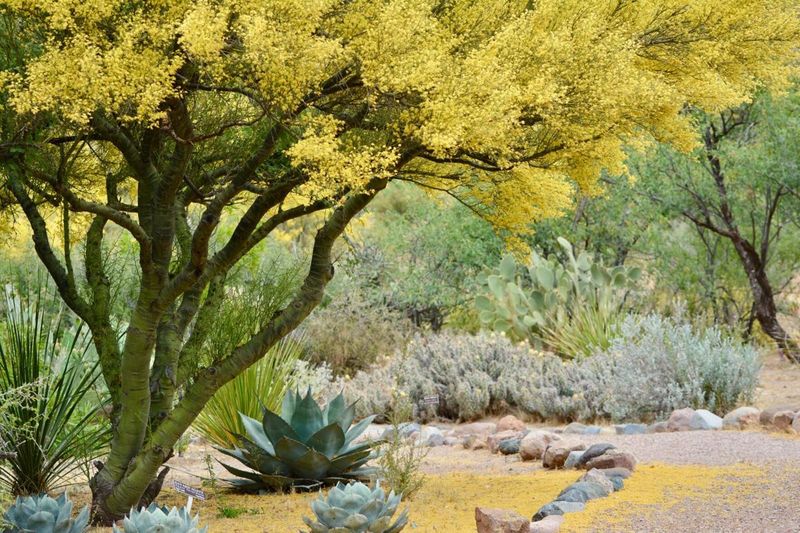
Walking past a Palo Verde in July and noticing almost no leaves on the branches is enough to make any Arizona homeowner stop and stare. Bare limbs against a blazing sky can look alarming, but this is one of the most brilliantly adapted trees in the low desert.
Palo Verde sheds its tiny leaves during hot, dry periods specifically to reduce water loss, and that strategy has kept these trees thriving in Arizona for thousands of years.
What makes Palo Verde especially fascinating is its green bark. Even without a single leaf, the tree continues photosynthesizing through its green trunk and branches, quietly producing energy while the rest of the desert bakes.
This means a leafless Palo Verde is not necessarily a struggling one. In many cases, it is simply running on its backup system until moisture returns.
Homeowners in Arizona gravel yards and front-yard native plant beds often assume their Palo Verde needs emergency watering when leaves drop in summer.
Occasional deep watering during long dry spells can support established trees, but overwatering can cause more harm than underwatering for this species.
Watch for signs like branches that remain bare and unresponsive after monsoon rains, soft or discolored bark, or a canopy that continues to thin rather than rebound. Those details may deserve a closer look from a local horticulturist.
2. Mesquite May Thin Out During Long Dry Spells
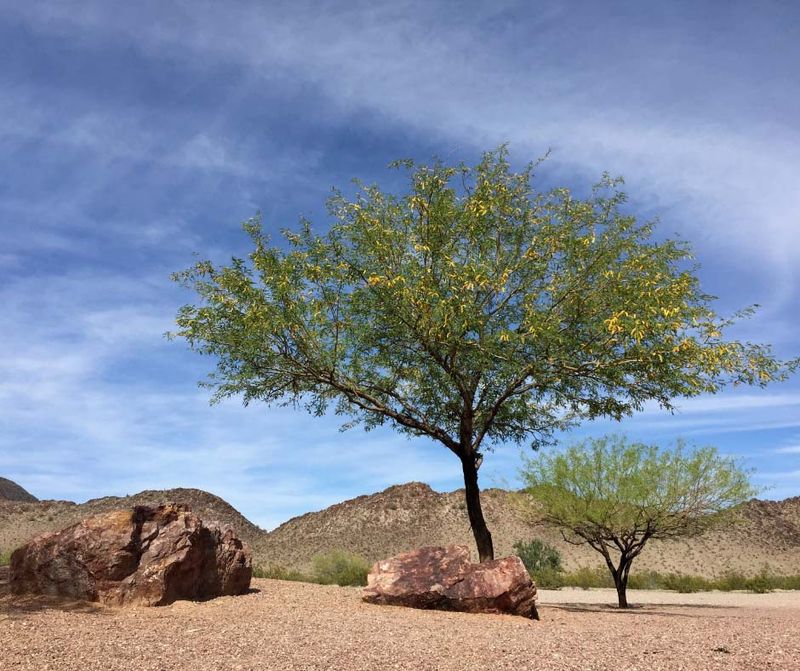
Few trees are as deeply connected to the Arizona desert identity as the native mesquite, yet its summer appearance can catch new homeowners completely off guard.
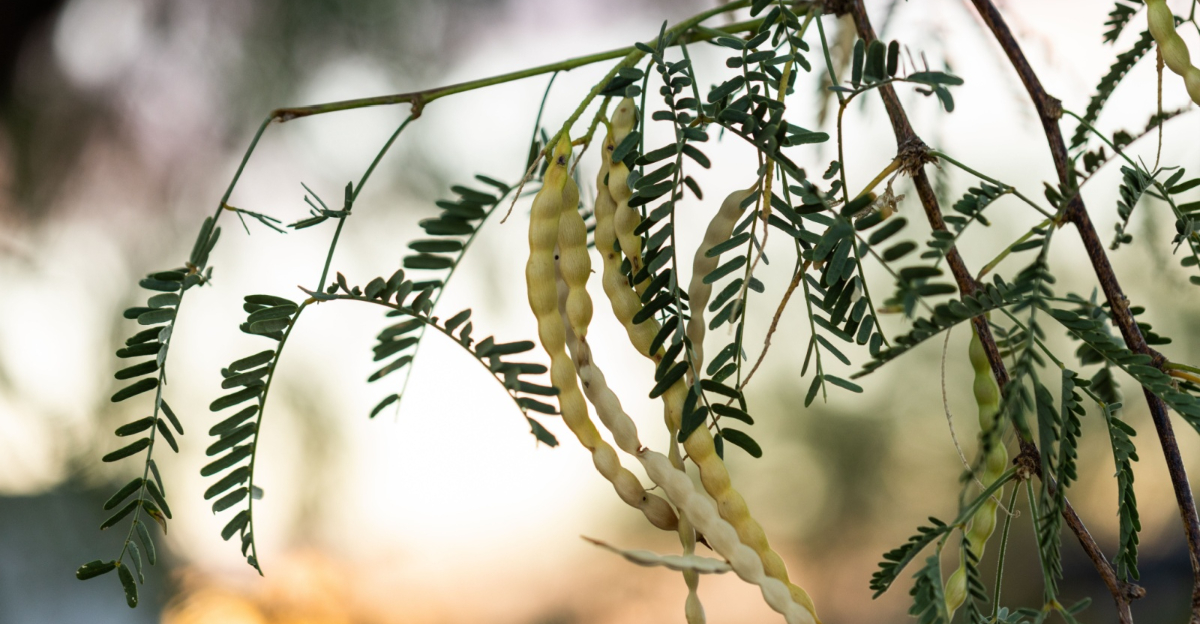
During extended dry periods before the monsoon arrives, mesquite trees may develop a noticeably thin canopy with fewer leaflets and a generally wispy, open look.
That sparse appearance tends to signal drought response rather than serious trouble.
Mesquite trees have an impressive root system that can reach deep into the soil to find water far below the surface. This deep-rooted strategy means established mesquites in Arizona landscapes can handle dry spells better than most people expect.
The thinning you see above ground is often the tree conserving resources while its roots quietly do the hard work underground.
Your Arizona Garden Changes Every Week. Your Plan Should Too.
Gardening in Arizona changes quickly throughout the season. Every Friday you’ll receive a simple weekly plan showing exactly what to plant, prune, fertilize, harvest, and protect so you never miss the right timing.
That said, mesquite thinning is worth monitoring if it seems to come on suddenly, spreads from the inside out in unusual patterns, or is paired with branch brittleness, oozing sap, or signs of pest activity.
Mistletoe, a parasitic plant that attaches to mesquite branches, is fairly common in Arizona and can contribute to canopy decline if it spreads significantly.
Established mesquites in residential yards generally benefit from occasional deep watering during very long dry stretches, but they do not usually need frequent irrigation once rooted.
Watching how the tree responds after seasonal rains can help you gauge whether the thinning is part of a normal cycle or something worth investigating further.
3. Ocotillo Looks Bare Between Rainy Periods
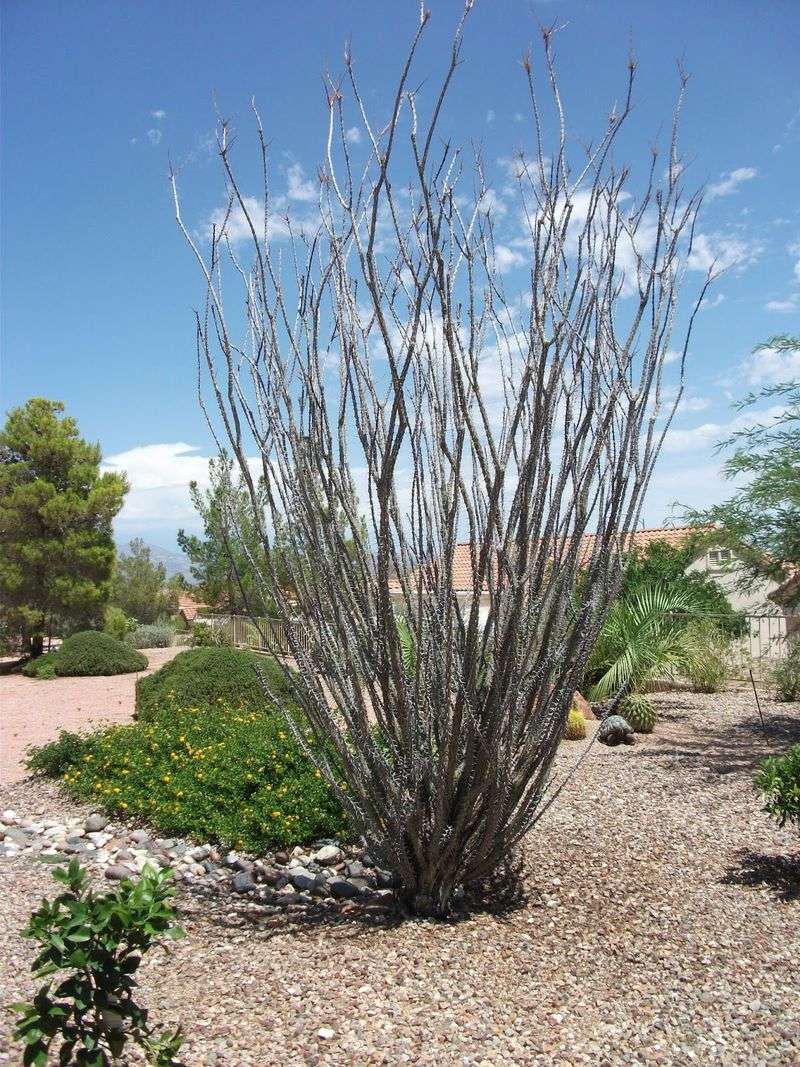
Bare, thorny canes reaching toward a bright Arizona sky can make Ocotillo look like it has completely given up, especially during long stretches between rain events.
New residents often mistake this plant for a collection of bare sticks poking out of the gravel, not realizing they are looking at one of the most responsive and resilient native plants in the Sonoran Desert.
Ocotillo can leaf out and drop its leaves multiple times in a single year depending on rainfall patterns.
Within days of a good rain, Ocotillo pushes out small green leaves along its canes, transforming from what looked like bare wooden poles into a lush, leafy shrub almost overnight.
This rapid response to moisture is one of the most remarkable traits of this plant.
During dry spells, the leaves drop to prevent water loss, and the plant essentially waits in a low-energy state until conditions improve.
In Arizona residential landscapes, Ocotillo is often planted along property edges, in rock gardens, or as a natural fence line. Its appearance throughout the year can vary dramatically, and that is completely normal.
The signs that may warrant attention include canes that feel soft or hollow, portions that do not respond at all after two or more significant rain events, or discoloration that spreads from the base upward.
Healthy Ocotillo canes tend to feel firm and show small green or reddish buds when conditions are right for leafing out.
4. Brittlebush Turns Pale During Dry Desert Months
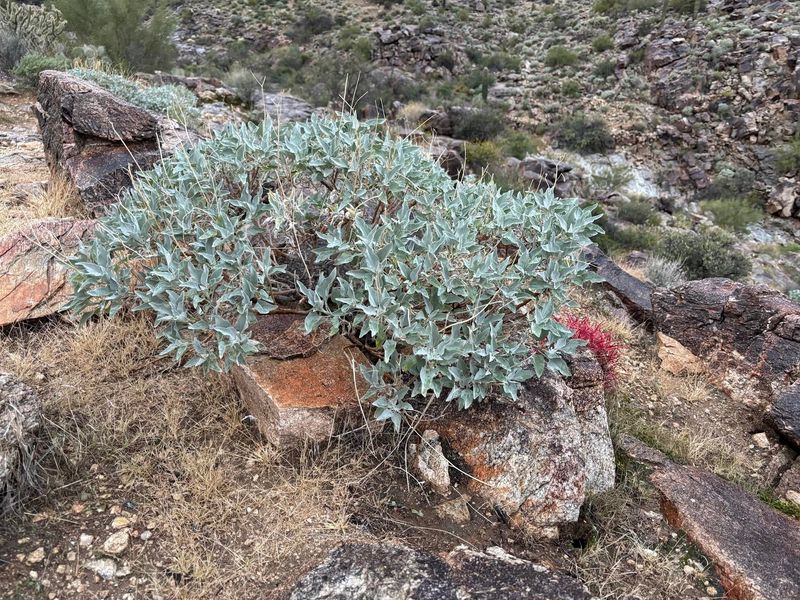
Silvery, pale, and almost ghostly looking during the driest months of the year, Brittlebush can appear to be fading away right in front of your eyes.
The soft gray-green color that makes this Arizona native so attractive during cooler months seems to wash out almost completely in summer, leaving behind a mound of dusty, papery-looking leaves that may not inspire much confidence.
What is actually happening is a clever trick involving leaf structure.
Brittlebush produces small, fine hairs on its leaves that reflect sunlight and reduce heat absorption, giving the plant its characteristic pale, silvery look.
During the hottest and driest parts of the Arizona year, this effect becomes more pronounced as the plant doubles down on its sun-reflecting strategy.
Some plants may drop a significant portion of their leaves entirely, leaving behind a sparse, open mound that looks stressed but may simply be resting.
For homeowners in Arizona gravel gardens or low-water front yards, Brittlebush is a reliable seasonal performer that tends to reward patience.
The plant often bounces back beautifully with cooler temperatures and monsoon moisture, producing its cheerful yellow daisy-like flowers again in spring.
Concern may be appropriate if the entire plant collapses, the stems feel mushy near the base, or there is no recovery after seasonal rains arrive.
Brittlebush generally does not need supplemental summer water in established Arizona landscapes, and overwatering in summer can actually cause more problems than dry conditions.
5. Chuparosa Can Look Twiggy Before Moisture Returns
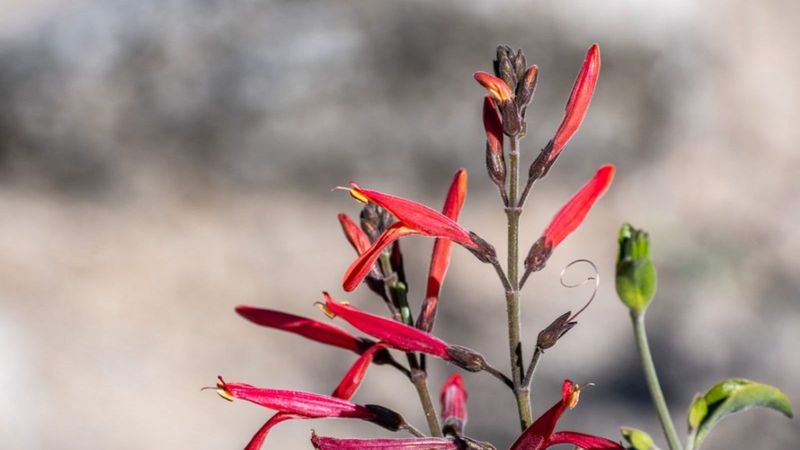
Spotting a tangle of thin, leafless green stems in an Arizona patio garden and wondering if the plant is worth keeping is a common experience for homeowners who planted Chuparosa without knowing much about its seasonal habits.
This native shrub, beloved by hummingbirds for its bright red tubular flowers, can look remarkably bare and twiggy during dry summer stretches before the monsoon moisture rolls in.
The sparse appearance tends to alarm people who expect desert plants to look lush year-round.
Chuparosa is a drought-deciduous shrub, which means it sheds its leaves during dry periods as a water-saving measure
The green stems remain and continue some photosynthesis even without leaves, keeping the plant alive and functional while it waits for better conditions.
Once monsoon rains begin arriving in Arizona, Chuparosa often responds relatively quickly, pushing out new leaves and eventually returning to bloom.
In residential desert gardens, Chuparosa works well along dry washes, in native plant beds, or near patio edges where its hummingbird-attracting flowers can be enjoyed up close.
During dry periods, the twiggy look is worth tolerating because the payoff when it flowers is genuinely rewarding.
Signs that may deserve more attention include stems that snap rather than bend, sections of the plant that show no green coloring anywhere, or a base that appears rotted or unusually wet.
Chuparosa generally prefers excellent drainage and tends to struggle in areas where water pools after rain.
6. Desert Willow May Shed Leaves Outside Winter
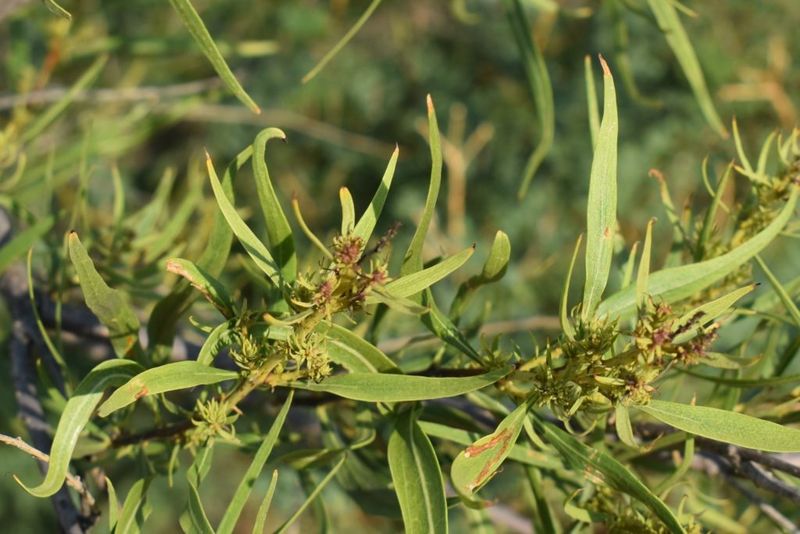
Long, wispy branches with very few leaves hanging on them can make Desert Willow look like it is struggling through a bad season, even when the plant is actually just responding normally to Arizona heat and dry conditions.
Unlike true willows, Desert Willow is not a water-loving tree, and it can drop its narrow leaves at various points during the year depending on heat and moisture levels.
This behavior surprises many homeowners who expect a tree called a willow to look full and lush.
Desert Willow tends to be semi-deciduous to deciduous depending on conditions, which means leaf drop is not limited to a single winter event.
During extended hot, dry periods in Arizona, the tree may thin out significantly, giving it a skeletal appearance that looks more concerning than it usually is.
The tree tends to recover and push new growth when cooler temperatures or monsoon rains arrive.
In Arizona yards, Desert Willow is often planted along dry washes, near patio borders, or in native garden beds where its large, showy flowers in pink, lavender, or white tones are a seasonal highlight.
Homeowners who see significant leaf drop outside of winter may simply be observing a drought response rather than a sign of serious trouble.
Situations that may warrant a closer look include branch tips that remain completely bare and unresponsive after rain, or no new growth appearing at all during the monsoon season.
Unusual swellings, oozing, or pest damage along the main trunk or branches are also worth paying attention to.
7. Desert Globemallow Looks Tired After Spring Bloom
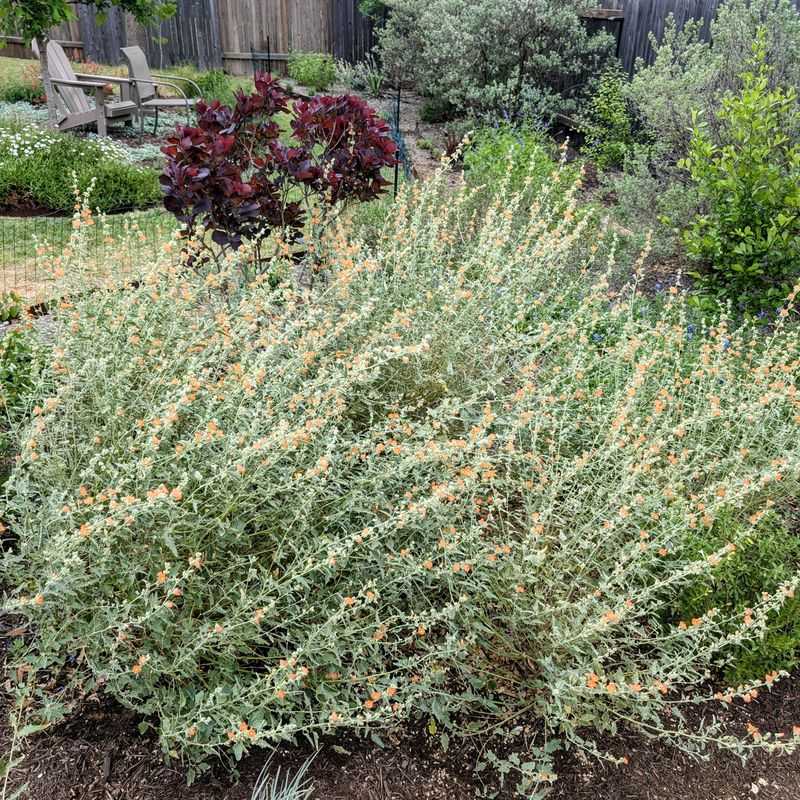
After putting on one of the most cheerful flower displays in the Arizona spring landscape, Desert Globemallow has a tendency to look completely exhausted by early summer.
The plant that was covered in bright orange, red, or pink cup-shaped flowers just weeks earlier may now appear faded, floppy, and sparse, with leaves that look pale and dull under the intense summer sun.
That post-bloom slump is a normal part of this plant’s annual cycle rather than a sign that something has gone wrong.
Desert Globemallow is a short-lived perennial wildflower native to Arizona and the broader Sonoran Desert region. After blooming, the plant naturally puts less energy into maintaining lush foliage and more into seed production.
The leaves may develop a grayish, woolly texture that looks unhealthy to the untrained eye, but that texture is actually an adaptation that helps the plant reflect heat and reduce moisture loss during the dry season.
Homeowners who planted Globemallow for the first time often wonder if they should remove it after bloom, but allowing it to remain through summer gives it the chance to self-seed and return the following spring.
A little patience goes a long way with this plant.
Signs that may genuinely concern include complete stem collapse at the base, no seed heads forming after bloom, or significant pest activity on the foliage.
Light trimming of spent flower stalks after bloom can sometimes encourage a second flush of flowers if monsoon moisture arrives in Arizona at the right time.
8. Pink Fairy Duster Can Go Sparse In Dry Weather
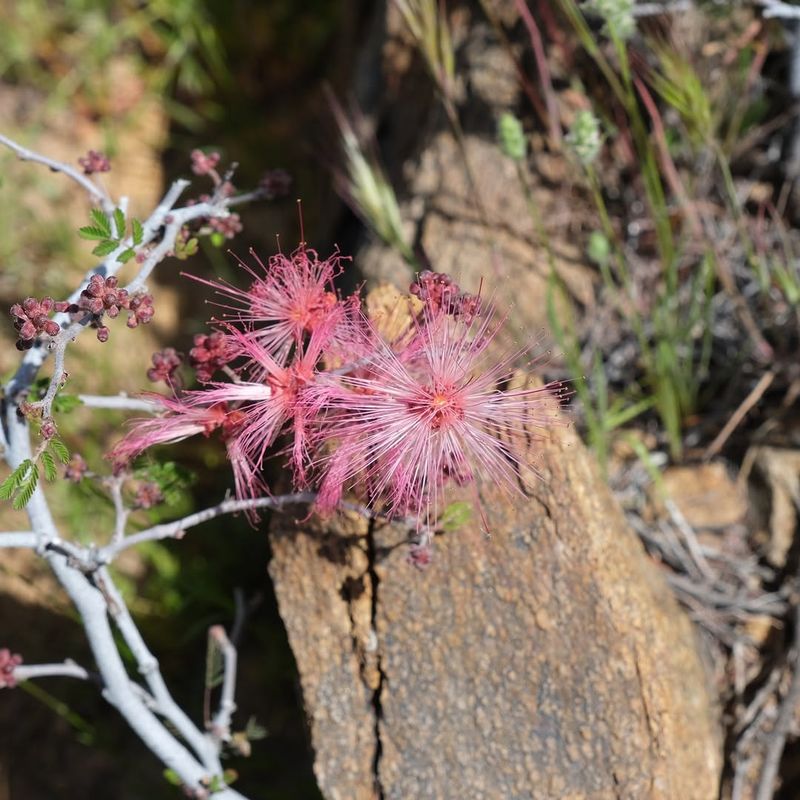
Soft, feathery pink flowers make Pink Fairy Duster one of the most delightful native shrubs in Arizona residential landscapes, but the plant between bloom cycles can look surprisingly bare and unpromising.
During extended dry weather, Pink Fairy Duster tends to thin out noticeably, with fewer leaves on its fine-textured stems and an overall sparse, open appearance that can make the shrub look like it is barely hanging on.
In reality, this response is fairly typical for a plant adapted to the rhythms of the Sonoran Desert.
Pink Fairy Duster is drought-tolerant once established, but it does respond visibly to dry conditions by reducing its leaf coverage. The plant tends to conserve resources during the driest stretches and then recover when moisture improves.
In Arizona, the arrival of monsoon rains often triggers a noticeable flush of new growth and sometimes a second round of blooming, rewarding homeowners who resisted the urge to overwater or remove the plant during its lean-looking phase.
In front yards, pollinator gardens, and low-water native plant beds across Arizona, Pink Fairy Duster earns its place as a hummingbird and butterfly magnet during bloom periods.
Between those periods, managing expectations about its appearance helps homeowners avoid unnecessary intervention.
Signs worth paying closer attention to include stems that show no green coloring when lightly scratched, sections that remain completely bare long after monsoon rains, or root zones that stay soggy, as poor drainage can cause problems for this plant over time.