8 Ground Covers That Handle Heavy Foot Traffic In New York
Foot traffic is ruthless, and most ground covers fold fast under it. New York yards take a special kind of beating with sticky summers, brutal frost heaves, and boots tracking mud from every direction.
Kids cut corners. Dogs claim territories. Guests invent their own paths. So what actually survives all that chaos?
After watching three consecutive plantings of creeping thyme get stomped into oblivion along my own backyard shortcut, the search for something genuinely tough became personal.
That experience cracked open a whole world of resilient, low-growing plants that laugh at compaction and bounce back from repeated trampling.
Some root so aggressively they practically beg to be walked on. Others stitch themselves into the soil like living armor.
For New York gardeners tired of replanting the same defeated patches every spring, these eight ground covers bring both beauty and backbone to high-traffic spaces. Tough ground starts here.
1. Creeping Thyme
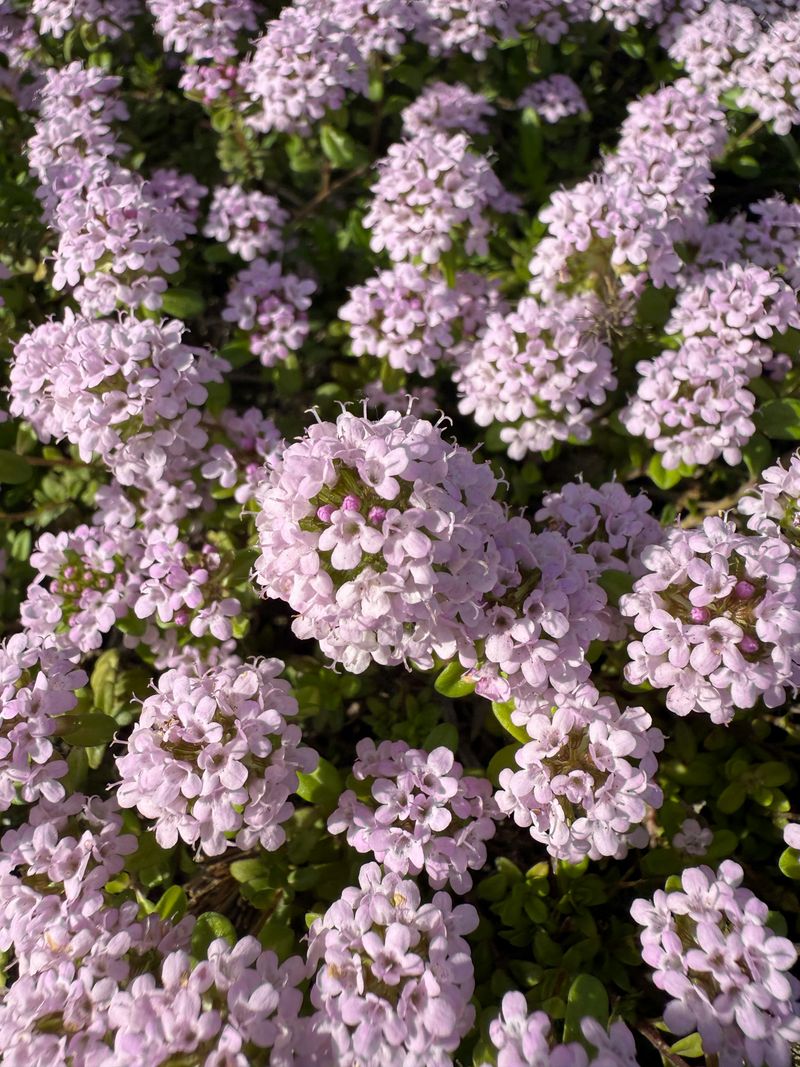
Creeping thyme might just be the toughest little plant you have never thought to put in your yard.
It handles light to moderate foot traffic, making it a good choice for paver gaps, shaded path edges, and small walkable pockets rather than high-use play areas.
This plant thrives in full sun and well-drained soil, making it a solid match for sidewalk edges, stepping stone paths, and garden borders.
When someone steps on it, it actually releases a faint herbal fragrance that smells like a summer kitchen.
That sensory bonus alone makes it worth planting near entryways and outdoor seating areas.
Creeping thyme stays green through most of New York’s cooler months and blooms in shades of pink and purple during late spring.
It rarely grows taller than three inches, so mowing is basically optional. Deer usually leave it alone, which is a huge win for suburban and upstate gardens.
Planting is straightforward: space plugs about six to twelve inches apart and water lightly until established. Once rooted in, it needs almost no irrigation beyond natural rainfall.
Creeping thyme is excellent for sunny paver gaps and lightly used paths, but it is not meant to replace turf in heavily used play areas.
Pollinators absolutely adore the blooms, so expect to see bees buzzing happily through your yard each summer.
It even tolerates poor, rocky soil that would destroy most other plants. Simply put, creeping thyme is a low-maintenance overachiever that earns its place in any hardworking landscape.
2. Mazus
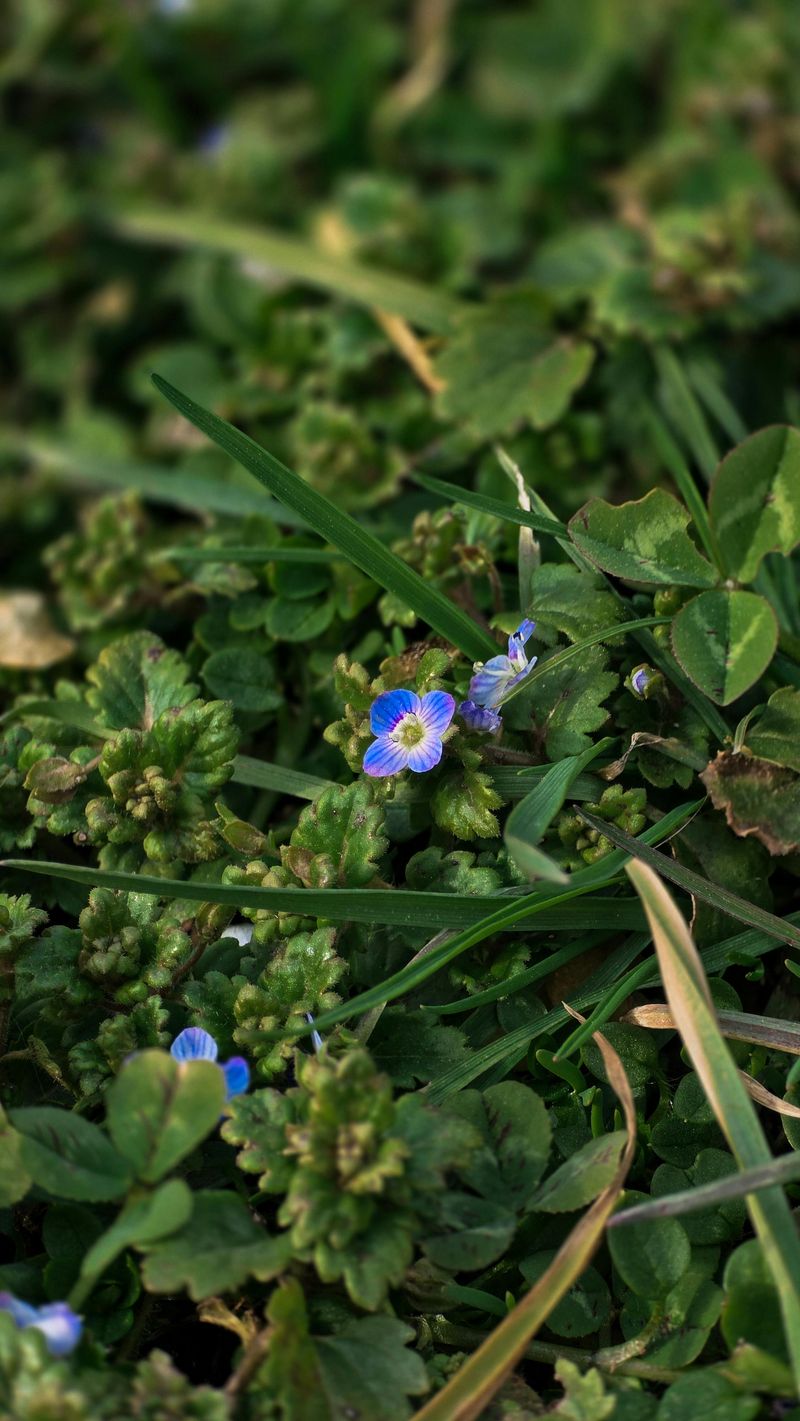
Foot traffic is ruthless, and most ground covers fold fast under it. Mazus reptans does exactly that, and it does it with a quiet, almost stubborn confidence.
This low-growing perennial is one of the most underrated ground covers available to New York gardeners.
Mazus spreads by creeping stems that root wherever they touch soil, forming a lush, dense mat over time.
It handles both sun and partial shade, which gives it a flexibility that most tough ground covers lack.
That adaptability makes it perfect for transitional areas between shaded tree roots and sunnier open spaces.
Your New York Garden Changes Every Week. Your Plan Should Too.
Gardening in New York changes quickly throughout the season. Every Friday you’ll receive a simple weekly plan showing exactly what to plant, prune, fertilize, harvest, and protect so you never miss the right timing.
In spring, tiny orchid-like flowers appear in shades of lilac and white, creating a carpet that looks almost painted.
The blooms attract small pollinators and add a pop of unexpected color to otherwise plain pathways.
Even after the flowers fade, the foliage stays rich and green throughout the growing season.
Mazus handles wet conditions better than many of its competitors, so low-lying spots that collect rainwater are no problem.
New York’s spring rains and summer humidity rarely bother it. For areas near downspouts or at the base of slopes, mazus is a genuinely smart choice.
Planting it between pavers or stepping stones gives it the drainage it needs while keeping foot traffic manageable.
Space plugs about six inches apart and watch the gaps fill in within a single season. Mazus is a confident, colorful workhorse that asks for almost nothing in return.
It has been known to spread aggressively in some northern states. Check with your local extension service before planting it near natural areas or wildflower patches.
3. Irish Moss
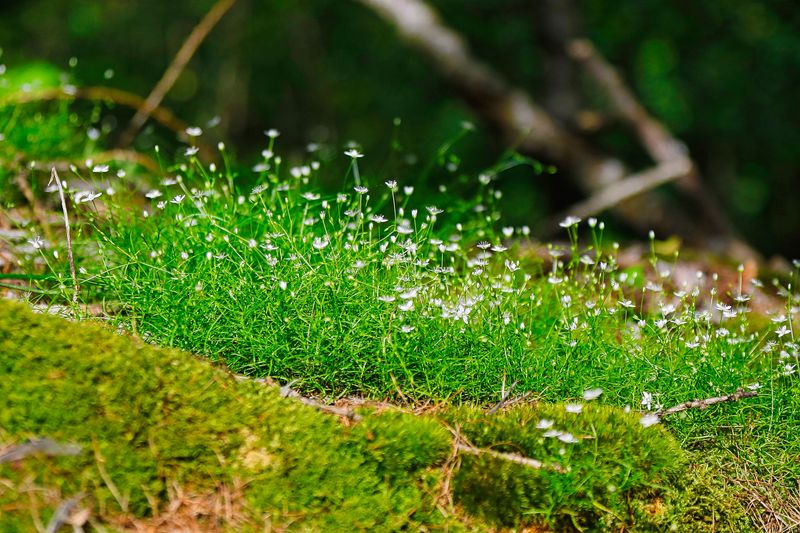
Irish moss looks like someone rolled out a velvet carpet across your yard. Up close, the texture is almost irresistible, and yes, it feels just as good underfoot as it looks.
For gardeners who want beauty and durability in the same package, this one delivers both.
Irish moss, technically known as Sagina subulata, forms tight, cushion-like mounds that stay low to the ground.
It thrives in cool, moist conditions, which aligns perfectly with New York’s spring and fall climate.
Full sun to partial shade both work well, giving it a wide range of planting options across different yard conditions.
Tiny white star-shaped flowers appear in late spring, dotting the green carpet with cheerful little specks of white.
The effect is subtle but genuinely charming, especially in cottage-style or naturalistic garden designs.
Bees and other small insects visit the blooms regularly, adding gentle movement and life to the ground level.
Between pavers and stepping stones is where Irish moss truly shines, filling gaps with a softness that gravel and mulch simply cannot match.
Just avoid planting it in areas with constant, heavy pounding, and it will reward you with years of coverage. Watering consistently during the first season helps it establish a strong root system.
After that, it becomes relatively self-sufficient in most New York garden settings. Few plants make a pathway feel as welcoming and alive as a well-established patch of Irish moss.
4. Corsican Sandwort
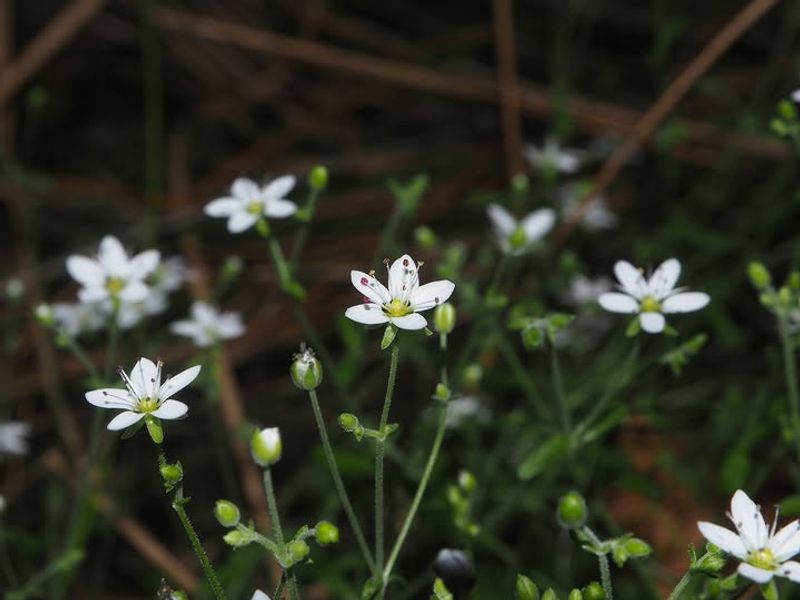
Corsican sandwort was practically designed for those neglected spots. A living green carpet of tiny bright green leaves that roots as it spreads, this alpine perennial fills gaps effortlessly.
It roots as it spreads, eventually blanketing the ground in a seamless, living surface. Hardy in zones 4 through 8, it fits the full range of New York growing conditions and handles the region’s cold winters without drama.
Small white star-shaped flowers appear in spring, attracting bees and butterflies and adding quiet seasonal charm.
It handles moderate to heavy foot traffic, making it a genuine lawn alternative in areas where children, pets, and regular foot use wear the ground thin.
Partial shade and moist, well-drained soil bring out its best performance, and once established, it needs minimal attention to stay dense and attractive.
Deer leave it alone, a genuine bonus in suburban and semi-rural areas where browsing pressure is relentless.
For every shaded path and cool corner that has resisted ground cover attempts before, this is the answer.
5. Wild Ginger
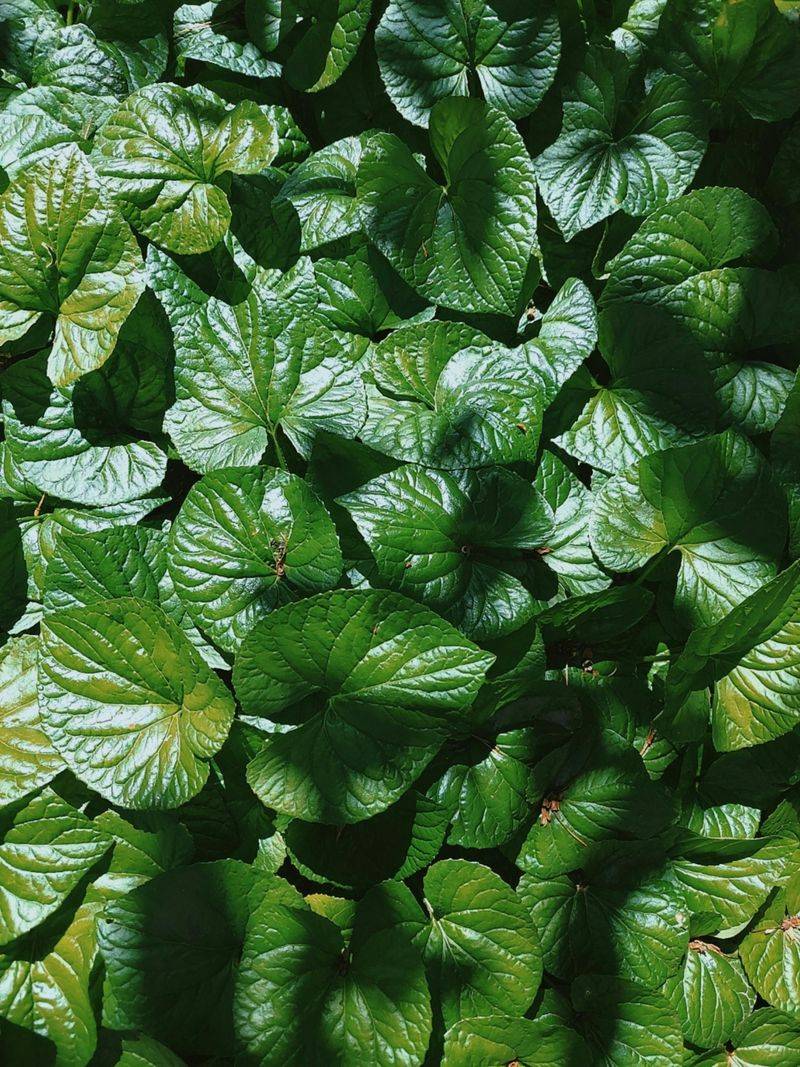
Few plants turn a dark, shaded corner into a lush green sanctuary quite like wild ginger. Wild ginger, or Asarum canadense, does exactly that, spreading its broad, heart-shaped leaves across the forest floor with quiet authority.
Native to the northeastern United States, it feels completely at home in New York landscapes.
The leaves are large and velvety, creating a dense canopy that shades out weeds more effectively than most mulches.
Below those leaves, the plant spreads slowly but steadily through rhizomes, building a thick mat over several seasons.
Patience is required with wild ginger, but the payoff is a weed-suppressing carpet that practically takes care of itself.
Unlike many ground covers, wild ginger prefers deep shade and moist, rich soil, making it ideal for spots under mature trees where grass refuses to grow.
It handles moderate foot traffic with reasonable grace, though it is best suited for areas with occasional rather than constant use.
Think woodland garden paths, shaded side yards, and naturalistic plantings near streams or ponds.
When the roots are bruised, they release a warm, spicy scent closely resembling culinary ginger. That is the source of the plant’s common name.
The plant is not related to culinary ginger, but that earthy fragrance adds an unexpected sensory layer to the garden experience.
Small, brownish-purple flowers hide beneath the foliage in spring, rarely noticed but quietly charming.
For New York gardeners dealing with problem shade areas, wild ginger offers a native, low-care solution that supports local ecosystems.
Despite the ginger-like scent, this plant is not safe for culinary use. The roots contain compounds that can be harmful if ingested.
It attracts native insects and fits seamlessly into naturalistic designs. This is a plant that rewards thoughtful placement with years of understated, reliable beauty.
6. Creeping Phlox
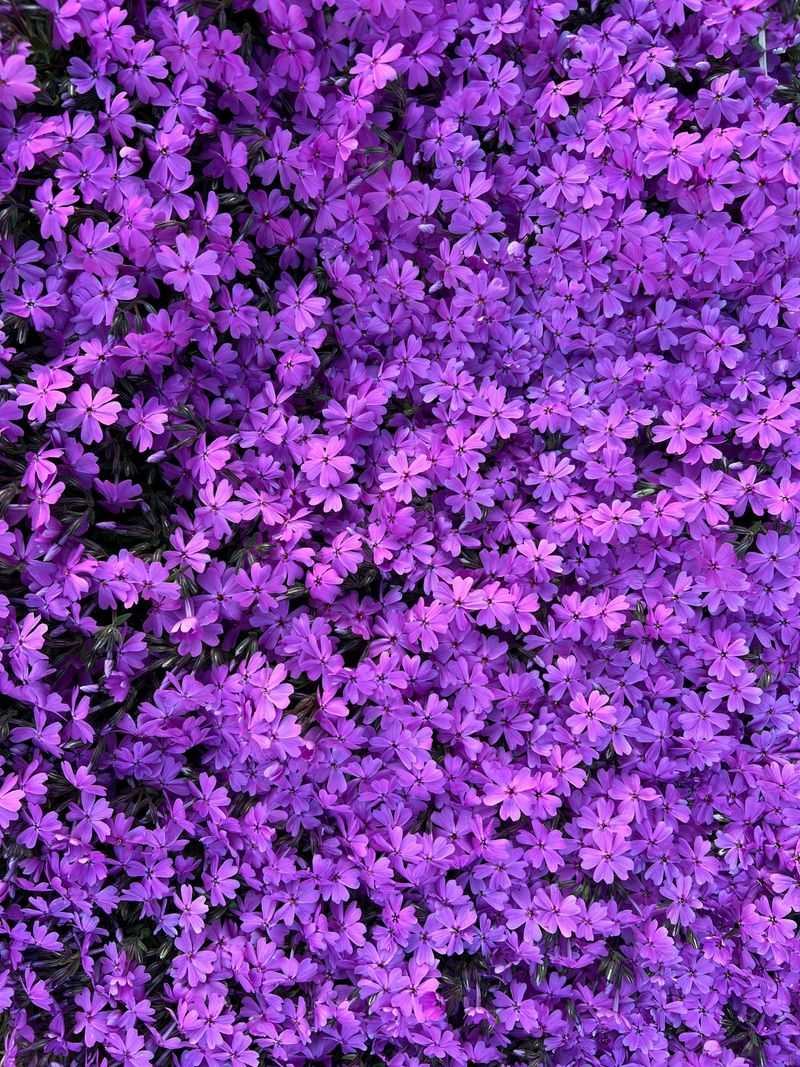
Every spring, creeping phlox stops neighbors in their tracks. A single established plant can produce hundreds of tiny, star-shaped flowers in shades of pink, purple, white, and lavender.
For slopes, rock gardens, and sunny borders, this plant is practically a living work of art. Phlox subulata grows in a dense, spreading mat that stays low to the ground year-round.
The needle-like evergreen foliage holds its color through winter, giving the garden structure and visual interest even in January.
When spring arrives, the entire mat disappears under a wave of blooms that lasts for several weeks. This plant handles foot traffic better than its delicate appearance suggests.
The stems are wiry and resilient, and the mat structure allows it to compress and recover from being walked on.
For stepping stone paths edged with color, creeping phlox is one of the most visually rewarding choices available.
Full sun and well-drained soil are the two non-negotiables for keeping creeping phlox happy.
It tolerates dry conditions once established, which is useful during New York’s occasional summer dry spells.
A light trim after blooming encourages fresh, compact growth and keeps the plant looking tidy through the rest of the season.
Ground covers that handle heavy foot traffic in New York need to pull double duty as both tough and attractive.
Creeping phlox does that better than almost anything else in this category. Plant it once, enjoy it for decades, and prepare to answer a lot of questions from impressed visitors.
7. White Clover
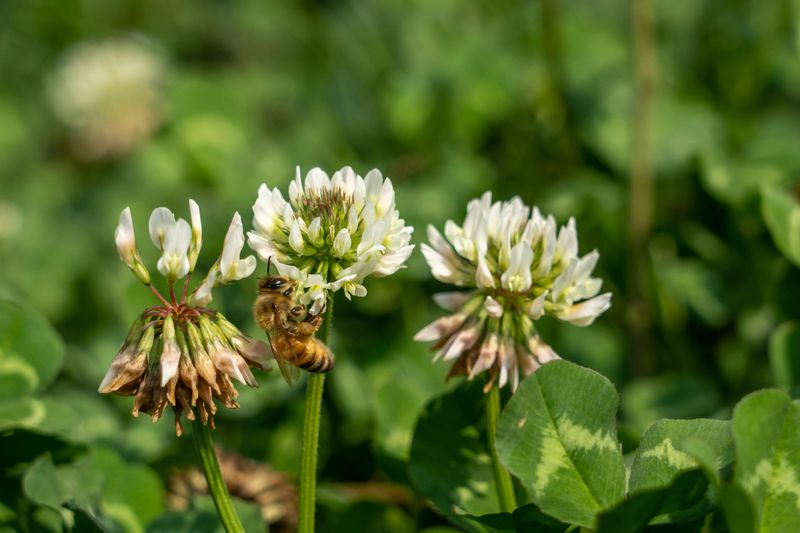
White clover was once considered a weed, but savvy gardeners have completely flipped that narrative.
Today, white clover is a practical, pollinator-friendly choice you can plant in a high-traffic yard.
Once you understand what it brings to the table, the old reputation starts to seem pretty ridiculous. Trifolium repens spreads aggressively through stolons, forming a thick, low mat that handles foot traffic with ease.
Kids, dogs, garden parties, and weekend barbecues. White clover bounces back from all of it without skipping a beat.
For busy backyards in New York, that kind of resilience is genuinely priceless. The environmental benefits are significant as well.
White clover fixes nitrogen from the air directly into the soil, naturally fertilizing the ground around it.
That means neighboring plants get a nutrient boost without any extra effort or chemical input from the gardener.
Pollinators go absolutely wild for the small, round white blooms that appear throughout summer.
Honeybees, bumblebees, and butterflies visit constantly, turning even a modest patch into a buzzing, lively corner of the yard.
For anyone trying to support local pollinator populations, white clover is one of the easiest contributions possible.
Mowing is optional since the plant stays naturally short, and it tolerates drought far better than traditional turf grass.
It stays low and compact between mowings, though flowering stems can reach up to a foot or more. Keep it away from meadows, wildflower strips, and natural areas, where it can outcompete native plants over time.
8. Sedum
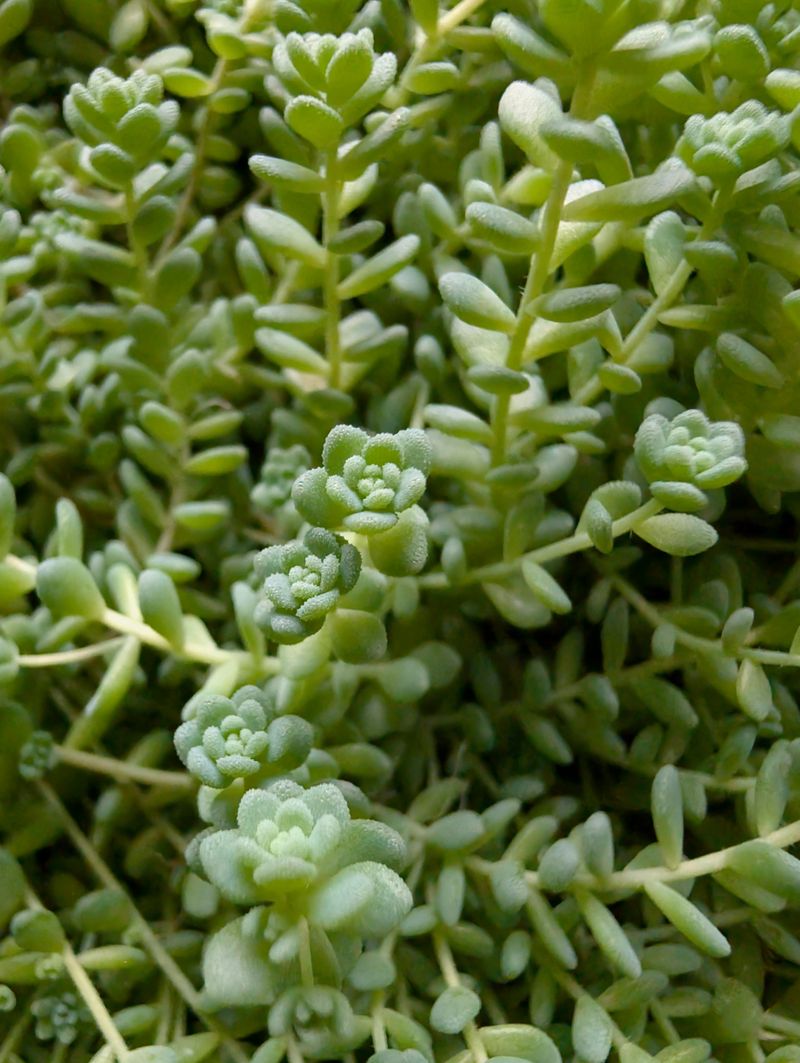
Sedum asks for almost nothing and gives back more than expected. Sedum tolerates drought and poor soil without complaint, and holds up well under light foot traffic between stepping stones and pavers.
For New York gardeners tired of babying delicate ground covers through brutal summers and hard winters, sedum is a genuine relief.
Creeping varieties like Sedum rupestre ‘Angelina’ and Sedum kamtschaticum stay between two and six inches tall, making mowing completely unnecessary.
The foliage is evergreen and shifts color through the seasons, going from golden green in summer to warm amber and orange tones in fall. Star-shaped yellow flowers appear in summer and draw in bees and butterflies reliably.
Full sun and well-drained soil are the two things sedum genuinely needs. Sandy, rocky, or nutrient-poor soil is not a problem.
It actually thrives where other plants struggle, making it perfect for dry slopes, rocky borders, and the gaps between stepping stones and pavers.
Sedum spreads at a manageable pace through creeping stems that root where they touch soil. It is not invasive and stays easy to control with occasional trimming along edges.
Hardy from zones three through eight, it fits every corner of New York without hesitation. Plant plugs about twelve inches apart and water lightly until established. After that, rainfall handles most of the work.