This Native Missouri Grass Makes Flower Beds Look High-End
Most flower beds look unfinished. Not because they lack flowers, but because they are missing structure.
There is one native Missouri grass that changes everything about how a bed looks, and most gardeners have never thought to plant it there.
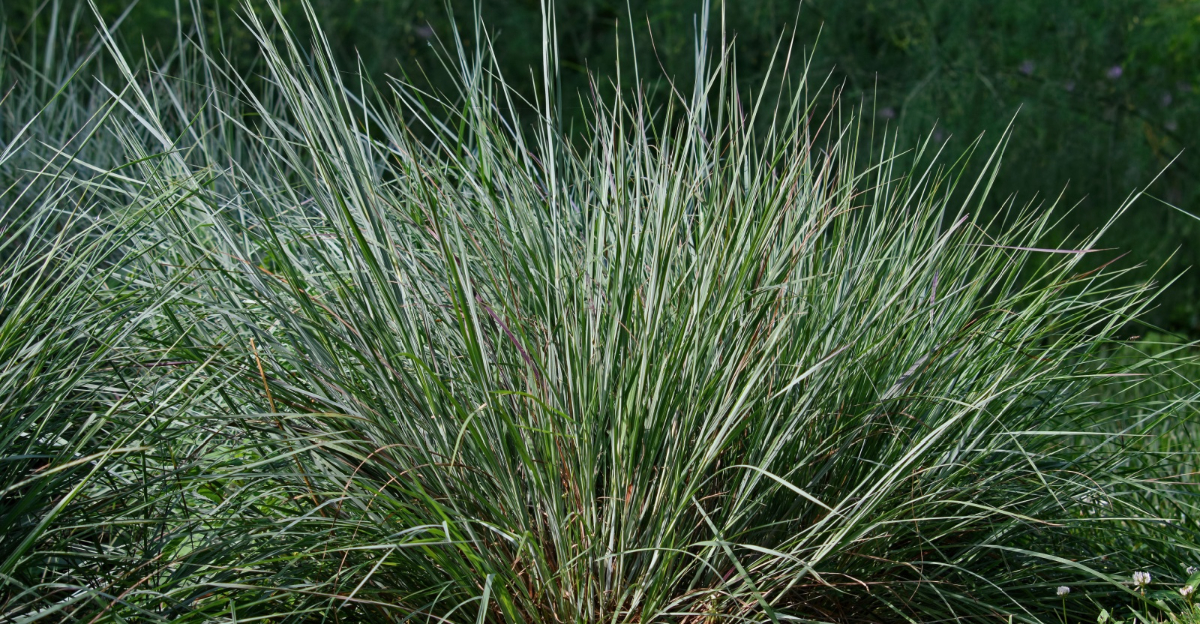
It grows wild across Missouri prairies. It survives drought, poor soil, and brutal summers without complaint. In spring it pushes up clean blue-green blades.
By fall it turns a deep copper-red that stops people in their tracks. In winter, when everything else goes dormant, it still has something to offer.
Garden designers have been using it for years. Home gardeners are just starting to catch on. It does not need fertilizer. It does not need constant watering. It does not need much of anything, and yet it makes every plant around it look better.
If your flower beds feel like they are missing something, this is probably it.
The Native Missouri Grass Your Flower Beds Are Missing
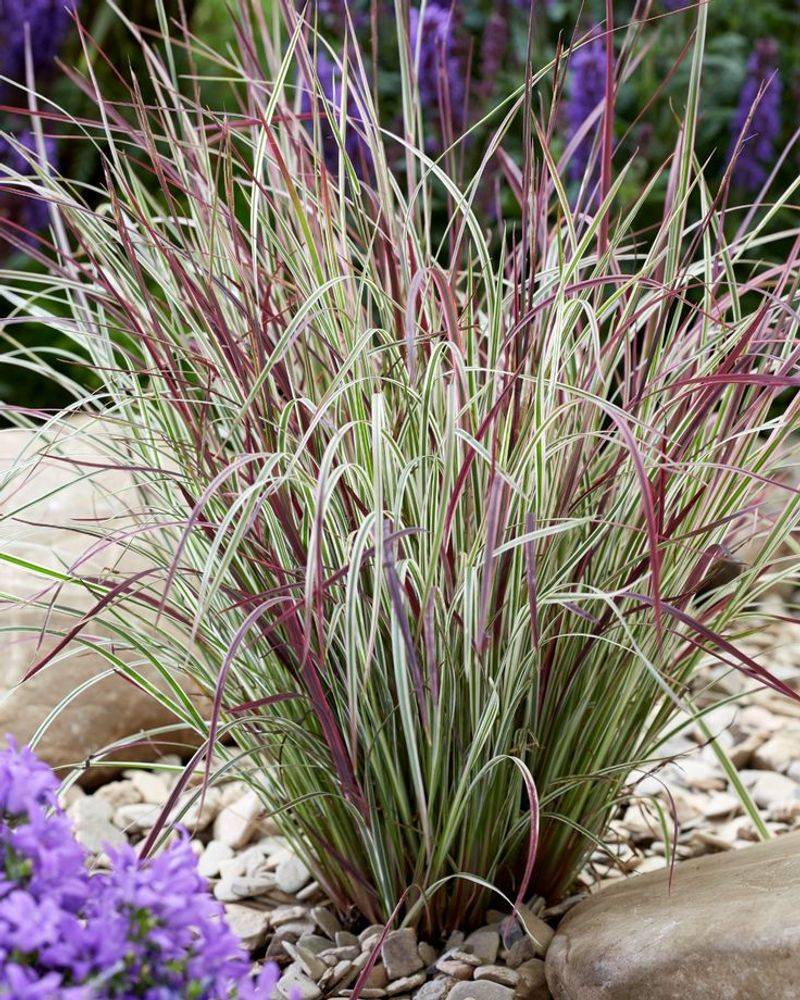
Something is quietly missing from most flower beds in the Midwest. That something is Little Bluestem, a native prairie grass that has grown across Missouri’s open fields for thousands of years.
Its scientific name is Schizachyrium scoparium, but once you plant it, you will never design a flower bed without it. The plant grows in clumps, reaching two to four feet tall, and brings a wild, sculptural look that no annual flower can match.
What makes it special is how it earns its place all year long. Spring brings blue-green blades that look fresh and clean against dark mulch.
Summer adds feathery seed heads that catch the breeze. Fall is where Little Bluestem truly shines, turning shades of copper, rust, and deep burgundy that look like something from a high-end landscaping magazine.
Most native grasses get overlooked because people assume they look weedy or unkempt. Little Bluestem breaks that assumption fast.
Planted in a flower bed with the right companions, it looks intentional, curated, and expensive. Best of all, it is incredibly low-maintenance once established in your yard.
This is not just a filler plant. It is the anchor your flower bed has been waiting for all along.
What Makes Little Bluestem Stand Out In A Flower Bed
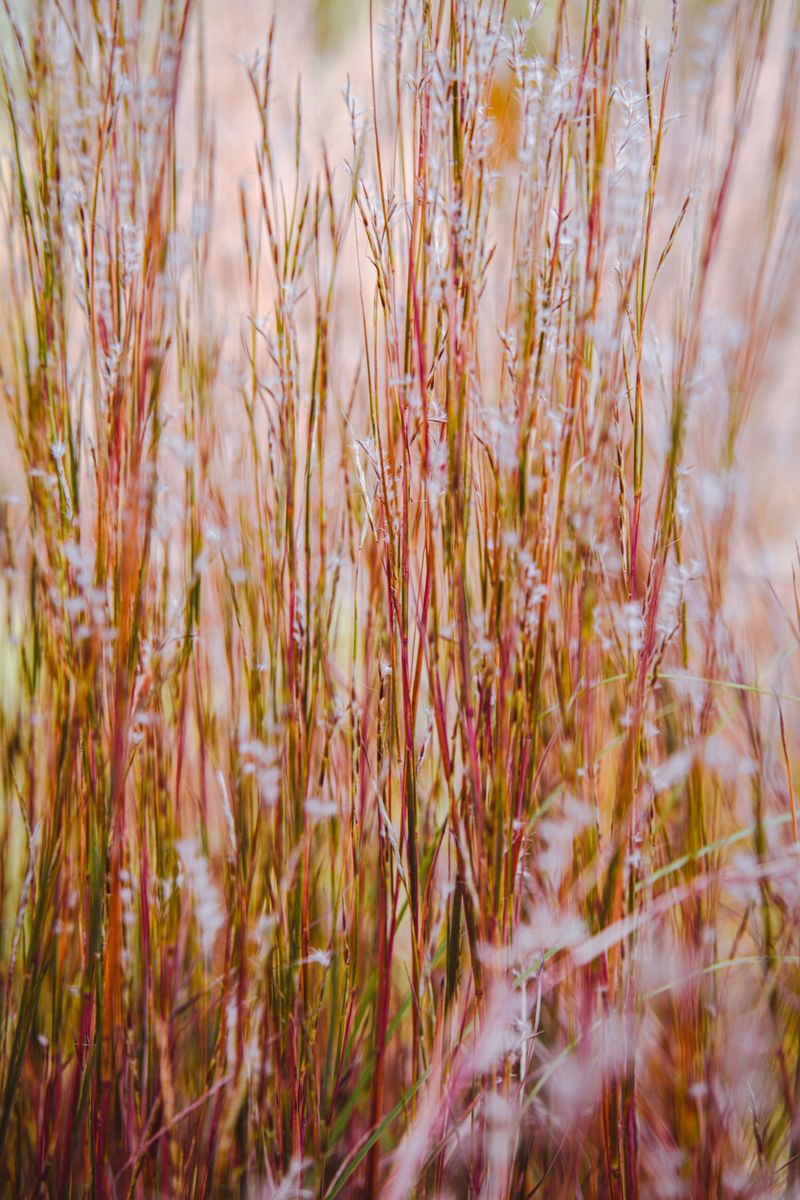
Walk past a bed of Little Bluestem on a breezy afternoon and you will stop in your tracks. The seed heads catch the light and sway in a way that few shrubs or perennials can match.
Texture is the secret weapon here. While most flowers bring color to a bed, Little Bluestem brings movement, form, and contrast that makes everything around it pop.
Its upright clumping shape creates a strong vertical element that garden designers pay good money to achieve. Pairing it with low-growing plants like sedum or black-eyed Susans creates layers that look intentional and well-planned.
The blue-green summer color is genuinely unusual. Most grasses go straight to tan or gold, but this one holds a cool blue tone through the hottest months, which gives flower beds a calm, sophisticated backdrop.
Your Missouri Garden Changes Every Week. Your Plan Should Too.
Gardening in Missouri changes quickly throughout the season. Every Friday you’ll receive a simple weekly plan showing exactly what to plant, prune, fertilize, harvest, and protect so you never miss the right timing.
It also stays tidy on its own. It stays where you put it, grows in a tidy clump, and never crowds out its neighbors.
Each clump holds its shape season after season with minimal fuss. That combination of beauty and good behavior is rare in the plant world.
Little Bluestem does not just fill space. It adds structure, movement, and contrast that lifts the look of the entire bed.
Little Bluestem Through All Four Seasons
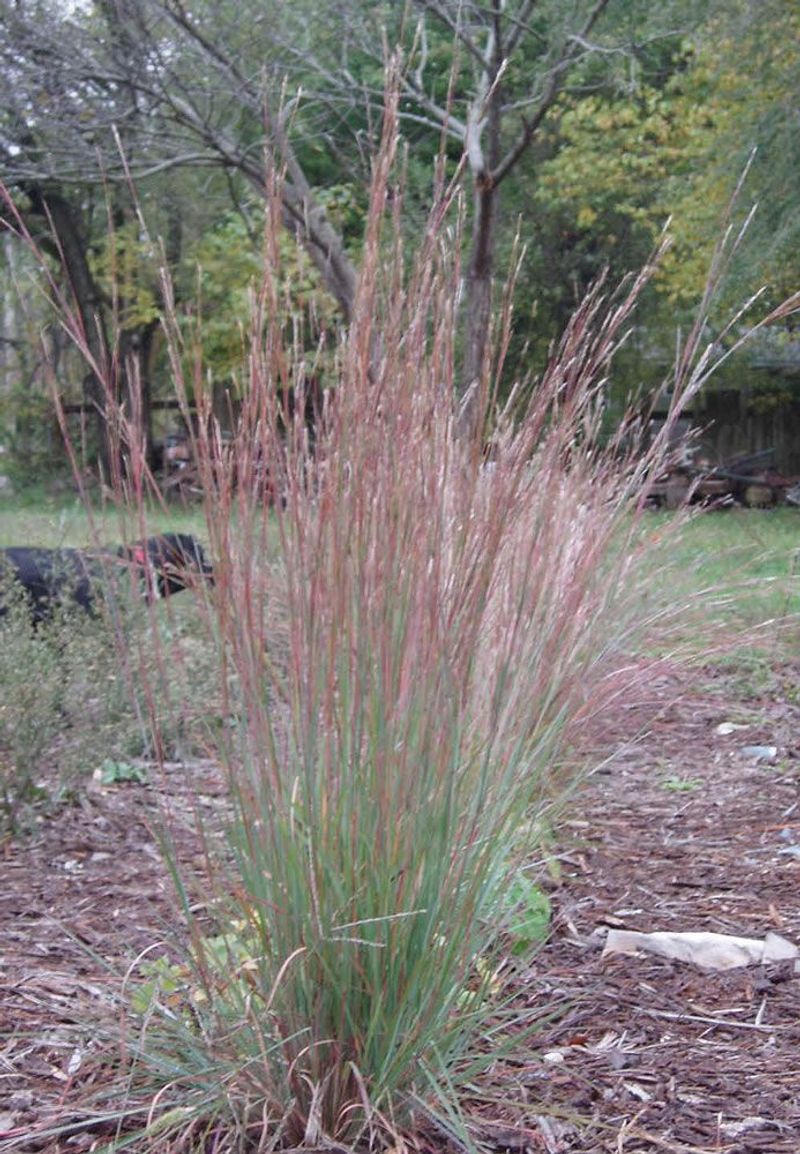
Few plants earn their keep in every single season. Little Bluestem is one of the rare exceptions that looks good from January through December.
Spring starts quietly with fresh blue-green shoots pushing up from the base. The new growth is soft, airy, and a welcome sign that the growing season has begun.
Summer brings the plant to its full height of two to four feet. The blue-green color deepens, and feathery seed heads begin forming at the tips, giving the whole clump a soft, romantic look.
Fall is the headline act. The foliage shifts from green into a stunning mix of copper, orange, burgundy, and rust that rivals any autumn shrub in your yard.
This color change happens gradually and holds for weeks, giving you a long window of peak beauty.
Winter does not end the show. The dried stems and fluffy seed heads turn silver-white and catch frost beautifully, adding structure to an otherwise bare garden.
Birds love the seeds through the cold months, so leaving the plants standing serves double duty. Few plants offer that much visual interest across all four seasons.
The Best Spots In Your Garden To Plant Little Bluestem
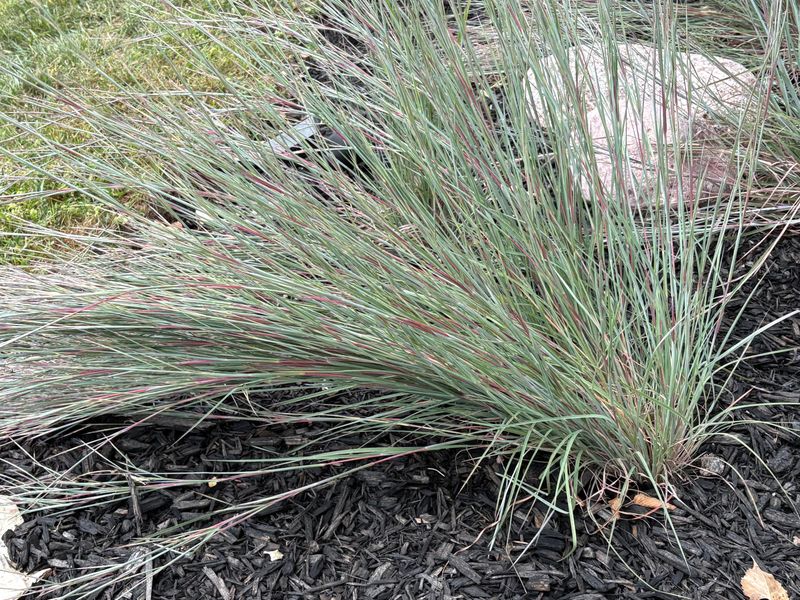
Sunny and dry describes the ideal home for Little Bluestem. This grass evolved on open prairies where the sun beats down hard and the soil drains fast.
Full sun means at least six hours of direct sunlight each day. Less than that and the plant tends to flop over, losing that upright shape that makes it so attractive in a flower bed.
Slope gardens and hillsides are perfect locations. Little Bluestem’s deep root system, which can reach up to five or six feet in mature plants, holds soil in place and reduces erosion better than shallow-rooted annuals.
Borders along fences, driveways, or property lines are another great fit. A row of Little Bluestem creates a soft, natural-looking boundary that feels intentional without looking rigid or formal.
Raised beds work well too, especially if your native soil is heavy clay. Mixing in some sand or gravel improves drainage and mimics the prairie conditions this grass prefers.
Avoid low spots where water pools after rain. Wet roots are the one thing Little Bluestem genuinely dislikes, and consistently soggy soil will weaken the plant over time.
Place it where the afternoon light can backlight those seed heads and you will get a display that looks like it belongs in a botanical garden.
Planting Little Bluestem The Right Way
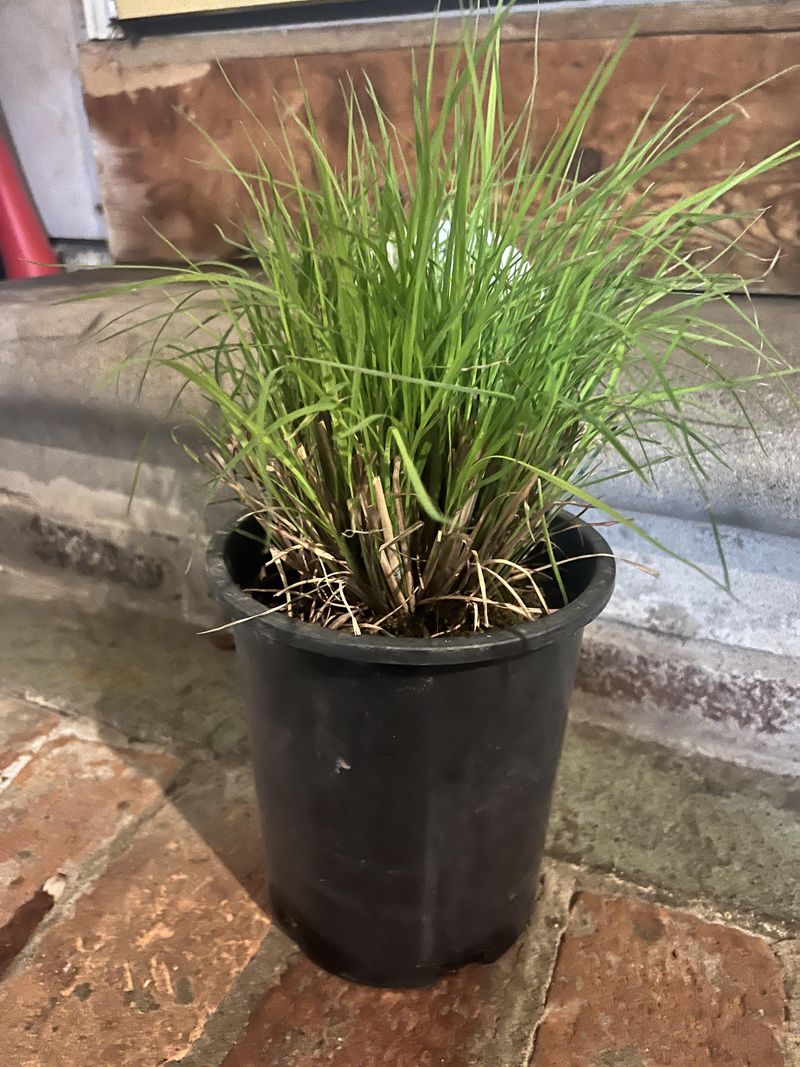
Planting Little Bluestem is refreshingly straightforward once you know a few key tricks. Starting with plugs or potted plants from a local native plant nursery gives you the fastest results.
Spring and early fall are the best planting windows. The soil is warm enough to encourage root growth, but temperatures are mild enough to reduce stress on the new plant.
Dig a hole just as deep as the root ball and twice as wide. Set the plant so the crown sits right at soil level, not buried and not sticking up above the surface.
Water it in well after planting, but do not baby it with daily watering after that. This grass is building deep roots and light, frequent watering actually discourages that process.
Space plants about eighteen to twenty-four inches apart. They will fill in beautifully over two to three seasons without crowding each other out.
Avoid adding fertilizer at planting time. Rich soil encourages lush, floppy growth that looks messy and collapses under its own weight by midsummer.
A thin layer of mulch around the base helps retain some moisture during the first season while the roots are getting established. After that, Little Bluestem largely takes care of itself in your garden.
Little Bluestem Care Through The Year
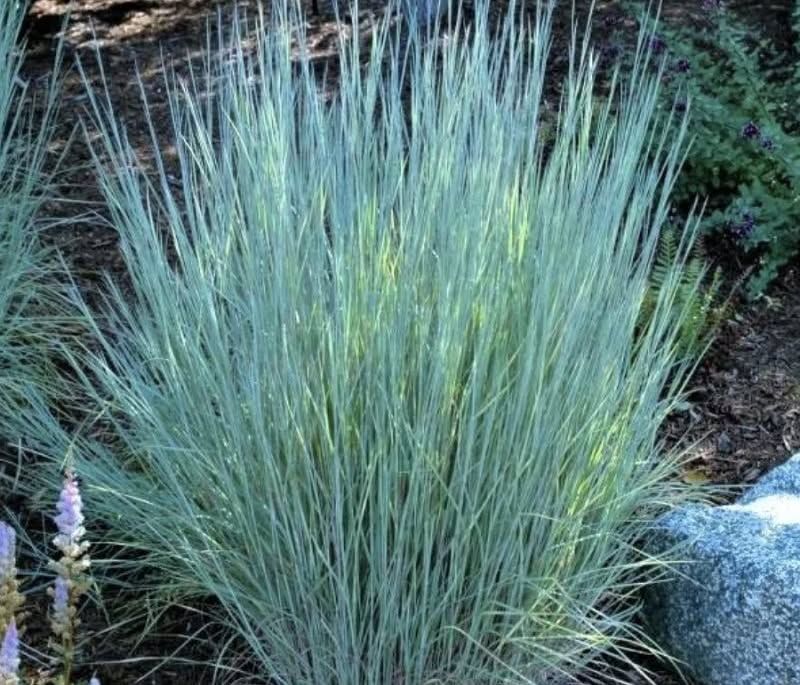
Low-maintenance does not mean no-maintenance, but with Little Bluestem the care calendar is blessedly short. Most of the year you are simply watching it grow and enjoying the show.
The one annual task that matters most is cutting it back in late winter or very early spring. Trim the clumps down to about four to six inches above the ground before new growth begins.
Do not cut it back in fall. The standing stems and seed heads provide winter habitat for beneficial insects and food for birds, so leaving them up is genuinely good for your local ecosystem.
Watering needs are minimal once the plant is established, which usually takes one full growing season. After that, rainfall across most of Missouri is enough to keep it healthy through the growing season.
Every three to five years, clumps can start to look sparse in the center. Dividing them in early spring solves that quickly and gives you free plants to spread around the yard.
That simple yearly trim is truly the biggest ask Little Bluestem makes of you. Everything else it handles beautifully on its own.
The Best Companion Plants For Little Bluestem In Missouri
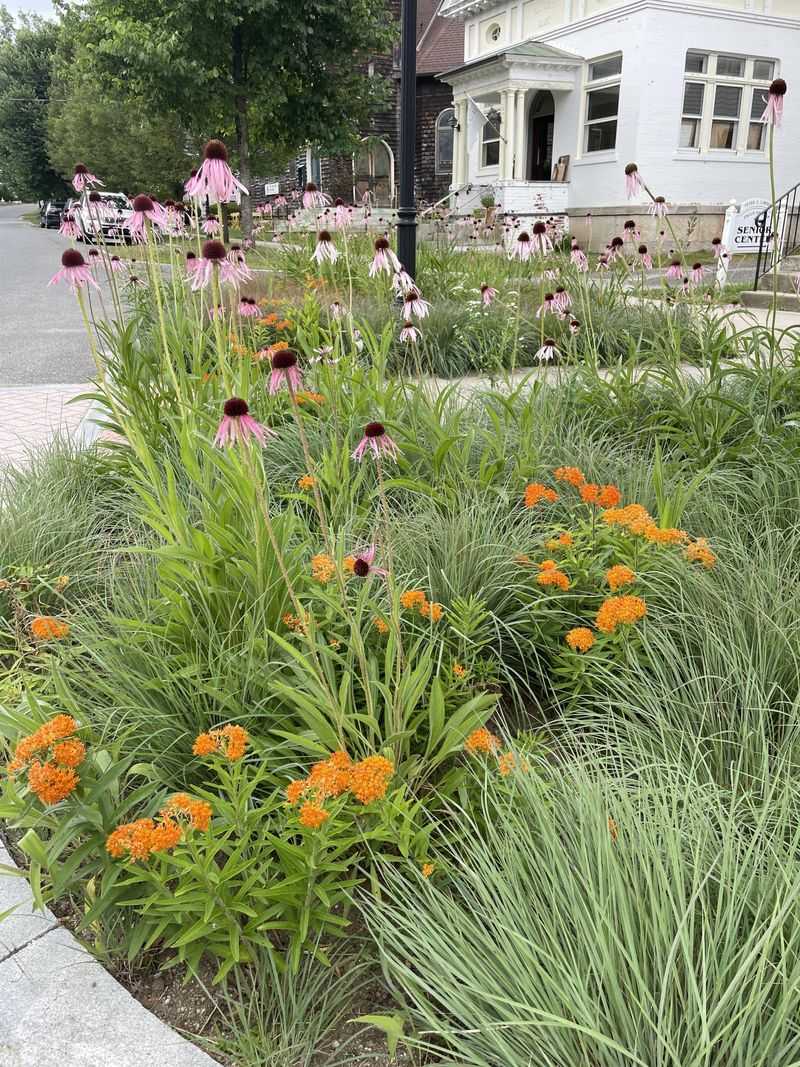
Pairing plants well is what separates a good garden from a great one. Little Bluestem plays beautifully with a wide range of native wildflowers that share its love of sun and lean soil.
Purple coneflower, known as Echinacea, is one of the best matches. The bold pink blooms contrast sharply against the blue-green blades, and both plants thrive in the same dry, sunny conditions.
Black-eyed Susans are another natural partner. Their golden-yellow flowers pop against the copper fall color of Little Bluestem in a combination that looks genuinely stunning from August through October.
Wild bergamot adds a soft lavender tone and draws in bees, butterflies, and other pollinators throughout the summer. Planted in groups of three around a clump of Little Bluestem, it creates a layered look that feels both wild and well-designed.
Rattlesnake master is a bold, architectural choice that pairs well with the upright form of Little Bluestem. Both are tough, drought-tolerant, and native to the region.
For a low-growing front edge, try prairie dropseed or creeping thyme. These fill the space at the base without competing for height or resources.
Choosing native companions means less watering, less work, and a garden that supports local pollinators and wildlife. Little Bluestem anchors the whole planting with quiet, steady confidence.