How To Grow Lantana Like A Pro In Wisconsin’s Short Summers
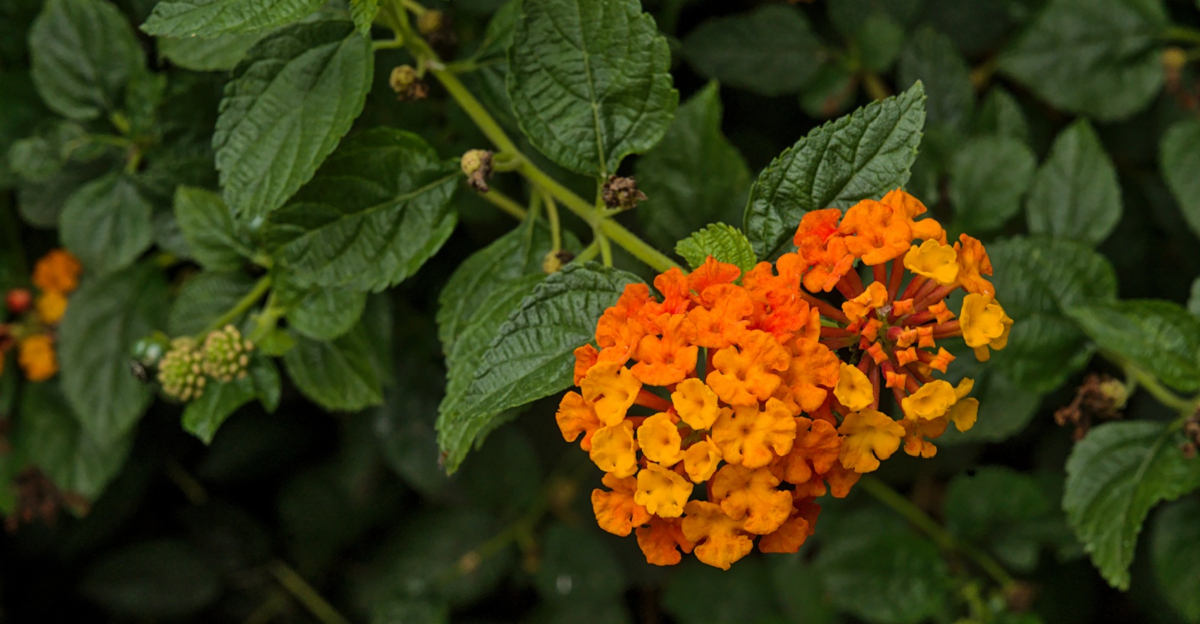
Lantana will stop you cold the first time you see it absolutely riot across a Wisconsin backyard. Neon clusters of orange and pink, butterflies stacked three deep, not a single wilt despite brutal July humidity.
This plant does not ask for sympathy. Wisconsin throws short summers and stubborn soil at every gardener brave enough to try, but lantana chews through the challenge without blinking.
It craves full sun, drains fast, and blooms without apology from June straight through the first frost. Start it early, feed it lean, and never let its roots sit in water.
Wisconsin summers are too compressed to spend on trial and error, so every decision you make in the garden needs to earn its place.
Give lantana the right foundation and it rewards you with relentless color, clouds of pollinators, and almost no maintenance all season long. Plant it right once, and it will embarrass everything else in your yard.
1. Plant In Full Sun (6-8+ Hours Daily)
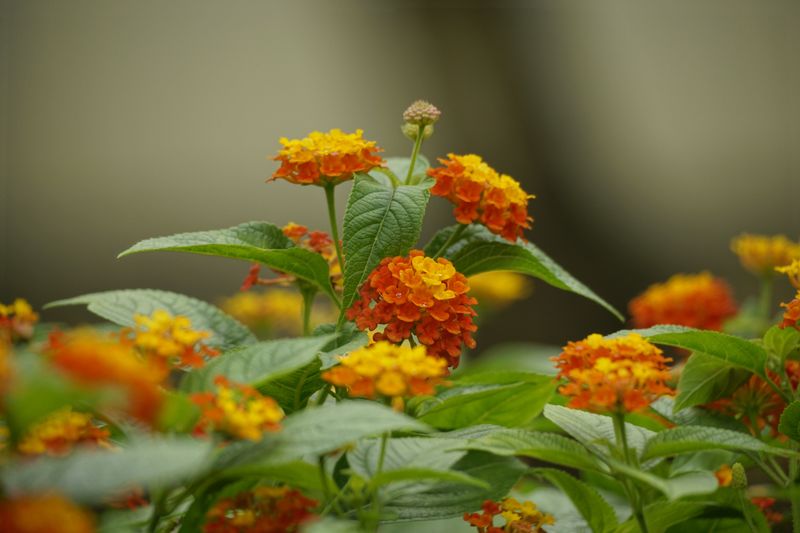
Lantana is basically a sun addict, and it isn’t shy about it. Give this plant anything less than six hours of direct sunlight and you’ll wonder why it looks sad, leggy, and bloom-free.
In Wisconsin’s shorter growing season, every sunny hour matters more than you’d think. Choosing the right spot in your yard is the single most important decision you’ll make for this plant.
South-facing beds, open patios, and spots away from tall shade trees are your best bets. A location that gets eight or more hours of direct sun will push lantana to produce those dense, colorful flower clusters that make neighbors stop and stare.
Here’s a fun fact most gardeners don’t know: lantana actually performs better under stress. Full sun combined with slightly lean soil signals the plant to bloom harder, not slower.
It’s almost like the heat wakes something up inside it. If your yard has a mix of sun and shade, test different spots before committing.
Pot your lantana first and move it around for a few days to see where it looks happiest. That small experiment could save you an entire season of frustration.
Once you find that perfect sunny corner, your lantana will reward you fast. Within weeks of good sun exposure, you’ll notice tighter growth, brighter colors, and more blooms than you expected.
Sunshine is the secret ingredient no bag of fertilizer can replace. One more thing worth knowing: lantana camara is considered invasive in warmer parts of the US and globally.
In Wisconsin it cannot naturalize due to cold winters. Choosing sterile cultivars when you buy is a responsible habit that eliminates any seed-spreading risk entirely.
2. Wait Until Late May Or Early June To Plant
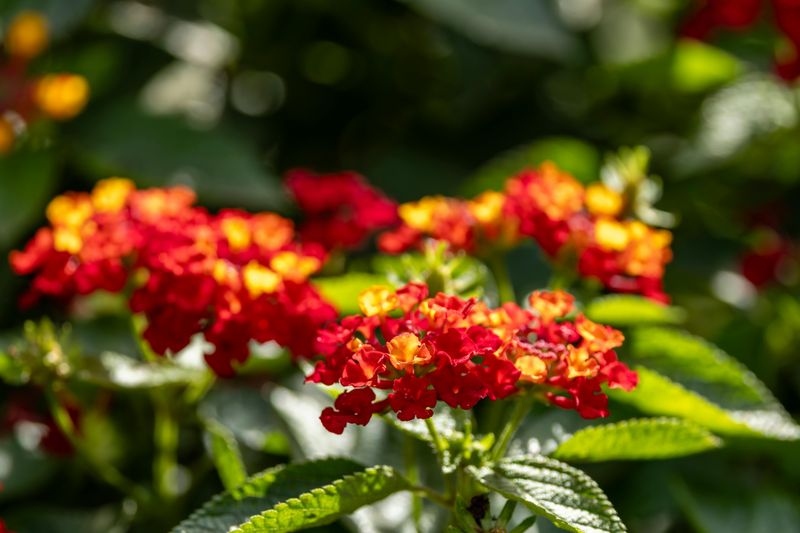
Wisconsin soil has a sneaky habit of staying cold long after the calendar says spring. Planting too early is one of the most common mistakes gardeners make with lantana, and it can set the whole season back.
Your Wisconsin Garden Changes Every Week. Your Plan Should Too.
Gardening in Wisconsin changes quickly throughout the season. Every Friday you’ll receive a simple weekly plan showing exactly what to plant, prune, fertilize, harvest, and protect so you never miss the right timing.
Cold soil stresses the roots before the plant even gets a chance to settle in. Late May to early June is the sweet spot for planting lantana in this region. Keep in mind that lantana is a tender perennial treated as a summer annual in Wisconsin.
It will not survive the winter outdoors and needs to be replanted or overwintered indoors each year.
By then, nighttime temperatures have usually climbed above 50 degrees Fahrenheit, which is the minimum lantana needs to avoid shock.
Rushing that timeline might feel tempting after a long winter, but patience here pays off big. Check your local frost dates before you buy anything.
The last average frost varies considerably across the state. Southern Wisconsin typically sees it between late April and mid-May. Northern parts of the state can experience frost as late as early June.
Giving yourself a two-week buffer after that date is a smart, low-risk strategy. Hardening off your transplants is another step that makes a real difference.
If you start seeds indoors or buy from a greenhouse, set plants outside in a sheltered spot for a few hours each day for about a week before planting.
That gradual transition helps them adjust without the shock of going straight from a warm store to outdoor conditions.
Timing your planting right means your lantana hits the ground running. Instead of spending the first few weeks just surviving, it starts growing and setting buds almost immediately. A strong start in June can mean a full summer of color through October.
3. Remove Spent Flower Clusters Regularly
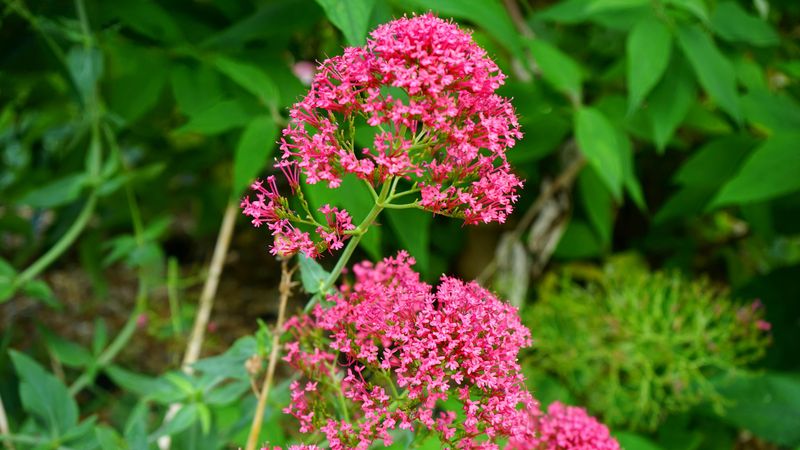
Deadheading might sound like a chore, but it’s actually one of the most satisfying garden tasks once you see the results.
Removing spent flower clusters tells the plant to stop putting energy into seeds and start pushing out new blooms instead.
For a plant growing in a short season, that redirection of energy is everything. You don’t need fancy tools for this job.
A pair of clean pruning snips or even your fingers work perfectly fine. Pinch or snip just below the faded flower head, right above the next set of leaves, and you’re done.
How often should you deadhead? Aim for once a week during peak summer. Lantana blooms in cycles, and staying on top of spent clusters keeps those cycles moving faster.
Skip a few weeks and you’ll notice the plant slowing down, producing fewer new blooms and more seed pods.
Seed pods on lantana are actually small, dark berries that form after flowers fade. The entire plant contains triterpenoid toxins, including the leaves, flowers, and berries.
Unripe berries carry the highest concentration and pose the greatest risk. These toxins are harmful to dogs, cats, horses, and children.
Removing seed pods regularly reduces exposure risk and is a smart safety habit on top of being good garden practice.
They’re mildly toxic to pets and children, so removing them regularly is a smart safety habit on top of being good garden practice. Two birds, one snip.
Some gardeners report that consistent deadheading through July and August can nearly double the number of bloom cycles in a single season. That’s not a small difference when you’re working with a compressed growing window.
Keep those scissors handy and your lantana will keep performing well past the point when most annuals start to fade.
4. Let Soil Dry Out Slightly Between Waterings
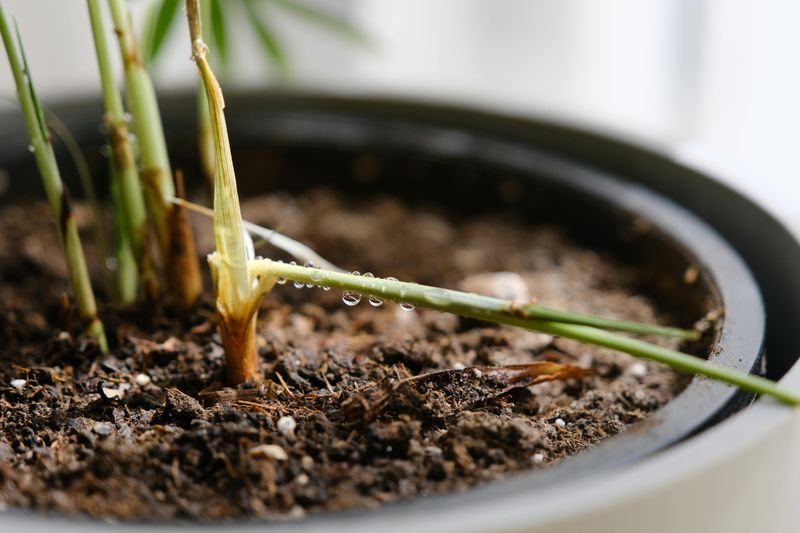
Overwatering is the quiet enemy of lantana, and it’s more common than most gardeners admit.This plant evolved in hot, dry tropical regions, so its roots are built to handle some drought.
Keep the soil constantly wet and you’re essentially fighting the plant’s natural instincts. The best watering approach is simple: stick your finger about an inch into the soil.If it still feels damp, walk away and check again tomorrow.
If it feels dry at that depth, go ahead and water deeply and then let it dry out again. Deep, infrequent watering encourages lantana roots to grow down into the soil rather than staying shallow.
Deeper roots mean a more resilient plant that handles heat waves and dry spells without wilting dramatically. That kind of toughness is exactly what you want from a plant working through a Midwestern summer.
Container-grown lantana dries out faster than in-ground plants, so check pots every day or two during hot stretches.A terracotta pot speeds up drying even more, which can actually work in your favor with this drought-tolerant beauty.
Just make sure your pot has drainage holes so water doesn’t pool at the bottom. Yellowing lower leaves are often the first sign of overwatering, not underwatering.Before you reach for the hose, check the soil first and trust what you feel.
A little restraint with water goes a long way toward keeping lantana healthy, blooming, and thriving all season long.
5. Use Well-Draining, Lean Soil
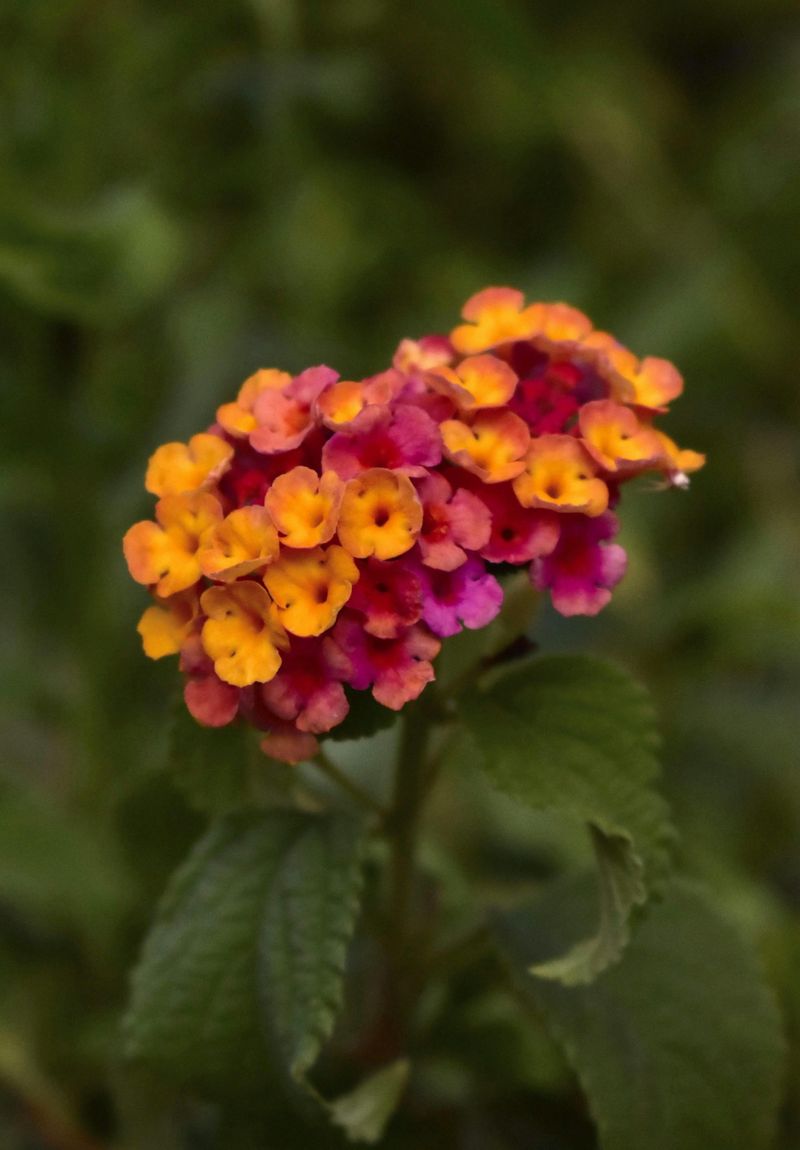
Rich, fluffy garden soil sounds like a dream for most plants, but lantana is not most plants. Feed it too well and it goes green and leafy with very few blooms to show for it.
Lean, well-draining soil keeps this plant focused on what you actually want: flowers. If your yard has heavy clay soil, amending it before planting makes a big difference. Mix in coarse sand, perlite, or a small amount of gravel to improve drainage and break up compaction.
Lantana roots need oxygen as much as they need moisture, and compacted clay denies them both. For container planting, skip the standard potting mix and reach for a cactus or succulent blend instead.
These mixes drain faster and stay looser over time, which matches what lantana roots are looking for. You can also blend regular potting soil with perlite at a 50/50 ratio for similar results.
Soil pH matters too, though it doesn’t need to be perfect.Lantana does well in a slightly acidic to neutral range, roughly 6.0 to 7.0.
If you’re not sure where your soil lands, a simple pH test kit from any garden center gives you a clear answer in minutes.
Think of lean soil as a motivator for your plant. When nutrients aren’t handed over freely, lantana has to work for them, and that effort shows up as more blooms. Sometimes the best thing you can do for a plant is get out of its way.
6. Fertilize Lightly, Too Much Nitrogen Suppresses Blooms
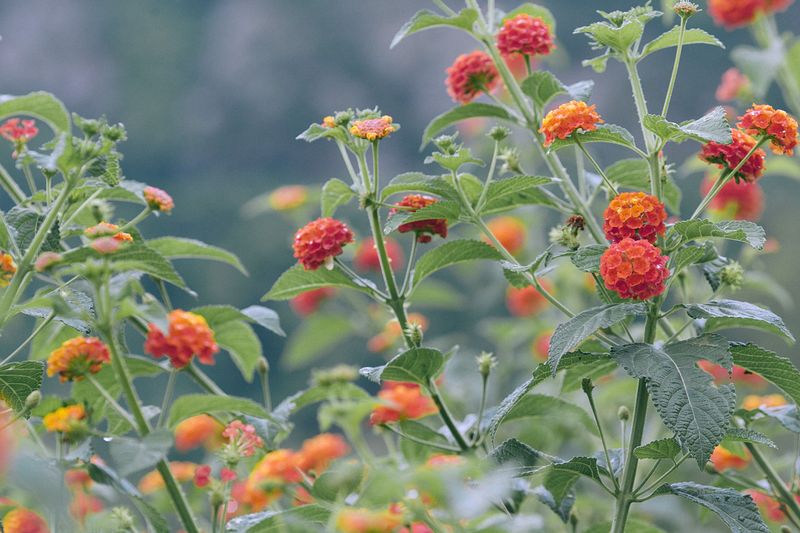
Nitrogen is the overachiever of the fertilizer world, and with lantana, too much of it is a real problem. High nitrogen pushes plants to grow lots of lush, dark green leaves, which sounds great until you realize there are almost no flowers.
With lantana, you want blooms, not a leafy bush. A light application of a balanced, slow-release fertilizer at planting time is usually all this plant needs for the season.
Something in the 5-10-10 or 10-10-10 range works well, leaning toward the lower nitrogen formulations. Apply it once in late spring, and in most cases you won’t need to touch it again.
If your lantana starts looking pale or sluggish mid-summer, a diluted liquid fertilizer applied once every four to six weeks can give it a gentle nudge.
Use a product designed for flowering plants, which typically has a higher phosphorus number. Phosphorus is the nutrient that actually encourages blooms, not nitrogen.
Avoid the temptation to fertilize more when blooms slow down. Slowing blooms in midsummer are often caused by heat or the plant cycling between flush periods, not nutrient deficiency.
Adding extra fertilizer at that point usually makes things worse, not better. Less truly is more with lantana and fertilizer.
Once you see how well it performs with minimal feeding, you might rethink how much you’ve been feeding other plants in your garden too. Sometimes backing off is the boldest move a gardener can make.
7. Cut Back Leggy Stems In Midsummer To Trigger New Blooms
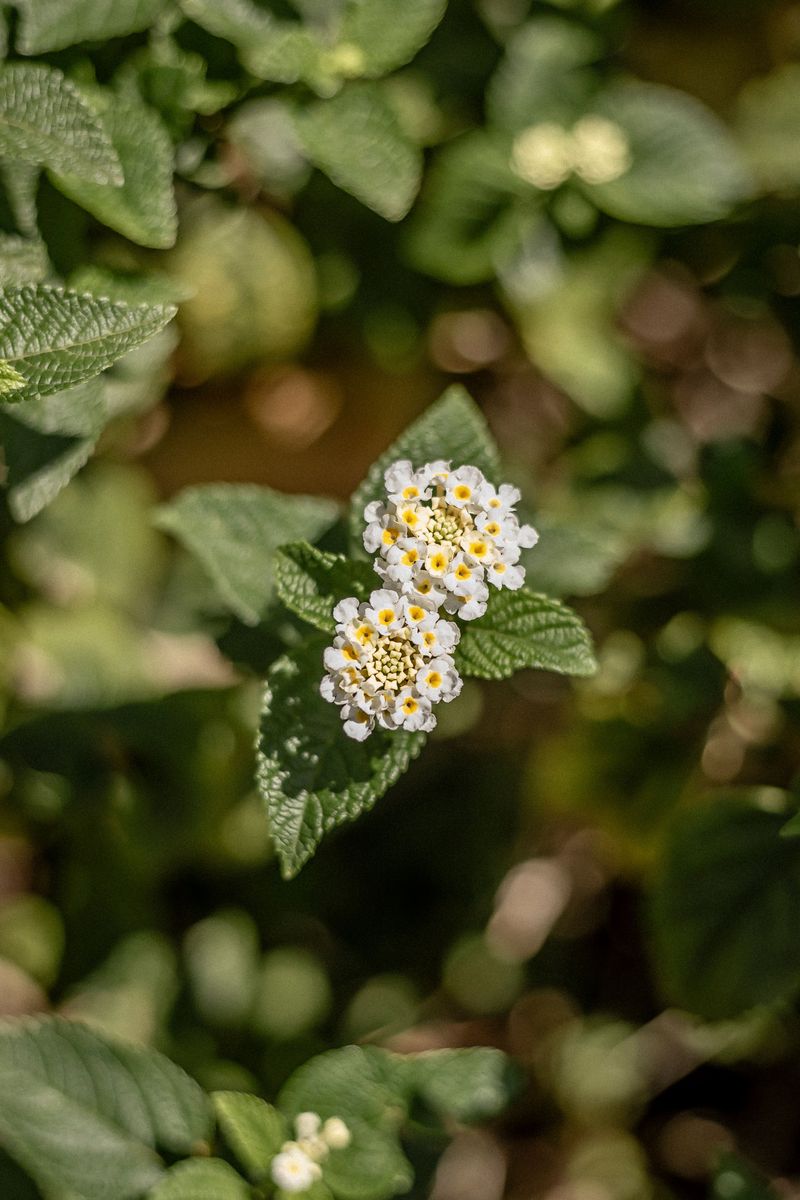
By mid-July, even the best-kept lantana can start to look stretched out and tired. Stems get long, blooms get sparse, and the whole plant starts to look more like a wild shrub than a garden showpiece.
That’s your cue to grab the shears and get to work. Cutting back leggy stems by about one-third encourages the plant to branch out and push new growth from lower nodes.
Those new branches come in fast and loaded with fresh flower buds. It feels counterintuitive to cut a blooming plant, but this technique genuinely works.
Aim for midsummer pruning, somewhere between mid-July and early August in most Wisconsin growing zones. That timing gives the plant enough warm weeks ahead to recover and bloom again before the season ends.
Pruning too late in August might not leave enough time for a meaningful second flush. When you cut, look for stems that are at least six inches long with no flower buds at the tip. Make your cut just above a leaf node using clean, sharp shears.
Clean cuts heal faster and reduce the risk of the plant picking up any unwanted pathogens through an open wound.
After a good midsummer trim, most lantana plants bounce back within two to three weeks. You’ll start seeing new side shoots almost immediately, followed by a fresh wave of blooms.
That second flush of color in late August and September is one of the most rewarding sights in a summer garden.
8. Watch For Spider Mites During Hot, Dry Spells

Spider mites are tiny, but they can do serious damage to lantana faster than most gardeners expect. These nearly invisible pests thrive in hot, dry conditions, which means mid-July through August in the Midwest is prime season for an infestation.
By the time you notice the damage, they’ve often been feeding for days. The earliest sign of spider mites is a dusty, stippled look on the upper surface of leaves. Flip a leaf over and you might see fine webbing and clusters of tiny moving dots.
That webbing is the giveaway that separates mite damage from other leaf problems like sunscorch or nutrient issues.
A strong blast of water from a garden hose is often the first and most effective treatment. Knock the mites off with a firm spray aimed at the undersides of leaves, where they cluster most heavily.
Repeat every two to three days for about two weeks and you’ll knock back most infestations without any chemicals at all.
For more stubborn cases, neem oil or insecticidal soap spray works well on contact. Apply in the early morning or evening to avoid burning the leaves under direct sun.
Always follow the label instructions and reapply after rain washes the treatment away. Keeping plants well-watered during heat waves reduces the dry, stressed conditions that mites love most.
A healthy, hydrated lantana is much harder for mites to get a foothold on. Stay observant and you’ll catch problems early, before they ever get out of hand.
9. Bring Potted Lantana Indoors Before The First Frost In Mid-October
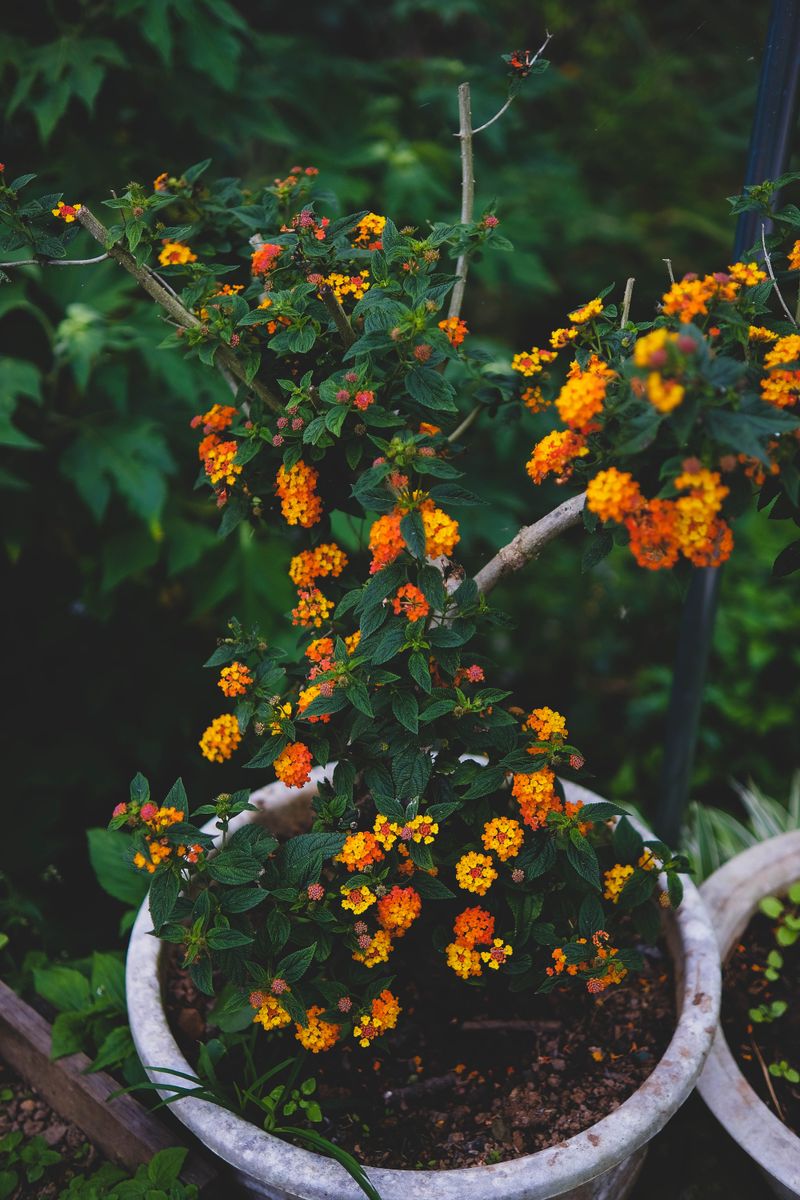
Frost in mid-October catches a lot of Wisconsin gardeners off guard every single year. One cold night in the low 30s can turn a thriving, blooming lantana into a blackened mess overnight.
But here’s the good news: potted plants are incredibly easy to rescue before that happens. Start watching your local forecast closely once September rolls in. When nighttime temps are expected to drop below 40 degrees Fahrenheit, it’s time to bring your lantana inside.
Don’t wait for the actual frost warning, because acting early gives the plant a gentler transition.
Choose the brightest spot in your home for overwintering lantana, ideally a south-facing window or a sunny sunroom. The plant will slow down significantly indoors and may drop some leaves, which is completely normal.
Think of it as the plant taking a long nap rather than struggling. Cut the plant back by about half before bringing it in. This reduces the stress of the transition and makes the plant easier to manage indoors.
It also encourages fresh, compact growth when you move it back outside the following spring. Water sparingly during the winter months, just enough to keep the soil from going completely bone dry.
Fertilizer can be skipped entirely until you see new growth returning in late winter or early spring.
With a little indoor care, your lantana will head back outside next June stronger, fuller, and ready to deliver another season of brilliant color in your garden.