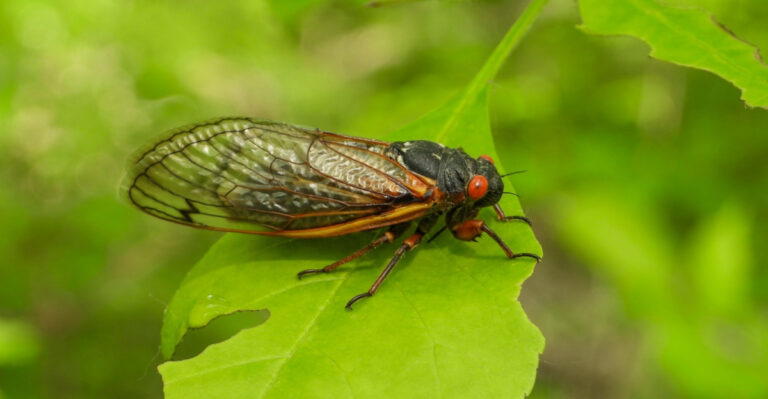
What To Do When The Cicadas Take Over Your Illinois Yard
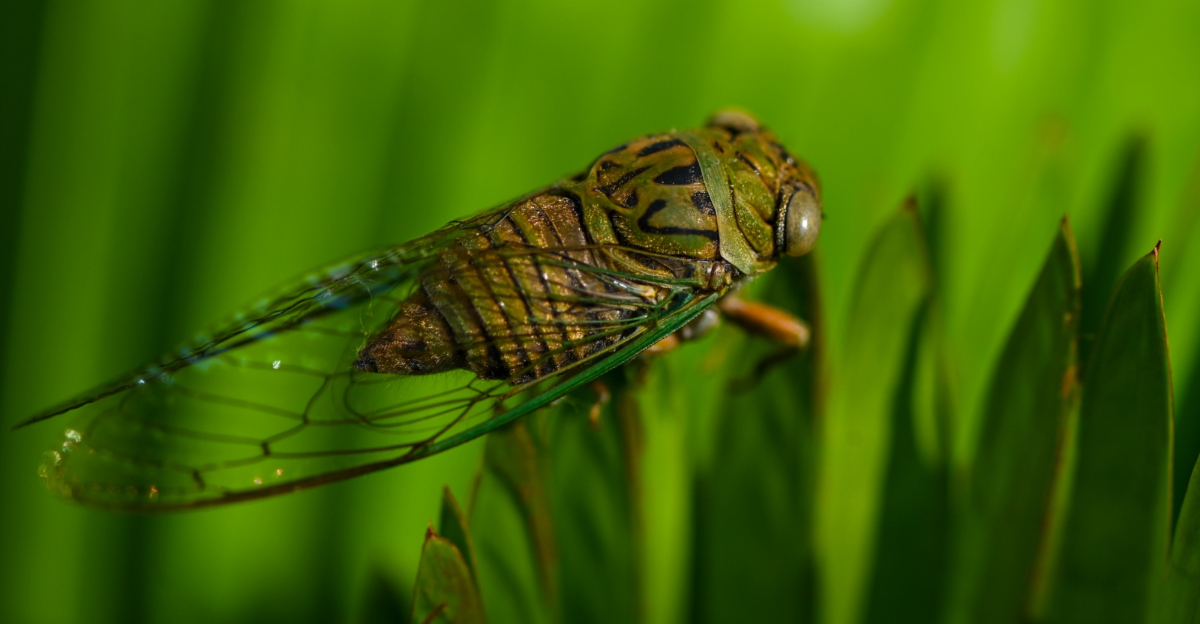
Billions of cicadas don’t knock before arriving. They split the soil open, flood the air with a sound like a power grid shorting out, and hijack your Illinois yard for six relentless weeks.
The noise hits your chest before your ears register it. You open the back door and freeze. Red-eyed insects blanket your fence posts, your garden beds, your patio furniture. Husks crack under every step you take.
Are you actually ready for what’s coming? Most Chicago suburb homeowners think they are, until the first wave lands and the branch damage starts.
Egg-laying slits open up in your young trees overnight. Your dog comes in wearing three cicadas like accessories.
The surge does not slow down for anyone. Illinois rewards the homeowners who prepare early and quietly humbles the ones who don’t.
Shield your plants before they need it. Know your pet risks before your vet bill arrives. Hold your calm before the ground opens up and six weeks of organized chaos begins.
Cover Young Trees And Shrubs With Netting

Billions of cicadas are heading straight for your youngest, most vulnerable plants first. Female cicadas slice open pencil-thin twigs to lay their eggs, and that process can seriously damage trees under four inches in diameter.
Your brand-new fruit trees, ornamental cherries, and young maples are basically an all-you-can-eat buffet right now.
The fix is simple and surprisingly affordable: grab fine mesh netting with holes smaller than one centimeter and drape it over the entire canopy.
Secure it at the base so cicadas cannot sneak underneath. Garden centers and hardware stores in the region stock this stuff fast, so grab it early before the shelves go bare.
Larger, established trees with trunks thicker than four inches are generally sturdy enough to handle the onslaught without protection.
Focus your netting energy on the small guys, the recently planted shrubs, and anything you babied through last winter.
Once the emergence ends, remove the netting promptly so your plants can breathe and get proper sunlight again. A little prep now saves you from watching your favorite young tree weaken and brown by midsummer.
Postpone Planting New Trees Or Shrubs

Timing your garden work around cicadas is one of the smartest moves you can make this season. Planting a brand-new tree or shrub during an emergence is like setting a table for a feast and then leaving the door wide open.
Those fresh, tender roots and thin branches are exactly what female cicadas target when they are ready to lay eggs.
Hold off on any new plantings until the emergence wraps up, which typically takes four to six weeks. Wait until late summer when the ground has quieted down and the threat has passed.
Your new plants will actually establish better without the stress of constant cicada activity buzzing and slicing around them.
Nurseries across the state often offer late-season sales on trees and shrubs anyway, so patience can actually save you money. Use this waiting period to prep your soil, improve drainage, and plan exactly where each new plant will go.
Your Illinois Garden Changes Every Week. Your Plan Should Too.
Gardening in Illinois changes quickly throughout the season. Every Friday you’ll receive a simple weekly plan showing exactly what to plant, prune, fertilize, harvest, and protect so you never miss the right timing.
Sketch out your dream garden layout, research the best varieties for your specific yard conditions, and get everything ready so you can hit the ground running the moment the noise fades. Good things come to gardeners who wait out the swarm.
Prune Flagging Branches After They’re Gone
Your trees are not struggling. Those brown tips just mean cicadas were busy. That browning is called flagging, and it happens when female cicadas slit open twigs to deposit their eggs deep inside.
It looks alarming, but for healthy, mature trees it is mostly cosmetic damage that the plant can recover from on its own.
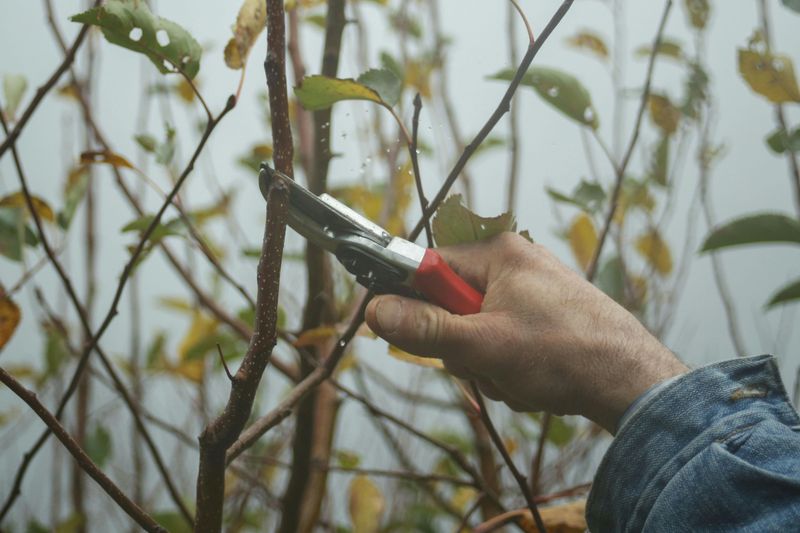
Once the cicadas are gone, grab your pruning shears and clip off those damaged tips a few inches below the affected section. Clip off those damaged tips a few inches below the damaged section.
Dispose of the clipped branches in yard waste bags rather than leaving them on the ground where eggs could still hatch.
Avoid the urge to prune while cicadas are still active because fresh cuts attract even more of them to your trees.
Patience is your best pruning tool right now. Most trees bounce back beautifully within a single growing season, putting out fresh new growth that fills in the gaps.
Some gardeners even say their trees looked fuller and healthier the following year, almost as if the pruning gave them a natural reset. Trust the process and let the season play out.
Skip Pesticides
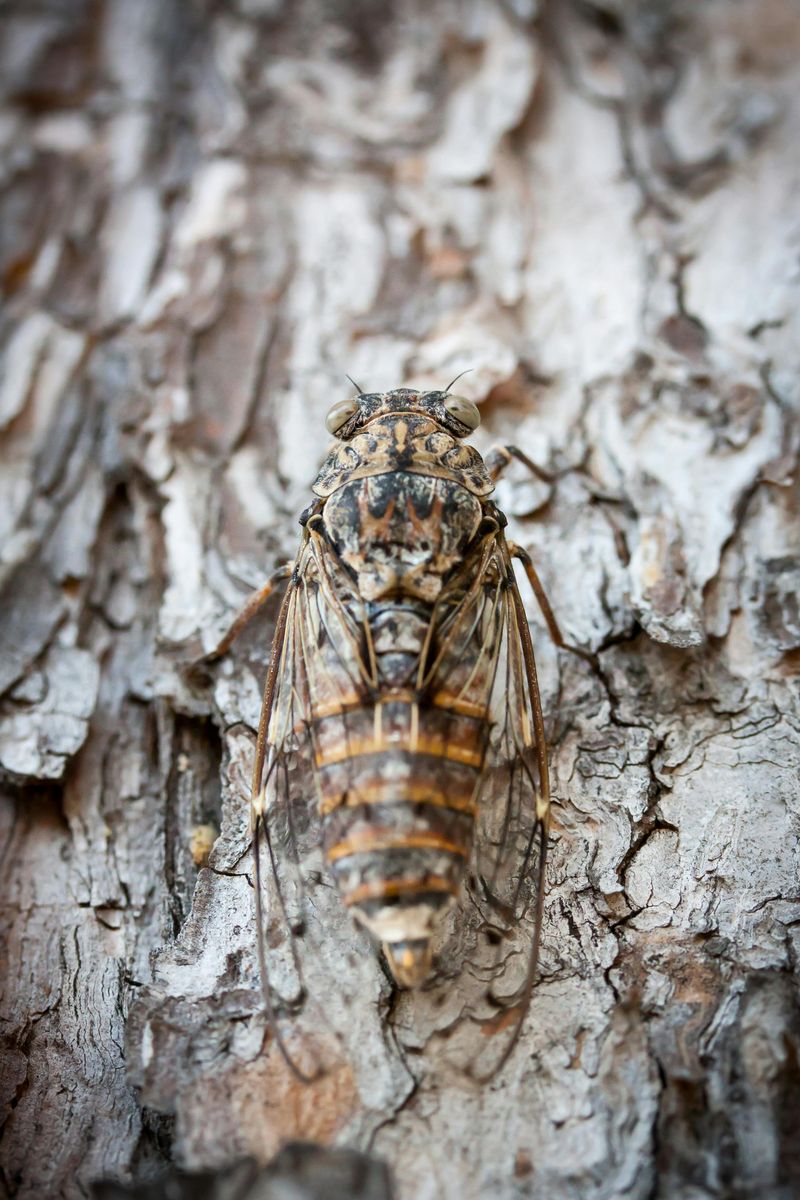
Crawling with insects and reaching for the spray? That is the one move that backfires here. No pesticide makes a dent in a brood-scale emergence. All it does is harm the birds, bees, and other beneficial creatures that share your yard.
Scientists and extension experts across the Midwest agree: chemicals are ineffective against a brood-level emergence.
Pesticides can also linger in your soil and on your plants long after the cicadas are gone, creating problems for pollinators and your vegetable garden through the rest of the growing season.
The bugs themselves are not damaging your lawn, and adult cicadas do not eat your plants in the way that other pests do. They are noisy and abundant, but they are not the enemy your pesticide was designed for.
Save your money and your garden ecosystem by putting the spray down entirely. Focus instead on physical barriers like netting and row covers for the plants you want to protect most.
Nature has handled cicada emergences for millions of years without chemical intervention, and your yard will come through just fine.
Choosing restraint here is genuinely one of the most empowering things you can do for your outdoor space this season.
Keep Windows Closed During Peak Midday Hours

Late morning is when the noise takes over. On a warm June day in a heavily infested neighborhood, the sound can reach 90 to 100 decibels, roughly the same as a lawnmower running directly next to your ear.
Keeping your windows closed during those peak hours makes a surprisingly significant difference inside your home.
Run your air conditioning or fans to keep things comfortable without inviting the sound or the insects inside.
Cicadas are clumsy fliers and can drift through open windows or gaps in screens if given the chance.
A closed window is the simplest barrier between a peaceful living room and a very unwelcome guest landing on your couch.
If you love fresh air in the mornings, take advantage of the early hours before the temperature rises, when cicadas tend to be quieter and less active. Evenings can also offer a gentler window of sound before nightfall.
Building your daily routine around these quieter windows makes the whole emergence feel far more manageable. Timing when you open your windows costs you nothing. It buys you a lot of calm.
Wear Earplugs Or Noise-Canceling Headphones Outside
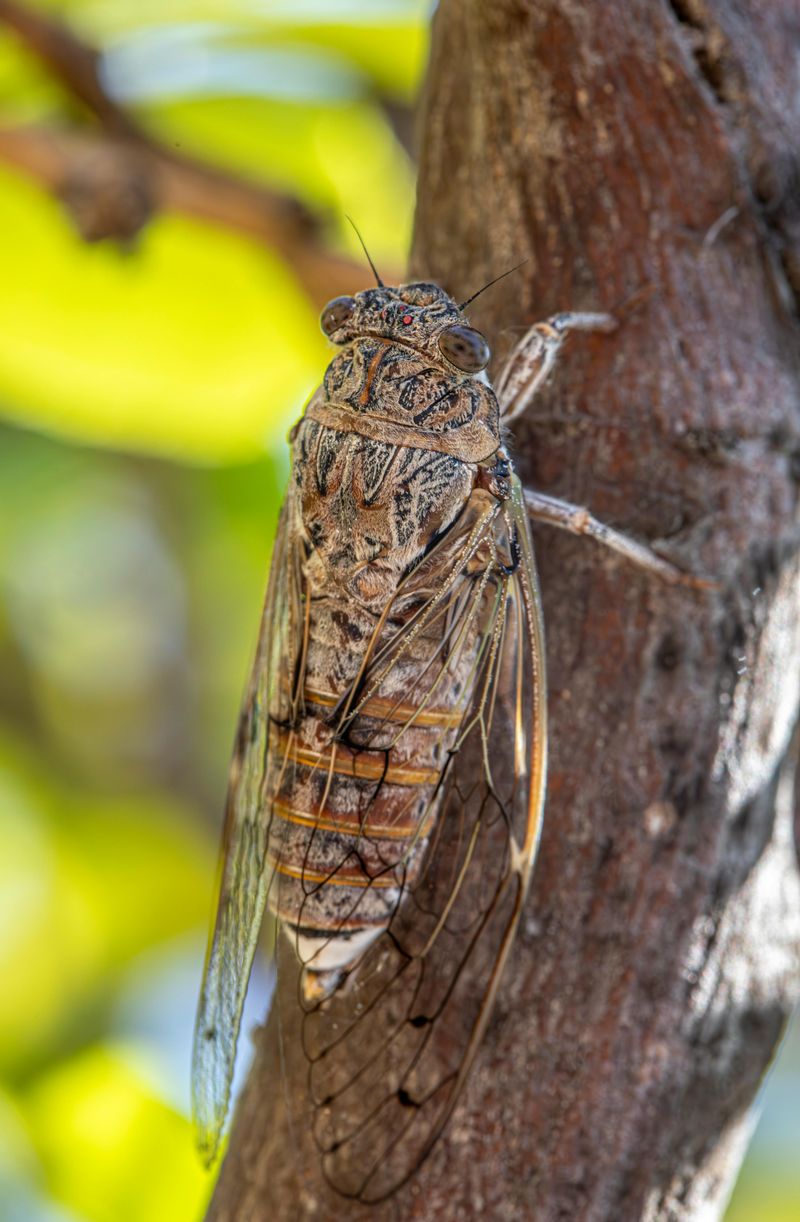
Go outside unprotected during peak emergence. You will not do it twice. The collective song of millions of cicadas creates a wall of sound that can genuinely cause hearing fatigue after extended exposure.
Protecting your ears is not an overreaction, it is just smart outdoor planning for the next few weeks.
Foam earplugs are cheap, easy to find, and reduce ambient noise enough to make yard work and outdoor activities feel normal again.
Noise-canceling headphones are an even better option if you want to listen to music or podcasts while you garden, mow, or just sit on the porch.
Some people find that pairing good headphones with an upbeat playlist actually turns yard chores during the emergence into something almost enjoyable.
Kids and older adults feel the noise hardest. A stash of earplugs near the back door covers everyone. Keep earplugs near the back door. Kids and older adults will thank you for it.
A simple pair of foam plugs costing less than a dollar each can completely change how your afternoons feel. Protect your ears now so you are not still feeling the buzz long after the cicadas have gone.
Monitor Dogs Around Cicadas

Cicada season and dog owners do not mix easily. The bugs are crunchy, they move in interesting ways, and they are literally everywhere, which makes them irresistible to a curious dog with nothing better to do.
Most dogs will eat a few cicadas and be completely fine, but moderation is the key word here. Eating a small number of cicadas is generally harmless for healthy adult dogs.
The real concern kicks in when a dog treats the yard like an all-day snack bar and consumes dozens or even hundreds of them in a single outing.
Cicada shells are hard and not easily digestible, and that bulk can cause stomach upset, vomiting, or constipation. Keep an eye on how your dog behaves outside during walks and backyard time.
If your pup is going full vacuum mode on every cicada in sight, redirect their attention with a toy or a treat and limit unsupervised outdoor time.
A short leash during walks through heavily infested areas gives you more control without stressing your dog out.
A little extra supervision now means you spend the season enjoying your pet instead of making emergency vet calls over a preventable snack binge.
Call Your Vet If A Pet Eats A Large Quantity
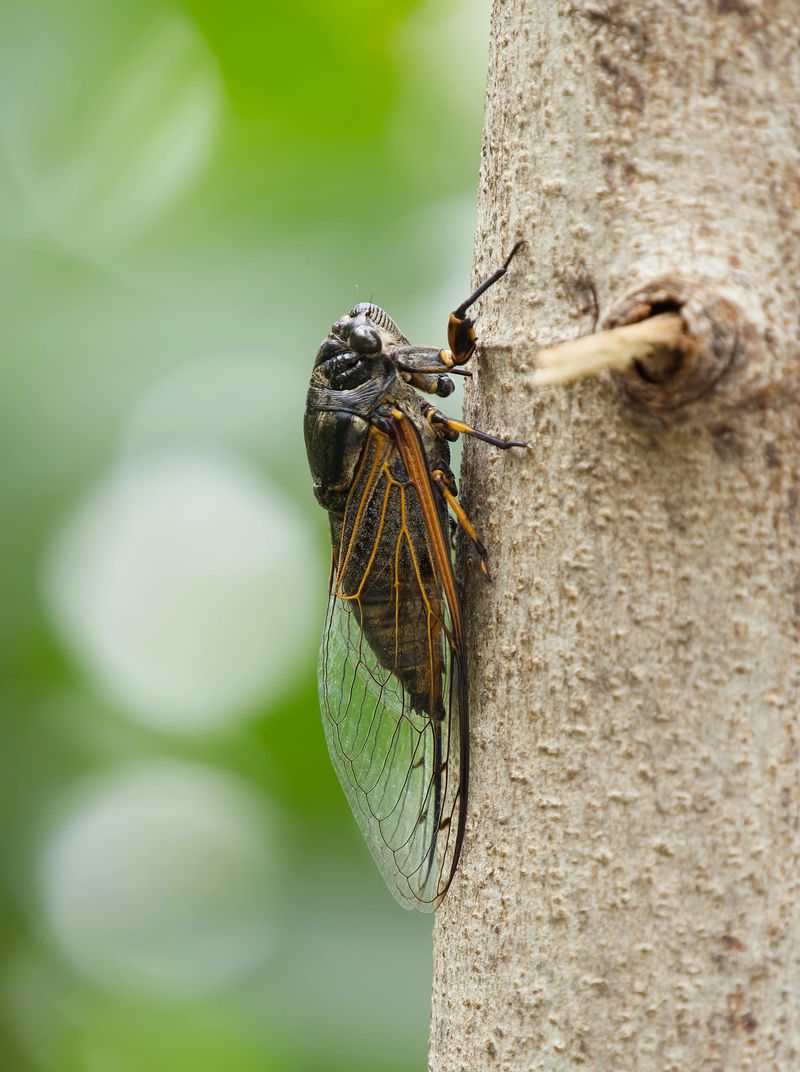
The moment your dog seems off after a cicada binge, call your vet. A dog’s digestive system is not built for a cicada feast.
Too many in a short time can trigger vomiting, diarrhea, lethargy, or a bloated belly. Cats can experience similar issues, though they tend to be more selective snackers than dogs.
Call your veterinarian or an emergency animal clinic if your pet ate a significant quantity and is showing any signs of distress.
Be ready to describe how many cicadas you think they consumed, when it happened, and what symptoms you are noticing.
Your vet may recommend monitoring at home, adjusting their diet temporarily, or bringing them in depending on the severity of the situation.
One or two cicadas is not an emergency, but a full feeding frenzy that leaves your pet sluggish and bloated deserves professional attention.
Cicadas are not toxic in the traditional sense, but the sheer physical volume of exoskeleton material can create a real blockage risk in smaller animals.
Having your vet’s number saved in your phone before the season peaks means you are not scrambling during a stressful moment. A quick call can give you real peace of mind when your pet decides to be adventurous.
Check Screens For Gaps

A torn screen is all the entry point a cicada needs. Finding one of these large, buzzing insects inside your bedroom at midnight is a memorable experience for all the wrong reasons.
A quick walk around your home before the peak of the season can save you from that exact scenario. Check every window screen for holes, tears, or frames that do not sit flush against the window opening.
Door screens deserve the same attention, especially sliding doors that see heavy use during warmer months.
Screen repair tape and replacement mesh are inexpensive and widely available at any hardware store, and the fix usually takes under ten minutes per window.
Pay special attention to basement windows and ground-floor screens where cicadas congregate in the highest numbers.
Weather stripping around door frames can also develop gaps over time that are just wide enough for a determined insect to squeeze through.
A thorough check now takes maybe 30 minutes total and gives you the confidence to open your home to fresh air without worrying about uninvited guests.
Sealing those gaps is one of those small tasks that feels almost too simple, right up until the moment it saves your evening.
Compost The Carcasses

The emergence ends, the cicada bodies pile up, and your garden quietly wins. Cicada bodies are packed with nitrogen, phosphorus, and other nutrients that break down quickly in a compost pile.
Your soil gets a genuine boost that rivals what many store-bought fertilizers offer. Nature essentially delivers free fertilizer straight to your lawn.
Rake up the bodies and add them to your compost bin in layers, mixing them with carbon-rich material like dried leaves or cardboard to keep the pile balanced.
They break down fast, especially in warm summer temperatures, so you will not be dealing with a smelly pile for long.
The resulting compost is rich, dark, and genuinely wonderful for vegetable beds, flower borders, and garden patches.
You can also leave a thin layer of carcasses directly on your lawn and let them decompose naturally into the soil over a few weeks.
Robins, starlings, and other birds will help speed up the process by picking through the remains with great enthusiasm. Either approach turns what looks like a messy aftermath into a genuine gift for your garden.
The cicadas took over your Illinois yard for a few weeks, and in return they left behind something your soil will benefit from all season long.