Why California Tomato Leaves Curl In Summer And How To Fix It
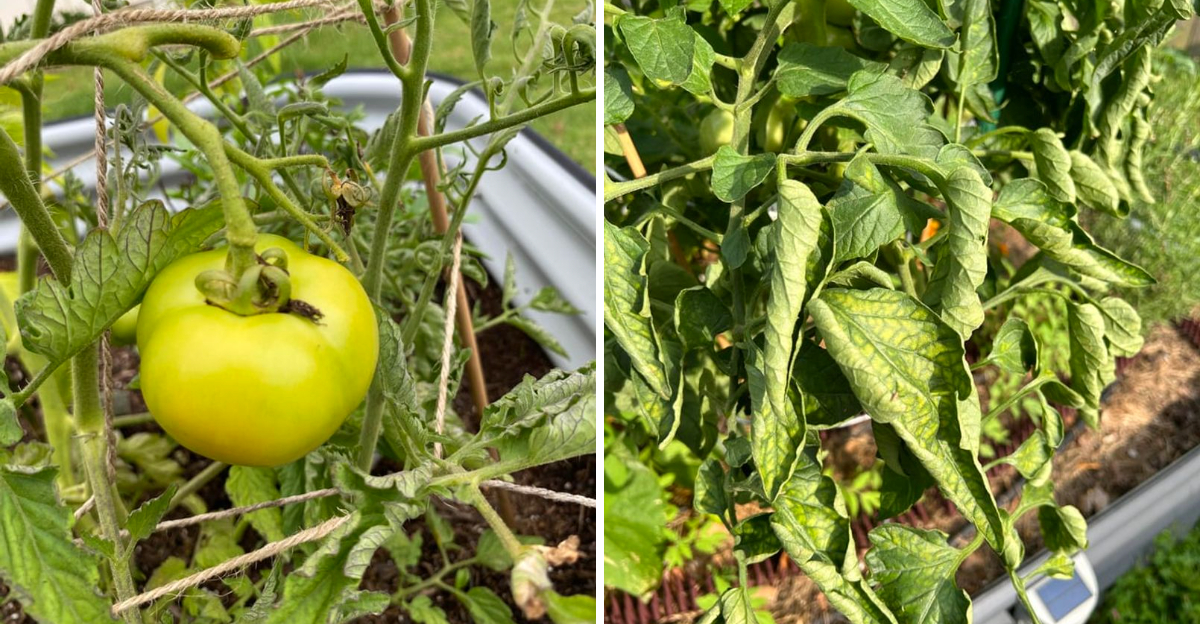
Tomato leaves curling in a California summer? You are definitely not imagining it, and you are absolutely not alone.
It is one of those garden moments that stops you in your tracks because your plants looked perfectly fine yesterday and today something is clearly off.
The tricky part is that curling leaves are basically tomatoes communicating in their own cryptic little language, and that message could mean several different things at once.
Heat stress, dry soil, aphids, whiteflies, beet leafhoppers, even herbicide drift from a neighboring yard can all push tomato leaves into that telltale curl or roll.
Some of these causes are a pretty straightforward fix once you know what you are looking at.
Others need a closer look at the whole picture. Either way, figuring it out starts with knowing what to actually look for.
1. Summer Heat Curls Leaves Upward
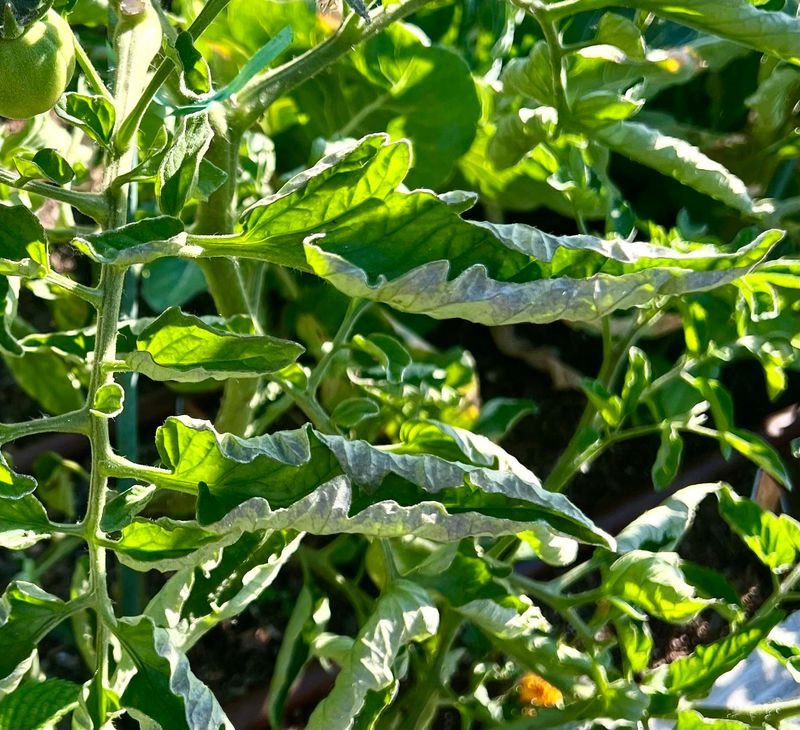
On a blazing California afternoon, tomato plants sometimes look like they are folding in on themselves.
Leaves roll upward along their length, cupping toward the sky in what looks like distress. For many backyard gardeners, this can feel alarming the first time they see it happen.
What is actually going on is a natural response to excessive heat and sun exposure.
When temperatures climb into the upper 90s or above 100 degrees Fahrenheit, which is common in California’s inland valleys during July and August, tomato plants conserve moisture by reducing the leaf surface exposed to direct sunlight.
The rolling helps slow water loss through the leaves.
This type of curling tends to show up on the lower and middle leaves first. The foliage may feel firm rather than wilted, and the plant overall may still look healthy.
Hot afternoon sun hitting raised beds or containers can intensify the problem since these growing spaces heat up faster than in-ground gardens.
Providing afternoon shade using shade cloth rated at around 30 to 40 percent can help reduce heat stress significantly. Mulching the soil surface with a few inches of straw or wood chips helps keep root-zone temperatures cooler.
Watering deeply in the early morning gives roots access to moisture before the hottest part of the day arrives, and that can make a real difference for tomatoes during peak summer heat.
2. Dry Soil Stresses The Roots
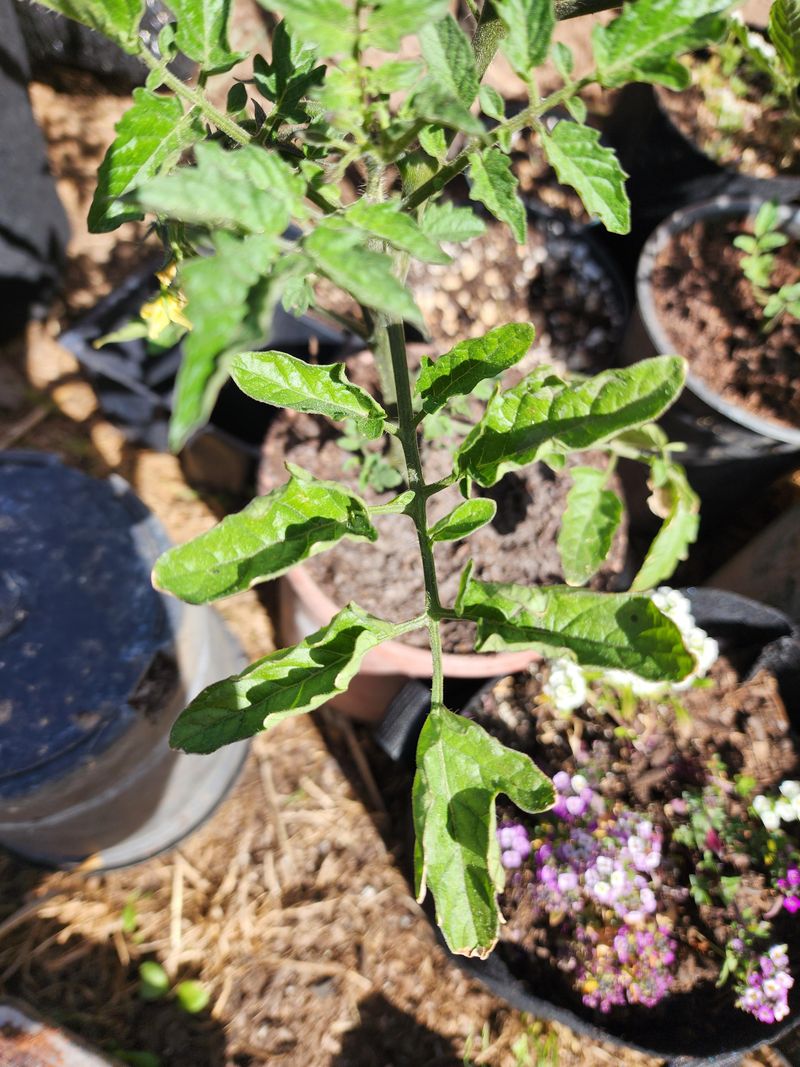
Reaching down and touching the soil around a struggling tomato plant is often the fastest way to figure out what is wrong. When the top two to three inches feel bone dry and the leaves are curling inward, the roots are likely under moisture stress.
California summers can be unforgiving, and dry soil is one of the most common reasons tomato leaves start to curl.
Tomato roots need consistent access to moisture to keep the plant hydrated and functioning properly. When soil dries out too quickly between waterings, the plant pulls water from the leaves to keep vital processes going.
This internal water movement causes the leaves to curl and sometimes feel slightly leathery or stiff to the touch.
In California’s warm inland areas, containers and raised beds are especially prone to drying out quickly because the soil volume is smaller and sun exposure is often intense.
Your California Garden Changes Every Week. Your Plan Should Too.
Gardening in California changes quickly throughout the season. Every Friday you’ll receive a simple weekly plan showing exactly what to plant, prune, fertilize, harvest, and protect so you never miss the right timing.
Even garden beds can lose moisture rapidly if the soil lacks organic matter or proper mulch coverage.
Checking soil moisture regularly by pressing a finger two to three inches into the ground can help gardeners water at the right time rather than guessing. Adding compost to the soil improves its ability to hold moisture between waterings.
A two-to-three-inch layer of mulch on top of the soil surface can slow evaporation considerably and help keep roots in a more stable, comfortable environment throughout the dry summer season.
3. Uneven Watering Causes Leaf Roll
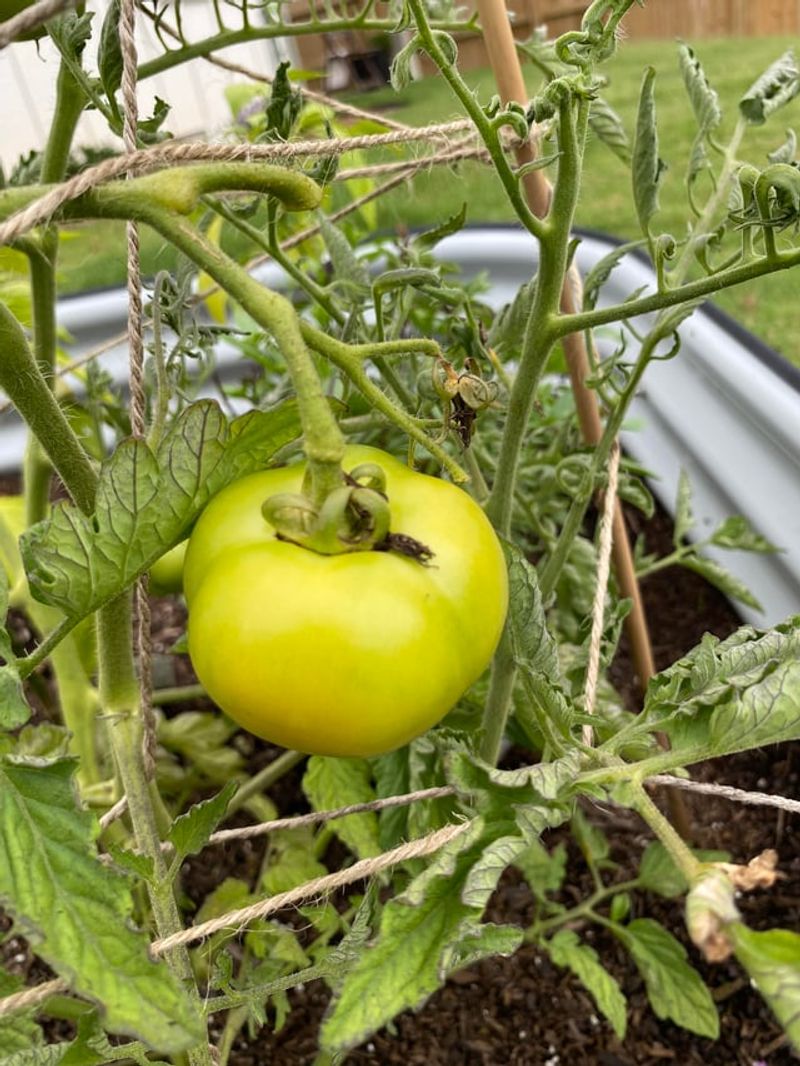
Watering tomatoes a little one day and a lot the next can confuse the plant in ways that show up visually on the leaves.
Uneven irrigation is one of the more overlooked causes of leaf curl in vegetable gardens, and it tends to get worse as summer temperatures rise and evaporation speeds up.
When soil moisture swings between very dry and very wet, the plant has trouble regulating water uptake efficiently. Leaves may curl upward or roll along their midrib as the plant tries to manage internal water pressure.
This kind of curling often appears across the middle portion of the plant and may ease slightly during cooler parts of the day.
Drip irrigation systems are widely used in California because they deliver water slowly and directly to the root zone.
However, if emitters get clogged or the watering schedule is not adjusted as summer heats up, the delivery can become inconsistent without the gardener realizing it.
Hand-watering without checking soil depth can also lead to shallow, uneven moisture distribution.
Establishing a consistent deep-watering routine helps a great deal. Watering slowly and deeply two to three times per week, rather than lightly every day, encourages roots to grow deeper where soil stays more consistently moist.
Checking that drip emitters are working properly and adjusting run times as summer progresses can make California tomato plants noticeably more stable, healthier looking, and more productive over the long season.
4. Natural Leaf Roll Looks Alarming
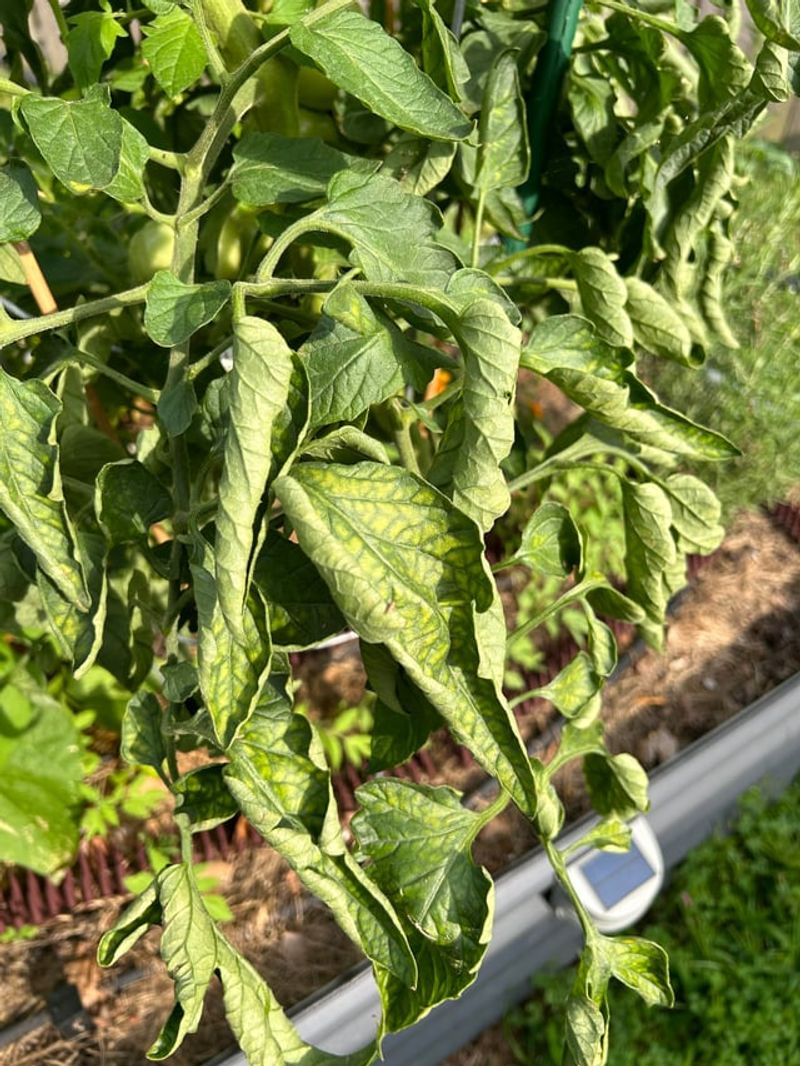
Not every case of curled tomato leaves signals a problem. Physiological leaf roll is a normal response that many tomato varieties display, particularly indeterminate types that grow tall and keep producing all season.
Gardeners sometimes spend time searching for a problem that simply does not exist.
Natural leaf roll typically shows up on the lower leaves first and gradually moves upward as the plant matures and sets fruit. The leaves roll upward along the center vein, and the edges touch or overlap slightly.
The foliage stays green, feels firm, and the plant continues growing, flowering, and producing fruit without any visible decline.
What separates physiological leaf roll from stress-related curling is the overall health of the plant.
If the tomatoes are sizing up, the stems look sturdy, and new growth at the top of the plant looks healthy and flat, the rolling lower leaves are likely just the plant’s natural habit.
Varieties like Celebrity, Early Girl, and many heirloom types are known to show this kind of rolling under normal summer conditions.
Resisting the urge to overwater or over-fertilize in response to natural leaf roll is a good habit to develop. Adding too much nitrogen fertilizer when the plant is actually fine can push excessive leafy growth and create new problems.
Observing the whole plant over several days, rather than reacting quickly to one symptom, gives a much clearer picture of what is actually happening in the California summer garden.
5. Aphids Curl Tender New Leaves
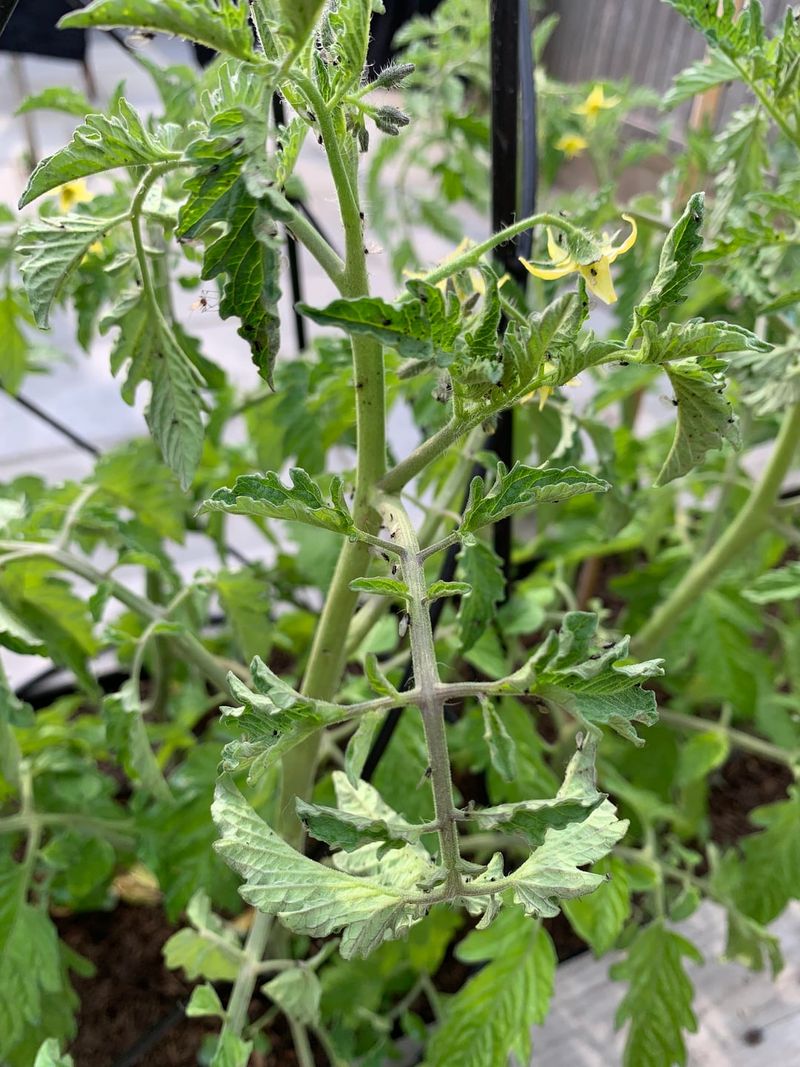
Tiny, soft-bodied insects clustered on the newest growth of a tomato plant are a familiar sight in California gardens, and aphids are often the culprit.
When aphid populations build up on young shoot tips, the feeding activity causes the tender new leaves to curl, pucker, and distort in ways that can look quite different from heat or water-related curling.
Aphids feed by inserting their mouthparts into plant tissue and drawing out sap. The damage to developing leaf cells causes the leaves to curl tightly and sometimes turn pale or yellowish.
A sticky residue called honeydew is often left behind, and black sooty mold may grow on surfaces where honeydew has collected.
Checking the undersides of curled new leaves and the growing tips is the most reliable way to spot an aphid problem early.
Small colonies can grow quickly during warm summers, especially when natural predators like ladybugs and parasitic wasps are not present in large enough numbers to keep populations in check.
A firm spray of water from a garden hose can knock aphids off plants without harming the foliage. Insecticidal soap or neem oil applied carefully to affected areas can help reduce populations when spraying with water alone is not enough.
Avoiding heavy nitrogen fertilization also helps because lush, soft new growth tends to attract aphids more readily than balanced, moderate growth in the summer garden.
6. Whiteflies Can Spread Leaf Curl Virus
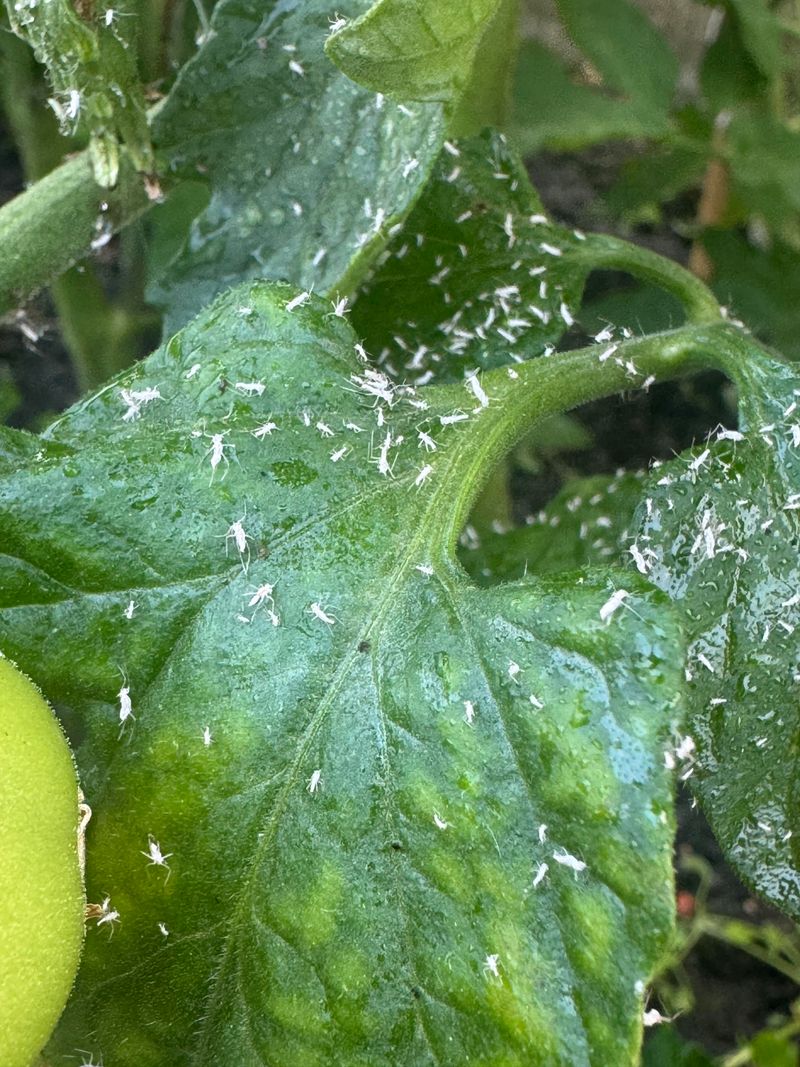
Shake a tomato plant gently and watch what happens. If a cloud of tiny white insects rises up and then settles back down, whiteflies have likely moved in.
In California, whiteflies are a warm-season pest that tends to build up quickly during summer, and certain species can transmit tomato yellow leaf curl virus while feeding.
Tomato yellow leaf curl virus causes leaves to cup upward, turn pale yellow along the edges, and become noticeably smaller than healthy leaves. New growth may look stunted or bunched together at the top of the plant.
Unlike heat-related curling, the distortion caused by this virus does not ease when temperatures cool or when watering improves.
The silverleaf whitefly is the species most associated with spreading this virus in California. It feeds on the undersides of leaves and can move between tomato plants, weeds, and other garden crops.
Warm, dry summers in California’s interior valleys tend to favor whitefly population growth.
Reflective mulch placed on the soil surface can reduce whitefly landings on plants by disrupting their ability to locate hosts. Yellow sticky traps help monitor population levels.
Insecticidal soap or neem oil applied to the undersides of leaves can reduce adult and nymph populations when used consistently.
Removing and bagging heavily affected plants promptly helps limit the spread of the virus to neighboring tomato plants in the garden.
7. Leafhoppers Can Spread Curly Top Virus
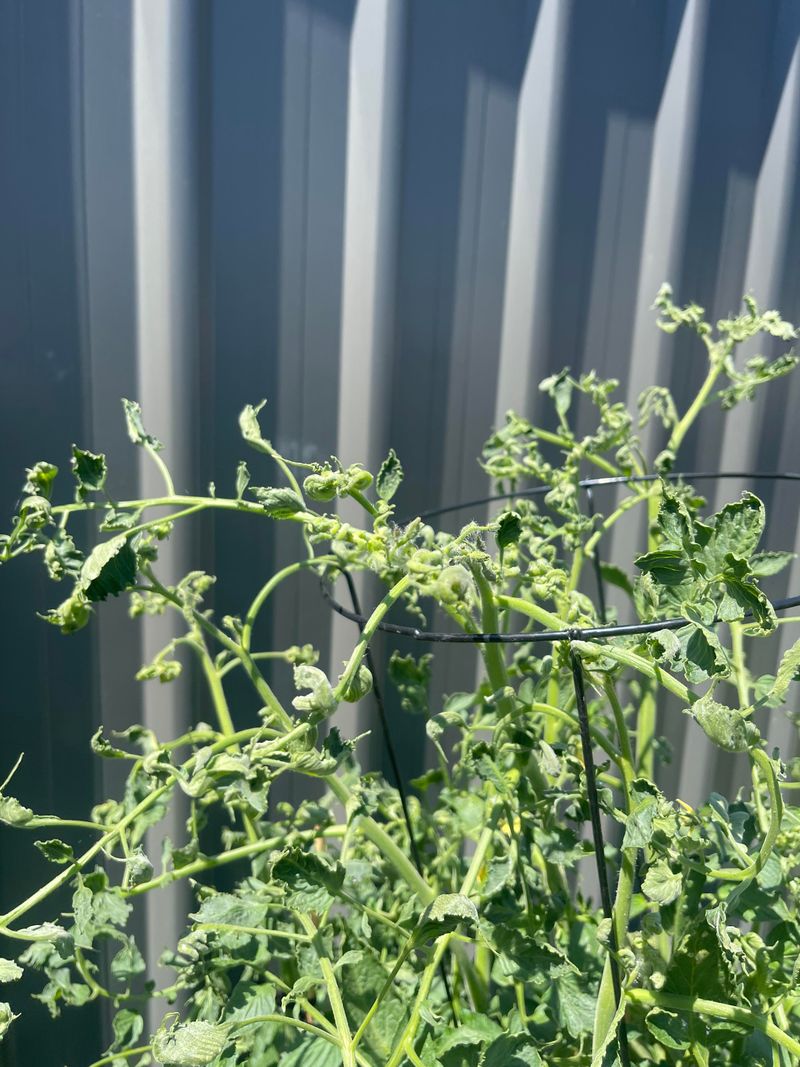
Out in California’s hot, dry interior valleys and foothills, a tiny insect called the beet leafhopper can cause some of the most dramatic and discouraging leaf curl symptoms a tomato gardener may encounter.
This pale, wedge-shaped insect transmits curly top virus, and the damage it leaves behind is quite distinct from other causes of leaf curl.
Plants affected by curly top virus tend to show upward curling and twisting of leaves, along with purple or yellow discoloration along the veins. New growth may look stunted, stiff, and bunched.
The plant often stops growing and may fail to set new fruit after infection. Symptoms can appear rapidly, sometimes within a week or two of the leafhopper feeding on the plant.
Beet leafhoppers migrate into California vegetable gardens from surrounding dry rangeland and weedy areas, especially in late spring and early summer. They tend to be more of a concern in hot inland regions than along the cooler California coast.
The insects themselves are quick-moving and difficult to spot on plants.
Row covers installed early in the season, before leafhoppers arrive, can provide a physical barrier that helps protect tomato plants. Providing partial afternoon shade may also reduce leafhopper activity somewhat.
Removing affected plants that show severe, confirmed curly top symptoms promptly can help protect nearby plants. Selecting tolerant tomato varieties when available is another practical strategy for gardeners in high-risk areas.
8. Herbicide Drift Twists Tomato Leaves
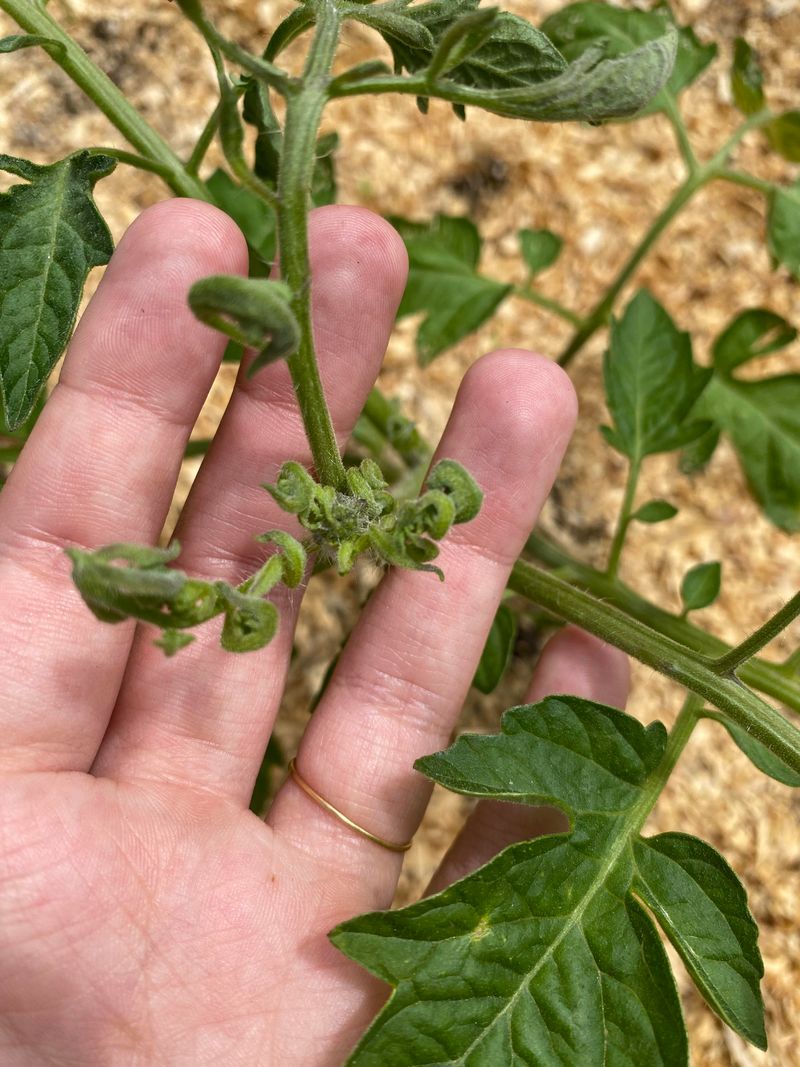
Sometimes the cause of strange tomato leaf symptoms has nothing to do with water, heat, or insects.
Herbicide drift is a surprisingly common issue in California neighborhoods and rural gardens, and tomatoes are among the most sensitive vegetable plants when it comes to exposure to certain weed-control products.
Broadleaf herbicides, including those containing 2,4-D or dicamba, can drift on the wind from nearby lawns, roadsides, or neighboring properties and land on tomato foliage in very small amounts. Even a tiny dose can cause dramatic symptoms.
Leaves may curl downward, twist, cup, or develop a fern-like appearance with narrow, elongated leaflets. New growth at the top of the plant is often the most noticeably affected.
The distortion caused by herbicide exposure tends to look more irregular and twisted than the upward rolling associated with heat or water stress. Stems may also curl or zigzag in an unusual way.
Symptoms may appear within a few days of exposure and can affect one side of the garden more than the other, depending on wind direction at the time of application.
There is no treatment to reverse herbicide damage once it has occurred, but mildly affected plants may produce new healthy growth over time if conditions are favorable.
Documenting the symptoms with photos and noting when nearby lawn or weed applications took place can be helpful.
Talking with neighbors about timing and product choices is a reasonable step for gardeners dealing with recurring drift issues.