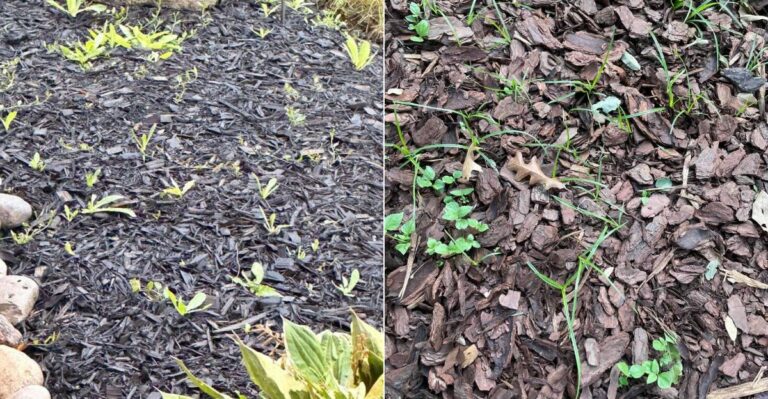
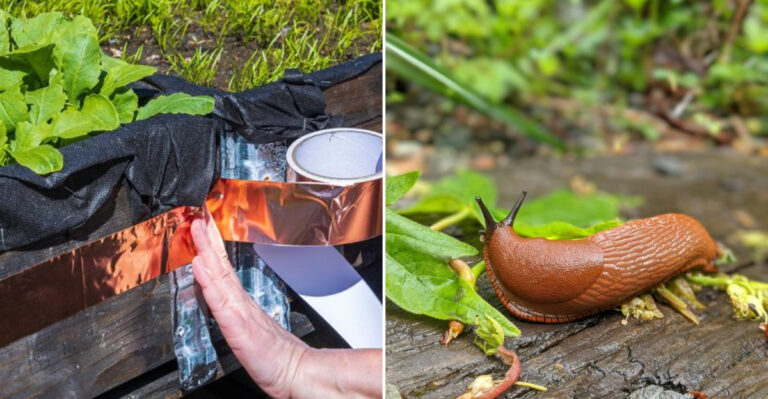
The June Garden Tasks Oregon Homeowners Skip Until It’s Too Late
June in Oregon has a particular talent for making gardeners feel simultaneously relieved and slightly panicked. The rain eases up, the sun finally shows up with some confidence, and everything in the garden decides to happen at once.
Weeds that were manageable last week are suddenly bolting. The soil that felt perfectly moist on Monday is dry and cracked by Friday.
And that vegetable bed you were feeling pretty good about? It has opinions now.
The tricky part about June is that it is not one big overwhelming task that trips people up, it is a handful of smaller checkups that are easy to push to next weekend and then suddenly it is August and things got away from you.
Getting ahead of the season right now, while it is still early, makes everything that follows so much easier.
1. Mulch Beds Before Oregon Soil Dries Out
Bare soil in an ornamental bed can lose moisture surprisingly fast once Oregon’s warm June days settle in.
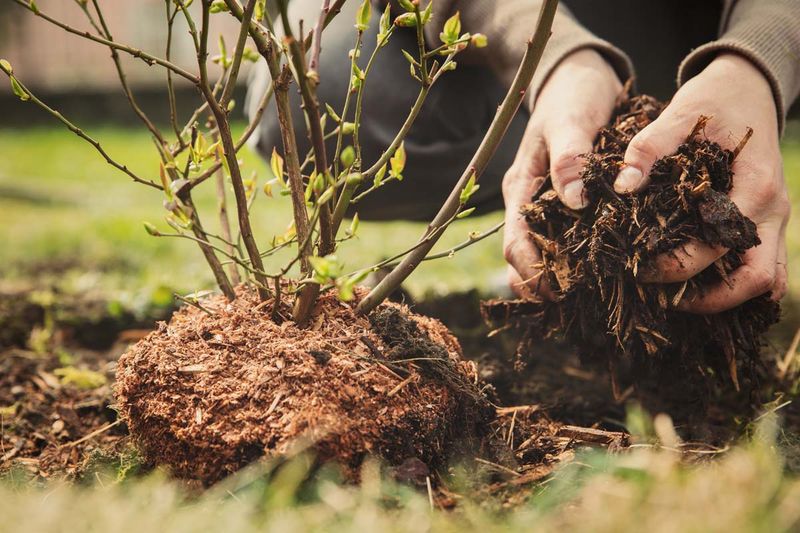
A fresh two-to-three-inch layer of organic mulch, such as wood chips, shredded bark, or composted leaves, laid over the soil surface can help slow that moisture loss considerably.
Raised beds and sloped areas tend to dry out even faster, so those spots usually benefit from mulching first.
The job itself is straightforward. Spread mulch evenly across the bed, but keep it pulled back a few inches from plant crowns, stems, and the base of shrubs.
Piling mulch directly against stems can trap moisture against bark and create conditions that favor rot and fungal issues over time. A clear gap around each plant base is a small detail that makes a noticeable difference.
In cooler parts of Oregon, including higher elevations and parts of the coast, June soil may still hold moisture longer. Homeowners in those areas can watch the soil and mulch when it starts to feel dry an inch or two below the surface.
For most of the Willamette Valley and drier inland regions, mulching early in June rather than waiting until the heat peaks is usually the easier and more effective approach.
Fresh mulch also helps suppress early weed germination, which makes it a two-for-one task worth doing sooner rather than later.
2. Check Raised Beds Before Heat Stress Builds
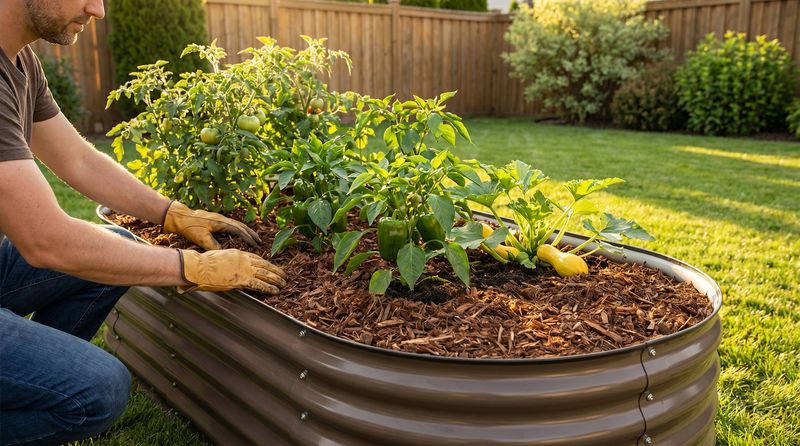
Raised beds have a lot going for them, but one trade-off is that they tend to dry out faster than in-ground garden soil. The sides of a raised bed are exposed to air on multiple surfaces, which speeds up evaporation, especially once June temperatures start climbing.
A bed that felt adequately moist in May can surprise homeowners by mid-June when the top few inches dry out within a day or two.
Checking soil moisture regularly, rather than watering on a fixed schedule, is one of the most practical habits a raised-bed gardener can build. Press a finger two inches into the soil.
If it feels dry at that depth, watering is likely needed. If it still feels cool and slightly damp, waiting another day is usually fine.
Your Oregon Garden Changes Every Week. Your Plan Should Too.
Gardening in Oregon changes quickly throughout the season. Every Friday you’ll receive a simple weekly plan showing exactly what to plant, prune, fertilize, harvest, and protect so you never miss the right timing.
Overwatering raised beds can be just as problematic as underwatering, so checking before reaching for the hose is a good habit.
In warmer parts of Oregon, including the southern Willamette Valley and areas east of the Cascades, raised beds may need watering more frequently than those in cooler coastal or higher-elevation locations.
Tomatoes, peppers, cucumbers, and other warm-season crops growing in raised beds are especially sensitive to uneven moisture during early fruit set.
Keeping a consistent moisture level in June, before the hottest weeks arrive, sets those crops up for a much steadier growing season ahead.
3. Water Flowering Plants As Blooming Begins
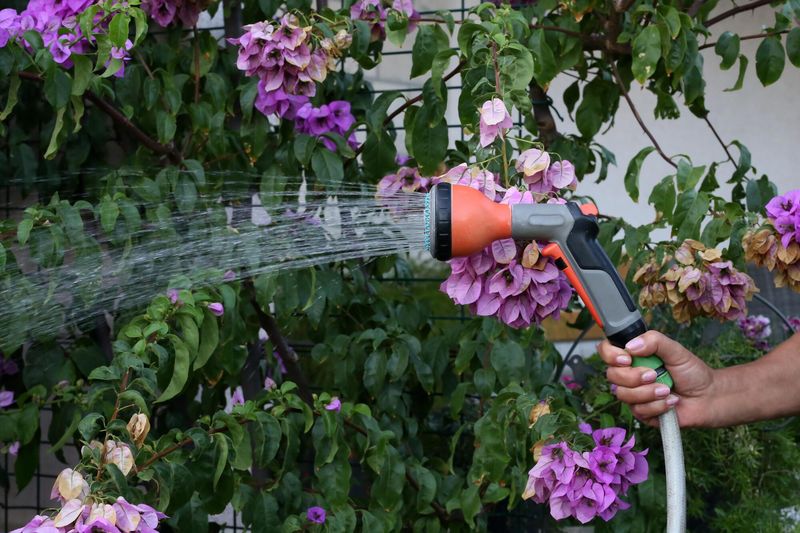
Flowering plants in Oregon ornamental beds often look their best in June, but that burst of blooms can also be a signal that water demand is going up. As plants put energy into producing flowers, they tend to pull more moisture from the soil.
Beds that coasted through May with minimal watering may start showing signs of stress by the second or third week of June, especially during warmer stretches.
Watering deeply and less frequently tends to support root development better than light, daily sprinkles. Aim to soak the root zone thoroughly, then allow the soil to begin drying slightly before watering again.
Morning watering is generally preferred because foliage has time to dry during the day, which can reduce the chance of fungal issues developing on leaves and petals over time.
Light deadheading, removing spent blooms as they fade, can also help keep flowering plants looking tidy and may encourage some varieties to continue producing new flowers.
This is not a requirement for every plant, but for repeat bloomers like roses, coneflowers, and certain salvias, it can extend the season noticeably.
Oregon gardens in cooler microclimates near the coast or at higher elevations may see blooming begin a few weeks later than Willamette Valley gardens.
So adjust the timing of these tasks based on what is actually happening in your specific garden rather than the calendar alone.
4. Pull Or Mulch Weeds While They Are Small
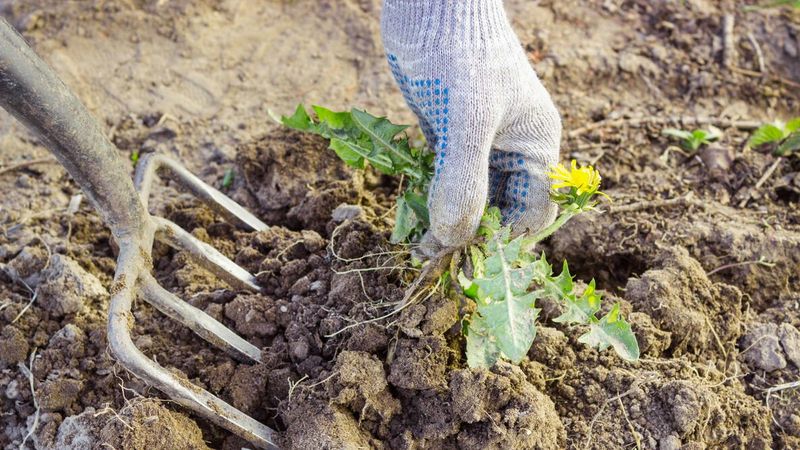
Weeds in an Oregon garden during June can seem to appear almost overnight. Warm soil, lingering spring moisture, and longer days create conditions that favor fast germination and rapid growth.
Common culprits like bittercress, chickweed, creeping woodsorrel, and annual bluegrass can go from tiny seedlings to seed-producing plants in just a few weeks if left unchecked.
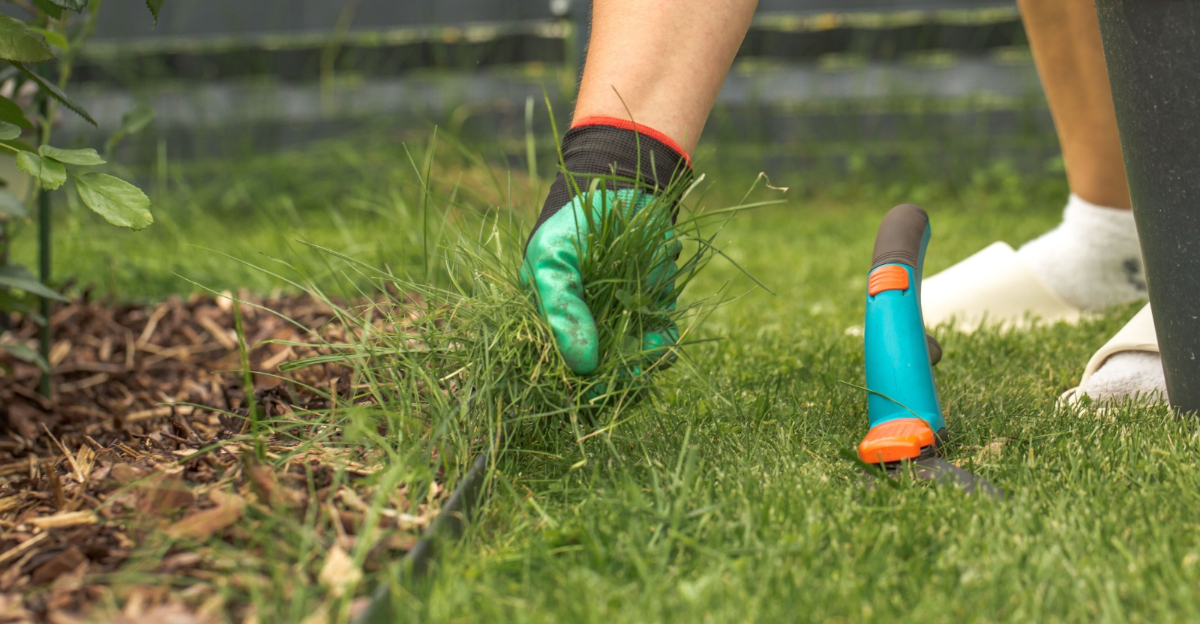
Pulling or hoeing weeds while they are still small is almost always easier than dealing with them once they have developed deeper roots or started setting seed. Small weeds often come out cleanly with a quick hand-pull or a light pass with a stirrup hoe.
Larger, more established weeds may require more effort, and any that have already begun flowering should be removed carefully to avoid shaking seeds loose into the bed.
Mulching is another effective approach that can reduce the number of weeds germinating in the first place. A two-to-three-inch layer of organic mulch over bare soil blocks light from reaching weed seeds, slowing germination considerably.
In raised beds and vegetable rows, a combination of mulching between rows and hand-pulling in close quarters tends to work well.
Oregon homeowners who stay consistent with weed management through June often find that the workload drops significantly by July, since fewer weeds are allowed to mature and reseed throughout the garden.
5. Thin Apples, Pears, And Peaches After June Drop
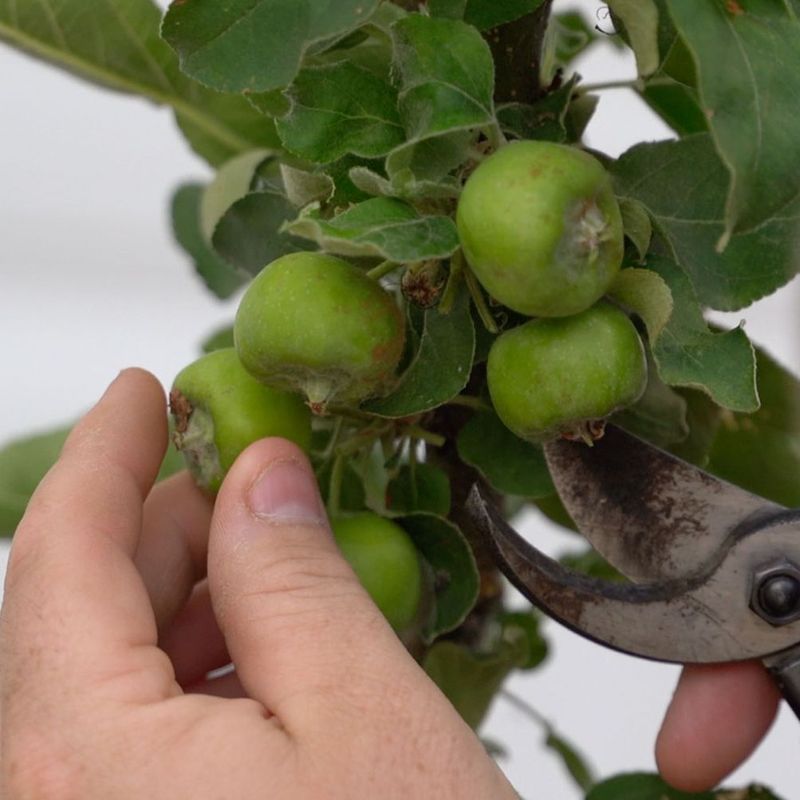
Backyard fruit trees in Oregon often go through a natural process in late spring and early June where some small fruitlets drop on their own. This is called June drop, and it is the tree’s way of managing its fruit load.
After this natural thinning slows down, homeowners can step in to thin what remains, spacing fruit more evenly along each branch.
For apples and pears, thinning to roughly six to eight inches between fruits is a common guideline, though the exact spacing can vary depending on the variety and the size of the tree. For peaches, slightly closer spacing may work depending on the cultivar.
The goal is to reduce crowding so the remaining fruit has room to size up more evenly and the branch is not supporting more weight than it can handle comfortably.
Thinning can feel counterintuitive because it means removing fruit that looks healthy. However, leaving too many fruits clustered together often results in smaller, lower-quality fruit at harvest.
It can also put strain on branches that may not be strong enough to carry a heavy load through summer. Oregon homeowners with younger trees should be especially mindful, since overbearing early in a tree’s life can affect its long-term structure and productivity.
Thinning by hand is simple and requires no special tools, just patience and a willingness to remove fruit that looks promising but is better off gone.
6. Pick Ripe Strawberries Regularly
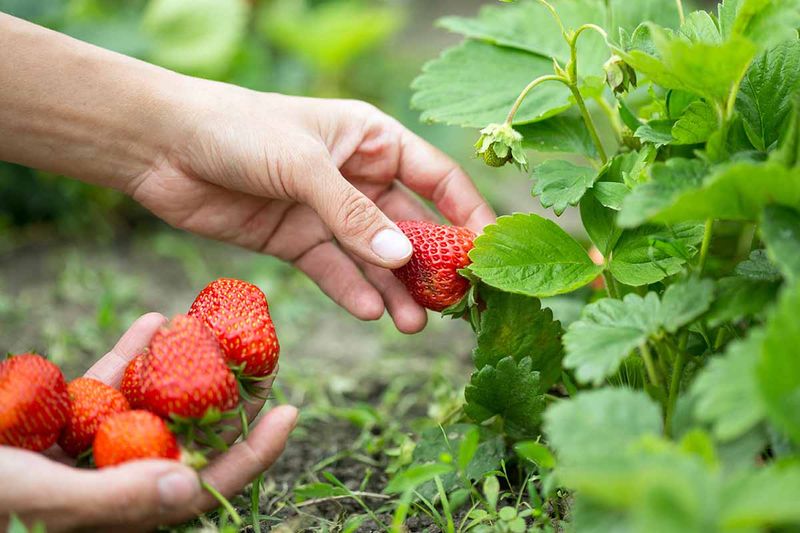
Strawberry season in Oregon can feel short and sweet, and keeping up with the harvest is one of those tasks that rewards consistency. Once berries begin ripening in June, they can go from perfectly ripe to overripe in just a day or two, especially during warm spells.
Leaving ripe fruit on the plant too long can lead to softening, mold development, and an increase in fruit fly and slug activity in the patch.
Checking the patch every day or every other day during peak ripening is a reasonable approach for most Oregon gardens. Pick berries that are fully red, including at the tip, and feel slightly soft to a gentle squeeze.
Berries that are still white or pale pink at the tip need a little more time. It is better to check frequently and pick only what is truly ready than to wait and harvest a mix of ripe and overripe fruit all at once.
After picking, removing any soft or damaged berries from the patch, even ones that fell to the ground, can help reduce the conditions that invite mold to spread to nearby healthy fruit.
Strawberry patches in Oregon tend to produce heavily for a few weeks, then taper off.
Keeping the harvest going steadily through that window, rather than letting fruit pile up, usually results in better overall fruit quality and a cleaner, healthier patch heading into the rest of the growing season.
7. Monitor Root Weevils On Broadleaf Ornamentals
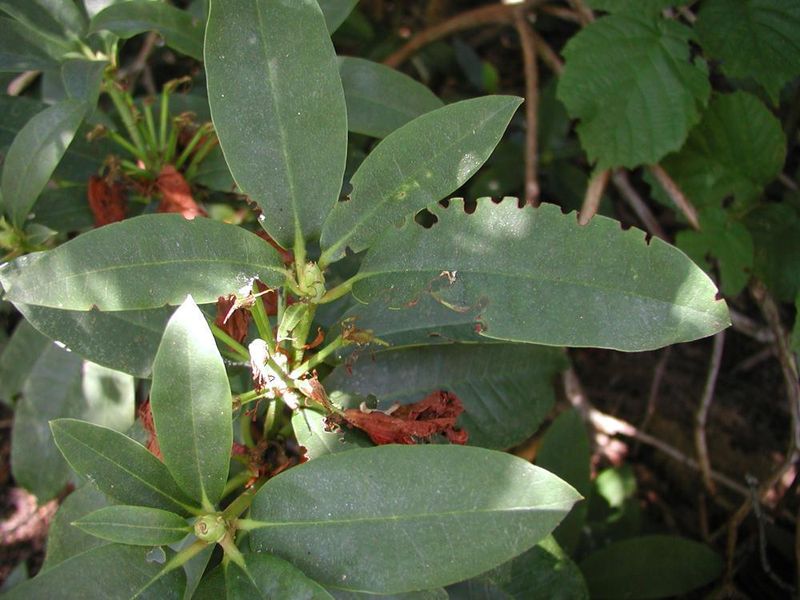
Fresh notching along the edges of leaves on azaleas, rhododendrons, primroses, and other broadleaf ornamentals is one of the more recognizable signs that root weevil adults may be active in the garden.
The adults chew irregular, scalloped notches around leaf margins, typically feeding at night.
The damage itself rarely threatens a healthy, established plant, but it is a useful signal that a population is present and worth watching.
Root weevil adults are small, brownish-gray beetles that hide in soil or leaf litter during the day. Checking plants after dark with a flashlight can sometimes reveal adults feeding on leaf edges.
The larvae, which develop in the soil and feed on roots, are the stage that can cause more significant problems over time, particularly for container plants, strawberries, and younger ornamentals with limited root systems.
In Oregon, several root weevil species are active in ornamental landscapes, and June is often when adult feeding damage becomes most visible.
Monitoring now, rather than waiting until the damage is widespread, gives homeowners more options for managing populations before they build.
Keeping leaf litter and dense ground cover reduced around susceptible plants can make the environment less hospitable for adults seeking daytime shelter.
For container plants showing heavy damage, checking the root zone for small, white, c-shaped larvae in the soil can help confirm whether larval activity is a factor in the plant’s overall health.
8. Build Trellises Before Vines Sprawl
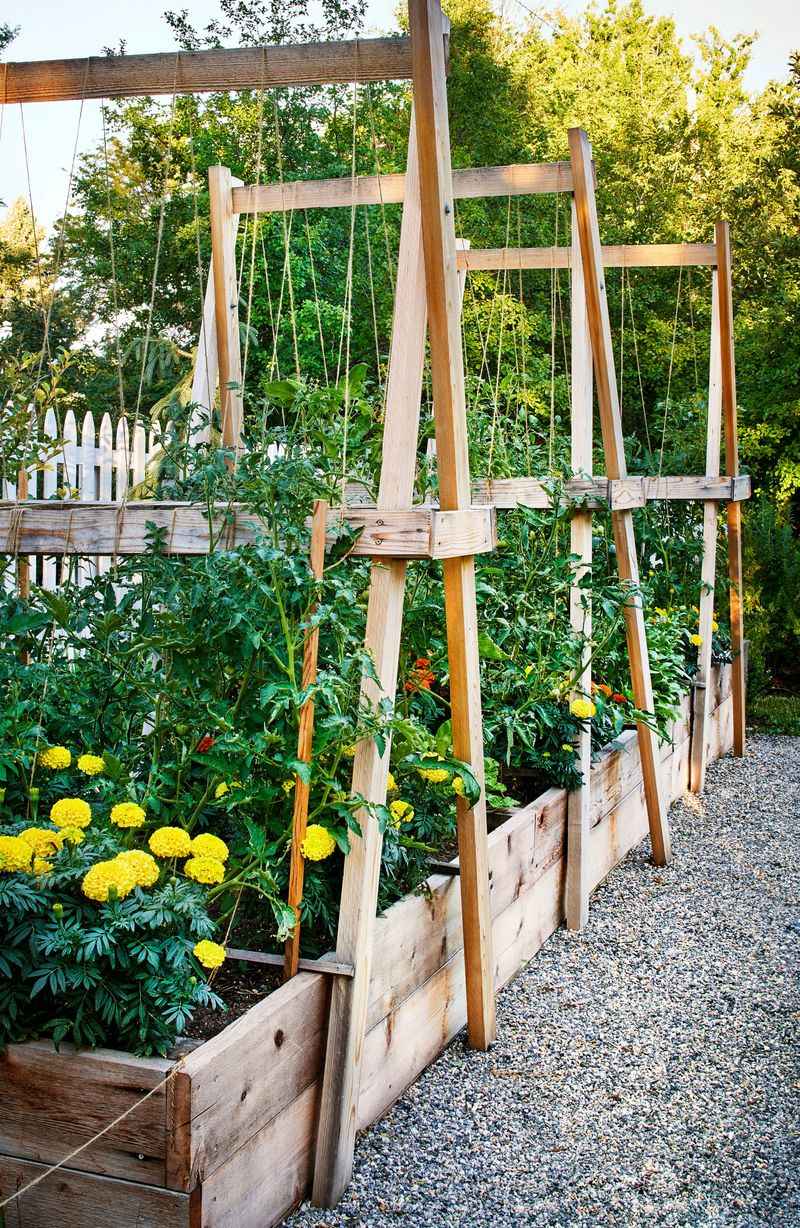
Tomatoes, cucumbers, pole beans, and other vining crops are much easier to train onto a support structure when they are still young and flexible.
Once stems begin sprawling across the ground or tangling with neighboring plants, guiding them onto a trellis becomes a more time-consuming and sometimes frustrating job.
Getting supports in place early in June, before the real growth surge hits, makes the whole process smoother.
There is no single right style of trellis for every garden. Tomato cages, stake-and-string systems, bamboo teepees for pole beans, and wire panels for cucumbers all work well depending on the crop and the available space.
The key is having something sturdy enough to hold the weight of mature vines and fruit without tipping or collapsing by midsummer.
Lightweight or flimsy supports that seemed adequate in spring can become a real problem by August when plants are fully loaded.
Oregon gardens with raised beds often benefit from trellises that attach directly to the bed frame, which keeps the structure stable even in wind. For in-ground rows, driving stakes or posts deeply enough to resist leaning is worth the extra few minutes of effort upfront.
Vining crops that are guided upward rather than left to sprawl tend to have better air circulation around their foliage, which can reduce the chance of certain fungal issues developing during Oregon’s occasional summer humidity.
Starting the training process early, when stems are short and pliable, is almost always the less stressful path.