The One Thing You Must Do To North Carolina Salvia Before June Ends To Keep Blooms Coming
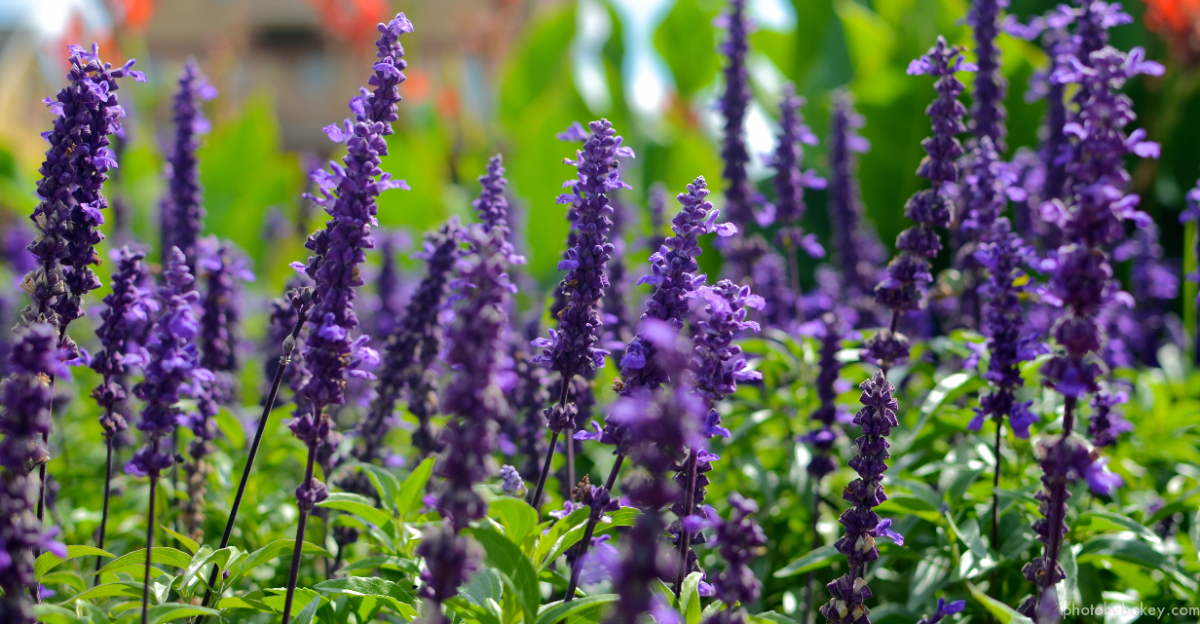
Salvia is one of the hardest working plants in a North Carolina summer garden.
It handles heat without complaint, pollinators visit it constantly, and that upright structure with vertical flower spikes adds something to a bed that most other summer bloomers simply don’t offer.
But there’s a pattern that plays out in gardens across the state every single year.
Salvia blooms beautifully in late spring, the flowers fade, and then the plant just sits there for weeks producing almost nothing while the gardener waits and wonders.
That gap between flushes isn’t inevitable. One specific task, done before June runs out, signals the plant to redirect its energy and start producing the next round of blooms instead of stalling out.
It takes about ten minutes and changes the entire trajectory of the plant for the rest of summer.
1. Cut Back Spent Bloom Stalks Before They Go To Seed
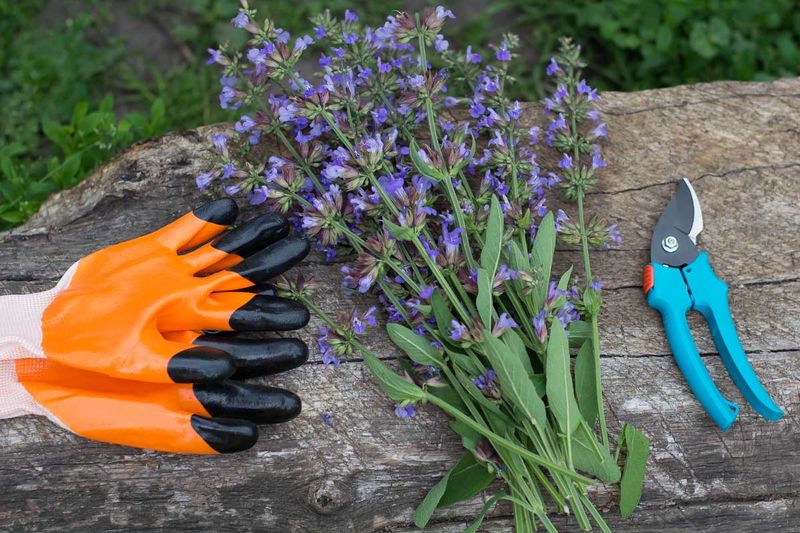
Most gardeners water, fertilize, and hope for the best, but the one action that truly separates a salvia that blooms all summer from one that fizzles out by July is simple: cut off the spent bloom stalks before they finish forming seeds.
It sounds almost too easy, but the results are genuinely remarkable. When a salvia plant completes a bloom cycle, it shifts its energy toward producing seeds. That is its biological goal.
Once seeds form, the plant considers its job done for that cycle and slows down flower production significantly. Removing spent stalks before seeds develop interrupts that signal entirely.
North Carolina gardeners who build this one habit into their June routine consistently enjoy salvia beds that stay colorful and full through late summer.
Those who skip it often wonder why their plants look tired and sparse after a strong spring showing. The plant is not struggling. It just finished what it thought was its only assignment.
Your job is to remind it there is more work to do by cutting before the seed cycle closes.
2. Why Salvia Stops Blooming Without Intervention
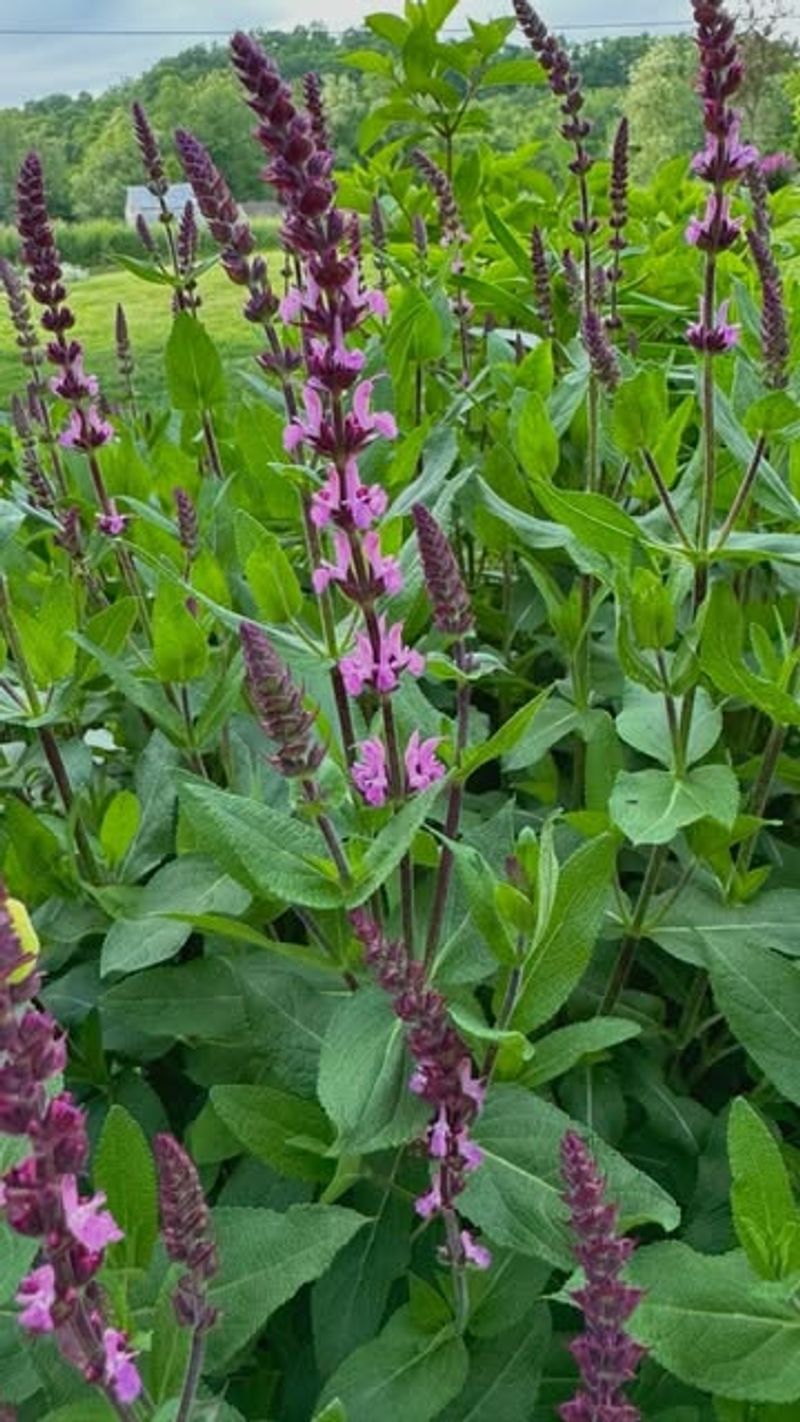
Salvia is a smart plant with a clear internal schedule. It blooms to attract pollinators, gets pollinated, forms seeds, and then rests.
That cycle is deeply wired into the plant, and without any outside input from the gardener, it will follow that sequence every single time. Understanding this is the key to working with salvia rather than against it.
When salvia shifts into seed mode, the visual change is subtle at first. The bloom spikes start to look a little ragged, the color fades from vivid to dull, and small seed pods begin forming along the stem where flowers once were.
Many NC gardeners mistake this for a sick or stressed plant when actually the salvia is perfectly healthy and simply following its instincts.
The great news is that salvia responds fast when you redirect it. A plant in seed mode is not a lost cause.
Remove those spent stalks promptly, and the plant receives a clear message to push new growth from the nodes below.
Your North Carolina Garden Changes Every Week. Your Plan Should Too.
Gardening in North Carolina changes quickly throughout the season. Every Friday you’ll receive a simple weekly plan showing exactly what to plant, prune, fertilize, harvest, and protect so you never miss the right timing.
Within days, you will notice fresh green shoots emerging, and within a couple of weeks, new bloom spikes start reaching upward again.
Salvia is genuinely eager to keep flowering. It just needs that one nudge to reset its internal clock and start the whole beautiful cycle over again.
3. How North Carolina’s June Heat Changes Everything
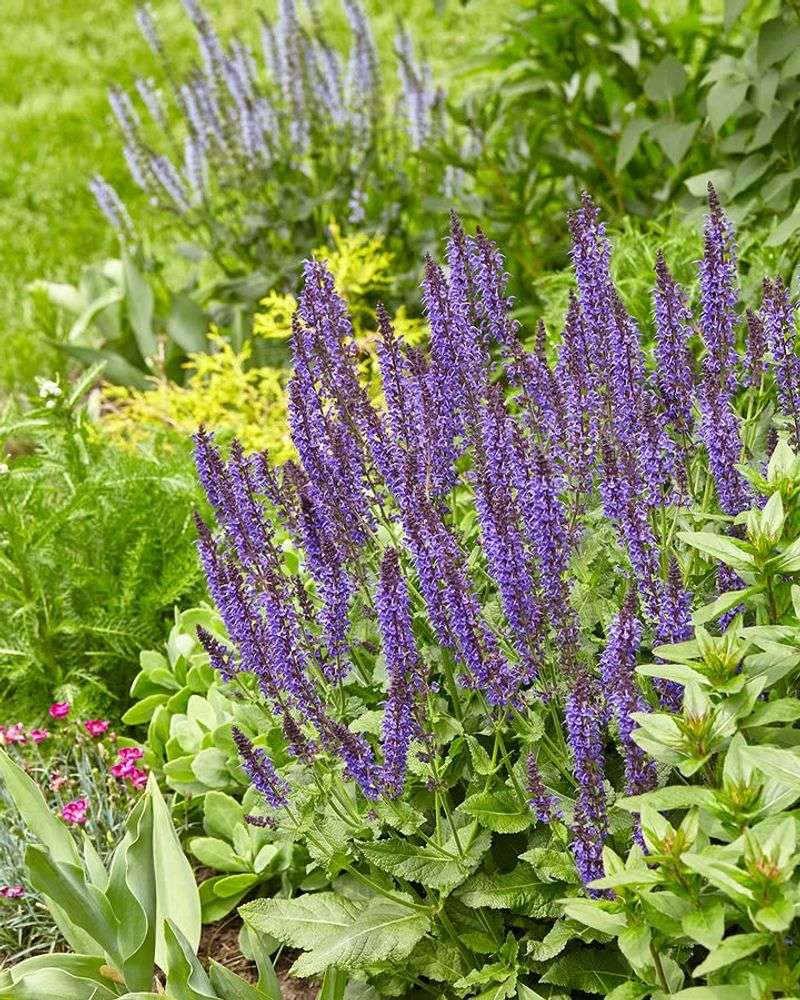
North Carolina summers hit fast and hard. What felt like a mild, bud-filled May garden can look dramatically different by the second week of June, and the reason is the combination of heat and humidity that accelerates almost every plant process.
For salvia, that means the bloom to seed cycle moves much faster than most gardeners expect.
A salvia that had weeks of blooming ahead of it in cooler climates might cycle through blooms in just ten to fourteen days during a NC June.
The warmth speeds up pollination, seed development moves quickly, and before you realize what happened, the plant is already wrapping up what it thinks is its final act.
Staying just one step ahead of that cycle is the whole game.
Checking your salvia beds every three to four days during June is genuinely worth the few minutes it takes. The window between peak bloom and full seed set is surprisingly short in the NC summer heat.
Catching that moment early, when blooms are just starting to fade but seeds have not yet formed, is where the magic happens.
Cut at that stage consistently, and your salvia stays in active bloom mode through the hottest weeks of the year, rewarding you with color that most people only see in spring. Timing really is everything here.
4. Exactly Where To Cut And How Far Down
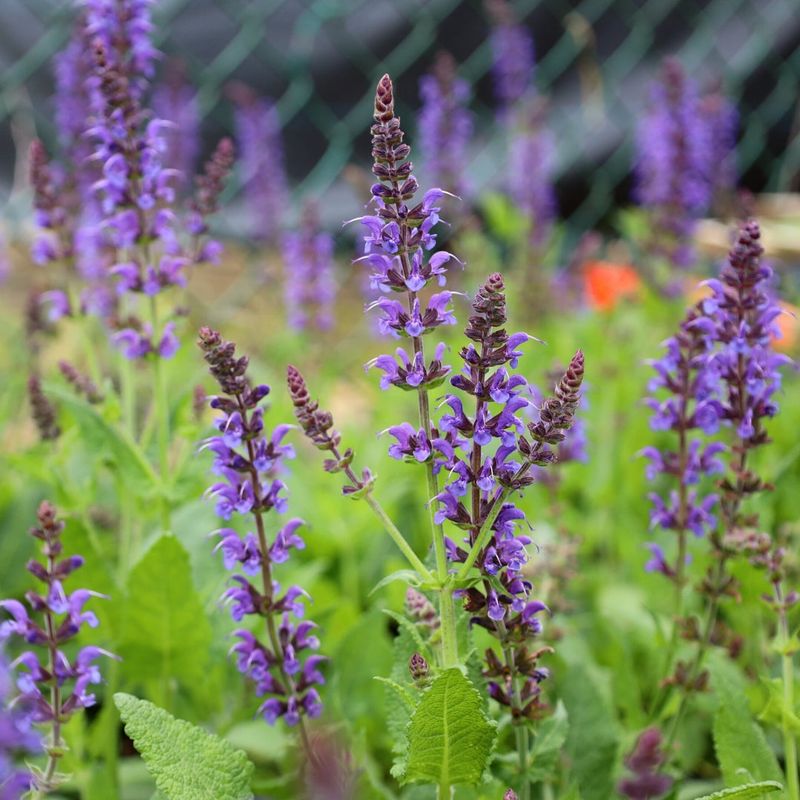
Knowing that you need to cut is one thing. Knowing exactly where to cut is what actually produces results.
A random snip anywhere on the stem will not give you the same outcome as a cut made just below the spent flower spike at a healthy leaf node. The node is where new growth originates, so your cut placement directly determines where the next bloom comes from.
For a cleanup cut, go about a quarter to half an inch above a strong leaf node below the spent spike. You will see small bumps or tiny leaves emerging from the stem at that point.
That is your target. The new lateral shoot that grows from that node will carry your next bloom spike, so choosing a node that looks vigorous and healthy gives you a stronger next round of flowers.
A more intentional shaping cut goes a bit further down the stem, to a node that sits lower on the plant. This creates a fuller, bushier shape over time and prevents salvia from getting leggy.
For mid June cuts in NC, a moderate cut that removes the spent spike and about a third of the bloom stem works well for most salvia varieties. Sharp, clean shears matter too.
A clean cut heals faster, reduces stress on the plant, and sends the energy where you want it to go without any unnecessary setback.
5. How Often To Walk The Bed And What To Look For
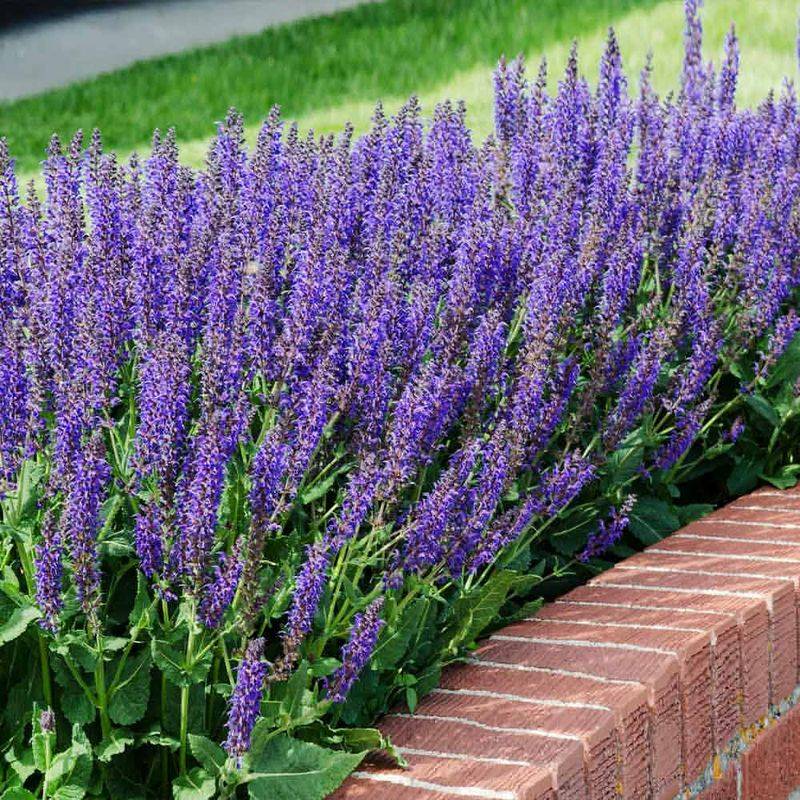
Think of this less like a chore and more like a conversation with your garden. Walking your salvia beds every few days in June and July is one of the most satisfying parts of summer gardening, especially when you know what to look for.
Each bloom spike tells you exactly where it is in its cycle if you take a moment to look closely.
A spike at peak color is vivid, fully open, and buzzing with pollinator activity. Leave those alone.
A spike that is starting to fade, where flowers are dropping and color looks washed out, is your cue to get ready. A spike where small seed pods are forming along the stem is one you want to catch before it goes further.
That middle stage, the fading but not yet seeded spike, is your ideal cutting moment.
The whole process takes less than a minute per plant once you get the rhythm down. Three times a week during peak June heat is a solid schedule.
By early July, you will notice the plant producing new shoots faster after each cut, which means your walks become even more rewarding.
You start seeing the garden respond to your attention in real time, and that feedback loop makes the whole routine genuinely enjoyable rather than something to check off a list. Small effort, big payoff.
6. What Happens To The Roots And Plant Energy When You Cut
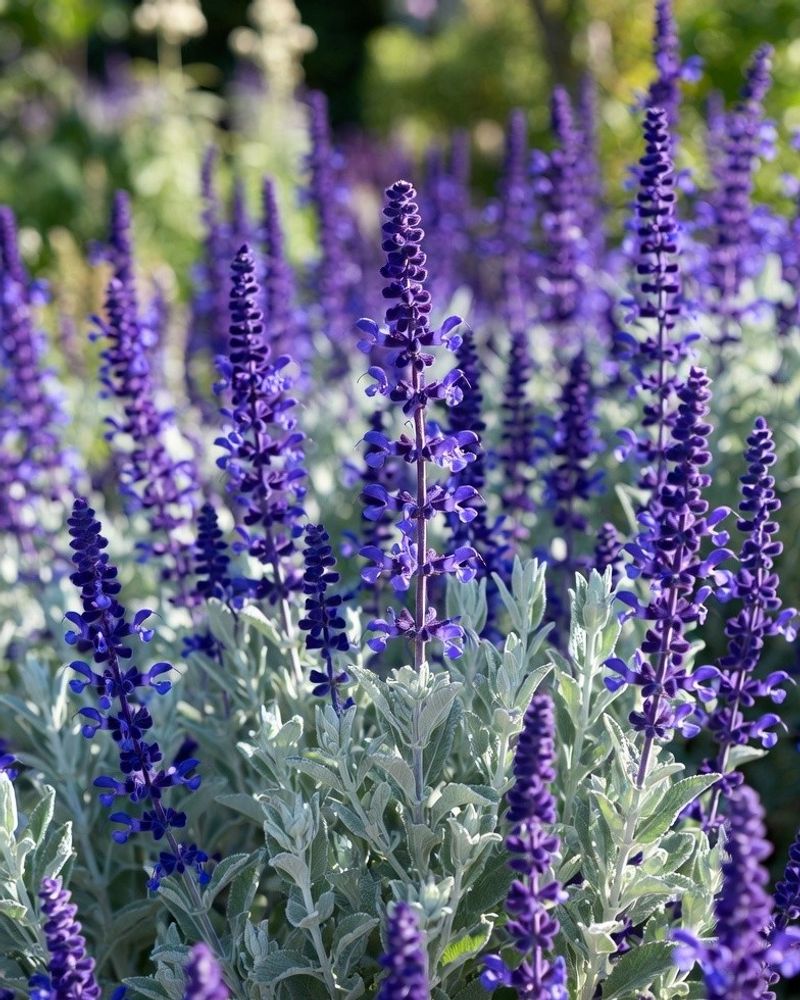
There is real science behind why cutting works so well, and understanding it makes the whole process feel even more intentional.
When a salvia bloom spike is removed before it completes its seed cycle, the plant no longer has that reproductive goal pulling its energy upward.
Instead, that energy flows back down into the root system and redirects toward pushing new vegetative and flowering growth.
For established salvia plants in NC, this response is fast and visible. Within two to four days of a good cut, you can often spot tiny new shoots emerging from the nodes below the cut point.
Within a week, those shoots are growing noticeably. Within two weeks, new bloom spikes are forming. The plant is not slowing down at all. It is actually ramping up.
Consistent cutting through the season also builds a more robust root system over time. Each time the plant redirects energy downward, the roots benefit.
Stronger roots mean better drought tolerance, which matters a lot in a NC August. They also mean a more vigorous plant overall, one that pushes more bloom spikes per cut as the season progresses.
Gardeners who cut consistently often notice their salvia looks fuller and more productive in late summer than it did in early June. The plant rewards the habit with compounding growth that keeps the garden looking genuinely impressive.
7. Pairing The Cut With A Light Feeding
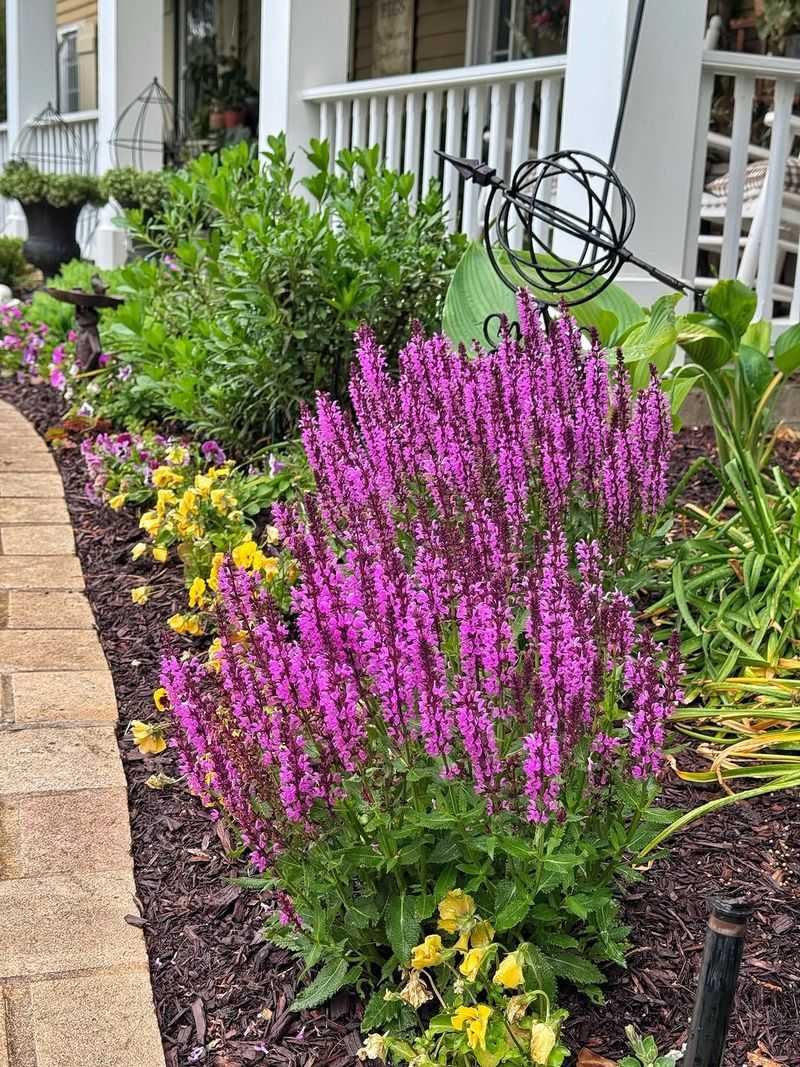
Cutting redirects the plant’s existing energy, but pairing that cut with a light feeding gives the salvia fresh fuel to build its next round of blooms even faster. Think of the cut as clearing the runway and the fertilizer as filling the tank.
Together, they produce noticeably better results than cutting alone.
A balanced fertilizer like a 10-10-10 or a bloom booster formula with slightly higher phosphorus works well for salvia after cutting. Apply it lightly around the base of the plant, keeping it a couple of inches away from the stem, and water it in well.
The key word here is light. Overfeeding at this stage pushes the plant toward producing big leafy growth instead of flower stalks, which is the opposite of what you want in mid summer.
Timing matters too. Fertilizing right after a cut, within a day or two, aligns the nutrient boost with the moment the plant is actively pushing new growth.
That is when it can use the nutrients most efficiently. For NC gardens in June and July, feeding every three to four weeks after cutting keeps the cycle going without overwhelming the plant.
Organic options like fish emulsion or compost tea work beautifully as well, feeding more slowly and steadily.
Either way, the combination of a clean cut and a light, well timed feeding is one of the most reliable ways to keep salvia performing at its best all summer long.
8. How To Keep The Cycle Going Straight Through August
By the time you reach late July, the routine starts to feel almost effortless. You know what a fading spike looks like, your shears are always nearby, and the plant has become a reliable partner in keeping the garden colorful.
That is exactly where you want to be, and it all started with that first cut back in early June.
A consistent rhythm of checking every three to four days, cutting spent spikes at the right node, and feeding lightly every few weeks keeps salvia in near continuous bloom through August.
The plant will have short pauses between flushes, usually about ten to fourteen days, but those pauses get shorter as the season builds momentum.
By mid July, many NC gardeners see almost no gap at all between one flush and the next.
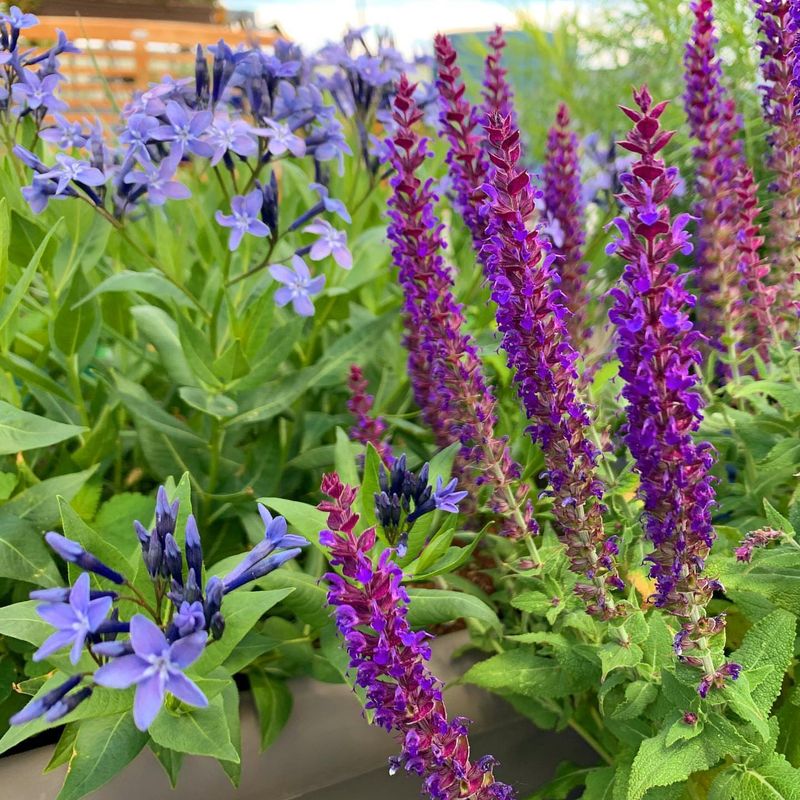
Late August salvia in a well maintained NC garden is genuinely something to see. Full, bushy plants covered in fresh bloom spikes, rich color against the late summer heat, and a garden that looks like it belongs on a magazine cover.
None of that happens by accident. It is the direct result of one simple habit started before June ended and kept going with steady, cheerful attention through the summer.
Your salvia has the potential to deliver that kind of beauty every single year. All it asks for is that one consistent action, done with care and done on time, from the very start.