The Most Stunning Underrated North Carolina Perennial That Blooms From Spring Through Fall
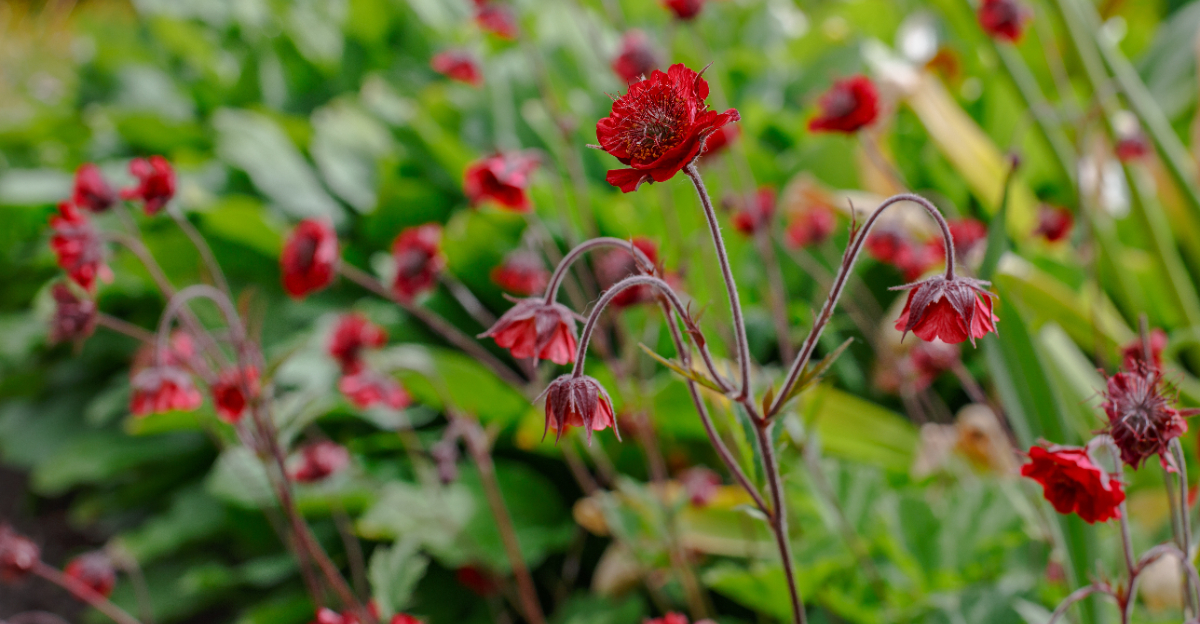
Geum doesn’t show up on many must-have lists, and that’s genuinely hard to explain once you’ve seen it perform in a North Carolina garden.
It starts blooming in spring, keeps going through summer, and often pushes out another flush of flowers in fall, all without much fuss from you.
The blooms are small but vivid, hovering above the foliage on tall wiry stems in shades of orange, red, and yellow that look almost too warm and saturated to be real.
It handles the heat better than many gardeners expect, spreads at a polite pace, and fits easily into borders, cottage gardens, or anywhere you need reliable color across multiple seasons.
Somehow it still gets passed over at the nursery while showier plants with a fraction of its staying power fly off the shelves. Once it’s in your garden though, it tends to earn a permanent spot without ever having to make a loud argument for itself.
1. Geum Includes Both Native And Garden Hybrid Types
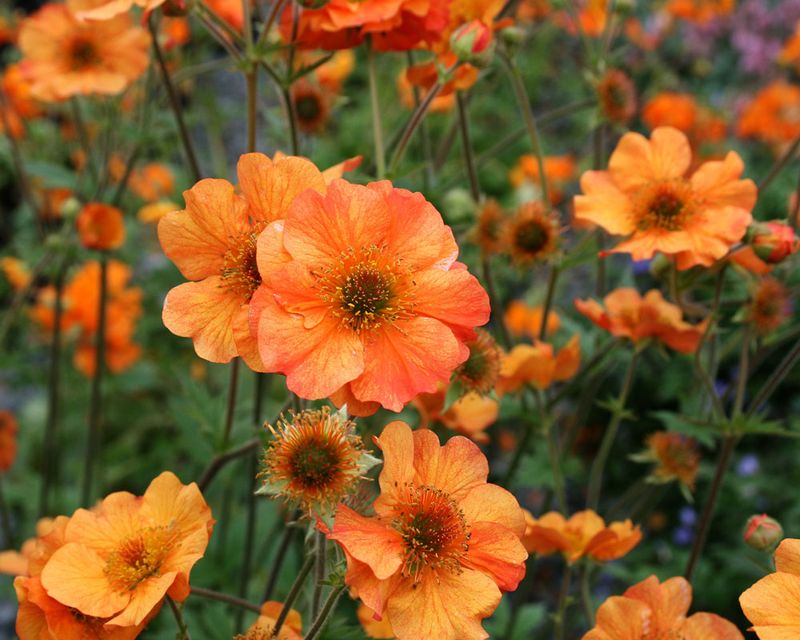
Not every geum you see in a garden catalog is the same plant. North Carolina is actually home to several native avens species, including Geum canadense and Geum virginianum, which grow quietly in woodland edges and stream banks across the state.
These natives tend to have smaller, more understated flowers compared to what you find at the nursery.
The showier geums sold for ornamental gardens are mostly hybrids, carefully bred over many years to produce bigger blooms, bolder colors, and longer flowering seasons.
Varieties like Geum chiloense hybrids and the popular Totally Tangerine have become garden favorites because of their eye-catching appearance and repeat blooming ability.
Knowing the difference between native species and garden hybrids helps you pick the right plant for your goals.
If you want to support local wildlife and pollinators in North Carolina, native avens species are a wonderful low-maintenance choice. For bold color and a longer show, hybrid geums are the way to go.
Many gardeners actually grow both types together, letting the natives fill naturalistic areas while the hybrids steal the spotlight in formal beds and borders. Either way, geum earns its space.
2. Many Modern Geums Bloom Repeatedly For Months
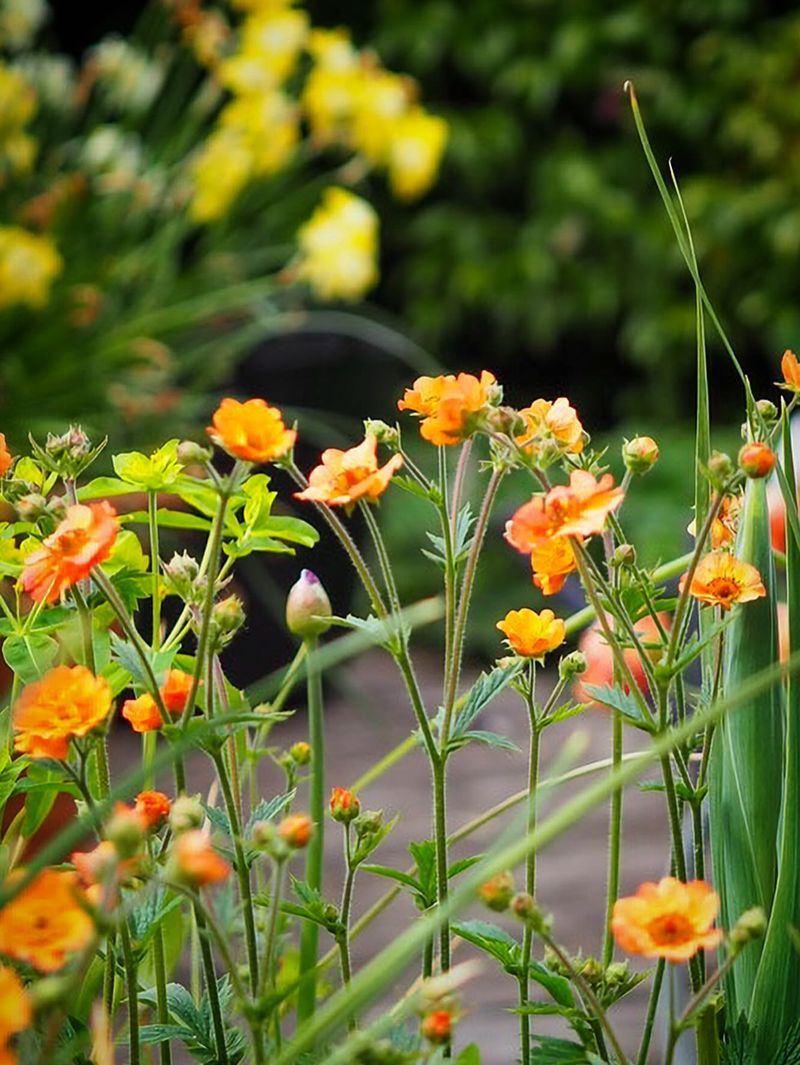
One of the biggest reasons gardeners in North Carolina fall in love with modern geum hybrids is their ability to keep flowering for an impressively long stretch of time.
Unlike many spring perennials that bloom once and then go quiet for the rest of the season, well-chosen geums can push out waves of flowers from spring into summer and sometimes right into early fall.
That kind of staying power is rare and genuinely exciting for anyone who wants a colorful garden all season long.
Varieties like Totally Tangerine and Scarlet Tempest are especially known for their repeat blooming habits. They tend to take short breaks between flushes, but with the right care, they bounce back quickly and keep producing those cheerful blooms.
Deadheading spent flower stalks plays a big role in encouraging this behavior, which we will cover a little later.
Your North Carolina Garden Changes Every Week. Your Plan Should Too.
Gardening in North Carolina changes quickly throughout the season. Every Friday you’ll receive a simple weekly plan showing exactly what to plant, prune, fertilize, harvest, and protect so you never miss the right timing.
Across North Carolina, repeat-blooming geums work beautifully as long-season color anchors in mixed perennial borders. Pair them with ornamental grasses or late-blooming coneflowers and you have a garden that looks interesting from March through October.
The fact that a single plant can contribute months of visual interest makes geum one of the smartest investments any gardener can make for their outdoor space this season.
3. Cooler Temperatures Improve Geum Performance
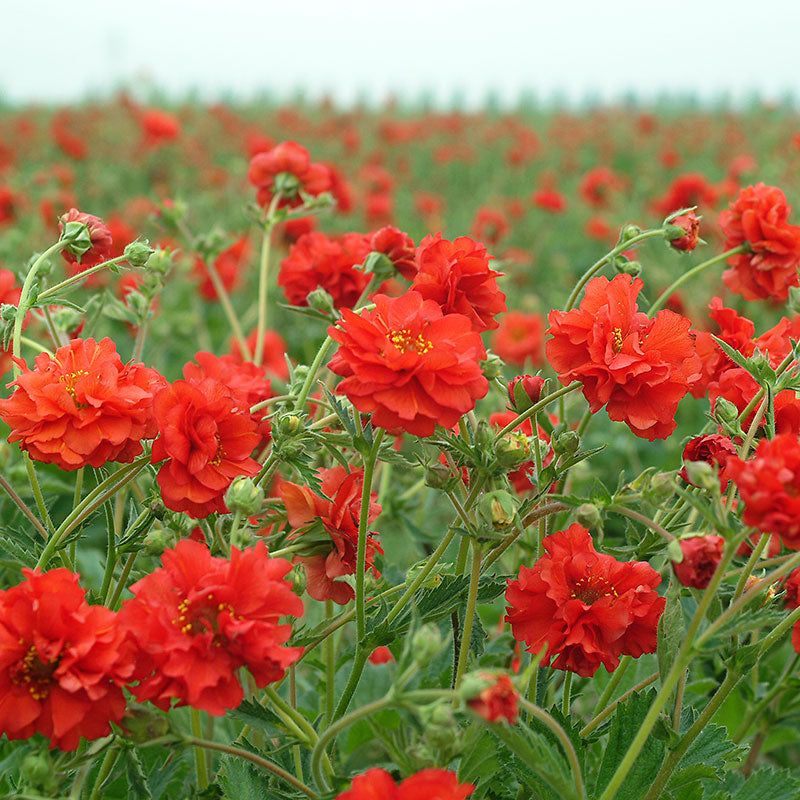
Geum has a personality that really shines when the weather is on the cooler side. In the mountains and foothills of North Carolina, where spring and fall temperatures stay mild for longer stretches, geums tend to perform at their absolute best.
The plants produce more flowers, the foliage stays greener and healthier, and the overall display is simply more impressive compared to what you might see in hotter parts of the state.
During the peak of summer, especially in the Piedmont and coastal regions of North Carolina, heat can slow geum down noticeably. The plants may take a break from flowering and look a bit tired during the hottest weeks of July and August.
This is completely normal and not a sign that something has gone wrong. Think of it as the plant resting up before its fall performance.
Choosing a planting spot that gets morning sun and afternoon shade can make a real difference in warmer parts. A location near a fence, a large shrub, or a tree that filters the hottest afternoon rays gives geum the protection it needs to stay comfortable.
Once cooler fall temperatures arrive, you will often see the plant perk right back up and begin flowering again with fresh energy and color.
4. Excellent Drainage Is Essential For Healthy Geums
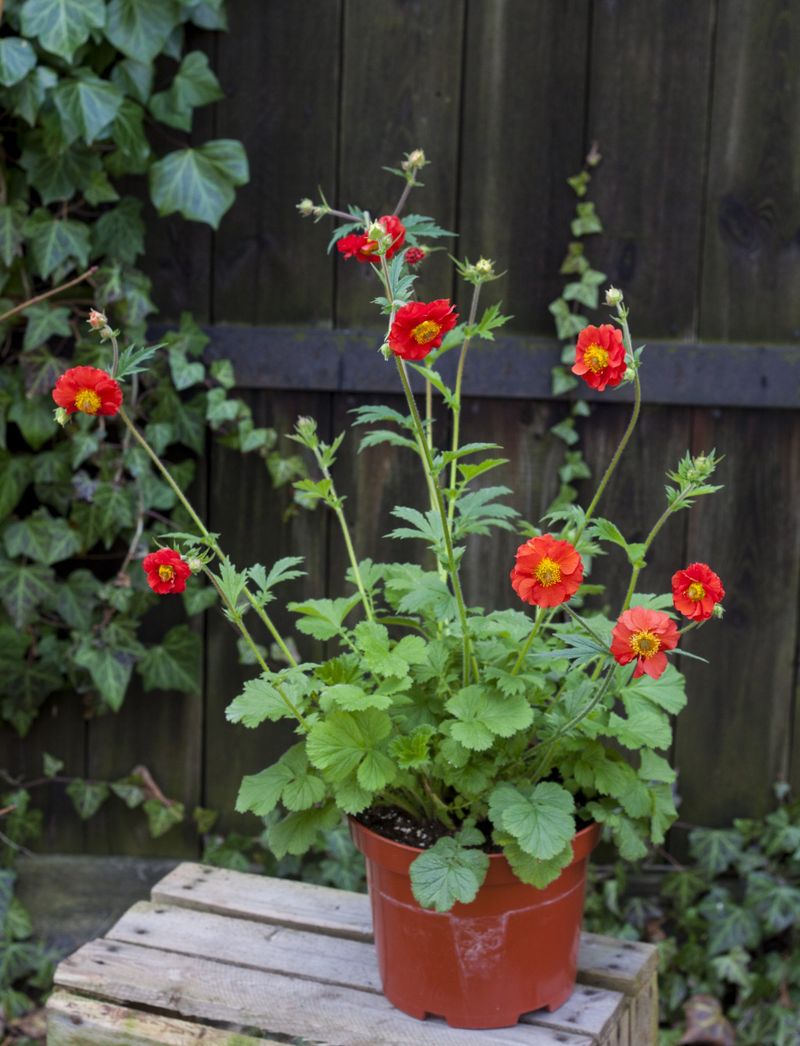
Ask any experienced geum grower what the single most important growing condition is, and drainage will almost always be the answer. Geum plants are surprisingly tough in many ways, but they have a real weakness when it comes to soggy soil.
Roots and crowns sitting in waterlogged ground, especially during cool and wet winters, can cause serious problems that shorten the life of the plant considerably.
The good news is that improving drainage is usually straightforward. Raised beds are one of the easiest solutions, lifting the plants above low-lying wet areas.
Amending heavy clay soil with compost, coarse sand, or perlite also helps water move through more freely.
In North Carolina, where clay soils are common in the Piedmont region, this kind of soil prep before planting can make a huge difference in how well your geums establish and thrive long term.
Even in containers, geum does well as long as the pot has adequate drainage holes and you use a quality potting mix that does not stay saturated. Watering consistently but allowing the soil to partially dry between waterings is a simple rhythm that keeps the roots happy.
Think of geum as a plant that likes a drink but never wants to sit in a puddle. Get the drainage right and you set yourself up for years of beautiful blooms.
5. Afternoon Shade Helps Geums In Hotter Regions
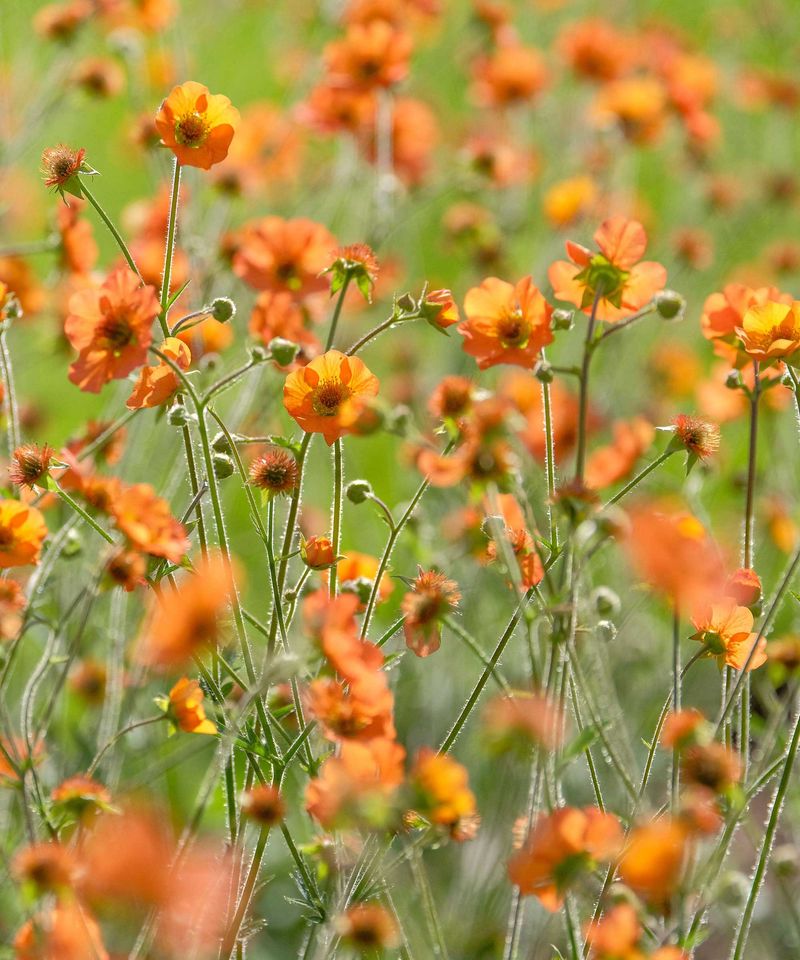
Sunshine is great for geum, but there is such a thing as too much of a good thing, especially in the hotter parts of North Carolina. In the Piedmont and along the coastal plain, summer afternoons can get brutally hot and intense.
Full sun exposure during those peak afternoon hours can stress geum plants, bleaching out flower colors, scorching leaf edges, and reducing the overall number of blooms produced during the season.
A spot that gets bright morning sun and then transitions into light shade or filtered light by early afternoon is genuinely ideal for growing geum in warmer climates.
Under a high tree canopy, along the east-facing side of a fence, or tucked beside a taller perennial that provides natural shade are all great options to explore.
This kind of thoughtful placement pays off quickly once you see how much better the plants look and perform.
Interestingly, gardeners in the cooler mountain regions of North Carolina often get away with full sun all day without any issues. It really comes down to your specific location and how intense your summer heat gets.
Paying attention to how your geum responds during its first summer gives you valuable information for fine-tuning its placement. A little observation and willingness to move the plant if needed goes a long way toward long-term garden success.
6. Removing Spent Flowers Keeps Geum Blooming Longer
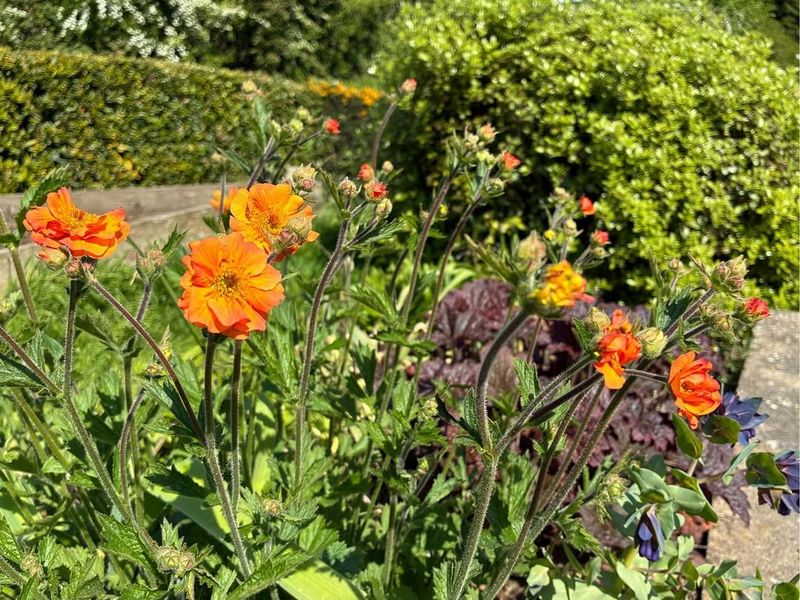
Deadheading sounds like a chore, but with geum it is genuinely one of the most rewarding gardening habits you can develop.
Removing spent flower stalks right after the blooms fade sends a clear signal to the plant to keep producing more flowers rather than putting energy into forming seeds.
For a plant already inclined toward repeat blooming, this simple step can noticeably extend the flowering season by weeks or even longer.
The technique itself is easy. Once a geum flower fades and the petals drop, trace the stalk down toward the base of the plant and snip it cleanly with a pair of sharp scissors or pruners.
Try to cut as close to the basal foliage as possible without damaging the healthy leaves below. Doing this every week or so during the blooming season keeps the plant looking tidy and encourages fresh buds to form on a regular basis.
In North Carolina gardens, where the growing season stretches from early spring well into fall, consistent deadheading can make a noticeable difference in just how long your geum keeps performing.
Some gardeners pair their deadheading routine with a light liquid fertilizer application every few weeks to give the plant an extra boost of energy.
Together, these two simple habits can turn a good geum display into a truly spectacular one that neighbors stop to admire.
7. Pollinators Absolutely Love Geum Flowers
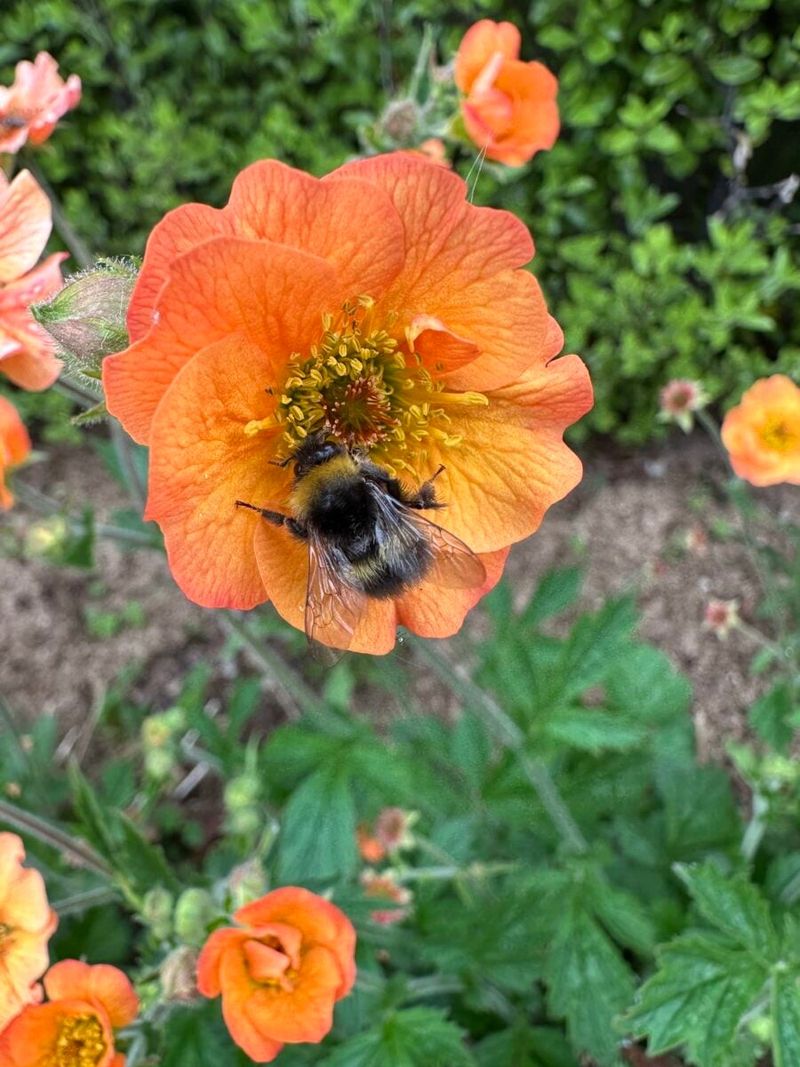
Watch a geum plant on a warm spring morning and you will quickly notice it is never alone. Bees, especially bumblebees and native sweat bees, are regular visitors to geum flowers, drawn in by the open, accessible blooms that make collecting pollen and nectar easy.
This is actually one of the traits that makes geum such a valuable plant for gardeners who care about supporting local pollinator populations.
The flower structure of geum is particularly friendly to a wide range of bee species. Unlike tubular flowers that only certain long-tongued bees can access, geum blooms are open-faced and welcoming to almost any pollinator that stops by.
During the cooler flowering periods of spring and fall, when many other garden plants are not yet in bloom or have already finished, geum provides a reliable food source that pollinators genuinely depend on.
Adding geum to a pollinator garden alongside plants like coneflowers, salvia, and bee balm creates a rich and diverse habitat that supports healthy local ecosystems.
Even in smaller urban gardens, a few well-placed geum plants can make a meaningful contribution to the local bee population.
Knowing that your garden is actively helping pollinators thrive adds a whole extra layer of satisfaction to growing this already outstanding perennial all season long.
8. Compact Growth Makes Geum Perfect For Smaller Spaces
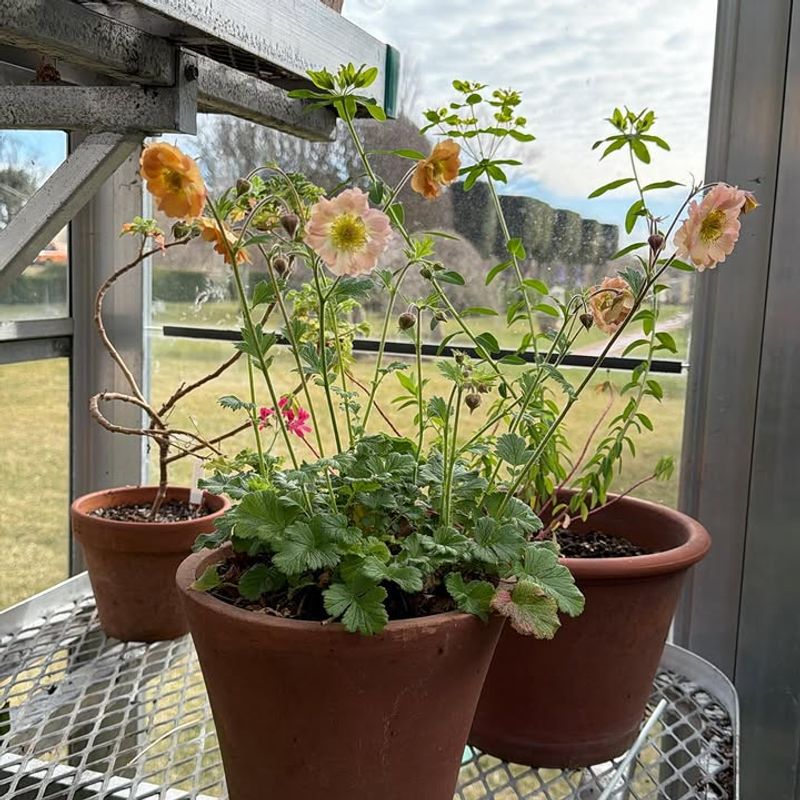
Not every gardener has acres of space to work with, and that is exactly where geum really earns its reputation as a versatile and practical plant.
Most ornamental geum varieties grow in a tidy, mounding habit that stays relatively compact, typically reaching somewhere between 12 and 24 inches in height depending on the variety.
This manageable size makes geum an excellent fit for smaller garden spaces where every square foot of planting area counts.
In cottage gardens, front-of-border perennial beds, and even container arrangements, geum fits right in without overwhelming neighboring plants.
The basal rosette of deeply textured, hairy green leaves creates an attractive low mound even when the plant is not in bloom, giving the garden structure and visual interest throughout the growing season.
That kind of year-round contribution is something every thoughtful gardener appreciates.
Across North Carolina, where townhouse gardens, urban backyards, and smaller suburban plots are increasingly common, compact plants with big visual impact are in high demand. Geum delivers exactly that.
Pair it with other front-of-border favorites like coral bells, catmint, or dwarf ornamental grasses to create a layered planting that looks professionally designed without requiring a lot of space or complicated maintenance.
Sometimes the best plants come in the most surprisingly manageable packages.
9. Crown Rot Is A Bigger Threat To Geum Than Drought
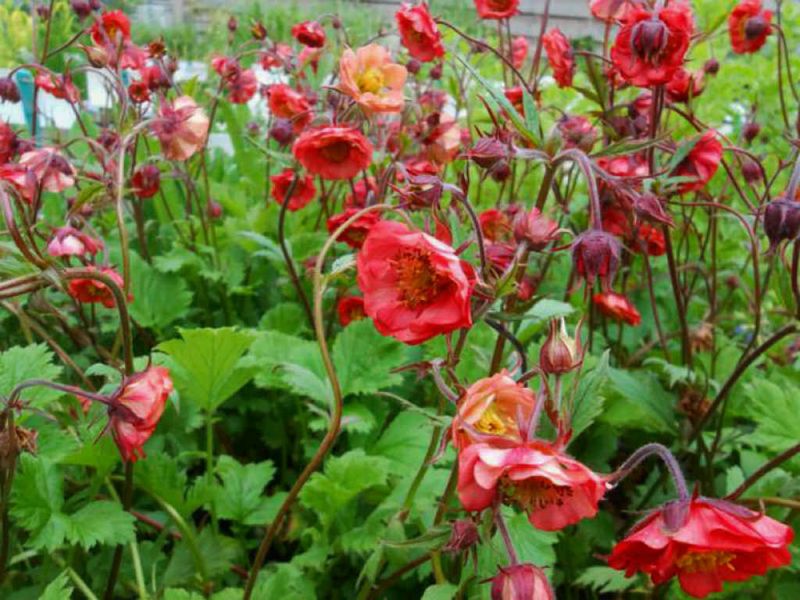
Here is something that surprises a lot of new geum growers: this plant handles short periods of dry weather far better than it handles consistently wet conditions around its crown.
Crown rot, which occurs when the base of the plant stays soggy for extended periods, is actually one of the most common reasons geums struggle or fail to thrive in North Carolina gardens.
Heavy clay soils and poor drainage are the usual culprits behind this problem.
The crown of a geum plant, that tight cluster of growth right at soil level where the leaves emerge, is particularly vulnerable to fungal issues when it stays wet.
Good air circulation, well-draining soil, and avoiding the temptation to overwater are the three most effective ways to prevent crown rot from becoming an issue.
Mulching around the plant rather than directly on top of the crown also helps by keeping excess moisture away from that sensitive area.
During our winters, which can bring stretches of cold wet weather, this vulnerability is at its highest. Raising the planting area slightly with a berm or a raised bed gives the crown the drainage advantage it needs to stay healthy through the wet season.
A geum that makes it through winter in good condition will reward you with a spectacular flush of spring blooms that makes all that extra care feel completely worthwhile.
10. Not Every Geum Handles Heat Equally Well
Shopping for geum without paying attention to heat tolerance is a mistake that many gardeners make at least once.
Some geum cultivars were bred for cool European climates and simply struggle when faced with the hot, humid summers that much of North Carolina throws at them.
These cool-climate varieties may bloom beautifully in spring but then look exhausted and disappointing for the rest of the season, leaving gardeners wondering what went wrong.
Heat-tolerant hybrid varieties, on the other hand, handle the North Carolina climate with noticeably more resilience.
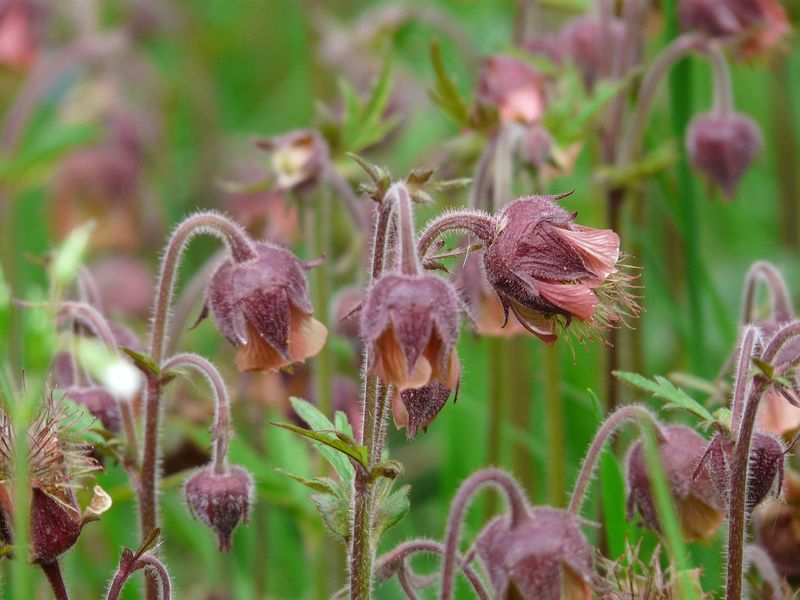
Totally Tangerine, bred from a cross involving the South American species Geum rivale, has earned a strong reputation for performing well in warmer conditions.
Mai Tai and Pretticoats Peach are other options that gardeners in the Piedmont and coastal regions of North Carolina have reported success with during warm seasons.
Reading plant tags carefully, asking questions at local nurseries, and looking for varieties specifically recommended for the Southeast or for USDA hardiness zones 5 through 7 will steer you toward geums that are genuinely suited to your region.
Spending a little extra time on variety selection before you buy saves a lot of frustration later in the season.
The right geum in the right North Carolina garden is an absolute showstopper that keeps rewarding you with color and life from one season to the next.