The Tiny Bug Destroying Ohio Hostas In June And How To Stop It Fast
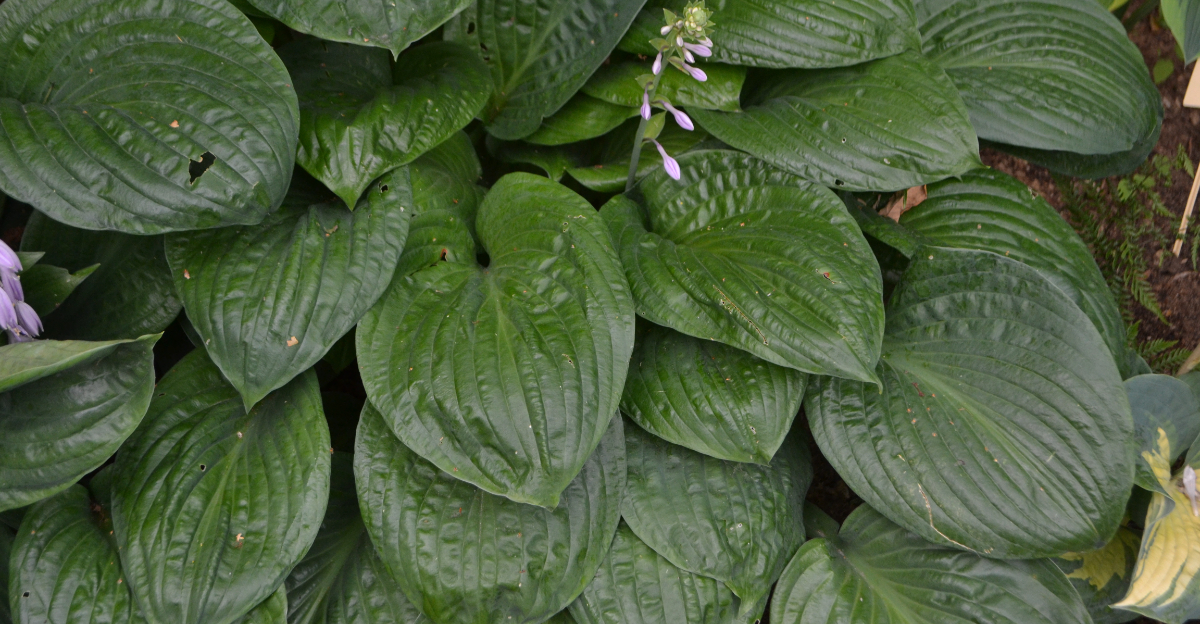
Something is working through Ohio hostas right now and a lot of gardeners have not figured out what it is yet. The damage shows up quietly at first.
Tiny pale streaks across leaves, a slight silvery sheen where the color should be rich and deep, edges that look roughed up without any obvious explanation. Easy to overlook for a week or two.
By the time the problem is impossible to ignore, the population doing the damage has already multiplied significantly. June is peak activity for this particular pest in our state, and hostas are exactly the target it prefers.
The frustrating part is that most standard treatments get applied too late or to the wrong stage of the life cycle. That is why the same plants end up damaged season after season.
Knowing what you are actually dealing with and when to act makes a real difference. So what is hitting Ohio hostas right now?
1. Four-Lined Plant Bugs Leave Black Spots On Hosta Leaves
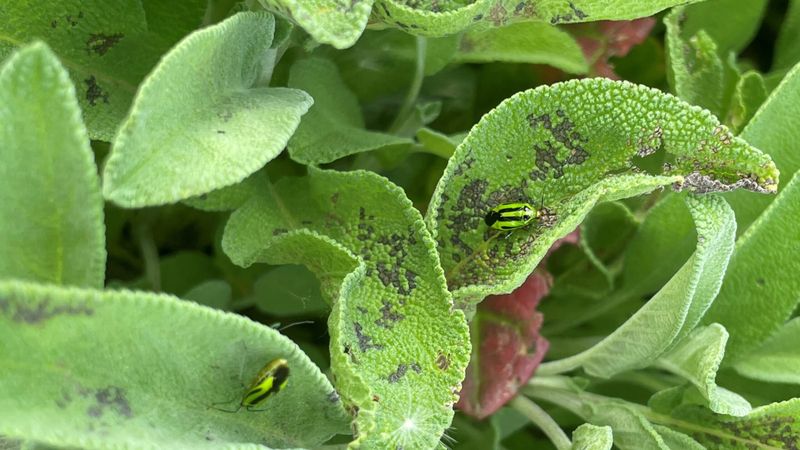
Spotting dark, sunken circles on your hosta leaves is alarming, especially when the plant looked completely fine just days before. Those marks are often caused by four-lined plant bugs piercing the leaf tissue and removing cell contents as they feed.
The damage leaves behind small, round, dark spots that can look a lot like a fungal disease at first glance.
Adult four-lined plant bugs are easy to recognize once you know what to look for. They are about a quarter-inch long, with four dark stripes running down yellow-green wings.
Young nymphs are smaller, brighter red or orange, and move quickly when a leaf is disturbed.
The confusion with disease is one of the biggest problems gardeners face. Treating a bug problem with a fungicide will not help the plant, and the damage will keep spreading if the actual pest is still feeding.
If you are unsure, photograph the spots and the insects you see, then contact your local Ohio State University Extension office or a reliable garden center for confirmation.
Extension resources, including Ohioline and Buckeye Yard and Garden Online, provide photos that can help you compare what you are seeing on your own plants. Always confirm the pest before choosing a response.
2. June Feeding Makes Healthy Hostas Look Diseased Fast
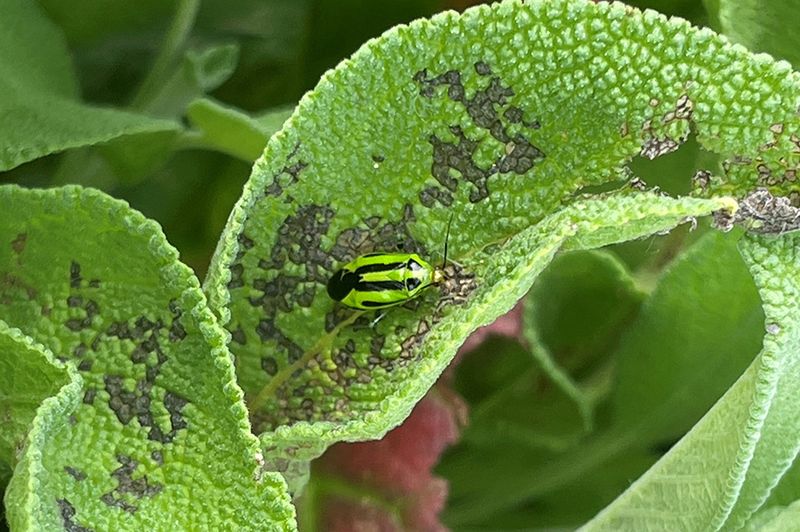
There is something unsettling about watching a healthy plant fall apart within a week, and that is exactly what four-lined plant bug feeding can feel like during June.
The timing lines up with when hosta leaves are freshly expanded and most vulnerable to feeding injury.
Damage can appear suddenly across multiple leaves, making the entire planting look scorched or diseased.
According to State University Extension resources, four-lined plant bug activity tends to peak in late spring and early summer in this state. By the time most gardeners notice the spotting, a fair amount of feeding has already occurred.
That gap between feeding and visible damage is part of what makes this pest frustrating.
Gardeners who assume the problem is a fungal disease often waste time applying the wrong products. Checking for actual insects, not just symptoms, is the most important first step.
Your Ohio Garden Changes Every Week. Your Plan Should Too.
Gardening in Ohio changes quickly throughout the season. Every Friday you’ll receive a simple weekly plan showing exactly what to plant, prune, fertilize, harvest, and protect so you never miss the right timing.
Look under leaves, along stems, and on nearby perennials early in the morning when bugs are less active and easier to spot.
If you plan to visit a garden center or contact Extension for advice, bring clear photos of both the damage and any insects you find nearby.
A good photo saves time and helps the expert give you a much more accurate answer than a description alone ever could.
3. Tiny Green Nymphs Hide Before Gardeners Notice The Damage
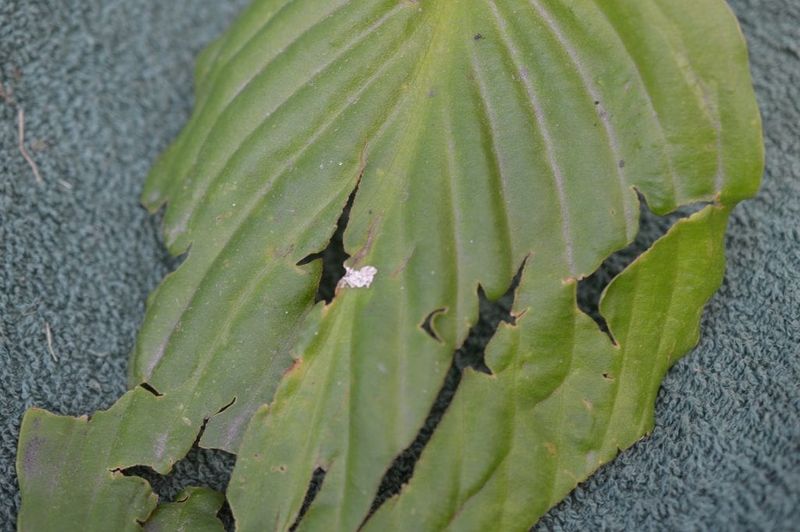
Young four-lined plant bugs are sneaky in the best possible way for the insect and the worst possible way for the gardener. Nymphs start out reddish-orange and shift toward green as they mature, which makes them harder to see against plant tissue.
They move fast when disturbed, often dropping off the leaf or darting to the stem before you can get a good look.
Early feeding happens on tender new growth, which is exactly the tissue hostas are pushing out in late spring. By the time the dark spots become obvious, the nymphs may already be older and harder to manage.
Catching activity early, before heavy spotting sets in, gives you the most options for a response.
Morning inspections work best because the bugs tend to be slower and less reactive in cooler temperatures. Gently lift leaves and check the undersides, paying close attention to the newest growth at the center of the plant.
Also check nearby weeds and perennials, since four-lined plant bugs move between many different host plants.
Do not handle unknown insects with bare hands. If you spot something small and quick that matches the description, use a magnifying glass to get a better look.
Document what you find with a photo before taking any action, and compare your images to Extension resources to confirm what you are dealing with.
4. Round Sunken Spots Separate This Pest From Slug Chewing
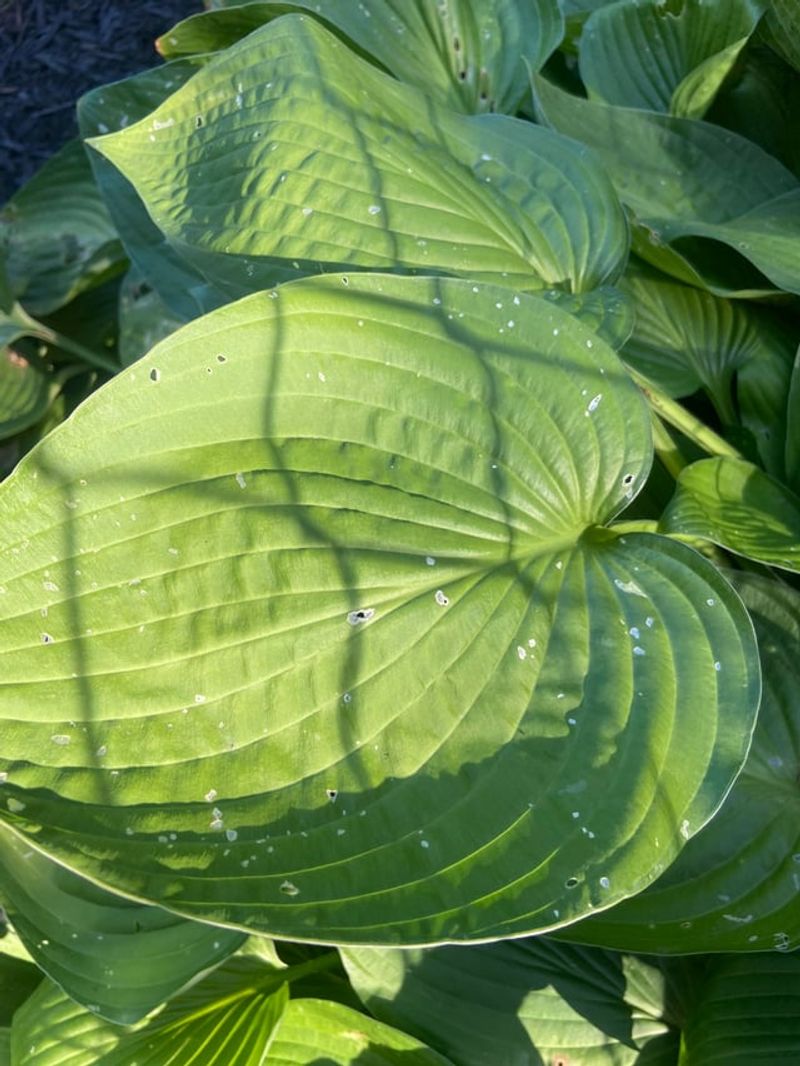
Not every damaged hosta has four-lined plant bugs. Shaded, moist beds in this state are also prime territory for slugs, and the two problems look very different up close.
Getting that identification right matters because the right fix for one pest will not help with the other.
Four-lined plant bug damage appears as small, round, sunken, dark spots or blotches scattered across the leaf surface. The tissue around the spot may look slightly discolored or dried out.
The spots do not have ragged edges, and you will not see tissue missing from the leaf in the same way you would with slug feeding.
Slugs leave a completely different kind of mark. Look for irregular holes, shredded leaf edges, and sometimes a dried slime trail on the leaf surface or nearby mulch.
Slug activity is heaviest in cool, wet weather and is more common at night, while four-lined plant bugs feed during the day.
Hosta beds can have both problems at the same time, especially in shady spots with heavy mulch and consistent moisture. Inspect carefully before choosing any response.
If you see round sunken spots and small striped insects, the plant bug is likely involved. If you see ragged holes and slime trails with no insects present during the day, slugs are the more likely culprit.
Photograph both types of damage if you find them together.
5. Weedy Edges Give Four-Lined Plant Bugs More Places To Start
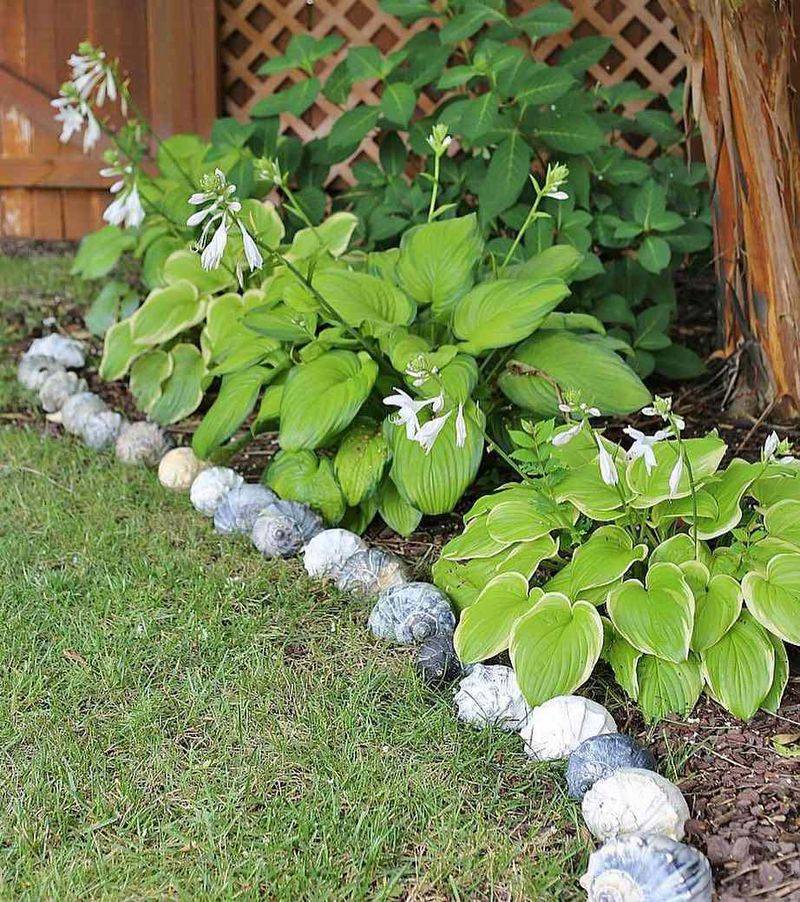
Four-lined plant bugs are not picky eaters. They feed on a wide range of herbaceous plants, including many common garden ornamentals and weeds.
That broad appetite means a messy bed edge can make it harder to spot where activity is starting and which plants are most affected.
Ohio State University Extension resources note that this insect feeds on many hosts. That makes monitoring nearby plantings just as important as watching the hostas themselves.
Weeds growing along the edge of a shade garden can serve as a feeding site that goes unnoticed until the bugs move into the ornamental bed. Keeping those edges tidy is a practical way to reduce hiding spots and make inspection easier.
Cutting back unmanaged growth near hosta beds does not guarantee the pest will stay away, but it does reduce the places where nymphs can develop without being noticed.
Check nearby perennials like mints, coneflowers, and salvias for the same round, dark spotting that appears on hostas.
Those plants can show early signs of activity before the damage reaches your hostas.
Weeding is not a complete solution on its own, but it is one of the simplest, lowest-cost steps you can take to improve your ability to monitor for problems. A tidy bed edge also makes it easier to spot nymphs before they cause widespread damage.
Start weeding the edges of shade gardens in mid-spring, before activity begins.
6. Quick Pruning Removes The Ugliest Damaged Leaves
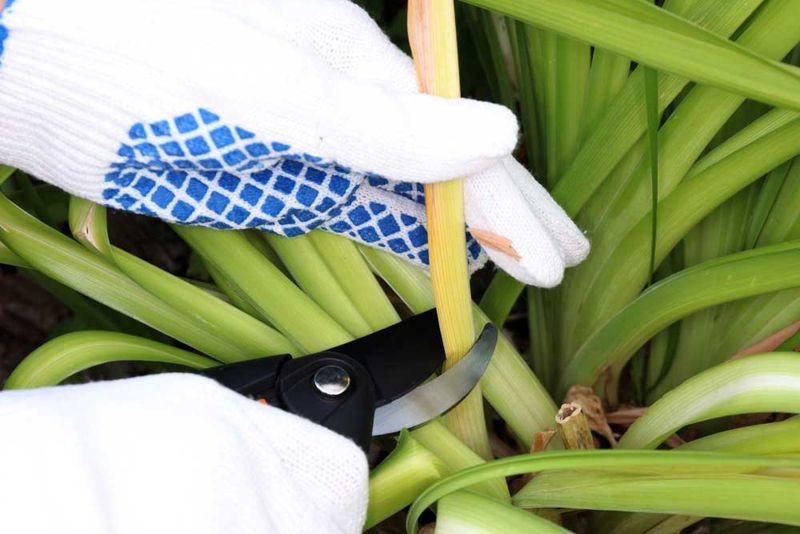
Once a leaf has those dark, sunken spots, it is not going to recover. The tissue is gone, and no amount of watering, fertilizing, or spraying will bring the color back.
Pruning the worst leaves off is one of the most practical things you can do to improve how the plant looks while you work on the bigger problem.
Use clean pruners or scissors, and cut the damaged leaf as close to the base as possible without injuring surrounding stems.
Removing the ugliest leaves first makes the planting look tidier and also removes some of the tissue where insects may still be resting or feeding.
Wipe your pruner blades with a clean cloth between cuts if you are working across multiple plants.
Avoid removing too much healthy foliage at once. Hostas rely on their leaves to gather energy, and stripping the plant down too aggressively during summer heat can stress it more than the original feeding did.
Focus on leaves where more than half the surface is spotted or discolored.
If the bed is dry, water it after pruning to help the plant recover. Avoid heavy pruning during extreme heat stretches, since stressed plants bounce back more slowly.
Pruning is a cosmetic fix, not a pest control strategy. The insect causing the damage needs to be confirmed and addressed separately for the spotting to stop appearing on new leaves.
7. Early Detection Matters More Than Late Spraying
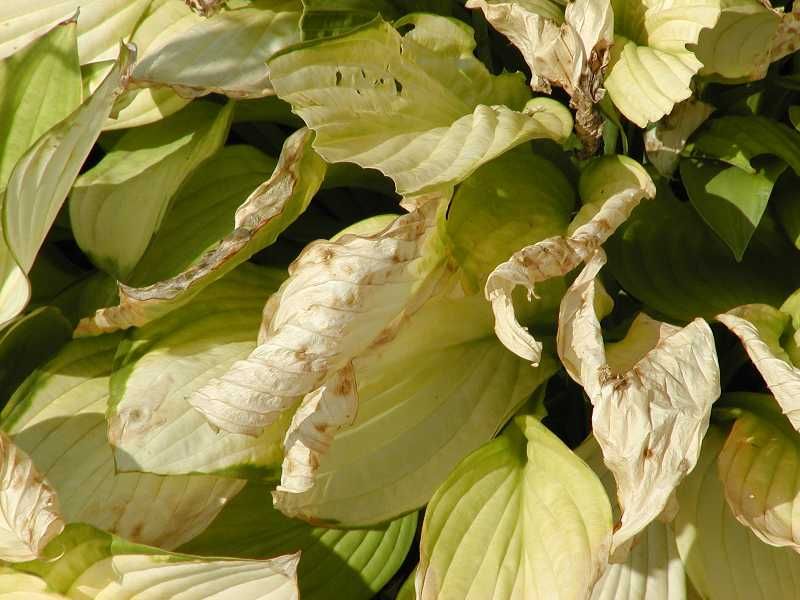
By the time most gardeners notice the dark spotting on their hostas, the feeding that caused it has already happened. Four-lined plant bugs feed quickly, and the damage becomes visible after the fact, not during.
That timing gap is why late-season spraying often delivers disappointing results, the insects may have already moved on or finished their nymphal stage.
Monitoring starting in mid-spring gives you the best chance of catching activity before it becomes widespread. Check new hosta growth every few days once temperatures warm up.
Look for tiny insects, fresh spotting on the newest leaves, and any movement when you gently disturb the plant. Early detection means earlier options.
If you decide insecticide use is appropriate after confirming the pest, follow current Ohio State University Extension guidance. Read the product label carefully before applying anything.
Avoid spraying when pollinators are active or when any nearby plants are in bloom, unless the label and Extension guidance specifically allow it.
Non-chemical steps, including monitoring, removing damaged leaves, and reducing weedy habitat, are worth trying first.
Keep a simple garden log or use your phone to photograph damage dates and insect sightings across the season. That record helps you plan earlier inspections next spring.
A gardener who starts watching in April has far more choices available than one who first notices the problem in late June when the insects are nearly done feeding.
8. Clean Garden Beds Reduce Next Year’s Hosta Trouble
Getting ahead of next year’s problem starts with what you do after this season’s feeding is over. Four-lined plant bugs overwinter as eggs deposited in plant stems, according to Extension sources.
That means leaving old herbaceous stems standing in known problem areas can give the eggs a protected place to survive the winter right next to your hostas.
Removing or cutting back old stems from plants in and around affected beds is a practical sanitation step. Focus cleanup on areas where you confirmed four-lined plant bug activity this season, rather than removing every stem across the entire garden.
Some gardeners choose to leave hollow or pithy stems standing for beneficial insects, so use your own judgment and focus effort on known problem spots.
Clear away weedy growth along bed edges before winter sets in. Avoid leaving large piles of plant debris near hosta beds, since debris can shelter overwintering insects and eggs.
A clean, tidy bed edge going into winter is easier to monitor the following spring.
Plan to start inspecting hosta beds earlier next year, ideally by late April or early May, before nymphs have a chance to cause noticeable damage. Mark your calendar now while the problem is still fresh in your mind.
Early-season awareness, combined with good sanitation habits, gives Buckeye State gardeners a real advantage over this persistent little pest before it gets a head start.