The Meaning Behind Seeing A White Moth In Your Ohio Garden At Night
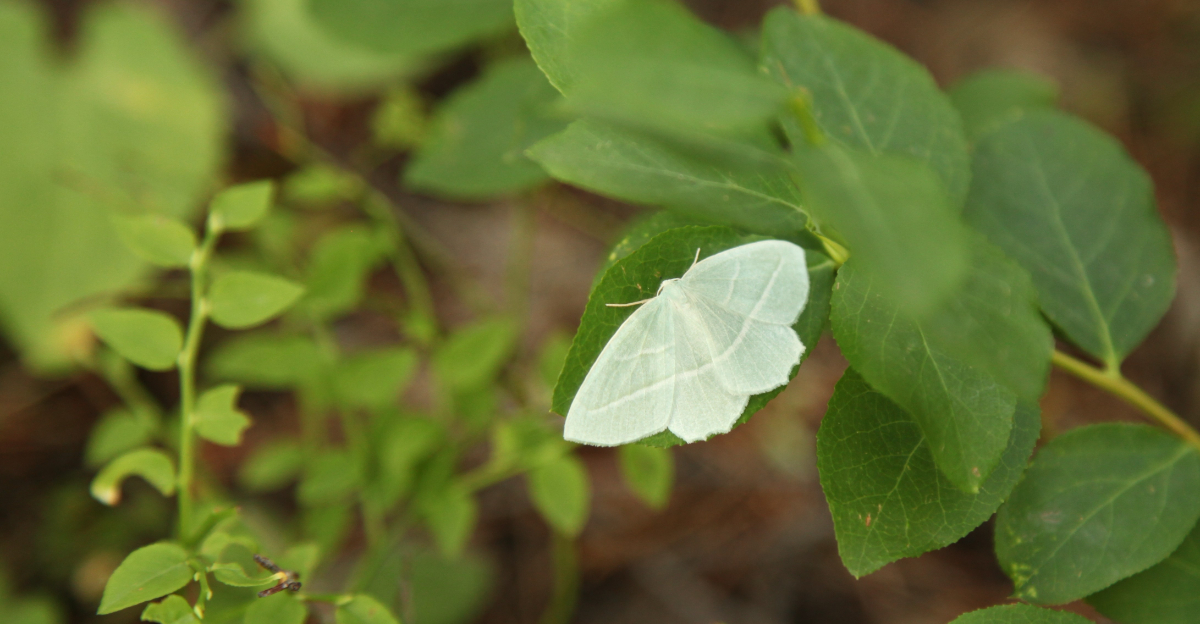
A white moth drifting through an Ohio garden after dark has a way of stopping you mid-thought. That pale flutter against a night garden feels quieter and more deliberate than other sightings.
Plenty of people who encounter one find themselves wanting to know more about what just passed through. The meaning pulls from several directions at once.
Natural history, Indigenous tradition, Appalachian and rural Midwestern belief, and a symbolic weight that different cultures have attached to white moths for a very long time. None of those threads contradict each other.
They layer in ways that make the full picture genuinely interesting. What a white moth is doing in your Ohio garden at night is one story.
What people across generations have believed it signals is another. Both are worth knowing.
1. A White Moth Can Feel Like A Quiet Nighttime Message
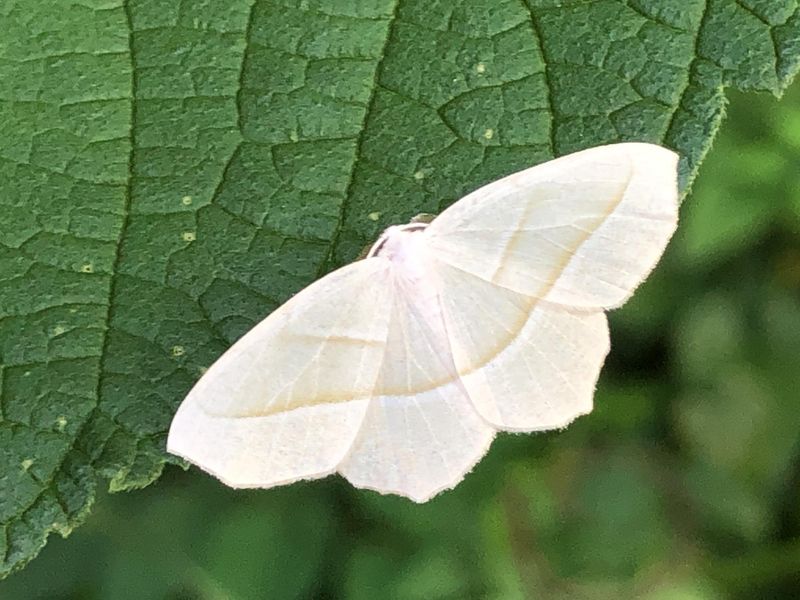
A pale flutter near the porch can make a familiar garden feel different after sunset. Something about a white moth appearing quietly in the dark tends to stay with people.
The wings catch whatever light is available, and the insect moves without sound, which makes the moment feel personal even when nothing unusual is happening.
Many people connect a nighttime moth sighting to memory, calm, or a sense of change. Those feelings are real, even if the moth itself is simply following its natural behavior.
Pale insects stand out more in low light, which makes them easier to notice than darker moths flying through the same space.
Paying attention to that feeling is not wrong. A quiet observation in the garden can be both emotional and practical at the same time.
The moth is not delivering a message on purpose, but it can prompt you to slow down and notice what is alive around you after dark.
That kind of awareness is actually useful for gardeners. Noticing which insects appear at night, where they land, and how they move can tell you a lot about your yard.
The feeling the moth gives you is a good reason to keep watching.
2. Pale Wings Stand Out More Under Porch Lights
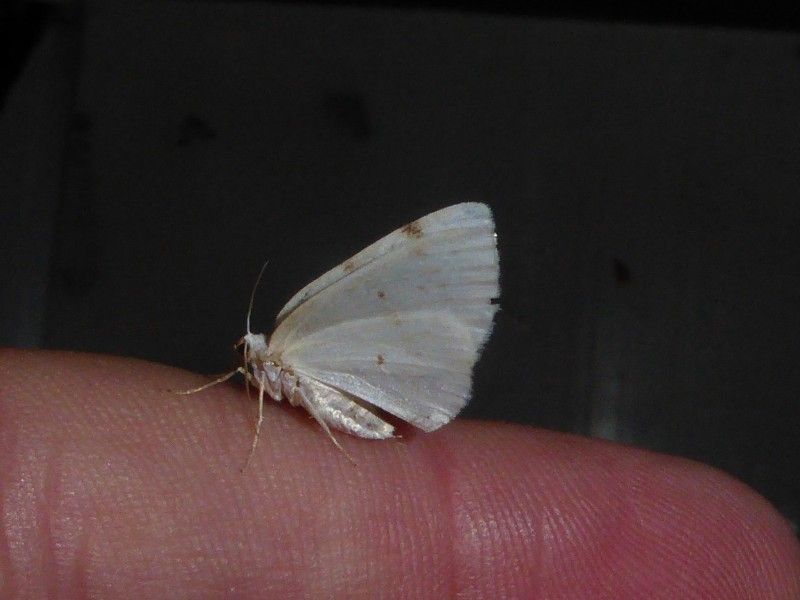
Porch lights, patio fixtures, and garage lamps can turn an ordinary summer night into a gathering spot for flying insects. A white moth near one of those lights can look almost luminous.
The pale wings reflect artificial light more visibly than darker wings do. That is why white or cream-colored moths seem to appear out of nowhere when you step outside after dark.
Artificial light at night can attract, confuse, or redirect night-flying insects. Moths use natural light sources like the moon to navigate.
A bright porch bulb can pull them off course and keep them circling in place.
This does not mean your porch light is harming every moth that visits. But it does explain why you see more moths near lit areas than in darker corners of the yard.
A white moth near your light is likely drawn there by the glow, not by the plants or flowers nearby.
Your Ohio Garden Changes Every Week. Your Plan Should Too.
Gardening in Ohio changes quickly throughout the season. Every Friday you’ll receive a simple weekly plan showing exactly what to plant, prune, fertilize, harvest, and protect so you never miss the right timing.
If you want to reduce the disruption to night-flying insects, consider switching to a warm amber or yellow LED bulb. These emit less of the blue and ultraviolet light that attracts insects most strongly.
Small changes to outdoor lighting can make a real difference for the insects living in your yard.
3. Night Blooming Flowers May Be Drawing Moths In
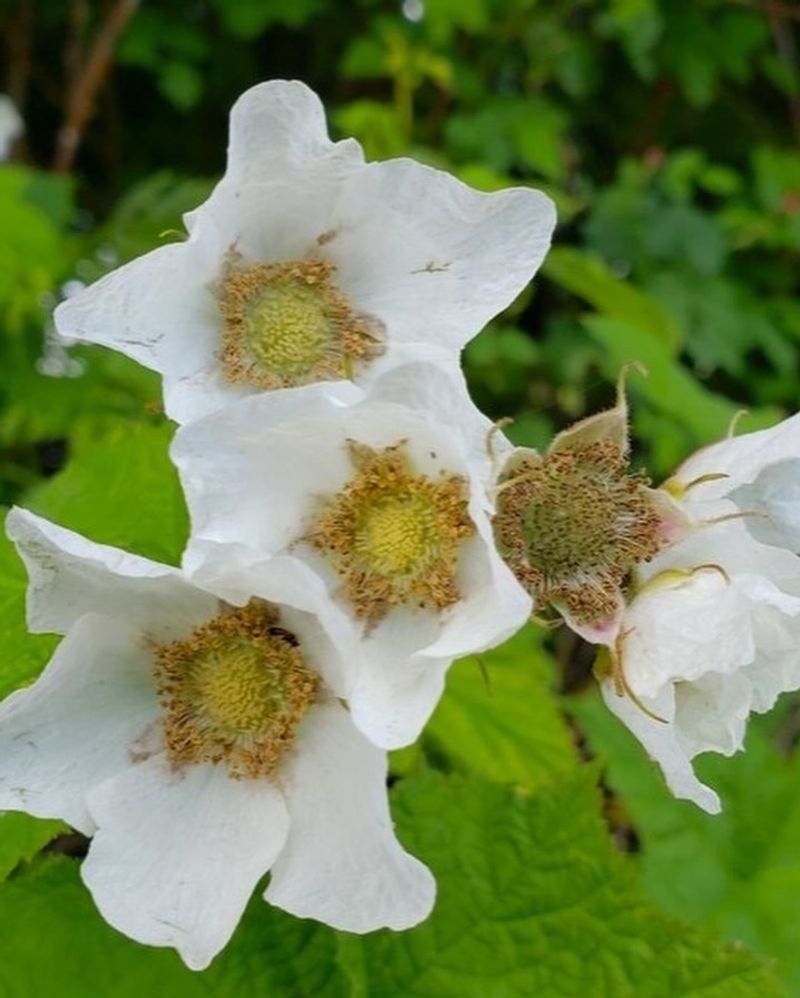
Moonflowers open after sunset, evening primrose releases scent in the dark, and pale four-o-clocks brighten as daylight fades. These are all examples of plants that cater to nighttime visitors.
Some moths visit flowers for nectar, and plants that open or become fragrant at night may be easier for them to locate in low light conditions.
Pale or white flowers tend to stand out more in darkness than deep red or purple blooms. Fragrance also plays a large role.
A moth navigating a dark garden may rely more on scent than sight, so strongly scented evening flowers can act as a signal from across the yard.
Not every white moth you see is feeding on flowers. Some may be resting, traveling, or simply attracted to nearby light.
But if your garden includes plants that bloom or release scent at night, there is a reasonable chance that moths are visiting them.
Adding night-friendly plants to a garden bed can increase the range of insects you observe after dark. Evening primrose, native white phlox, and moonflower vine are a few options that have been noted for attracting night visitors.
Check with your local extension office for plants suited to your region before adding new species.
4. Your Garden Could Be Supporting More Pollinators Than You See
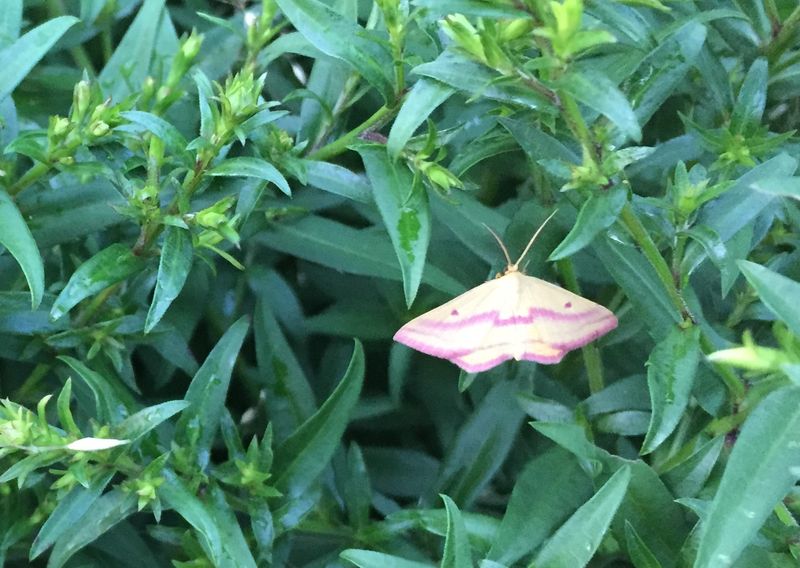
Most gardeners do their watching during the day. They notice bees on coneflowers, butterflies near milkweed, and hoverflies above herb beds.
What they miss is the full second shift that begins after dark, when a different group of insects takes over.
Moths, beetles, and other night-flying insects move through gardens while most people are indoors. Some of these insects visit flowers, move pollen, or simply rest among plants before continuing their journey.
The activity is real, even if it is rarely observed.
A white moth in your yard is one visible piece of that nighttime community. It is a reminder that pollinator activity is not limited to sunny afternoons.
Gardens with a variety of native plants, leaf litter, shrubs, and undisturbed soil tend to support more nighttime insect life than heavily manicured spaces.
You do not need to overhaul your yard to support these visitors. Leaving a section of the garden a little wilder, reducing pesticide use, and keeping some leaf cover near plant bases can help.
The Xerces Society and university extension programs offer guidance on supporting native insects without major landscape changes. A single moth sighting can be the nudge that starts a broader conversation about what your garden does after dark.
5. A White Moth May Be Resting Between Short Flights
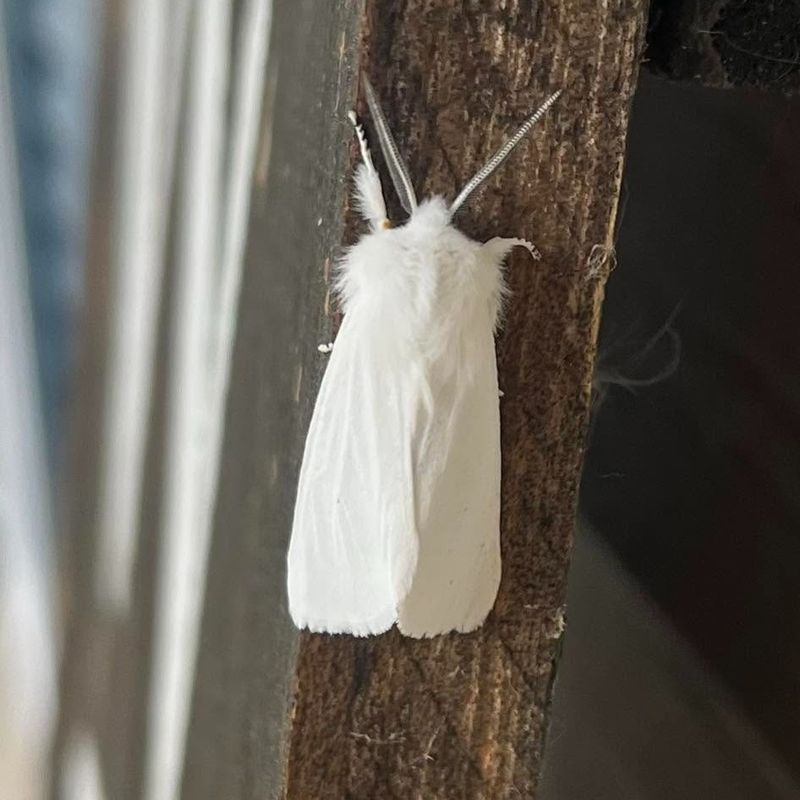
Finding a pale moth sitting perfectly still on your window screen, a garden stake, or the side of a fence post is not unusual. Moths do not fly continuously through the night.
They rest often, especially near light sources, sheltered surfaces, or vegetation that provides cover.
A moth that appears to be frozen in place is usually doing exactly what it should be doing. Resting conserves energy between flights.
It also allows the insect to wait out unfavorable conditions like wind, temperature changes, or heavy dew.
People sometimes assume a resting moth is injured or disoriented. In most cases, it is simply pausing.
If it is near a porch light, it may have been circling for a while and settled down on a nearby surface. That is normal behavior, not a sign that something is wrong.
The best response when you find a resting moth is to leave it alone. Avoid touching or moving it unless it is in immediate danger, such as on a surface that will be disturbed.
Give it space and time. Most resting moths will resume flight on their own once conditions shift, usually later in the night or closer to dawn.
Watching from a distance is often the most rewarding option.
6. Host Plants Nearby Could Be Feeding The Next Generation
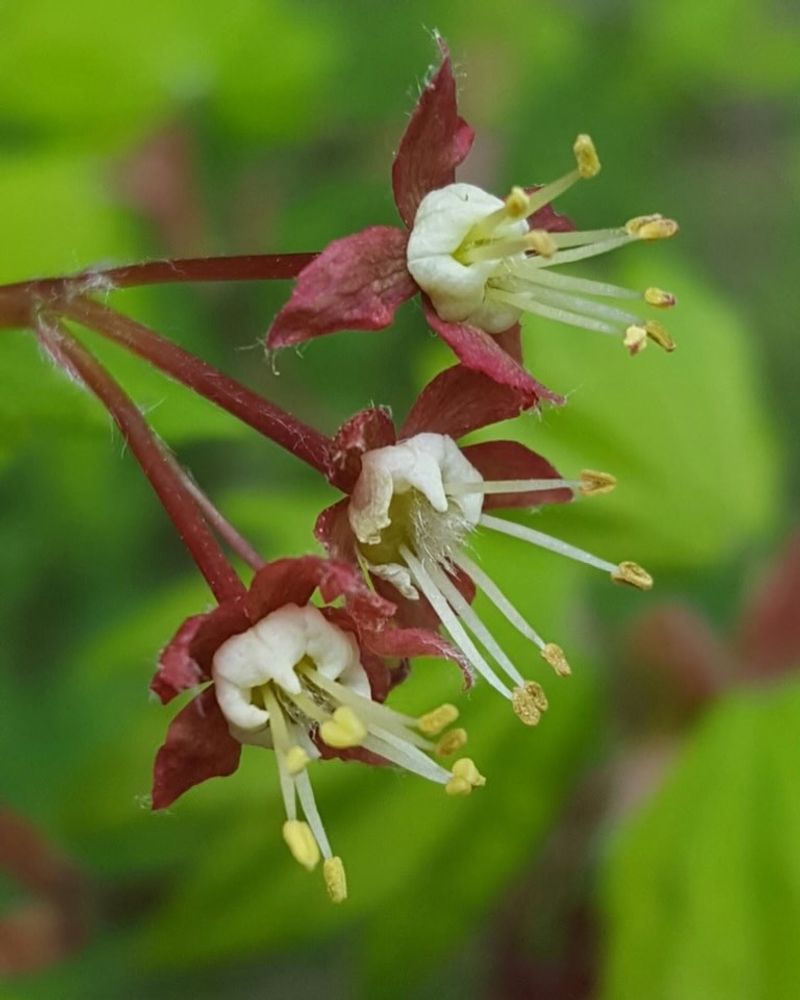
Adult moths are only one part of the picture. Behind every night-flying adult is a caterpillar that spent weeks or months feeding on a specific host plant.
The presence of a moth in your garden suggests that somewhere nearby, the right host plant exists to complete that insect’s life cycle.
Host plants vary widely depending on the moth species. Trees, native shrubs, grasses, and perennial wildflowers all serve as hosts for different moth caterpillars found across this state.
Without those plants, the moths cannot complete their development and will not appear as adults.
A yard that supports a variety of native plants is more likely to host moth caterpillars than one planted entirely with ornamentals or non-native species. Even a single native tree or shrub can support multiple moth species over time.
You may not be able to identify the exact species of a white moth you see at night, which makes it difficult to name the specific host plant it relies on. But supporting a diversity of native vegetation is a reasonable approach.
Resources from Ohio State University Extension and the Ohio Department of Natural Resources can help you identify native plants suited to your soil type and region. Growing local plants is one of the most direct ways to support the full life cycle of native moths.
7. Softer Lighting Helps Night Visitors Stay On Course

Outdoor lighting has become one of the most widespread changes to the nighttime environment in residential areas. Bright white or blue-toned lights shine from porches, garages, driveways, and landscape fixtures across most neighborhoods.
For night-flying insects, that level of artificial light can be genuinely disorienting.
Moths navigate using natural light cues. When artificial sources overpower those cues, moths can end up circling lights repeatedly instead of finding food, shelter, or mates.
Over time, this kind of disruption can affect how well they function through the night.
Practical changes do not require giving up outdoor lighting entirely. Switching to warm amber or yellow LED bulbs reduces the wavelengths that attract insects most strongly.
Shielding fixtures so light points downward rather than outward also helps. Timers and motion sensors can limit how many hours lights stay on each night.
These adjustments are small but they add up across a neighborhood. The International Dark-Sky Association and several university extension programs have published guidance on lighting choices.
Their recommendations balance human safety with lower impact on nocturnal wildlife. A white moth circling your porch light is a visible sign of the effect that light has on insects.
Reducing that pull is one of the easiest changes a homeowner can make to support nighttime garden life.
8. One Pale Visitor Points To A Garden That Works After Dark
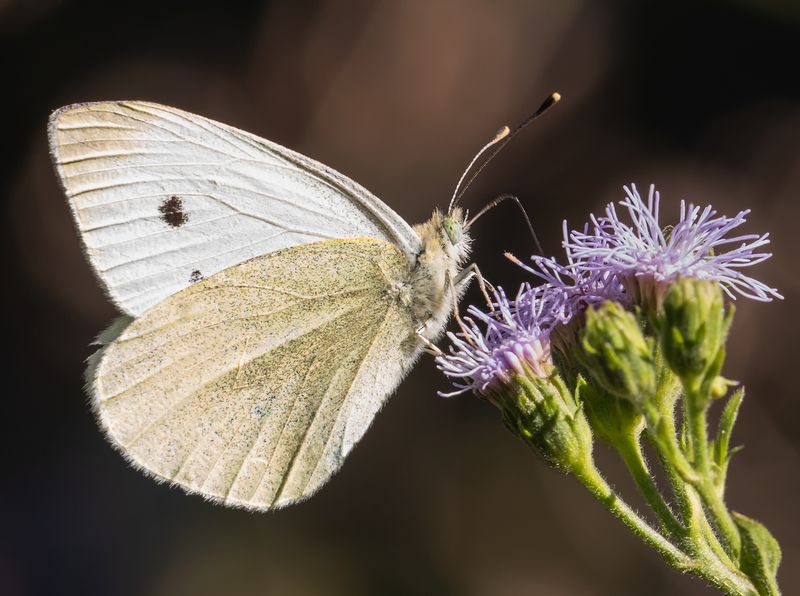
A single white moth crossing your garden path after dark carries more meaning than it might first appear. On one level, it can feel like a quiet, personal moment.
The stillness of a nighttime garden, the pale wings catching a bit of moonlight, the brief pause before the moth moves on. Those moments tend to stay with people.
On another level, that moth is evidence of something ecological. It means your yard has something worth visiting.
Light, shelter, plants, or some combination of all three brought that insect to your space. That is worth acknowledging.
Gardens that support nighttime life tend to have a few things in common. They include native plants at various heights.
They have some undisturbed ground or leaf cover. They use outdoor lighting thoughtfully.
And they avoid heavy pesticide use that would clear out the insects before they have a chance to arrive.
You do not need a perfect garden to attract moths. You just need a yard that offers enough of what they need.
A white moth at night is one small confirmation that your space is doing something right. Keep watching after dark, pay attention to what lands near your plants, and let that pale visitor remind you that your garden is alive long after you go inside.