The Hard Pruning Many Ohio Gardeners Avoid Is Exactly What This Shrub Has Been Waiting For
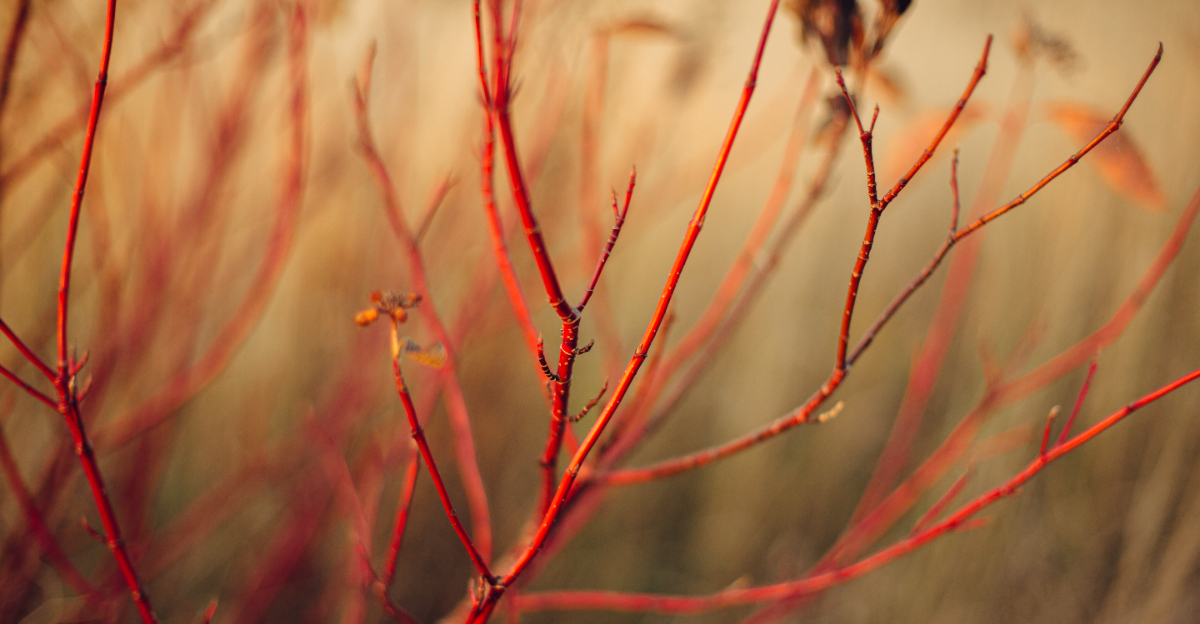
There is a shrub sitting in Ohio backyards right now that looks perfectly fine on the outside but is begging for a serious haircut.
Red twig dogwood is famous for its brilliant red stems that light up the winter landscape like a neon sign in a snowstorm.
Many gardeners hold back from cutting it hard because they worry about hurting it.
The truth is, skipping that bold pruning is the one thing holding this shrub back from its most jaw-dropping color show yet.
The stems that are glowing red right now are the youngest ones. The older ones have already faded to a dull grayish brown that blends into the winter background without doing much for anyone.
Understanding why age matters so much for stem color changes everything about how you approach this plant.
Once you make the cuts, the difference the following winter is the kind of thing that makes neighbors stop and ask what happened to your yard.
It looks that good.
Start With Red Twig Dogwood
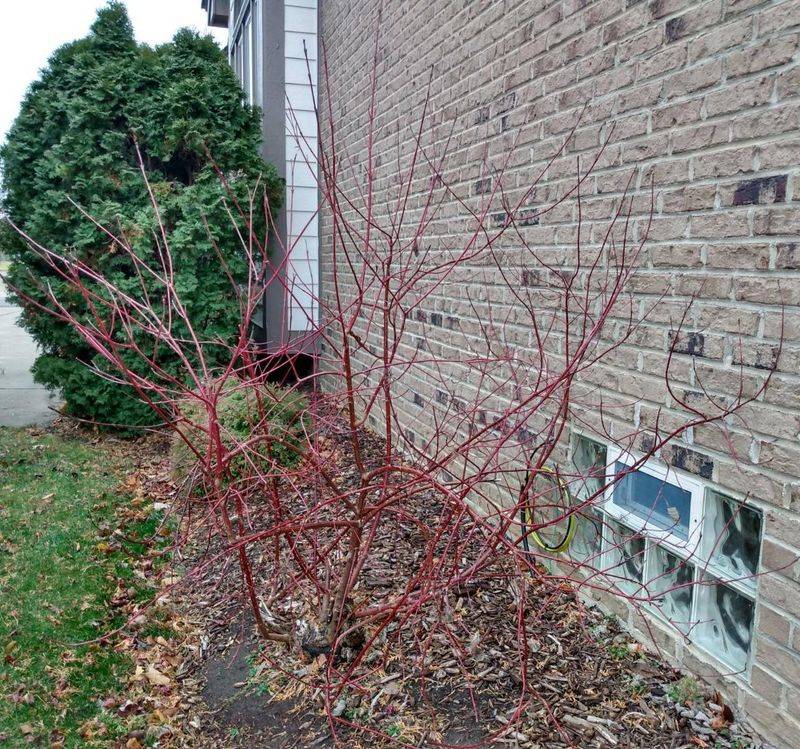
A shrub so bold it looks like someone painted the stems fire-engine red just before the first snowfall is exactly what red twig dogwood delivers.
Known botanically as Cornus sericea, it is one of the most recognizable native plants in Ohio landscapes. Its striking winter stems make it a standout when every other plant has gone gray and bare.
Red twig dogwood grows naturally along stream banks and woodland edges across Ohio.
It handles wet soil far better than most ornamental shrubs, which makes it a go-to choice for low-lying spots that stay soggy after rain. Ohio State University Extension lists it as a top performer for four-season interest in home landscapes.
The shrub spreads through underground stems called stolons, forming wide, multi-stemmed clumps over time.
Left on its own, it can reach six to nine feet tall and spread just as wide. That size sounds impressive, but it also means the plant produces a lot of older wood that gradually loses its color punch.
Many gardeners plant it, admire it for a season or two, and then leave it alone.
That is where the trouble starts. Without regular pruning, the oldest stems fade from red to a dull gray-brown, and the whole plant starts looking more tired than terrific.
Young Stems Bring The Brightest Color
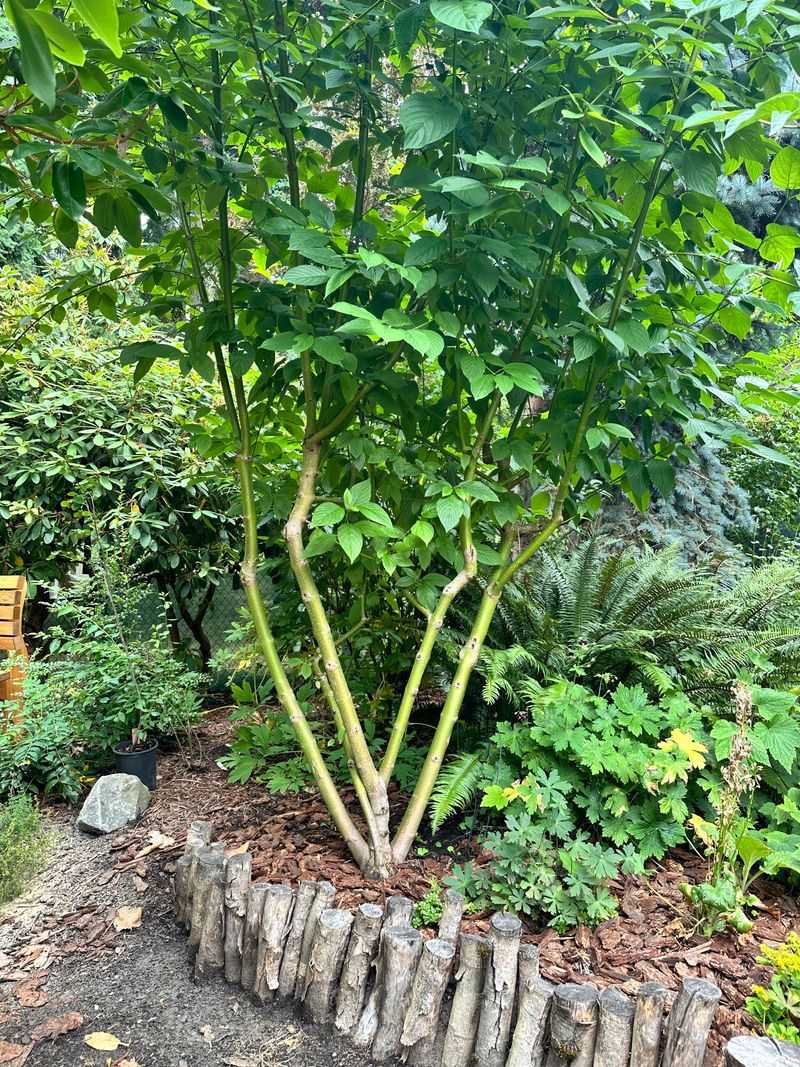
Not all red twig dogwood stems are equally red.
Age matters more than almost any other factor when it comes to stem color, and the youngest growth wins every single time.
A fresh one or two-year-old stem glows with an almost electric crimson that stops people in their tracks on a gray January morning.
As canes age past their second or third year, the red pigment fades noticeably.
By year four or five, those same stems have shifted to a brownish-gray that blends right into the winter background. The plant has not changed, but the color has quietly slipped away while you were not paying attention.
This color shift happens because the anthocyanin pigments responsible for that vivid red are most concentrated in young, actively growing bark.
Your Ohio Garden Changes Every Week. Your Plan Should Too.
Gardening in Ohio changes quickly throughout the season. Every Friday you’ll receive a simple weekly plan showing exactly what to plant, prune, fertilize, harvest, and protect so you never miss the right timing.
Vigorous new growth produces the richest stem color. Older wood simply cannot compete.
Pruning is the tool that keeps the color factory running.
When you cut away aging canes, the plant responds by sending up fresh new shoots packed with those bright pigments. Every stem you remove is essentially an invitation for a more colorful replacement to take its spot.
That trade is always worth making when the goal is maximum winter impact in an Ohio yard.
Late Winter Is The Best Window
Red twig dogwood practically tells you when it is ready to be pruned.
Late winter, specifically late February through early March in Ohio, is the sweet spot most extension specialists point to. The plant is still fully dormant, the worst cold has passed, and new growth has not yet begun pushing out from the buds.
Pruning during dormancy gives the shrub a head start.
Once temperatures climb and soil warms, all that stored energy rushes straight into the fresh cuts, powering a flush of vigorous new shoots. You get faster regrowth and stronger stems compared to pruning in fall or midsummer.
Another practical reason to prune in late winter is visibility.
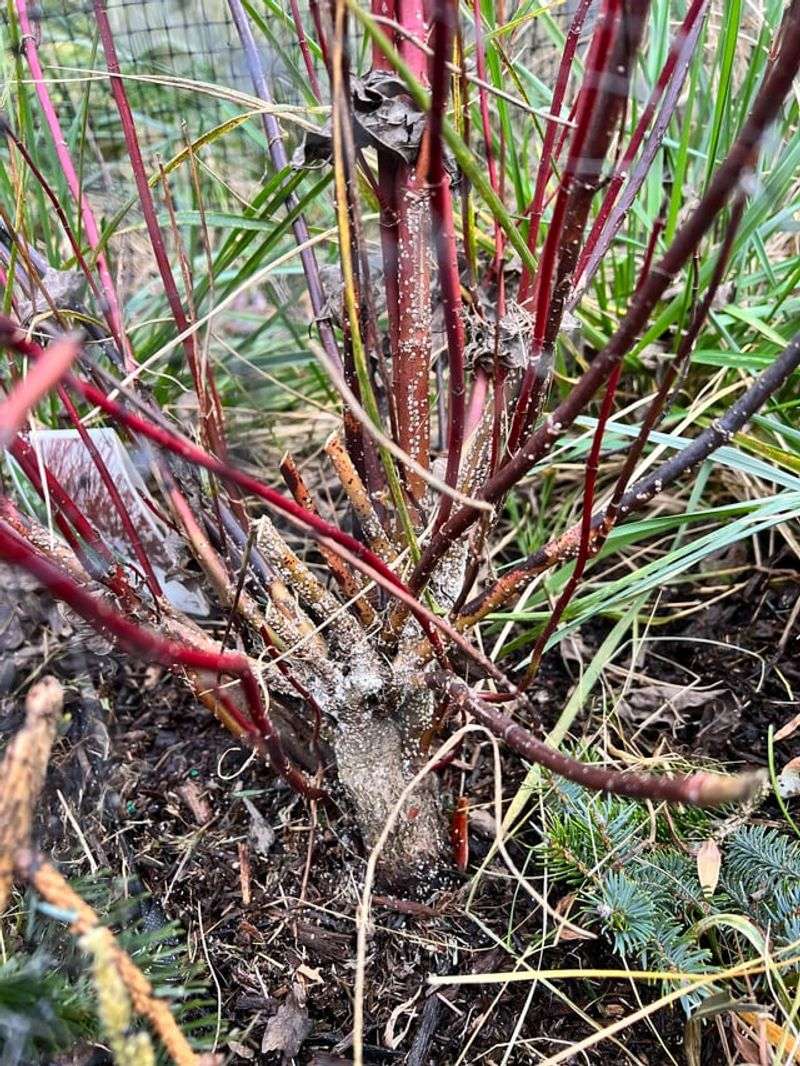
Without leaves blocking the view, you can clearly see the structure of the shrub, spot which canes are oldest by their thicker, duller bark, and make cleaner cuts without guessing.
The job is simply easier when you can see exactly what you are working with.
Ohio winters can be unpredictable, so watch the forecast before you head out with your loppers.
Aim for a stretch of days where overnight lows are staying above the single digits. A hard freeze right after pruning will not ruin the plant, but giving new cuts a few calm days to begin healing is always a smart move.
Late winter pruning keeps the plant on schedule for a full, colorful season ahead.
Old Canes Need Gradual Removal
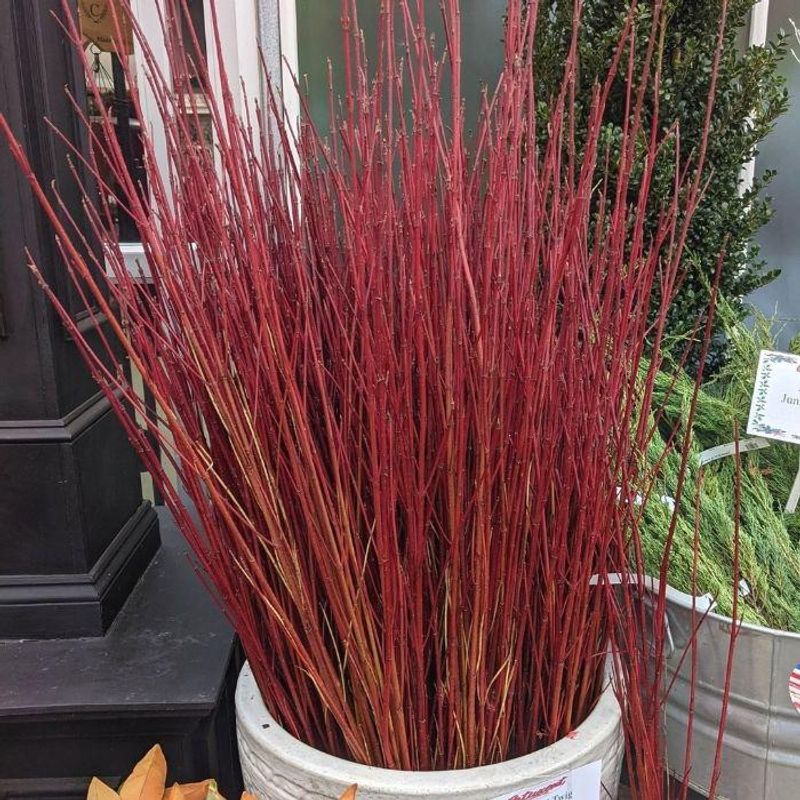
Removing every old cane from a large, established red twig dogwood all at once sounds satisfying, but a more measured approach keeps the plant healthier and looking better through the transition.
Gradual renewal pruning, where you remove roughly one-third of the oldest canes each year over three seasons, is the method most widely recommended by horticulture extension resources including those from Ohio State University.
Start by identifying the thickest, most faded canes at the base of the shrub.
Those are your oldest stems, and they are the ones offering the least color return. Cut them down to within two to four inches of the ground using sharp loppers or a pruning saw. Clean cuts at the base heal faster and reduce the chance of disease entry.
After year one, the plant fills in noticeably with fresh red shoots.
In year two, you remove the next third of aging wood, and by year three, the entire shrub has been refreshed without ever looking bare or struggling to recover.
Some gardeners mark their oldest canes with a small piece of brightly colored yarn before leaves emerge in spring.
It sounds like extra work, but it takes about five minutes and saves a lot of squinting at the base of a dense, leafed-out shrub trying to remember which canes were the oldest.
Small tricks like that make renewal pruning feel far less intimidating.
Hard Cuts Suit Established Shrubs
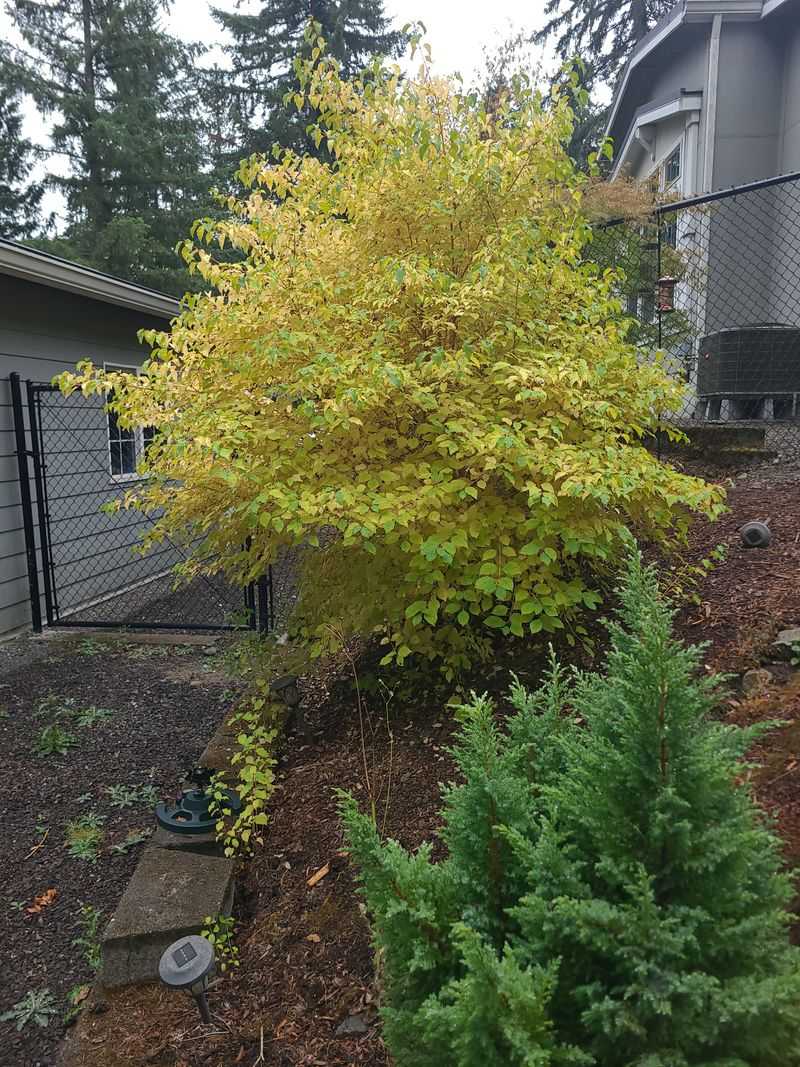
Coppicing means cutting the entire shrub back to just a few inches above the ground in a single session.
For red twig dogwood, this approach works beautifully, but only when the plant is mature, well-rooted, and in good overall health. Trying it on a young or stressed shrub is a gamble not worth taking.
An established plant, typically one that has been in the ground for at least three to five years, bounces back from a hard coppice with impressive speed.
The root network holds enormous reserves of carbohydrates and nutrients.
When all the top growth is removed at once, those reserves fuel a massive flush of new shoots that emerge taller and more vibrantly colored than anything the old crowded stems were producing.
Ohio State University Extension and the Missouri Botanical Garden both note that Cornus sericea tolerates hard cutting exceptionally well compared to most landscape shrubs.
It is not a punishment for the plant. If anything, a mature red twig dogwood treated to a full coppice every three to five years often outperforms one that has never been pruned at all.
Before you make the big cut, check the base of the shrub for signs of vigor.
Lots of young red shoots already emerging from the crown is a green light. A plant that already looks sparse or thin at the base may benefit more from the gradual renewal method instead.
Matching the pruning style to the plant’s current condition is always the smarter play.
Water Helps New Growth Return Strong
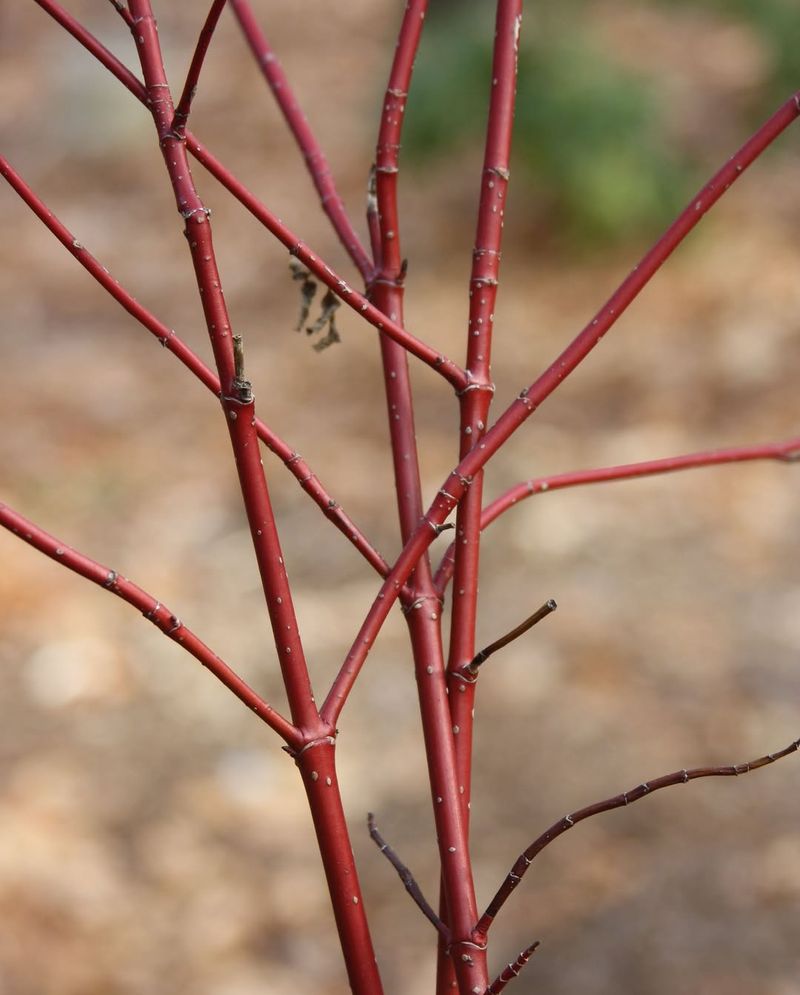
Right after a hard prune, the root system of a red twig dogwood is essentially a powerful engine with nothing above ground to show for its energy yet.
Giving it consistent moisture during the first four to six weeks after pruning is one of the best things you can do to support a strong comeback.
Ohio springs can be wonderfully rainy, but they can also deliver dry stretches that catch gardeners off guard.
If rainfall is below an inch per week during the first month after pruning, supplement with deep, slow watering at the base of the shrub. Shallow, frequent watering encourages surface roots instead of the deep root development that makes a shrub resilient long-term.
Adding a two to three inch layer of organic mulch around the base right after pruning serves double duty.
It holds soil moisture between waterings and keeps soil temperatures stable as spring weather swings back and forth.
Keep mulch pulled back a few inches from the cut stubs to allow good airflow and prevent any moisture buildup against the new emerging shoots.
Fertilizing is optional for most established red twig dogwoods growing in decent Ohio soil.
If you want to give the plant a little extra support after a major coppice, a balanced slow-release fertilizer applied in early spring works well.
Avoid high-nitrogen products that push leafy growth at the expense of stem color. Strong, moderate growth produces the best red stems come next winter.
Flowers May Take A Back Seat
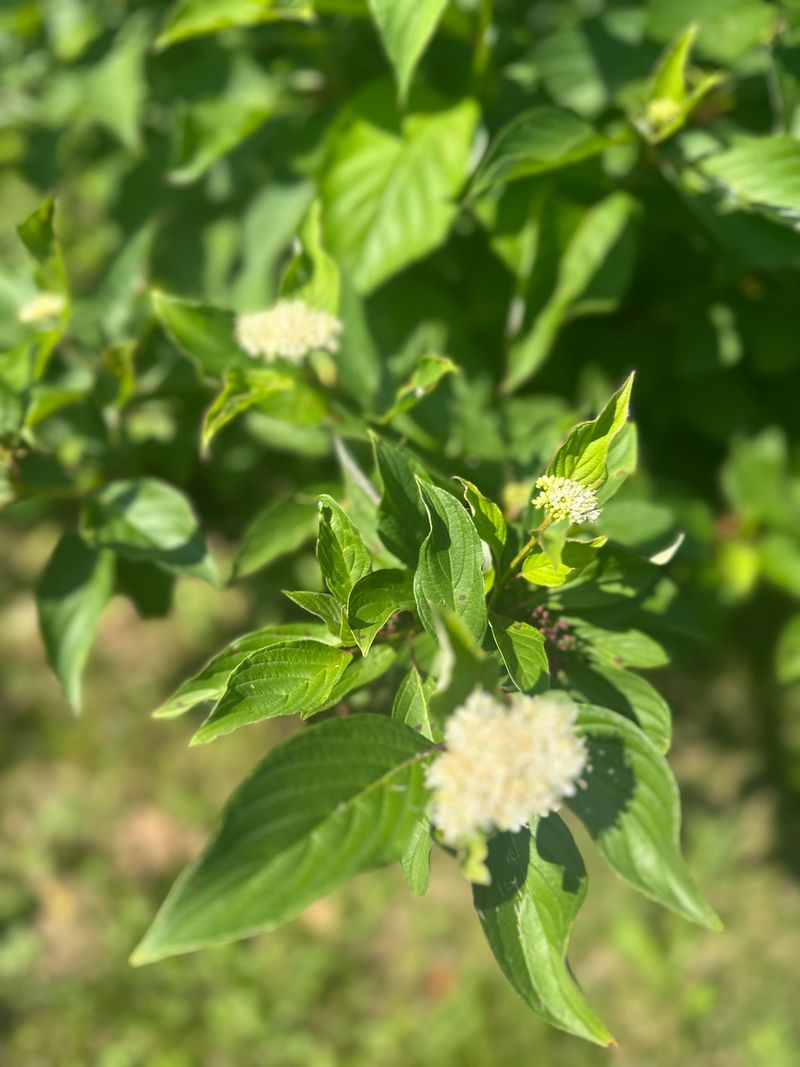
Gardeners who love the small white flower clusters and white berries that red twig dogwood produces in late spring and summer should know that hard pruning does come with a tradeoff.
When you remove a significant portion of older canes, you also remove some of the wood that would have carried this season’s flowers and fruit. That is simply the honest reality of aggressive pruning.
For most people who grow red twig dogwood specifically for its winter stem color, this tradeoff feels completely reasonable.
The berries are attractive to birds and add seasonal interest, but they are not the main event for this particular shrub. The stems are.
If you want both flowers and fresh color, the gradual renewal approach is your best compromise.
By removing only one-third of the canes each year, you preserve plenty of two and three-year-old wood that will still carry flowers while steadily refreshing the plant with younger, brighter stems.
Pollinators visit the flowers regularly in early summer, so gardeners who prioritize wildlife habitat may want to factor that into their pruning schedule.
Waiting until after the flowering period ends in early summer to do any additional light cleanup cuts is a small adjustment that keeps both the plant and its visitors happy.
Knowing the tradeoff upfront makes the decision feel far less like a sacrifice.
Winter Color Makes The Cut Worth It
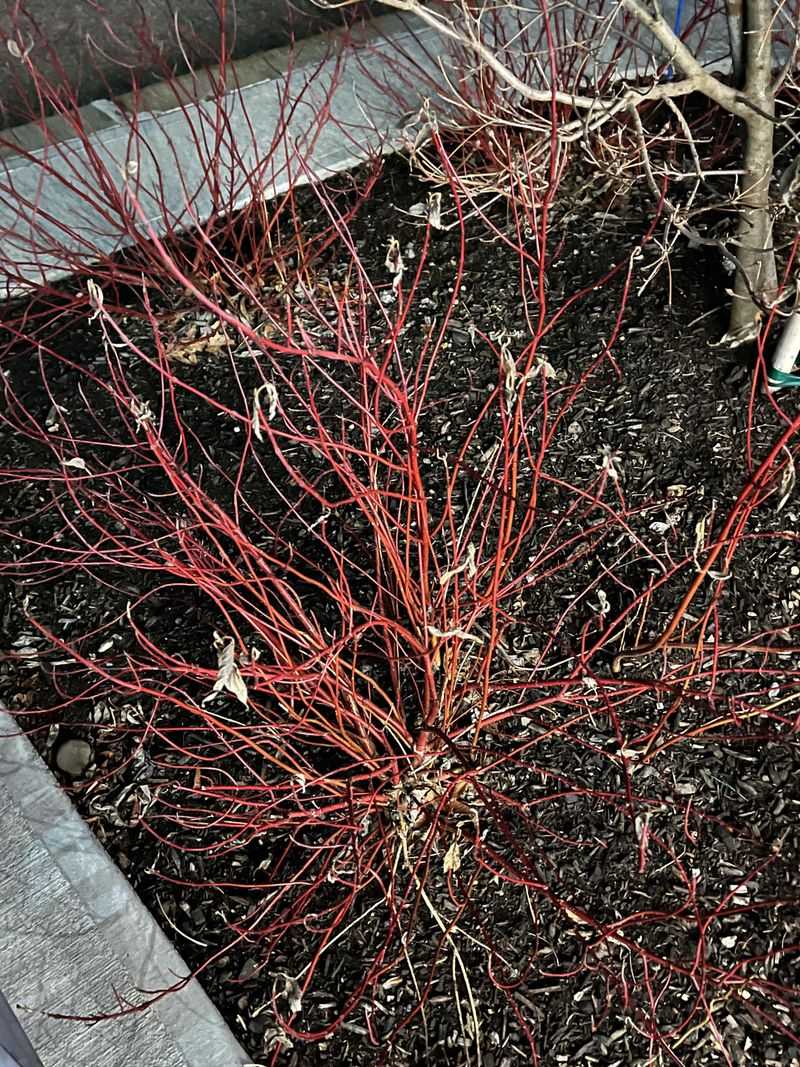
All the planning, the late winter timing, the careful cane selection, and the patient watering come together in one spectacular moment.
That first hard frost after a pruning season, when the leaves drop and the new stems reveal themselves, is the payoff that makes every snip feel worthwhile.
Fresh one-year-old canes on a well-pruned red twig dogwood can reach a color intensity that borders on theatrical.
Landscape designers in Ohio regularly use the shrub as a focal point in winter garden compositions precisely because it performs when almost nothing else does.
Paired with ornamental grasses, evergreen backdrops, or yellow-stemmed willow relatives, the effect is genuinely striking.
The color show typically runs from the first hard frost in late October or November all the way through March.
That is four to five months of visual interest from a plant that asks for almost nothing beyond an occasional honest pruning.
Neighbors will ask what you did differently.
The answer is refreshingly simple: you made the cuts most people are afraid to make, and the shrub rewarded you for it.
A confident gardener and a well-pruned red twig dogwood make a perfect pair when the snow finally falls and the whole yard goes quiet except for those burning red stems catching the low winter light.