The Native Ohio Plant That Brings Luna Moths To Backyards
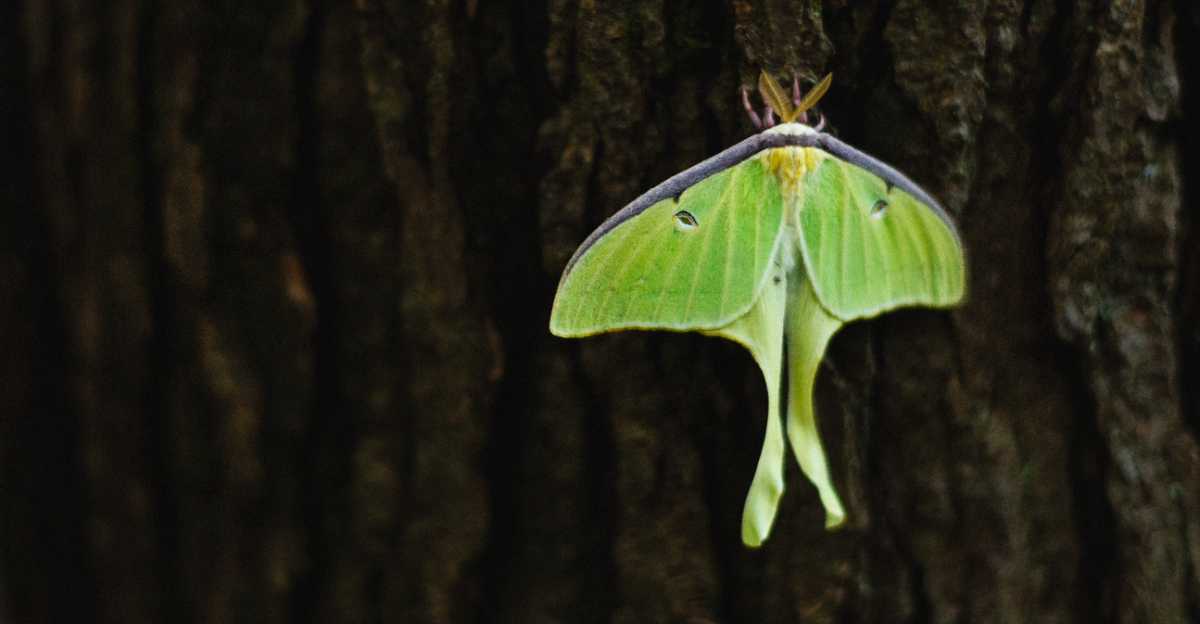
Luna moths are real, they live in Ohio, and most people never see one because their yard is missing a single native plant. That is genuinely the whole story.
These are not rare creatures that require a nature preserve or a remote forest. They are out there moving through Ohio neighborhoods at night, looking for very specific conditions, and passing right over yards that do not meet them.
Gardeners who have made the connection between this one plant and luna moth activity talk about it like a cheat code. Suddenly a creature they assumed was off limits starts showing up on their porch, their fence, their garden beds.
It is not complicated and it does not require a major landscaping overhaul. Just the right plant in the ground.
So what is it, and why does it matter so much to luna moths? That answer is a lot more interesting than most people expect.
1. Black Walnut Gives Luna Moth Caterpillars The Leaves They Need
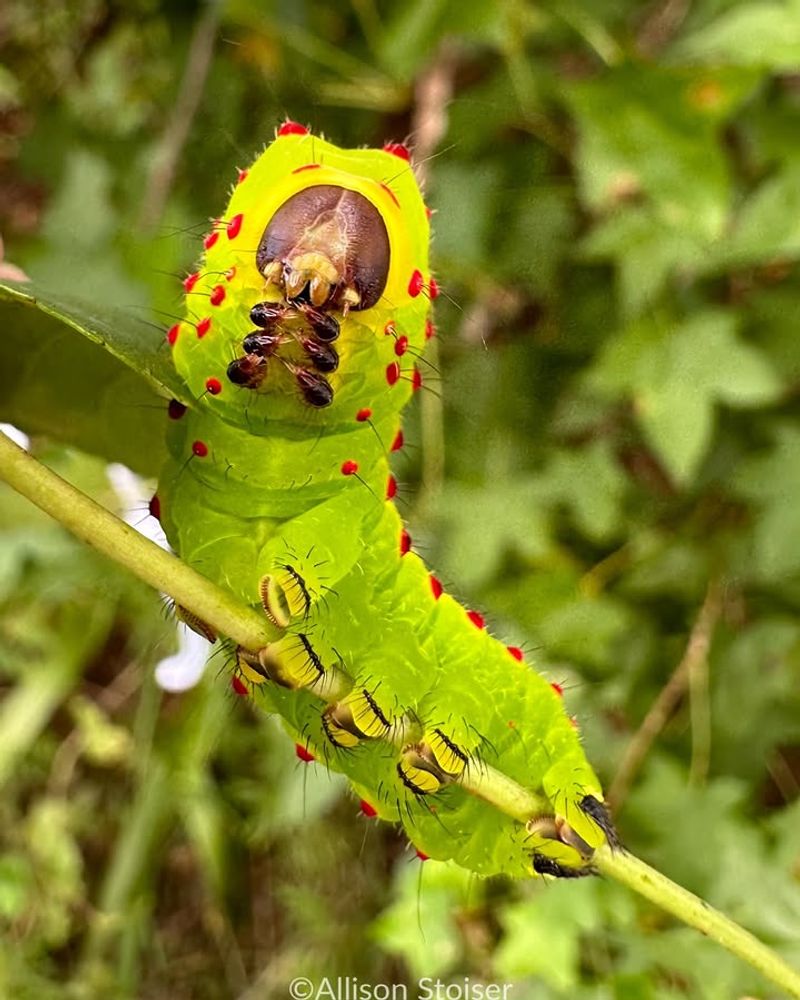
Few backyard trees do as much quiet wildlife work as black walnut. Luna moth caterpillars need specific host trees to feed on after eggs hatch, and black walnut is one of the confirmed native options in this region.
According to entomology sources, luna moths use a range of deciduous trees, and black walnut is among the well-documented choices in the eastern United States.
The key thing to understand is that this is not like planting marigolds to attract butterflies. You are not luring adult luna moths to a food source.
You are creating the right conditions for caterpillars to survive and grow after a female lays her eggs nearby. That is a completely different kind of gardening goal, and it requires thinking about trees, not blooms.
Black walnut is native to Ohio and grows naturally in forests, field edges, and open woodland areas across the state. Planting one in a suitable spot adds real habitat value over time.
If your goal includes supporting luna moths, avoid treating the tree’s leaves with broad-spectrum insecticides. Even one application during caterpillar season can remove the insects you were hoping to support.
Give the tree space and let it do its work naturally.
2. Adult Luna Moths Visit Briefly And Do Not Feed
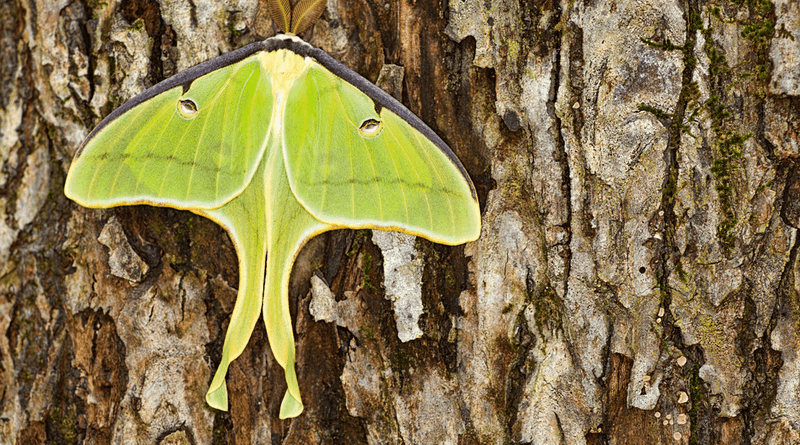
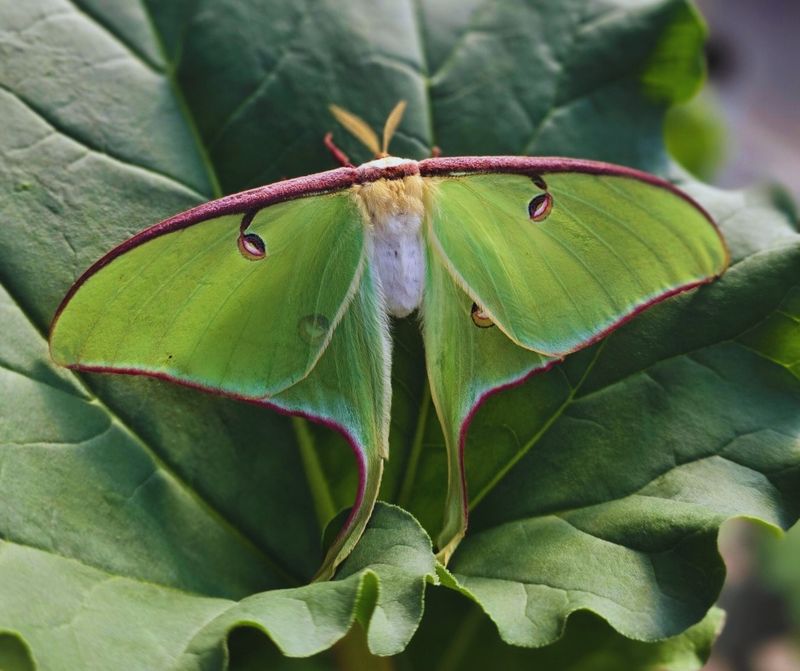
Seeing a luna moth perched on your porch screen or resting on a tree trunk is a fleeting moment. Adult luna moths live only about a week, and during that entire time, they do not eat a single thing.
They lack functional mouthparts as adults, so they survive entirely on energy stored during the caterpillar stage. That means no flowers, no nectar, no food sources of any kind are needed for the adult.
This is one of the most surprising facts about this species for gardeners who are used to thinking in terms of feeding stations and bloom timing.
A nectar-rich flower bed is wonderful for bees, butterflies, and many other pollinators, but it plays no direct role in feeding a luna moth.
The adult’s only job is to find a mate and, for females, to locate a suitable host tree and lay eggs.
Your Ohio Garden Changes Every Week. Your Plan Should Too.
Gardening in Ohio changes quickly throughout the season. Every Friday you’ll receive a simple weekly plan showing exactly what to plant, prune, fertilize, harvest, and protect so you never miss the right timing.
That short adult lifespan makes the caterpillar stage the most critical part of the luna moth’s life. Everything the adult needs to survive and reproduce comes from what the caterpillar ate weeks earlier.
Supporting the host tree, protecting its leaves, and keeping the surrounding habitat intact matters far more than any flower planting you could do for this species.
3. A Backyard Tree Matters More Than A Flower Bed
Pollinator gardens full of coneflowers, milkweed, and native asters are a fantastic contribution to local wildlife. They support bees, butterflies, and countless other insects.
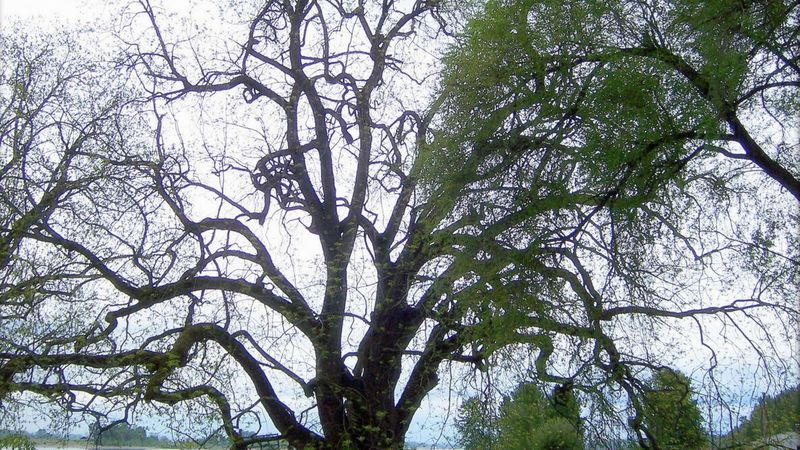
But for a species like the luna moth, a well-chosen tree does something that a flower bed simply cannot. It provides the actual food source for caterpillars, and that makes it the foundation of real habitat rather than just a stopping point.
Black walnut supports more than one layer of wildlife. Birds forage in its canopy, squirrels cache its nuts, and dozens of native insect species use its leaves or bark at various life stages.
A single mature black walnut can become a small ecosystem in your yard over time. That kind of layered value is hard to replicate with annual plantings, no matter how diverse or carefully chosen they are.
None of this means you should skip the flower garden. Blooms still feed many important insects and make the yard more inviting overall.
The point is simply that trees and shrubs handle a different, deeper kind of habitat work. If you want to support moths that depend on specific host plants, add the right native tree.
That move changes what your yard can offer to local wildlife over the long term.
4. Large Yards Give Black Walnut The Space It Requires
Black walnut is not a tree you tuck into a corner. At maturity, it can reach 50 to 75 feet tall with a canopy spread to match, and its root system extends well beyond what you can see above ground.
Planting it without planning for that eventual size is one of the most common mistakes homeowners make with this species.
It fits best in large residential yards, field edges, naturalized areas, or rural properties where it has room to grow without crowding structures or utilities.
Keep it well away from patios, driveways, sidewalks, vegetable gardens, home foundations, septic systems, and overhead power lines.
Those are not places where a large, long-lived tree can thrive safely or be managed without constant conflict.
State University Extension notes that black walnut is a valuable timber and wildlife tree when planted in appropriate locations. The key phrase there is appropriate locations.
If your yard is small or already full of structures, this may not be the right tree for your space right now. But if you have a back field, a naturalized corner, or a large suburban lot with open ground, black walnut can establish itself.
It can quietly build habitat value for decades. Plan the placement carefully before you plant.
5. Juglone Makes Plant Placement Especially Important
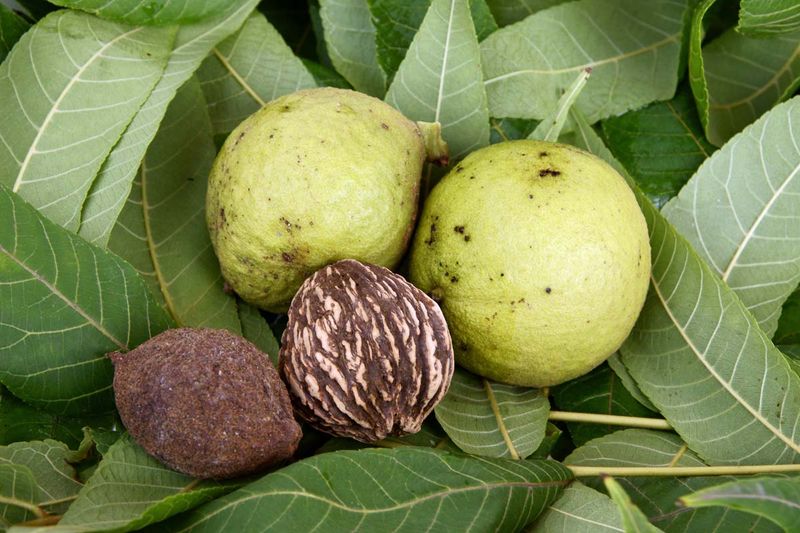
Black walnut produces a natural compound called juglone, which can affect certain plants growing within its root zone.
Tomatoes are among the most commonly cited sensitive plants, and some other vegetables and ornamentals may also react poorly to juglone exposure.
The root zone extends well beyond the drip line of the canopy, so sensitive plants placed too close may struggle even if they are not directly under the branches.
This does not make black walnut a bad choice. It means you need to plan thoughtfully.
Keep vegetable gardens and any juglone-sensitive ornamentals outside the root zone. Choose companion plants that are known to tolerate juglone well.
Ohioline and Ohio State University Extension resources list plants that generally handle juglone without problems. Consulting those lists before planting nearby is a practical step.
Juglone concerns are real but manageable with good placement. Many native plants, grasses, and trees grow comfortably near black walnut in natural settings.
The compound does not affect everything equally, and a well-placed tree with thoughtful companion planting around it can work beautifully in a wildlife garden.
The goal is to respect what the tree does naturally and plan your layout around it rather than fighting against its chemistry.
6. Night Lighting Can Keep Luna Moths Away
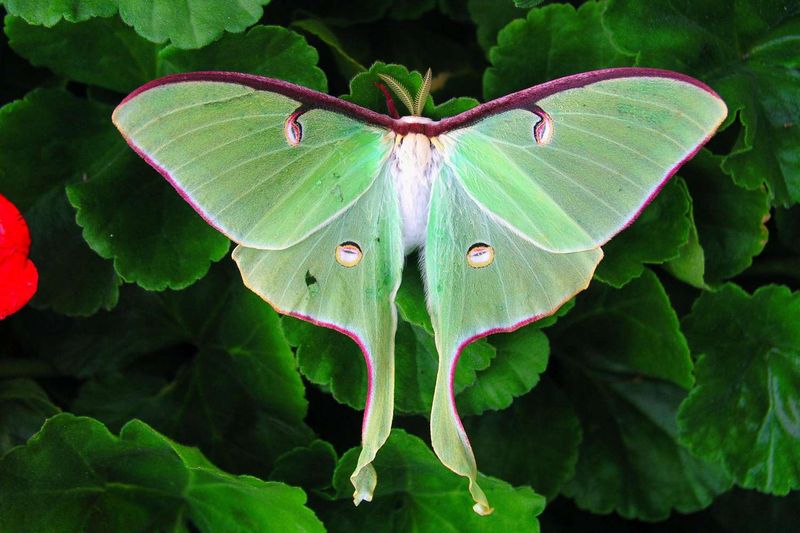
Luna moths are nocturnal, and like many night-flying insects, they can be disrupted by bright artificial lighting. Research on light pollution and insect behavior shows that strong outdoor lights can interfere with natural movement patterns.
They can also disrupt mating activity and navigation for moths and other nocturnal species. A yard flooded with bright white light at night is not welcoming habitat for insects that rely on darkness to function.
Reducing unnecessary nighttime lighting is one of the more practical steps a homeowner can take to make a yard friendlier for moths. Turn off lights that are not needed after dark.
Use motion sensors so lights are only on when necessary. Aim fixtures downward rather than letting light scatter upward or sideways into tree canopies.
Warmer-toned bulbs tend to be less disruptive to insects than cool, bright white or blue-toned LEDs.
During peak moth season in late spring and early summer, paying attention to which lights stay on all night near your host trees is worth the effort.
No single change guarantees a luna moth visit, but reducing light pressure around suitable habitat removes one more obstacle.
Think of it as making your yard quieter at night in a way that benefits the whole community of nocturnal insects, not just one species.
7. Pesticide-Free Leaves Give Caterpillars A Better Chance
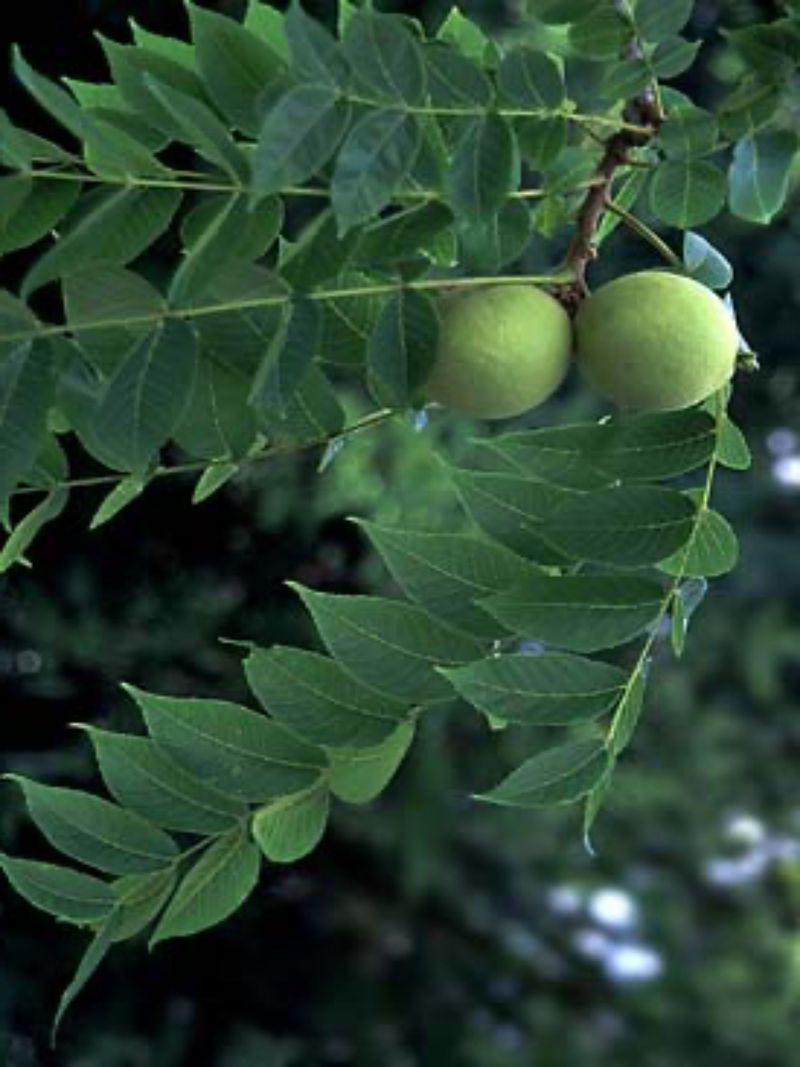
Caterpillars feeding on black walnut leaves are doing exactly what they are supposed to do. A little leaf chewing is a sign that the tree is functioning as habitat, not a sign that something has gone wrong.
Tolerating some insect feeding is a core part of wildlife gardening, and it takes a real shift in thinking for gardeners who are used to keeping plants picture-perfect.
If a black walnut is treated with a broad-spectrum insecticide, any caterpillars feeding on it at the time are likely to be harmed. That includes not just any luna moth caterpillars present, but also many other native insects that use the tree.
Ohio State University Extension advises homeowners to correctly identify a pest problem before treating. It also recommends using the least disruptive option when treatment is truly necessary.
For a tree you are managing with wildlife in mind, the bar for spraying should be high. Avoid routine preventive treatments on host trees.
Skip the sprayer unless you have a serious, correctly identified problem and Extension guidance supports that specific response. Let the tree show some wear.
Leaf chewing, minor galls, and small insect populations are part of a functioning habitat tree, not flaws that need to be fixed with a chemical application.
8. A Luna Moth Sighting Means Your Yard Supports More Than Flowers
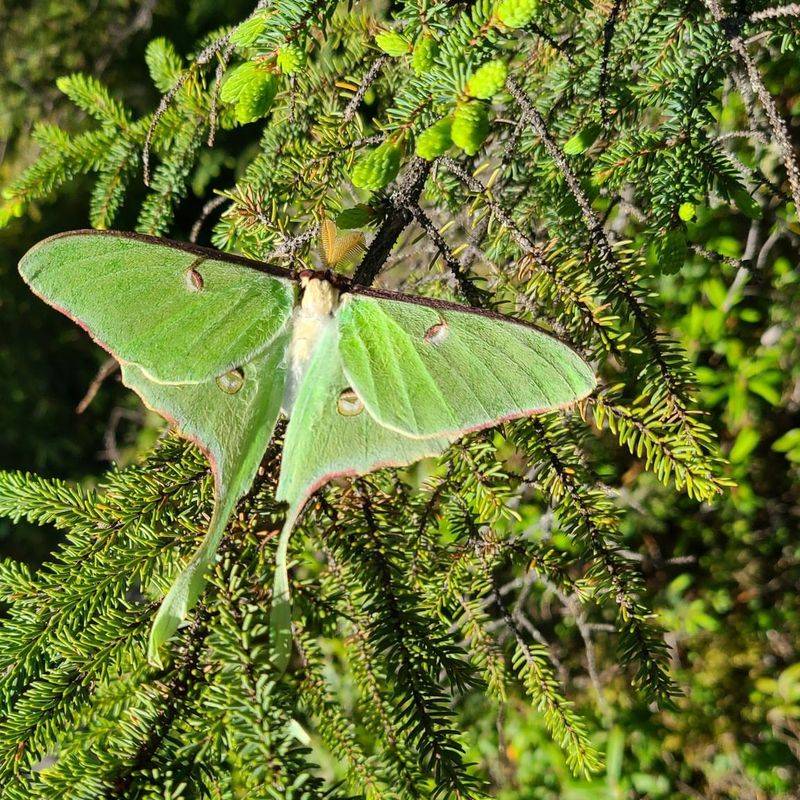
When a luna moth shows up in your yard, it is telling you something. Its presence suggests that the surrounding area has host trees, low pesticide pressure, and reduced light pollution.
It also suggests there is enough natural cover for the species to complete its life cycle nearby. One sighting does not mean your yard is perfect habitat, but it does mean the conditions around you are at least partly supportive.
Black walnut is one strong host tree option, but other native trees can also play a role depending on what is growing in your area. Hickory, sweet gum, birch, persimmon, black cherry, willow, and beech are among the host trees cited by entomology sources.
A yard near a wooded area or naturalized corridor has a better chance of supporting luna moths than an isolated lot surrounded by pavement and turf.
The practical takeaway is straightforward. Plant the right native tree in a spot where it has room to grow.
Reduce nighttime lighting near that tree. Skip unnecessary pesticide applications.
Think of the yard as a small piece of a larger habitat network rather than a standalone garden. You may not see a luna moth every year, but you will be building the kind of space where one might reasonably choose to stop, rest, and lay a few eggs.