Why California Citrus Drops Fruit In June And What It Is Actually Telling You
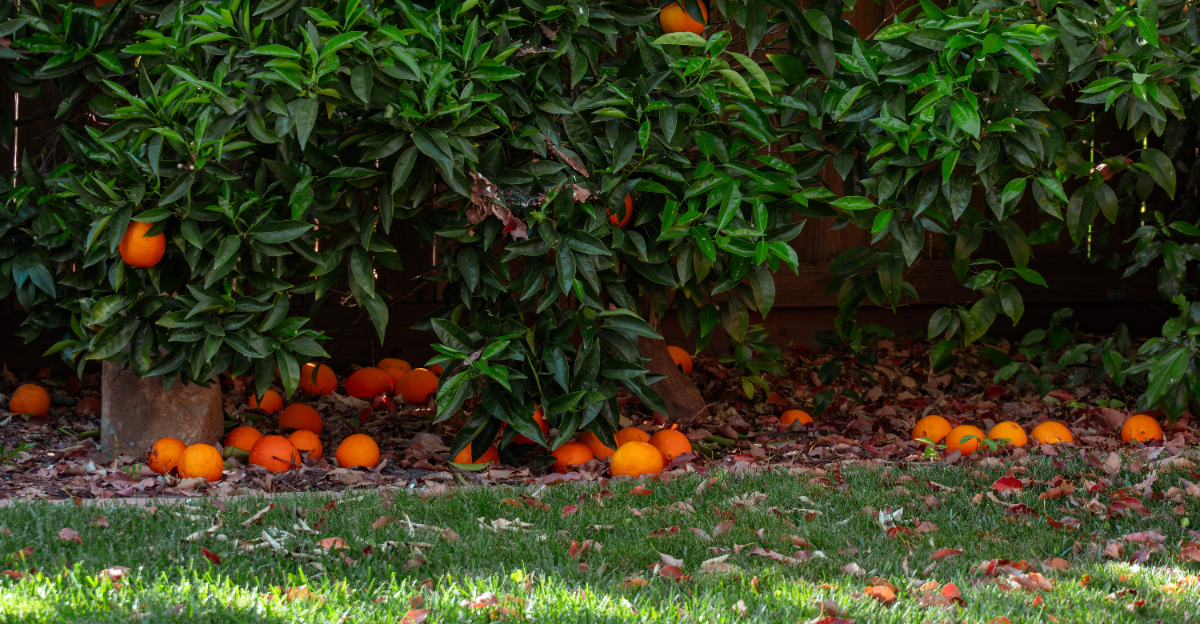
June fruit drop can feel like bad news, especially when tiny citrus fruits start hitting the ground. It is easy to think the tree is failing, but that is not always true.
Citrus trees often shed extra fruit when they cannot support every piece at once. The tricky part is knowing when it is normal and when your tree is asking for help.
Heat, uneven watering, weak roots, pests, or stress can all make the drop worse. California gardens can push citrus hard as temperatures rise and soil dries faster.
A few fallen fruits may be part of the tree’s natural rhythm. A heavy drop can point to something that needs attention.
Once you understand the message behind it, June fruit drop becomes less confusing and much easier to manage.
1. Some June Fruit Drop Is Completely Normal
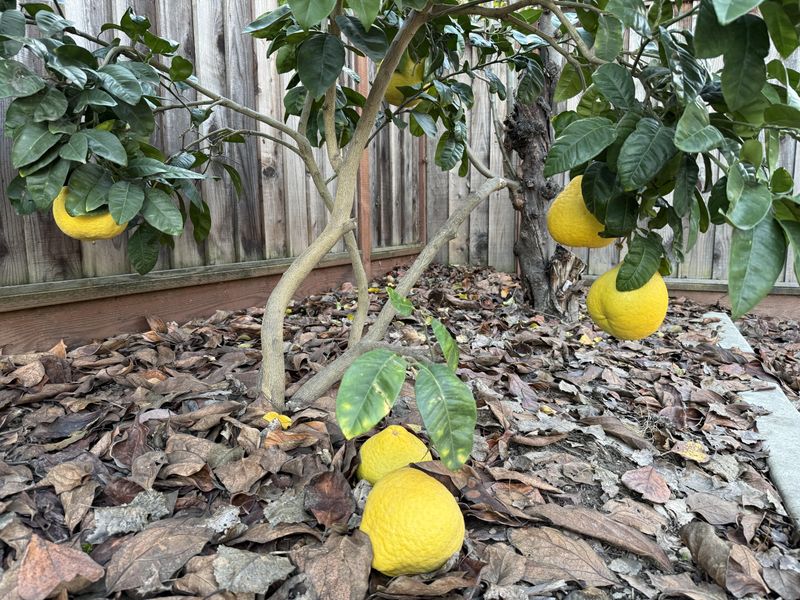
Every June, citrus trees go through a natural process called June drop, and most growers are caught off guard the first time they see it. Small green fruits fall from the branches in large numbers, and it can look alarming.
But this is actually one of the most normal things a citrus tree does all year.
A citrus tree sets far more fruit than it can ever fully ripen. Early in the season, the tree produces hundreds of tiny fruitlets.
As the weeks pass, it figures out how many it can actually support based on its size, root strength, and energy reserves. The ones that do not make the cut simply fall.
Think of it like a tree doing its own math. It is counting up its resources and dropping anything extra.
This is a built-in survival strategy that keeps the tree from exhausting itself trying to ripen too many fruits at once. Growers who see a moderate amount of drop in June can usually relax.
A healthy tree will hold onto the fruits it can actually bring to full size. The ones that fall were never going to make it anyway.
So before you panic, take a breath and watch how much fruit is still holding on. If the tree looks full and green, June drop is just doing its job.
2. The Tree May Be Thinning Fruit It Cannot Support
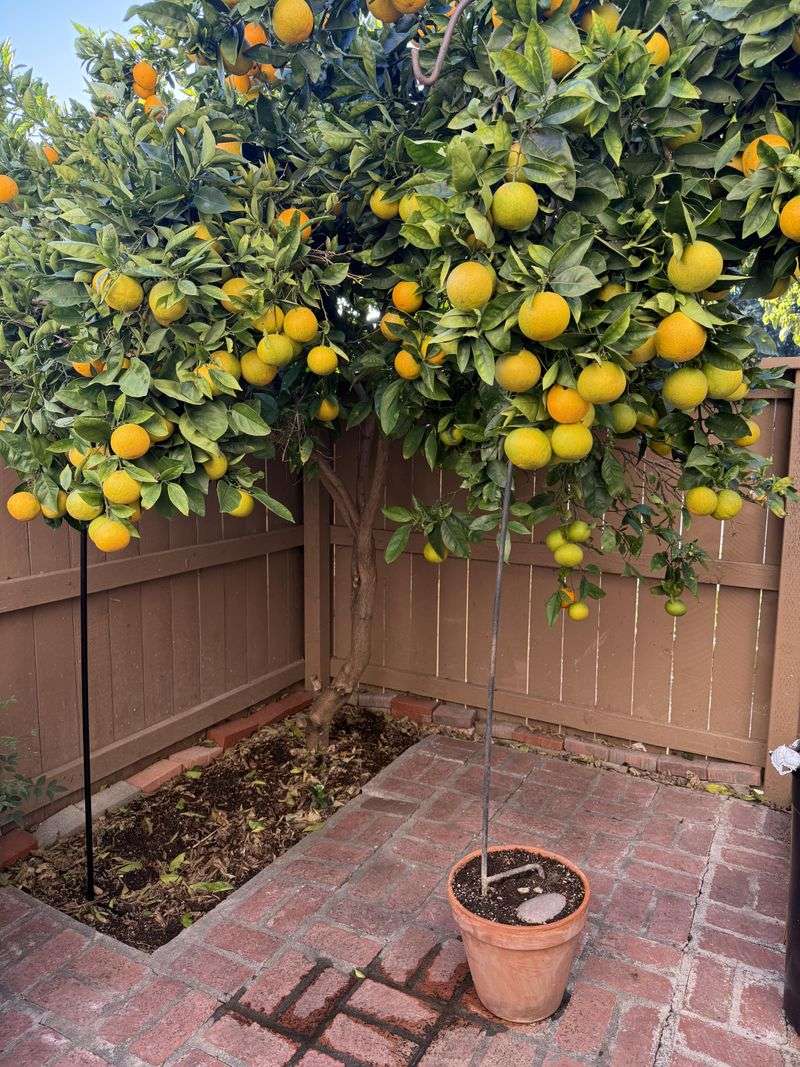
Sometimes the drop goes beyond the usual June thinning, and that is when the tree is sending a clearer message.
When a citrus tree carries more fruit than its root system and canopy can support, it starts offloading the excess on its own.
The tree is not struggling randomly. It is making smart choices.
Young trees and trees that had an especially heavy bloom in spring are the most likely to experience this kind of drop.
A heavy bloom sounds like great news, but it actually puts pressure on a tree that may not yet have the root depth or leaf coverage to fuel all that fruit through to harvest.
Roots pull up water and nutrients, leaves convert sunlight into energy, and all of that combined has to feed every single developing fruit.
Your California Garden Changes Every Week. Your Plan Should Too.
Gardening in California changes quickly throughout the season. Every Friday you’ll receive a simple weekly plan showing exactly what to plant, prune, fertilize, harvest, and protect so you never miss the right timing.
When there is not enough to go around, the tree lets go of the weakest ones. It is a balancing act happening right under your feet.
You can actually help your tree by hand-thinning fruit in late spring before June drop hits. Removing some fruitlets early gives the tree permission to focus its energy on fewer, stronger fruits.
Spacing fruits about six inches apart on each branch is a good general rule. The result is usually a better harvest with larger, healthier fruit come fall.
3. Sudden Heat Can Make Citrus Drop More Fruit
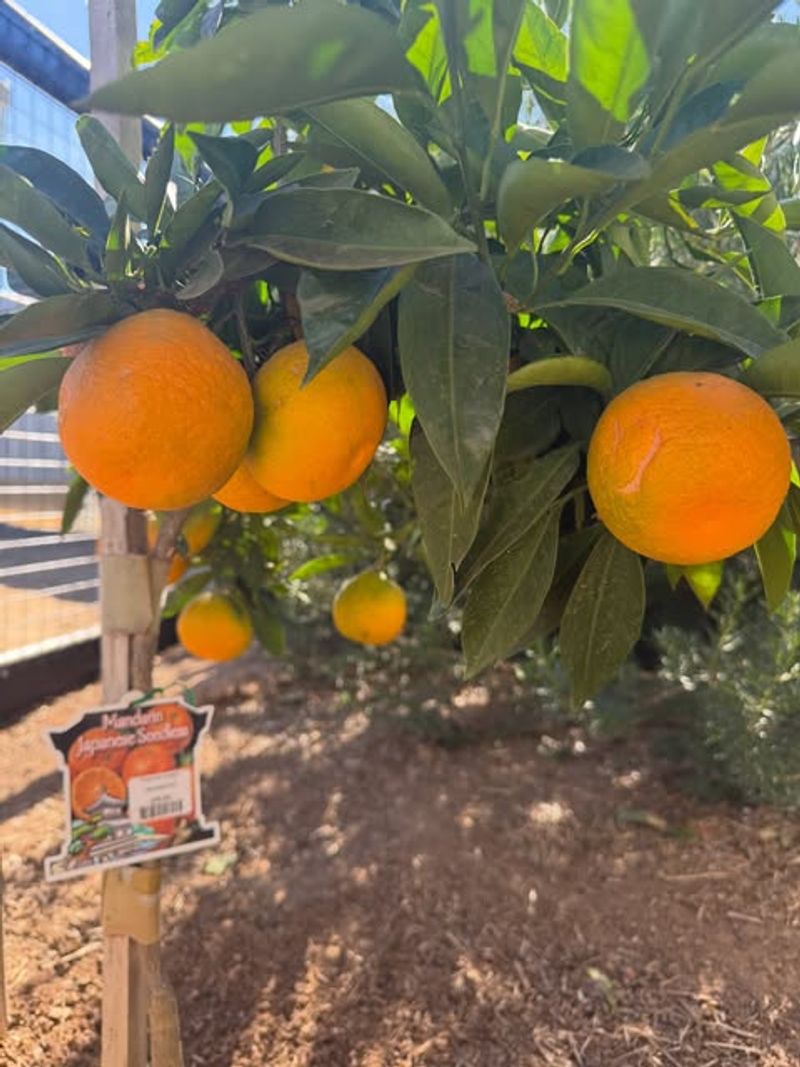
June in many parts of this state can bring sudden spikes in temperature that catch trees completely off guard.
When temps jump quickly from mild to very hot in just a few days, citrus trees feel the stress immediately. One of the first responses is dropping fruit.
Heat stress works against the tree in a specific way. High temperatures speed up water loss through the leaves, which is called transpiration.
When the tree is losing water faster than the roots can pull it in, it starts to conserve energy by shedding fruit. Fewer fruits on the branches means less work for the whole system.
This kind of drop tends to happen fast. You might notice a lot of fruit on the ground within just a day or two after a heat event.
If you track the timing, you will often find it lines up almost exactly with a temperature spike in the forecast history.
Protecting your tree during heat waves can make a real difference. Deep watering before a hot stretch helps the root zone stay moist when the tree needs it most.
Some growers also use shade cloth over younger trees during extreme heat to reduce leaf stress. Mulching the soil around the base keeps the ground cooler and slows moisture loss.
These small steps can help the tree hold onto more fruit when the weather turns harsh.
4. Dry Soil Can Push Young Fruit Off The Tree
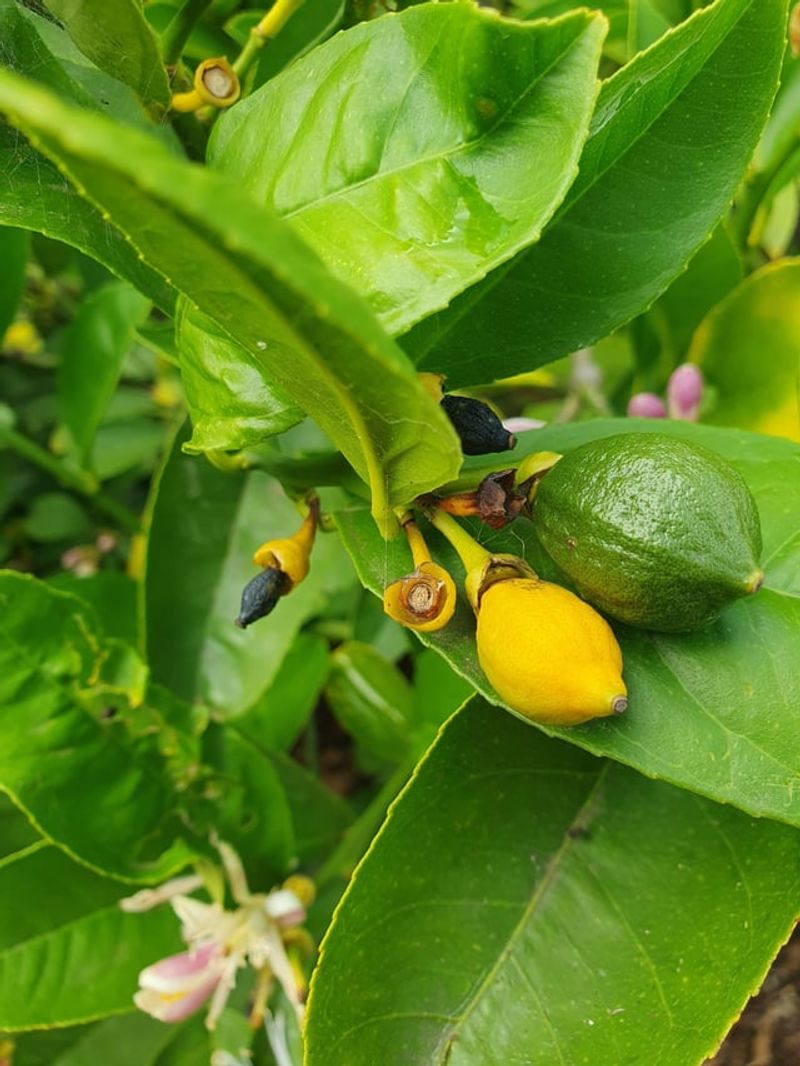
Water is everything to a citrus tree that is trying to hold fruit through June. When the soil dries out too much, even for a short period, the tree responds quickly.
It drops fruit to protect itself, and that process can happen faster than most people expect.
Citrus roots need consistent moisture during the fruit development stage. From spring bloom through early summer, the tree is working overtime to grow and support every fruitlet.
If the soil goes dry during this window, the tree loses its ability to send enough water and nutrients up to the fruit. The youngest and smallest fruits are the first to go.
Irregular watering is one of the most common mistakes home growers make. Watering heavily one week and then skipping the next creates a boom-and-bust cycle that confuses the tree.
Consistent, deep watering on a regular schedule is far better than occasional heavy soaks with dry spells in between.
A simple way to check soil moisture is to push a wooden dowel or screwdriver about six inches into the ground near the drip line of the tree. If it comes out dry, the tree needs water now.
A layer of mulch two to three inches thick around the base helps hold moisture in between watering sessions.
Keeping the soil evenly moist through June gives the tree the best shot at holding its fruit all the way to harvest.
5. Windy Weather Can Make Stress Worse
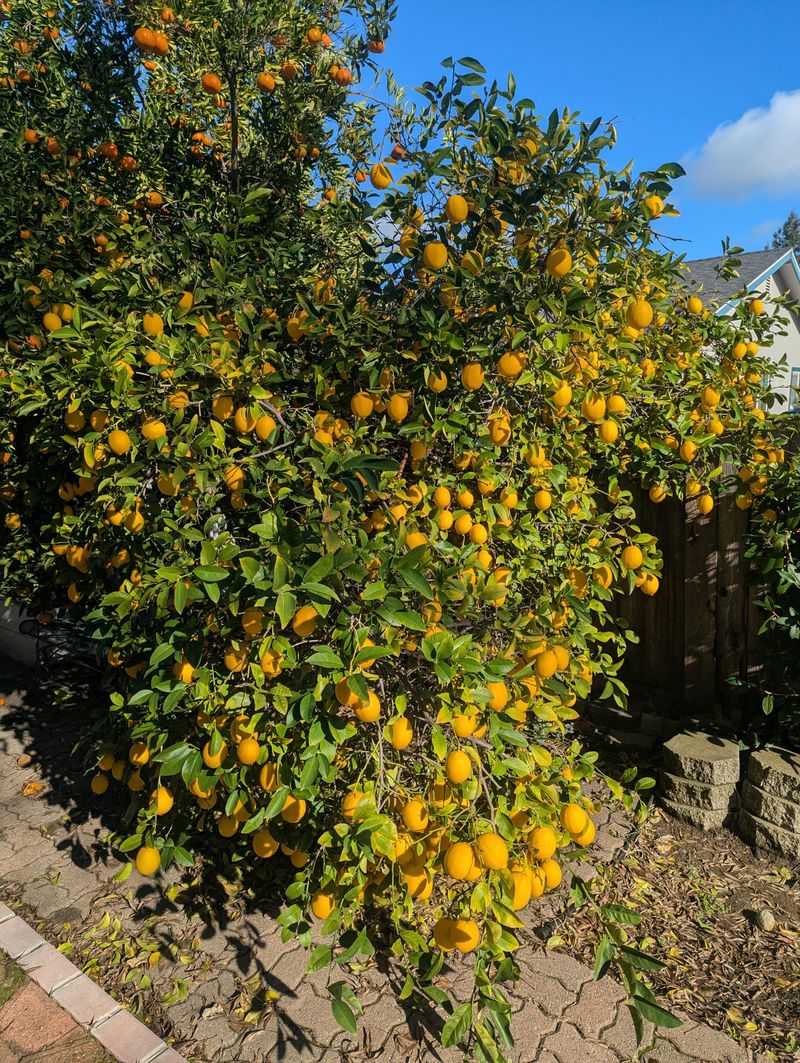
Wind might not be the first thing you think of when citrus starts dropping fruit, but it plays a bigger role than most people realize.
Strong or persistent winds in late spring and early June can add physical stress to a tree that is already working hard to hold onto its developing fruit.
Wind causes two kinds of problems at once. First, it physically knocks small fruitlets off branches, especially on trees with heavy loads or long, flexible stems.
Second, wind dries out the leaves and soil at a much faster rate than calm days. That moisture loss puts extra pressure on the tree right when it needs stability the most.
In areas near the coast or in valley regions where seasonal winds are common, this issue shows up every year around the same time.
Growers in those spots often notice that fruit drop gets worse right after a windy stretch, even when the temperature seems fine and watering has been consistent.
Windbreaks can help protect trees from the worst of it. A solid fence, hedge, or row of taller shrubs on the windward side of the citrus can reduce wind speed significantly around the tree.
For smaller or younger trees, temporary barriers made from shade cloth or burlap work well during the windiest weeks.
Reducing wind exposure during June helps the tree stay calmer and hold onto more fruit through the rest of the season.
6. Poor Nutrition Can Show Up As Fruit Drop
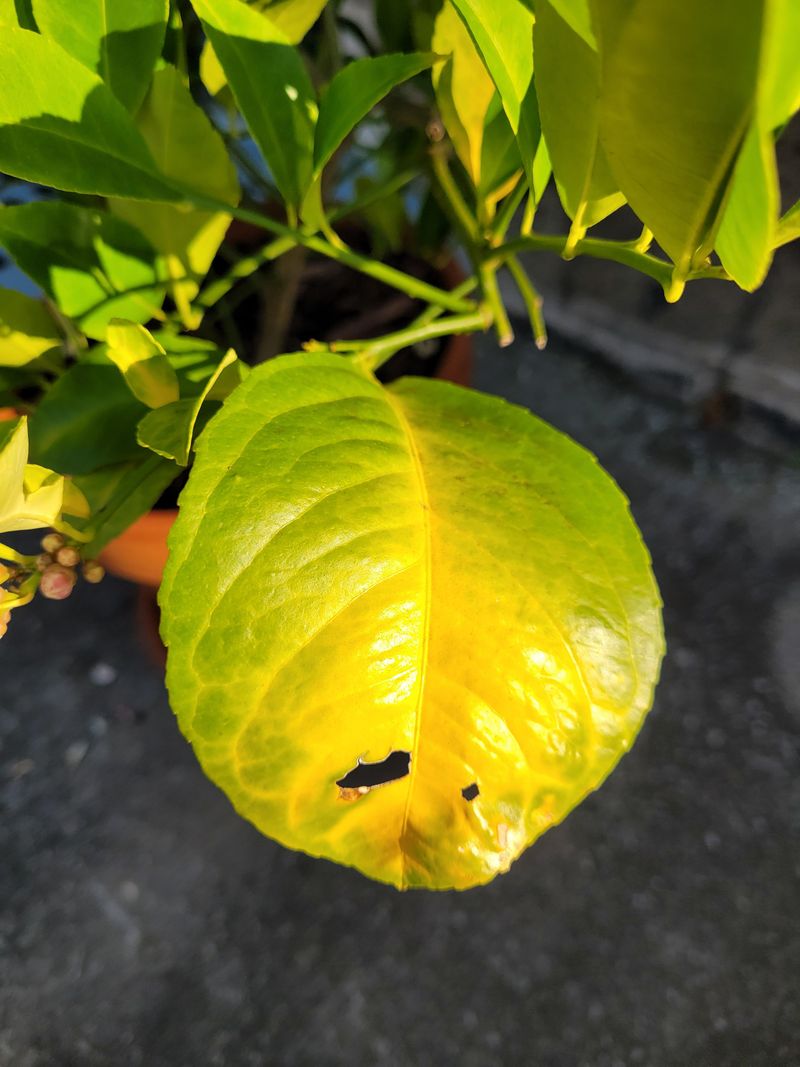
A citrus tree that is not getting the right nutrients will struggle to hold fruit, and June is often when that struggle becomes visible.
Nutrient deficiencies do not always show up as obvious symptoms right away. Sometimes the first clear sign is fruit hitting the ground earlier than expected.
Zinc, iron, and magnesium are three nutrients that citrus trees depend on heavily during fruit development.
When any of these are lacking, the tree cannot complete the chemical processes needed to keep fruit attached and growing.
The result is premature drop that looks a lot like normal June drop but happens in larger amounts and continues longer than it should.
Leaf color is often your first clue. Yellow leaves with green veins can point to iron or zinc issues.
Pale or faded leaves across the whole canopy may suggest magnesium is low. These symptoms combined with heavy fruit drop are a strong signal that the soil or feeding schedule needs attention.
Foliar sprays are one of the fastest ways to correct micronutrient deficiencies in citrus.
Spraying a diluted solution of zinc sulfate, iron chelate, or Epsom salt directly onto the leaves allows the tree to absorb what it needs quickly. Soil amendments also help over time but work more slowly.
Getting nutrition right before and during June gives the tree the tools it needs to hold fruit and push through to a healthy harvest.
7. Too Much Nitrogen Can Delay A Good Crop
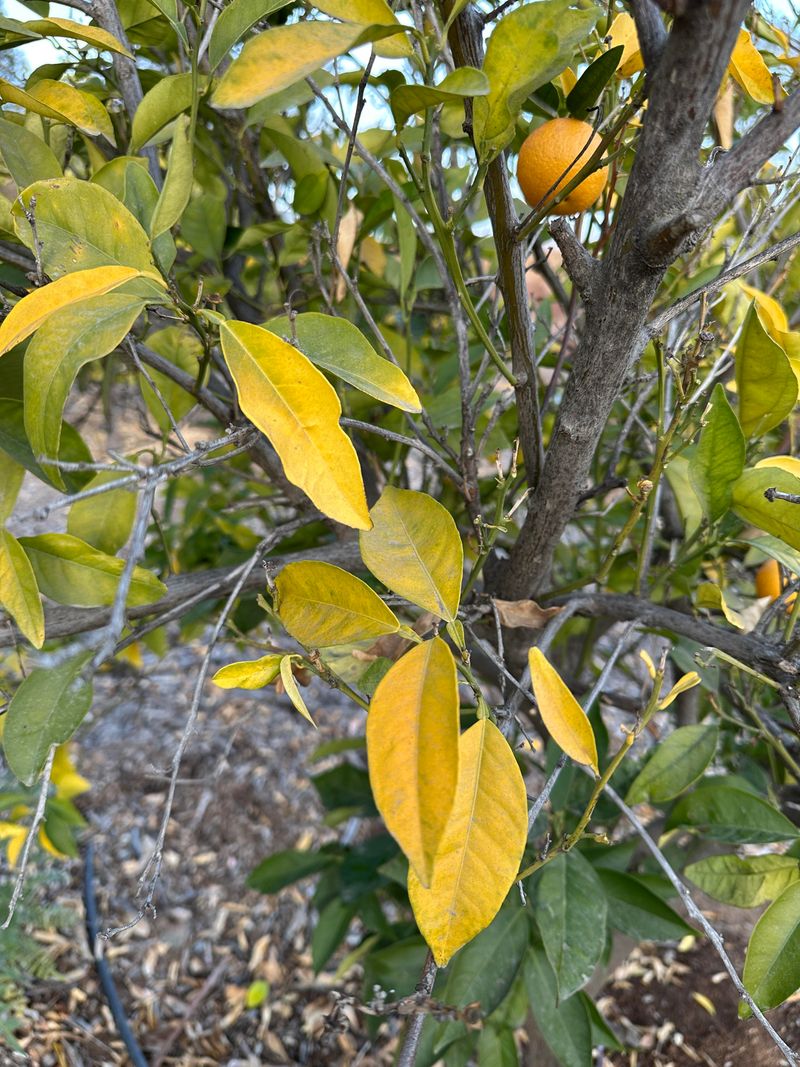
Nitrogen is an essential nutrient for citrus, but too much of it at the wrong time creates a real problem.
When a tree gets a heavy dose of nitrogen in late spring or early summer, it shifts its energy toward growing leaves and branches instead of holding onto fruit. The tree looks lush and full, but the fruit count drops.
This is a mistake many well-meaning growers make. Seeing a tree put out a lot of new green growth feels encouraging, but that flush of growth comes at a cost.
The tree is redirecting resources away from fruit development and into vegetative growth. Fruitlets that were forming start to fall because the tree is simply not prioritizing them anymore.
Timing matters a lot with nitrogen fertilization. Feeding citrus with a high-nitrogen fertilizer right before or during the June drop window can make the drop significantly worse.
The best time to apply nitrogen is earlier in the year, around late winter or very early spring, before the tree sets fruit and begins its development cycle.
Switching to a low-nitrogen or balanced citrus fertilizer during summer helps redirect the tree’s focus back to fruit.
Look for fertilizer blends labeled specifically for citrus that include phosphorus and potassium alongside lower nitrogen levels. These formulas support fruit development rather than leaf growth.
Reading the label and matching the timing of feeding to the tree’s seasonal needs makes a noticeable difference in how much fruit holds on through harvest.
8. Heavy Pruning Can Leave The Tree Struggling
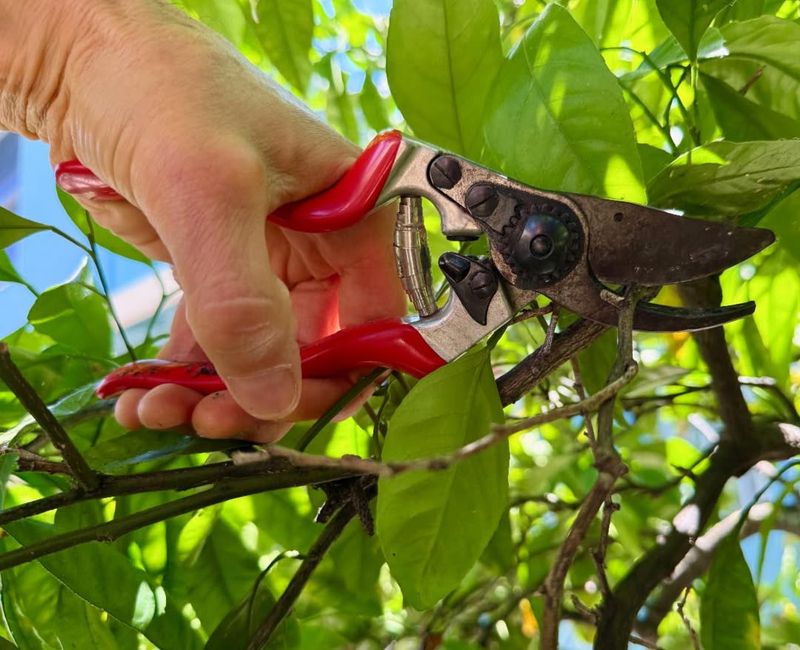
Pruning is a normal part of caring for citrus, but doing too much of it at the wrong time sends the tree into recovery mode right when it should be focused on fruit.
A tree that has been cut back heavily in late winter or spring has to spend a lot of energy regrowing leaves and branches before it can think about holding fruit.
Leaves are the engine of the whole tree. They capture sunlight and turn it into the energy the tree uses for everything, including keeping fruit attached and growing.
When a large portion of the canopy is removed all at once, the tree suddenly has far fewer leaves to do that work. Fruit drop in June is often the direct result.
Major pruning sessions are best saved for after harvest, typically in late fall or early winter. Light maintenance pruning to remove crossing branches or dead wood can be done at other times without causing much disruption.
But taking off large sections of the canopy in spring is risky and often leads to reduced fruit loads that same year.
If your tree was pruned heavily this past spring and is now dropping fruit in June, give it time and consistent care.
Keep up with watering, hold off on heavy fertilizing, and let the canopy recover on its own schedule.
A tree that regrows its leaf cover by midsummer will often bounce back and produce a decent crop. Patience is the best tool you have at this point in the season.