These Compact Native Plants Outperform Big Shrubs In California Yards
Big shrubs can make a small yard feel crowded fast. They block windows, swallow walkways, and turn simple pruning into a regular chore.
Compact native plants offer a smarter way to bring beauty without giving up space. They can add color, texture, and structure while staying easier to manage near patios, paths, and front entries.
Many also fit California’s dry summers better than thirsty landscape shrubs that need constant attention. The right native choice can make a yard feel polished without looking stiff or overplanted.
It can also give birds and pollinators more reasons to visit. This is where smaller plants earn their place.
They do not need to tower over the garden to make an impact. Choose the right compact natives, and your yard can feel open, lively, and much easier to enjoy.
1. Blue-Eyed Grass
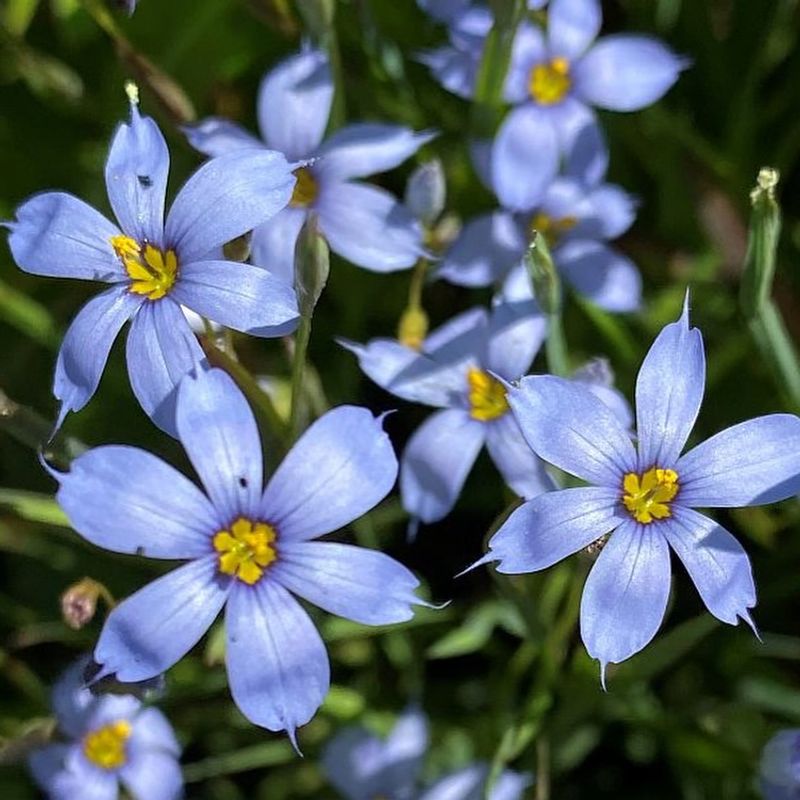
Small but absolutely stunning, Blue-Eyed Grass is one of those plants that stops people in their tracks. Despite its name, it is not actually a grass at all.
It belongs to the iris family, and its tiny violet-blue flowers with bright yellow centers are nothing short of charming.
Growing only about six to eighteen inches tall, it fits perfectly along garden edges, between stepping stones, or in rock gardens. The thin, upright leaves stay tidy and never flop over or spread aggressively like many large shrubs tend to do.
It keeps its shape naturally without any pruning.
This plant loves full sun and handles dry summers like a champ once it settles in. It needs very little water after its first season, making it a smart pick for water-wise yards.
Spring is when it really shines, covering itself in blooms that attract native bees and small butterflies.
Planting it in clusters of three or five creates a full, lush look without taking up much space. It also pairs beautifully with other low-growing natives like seaside daisy or Douglas iris.
Gardeners in coastal and inland areas of our state both report great success with it. It is proof that a small plant can carry a lot of visual weight in any landscape design.
2. Seaside Daisy
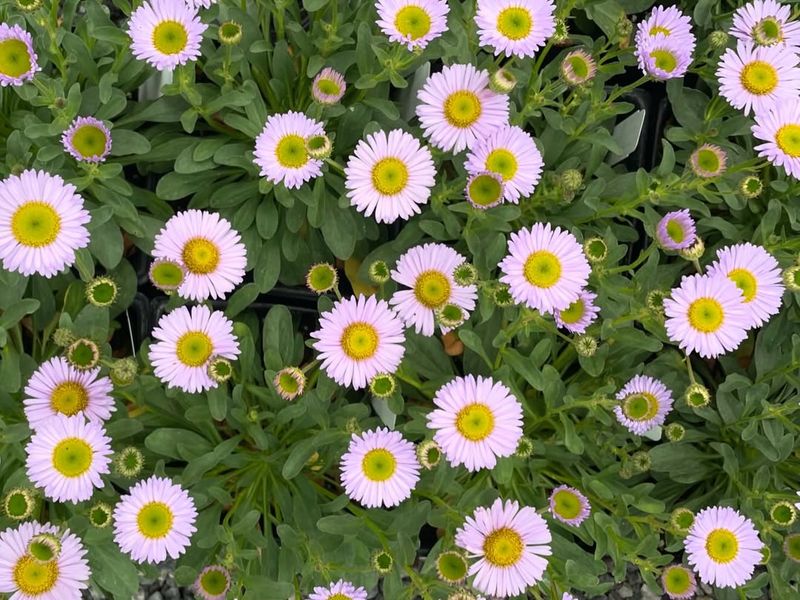
Few native plants deliver as much cheerfulness per square foot as Seaside Daisy. Known scientifically as Erigeron glaucus, this low-growing beauty forms a soft, spreading mat of foliage covered in lavender to white daisy-like blooms for most of the year.
It earned its name from its love of coastal conditions.
What makes it truly impressive is its ability to bloom almost continuously from spring through fall. That kind of staying power is something most large ornamental shrubs simply cannot match.
Pollinators like it too, and you will often spot native bees and butterflies hovering around its cheerful flowers.
It grows only six to twelve inches tall but spreads outward to fill gaps beautifully. Use it as a ground cover on slopes, along borders, or tucked between rocks.
It handles foot traffic nearby and does not mind a bit of salt air, making it ideal for yards near the coast.
Your California Garden Changes Every Week. Your Plan Should Too.
Gardening in California changes quickly throughout the season. Every Friday you’ll receive a simple weekly plan showing exactly what to plant, prune, fertilize, harvest, and protect so you never miss the right timing.
Watering needs are minimal once established. It does best in well-drained soil and full to partial sun.
Cutting it back lightly after a heavy bloom cycle encourages fresh new growth and even more flowers. Unlike large shrubs that can block views or crowd pathways, this plant stays low and polite.
It is a dependable performer that earns its spot in any native garden without demanding much in return.
3. Dwarf Coyote Brush
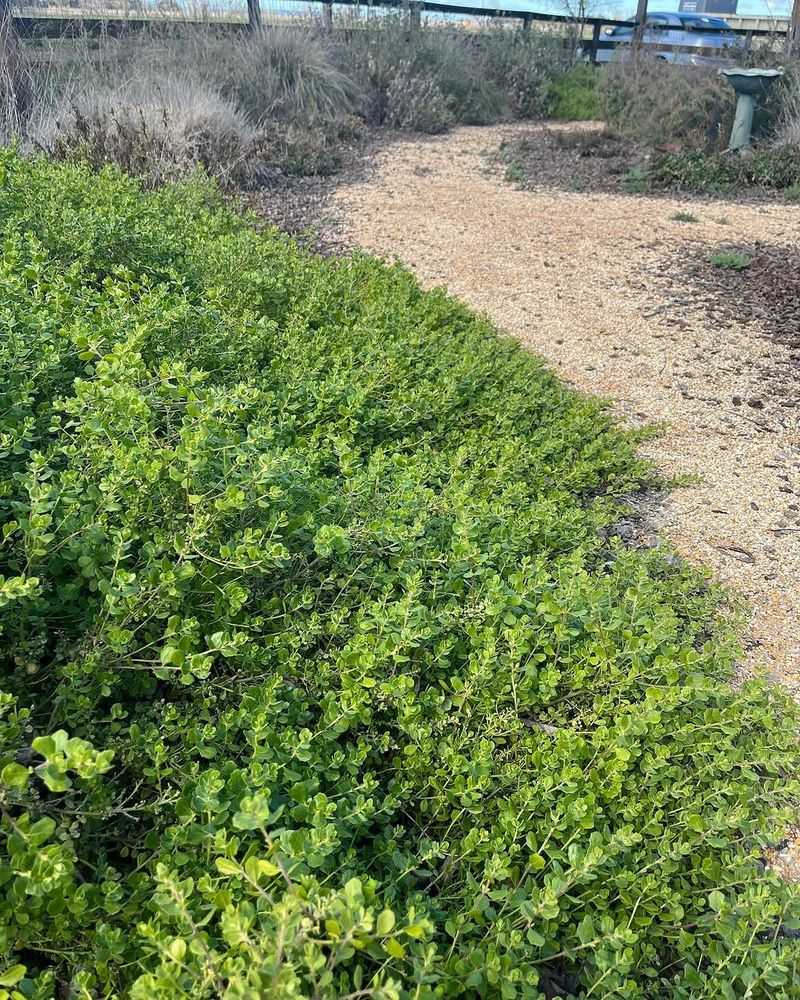
Here is a plant that works harder than almost anything else in the native garden.
Dwarf Coyote Brush, known as Baccharis pilularis, is a tough, low-growing ground cover that hugs the ground and spreads steadily to fill large areas with dense, evergreen foliage.
It rarely grows more than two feet tall. Compared to large, upright coyote brush, the dwarf form is far better suited to residential yards. It does not take over the space or block sightlines.
Instead, it creates a smooth, carpet-like surface that looks neat and requires almost no maintenance once it gets going.
Slopes and erosion-prone areas are where this plant truly proves its worth. Its roots grip the soil tightly and prevent washouts during heavy winter rains.
That is something a decorative ornamental shrub could never do as effectively. It also handles full sun and reflected heat from driveways or walls without struggling.
Deer tend to leave it alone, which is a huge bonus for homeowners in hillside or rural neighborhoods. It needs very little water once established and does not require fertilizer.
The small white flowers it produces in fall are a food source for native insects before winter sets in.
For anyone wanting a reliable, low-effort ground cover that actually does something useful, this compact native is a top-tier choice.
4. Warriner Lytle Buckwheat
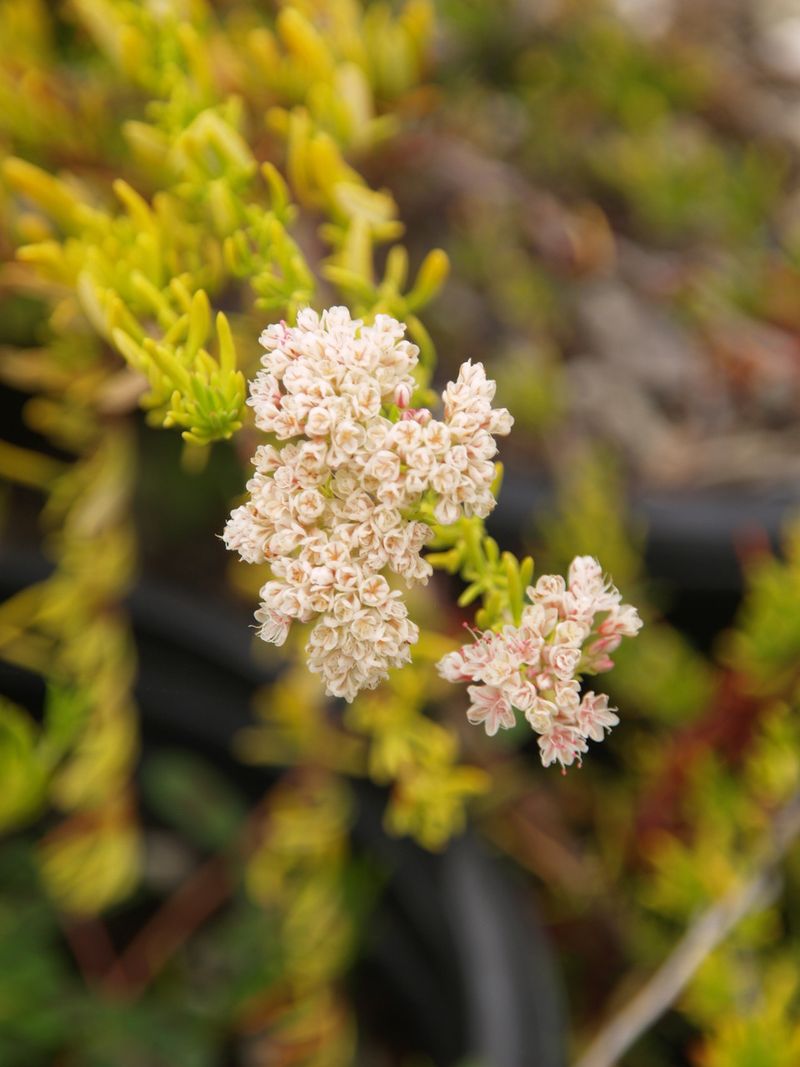
Not every plant gets to carry a name as distinctive as Warriner Lytle Buckwheat, and honestly, it lives up to the title.
A cultivar of Eriogonum grande var. rubescens, this compact buckwheat produces clusters of creamy white to soft pink flowers that bloom in summer and age to a rich rusty red.
That color transition is one of its most underrated features. While many plants look their best only during peak bloom, this one offers visual interest across multiple seasons.
The dried flower heads stay attractive well into fall and even winter, giving the garden structure when other plants have gone quiet.
It stays small and tidy, usually under two feet tall and wide. That makes it easy to fit into tight spots along pathways, in raised beds, or at the front of a mixed border.
It is a perfect companion for other low-water natives without crowding them out.
Buckwheats as a group are well-known for supporting pollinators, and this one is no different. Bees, butterflies, and even some birds are drawn to its flowers and seeds.
Plant it in full sun with fast-draining soil and give it very little water once settled. It handles the dry summers of our state with ease.
For a plant that offers this much beauty with this little effort, Warriner Lytle Buckwheat deserves far more attention than it currently gets.
5. Emerald Carpet Manzanita
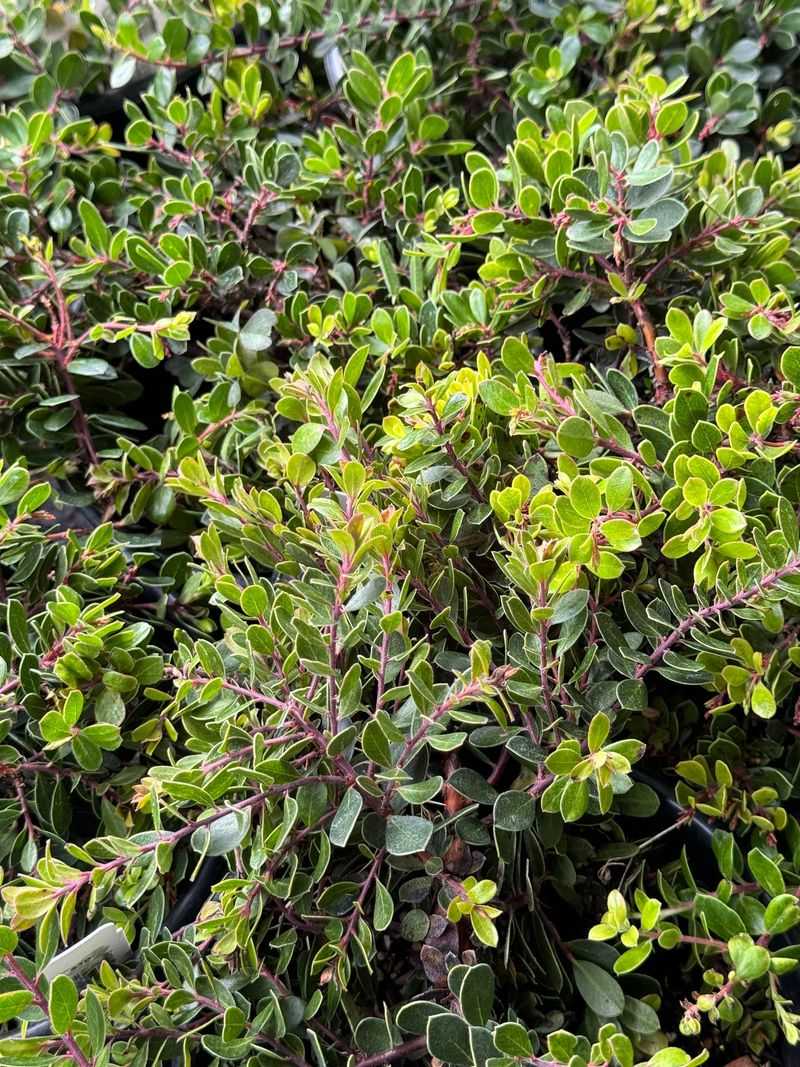
Glossy, rich green leaves and a perfectly flat growth habit make Emerald Carpet Manzanita one of the most visually polished ground covers in the native plant world.
A selected form of Arctostaphylos uva-ursi, it spreads slowly and evenly, forming a dense mat that rarely exceeds six inches in height.
Manzanitas have a reputation for being finicky, but this particular variety is one of the more adaptable ones. It tolerates coastal fog, some shade, and even occasional foot traffic near its edges.
That flexibility makes it useful in spots where other plants tend to struggle or look ragged.
In late winter and early spring, tiny pink urn-shaped flowers appear along the stems. They are small but plentiful, and native bees absolutely love them.
After the flowers fade, small red berries develop, which birds find very appealing. So even after bloom season ends, the garden stays lively.
Drainage is the key to keeping this plant happy. It does not like wet feet, so avoid planting it in low spots where water collects.
Pair it with decomposed granite mulch to keep moisture from sitting around the crown. Once established, it needs almost no supplemental water during summer.
Large shrubs planted in the same area would need far more attention and resources. For a refined, low-maintenance ground cover that looks like it belongs in a luxury landscape, this manzanita is hard to beat.
6. Point Reyes Ceanothus
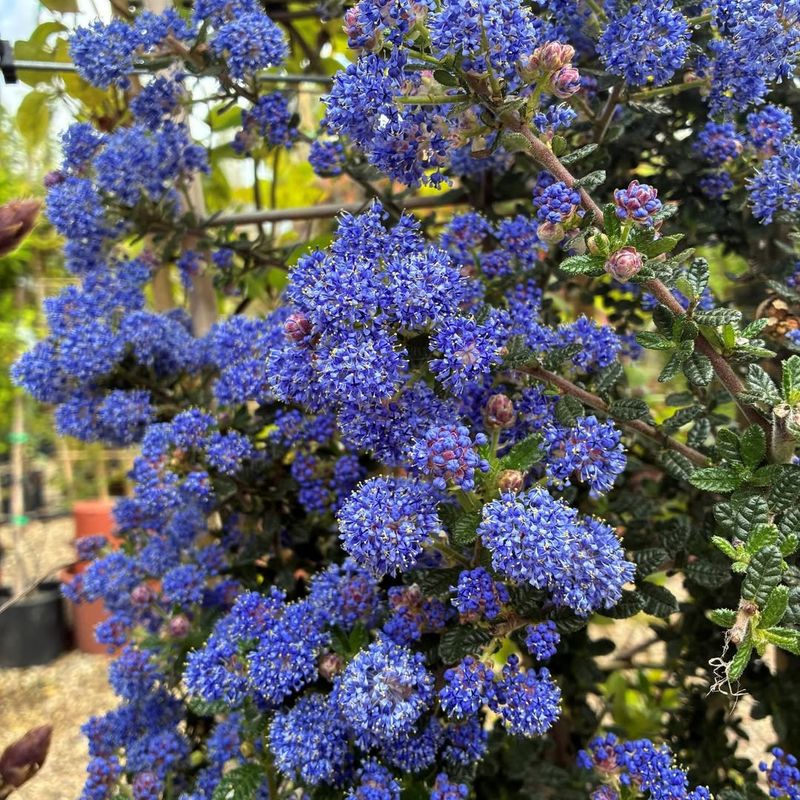
When spring arrives and Point Reyes Ceanothus bursts into bloom, it is hard not to stop and stare.
Named after the famous coastal headland, this ground-hugging form of Ceanothus covers itself in dense clusters of vivid blue to purple flowers that practically glow in the sunlight.
It grows only one to two feet tall but spreads six to eight feet wide over time. That wide, flat spread is exactly what makes it superior to bulky upright shrubs in residential yards.
It fills space efficiently without ever getting in the way of sightlines or foot traffic nearby.
Native bees go wild for the flowers, and the plant blooms heavily enough to support a significant number of pollinators in a short period. That ecological benefit alone makes it worth planting.
Beyond the bloom season, the dark green, leathery leaves remain attractive all year long.
Full sun and excellent drainage are its two main needs. It does not appreciate heavy clay soil or overwatering, so amending the soil before planting pays off in the long run.
Once established, it is remarkably drought-tolerant and rarely needs any supplemental water in summer. Pruning is almost never necessary.
For coastal and inland gardens alike, this plant offers a breathtaking spring display packed into a compact, easy-to-manage footprint that large shrubs cannot replicate.
7. Dwarf California Buckwheat
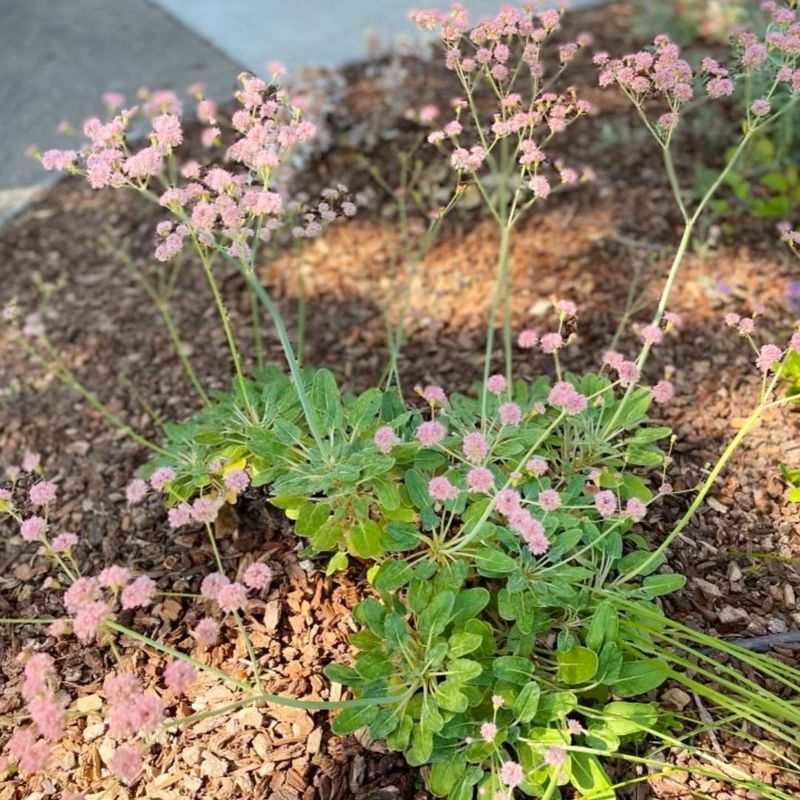
Some plants are quiet overachievers, and Dwarf California Buckwheat is exactly that. A compact form of Eriogonum fasciculatum, it forms a tidy, rounded mound of small green leaves with white undersides.
The flower clusters shift from creamy white to golden yellow to rusty orange as the season progresses, giving the garden a warm, layered look.
It stays under two feet tall and wide, which is perfect for small yards or tight planting strips along walkways.
Unlike larger shrubs that eventually demand removal or heavy pruning, this plant stays politely in its lane.
Its manageable size makes it easy to work around without any special tools or effort.
Buckwheats are known as some of the best pollinator plants in the native plant world. This dwarf form is no different.
Butterflies, native bees, and beneficial insects all flock to its flowers from summer through fall. Some butterfly species actually rely on buckwheats as a host plant for their larvae.
Plant it in full sun with fast-draining soil and give it minimal water once it is settled in. It handles heat, drought, and poor soil conditions without complaint.
Avoid overwatering, as too much moisture can cause root issues over time.
Mixing it with other compact natives like Seaside Daisy or Blue-Eyed Grass creates a layered, naturalistic planting that looks great year-round.
For a low-fuss plant with high ecological value, this buckwheat is a standout choice.
8. Yankee Point Ceanothus
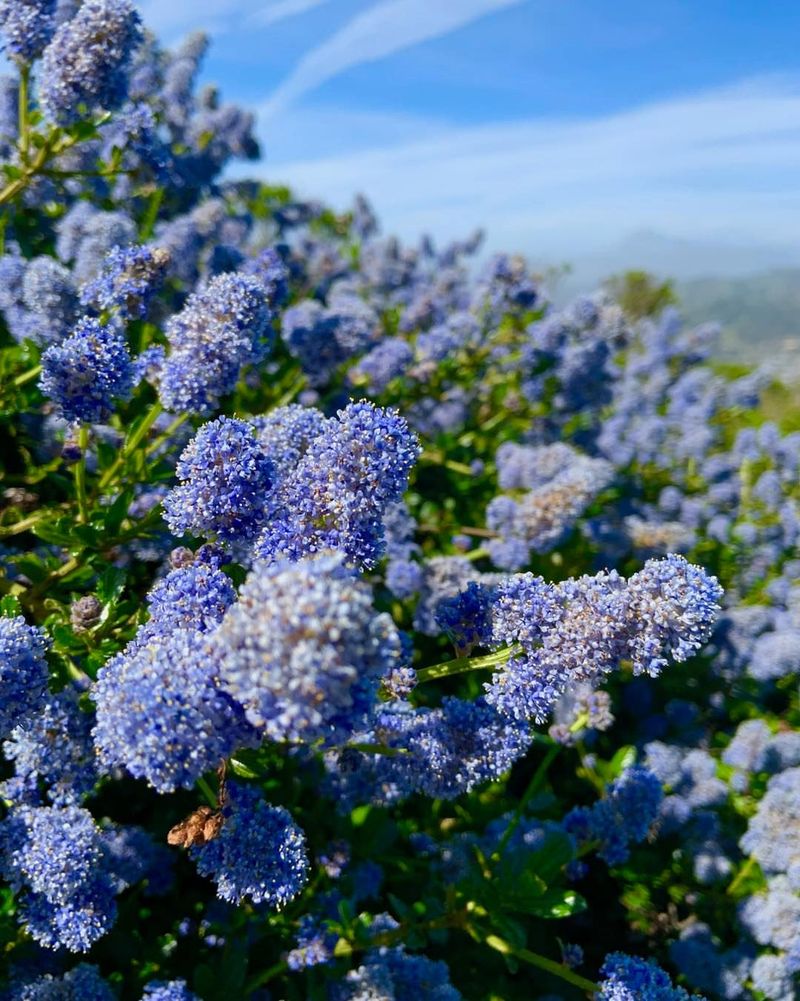
Bold blue flowers and a wide, spreading habit have made Yankee Point Ceanothus one of the most popular native ground covers in our state.
A selected form of Ceanothus griseus horizontalis, it hugs the ground and spreads generously without ever piling up into an unruly mound.
Most plants stay between two and three feet tall but can spread eight to ten feet wide.
That wide spread is a feature, not a problem. It covers bare ground quickly, suppresses weeds naturally, and creates a lush, connected look across larger planting areas.
On slopes, it is especially valuable because its roots hold soil firmly in place while looking beautiful at the same time.
Spring bloom time is when this plant becomes truly spectacular. The medium to deep blue flower clusters appear in such abundance that they nearly hide the leaves beneath them.
Bees arrive in large numbers, and the buzzing energy around a blooming plant is something worth witnessing firsthand.
Unlike Point Reyes Ceanothus, Yankee Point handles slightly more shade and tolerates a wider range of soil conditions. That extra flexibility makes it a great choice for gardens with varied sun exposure.
Water it occasionally during its first two summers, then step back and let it manage on its own. Avoid summer irrigation once established, as excess moisture can shorten its lifespan.
For a bold, reliable, and ecologically rich ground cover, few plants come close to matching what this one delivers.
9. Canyon Gray Sagebrush
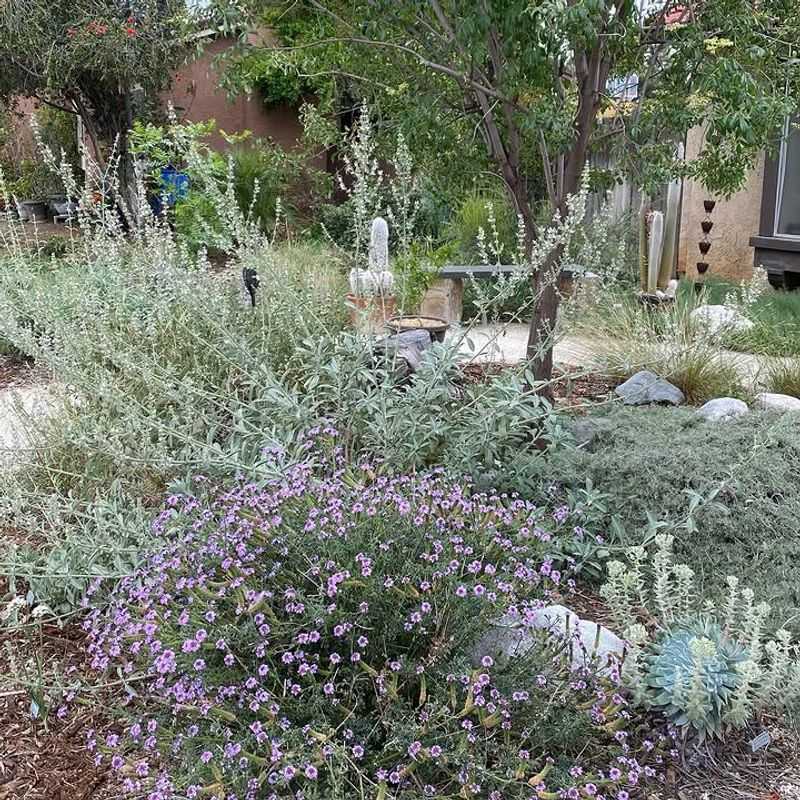
There is something deeply calming about the silvery gray foliage and earthy fragrance of Canyon Gray Sagebrush.
A low-growing form of Artemisia californica, it spreads softly across the ground with feathery, silver-toned leaves that shimmer in the breeze.
That soft texture and color add a quiet elegance to any planting. It stays compact, usually under two feet tall, and spreads several feet wide over time.
That makes it far easier to manage than full-sized sagebrush, which can grow into a large, sprawling shrub that takes up serious space.
The dwarf form fits neatly into residential gardens without overwhelming neighboring plants.
The fragrance this plant releases, especially after light rain or when brushed against, is one of those sensory experiences that feels uniquely tied to the wild landscapes of our state. Planting it near a patio or walkway lets you enjoy that scent regularly without any extra effort.
Drought tolerance is one of its strongest qualities. Once established, it needs almost no supplemental water and thrives in the dry, warm summers that define much of our state’s interior and coastal climate zones.
It also provides excellent habitat for native insects and birds that nest in low shrubs. Deer tend to avoid it, which is a practical bonus for rural and suburban yards alike.
Pair it with buckwheats or ceanothus for a cohesive, low-water native planting that looks intentional and beautiful all year long.
10. Douglas Iris
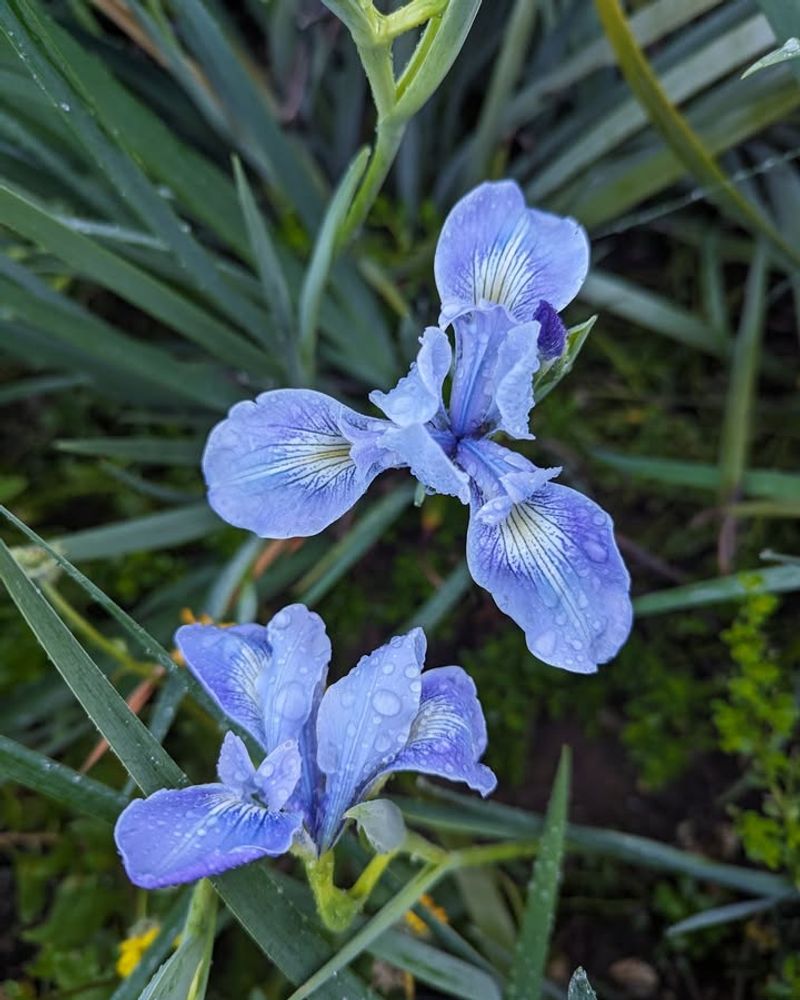
Rich purple blooms rising above dark, strap-like leaves give Douglas Iris a dramatic presence that feels almost too elegant for a native plant.
Found naturally along the coast and in the woodlands of our state, this iris thrives in partial shade where many other plants struggle to bloom at all.
That ability to perform in low light is a real advantage. Growing only twelve to eighteen inches tall, it fits beautifully under trees, along shaded borders, or in the dappled light beneath larger shrubs.
It forms clumps that spread slowly over the years, filling in gaps with lush, evergreen foliage. The blooms arrive in spring and come in shades ranging from deep purple to lavender to creamy white.
Native bumblebees are among its most devoted visitors, drawn to the flowers by nectar rewards tucked deep inside each bloom. Hummingbirds also pay occasional visits, making this plant a small but meaningful hub of pollinator activity in the garden.
Water needs are low to moderate. It prefers well-drained soil and does not like sitting in soggy ground for extended periods.
During summer, reduce watering to mimic the dry conditions it experiences in the wild. Dividing the clumps every few years keeps the plant vigorous and blooming freely.
For shaded spots where color is hard to come by, Douglas Iris fills that gap with reliability and a natural beauty that feels effortless and right at home in any native-inspired yard.