California Gardeners Who Plant These Deep-Rooted Natives Stop Worrying About Watering Entirely
California gardeners who have made the switch talk about it the same way every time.
The first summer after planting deep-rooted natives, they still felt the urge to drag out the hose. The second summer, they started trusting the plants.
By the third summer, they stopped worrying about the garden entirely and started enjoying it instead.
That shift is not magic.
It is the result of choosing plants that evolved in this exact climate over thousands of years, plants whose root systems reach depths that summer heat cannot touch and whose survival strategies were refined long before anyone invented an irrigation timer.
The catch is patience.
Every plant on this list needs real attention during its first one to two years in the ground. Regular, deep watering during establishment is the investment that makes everything else possible.
Skip that step and the drought tolerance never fully develops.
Put in that early work, and these eight California natives will reward you with something genuinely rare in a dry-summer state.
A garden you can walk away from in August without a second thought.
1. Coast Live Oak Anchors Dry Ground
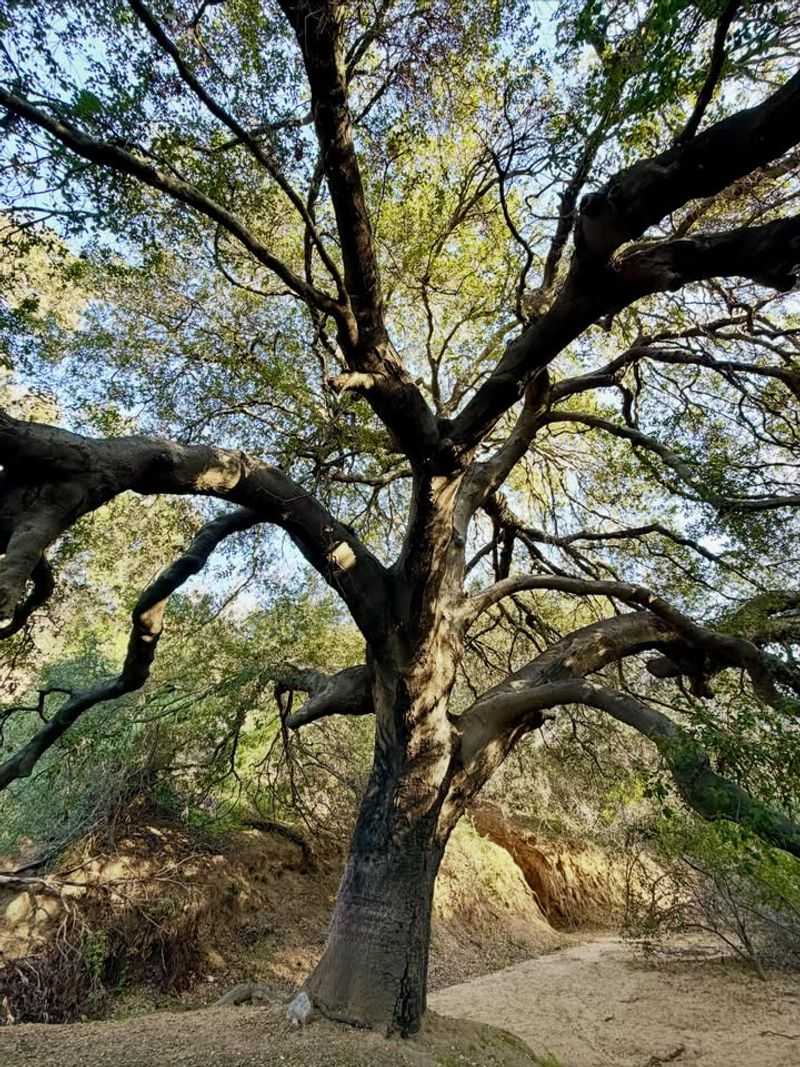
Few trees command a California landscape the way a coast live oak does.
Its broad canopy can stretch 70 feet wide, turning a hot yard into a shaded retreat without a single irrigation line running beneath it. That shade alone is worth the wait, and the wait is genuinely worth it.
The real work happens underground.
Coast live oak sends roots deep into the soil profile, eventually reaching moisture that summer heat cannot touch.
During the first two years after planting, consistent watering helps the root system get established. After that, most healthy trees need little to no supplemental irrigation during dry months.
Wildlife absolutely loves this tree.
Acorns feed deer, woodpeckers, scrub jays, and dozens of other species. The bark and canopy host hundreds of native insect species, which in turn support birds and small mammals.
Planting one coast live oak is like opening a neighborhood for local wildlife.
One honest note about space: this tree needs room. Plant it at least 20 to 30 feet from structures, driveways, and underground pipes.
Avoid planting lawn grasses or installing sprinklers nearby once the tree matures, because summer water near the root crown can cause serious fungal problems.
Gravel mulch and good air circulation around the base keep it healthy. Coast live oak is a long-term investment, and it pays off beautifully for generations.
2. Valley Oak Reaches Deep With Time
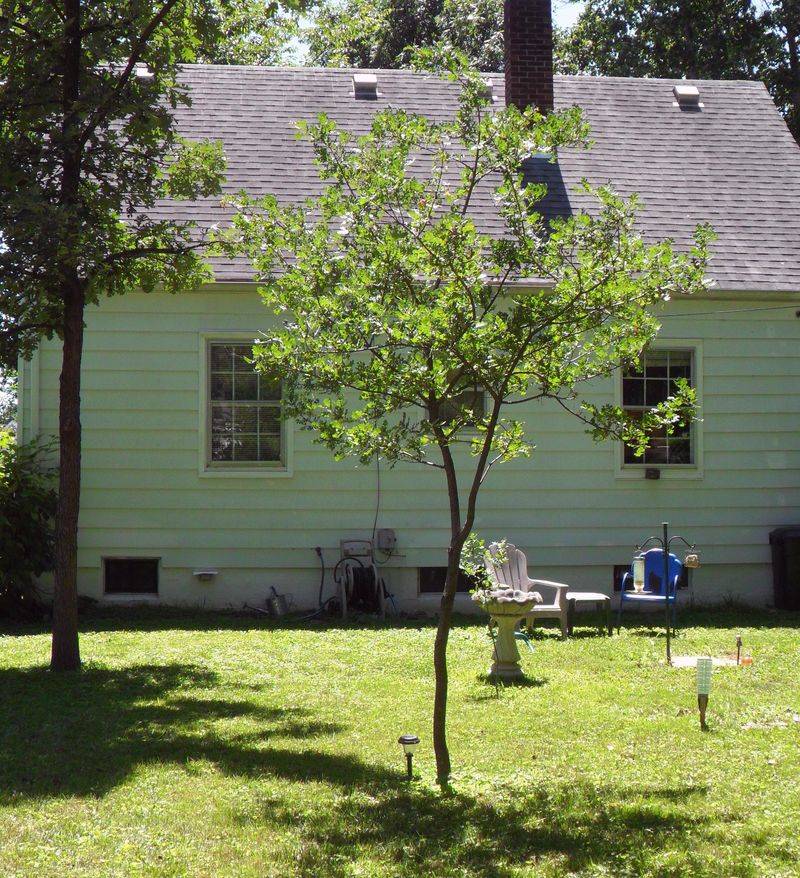
There is something almost mythic about a valley oak.
These trees can live for 500 years or more, and their massive trunks and twisted branches look like they belong on a movie set.
But beyond the drama, valley oak is one of the most drought-adapted trees California has ever produced.
Younger valley oaks grow quickly and send taproots straight down into the earth, sometimes reaching 80 feet deep in mature specimens.
That root depth means the tree can find water during even the driest summers without any help from a hose.
Your California Garden Changes Every Week. Your Plan Should Too.
Gardening in California changes quickly throughout the season. Every Friday you’ll receive a simple weekly plan showing exactly what to plant, prune, fertilize, harvest, and protect so you never miss the right timing.
Establishment takes patience, though. Plan to water your young valley oak deeply and regularly for the first two growing seasons before reducing irrigation.
This tree is best suited to large properties, rural parcels, and open landscapes. It needs space to spread and does not tolerate compacted soil or paved surfaces over its root zone.
If you have the land for it, valley oak rewards you with cooling shade, a stunning silhouette, and a living legacy that will outlast the fence, the house, and possibly the neighborhood.
UC ANR research has documented over 300 species of animals that rely on California oaks for food or shelter.
Planting one is not just a landscaping choice. It is a contribution to the local ecosystem that grows more valuable every single year it stands.
3. Blue Oak Handles Harsh Summer Soil
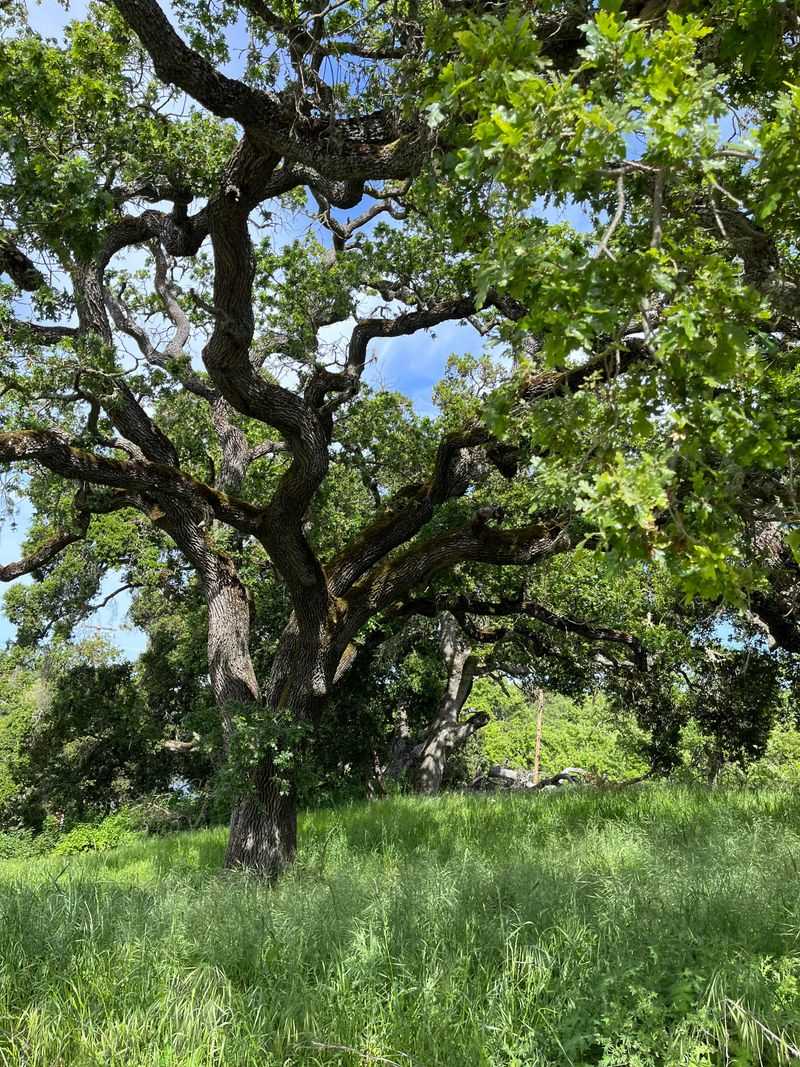
Walk into the dry foothills of the Sierra Nevada in August and you will see blue oak thriving where almost nothing else does.
Its pale, dusty blue-green leaves are not just pretty. They are a survival tool, reflecting sunlight and reducing water loss during the most punishing part of summer.
Blue oak is the classic inland California native, built for thin, rocky, nutrient-poor soils that would stress most landscape trees into early decline.
Its root system is aggressive and deep, pulling water from cracks in hardpan and dry clay that other plants cannot access.
Once established after two to three years of careful watering, blue oak asks for almost nothing from the gardener.
For homeowners in the Central Valley foothills, Sacramento foothills, or dry inland valleys, blue oak is often a better choice than coast live oak because it is adapted to hotter, drier conditions with more extreme temperature swings.
It tolerates summer temperatures above 100 degrees Fahrenheit without complaint.
Blue oak is also deciduous, which surprises some people.
It drops its leaves in late fall and leafs out again in spring with a soft, almost silvery color that brightens quickly to blue-green. That seasonal rhythm gives the garden a natural pulse.
Plant it young and give it a strong start for long-term success in a low-water California landscape.
4. Toyon Keeps Structure With Little Water
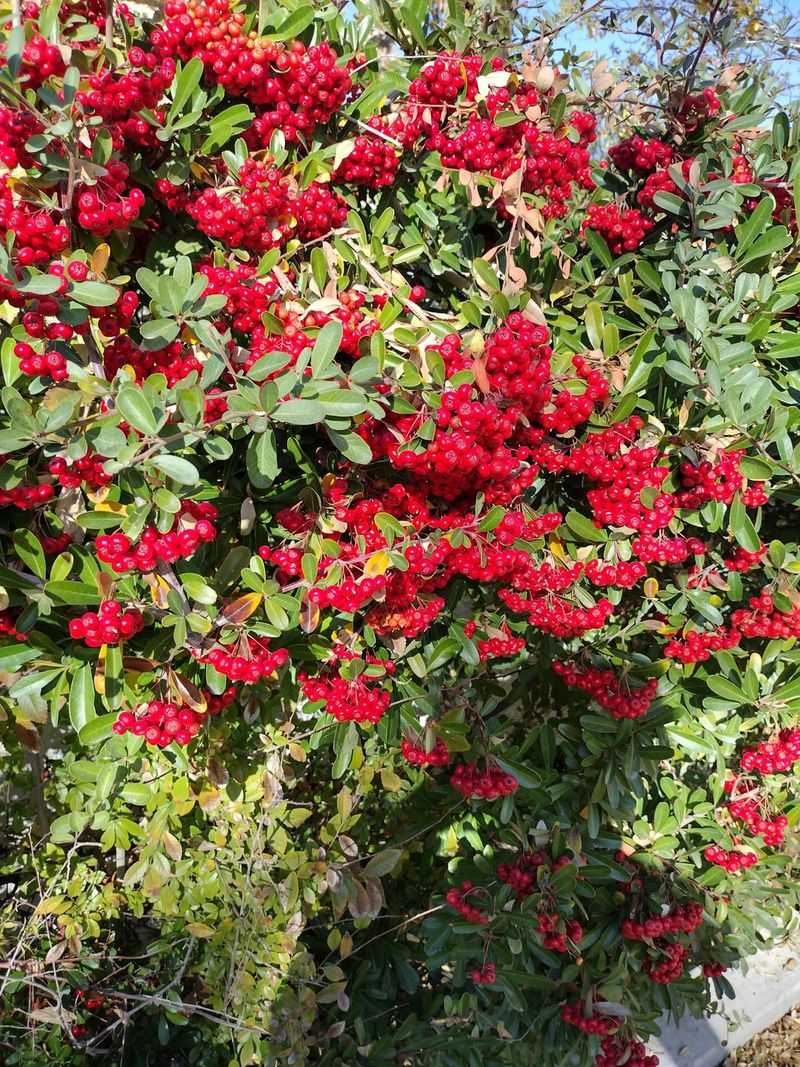
Toyon is one of those plants that earns its keep every single month of the year.
Its dark, glossy evergreen leaves give the garden a polished structure even in the middle of summer when everything else looks tired.
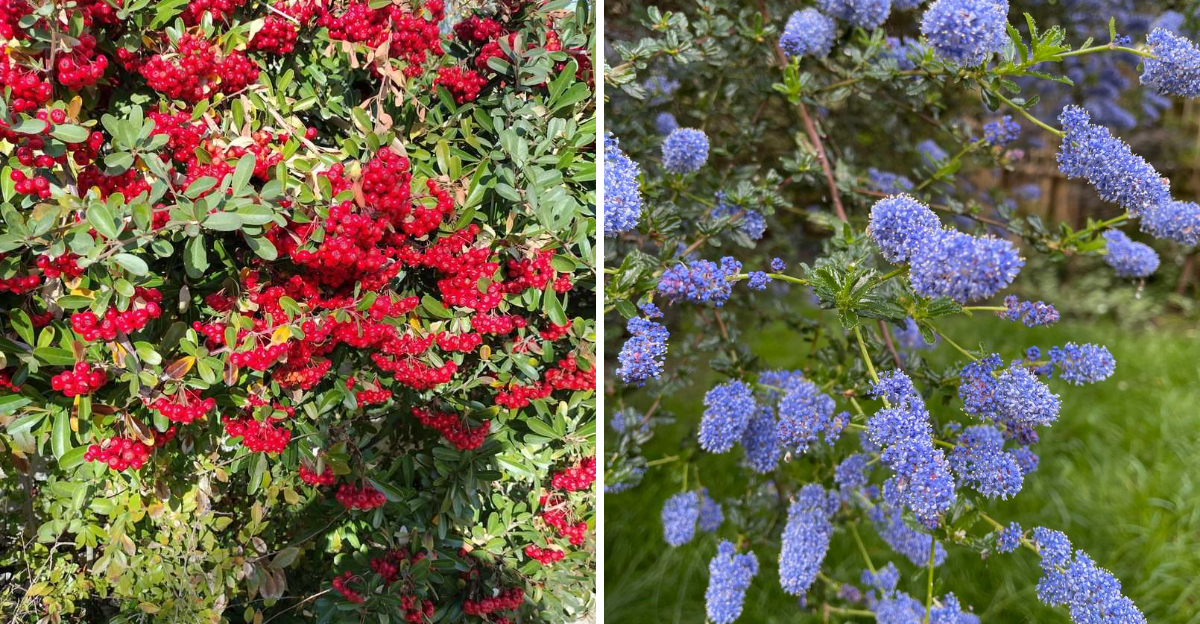
Then, just as the holidays approach, it bursts into clusters of bright red berries that practically glow against the green foliage.
Those berries are not just decorative.
Robins, cedar waxwings, and mockingbirds flock to toyon from late fall through winter, turning a single shrub into a busy wildlife station.
The plant is so connected to California identity that it is widely believed to have given Hollywood its name, though historians debate the exact origin of that story.
From a water standpoint, toyon is impressively tough.
After two years of regular watering to help roots establish, it handles dry summers without irrigation in most California garden zones. It prefers well-drained soil and can grow in full sun or partial shade.
Overwatering once established is actually more of a problem than drought, so resist the urge to run sprinklers nearby.
Toyon can grow 6 to 10 feet tall and nearly as wide, making it a solid choice for screening, hedging, or anchoring a slope.
For California gardeners who want year-round structure, seasonal color, and wildlife value without regular irrigation, toyon is one of the most reliable choices available.
5. Manzanita Belongs On Dry Slopes
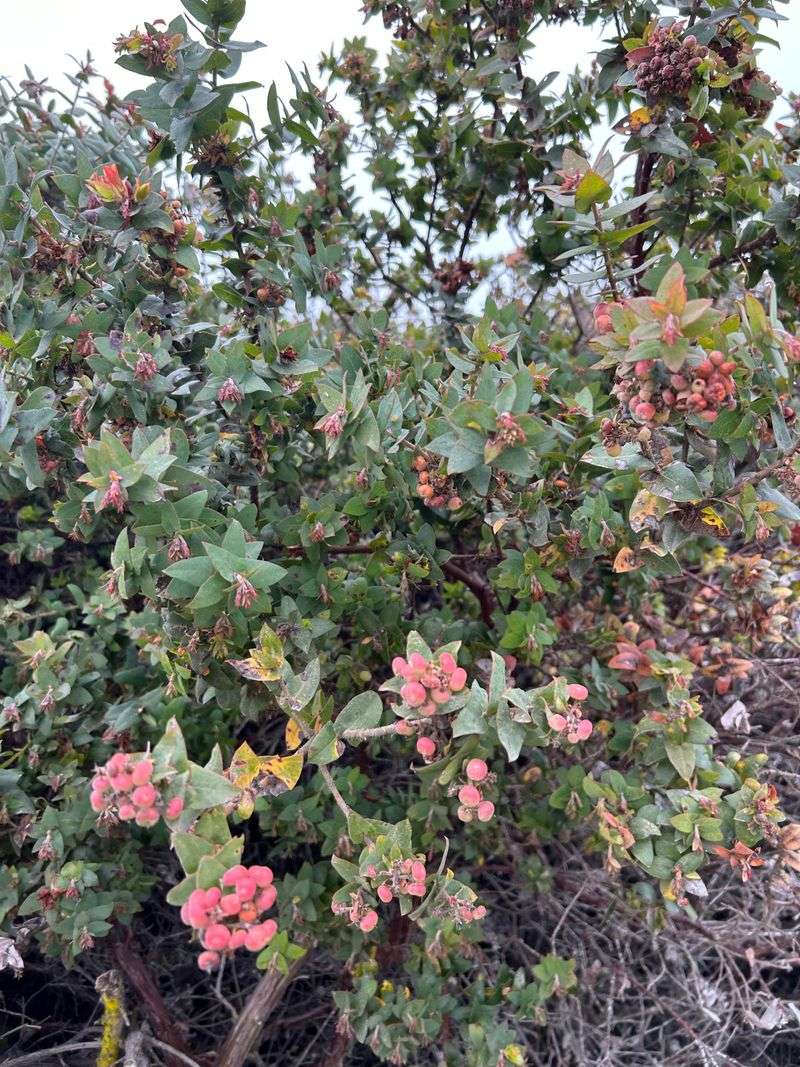
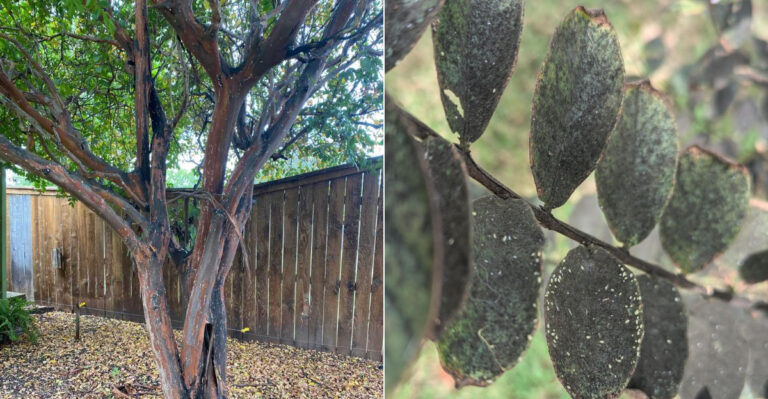
That smooth, cinnamon-colored bark is unmistakable.
Manzanita has one of the most striking silhouettes in the California native plant world, with twisted branches that catch the light in a way that almost looks sculptural.
And underneath all that beauty is a plant built for dry slopes and sandy, well-drained soils where most ornamentals would struggle to survive.
California is home to dozens of manzanita species, ranging from low-growing ground covers just a few inches tall to large shrubs that reach 12 feet or more.
Choosing a species or cultivar suited to your specific region and microclimate sets you up for long-term success, since some manzanitas are more cold-tolerant or heat-tolerant than others.
Small, urn-shaped flowers appear in late winter to early spring, often before most other plants in the garden have woken up.
Native bees are especially attracted to these flowers, and the small, apple-like fruits that follow feed birds and other wildlife through summer. The name manzanita actually means little apple in Spanish, which is a charming detail worth knowing.
Drainage is the most important factor for manzanita success.
Heavy clay soil that holds water is the one condition this plant truly cannot handle. Plant it on a slope, in raised beds, or in amended soil with excellent drainage.
Water regularly during the first year, then taper off. Once roots are established, summer irrigation is usually not needed and can actually cause problems.
6. Ceanothus Settles Into Lean Soil
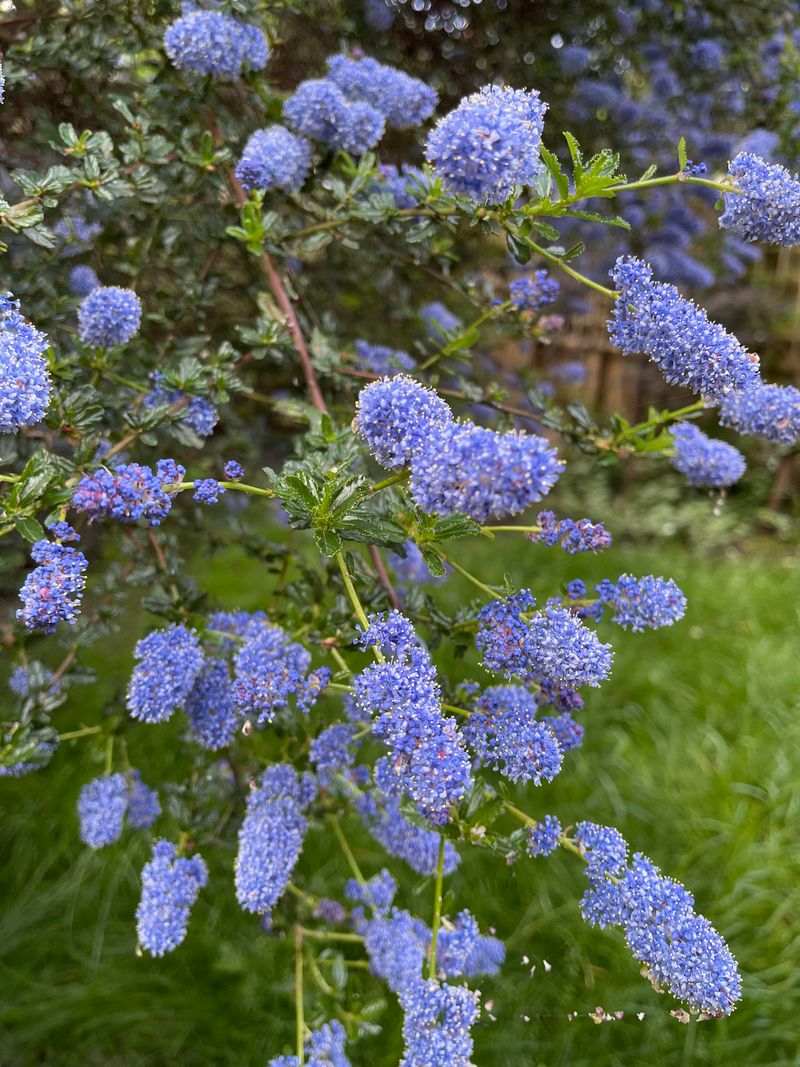
Spring in a California native garden does not get more dramatic than when ceanothus blooms.
The flowers arrive in dense, frothy clusters of blue, purple, or white that cover the entire plant and attract a buzzing crowd of native bees, bumble bees, and butterflies. For a few weeks each spring, ceanothus is the most exciting thing in the yard.
Also called California lilac, ceanothus is a fast-growing shrub that thrives in lean, poor soils where fertilizer is not needed and sometimes not even welcome.
Rich soil and heavy fertilizing can actually shorten the plant’s life by pushing too much soft, fast growth. This is a plant that performs best when you trust it and leave it alone.
There are many ceanothus species and cultivars to choose from, ranging from low, spreading ground covers to upright shrubs six to eight feet tall.
Most prefer full sun and excellent drainage. They are not well-suited to lawns, drip systems set to run frequently, or garden beds that receive regular summer watering.
Overwatering during the warm season is the most common reason ceanothus struggles in home gardens.
After a solid establishment period of one to two years with regular watering, ceanothus settles into the dry California summer with ease.
For fast color, pollinator support, and genuine drought tolerance, it earns a top spot in any water-wise California garden plan.
7. California Buckeye Knows When To Rest
First-time California buckeye growers sometimes panic in July when the leaves turn yellow and fall off the tree entirely.
The garden looks like something went wrong. But nothing went wrong. California buckeye is simply doing what it evolved to do: going dormant during the hottest, driest part of the year to conserve water and energy.
This summer dormancy is one of the most fascinating drought adaptations in the California native plant world.
While other plants are straining to stay alive through August heat, buckeye has already packed up and gone quiet. Its bare branches hold large, pear-shaped seed pods that dangle like ornaments and add a sculptural quality to the late summer garden.
Then in fall, when rain returns, the tree leafs out again with a soft, bright green flush that feels like a reward.
Spring is when buckeye earns its showiest moments.
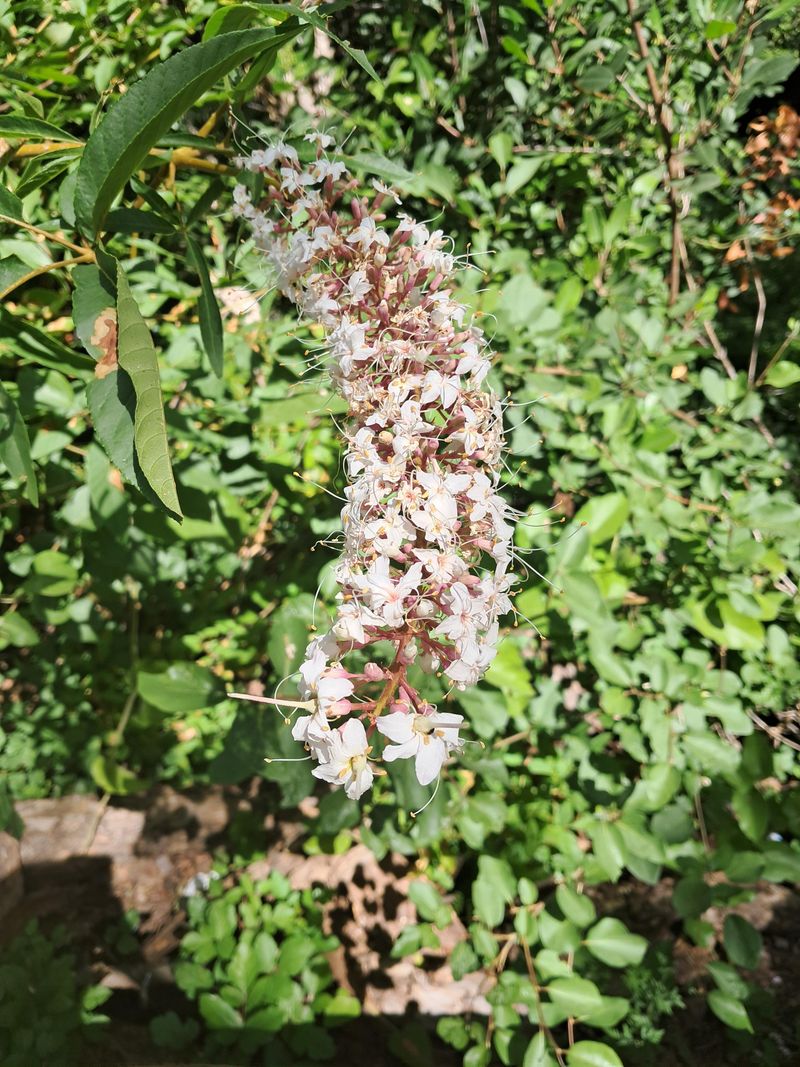
Fragrant white flower spikes rise above the fresh foliage in April and May, drawing hummingbirds, native bees, and butterflies in large numbers. The nectar is rich and the flowers are showy enough to rival any ornamental tree in the neighborhood.
Buckeye grows best in well-drained soil with some shade protection in the hottest inland areas.
It reaches 15 to 25 feet tall and works well as a specimen tree or part of a mixed native planting. Water regularly for the first two years to help roots go deep, then let summer dormancy take over naturally.
It is one of California’s most honest plants: it rests when it needs to, and blooms brilliantly when the time is right.
8. Deer Grass Holds Form Through Heat
Some plants fall apart in summer heat. Deer grass does the opposite.
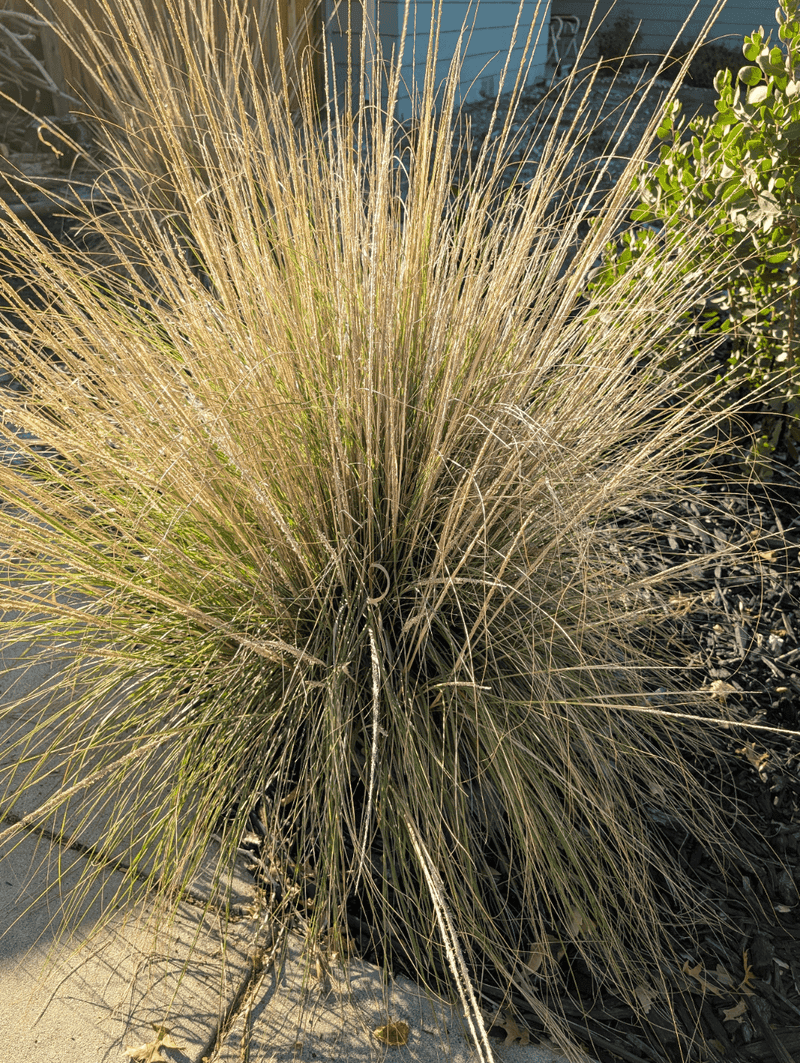
Its tidy, mounded clumps of fine-textured foliage stay green and upright through the worst of a California summer, even when surrounding plants are looking ragged.
That dependable structure is exactly why landscape designers reach for it again and again when building low-water California gardens.
Deer grass, known botanically as Muhlenbergia rigens, is native to dry slopes and chaparral edges throughout California and the Southwest.
Its root system goes surprisingly deep for a grass, anchoring the plant through dry spells and helping stabilize slopes prone to erosion. In the right location with good drainage and full sun, it asks for very little once established.
Tall, slender seed stalks rise above the foliage in late summer and fall, adding a vertical element that moves beautifully in the breeze.
Birds visit the seed heads through autumn and winter, making deer grass a quiet but consistent wildlife resource. The combination of form, movement, and seed value gives it a role in the garden that goes well beyond just filling space.
Getting deer grass established takes about one full growing season of regular watering.
After that, most California gardeners can cut back to occasional deep watering or none at all, depending on their local rainfall.
Cut the clumps back hard in late winter before new growth starts to keep them looking fresh.
For a grass that holds its shape, feeds wildlife, and barely needs attention through summer, deer grass is one of the most reliable plants a California gardener can choose.