Native North Carolina Perennials That Actually Outperform Coneflower In Piedmont Heat
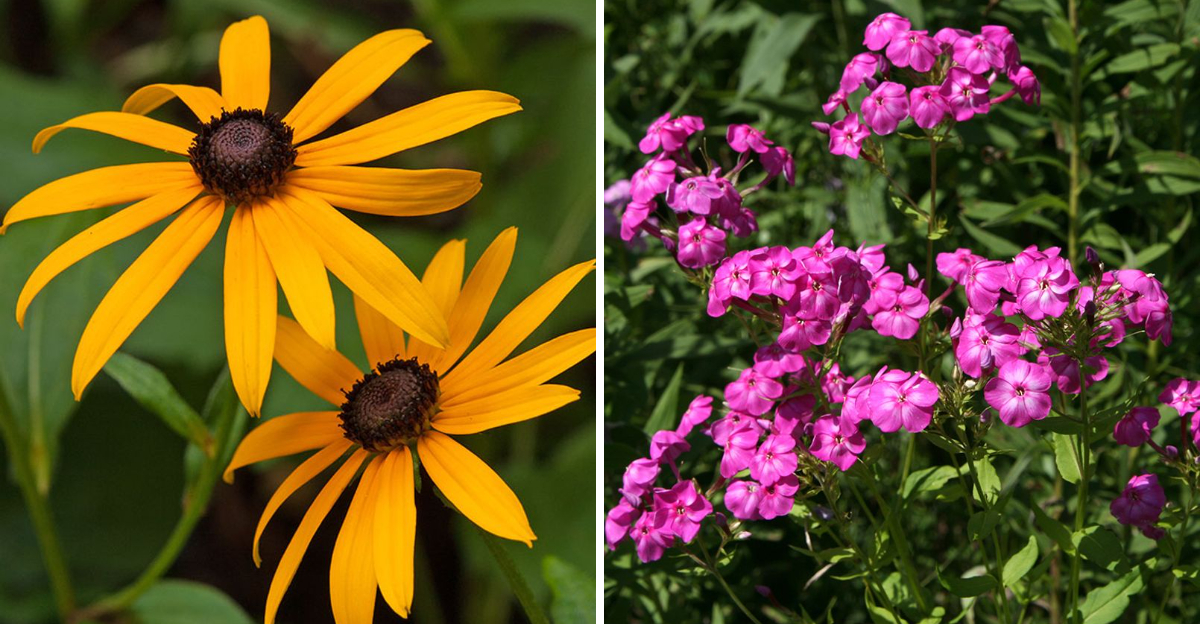
Purple coneflower is basically the mascot of the North Carolina native garden, and that reputation is completely earned. It handles heat, feeds pollinators, and looks fantastic in sunny beds.
But here is the situation: if your coneflower is winding down by late July while you still have months of summer staring you down, that color gap is a real problem.
North Carolina Piedmont summers are long, relentlessly hot, and often dry enough to stress even the toughest plants in your clay soil beds.
The great news is that certain native perennials can either keep blooming longer or pick up right where coneflower leaves off. Coneflower is still absolutely worth growing, nobody is arguing that.
But these seven natives can help your Piedmont garden stay genuinely colorful and lively well into fall without missing a beat.
1. Rose Verbena Blooms From Spring To Fall
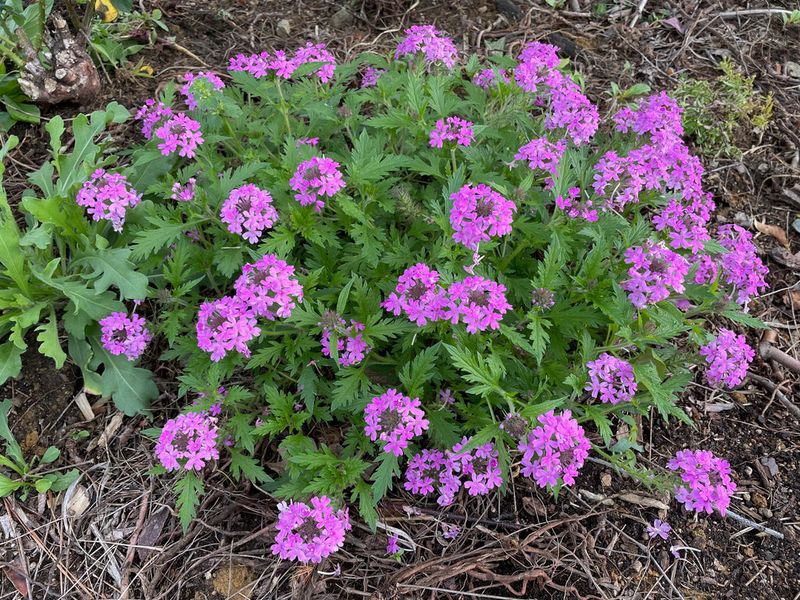
Walk past a sunny Piedmont border in late April and you might spot a low-growing plant absolutely covered in bright magenta flower clusters, still going strong when the heat cranks up in July.
That plant is rose verbena, also known as Glandularia canadensis, and it is one of North Carolina’s most reliably long-blooming native perennials.
Few plants can match its stamina from spring through fall in a sunny, well-drained spot.
Rose verbena hugs the ground and spreads outward in a loose mat, typically staying under a foot tall. That low profile makes it useful along the front edges of borders, in rock gardens, or tucked into gaps between stepping stones.
It thrives in full sun and handles dry spells well once established, which matters a lot during North Carolina’s summer dry stretches. Clay soil that drains reasonably well suits it fine, though it does not like standing water.
Pollinators, especially butterflies and small native bees, visit the flowers regularly throughout the bloom season.
The long flowering window is one of rose verbena’s biggest strengths, as blooms can continue from spring through the first frost with occasional deadheading or light shearing to refresh the plant.
Gardeners looking for a native ground-level color anchor that does not quit in the heat will find rose verbena a reliable choice for sunny beds and cottage-style plantings.
2. Lanceleaf Blanket Flower Keeps Blooming Longer
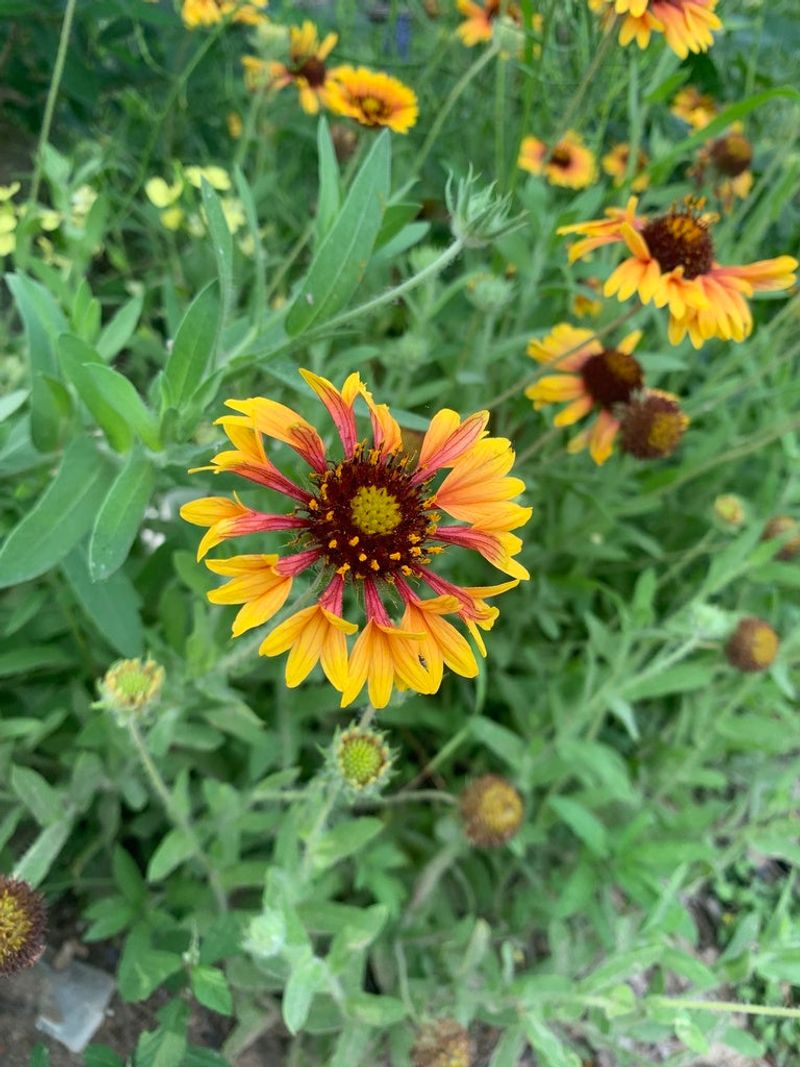
Blanket flowers have a reputation for being tough, but the native lanceleaf blanket flower, Gaillardia aestivalis, takes that toughness to another level in hot, dry conditions.
Unlike some garden cultivars that can fizzle out by midsummer, this native species keeps producing flowers well into fall when other plants are winding down.
The warm yellow and orange tones of the blooms bring a cheerful energy to late-season native beds across North Carolina.
Lanceleaf blanket flower prefers full sun and lean, well-drained soil. It actually tends to perform better in poor or sandy soil than in rich, amended beds.
Gardeners with sandy loam or gritty clay that drains quickly may find this plant thrives with minimal care. Overwatering or heavy soil moisture can shorten its lifespan, so planting it in a spot that dries out between rain events is a good strategy.
Your North Carolina Garden Changes Every Week. Your Plan Should Too.
Gardening in North Carolina changes quickly throughout the season. Every Friday you’ll receive a simple weekly plan showing exactly what to plant, prune, fertilize, harvest, and protect so you never miss the right timing.
The blooms attract a range of pollinators, including bees and butterflies, and the seed heads can provide some late-season interest even after the petals drop.
Lanceleaf blanket flower typically stays compact, which makes it easy to fit into meadow-style plantings, sunny slopes, or pollinator garden borders.
For North Carolina landscapes where summer heat and dry spells are a regular challenge, this native perennial offers a dependable burst of warm color that lasts longer than many other options in the same size range.
3. Swamp Milkweed Flowers Into Early Fall
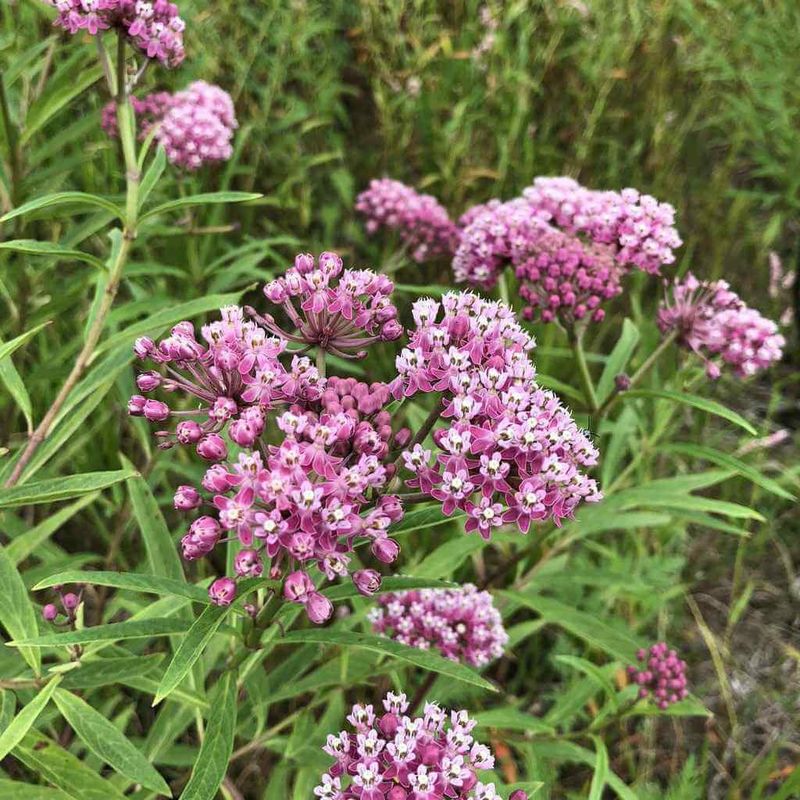
Monarch butterflies are not the only reason to grow swamp milkweed, but they are a pretty compelling one.
Asclepias incarnata produces clusters of soft pink to mauve flowers that open in midsummer and can carry color into early fall, giving North Carolina gardens a reliable bridge between the peak of summer bloom and the cooler weeks of September.
The flowers are also visited by a wide range of native bees and skippers.
Despite the name, swamp milkweed does not require a swamp. It grows well in average garden soil and handles both moist conditions and moderate dry spells once established.
In North Carolina’s Piedmont, it tends to do well in full sun to light shade and can handle the heavy clay soils common in the region.
Rain garden edges, low spots in the yard, and consistently moist borders are all good placements, but it can adapt to drier conditions too.
Swamp milkweed grows upright, typically reaching three to four feet tall, which gives it a strong presence in a mixed native planting. The foliage stays clean and attractive through the growing season, which is not always the case with other milkweed species.
Gardeners who want to support monarch populations while keeping color going past coneflower’s bloom window will find swamp milkweed a practical and rewarding addition to sunny native beds and pollinator-friendly plantings.
4. Resindot Sunflower Blooms Into October
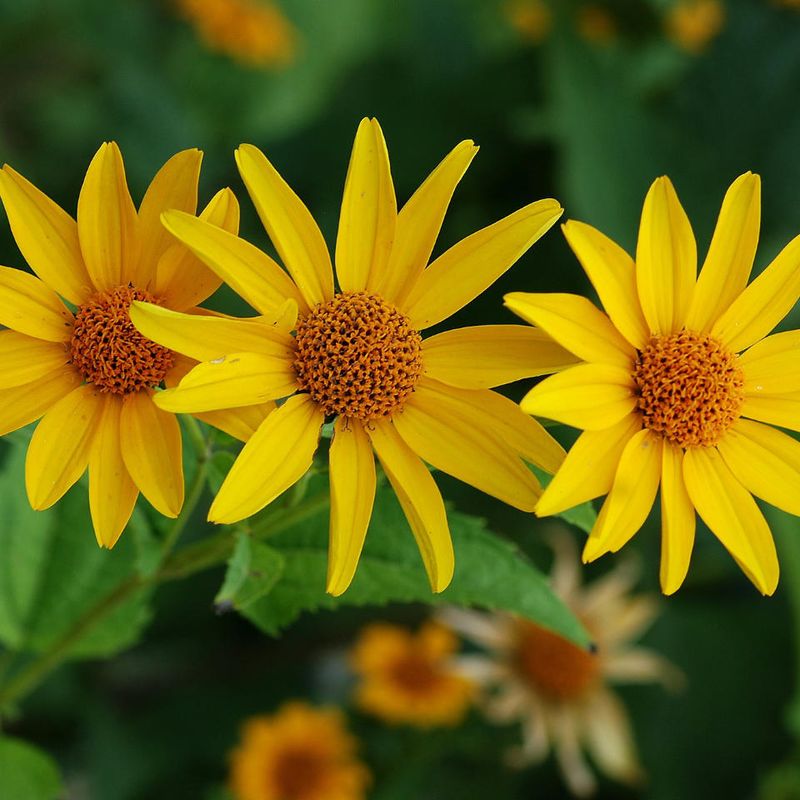
By late August in North Carolina, a lot of sunny borders start to look tired. That is exactly when resindot sunflower, Heliopsis helianthoides, hits its stride.
This upright native perennial produces cheerful yellow flowers that can keep going well into October, filling the late-season color gap that many gardeners struggle with in Piedmont landscapes.
The long bloom window is one of the main reasons it earns a spot on this list.
Resindot sunflower is adaptable and not particularly fussy about soil. It handles clay well, tolerates some drought once established, and does not need rich soil to perform.
Full sun is the sweet spot, though it can manage with a few hours of afternoon shade. In North Carolina gardens, it tends to grow four to six feet tall, so placing it toward the back of a border or in a meadow-style planting where height is welcome makes sense.
The flowers attract native bees and goldfinches, and the plant tends to spread gradually over time, filling in gaps in a naturalistic planting. It can self-seed modestly, which is worth keeping in mind if you prefer a tidier bed.
Some gardeners cut the stems back by about one-third in early summer to encourage bushier growth and more flowers.
For landscapes that need reliable late-season color from a low-maintenance native perennial, resindot sunflower is a strong candidate worth considering.
5. Ten-Petal Sunflower Handles Piedmont Heat
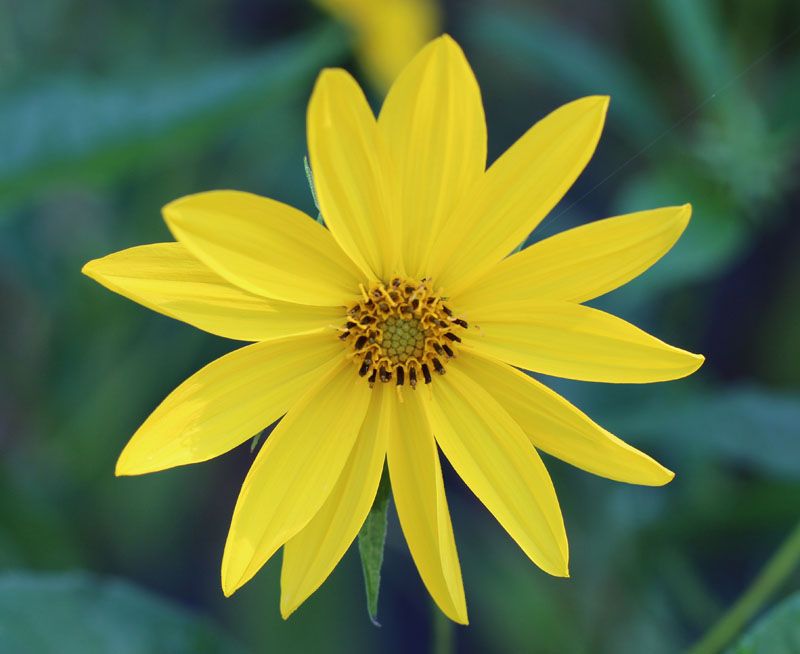
Hot afternoons in the North Carolina Piedmont can stress even well-established plants, but ten-petal sunflower, Helianthus decapetalus, takes the heat in stride.
This native perennial starts blooming in late summer and keeps producing flowers through fall, offering a long display of cheerful yellow blooms when many other plants have already finished for the season.
Gardeners who have struggled to maintain color from August onward often find this plant fills that gap nicely.
Ten-petal sunflower grows in full sun to partial shade, which gives it more flexibility than many sun-loving natives. It handles average to moist soil and can tolerate clay, which is a practical advantage in many Piedmont yards.
The plant typically reaches four to six feet tall and spreads over time through rhizomes, eventually forming a colony in a naturalistic planting. Giving it room to spread or planting it where spreading is welcome will help it perform at its best.
The flowers attract bees and butterflies, and the seeds are a food source for birds moving through in fall. Ten-petal sunflower works well in cottage-style borders, meadow areas, or along the back edge of a pollinator garden.
North Carolina gardeners who have open sunny spots with average soil and want a native perennial that can handle summer heat while delivering strong late-season color will find this plant a dependable and rewarding choice with relatively low maintenance needs.
6. Garden Phlox Brings Midseason Color
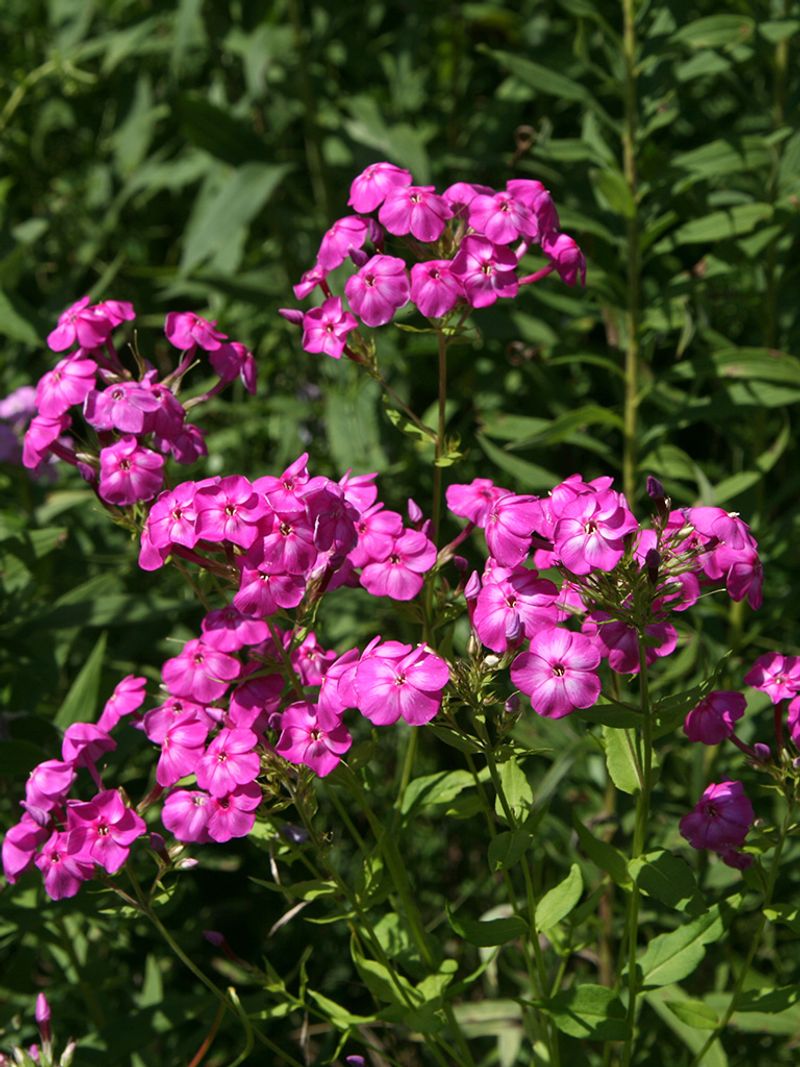
Few native perennials can match the visual impact of garden phlox, Phlox paniculata, when it opens its large, fragrant flower heads in the heart of summer.
Blooming from mid to late summer, it steps in right as coneflower begins to fade in North Carolina gardens, covering the color gap with bold clusters of pink, lavender, or white flowers.
The fragrance alone is worth planting it, but the pollinator activity it draws makes it even more valuable in a native bed.
Garden phlox prefers full sun to light shade and moist, well-drained soil with decent organic matter.
It can struggle in very dry conditions, so giving it consistent moisture during dry spells will help it perform better and stay healthier through North Carolina’s hot summers.
Good air circulation around the plants helps reduce powdery mildew, which can be a challenge in humid Piedmont summers. Selecting mildew-resistant cultivars or straight native species where possible is a smart move.
The plants grow two to four feet tall and work well in the middle or back of a mixed border. Deadheading spent flower clusters can encourage additional blooms and extend the color display into early fall.
Hummingbirds, swallowtail butterflies, and many native bees visit the flowers regularly.
For gardeners who want a showy, fragrant, wildlife-friendly native perennial that bridges the gap between early summer and fall bloomers, garden phlox delivers reliable midseason color with a lot of personality.
7. Black-Eyed Susan Blooms Into Fall
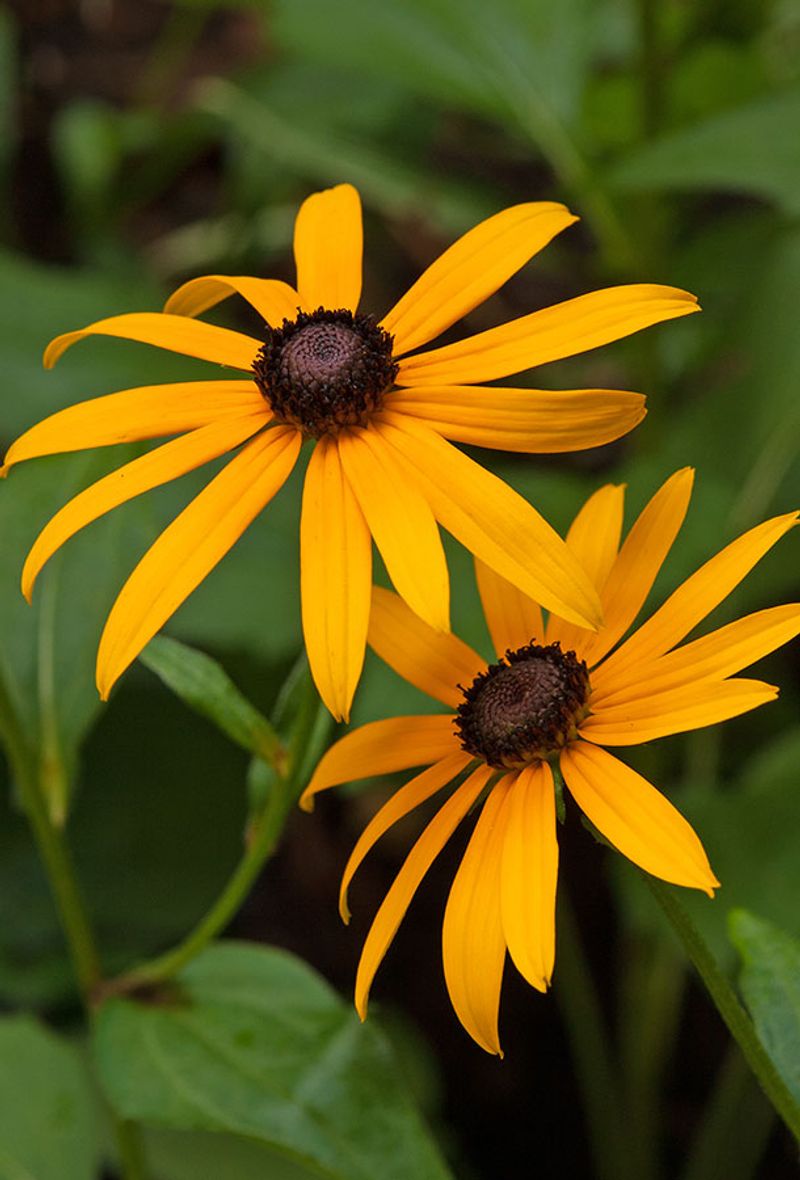
Some plants have earned their reputation honestly, and black-eyed Susan, Rudbeckia fulgida, is one of them.
While it is often grouped alongside coneflower as a summer staple, this native species can actually outlast purple coneflower in the bloom department, continuing to produce golden-yellow flowers from midsummer well into fall across many North Carolina landscapes.
That extended bloom window is what earns it a spot on this list.
Rudbeckia fulgida thrives in full sun and handles clay soil better than many perennials, which makes it a natural fit for Piedmont gardens. It tolerates dry spells once established but also handles moisture swings without much complaint.
The plants typically grow one to three feet tall and spread steadily over time, forming tidy clumps that can fill in a border nicely over a few seasons. Dividing clumps every few years helps maintain vigor and keeps the planting looking fresh.
Goldfinches are particularly drawn to the seed heads in fall, which gives the plant a second life even after the petals drop. Bees and butterflies visit the flowers throughout the blooming season.
Black-eyed Susan works in cottage gardens, meadow-style borders, rain garden edges, and sunny pollinator plantings.
Gardeners who want a dependable, long-blooming native that supports wildlife from summer through fall while requiring minimal fuss will find Rudbeckia fulgida one of the most practical and rewarding choices available for Piedmont landscapes.