These Oregon Perennials Should Be Divided Before They Take Over The Bed
Oregon’s growing conditions are genuinely generous, and most of the time that is a wonderful thing.
Plants establish quickly, perennials bulk up fast, and garden beds fill in with the kind of lush energy that makes the whole yard look intentional and thriving.
And then one spring you walk outside and realize that one particular plant has completely taken over its corner of the bed, is elbowing out its neighbors, and looks a little rough in the middle despite being enormous everywhere else.
Sound familiar?
This is one of the most common stories in Oregon gardens, and the fix is simpler than most people expect.
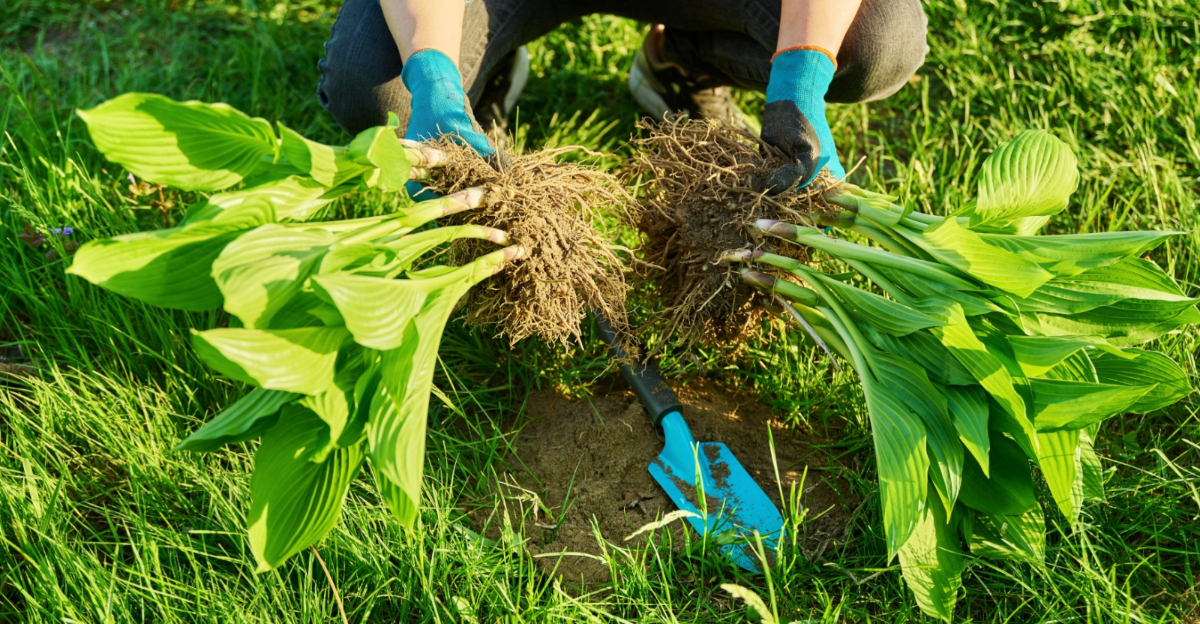
Dividing overgrown perennials every few years resets the whole situation, gives you healthier plants, better blooms, and usually a handful of extras to fill in somewhere else entirely.
1. Daylilies Can Fill A Bed Fast
Daylilies are one of the most popular perennials in Oregon gardens, and it is easy to see why – they are tough, adaptable, and produce a generous show of blooms through the summer.
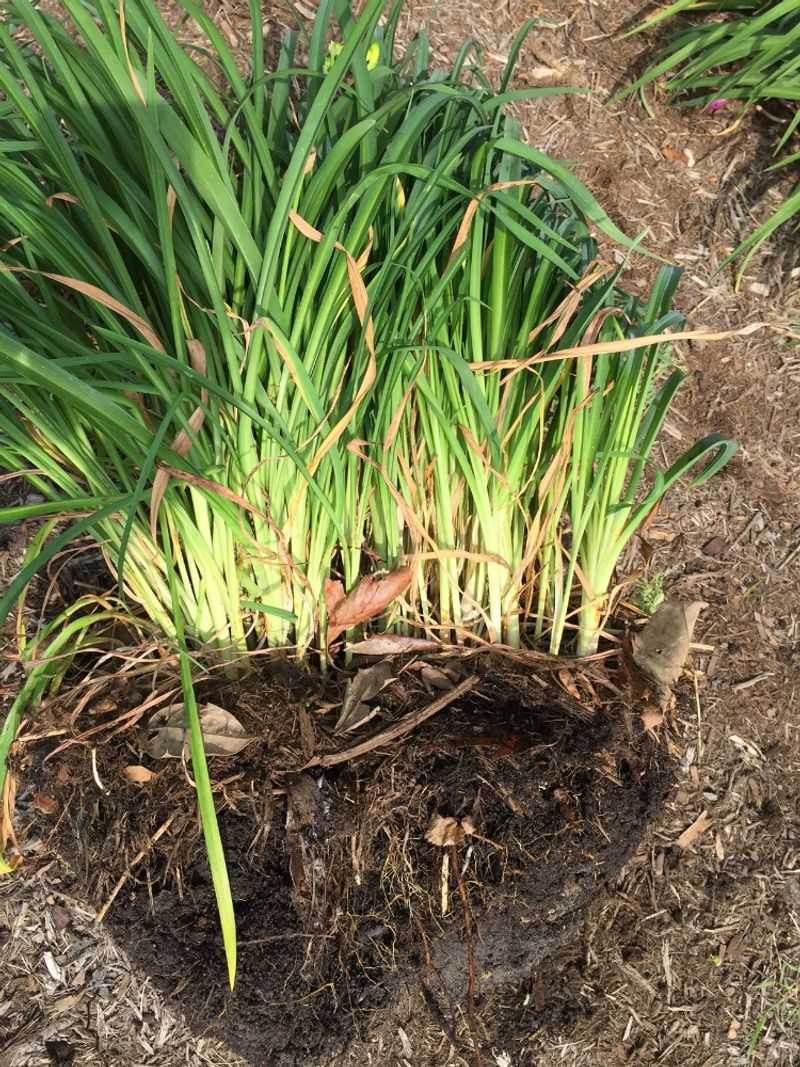
The catch is that daylilies are enthusiastic clump-formers, and a single plant can expand into a wide, dense mass over just a few years.
When a daylily clump becomes too crowded, the number of flower stalks per plant often decreases even though the foliage remains thick. Gardeners may also notice that the clump has started pushing into nearby perennials or edging over a garden path.
These are practical signs that the bed would benefit from some division.
Dividing daylilies every few years keeps the planting productive and manageable. In Oregon, early spring or early fall are both reasonable times to divide, though spring division gives the plant a full season to settle before winter.
Lifting the clump and separating it into smaller fans, each with healthy roots and foliage attached, is the standard approach.
Replanting at the original depth and watering consistently through the first few weeks helps the divisions establish without too much stress.
Daylilies are generally forgiving plants, and divided sections tend to bounce back fairly quickly.
2. Shasta Daisy Clumps Can Crowd The Border
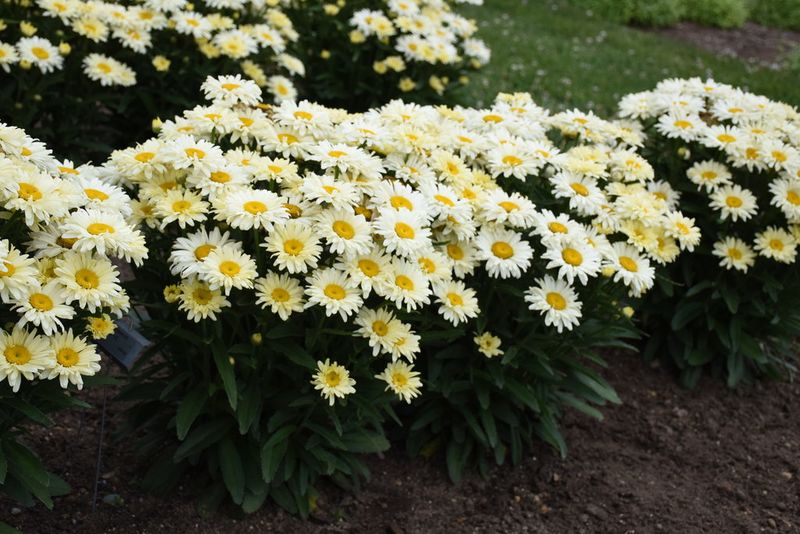
Few sights are more cheerful than a healthy Shasta daisy blooming in a summer perennial border, but those wide clumps can quietly push into neighboring plants before you notice.
In Oregon gardens, where spring rains encourage fast early growth, a Shasta daisy patch can expand noticeably from one season to the next.
The outer edges of the clump tend to stay the most vigorous, while the center often becomes woody and sparse over time.
When that thinning center shows up, it is usually a good sign the clump is ready to be divided. Gardeners can lift the whole clump in early spring or fall, discard the worn-out center, and replant the healthy outer sections.
Dividing every few years tends to keep the plants blooming well and the border looking neat.
One thing worth knowing is that garden Shasta daisy is not the same as oxeye daisy, which is listed as an invasive species in Oregon. Shasta daisy is a cultivated hybrid that stays where it is planted and does not spread aggressively through the landscape.
Your Oregon Garden Changes Every Week. Your Plan Should Too.
Gardening in Oregon changes quickly throughout the season. Every Friday you’ll receive a simple weekly plan showing exactly what to plant, prune, fertilize, harvest, and protect so you never miss the right timing.
Still, a well-fed clump in good soil can get quite large, so keeping an eye on its size helps maintain a balanced border.
3. Black-Eyed Susan Stays Neater With Division
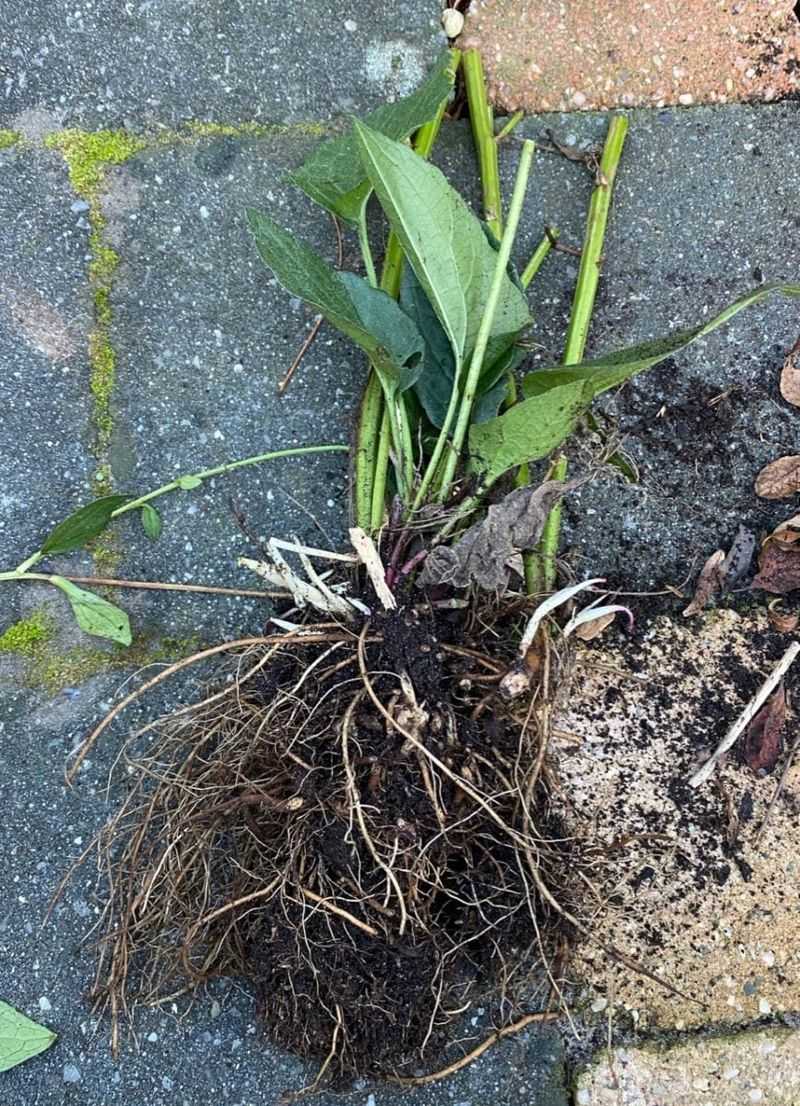
Black-eyed Susan brings reliable late-summer color to Oregon perennial borders, and the golden yellow blooms with dark centers pair well with ornamental grasses, coneflowers, and other late-season perennials.
Over time, established clumps can become fairly dense and may start spreading into the surrounding bed more than originally planned.
Some varieties of black-eyed Susan also self-seed freely, which can add to the sense that the planting is gradually expanding. While self-seeded plants can be useful for filling gaps, they can also make a border feel less intentional if they pop up in unexpected places.
Dividing the main clump every few years helps keep the planting tidy and gives the gardener more control over where the plants are growing.
Spring is a practical time to divide black-eyed Susan in Oregon, when new growth is emerging and the soil is workable after winter rains.
Lifting the clump and replanting the healthiest sections with some space between them usually gives the plant a fresh start and encourages better blooming.
Dividing also reduces competition at the root level, which can improve the overall vigor of each section. With a little extra space, black-eyed Susan tends to produce fuller, more upright stems and a tidier overall appearance through the growing season.
4. Bee Balm Can Spread In Good Conditions
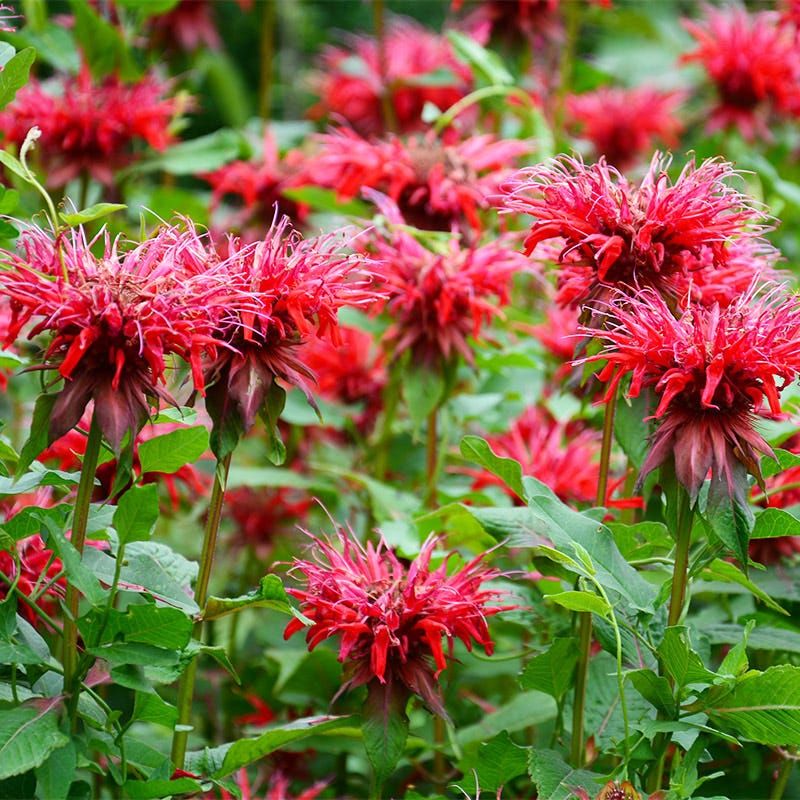
Walk past a bee balm patch in midsummer and the activity around it is hard to ignore – hummingbirds, bees, and butterflies tend to find it quickly.
Bee balm is a rewarding perennial for Oregon pollinator gardens, but in favorable conditions it can spread steadily through underground runners, gradually expanding its footprint in the bed.
In Oregon’s mild, moist climate, bee balm often finds conditions that suit it well. A patch that starts out at a manageable size can creep into surrounding perennials over a few seasons, making the bed feel unbalanced.
The center of an older patch may also become less productive while the edges continue pushing outward.
Dividing bee balm every few years helps keep the patch open and manageable. The best time to divide is in early spring when new growth is just emerging, or in fall after the plant has finished blooming.
Lifting the clump and replanting the healthiest sections from the outer edges usually gives the plant a fresh start.
Giving divided sections a little extra space also helps with airflow, which can reduce the powdery mildew that bee balm sometimes develops during Oregon’s humid summer evenings.
5. Siberian Iris Can Outgrow Its Space
Siberian iris is a graceful, low-maintenance perennial that fits naturally into Oregon cottage gardens, pollinator borders, and even damp, rain-friendly spots near ponds or low areas.
The slender upright foliage and elegant late-spring flowers make it a long-season asset in the garden, but a mature clump can quietly grow quite wide over the years.
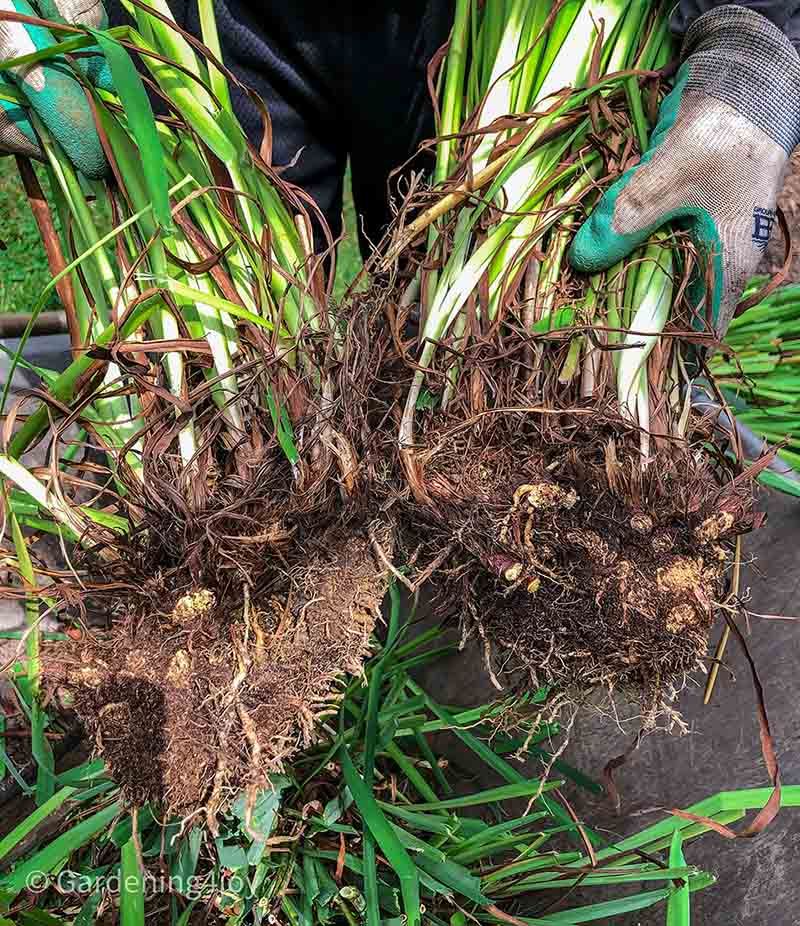
As the clump ages and expands, the center can become woody and less productive, with fewer blooms emerging from the densely packed root mass.
Gardeners may notice that a well-established Siberian iris is producing less flower than it used to, even though the foliage still looks healthy.
That drop in bloom production is often a signal that the clump would benefit from division.
Dividing Siberian iris is a bit more physically demanding than dividing softer perennials, since the root mass becomes tough and fibrous over time. A sharp spade or a saw may be needed to work through a large clump.
In Oregon, early fall after blooming or early spring before new growth begins are both reasonable times to divide.
Replanting divided sections at the same depth, in a spot with decent moisture and at least partial sun, gives them the best chance to establish and bloom well in the following season.
6. Garden Phlox Needs Fresh Space
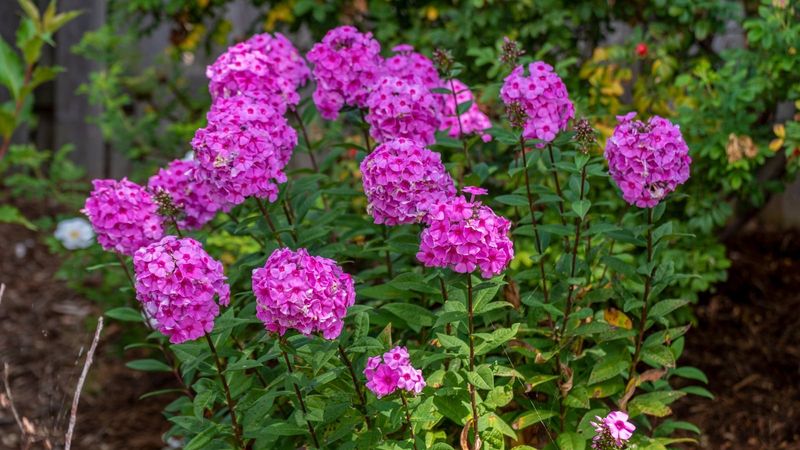
Garden phlox brings reliable late-summer color to Oregon perennial borders, and the fragrant flower clusters are a favorite among gardeners who enjoy a cottage-style planting.
Over time, though, the base of a mature phlox clump can become quite crowded, with many stems competing for the same patch of soil.
When stems are packed tightly together, airflow around the crown decreases and the conditions for powdery mildew become more favorable.
Oregon’s warm days and cooler evenings in late summer can already encourage mildew on susceptible plants, so reducing stem crowding through division can make a real difference in plant health and appearance.
Dividing garden phlox every few years gives each section more room to breathe and access nutrients more easily. Early spring, when new growth is just emerging from the soil, is often a practical time to divide in Oregon gardens.
Replanting divided sections with a little extra spacing around the crown allows better air movement through the stems. Choosing a spot with good morning sun and well-drained soil also helps the plant settle in without stress.
Healthy, well-spaced phlox tends to produce fuller flower clusters and hold up better through the growing season.
7. Fountain Grass Forms Dense Clumps
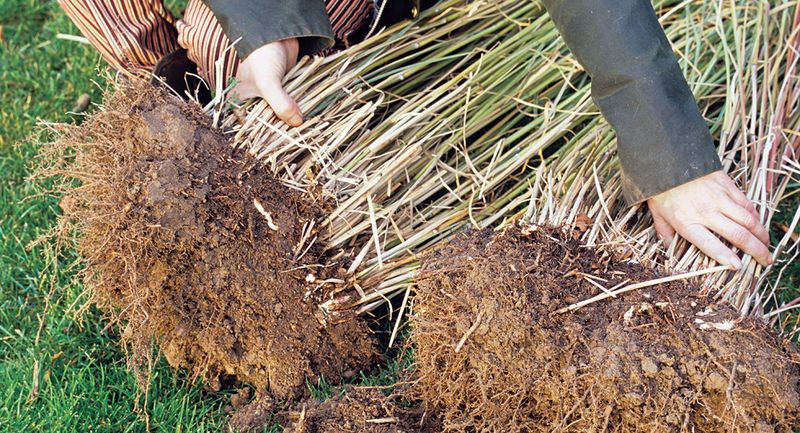
Ornamental fountain grass adds graceful movement and texture to Oregon landscapes, and the feathery plumes that appear in late summer are a real seasonal highlight.
What starts as a modest-sized planting can develop into a surprisingly large, dense clump after several years of growth in Oregon’s favorable conditions.
As the clump grows, the center can become increasingly tough and compacted, making it harder for new growth to emerge from the middle.
Gardeners sometimes notice that a mature fountain grass clump looks fuller around the edges and thinner or less vigorous at the center, which is a sign the plant may be ready for division.
Dense clumps can also become physically difficult to manage if left too long, since the root mass becomes woody and harder to split. Dividing fountain grass in early spring, just before new growth begins, is generally the most practical approach in Oregon.
A sharp spade or saw may be needed to work through a well-established clump. Replanting divided sections at the same depth and giving them consistent moisture through the first growing season helps them establish well.
Spacing divisions generously also prevents the same crowding issue from developing again too quickly.
8. Tickseed Can Get Too Crowded
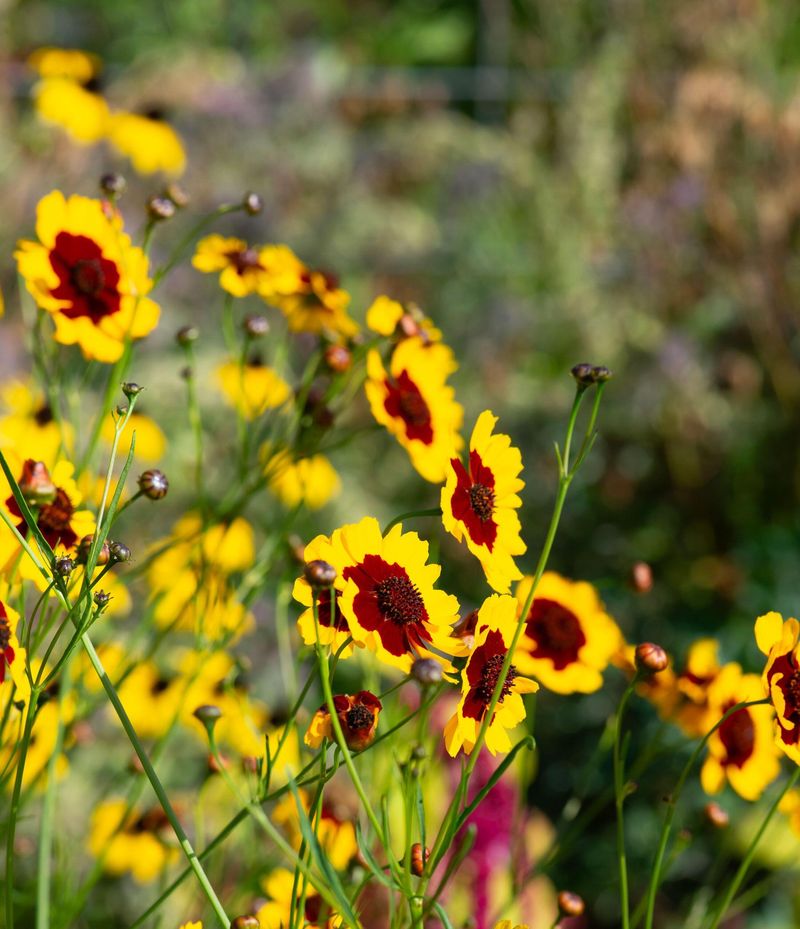
Bright and cheerful through most of the summer, tickseed is a go-to perennial for sunny Oregon garden beds that need reliable color without a lot of fuss.
The plant forms tidy mounds when it is young, but established clumps can become quite dense over time, with stems crowding each other at the base.
When tickseed gets too crowded, flowering can start to decline and the overall appearance of the clump may look less tidy.
The dense center can also make it harder for water and nutrients to reach the roots evenly, which can stress the plant during dry summer months when supplemental watering becomes necessary.
Dividing crowded tickseed clumps every few years tends to reinvigorate the plant and restore better bloom production. Spring division works well in Oregon, giving divided sections a full growing season to establish before winter.
Lifting the clump and gently separating it into smaller sections, then replanting with some space between them, usually gives the plant a fresh start.
Tickseed prefers well-drained soil and full sun, so choosing a similar spot for replanted divisions helps them settle in quickly.
A little compost worked into the planting hole can also give new divisions a helpful boost.
9. Catmint Can Sprawl In Sunny Spots
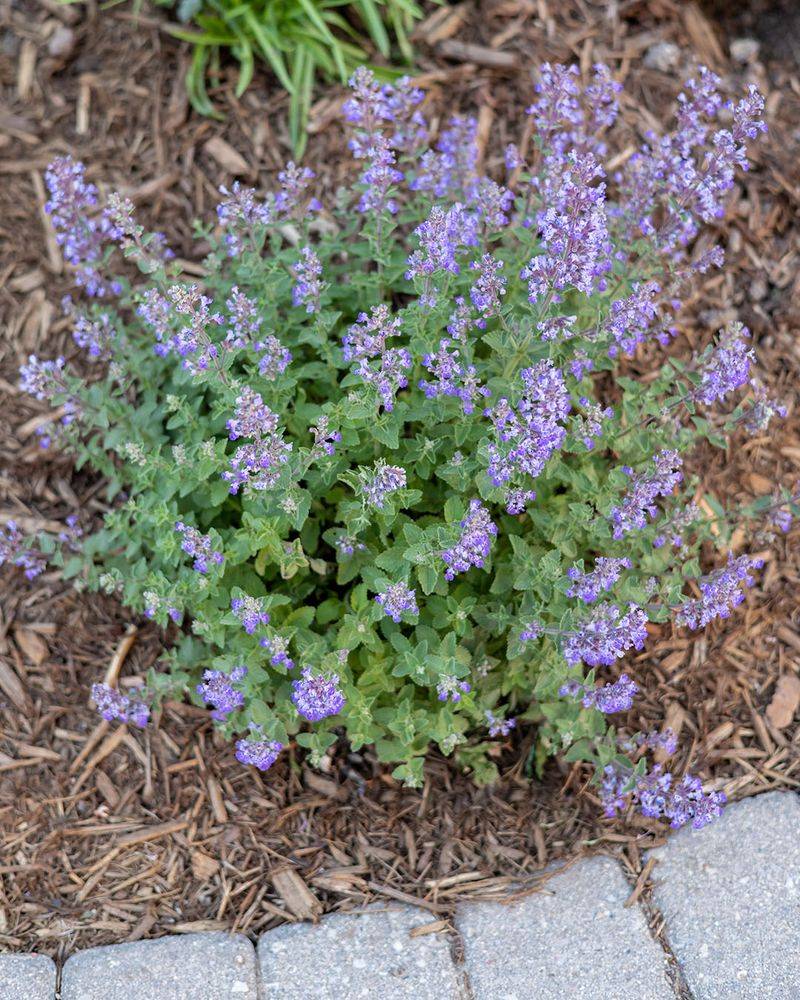
Catmint is a favorite along sunny Oregon garden borders for good reason – the soft blue-purple flower spikes bloom generously in late spring and early summer, and the plant requires very little maintenance to perform well.
In a sunny spot with decent drainage, catmint can develop into a wide, sprawling mound that eventually reaches well beyond its original planting footprint.
The sprawling habit is part of catmint’s charm, but it can become a problem when the mounds start leaning into neighboring plants or flopping across a garden path.
Older clumps may also develop a woody, open center that makes the planting look less tidy over time.
Refreshing catmint through division or hard cutting back can help restore a neater shape and encourage more vigorous new growth.
Division is generally straightforward – lifting the clump in early spring and separating it into smaller sections works well in most Oregon gardens.
Replanting in a sunny spot with good drainage gives divided sections the conditions they need to establish quickly.
Many gardeners also find that cutting catmint back by about half after the first flush of blooms encourages a second round of flowering later in the season, which extends the color and keeps the planting looking fresh.
10. Hostas Can Pack A Shade Bed
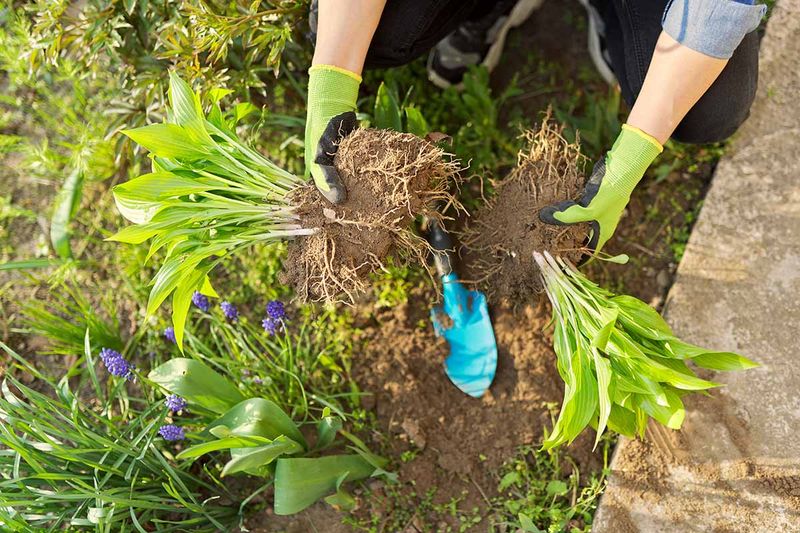
Shade beds in Oregon often rely heavily on hostas for their bold foliage and low-maintenance reliability, and hostas do earn that reputation.
They are not fast spreaders in the way that bee balm or black-eyed Susan can be, but over several years a single hosta clump can grow quite large and start crowding out neighboring shade perennials like ferns, astilbes, or coral bells.
The crowding in a hosta-filled shade bed tends to happen gradually, which makes it easy to overlook until the bed feels genuinely packed.
When large hosta varieties are planted in a smaller space, the foliage can eventually overlap so much that smaller plants nearby get shaded out or lose access to moisture and nutrients.
Dividing hostas every several years – or when the clump has clearly outgrown its space – helps keep the shade bed balanced.
Early spring in Oregon, when the pointed shoots are just emerging from the soil, is considered a good time to divide since the crown sections are easier to see and work with.
Replanting divided sections with adequate spacing and some added compost in the planting hole gives them a comfortable start. Hostas are generally resilient and tend to settle into their new spots without much trouble.