Cicadas Have Returned To Indiana And Here Is What Your Garden Actually Needs
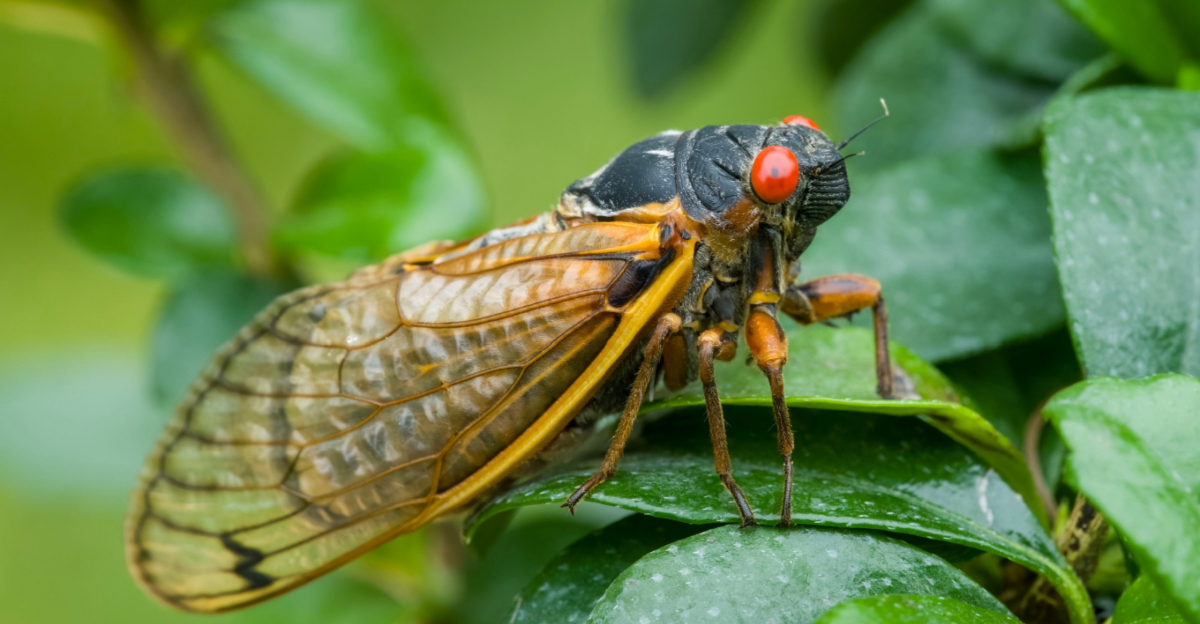
Cicadas are back in Indiana, and if you have stepped outside lately, you already know it. The noise is impossible to ignore, and the sheer number of them can feel overwhelming for any gardener.
But before you panic about your tomatoes or your young maple tree, it helps to know what cicadas actually do once they emerge. They are not locusts. They do not strip gardens bare or devour vegetable beds.
What they do is more targeted than that, and once you understand their habits, protecting your garden becomes a lot more manageable.
Some plants will need your attention right now. Others will be just fine on their own.
Knowing the difference is what separates a gardener who panics from one who simply acts.
The Best Ways To Help Your Garden Survive Cicada Season
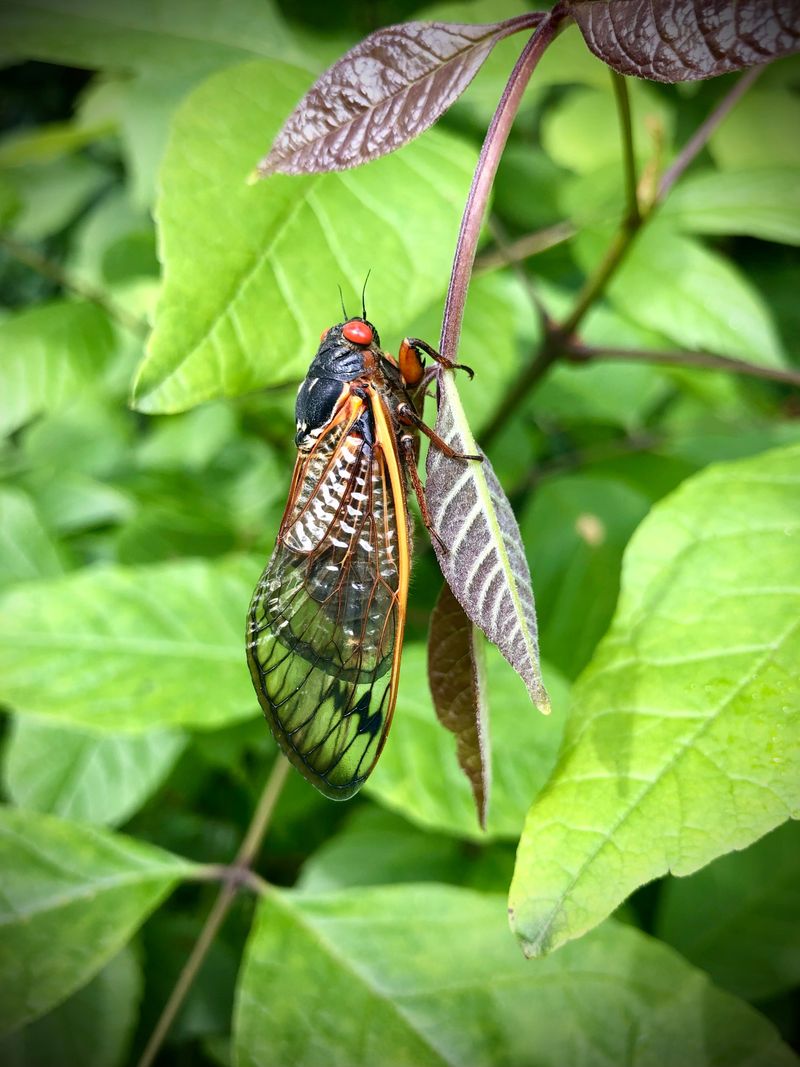
Your garden is tougher than you think, but cicada season still calls for a game plan. These insects emerge in massive numbers, and their sheer presence can feel overwhelming for any gardener.
Knowing what steps to take early makes a real difference when the noise outside reaches its peak. Start by walking through your yard and taking stock of what you have.
Focus your energy on young or newly planted trees, since those are the spots where egg-laying activity causes the most trouble. Older, established plants tend to handle the pressure much better on their own.
Watering deeply and consistently helps your plants stay strong during this period. Stressed plants are more vulnerable, so keeping soil moisture steady is one of the easiest things you can do right now.
Think of it as building up your garden’s immune system before the real pressure hits. Mulching around the base of trees and shrubs also helps lock in moisture and protect roots.
A two to three inch layer of wood chips or bark works well and looks tidy too. Skip fertilizing during peak cicada activity, since it puts additional stress on plants that may already be dealing with egg-laying damage.
Cicadas in Indiana are a seasonal event, not a permanent problem. Staying calm, staying observant, and making small protective moves adds up to big results by the end of summer.
Your garden will thank you for showing up when it needed you most.
Plants That Are Most At Risk During Cicada Season
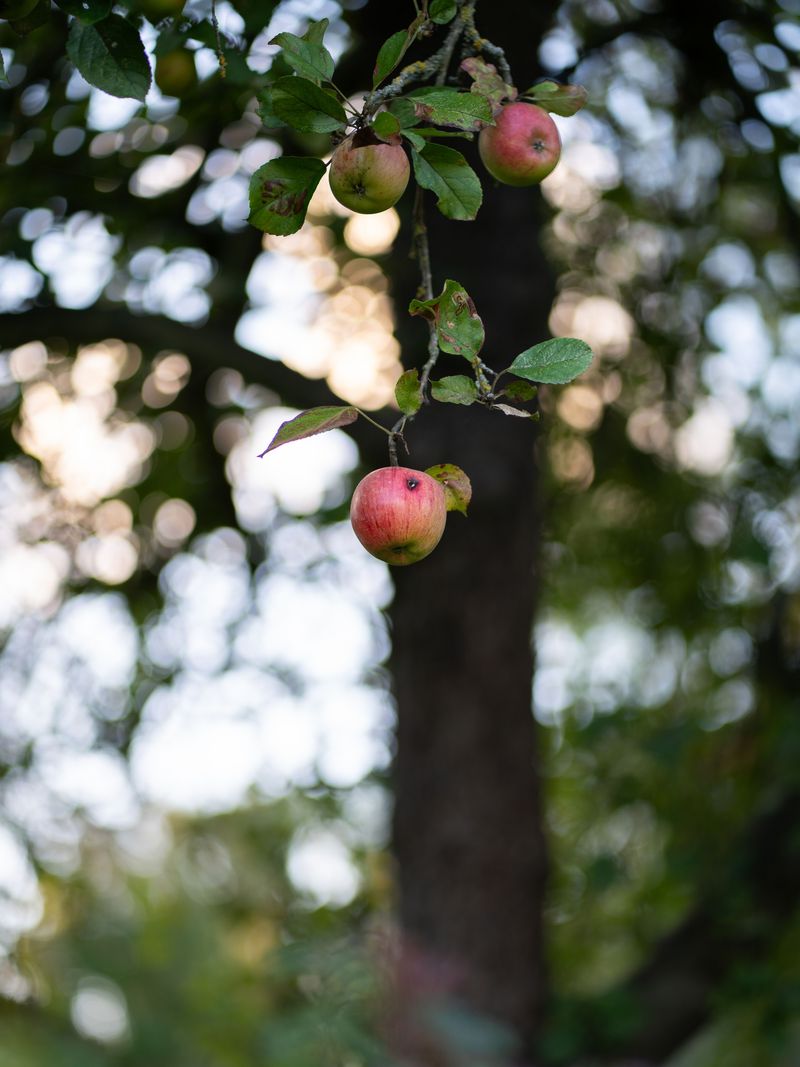
Not every plant in your yard is equally at risk, and knowing the difference saves you a lot of worry. Cicadas target specific plants when laying their eggs, and those tend to be young woody trees and shrubs with pencil-thin branches.
Soft stems are basically a welcome sign for a female cicada searching for a place to nest. Fruit trees top the list of vulnerable plants, especially apple, peach, cherry, and pear trees that are still in their early years.
Young oak, hickory, and dogwood trees are also frequently targeted during heavy emergence years. If you planted any of these in the last two or three seasons, now is the time to pay close attention.
Your Indiana Garden Changes Every Week. Your Plan Should Too.
Gardening in Indiana changes quickly throughout the season. Every Friday you’ll receive a simple weekly plan showing exactly what to plant, prune, fertilize, harvest, and protect so you never miss the right timing.
Roses and some ornamental shrubs can also take a hit when cicada populations are especially dense. The slits that females cut into branches to deposit eggs can cause a condition called flagging, where branch tips wilt and turn brown.
It looks alarming, but it rarely causes lasting harm to mature plants. Annual flowers and most vegetables are largely ignored by egg-laying cicadas since they prefer woody stems.
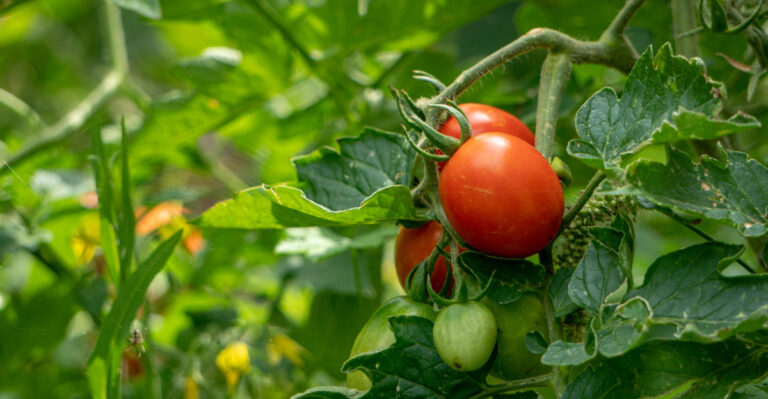
That means your tomatoes, peppers, and zucchini are probably safe from direct damage. Knowing which plants need your attention lets you focus your protection efforts where they count most.
Prioritize your youngest and most fragile woody plants above everything else this season. A little targeted attention now prevents months of recovery work later.
Protecting Young Trees And Shrubs From Cicada Damage
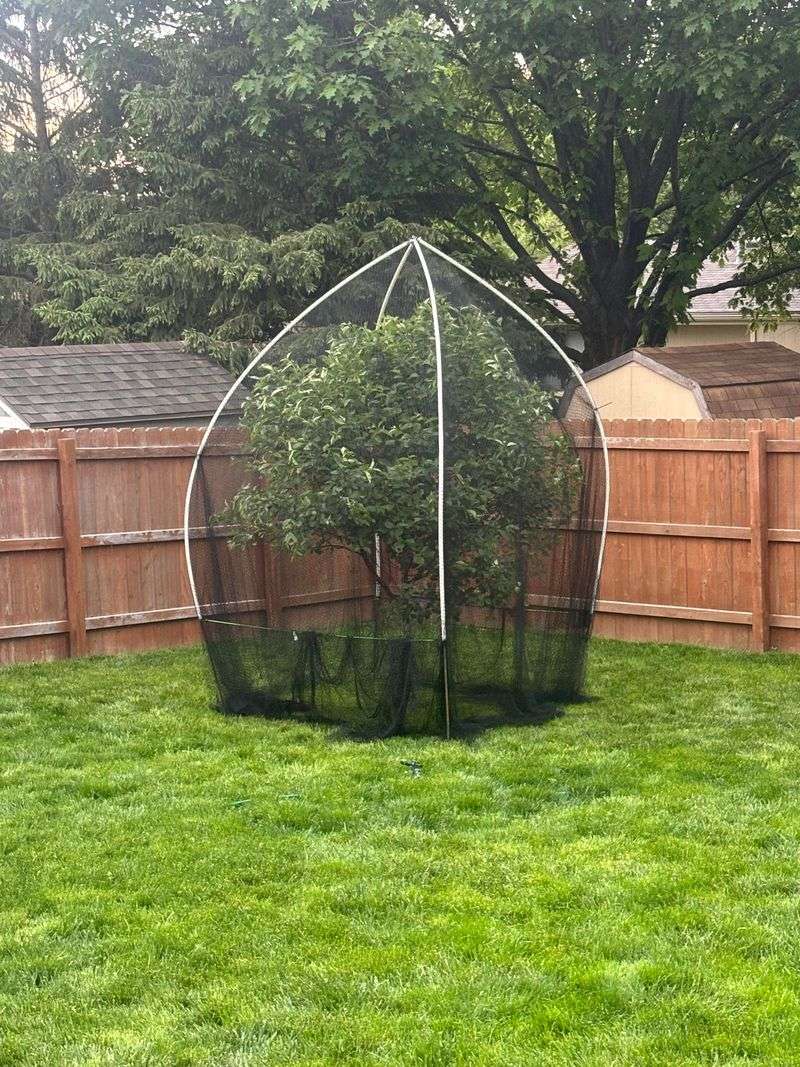
Young trees need your help right now, and the best tool you probably do not have yet is fine mesh netting. Covering small trees with netting that has openings no larger than one centimeter blocks female cicadas from reaching the branches to lay eggs.
It is simple, affordable, and genuinely effective when applied before the peak of activity. Hardware stores and garden centers carry this type of netting in rolls, and it is easy to drape over small trees and secure at the base.
Make sure the covering is snug enough that cicadas cannot squeeze underneath. Remove it once the adult population has noticeably thinned out, usually after six to eight weeks.
Avoid pruning any damaged branches while cicadas are still active in your yard. Pruning stimulates fresh growth, and open wounds on already-stressed trees make recovery significantly harder.
Wait until the season winds down before making any cuts, then prune cleanly just below the damaged section. Wrapping trunks with sticky tape or foil is sometimes suggested, but those methods are less reliable and can harm beneficial insects.
Netting remains the most straightforward and eco-friendly approach for protecting shrubs and trees. Pair it with consistent watering and your young plants stand a solid chance of coming through unscathed.
Think of this as a temporary shield, not a permanent solution. Six to eight weeks of protection is all it takes to carry your trees safely through cicada season in Indiana.
Keeping Your Vegetable Garden Safe During Cicada Season
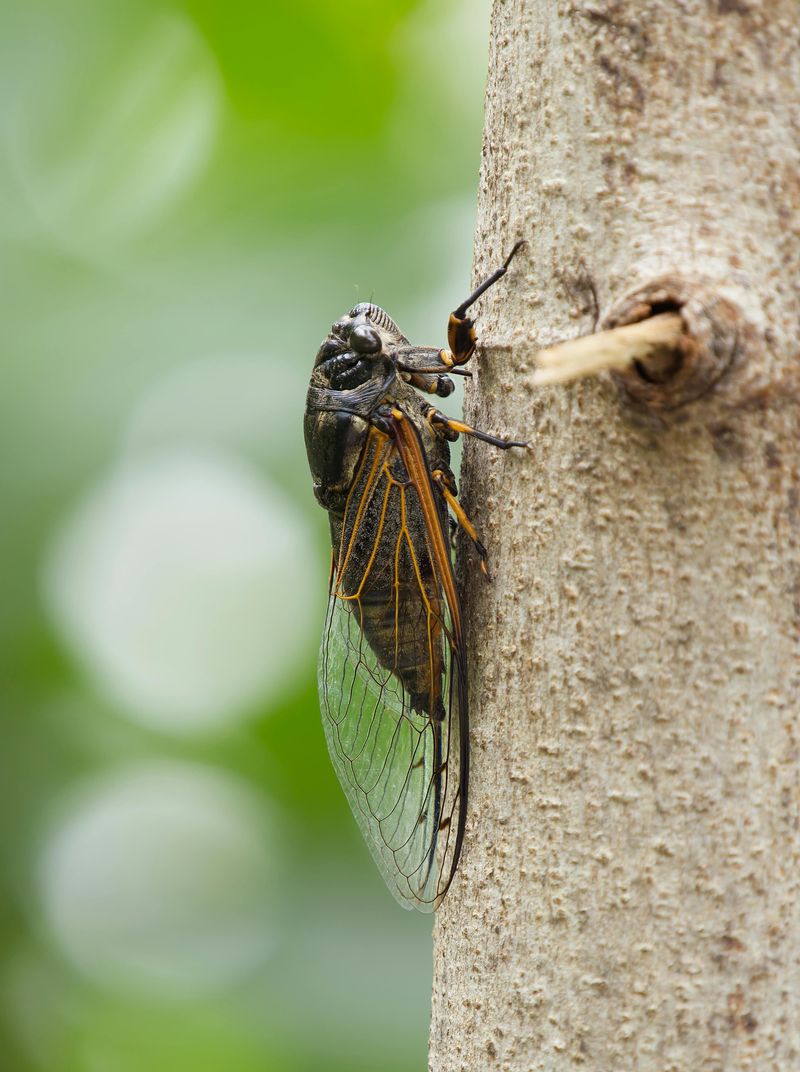
Here is some genuinely good news for vegetable gardeners: cicadas are not interested in your tomatoes. These insects do not chew leaves, eat fruits, or burrow into your raised beds.
Their diet as adults consists entirely of plant fluids drawn from woody stems, which means your vegetable patch is mostly off the menu. The main concern in the veggie garden is indirect.
If you have young fruit trees or woody herbs like rosemary or sage planted nearby, those could attract egg-laying activity close to your beds. Keep an eye on any woody-stemmed plants growing within a few feet of your vegetables just to be safe.
Noise and sheer numbers can feel disruptive when you are trying to enjoy time in the garden. Cicadas buzzing around you while you weed or harvest is annoying, but it does not signal danger to your crops.
Lightweight row covers can help muffle some of the chaos and keep the insects from landing on you while you work. Soil-wise, your vegetable beds may actually benefit slightly from cicada activity nearby.
When nymphs emerge from the ground, they leave small holes that temporarily improve soil aeration. It is a modest bonus, but a real one worth mentioning.
Stay consistent with watering and pest monitoring as you normally would throughout the season. Your vegetable garden is one of the safer spaces in your yard during cicada season, and that peace of mind is worth holding onto.
The Right Time To Plant During Cicada Season
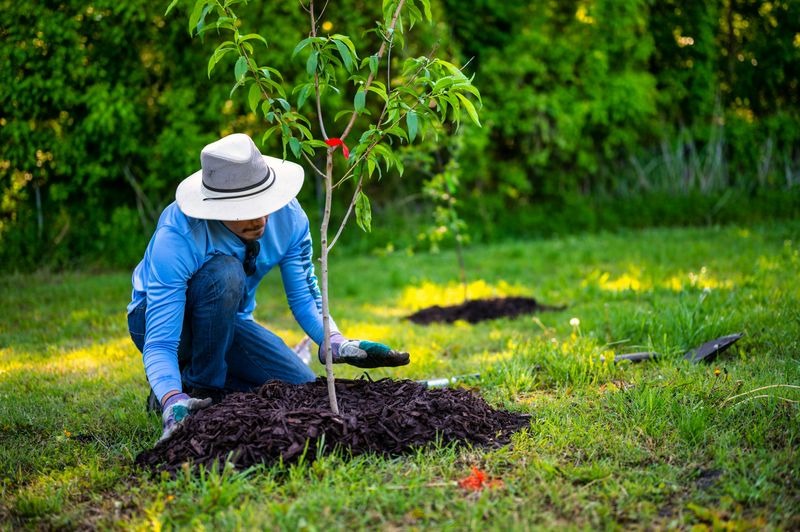
Timing is everything in gardening, and cicada season adds a new layer to that equation. Planting young trees or shrubs right now puts them at immediate risk before their roots even have a chance to settle.
Waiting just a few weeks can be the difference between a thriving plant and a stressed one fighting damage from day one. The general advice from horticulturists is to hold off on planting any new woody trees or shrubs until the adult cicada population has thinned out.
That window typically closes by midsummer, leaving you plenty of time to plant before fall. Fall planting is actually ideal in the Midwest because cooler temperatures reduce transplant stress significantly.
Annual flowers, vegetables, and perennials are safe to plant throughout cicada season since they are not targeted for egg-laying. Go ahead and fill your flower beds and container gardens without hesitation.
Focus your pause only on the woody, branching plants that cicadas find attractive for nesting. If you absolutely must plant a young tree now, protect it with netting immediately after planting and water it deeply every few days.
The combination of establishment stress and cicada pressure is manageable, but it does require extra attention from you. Mark your calendar to check on newly planted trees at least twice a week.
Patience during cicada season pays off in a big way. Waiting a few weeks to plant means your new trees start their life without an uphill battle ahead of them.
Your Garden After Cicadas Are Gone

Once the buzzing stops and the shells are crunchy underfoot, your garden enters one of its most rewarding phases of the year. The post-cicada period brings some surprising benefits that most gardeners overlook entirely.
Take a slow walk through your yard and look at everything with fresh eyes. All those decomposing cicada bodies on the ground are actually a natural fertilizer.
As they break down, they release nitrogen and other nutrients directly into your soil. Plants near areas of heavy cicada activity may show a modest growth improvement in the weeks that follow the emergence.
Now is the time to prune any flagged or damaged branches you noticed during the season. Cut cleanly just below the damaged section and dispose of the clippings away from your garden.
Most trees recover quickly once the affected wood is removed and stress is reduced. Fall planting can begin in earnest once cicada season wraps up, and the soil is still warm enough to support good root development.
This is a perfect moment to add those trees or shrubs you held off on planting earlier. Your timing now gives new plants the best possible start before winter settles in.
Cicadas in Indiana come and go, but a well-tended garden outlasts every season they bring. The care you put in during the noisy weeks pays off in a yard that looks better, grows stronger, and surprises you every single time you step outside.