The Meaning Behind Crickets Singing Louder Than Usual In Indiana
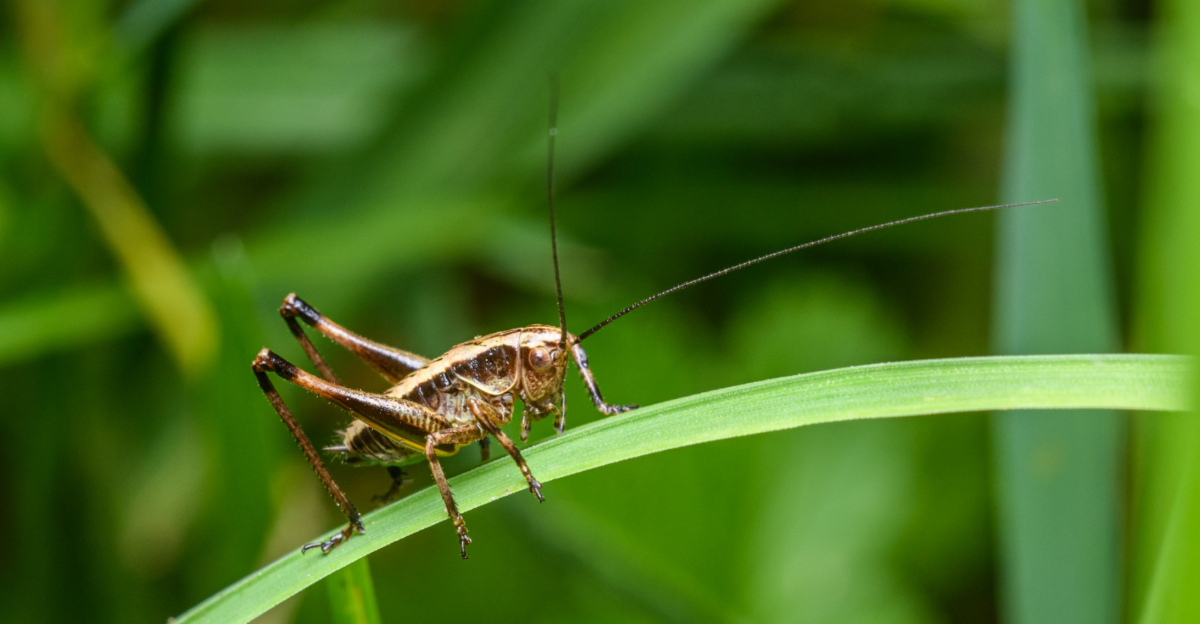
Every August in Indiana, something flips. The air gets thick, the days stretch long, and then, right around dusk, the noise starts. Not noise like traffic or a neighbor’s lawnmower. Real noise.
The kind that fills every corner of your yard and follows you inside when you open the screen door. Crickets, millions of them, all singing at once. Most people hear it and write it off.
But if the chorus sounds louder this summer than you remember from last year, you are picking up on something real.
Temperatures, timing, and population cycles have lined up in a way that turns Indiana backyards into full-volume concert venues every single night.
There is biology behind that wall of sound, and once you understand it, you will never tune it out again.
What is actually driving that deafening chorus will completely change the way you think about summer nights.
Loud Crickets Signal Warm Nights, High Humidity, And A Population Surge
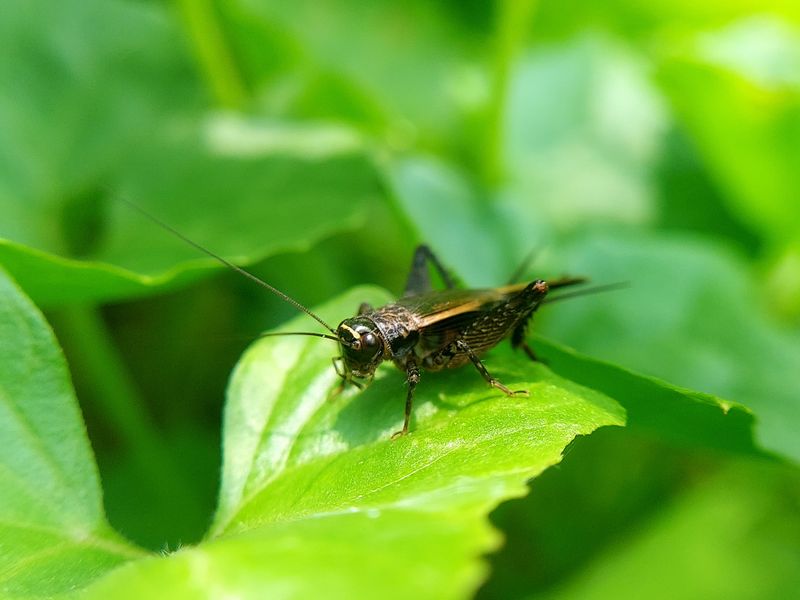
That wall of sound hits you the moment you open the back door. Loud crickets often point to three things happening at once: warm nights, thick humidity, and a population that has surged.
Crickets are cold-blooded creatures, so their activity level tracks closely with air temperature. When nights stay warm, they stay active longer and chirp with much more energy.
Humidity plays a sneaky role too. Humidity can affect how sound travels, making a noisy yard feel even louder on a muggy night.
A backyard full of chirping crickets on a muggy night can sound noticeably louder than the same group on a dry evening.
Population surges happen when conditions have been favorable for several weeks in a row. More crickets simply means more chirping, and the combined effect creates that overwhelming nighttime chorus.
Think of it like a concert where the band keeps adding musicians. Each new player adds volume to the overall sound.
A warm, wet summer in Indiana creates ideal conditions for an exceptionally large and active cricket population.
Paying attention to these signals can help you predict what is coming next in your yard and garden. When the chorus gets unusually loud, nature is telling you something worth listening to.
Rising Temperatures Explain Why They Chirp Louder And More Frequently
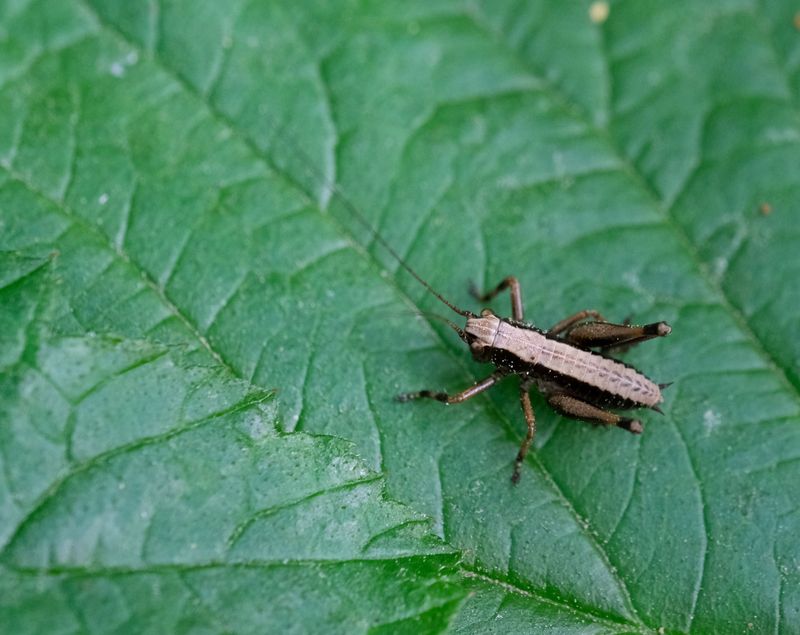
Temperature is the single biggest driver behind how often and how loudly a cricket chirps. Scientists have even named this relationship after a 19th-century physicist, calling it Dolbear’s Law.
The rule is simple: the warmer the air, the faster a cricket chirps. Count the chirps in 14 seconds, add 40, and you get a rough estimate of the outdoor temperature in Fahrenheit.
When Indiana summers push past the mid-70s at night, crickets do not slow down the way they would in cooler regions. Their muscles work faster, their wings rub together quicker, and the sound gets louder.
A stretch of nights above 75 degrees can push chirping frequency to its peak. This is when many homeowners notice the sound feels noticeably more intense compared to earlier in the season.
Your Indiana Garden Changes Every Week. Your Plan Should Too.
Gardening in Indiana changes quickly throughout the season. Every Friday you’ll receive a simple weekly plan showing exactly what to plant, prune, fertilize, harvest, and protect so you never miss the right timing.
Warmer temperatures also mean crickets eat more and grow faster. A well-fed, fully grown cricket produces a much stronger and more consistent sound than a young or underfed one.
Climate trends across the Midwest have been nudging average nighttime temperatures upward over recent decades.
That slow shift may have contributed to a gradually louder cricket chorus in Indiana over recent summers, though other seasonal factors also play a role.
Indiana’s Climate And How Summer Conditions Amplify Cricket Noise
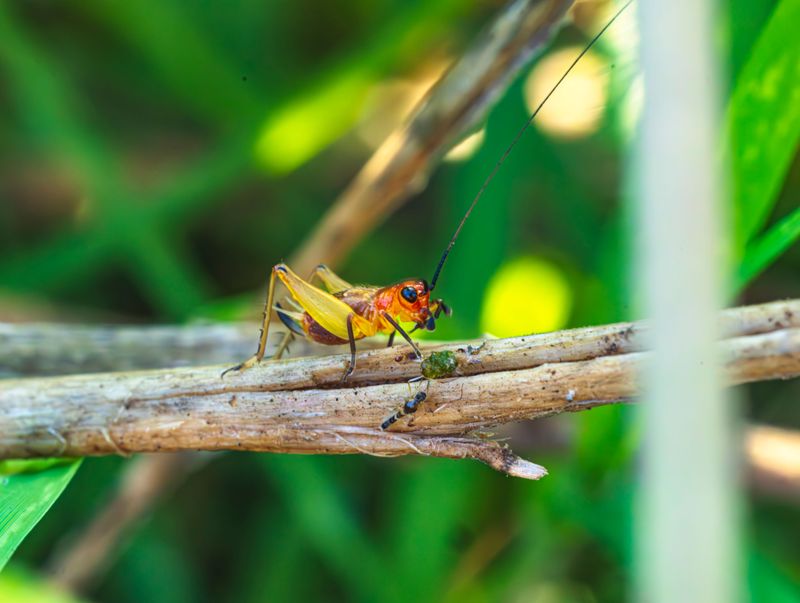
Indiana sits in a sweet spot for cricket activity. The state gets hot, humid summers that stretch well into September, giving crickets an unusually long active season compared to northern states.
The combination of clay-heavy soil, abundant rainfall, and dense vegetation creates ideal hiding and breeding spots. Crickets thrive in areas where moisture stays trapped close to the ground.
Corn and soybean fields that blanket much of the state provide massive feeding grounds. When crops mature and fields dry out in late summer, crickets migrate toward homes, lawns, and gardens in large numbers.
Urban heat islands in cities like Indianapolis or Fort Wayne push nighttime temperatures even higher than surrounding rural areas. Residents in those zones often hear the loudest choruses of all.
Late July through early October is peak cricket season across the state. During this window, every warm and wet condition lines up perfectly to fuel maximum chirping activity.
The meaning behind crickets singing louder than usual in Indiana is often just the state doing what it does best: delivering a full, intense summer.
Nature responds consistently and intensely, and that sound is actually a sign of a healthy, thriving ecosystem right outside your window.
Native Species In Indiana Become More Active In Your Yard Right Now
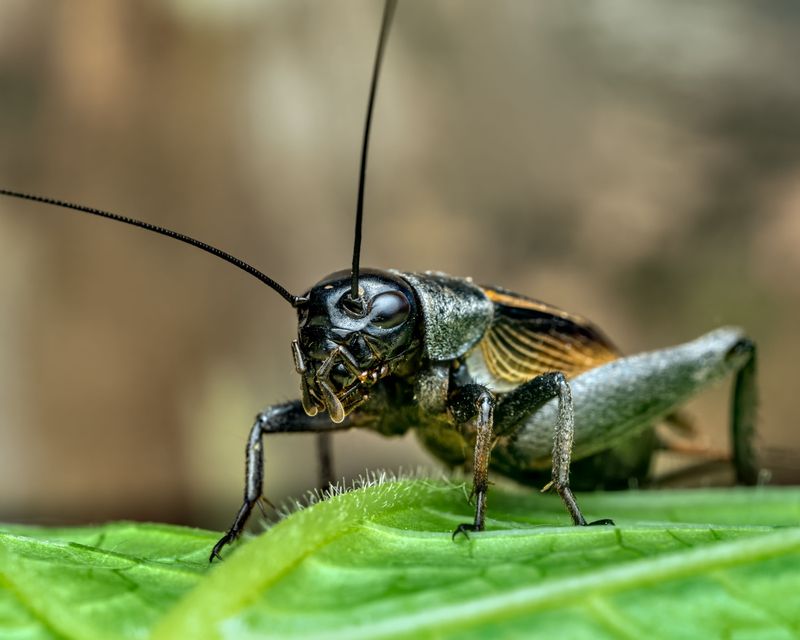
Not all crickets are the same, and Indiana is home to several species that each contribute their own unique sound to the summer chorus. Knowing which ones live in your yard adds a whole new layer of appreciation.
The field cricket is the most common and the loudest. It is the big, shiny black one you likely spot near your porch light or under garden pots.
Ground crickets are smaller and produce a softer, higher-pitched trill. They prefer to stay low in the grass and tend to be heard more than seen. Tree crickets are pale green and live in shrubs and low tree branches.
Their rhythmic, almost electronic-sounding pulse is what gives summer nights that dreamy, pulsing quality. Each species has its own peak activity window during the summer.
When multiple species all hit their stride at the same time, the combined volume can feel overwhelming. Spotting which species dominate your yard can tell you a lot about your local habitat.
A yard full of field crickets suggests open, disturbed ground, while tree crickets point to healthy shrub coverage and mature plantings that support a richer backyard ecosystem.
Mating Season And Territorial Behavior Drive Crickets To Sing Harder
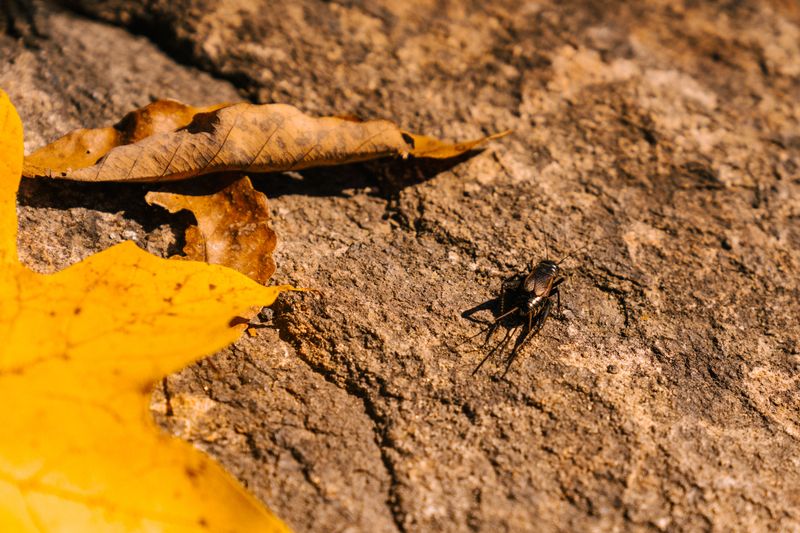
Male crickets do not chirp just to fill the silence. Every single chirp is a calculated move in a competitive process of attraction and rivalry. The louder and faster the song, the better the male’s chances.
Females listen carefully and choose mates based on chirp quality. A strong, consistent rhythm signals good health and strong genes, which is exactly what a female wants to pass on.
Territorial chirping is just as intense as mating calls. When two males get close to each other, their chirping ramps up fast as each one tries to out-sing and push the other away.
Peak mating season in Indiana runs from late July through early October. This is when male crickets are working their hardest, singing almost nonstop from dusk until well past midnight.
Younger males that have just reached adulthood add their voices to the mix during this window.
A yard with multiple generations of crickets active at once can produce a surprisingly dense and layered soundscape.
The meaning behind crickets singing louder than usual often comes down to this powerful biological drive.
They are not singing for you, but the passion behind every chirp makes the summer night feel electric and alive in a way that is hard to beat.
What Unusually Loud Crickets Could Mean For Your Lawn And Garden
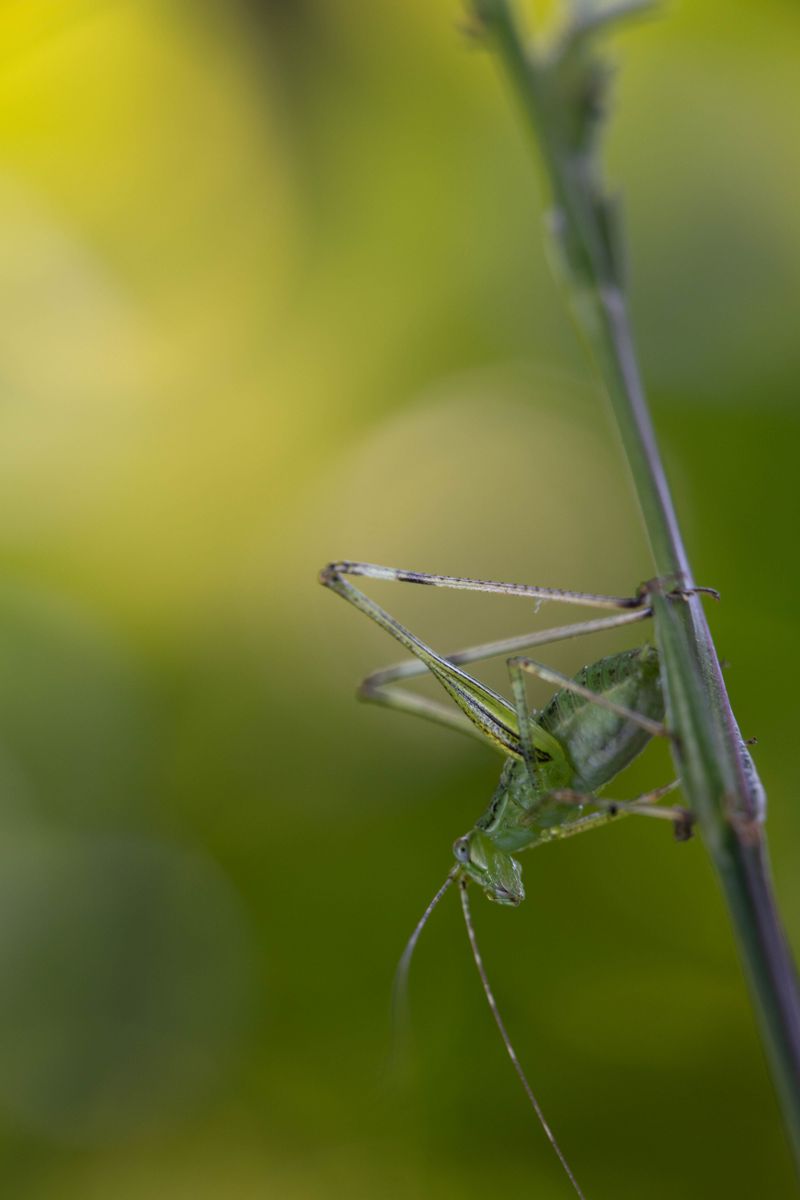
A loud cricket chorus is not always just background music. Sometimes it is a signal that your lawn and garden deserve a closer look. Big cricket populations can leave real marks on the plants you care about.
Crickets feed on a wide range of organic material, including seedlings, tender vegetable shoots, and young flower petals. A small group causes minimal harm, but a large population can cause noticeable damage overnight.
Look for ragged edges on leaves, chewed stems near the soil line, and small holes in soft fruit. These are classic signs that crickets have been feeding actively in your beds.
Lawns can also show stress when cricket numbers get high. Certain species, particularly mole crickets, dig shallow burrows and disturb root zones, which can cause patchy, uneven growth in certain areas of the turf.
On the positive side, crickets are also decomposers. They break down decaying plant material and return nutrients to the soil, which is genuinely helpful for garden health when populations stay balanced.
Think of a loud cricket chorus as your yard’s report card. A moderate sound suggests balance, but an overwhelming roar night after night is worth investigating before your garden starts showing signs of stress you did not plan for.
Managing Cricket Activity Around Your Home When Numbers Get Out Of Hand
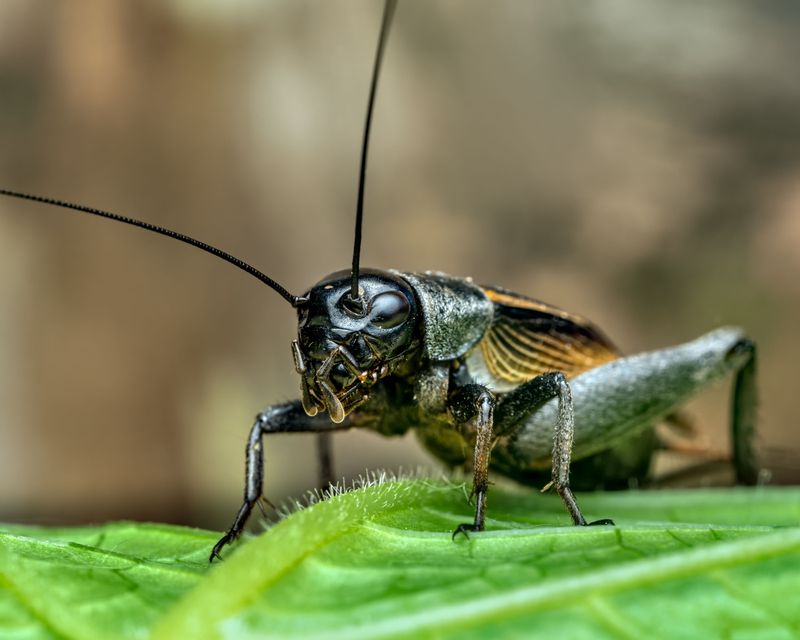
When the chorus outside turns into a chorus inside your walls, it is time to take action. Managing cricket activity does not require harsh chemicals or expensive pest control calls right away.
Start by reducing outdoor lighting near entry points. Crickets are strongly attracted to bright lights, and switching to yellow or amber bulbs cuts that attraction significantly.
Seal gaps around doors, windows, and foundation cracks with weatherstripping or caulk. Crickets can squeeze through surprisingly small openings, especially as temperatures drop in early fall.
Reduce moisture near your home’s foundation by fixing leaky gutters and moving mulch or leaf piles away from the base of the house. Dry conditions are far less inviting to crickets seeking shelter.
Natural predators like birds, toads, and spiders are your best allies. Encouraging these animals in your yard creates a self-regulating system that keeps cricket numbers in check without any effort from you.
If populations are significantly elevated, food-grade diatomaceous earth sprinkled along entry points and garden borders works as a safe and effective barrier.
The meaning behind crickets singing louder than usual in Indiana ultimately comes down to conditions you can often influence with a few smart, simple steps around your home.