8 Reasons Your Wisconsin Tomatoes Split Before You Pick Them And How To Stop It
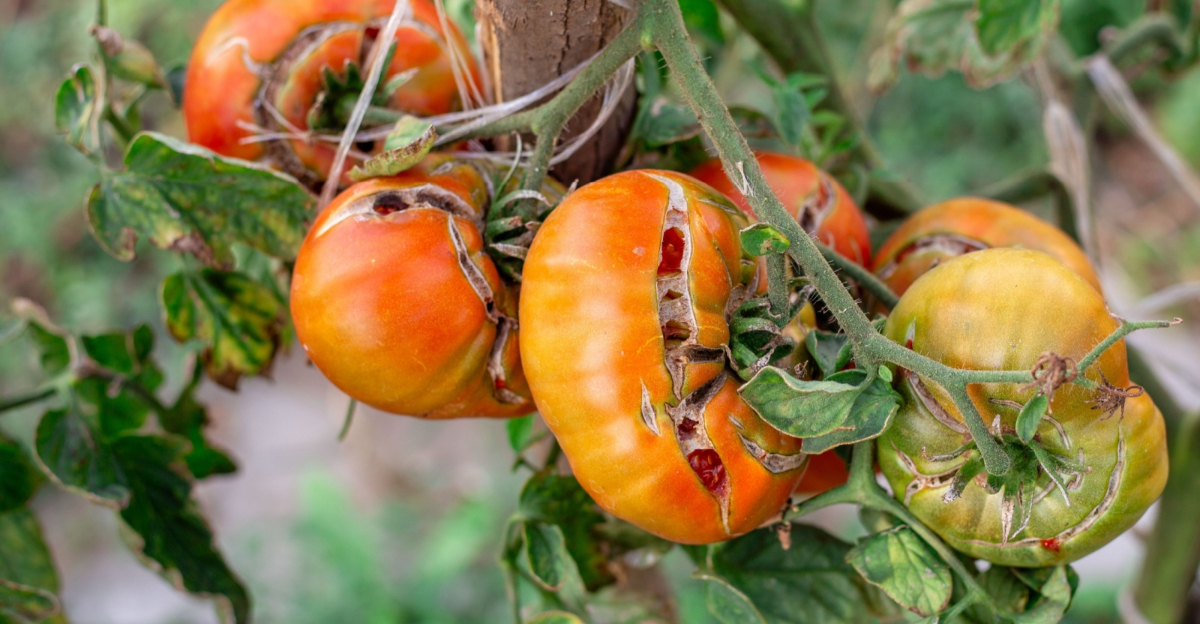
You spent months getting your Wisconsin tomatoes to this point, and then one morning you find your best fruit split open like it gave up on you overnight. It feels random, but it is not.
Most gardeners learn what causes splitting the hard way, after losing a few harvests to it. Wisconsin summers throw unpredictable rainfall and dramatic temperature swings at your plants, and tomatoes feel every bit of it.
Once you know what is actually causing the damage, stopping it gets a lot easier.
These eight reasons cover the most common culprits and give you a clear fix for each one so your harvest makes it from the vine to your table in one piece.
Inconsistent Watering Habits
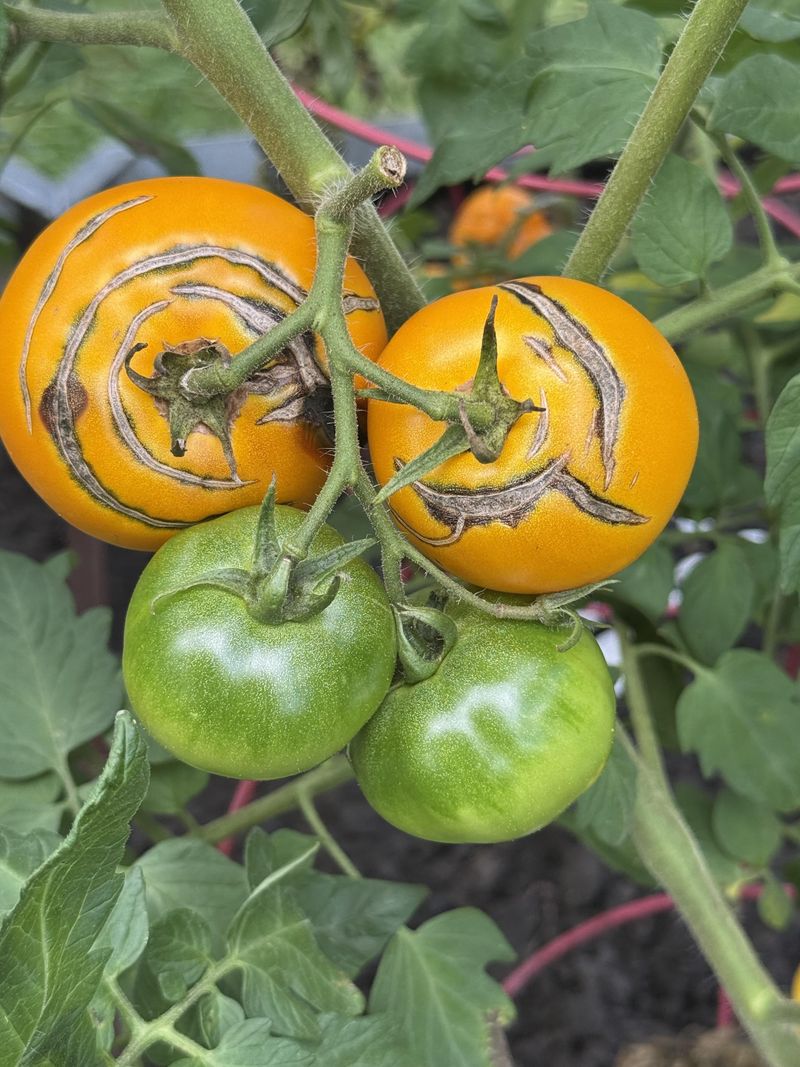
Watering your tomatoes like a roller coaster ride is one of the fastest ways to end up with split fruit. When soil dries out completely and then gets soaked all at once, the tomato plant drinks up water in a rush.
That sudden flood of moisture causes the inside of the tomato to grow faster than the outer skin can stretch. The skin cracks under pressure, and you get that heartbreaking split right before harvest.
Wisconsin summers are known for stretching dry spells followed by heavy afternoon thunderstorms. That natural weather pattern alone can cause inconsistent watering even if you are doing everything right on your end.
The fix is simple but takes commitment. Water your tomatoes deeply and consistently, aiming for about one to two inches per week spread across several sessions rather than one giant soak.
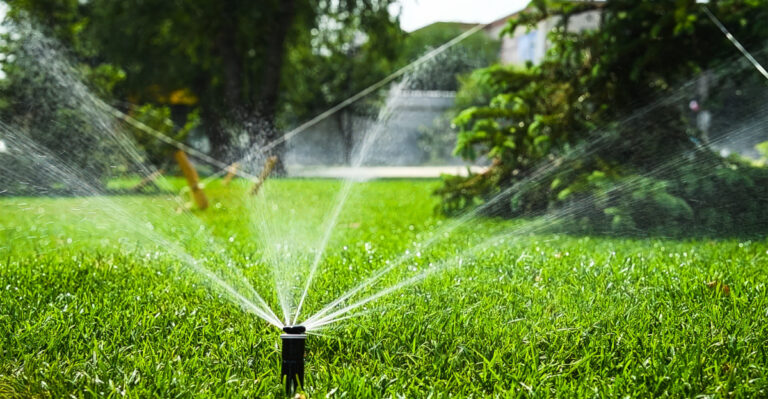
Drip irrigation systems work especially well in Wisconsin gardens where summer rainfall is unpredictable. They deliver a slow, steady supply of moisture directly to the roots without the dramatic swings that cause splitting.
Even a basic setup with soaker hoses makes a real difference over a full growing season. Mulching around the base of your plants also helps lock in moisture between watering sessions.
A two-inch layer of straw or wood chips slows evaporation and cushions your soil against Wisconsin’s unpredictable summer heat. Give your tomatoes that stability and splitting stops being a problem you have to think about.
Heavy Rain After A Dry Spell
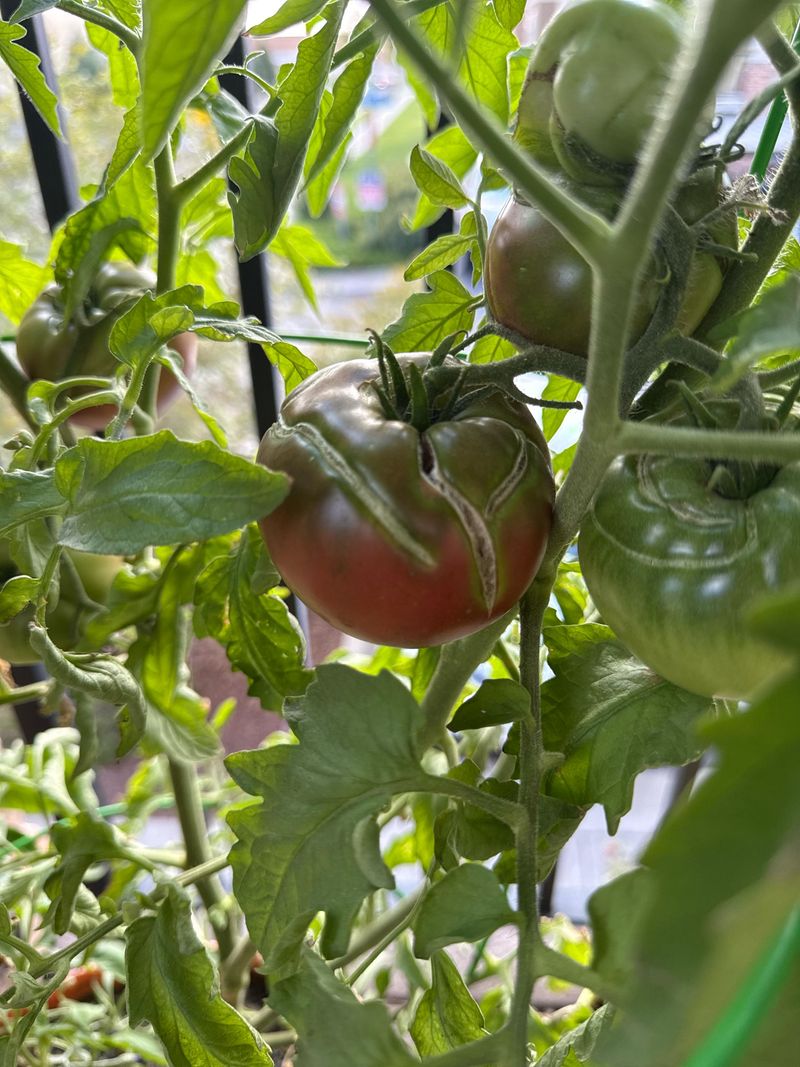
Nothing splits a tomato faster than a downpour hitting bone-dry soil. It is one of those cruel gardening jokes that nature plays on you right when your fruit is almost ready to pick.
Wisconsin sits in a climate zone where summer droughts and sudden heavy rainstorms are both completely normal. That combination is basically a recipe for cracked tomatoes if you are not prepared for it.
When rain soaks into dry soil quickly, plant roots absorb enormous amounts of water in a short window. The tomato fruit swells rapidly from the inside, and the skin simply cannot keep up with that growth rate.
Checking the forecast regularly during peak ripening season gives you a real advantage over the weather. A storm rolling in from Lake Michigan can drench your garden in under an hour, and a little warning is all you need to act.
Your Wisconsin Garden Changes Every Week. Your Plan Should Too.
Gardening in Wisconsin changes quickly throughout the season. Every Friday you’ll receive a simple weekly plan showing exactly what to plant, prune, fertilize, harvest, and protect so you never miss the right timing.
One of the best ways to buffer against this problem is consistent mulching. A thick layer of organic mulch slows how fast rainwater soaks into the soil, giving the plant a more gradual intake of moisture.
Raised bed gardening also helps because you have more control over drainage. Beds that drain well prevent the soil from becoming waterlogged after a storm, which reduces that dangerous surge of water to the roots.
Picking tomatoes that are almost ripe before a big storm is also a smart move. Let them finish ripening on your kitchen counter rather than gambling with the weather outside.
Rapid Temperature Swings
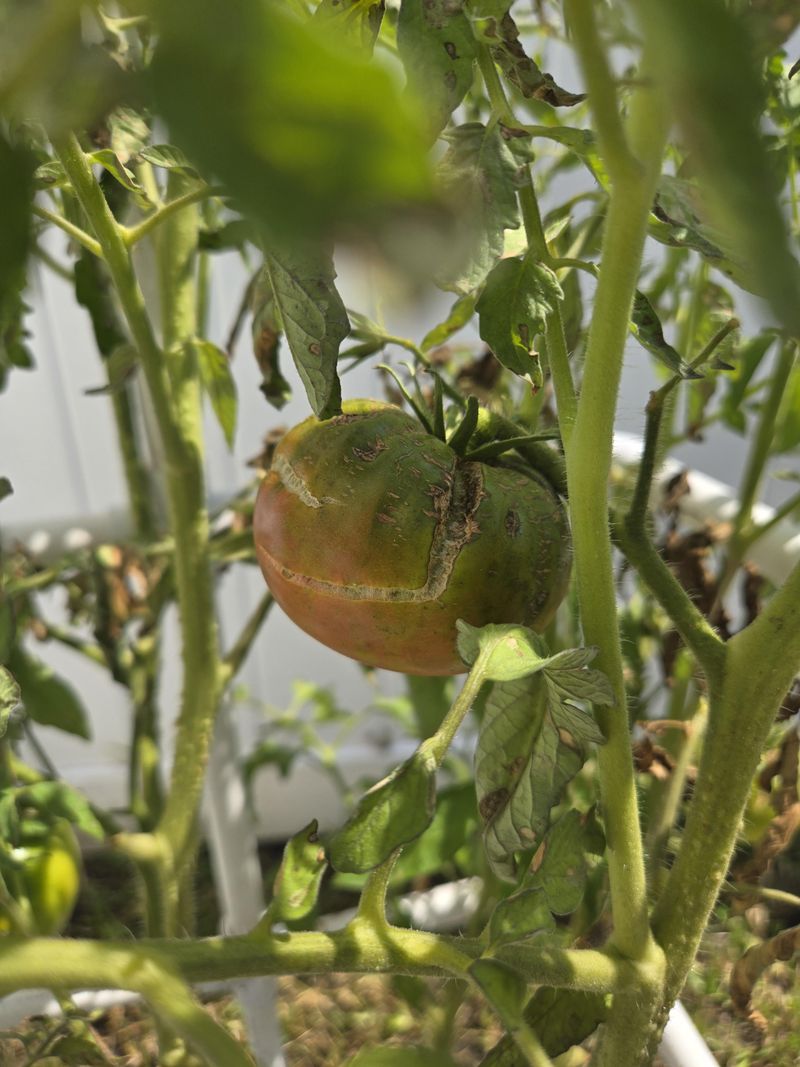
Temperature swings in Wisconsin can be wild, especially in late summer and early fall. A scorching 90-degree afternoon followed by a cool 55-degree night puts serious stress on your tomato plants.
Heat causes fruit to expand during the day, while cooler nighttime temperatures slow things down. That back-and-forth stretching and contracting weakens the skin over time, making it more prone to splitting.
Tomatoes that are close to full ripeness are especially vulnerable because their skin is already at maximum stretch. One sharp temperature shift at the wrong moment can crack them open without any warning.
Shade cloth is an underrated tool for managing this problem. Draping a light shade cloth over your plants during extreme heat events can reduce the intense temperature spikes that stress the fruit.
Wisconsin gardeners also deal with the added challenge of a shorter growing season. Fruit is often ripening right as fall temperature drops begin, which tightens your harvest window considerably.
Monitoring your plants closely in August and September gives you the best chance of catching tomatoes at peak ripeness. Do not wait for a perfect color when the forecast is showing overnight lows dropping into the 50s.
Keeping plants well-watered during heat waves helps them regulate temperature from the inside out. Well-watered plants handle heat stress far better and are much less likely to crack than thirsty ones.
Overripe Tomatoes Left On The Vine
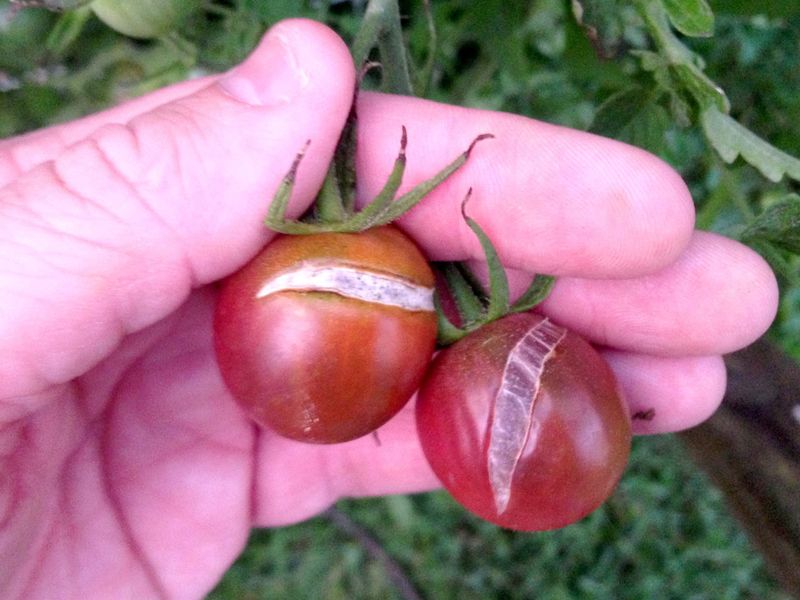
Leaving tomatoes on the vine too long is like waiting for a balloon to pop. The longer they hang there past peak ripeness, the more fragile their skin becomes.
As tomatoes ripen, the skin gradually loses its elasticity. Any small change in moisture or temperature can be enough to push an overripe tomato right over the edge into a split.
A lot of home gardeners wait for that perfect deep red color before picking, but that strategy often backfires. Tomatoes continue to ripen off the vine just fine, and picking them a few days early actually protects them from splitting.
Wisconsin summers can shift quickly from warm and dry to cool and rainy within the same week. That kind of unpredictable weather makes it even more important to stay ahead of ripeness rather than waiting for the perfect moment.
Check your plants every single day once fruit starts to color up. Catching tomatoes at the breaker stage, when they just start turning from green to pink or red, gives you a safe window to harvest before splitting becomes a risk.
Storing harvested tomatoes at room temperature, not in the refrigerator, preserves their flavor while they finish ripening. Cold temperatures break down the cell walls of tomatoes and ruin that sweet, juicy taste you worked all season to grow.
A regular harvest schedule also encourages the plant to keep producing new fruit. The more often you pick, the more energy the plant puts into developing new tomatoes rather than keeping old ones alive on the vine.
Poor Soil Drainage And Waterlogged Roots
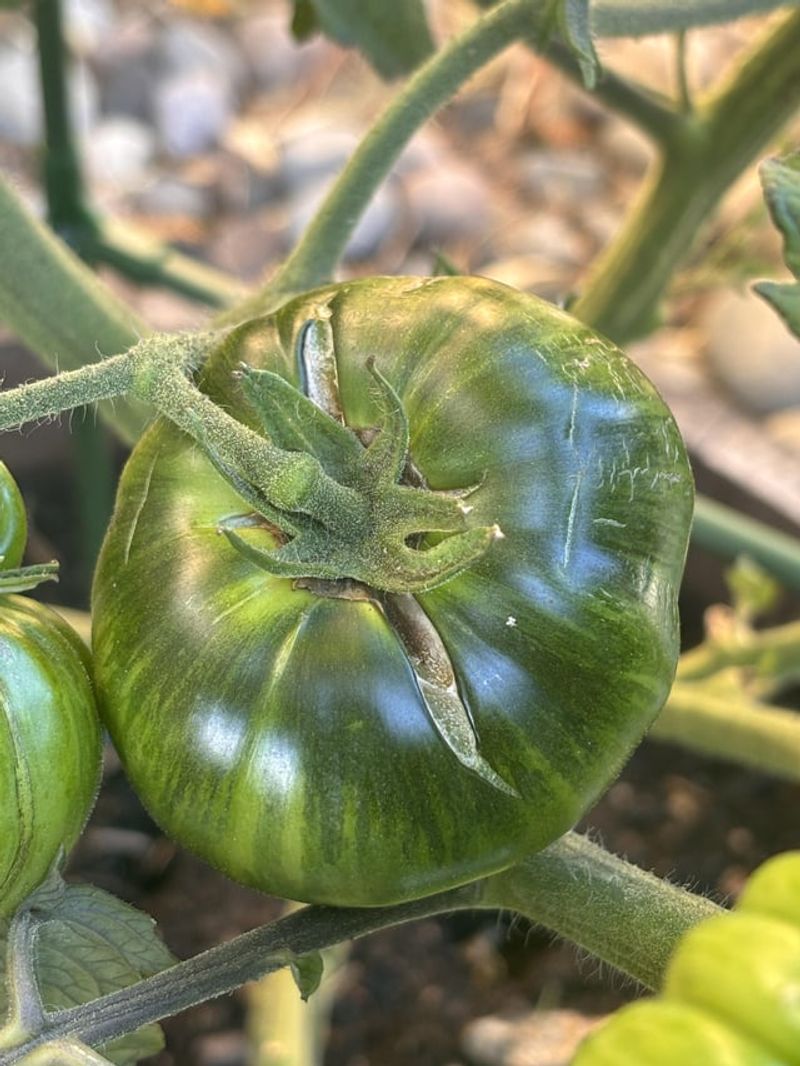
Soggy soil is a silent saboteur in any tomato garden. When roots sit in waterlogged ground, they absorb water at an uncontrolled rate and the fruit pays the price.
Wisconsin’s heavy clay soils hold water far longer than roots can comfortably handle. That trapped moisture keeps feeding the plant long after a rainstorm has passed.
The result is a slow, steady oversupply of water that causes the tomato to swell from the inside. Splitting becomes almost inevitable when the fruit has been absorbing excess moisture for days without relief.
Improving your soil structure before planting is the smartest prevention strategy. Adding compost, aged manure, or coarse sand to clay-heavy beds opens up the soil and allows excess water to drain away more efficiently.
Raised beds are one of the most reliable solutions for drainage problems in Wisconsin gardens. Building beds just eight to twelve inches high gives roots a well-drained environment that stays consistently moist without becoming saturated after every rain.
French drains or simple gravel trenches around garden beds can also redirect excess water away from your plants. A small investment in drainage infrastructure now can save your entire tomato harvest season after season going forward.
Testing your soil before the season starts is a step many Wisconsin gardeners skip but should not. A basic drainage test helps you understand what you are working with and gives you time to fix problems before your tomatoes are already in the ground.
Poor Air Circulation
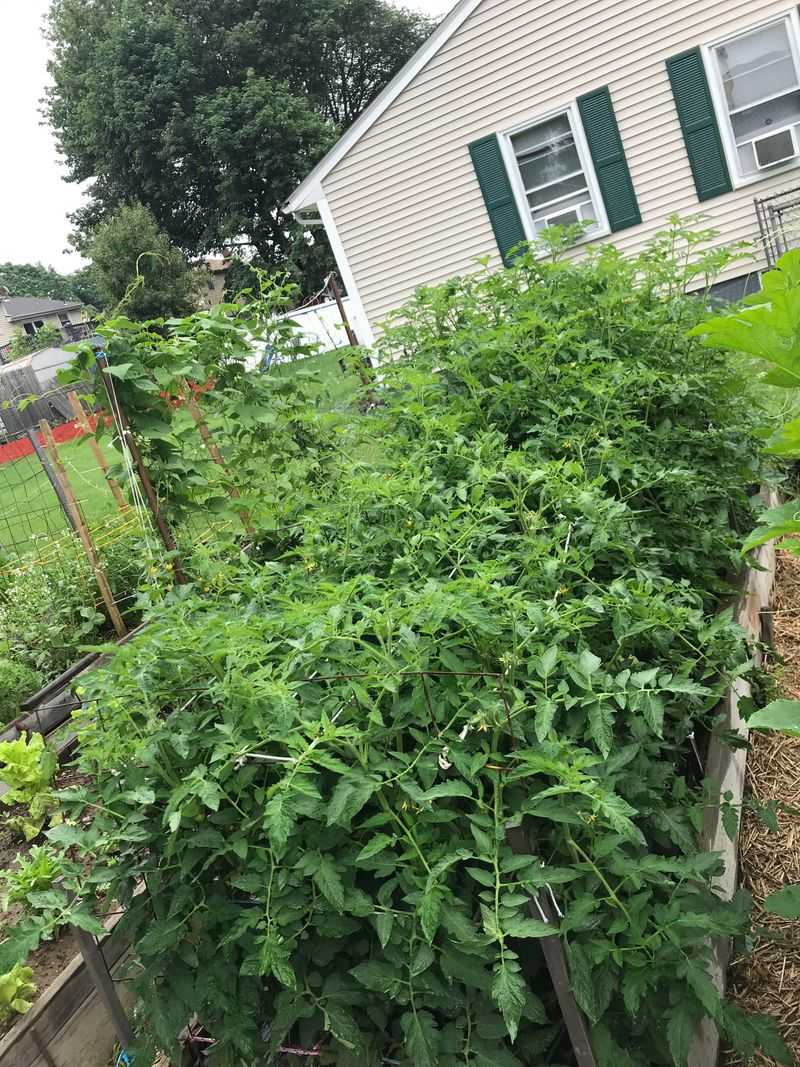
Crowded tomatoes are quiet trouble. What looks like a full, healthy garden in May turns into a trapped, airless mess by July that puts constant stress on every piece of fruit trying to ripen.
Wisconsin summers bring enough humidity on their own without your garden making it worse. Dense plantings hold that humid air in place around your tomatoes, creating conditions where the skin never fully dries out between rain events.
The general rule is to space indeterminate tomato varieties at least 24 to 36 inches apart. Determinate varieties can get away with slightly less, but giving every plant room to breathe pays off by the time fruit starts setting.
Pruning also plays a role in keeping air moving through your plants. Removing suckers and lower leaves regularly opens up the canopy and lets wind pass through instead of getting trapped inside a wall of foliage.
Staking and caging your plants keeps them upright and off the ground, which improves airflow from below as well. A tomato plant sprawling across the soil is sitting in its own trapped microclimate, and that is never a good situation for the fruit.
Ten minutes of pruning and training each week is all it takes. That small habit creates a healthier environment and significantly cuts down on splitting.
Choosing The Wrong Tomato Variety
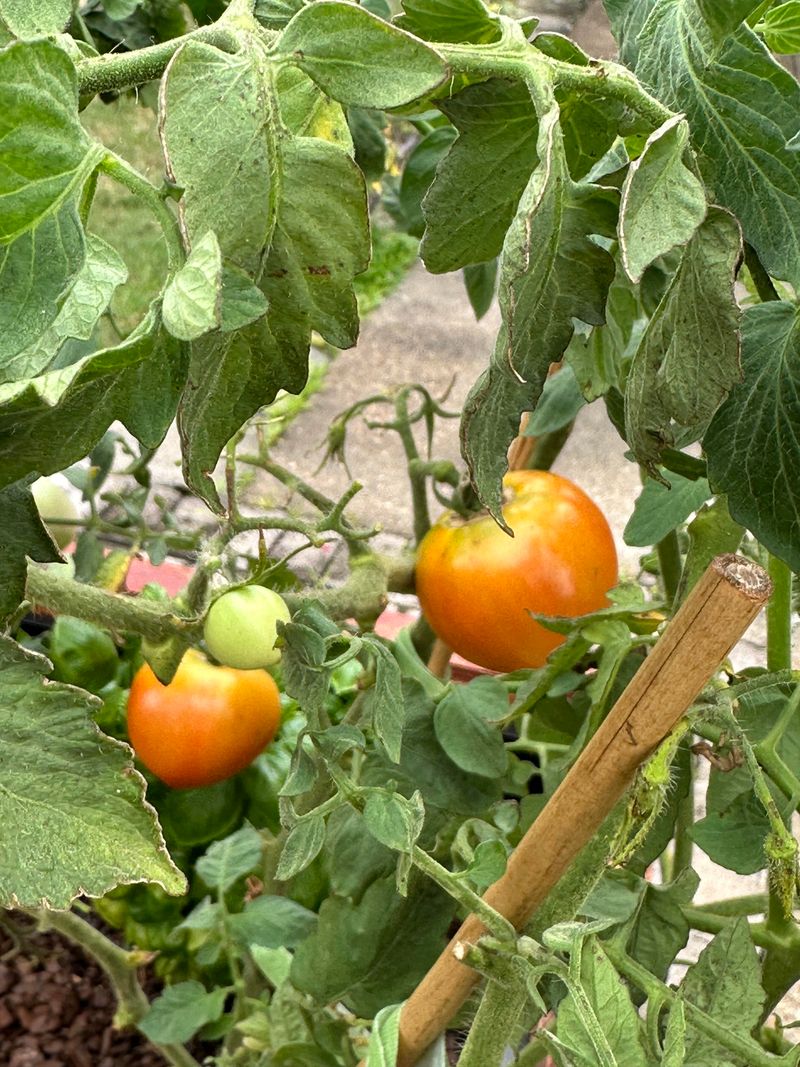
Not all tomatoes are built the same, and some varieties are simply more prone to splitting than others. Choosing the right type for your garden conditions can save you a season of frustration before you even plant a single seed.
Heirloom tomatoes are beloved for their incredible flavor and stunning colors, but many of them have thin, delicate skins that crack easily. Varieties like Brandywine and Cherokee Purple are gorgeous but require extra care to avoid splitting.
Hybrid tomatoes, on the other hand, are often bred with crack-resistance as a priority. Varieties like Mountain Fresh Plus, Celebrity, and Jet Star were specifically developed to handle the moisture fluctuations that cause splitting in more sensitive types.
Cherry tomatoes tend to split more readily than larger slicing tomatoes because they ripen faster and have thinner skin relative to their size. Sungold and Sweet 100 varieties are notoriously prone to cracking after rain if not harvested quickly.
Reading seed catalog descriptions carefully before buying pays off in a big way. Look for phrases like crack-resistant or thick-walled skin when browsing options for your Wisconsin garden.
Wisconsin gardeners benefit from choosing varieties with shorter days to maturity. An early fall frost can end your season faster than you expect, and a crack-resistant variety that ripens in time is always the safer bet.
Irregular Fertilizing And Nitrogen Overload
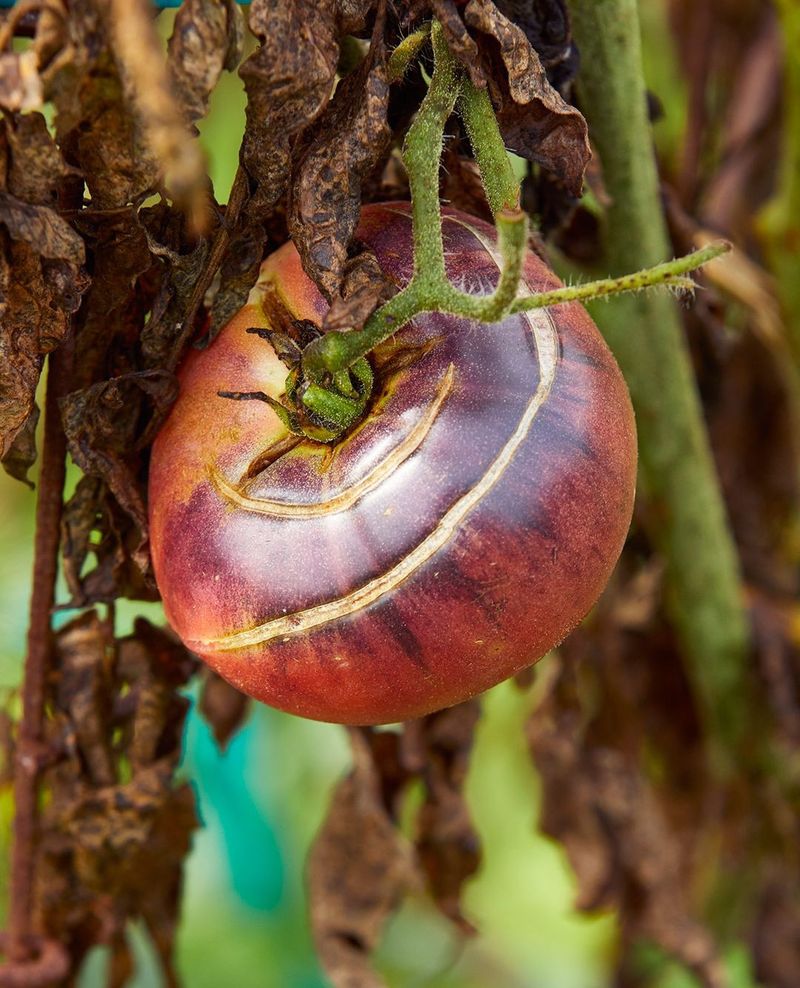
Feeding your tomatoes too much nitrogen is like pushing a car engine past its limit. The plant responds by throwing all its energy into fast, lush growth and the fruit skin cannot keep up with that rapid pace.
Excess nitrogen causes tomatoes to swell quickly on the inside while the outer skin lags behind in development. The result is a fruit that is essentially outgrowing its own wrapper, and splitting becomes almost guaranteed.
Many gardeners over-fertilize early in the season with high-nitrogen products to encourage big, green plants. That strategy works for leafy vegetables, but tomatoes need a different approach once they start setting fruit.
Switch to a lower-nitrogen, higher-phosphorus and potassium fertilizer once flowers appear on your plants. Products labeled as tomato or bloom fertilizers are formulated specifically for this stage of growth and support strong fruit development.
Irregular fertilizing is just as damaging as overdoing it. Applying fertilizer in big, infrequent doses causes growth spurts that stress the fruit, much like the moisture spikes that happen with inconsistent watering.
A steady feeding schedule every two to three weeks keeps growth consistent and predictable. That regularity is what keeps your Wisconsin tomatoes intact all the way to your kitchen table.