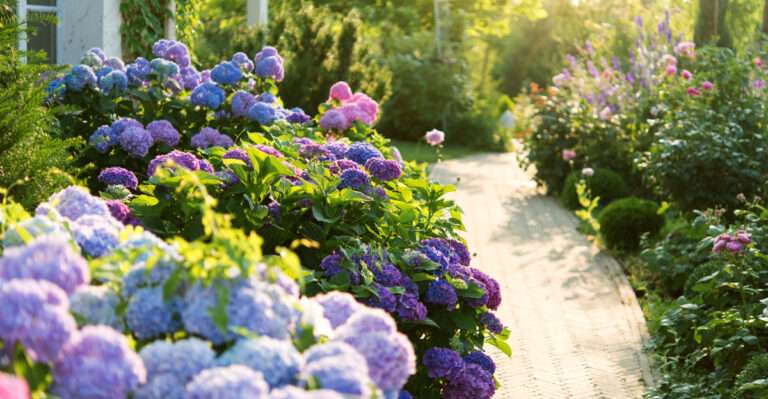
13 August-Planted Perennials For A Vibrant Fall Garden In Wisconsin
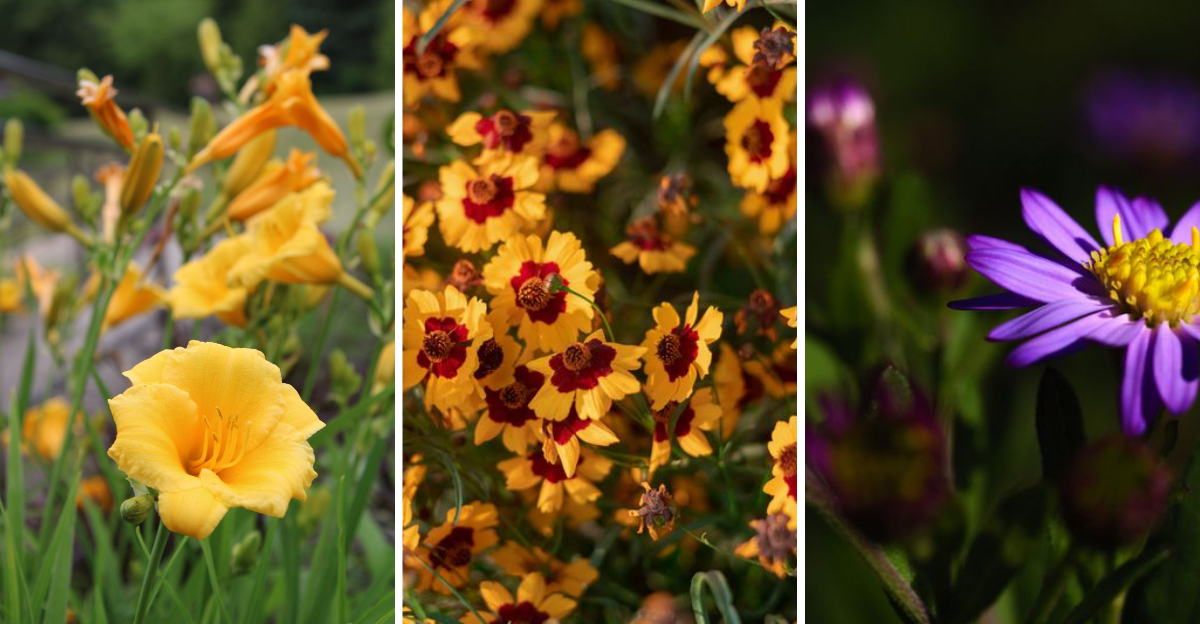
You already passed by the moment everyone else waits for. Wisconsin summers make people believe growing season is ending. Actually, warm days paired with cool nights create ideal root conditions.
Roots planted in August settle faster than anything forced into spring soil. Color shows up immediately, not after a long wait. Neighbors assume your garden peaked weeks ago while yours keeps expanding.
Local growers skip the rushed spring routine every year in Wisconsin. Establishing perennials before frost gives them a serious head start. Nothing about this timing requires patience or luck.
Waiting means losing an entire year of growth. Confidence matters more than caution when the window is this narrow. Momentum builds underground before you ever see it above soil.
Every day you delay shrinks the advantage you could have owned. Overlooking this window means starting over come spring. Continuing now reveals everything the next section holds about fall planting.
1. Coneflower
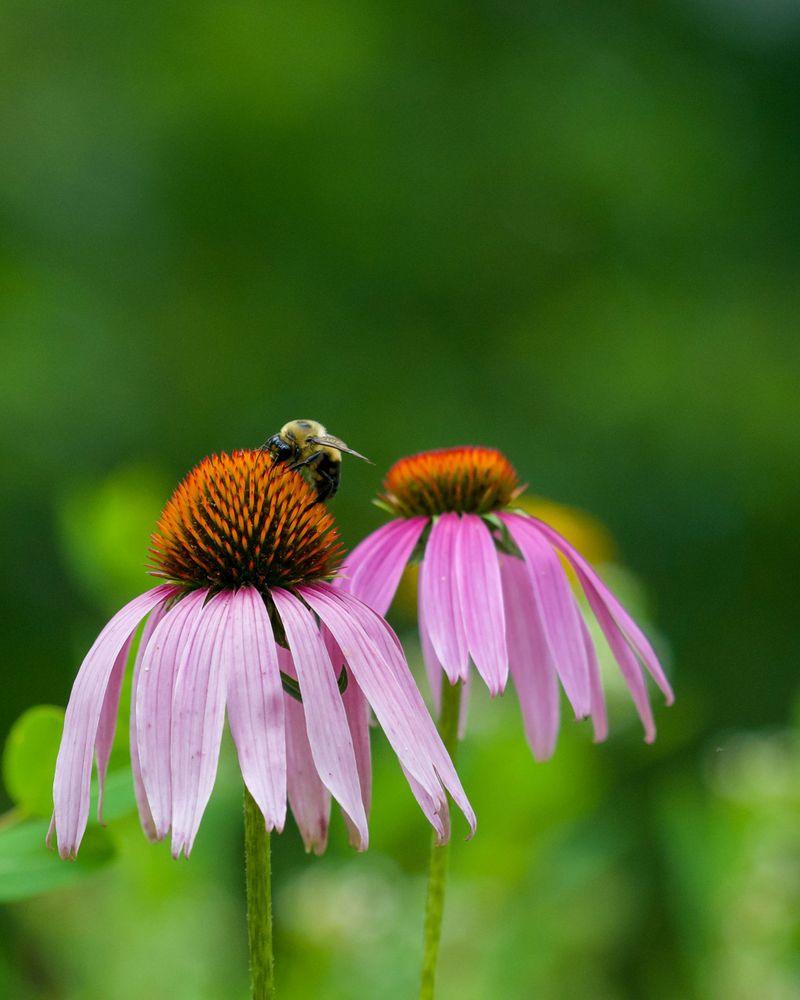
Few plants earn their keep like the coneflower does, blooming boldly from summer straight into fall. Planted in August, Echinacea roots settle in fast and reward you with color almost immediately.
Native to the American prairie, coneflowers are tough enough to handle Wisconsin’s unpredictable weather without complaint. Their spiky orange centers attract goldfinches and monarch butterflies, turning your yard into a wildlife hotspot.
Plant them in full sun and well-drained soil, spacing each plant about 18 inches apart. They bounce back year after year with almost no fuss from you.
Purple is the classic color, but modern varieties come in coral, white, and golden yellow. Mixing shades creates a cottage-garden look that feels lush and intentional.
Skip trimming at the end of the season and leave the seed heads standing. Birds will thank you all winter long, and the dried stems add quiet texture to a frosty garden scene.
2. Black-Eyed Susan
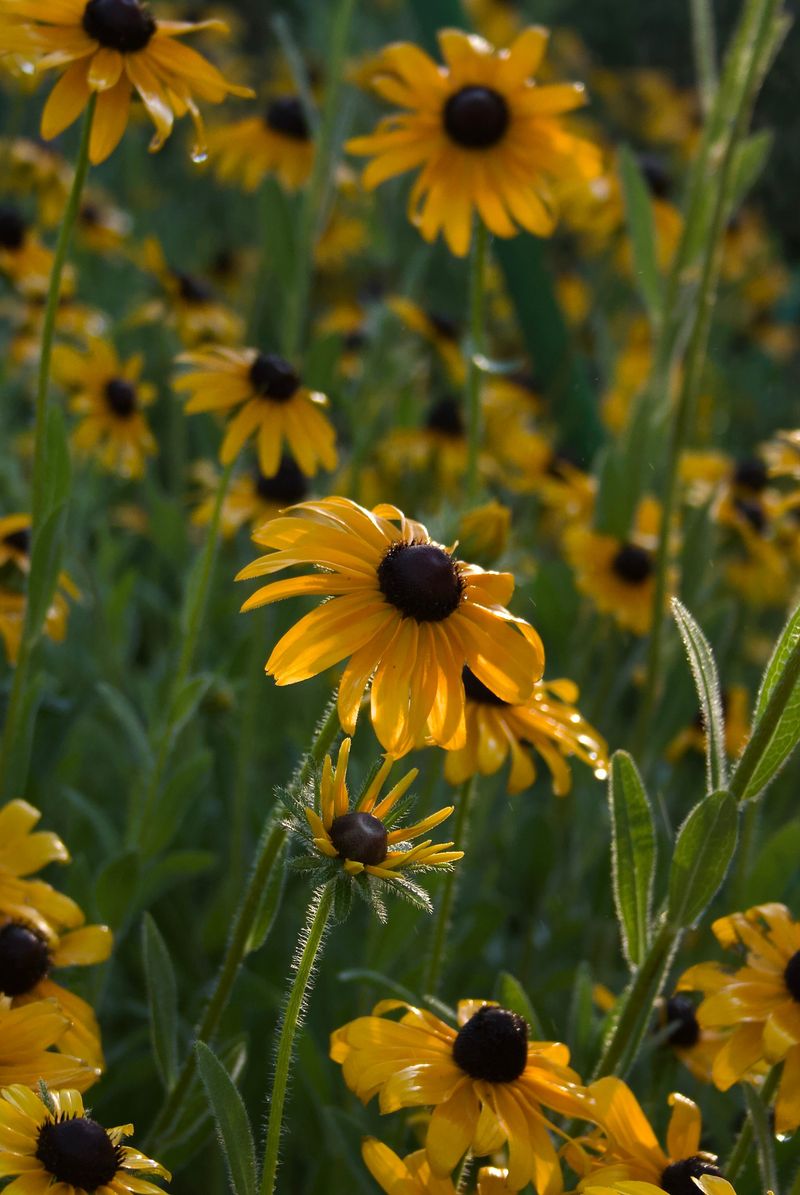
Nothing says late summer in the Midwest like a patch of golden Black-Eyed Susans glowing in the afternoon sun. These cheerful bloomers are practically made for Wisconsin gardens.
August planting gives the roots time to anchor before frost hits, setting up a strong return next spring. They thrive in full sun and tolerate dry spells better than most perennials on this list.
Rudbeckia hirta is the scientific name, but most gardeners just call them reliable. Plant them along a fence or at the back of a border for a bold, sunny backdrop.
Their bright yellow petals pair beautifully with purple asters and ornamental grasses. That color combo screams fall without a single pumpkin in sight.
August-planted perennials like Black-Eyed Susan establish quickly and often bloom the same season you plant them. Cut a few stems for a mason jar arrangement and bring that outdoor sunshine inside your home.
3. Sedum
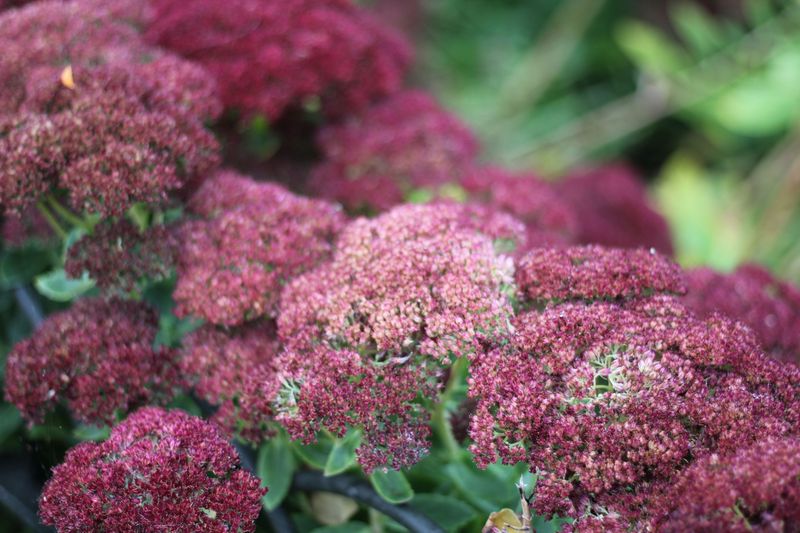
Sedum Autumn Joy is the plant that makes October gardeners look like geniuses. Its dusty rose flower clusters deepen to copper-red as temperatures drop, giving you a built-in seasonal color transition.
Plant it in August and watch it establish with surprising speed in sunny, well-drained spots. It handles poor soil and drought without skipping a beat, which makes it a favorite among busy homeowners.
Your Wisconsin Garden Changes Every Week. Your Plan Should Too.
Gardening in Wisconsin changes quickly throughout the season. Every Friday you’ll receive a simple weekly plan showing exactly what to plant, prune, fertilize, harvest, and protect so you never miss the right timing.
The succulent-like leaves stay attractive all season long, even before the blooms open. That means you get months of visual interest, not just a brief flash of color.
Butterflies are frequently drawn to Autumn Joy in September, adding noticeable pollinator activity to your garden.
Leave the dried flower heads standing through winter because they look stunning dusted with snow. Come spring, cut them back hard and the whole show starts over again, better than ever.
4. Aster
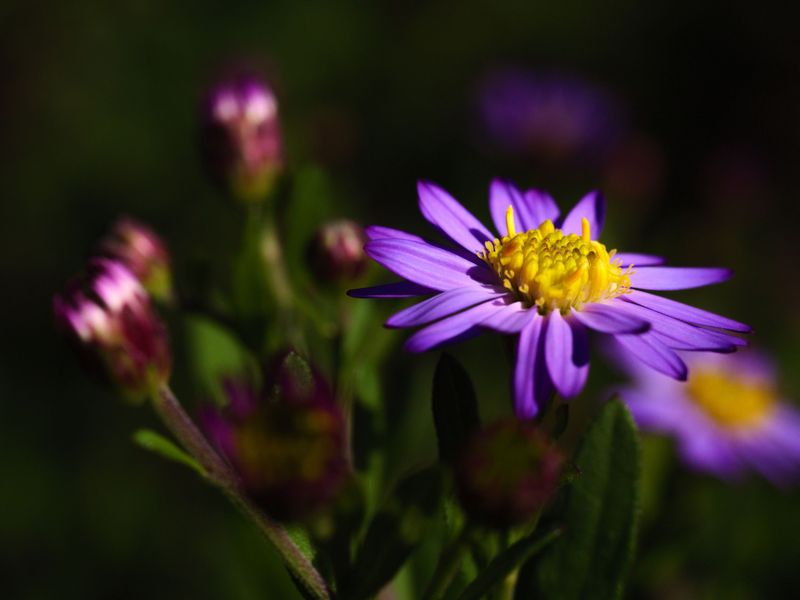
Asters are among the most reliable performers in the fall garden, blooming when most other plants have finished. Planted in August, they hit peak color right as the maples start turning red.
These daisy-like flowers come in shades of purple, pink, lavender, and white. Their yellow centers make them attractive to late-season pollinators seeking a final nectar source before frost.
Choose a native variety like Symphyotrichum novae-angliae for the best performance in Wisconsin’s climate. Native asters are tougher, longer-lived, and more attractive to local wildlife than imported cultivars.
Plant in full sun with good air circulation to prevent powdery mildew, which can sneak in during humid stretches. Pinching the stems back in June encourages bushier growth and more blooms come fall.
Asters planted in August are among the most rewarding August-planted perennials you can choose. Their late-season burst of color carries your garden all the way to the first hard freeze with grace.
5. Russian Sage
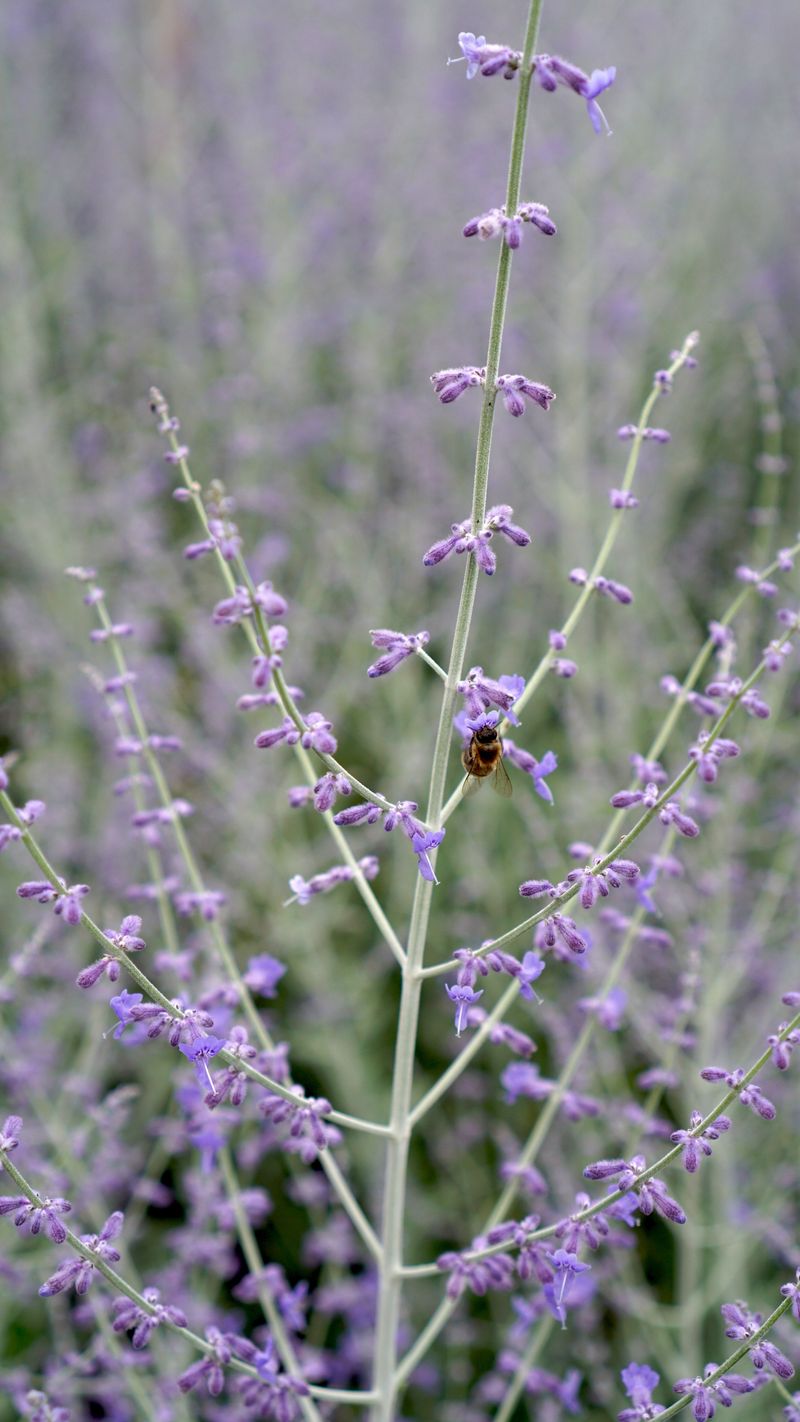
Russian sage looks like it belongs in a Monet painting, with its hazy lavender-blue spikes drifting in the breeze. Plant it in August and it will reward you with soft, silvery texture almost immediately.
This plant loves heat, full sun, and soil that drains fast. Wisconsin summers can be intense, but Russian sage barely notices, pushing out blooms from July well into September.
The aromatic foliage smells faintly of sage when you brush against it, adding a sensory bonus to your garden walk. Deer generally avoid it, which can be an advantage in areas with heavy deer activity.
Pair it with ornamental grasses and coneflowers for a naturalistic, prairie-inspired planting. The contrast between its airy blue and a neighbor’s bold yellow or orange is visually electric.
Cut it back hard in early spring, about six inches from the ground, and it will return stronger each year. Russian sage is the kind of low-maintenance perennial that requires minimal effort to look good.
6. Coreopsis
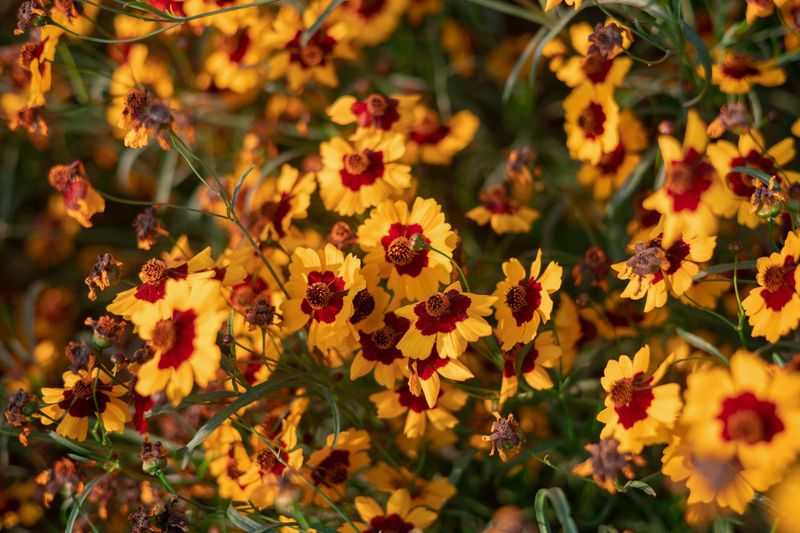
Coreopsis earns the nickname tickseed, but do not let that stop you from planting it everywhere. These sunny yellow blooms are among the longest-flowering perennials you can grow in a Wisconsin yard.
An August planting gives Coreopsis enough time to root in before the ground hardens. You may even catch a flush of blooms before the first frost if the season stretches warm into October.
Full sun and average soil are all this plant needs to thrive. Overwatering or overly rich soil actually makes it flop over, so hold back on the fertilizer and let it do its thing.
Threadleaf varieties like Coreopsis verticillata create a feathery, cloud-like texture that softens hard garden edges. Mix them with bold sedums or ornamental grasses for a dynamic contrast in scale and form.
Remove spent blooms through the season to keep new flowers coming strong. By mid-September, your coreopsis will still be pumping out color while neighboring plants are already fading into the background.
7. Shasta Daisy
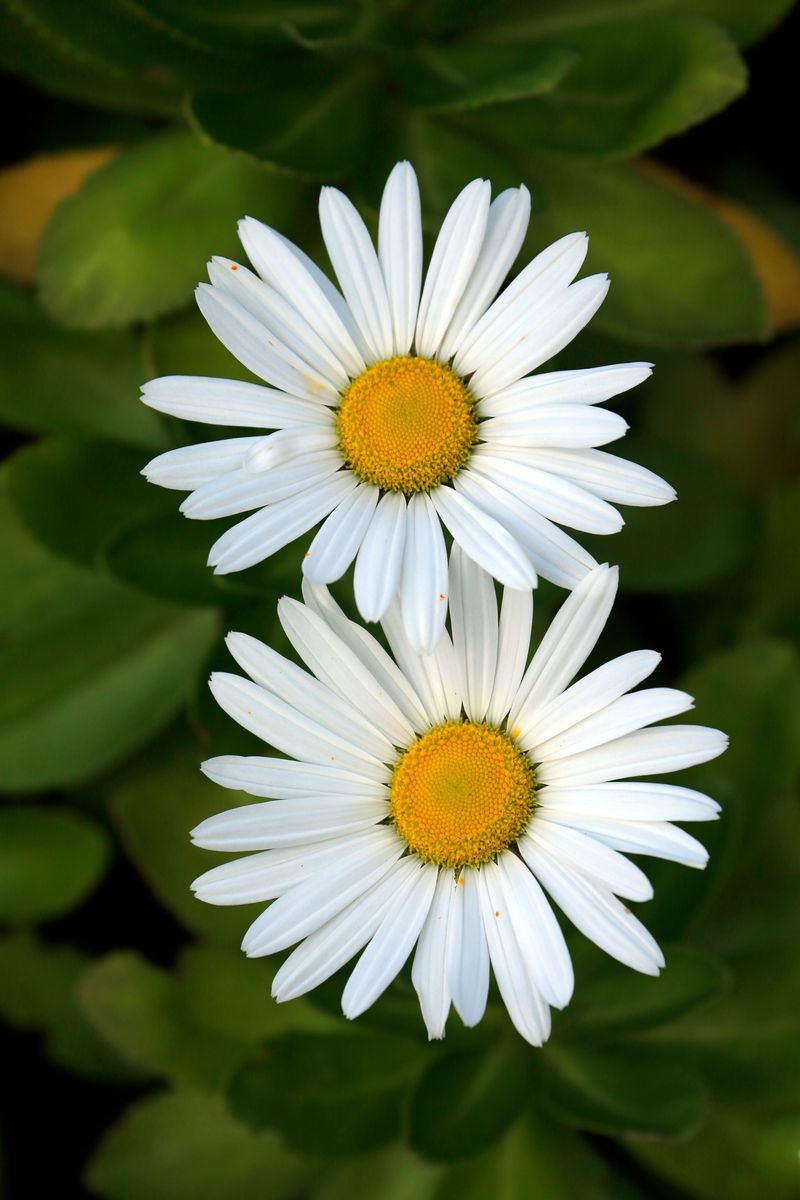
There is something timeless about a Shasta daisy that makes even the most modern garden feel warm and welcoming. Those crisp white petals and bold yellow centers never go out of style.
Planted in August, Shasta daisies establish quickly and often push out a late-season flush of blooms before frost. They prefer full sun and soil with good drainage, so avoid low spots that stay wet.
Leucanthemum superbum is the botanical name, but it is simply called a classic by most backyard gardeners. Clumps spread gradually over time, so dividing them every three years keeps them blooming at full power.
Pair Shasta daisies with lavender or salvia for a clean, cottage-style combination that photographs beautifully. They also make excellent cut flowers, lasting up to a week in a vase with fresh water.
Trim regularly through the growing season to extend the bloom period as long as possible. A late-summer planting means your Shasta daisy is already positioned for an even bigger show next year.
8. Phlox
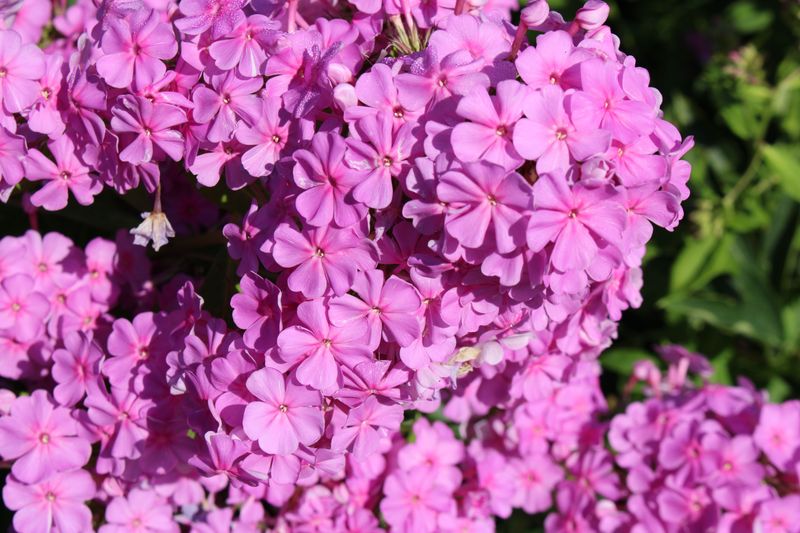
Garden phlox is the perennial that fills your yard with fragrance on warm August evenings, pulling you outside just to breathe it in. Few plants deliver that kind of sensory reward so generously.
Plant it in August in a spot with full sun and good airflow to keep powdery mildew at bay. Phlox paniculata is a Wisconsin staple that comes back reliably for many years with minimal fuss.
Flower clusters come in pink, white, lavender, and deep magenta, often with a contrasting eye at the center. Hummingbirds and swallowtail butterflies visit garden phlox regularly as a dependable nectar source.
Water at the base of the plant rather than from overhead to protect the foliage from moisture-related issues. Consistent moisture during the first few weeks after planting helps the roots anchor before cooler nights arrive.
By the time September rolls around, your garden phlox will be the most fragrant corner of the entire yard. That scent alone makes this one of the most memorable August-planted perennials you can choose.
9. Daylily
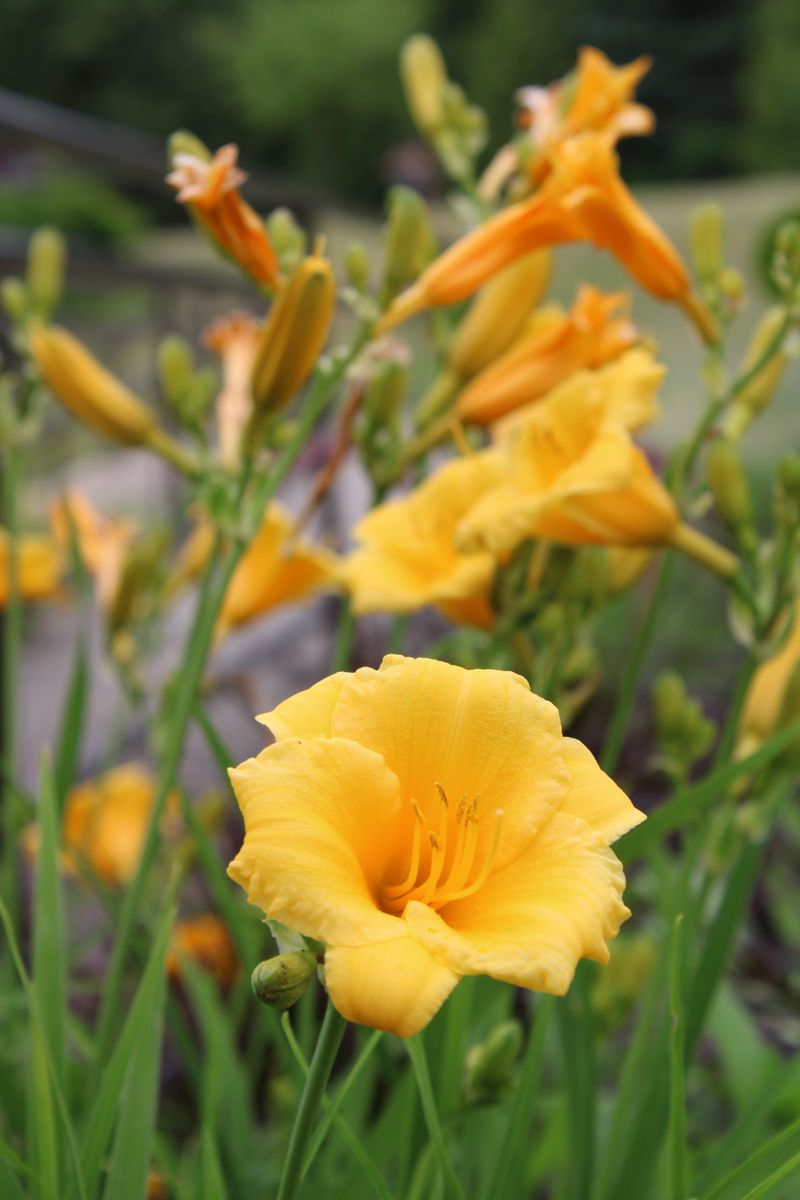
Daylilies are among the most prolific bloomers in the perennial world. Each bloom lasts only one day, but the plant sends up hundreds of buds over weeks and weeks.
Planting in August gives daylily roots time to settle in before winter, setting up a powerhouse display for next summer. They adapt to almost any soil type, though they prefer slightly acidic, well-drained ground.
Hemerocallis comes in thousands of named varieties, from pale lemon to deep burgundy and everything between. Picking a reblooming variety like Stella de Oro means you get multiple flushes of color across the season.
Full sun produces the most blooms, but daylilies will tolerate partial shade without throwing a fit. They spread gradually into clumps, which you can divide every four or five years to share with neighbors.
Daylilies are generally considered forgiving of beginner mistakes, making them a good option for new gardeners. Plant them once and they will reward you with color and confidence for decades to come.
10. Hosta
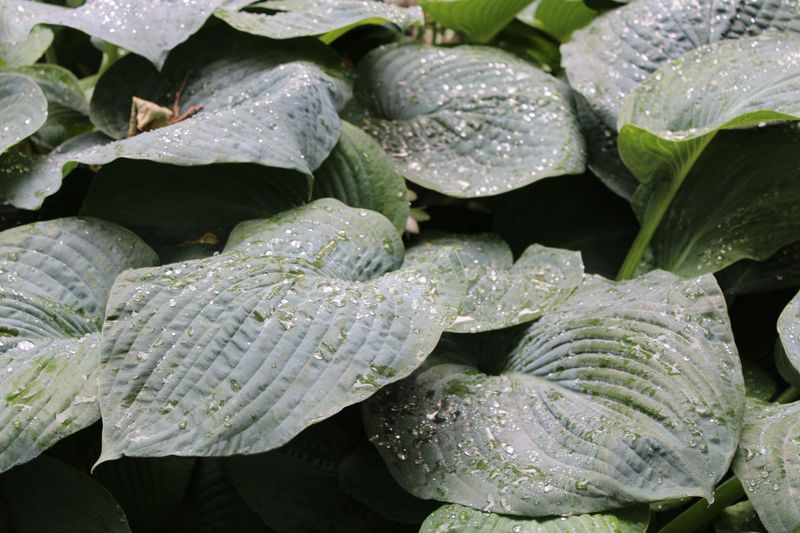
Hostas are among the most dependable choices for a shady garden. Planted in August, they settle into their spot and spend the fall building a root system that pays off big next spring.
Shade gardeners know the struggle of finding plants that actually thrive without direct sun. Hostas solve that problem with dramatic, textured foliage in shades of green, blue, gold, and creamy white.
Varieties range from tiny minis that fit in a teacup to massive plants with leaves the size of dinner plates. Mixing sizes creates layers of visual depth that make a shaded corner feel intentional and lush.
Slugs can be a problem, so scatter iron phosphate bait around the base of the plants early in the season. Keeping the area tidy and avoiding overhead watering also reduces slug pressure significantly.
Hostas send up lavender or white flower spikes in summer that attract hummingbirds to the shady parts of your yard. Their bold foliage carries the garden all the way to the first hard frost with quiet elegance.
11. Goldenrod
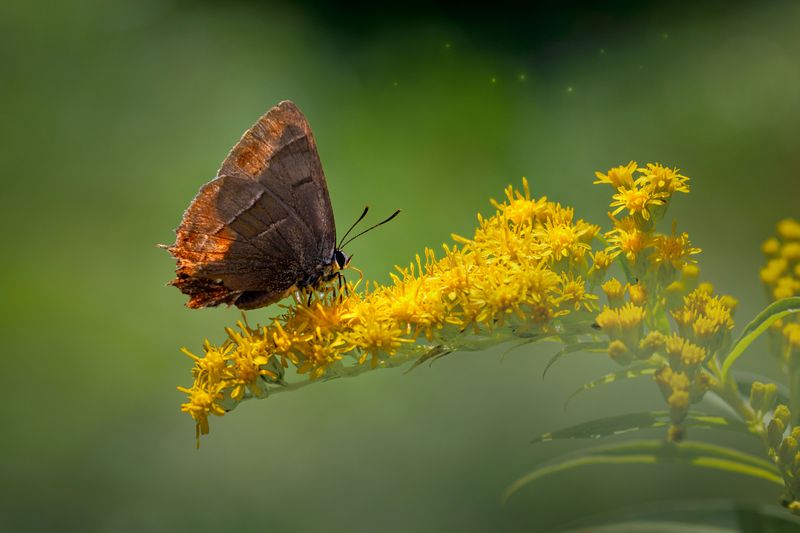
Goldenrod gets blamed for hay fever, but that reputation is a common misconception. Ragweed is the real culprit, and goldenrod just happens to bloom at the same time.
Solidago species are native Wisconsin wildflowers that burst into golden plumes right when the garden needs a lift most. Planted in August, they root quickly and often push out their first blooms before the season ends.
They attract an astonishing variety of insects, including native bees, wasps, beetles, and butterflies. Goldenrod is known to support a wide range of caterpillar species, making it a valuable plant for local ecosystems.
Choose a cultivated variety like Solidago rugosa Fireworks for a more controlled, arching habit that fits a tidy garden. Full sun and average soil are all it needs to perform beautifully every single year.
Leave the seed heads standing through winter to feed sparrows and finches during the coldest months. Goldenrod shows that native plants can be undervalued additions to a cultivated garden.
12. Joe Pye Weed
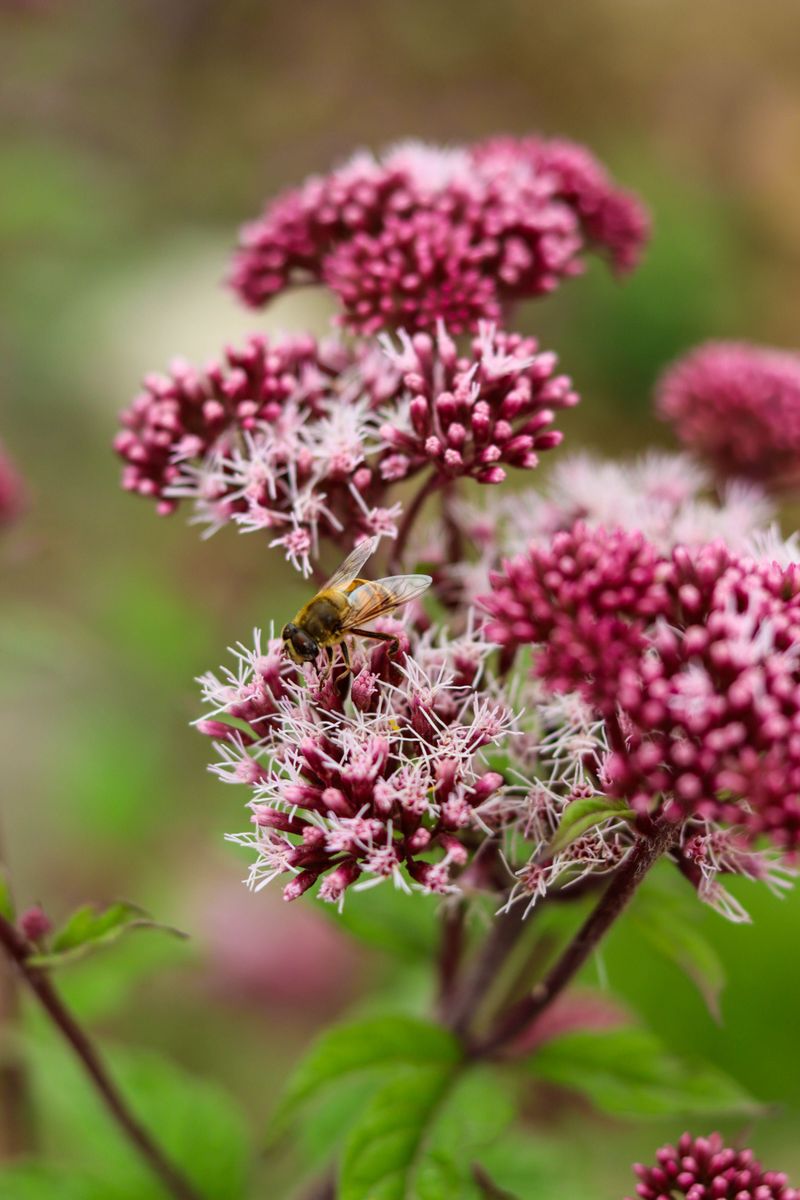
Joe Pye Weed sounds like something you pull out of a ditch, but plant it once and you will never look at it the same way again. This towering native perennial tops out at six feet and stands out in any garden bed.
Eutrochium purpureum blooms in late summer with massive clusters of dusty mauve-pink flowers that monarchs cannot resist. Planted in August, it roots fast and positions itself perfectly for a spectacular show next season.
It thrives in moist, average soil and handles partial shade better than most tall perennials on this list. Place it at the back of a border where its height becomes an asset rather than a problem.
The hollow stems provide overwintering habitat for native bees, so resist the urge to cut everything down in fall. Leaving a few stems standing through winter supports your local pollinator population in a meaningful way.
Joe Pye Weed is proof that bold, native plants belong in every Wisconsin yard, not just wild meadows. Its presence alone turns an ordinary garden bed into a valuable pollinator habitat.
13. Turtlehead
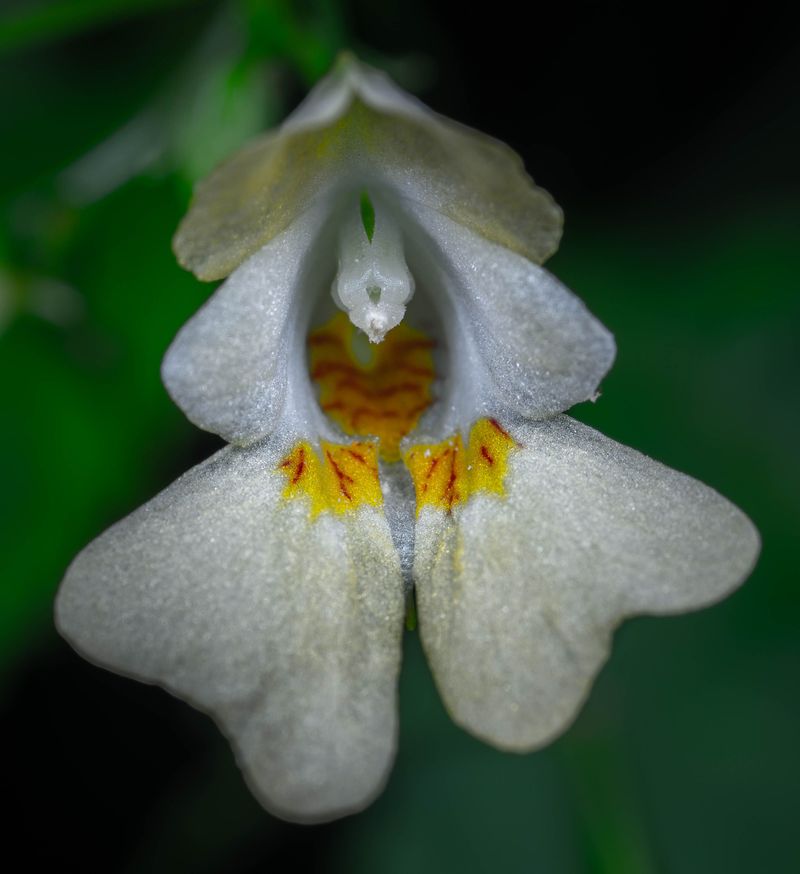
Turtlehead gets its name from the flower’s quirky shape, which looks exactly like a turtle poking its head out of a shell. It is one of the most charming and underused perennials in the Midwest garden scene.
Chelone glabra and Chelone lyonii thrive in moist, partly shaded spots that most plants refuse to touch. Planted in August, turtlehead establishes beautifully along rain gardens, pond edges, or low-lying areas of your yard.
The blooms appear in late summer and persist well into fall, bridging the gap between summer perennials and frost. Pink is the most common flower color, though white varieties add a crisp, elegant touch to shadier corners.
Baltimore checkerspot butterflies specifically seek out turtlehead as a host plant for their caterpillars. Planting it means you are actively supporting one of the most striking native butterflies in the upper Midwest.
As one of the final August-planted perennials on this list, turtlehead saves the quirkiest moment for last. Choose it for a spot that needs late color, wildlife value, and a guaranteed conversation starter every fall.