Why Virginia’s Clay Soil Makes Pine Cones A Gardener’s Smart Solution
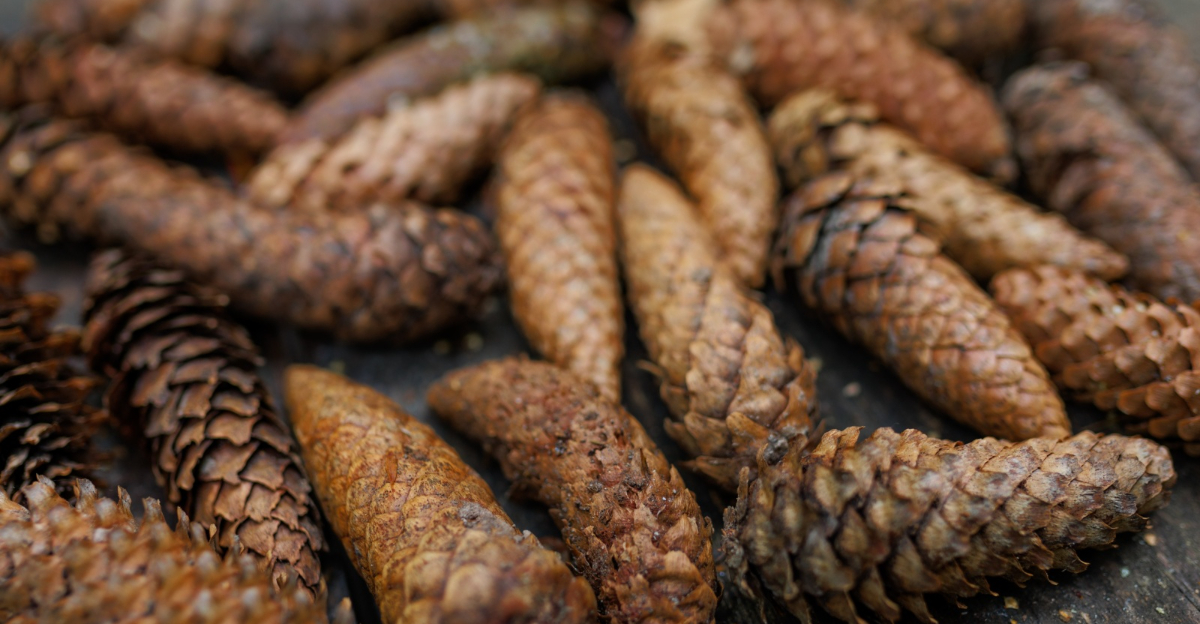
Who thinks a pine cone can fix their soil? Virginia clay has a personality, and it is not a friendly one.
Shove a shovel into untreated backyard soil across most of this state and it pushes back like concrete wearing a disguise.
I once watched an entire row of pepper seedlings drown in standing water after a single afternoon of rain, soil so dense it had nowhere to send the moisture.
Ever stood over a wilted plant with no explanation for it? That suffocating, brick-hard ground silently strangles root systems before anything gets a fighting chance.
Here is where it gets interesting. Pine cones, the ones piling up along every fence line and forgotten corner each autumn, carry genuine soil-breaking power that most people walk right past.
They loosen clay structure over time. They regulate root temperature through Virginia’s ruthless seasonal shifts.
They feed the underground biology that healthy plants depend on. Stop raking them to the curb.
Pine Cones Create Air Pockets In Clay Soil For Root Breathing
Clay soil is basically nature’s concrete. It packs so tightly that plant roots struggle to push through, and water just sits on top like a puddle on a parking lot.
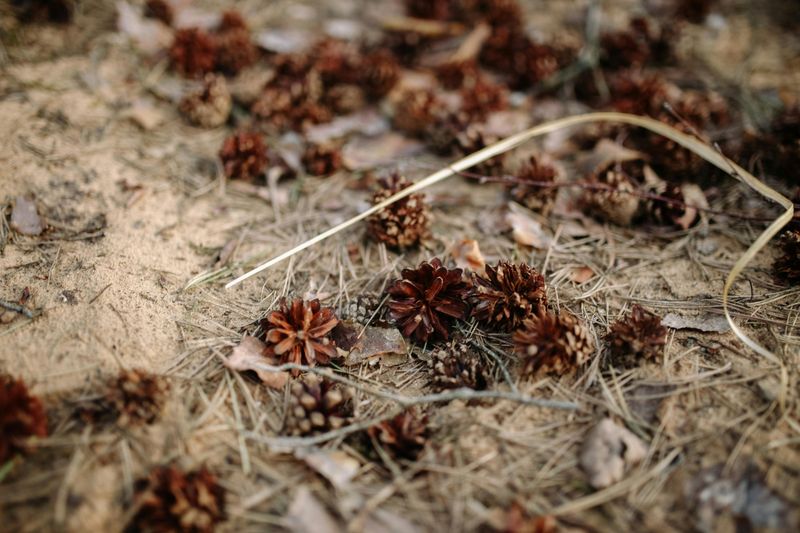
This is where pine cones quietly become a gardener’s smart solution. When you press whole pine cones into clay beds, their irregular shapes physically wedge apart soil particles.
Those gaps are not just random spaces. They become tiny highways for oxygen to reach roots that would otherwise struggle in the dense, airless ground. Roots need oxygen just as much as they need water.
Without it, even healthy plants stall, yellow, and stop producing. Most gardeners blame bad seeds or wrong sunlight when the real problem is sitting two inches underground.
Mixing a layer of pine cones into your planting beds before filling with amended soil gives roots room to breathe from day one. You do not need a truckload either.
A single generous layer scattered across the bed base does the job surprisingly well. Over time, as the cones slowly break down, those pockets remain.
The soil structure stays looser longer than it would without any amendment. That breathing room you create today keeps paying dividends through multiple growing seasons.
Slow Decomposition Feeds Microbes And Improves Soil Texture Over Time
Healthy soil is alive. Millions of bacteria, fungi, and microbes work constantly beneath your feet, breaking down organic matter and releasing nutrients plants can actually absorb.
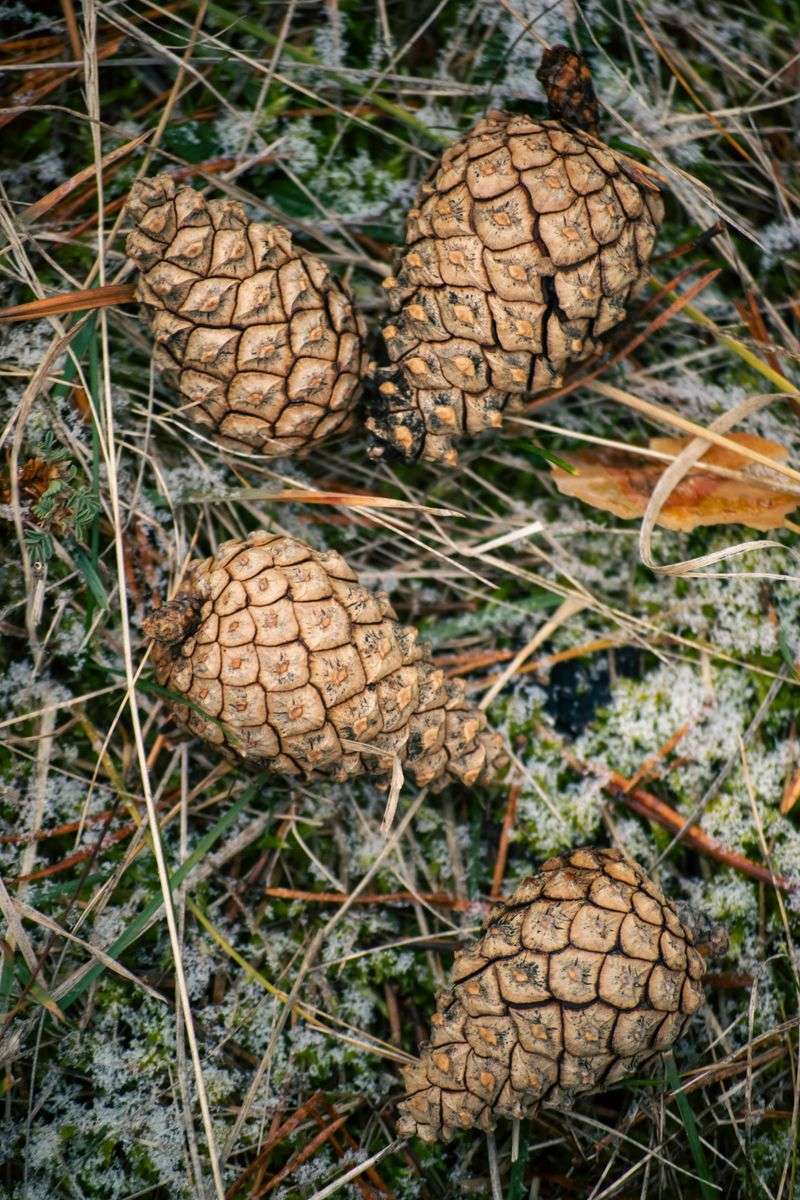
Clay soil often starves these creatures because it lacks the right food sources. Pine cones decompose slowly, and that is actually a feature, not a flaw.
As they break apart over months and years, they feed soil microbes steadily rather than in one overwhelming burst.
Think of it like a slow-release capsule for your garden ecosystem. Fungal networks especially love woody organic material.
As pine cones break down, fungi spread through the surrounding clay, weaving threads that physically bind soil particles into crumbly, workable clumps. Gardeners pay good money for bagged products that do exactly this.
Your Virginia Garden Changes Every Week. Your Plan Should Too.
Gardening in Virginia changes quickly throughout the season. Every Friday you’ll receive a simple weekly plan showing exactly what to plant, prune, fertilize, harvest, and protect so you never miss the right timing.
Better microbial activity also means better nutrient cycling. Plants growing in biologically active soil absorb more minerals without extra fertilizer.
That means less money spent at the garden center and more food on your table or blooms in your beds. Starting this process costs nothing if you have conifers nearby.
Just collect, scatter, and let time do the heavy lifting. Nature built pine cones to break down on a forest floor, and your garden beds are not so different.
Free Biodegradable Raised Bed Filler That Retains Moisture Beautifully
Raised beds are expensive to fill. Anyone who has priced bulk topsoil or garden mix recently knows the sticker shock is real.
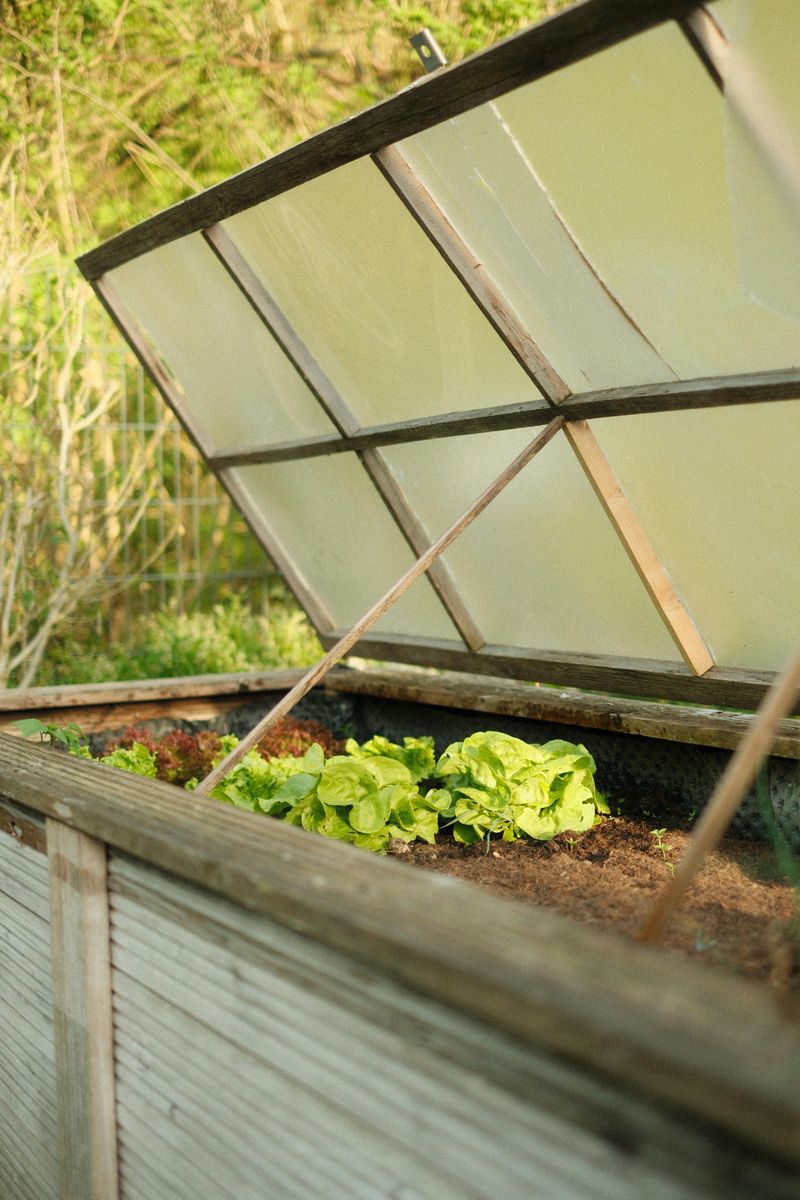
Pine cones offer a free, biodegradable alternative that pulls double duty on moisture retention. Placed at the base of a raised bed before topping with quality soil, pine cones act like a sponge layer.
Their scales and textured surfaces hold onto moisture during dry spells, releasing it slowly back into the surrounding soil as the bed dries out. Plants stay hydrated longer between waterings.
This matters enormously in Virginia summers, when heat arrives fast and dry stretches can stress shallow-rooted vegetables and flowers within days.
A pine cone base layer keeps that moisture reservoir working quietly below the root zone. Beyond moisture, the cones reduce the total volume of expensive soil mix you need to purchase.
Use a layer in the lower portion of deep raised beds, then top with enough quality soil for roots. Your wallet, however, will notice.
As seasons pass and the cones gradually break down, they enrich the bed from the bottom up. What started as a filler becomes fertilizer.
That transformation from trash to treasure is exactly the kind of gardening win that makes the whole hobby so satisfying.
Pine Cones Act As Physical Barriers That Slow Soil Erosion On Slopes
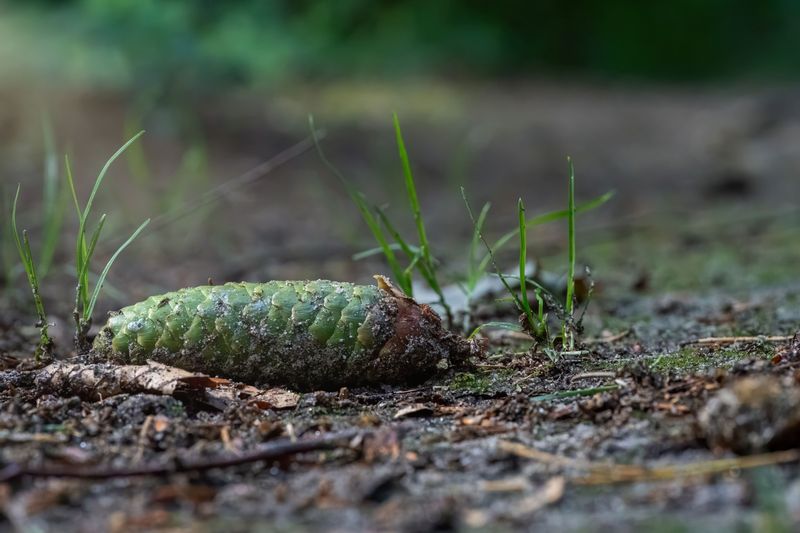
Rain hits bare clay soil like tiny bombs. Each drop compacts the surface a little more, sealing it into a crust that water cannot penetrate and roots cannot escape.
Sloped yards face this problem every single storm season. Pine cones placed across slopes act as physical buffers.
When raindrops strike a cone’s rigid, layered scales, the impact is broken up and redirected sideways rather than landing straight down with full force on the soil beneath.
That physical interruption, the cone’s shape doing the work, helps protect the ground from compaction. It is worth noting what pine cones actually do in rain: their scales close shut when wet.
This is a structural, moisture-driven response that protects seeds from short-distance dispersal in damp conditions, not a resin-driven water-repelling mechanism.
The protection cones offer to soil comes from their three-dimensional form, not from any chemical property of their resin.
Their layered, textured shape slows runoff and creates micro-barriers that catch soil particles trying to wash downhill.
Mulch does something similar, but pine cones add structural depth that flat mulch layers cannot match.
A few handfuls scattered across a bare slope can noticeably reduce the muddy runoff pooling at the bottom.
For gardeners dealing with sloped clay beds near downspouts or drainage areas, this erosion-slowing quality is genuinely practical.
No special tools, no expensive ground cover, no installation crew needed. Just the physical bulk and texture of the cones doing quiet work.
Insulates Roots And Bulbs Through Virginia’s Freeze-Thaw Winters
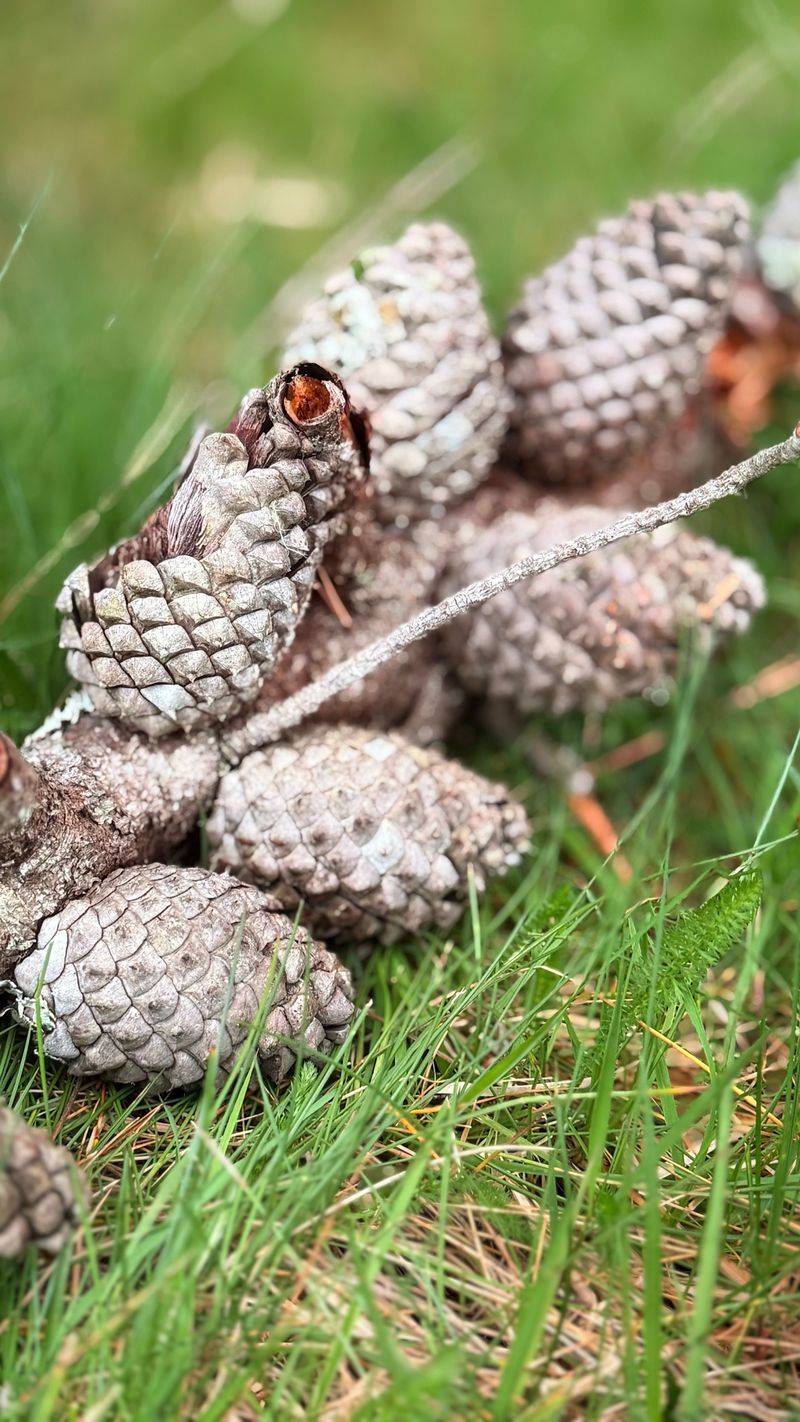
Virginia winters are sneaky. Temperatures can swing from 60 degrees one week to a hard freeze the next, and that freeze-thaw cycle is brutal on buried bulbs and shallow roots.
Most gardeners do not realize how much damage happens underground before spring even arrives. Pine cones layered over planting beds act as natural insulation.
Their irregular, interlocking shapes trap air between them, creating a buffer zone that moderates soil temperature swings.
Roots and bulbs beneath that layer experience far less dramatic temperature shifts than exposed ground would. Think of it like tucking your garden in for winter.
A thick layer of cones over tulip bulbs, perennial crowns, or newly planted shrubs can be the difference between a thriving spring bed and a disappointing one. The protection is simple but genuinely effective.
Unlike some organic mulches that mat down and smother plants, pine cones maintain their structure through wet winters. They do not compress into a soggy blanket that blocks air and encourages rot.
That breathability matters when bulbs need protection but also need airflow. Come spring, simply rake the cones aside or push them to the bed edges.
They will continue breaking down and feeding the soil. One layer of cones earns its keep through winter protection and long-term soil improvement combined.
Pine Cones Break Down Safely Without Worsening Virginia’s Acidic Soil
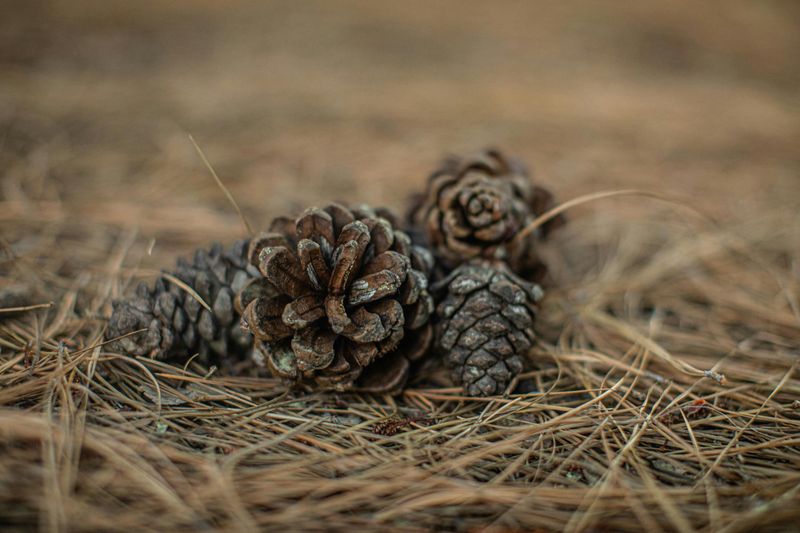
Acidic soil is already a common challenge in Virginia. Virginia’s native pines and oaks grow where the soil already leans acidic.
They did not create that condition, they simply thrive in it. Gardeners understandably worry about making things worse.
Here is the reassuring truth about pine cones specifically: whole cones decompose much more slowly than needles, and their pH impact on surrounding soil is minimal.
Like pine needles, pine cones are unlikely to dramatically change soil pH when used as mulch. That slow pace means their acid contribution is spread so thin it barely registers.
Research from extension programs consistently shows that pine mulch products have far less impact on soil pH than most gardeners fear.
Pine cones fall even lower on the concern scale because of how gradually they break apart. Your hydrangeas and tomatoes are not in danger.
If you are still cautious, a simple soil pH test from any garden center gives you a clear baseline. Adjust with garden lime where needed and use pine cones freely as filler or mulch without anxiety.
Knowledge beats worry every time in the garden. The bottom line is that pine cones are a genuinely safe amendment for Virginia soils.
They add organic matter without tipping the pH balance in any meaningful direction. That peace of mind alone makes them worth grabbing off the ground.
Temporarily Breaks Up Compacted Clay Soil Between Planting Seasons
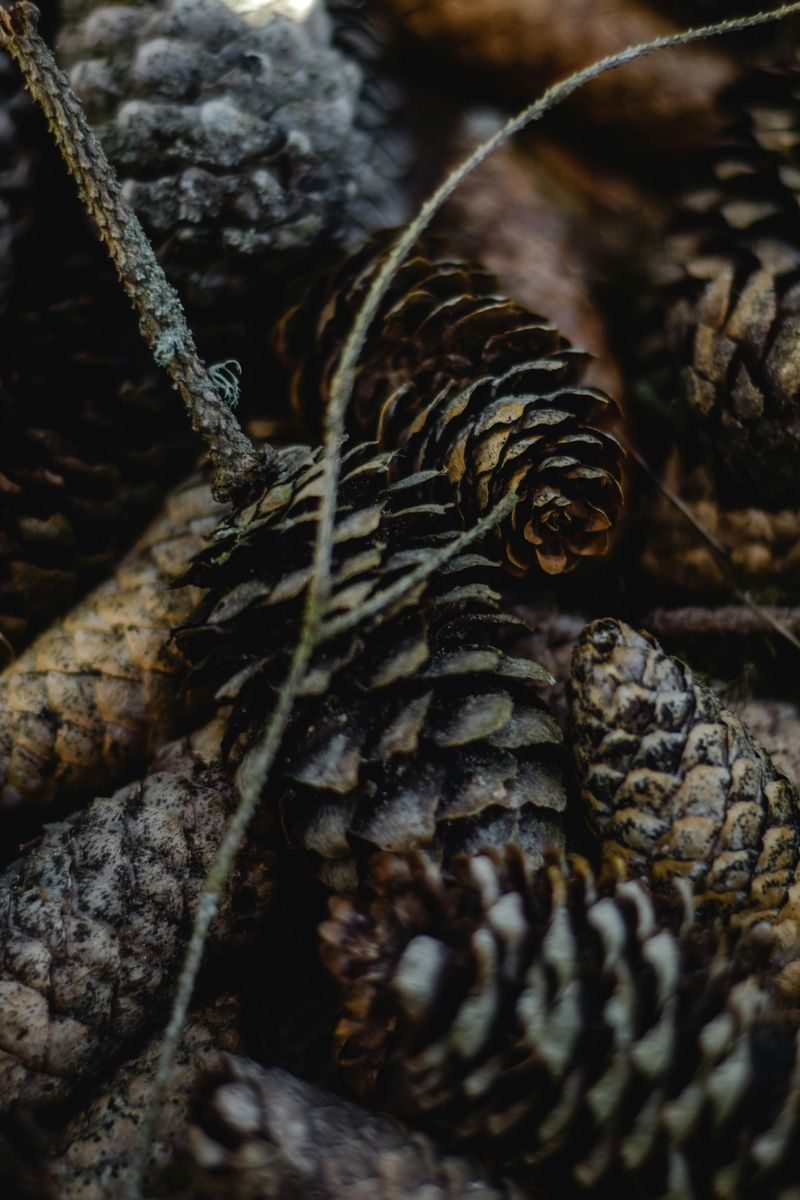
Compacted clay is a seasonal reset problem. Every winter, foot traffic, rain, and freeze cycles press Virginia clay tighter and tighter until spring arrives and you face a nearly impenetrable planting surface.
Starting each season by physically loosening that ground is exhausting work. Pressing pine cones into compacted clay between growing seasons gives the soil a mechanical head start on breaking apart.
The cones wedge into cracks and gaps, physically preventing soil particles from re-sealing as tightly as they would otherwise. It is a low-effort intervention with a surprisingly noticeable payoff.
You do not need to till deeply or rent equipment. Simply press cones into the top few inches of your beds in late fall, after your last harvest or cleanup.
Let winter’s freeze and thaw cycles do the rest of the work for you. By spring, those cones will have shifted, settled, and opened up small channels throughout the upper soil layer.
When you go to plant, the ground will be noticeably easier to work. That saved effort is real, and your back will thank you.
Combine this with a light layer of compost worked in alongside the cones, and you are setting up a genuinely productive planting bed.
Small actions taken in fall pay off big in the planting season ahead. Letting pine cones do some of the heavy lifting is just smart gardening.
Slowly Adds Organic Matter To Clay Soil Over Many Growing Seasons
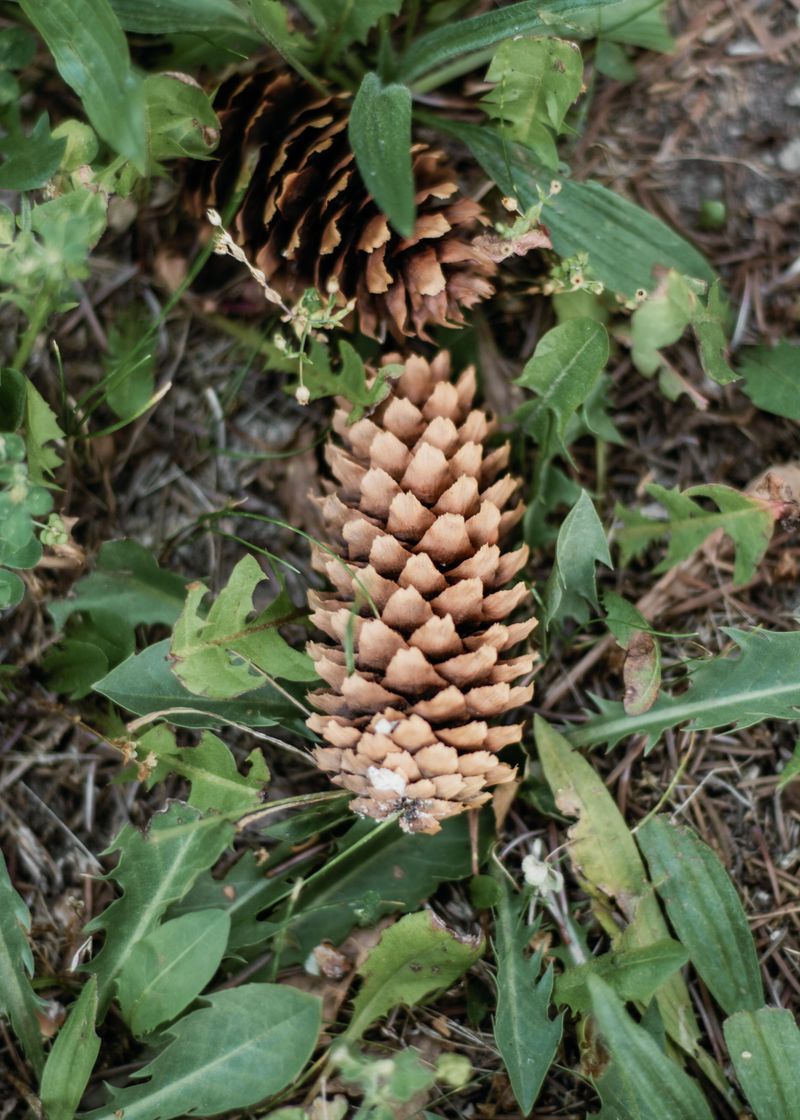
Virginia clay has one stubborn flaw: it starves on organic matter. Without that spongy, carbon-rich material, clay stays dense, drains poorly, and resists the kind of loose, crumbly texture that plants love.
Building organic matter takes time, but pine cones make the process almost effortless. As each cone slowly breaks apart over months and years, it contributes carbon-rich material directly into the soil profile.
That carbon feeds microbes, improves structure, and nudges clay toward the kind of loamy texture gardeners spend years chasing.
It is not instant, but it is consistent. Layering cones into beds each fall creates a compounding effect. New cones go in on top while older ones continue breaking down below.
Year after year, the organic matter content of your beds quietly climbs without any expensive amendments or complicated soil programs.
Think of it as a long-term investment in your garden’s foundation. The beds you prep with pine cones today will be noticeably richer and more workable three or four seasons from now.
Patience in the garden is always rewarded, and this is one of the easiest ways to practice it. Best of all, the supply is endless and completely free.
Every autumn, conifers across the region drop a fresh crop. Picking them up is not a chore when you know exactly what they are about to become.
Hugelkultur-Style Raised Bed Filler Using Pine Cones As A Smart Base
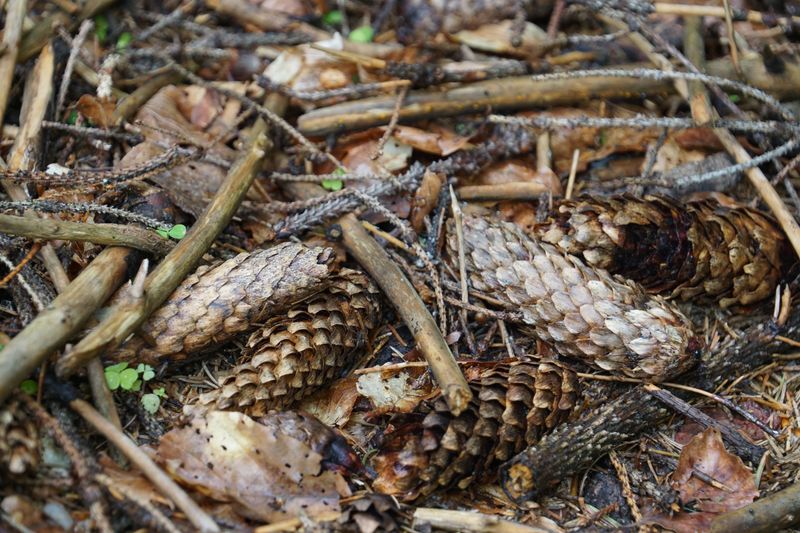
Hugelkultur sounds complicated. It is not. You bury woody organic material at the base of a raised bed, top it with soil, and let the decomposing material feed and hydrate your plants from below for years.
Pine cones work best here alongside logs and branches. In Virginia’s clay-heavy landscape, building raised beds above ground level already solves drainage headaches.
Adding a hugelkultur-style pine cone base takes that solution further by creating an internal moisture reservoir that clay soil alone cannot provide.
Plants root down through the cone layer toward the decomposing wood beneath. That is where most of the moisture and nutrients in a true hugelkultur system develop over time.
The process is straightforward. Line the bottom of your raised bed with a generous layer of pine cones, add logs or sticks on top if you have them, then fill with your best soil mix.
The cone layer handles moisture retention and slow organic enrichment simultaneously. Over several seasons, the cones compress and break down, and the bed may settle slightly.
Simply top-dress with fresh compost each spring and the system keeps working. No complicated maintenance, no expensive inputs, just biology doing what it does naturally.
Pine cones as a gardener’s smart solution shine brightest in this kind of layered bed system.
You get free filler, built-in moisture management, and long-term soil enrichment all from something most people rake up and throw away. That is the kind of gardening that feels genuinely clever.