What Virginia’s Blue Jay Is Really Telling You When It Visits Your Yard
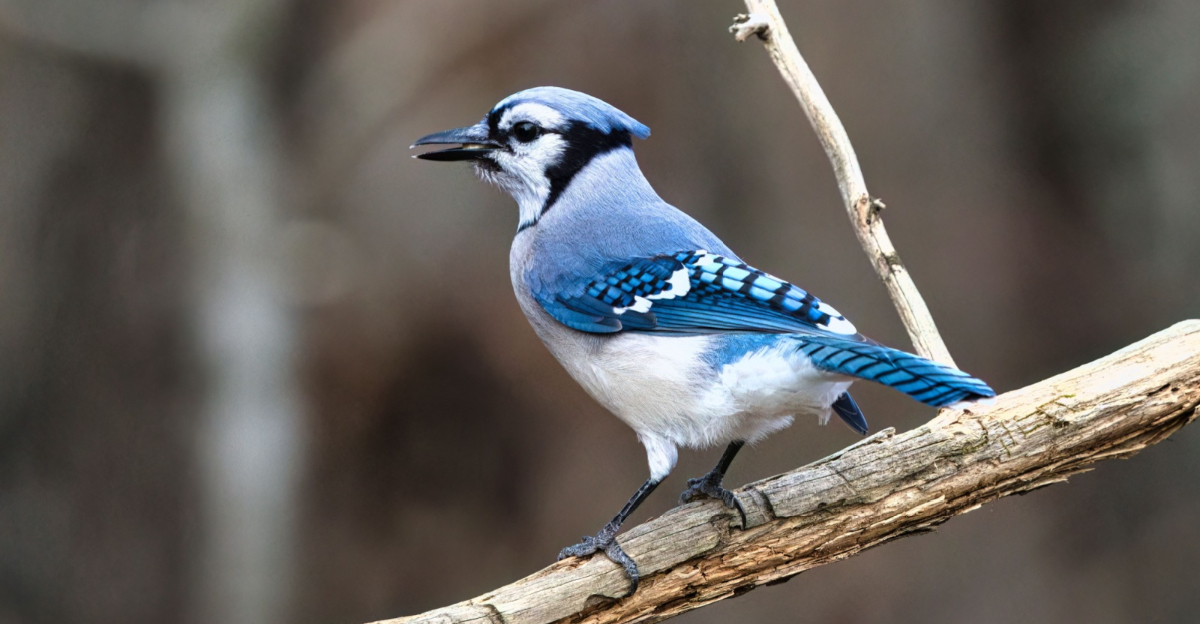
That flash of blue streaking across your yard is not just a pretty bird making noise. It is one of the most complex, communicative, and clever birds you can spot in a Virginia garden.
Most people hear the screech and assume it is just being bossy, but there is a whole story unfolding right outside your window. I was barely awake when one of these birds landed two feet from my back door and just stared at me.
Bold as anything. I froze.
It did not. Most people hear that sharp, raspy screech and roll their eyes.
Bossy bird. Loud bird.
But that quick judgment misses something genuinely wild. These birds warn, scheme, and remember faces.
They have a whole social language playing out in plain sight. Virginia yards are full of this drama.
You just have to know what to look for.
Scouting For Acorns From Virginia Oaks
Loud and obnoxious? Sure.
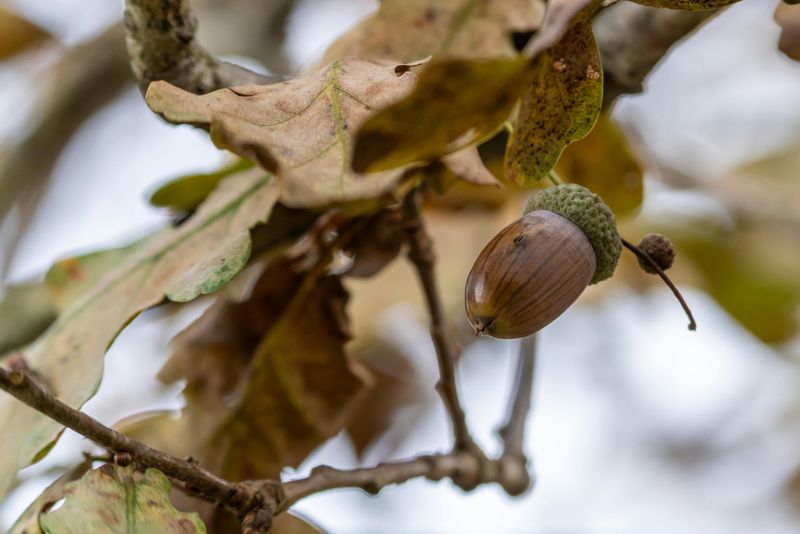
But that is not even close to their real superpower. When a jay lands on your oak tree and tilts its head from side to side, it is running a mental inventory of every acorn in sight.
Researchers have found that a single blue jay can carry up to five acorns at once in its throat pouch and beak. That makes them one of the most capable seed collectors you will find at a Virginia oak tree.
Virginia oak trees are basically a five-star buffet for these birds. The jays are not just snacking.
They are scouting locations, judging acorn size, and deciding which ones are worth hauling away for storage. That focused, almost businesslike behavior you see in your yard is calculated and purposeful.
Watching a jay work an oak tree is like watching a shopper compare prices at a store. It checks, rejects, picks, and moves on with clear intention.
If your yard has mature oaks, expect regular visits from late summer through fall. You are hosting one of nature’s most underrated foragers, and your trees are the main attraction.
Marking And Defending New Territory
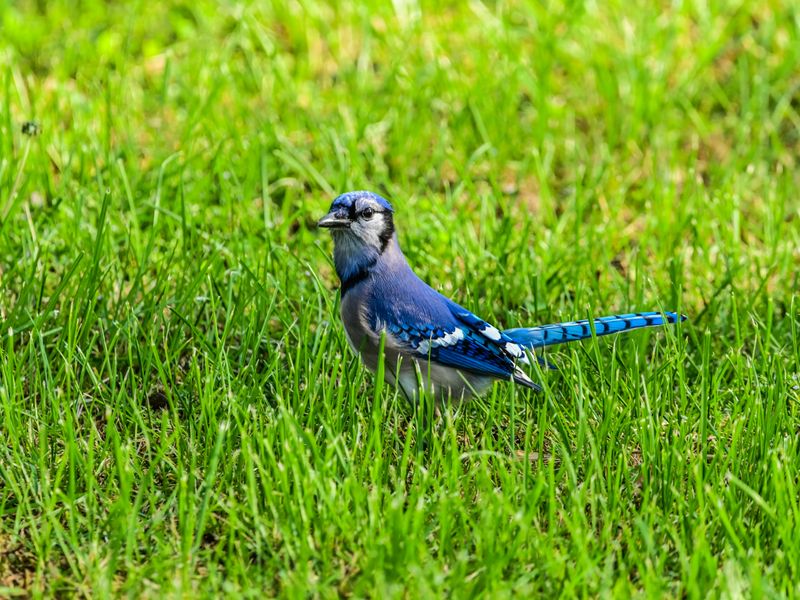
Few birds defend their space with the drama and intensity of a blue jay. When one starts screaming from a fence post or a low branch, it is sending a crystal-clear message: this yard is taken.
Blue jays are fiercely territorial during breeding season, which runs from March through July in most parts of the mid-Atlantic region.
That loud, repeated call you hear every morning is not random noise. The bird is announcing its presence to every other jay within earshot, establishing a perimeter around its nesting area.
Males are especially vocal during this period, often chasing off not just other jays but also crows, squirrels, and even hawks that wander too close.
Seeing a jay puff up its crest and dive-bomb a squirrel near your feeder is genuinely entertaining, but it also tells you something useful.
A territorial jay in your yard means the bird has decided your space is worth protecting, which is a sign your yard offers solid resources.
Your Virginia Garden Changes Every Week. Your Plan Should Too.
Gardening in Virginia changes quickly throughout the season. Every Friday you’ll receive a simple weekly plan showing exactly what to plant, prune, fertilize, harvest, and protect so you never miss the right timing.
That crest raised high and those sharp calls are not anger for the sake of it. The bird is simply drawing the line and enforcing it with confidence.
Caching Food For Winter
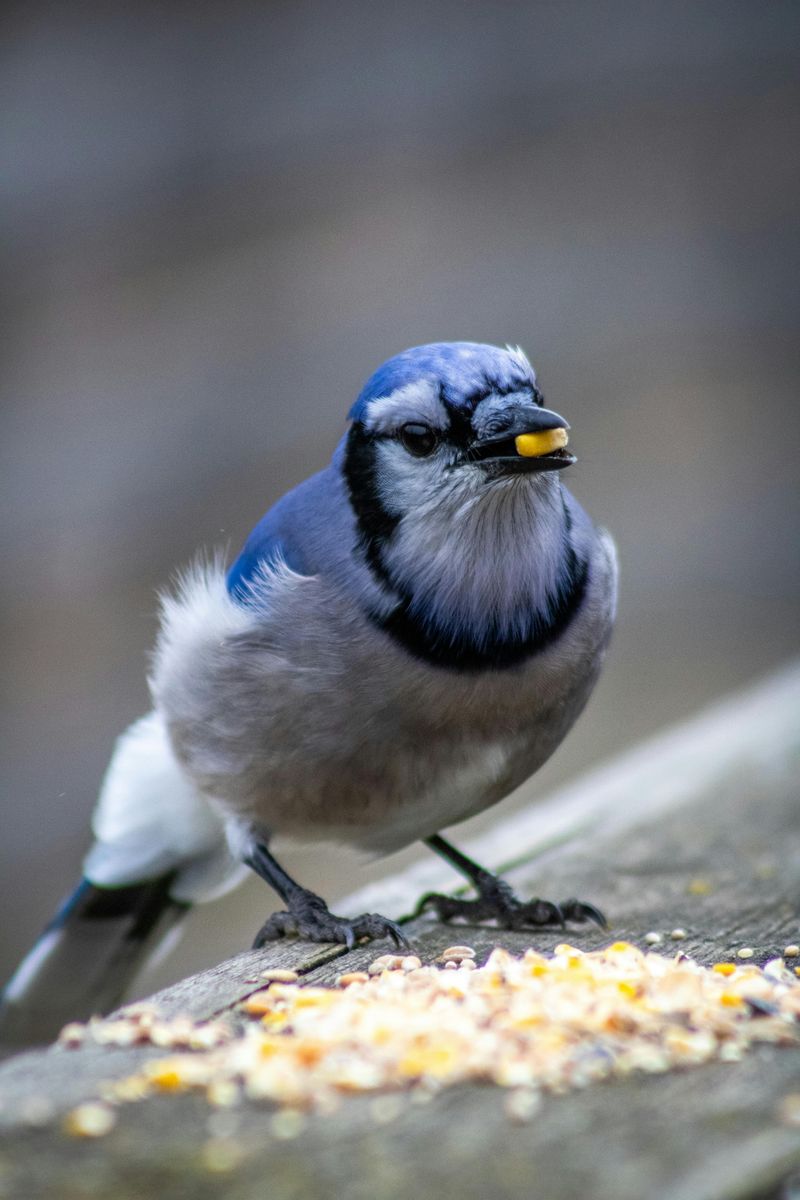
What if squirrels were never the smartest hoarder in your yard? These birds are obsessive cachers, meaning they bury or stash food in dozens of hidden spots to eat later when the cold months make finding fresh food much harder.
A single jay can cache thousands of acorns and seeds in one season.
When you spot a jay hopping across your lawn and repeatedly jabbing its beak into the soil, you are watching a food storage session in real time. The bird is not just dropping something randomly.
It is choosing a spot it will remember, often returning weeks or even months later with pinpoint accuracy. Scientists believe blue jays use spatial memory and visual landmarks to relocate their stashes.
The seeds and acorns jays never retrieve often sprout into new trees. Some researchers even suggest they helped spread oak forests across North America after the last ice age.
That small bird burying things in your garden is quietly participating in one of nature’s most important reforestation cycles, one acorn at a time.
Warning Other Birds Of Predators
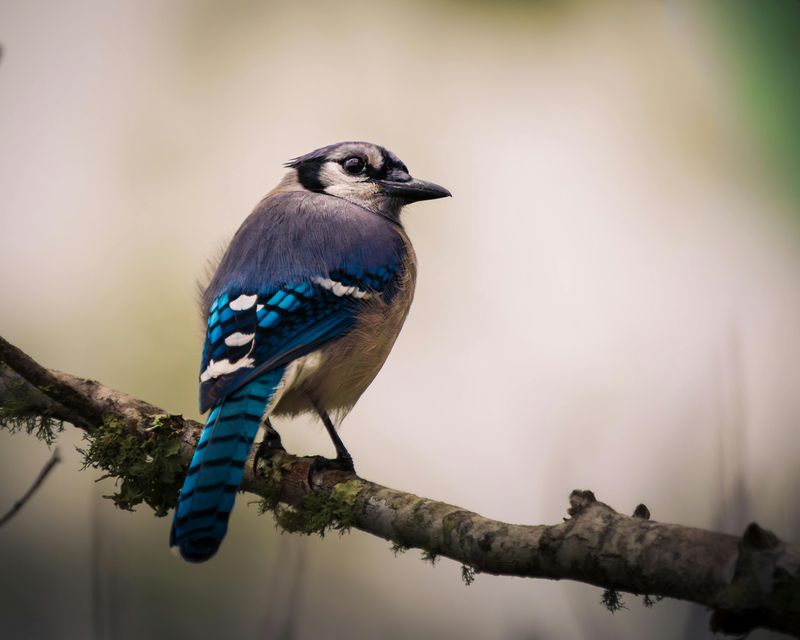
Blue jays are the neighborhood watch captains of the bird world. When a hawk, cat, or owl enters the area, a jay will let every creature in earshot know about it with a sharp, insistent alarm call that sounds almost like a screaming whistle.
Other birds have learned to trust that signal completely.
Watch your feeder the next time a jay starts alarm calling. Within seconds, sparrows, finches, and chickadees will disappear from the feeder and take cover in nearby shrubs.
The jay essentially broadcasts a public safety announcement that other species act on immediately. This cross-species communication is one of the most fascinating things happening right outside your kitchen window.
Blue jays can also mimic the call of red-shouldered hawks, possibly to warn other birds or clear competitors from a food source. Intentional or not, the result often looks the same.
A jay making hawk sounds sends every other bird scrambling for cover. Your yard gets quieter, the feeder empties, and the jay has the whole buffet to itself.
Clever, a little sneaky, and completely worth admiring.
Seeking Water From Birdbaths
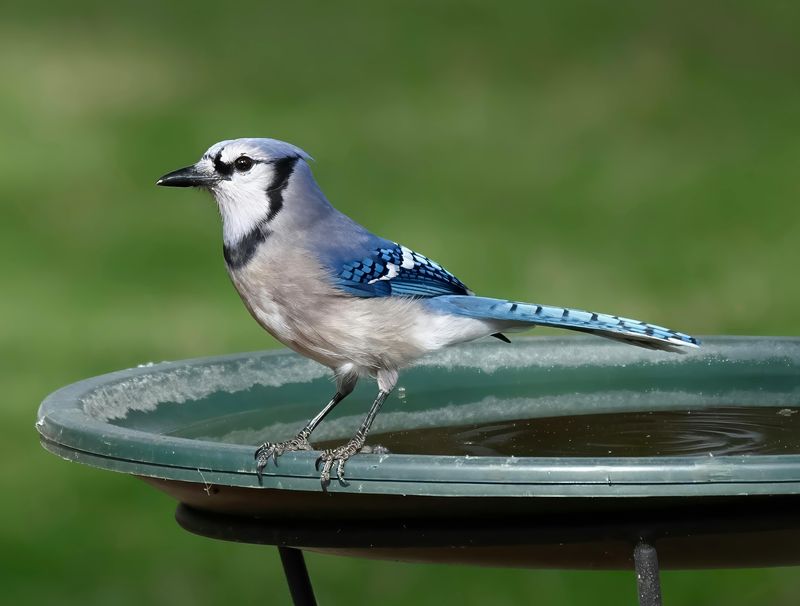
A birdbath in your yard is basically a neon welcome sign for blue jays. These birds need fresh water not just for drinking but for bathing, and they take their baths seriously.
A jay at a birdbath is enthusiastic, splashing water in every direction and dunking its head repeatedly with obvious satisfaction.
During hot Virginia summers, water becomes one of the most valuable resources a bird can find. Jays will travel surprisingly far from their home territory to locate a clean, reliable water source.
If you have a birdbath that you keep filled and clean, you may notice the same jay returning at roughly the same time each day, treating your yard like a trusted rest stop on its daily route.
Keeping your birdbath water fresh is the single most effective thing you can do to attract more blue jays and other backyard birds.
Change the water every two to three days, scrub the basin weekly to prevent algae, and consider adding a small dripper or wiggler to create movement.
Moving water catches a bird’s eye from a distance and signals safety. A jay that finds your birdbath once will almost certainly come back and bring company.
Nesting Nearby And Checking Surroundings
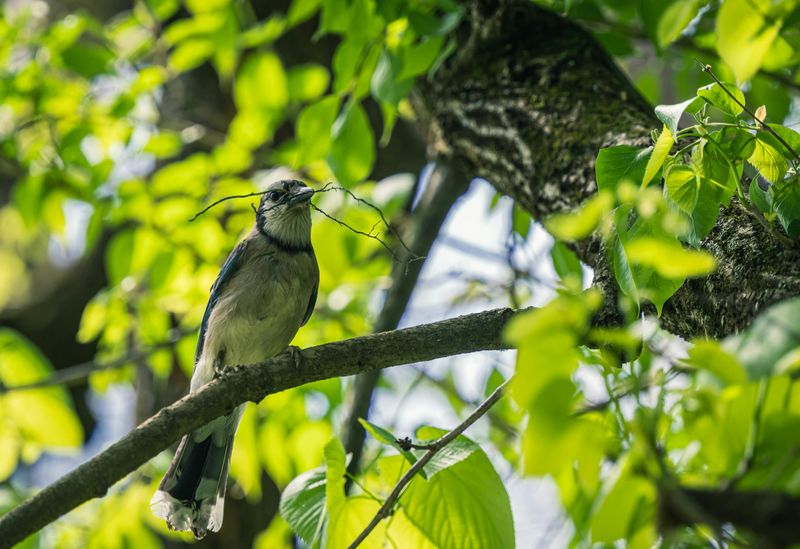
Spring in a Virginia yard can feel busier than usual if a blue jay has decided to nest nearby. Blue jays build tight, cup-shaped nests from twigs, bark strips, and grass.
They tuck them into tree forks anywhere from six to thirty feet up. Both the male and female work on construction together, a trait that makes them notably cooperative nesters.
Once nesting begins, the pair becomes hyperaware of everything happening in their immediate environment. That jay hopping from branch to branch and peering in every direction is not being paranoid.
It is performing a security sweep, checking for threats before returning to the nest. This behavior is especially noticeable in the early morning hours when the birds are most active.
If you suddenly notice a blue jay watching you intently from a nearby branch every time you step into your yard, there is a good chance a nest is close by. The bird is keeping tabs on you, deciding whether you are a threat.
Giving the area a wide berth and avoiding pruning or yard work near suspected nest sites during spring goes a long way toward earning the trust of your resident pair.
Seeking Reliable Food And Shelter Year-Round
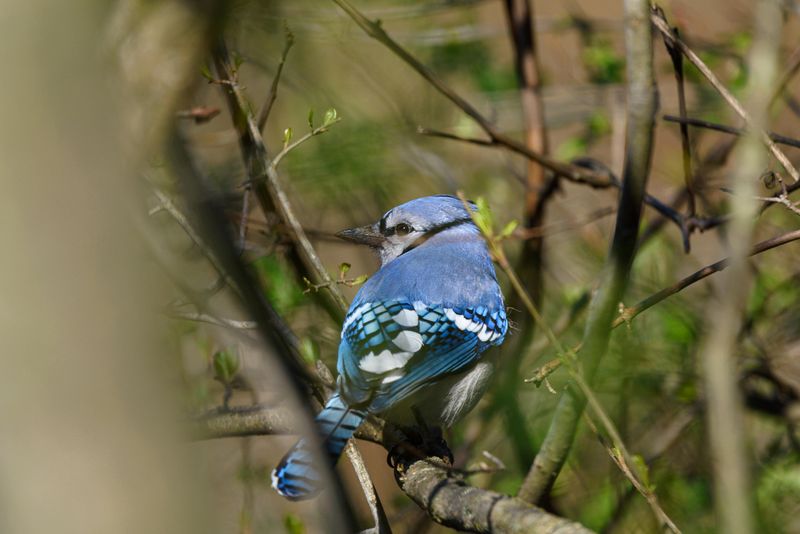
Blue jays do not follow the rules of migration. In Virginia, many jays are year-round residents, which means your yard needs to deliver consistent value across every season to keep them coming back.
Food and cover are the two biggest deciding factors in whether a jay sticks around or moves on.
Sunflower seeds, peanuts in the shell, and cracked corn are the heavy hitters when it comes to attracting these birds to a feeder. Jays prefer platform feeders or large hopper-style setups where they can land comfortably and grab food without feeling cramped.
Dense shrubs, evergreen trees, and brush piles nearby give them the shelter they need to feel safe between feeding sessions.
A yard that offers both food and cover year-round becomes a home base rather than just a pit stop.Once a jay locks your yard into its daily circuit, it stays. Summer mornings, snowy January afternoons, it keeps showing up.
That kind of consistent presence is what turns a casual birdwatcher into someone who genuinely looks forward to checking the feeder every single day.
Fall Visits Peak During Acorn Caching Season
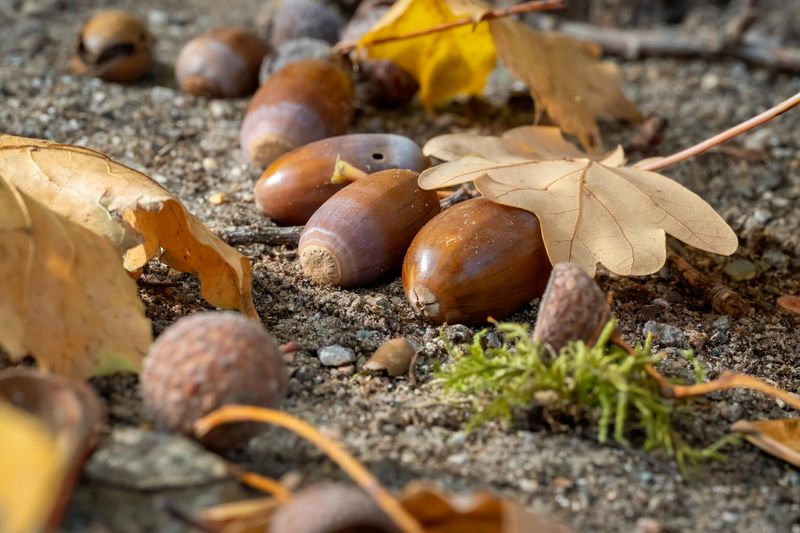
Virginia October belongs to the blue jay. The number of jays visiting your yard can spike dramatically during fall, when acorn production peaks and every jay in the neighborhood is in full harvest mode.
Some of these visitors may not even be your regular backyard birds.
Blue jays from farther north sometimes move through the mid-Atlantic region in fall, following the oak mast crop as it ripens. Researchers are still working out the full pattern of their seasonal movement.
This means the jays you see in October may include temporary visitors passing through on their way to winter grounds further south.
Your yard essentially becomes a refueling station on a much longer journey, which makes fall the most exciting season for jay watching.
Setting out peanuts or whole corn during this peak period can turn your yard into a popular stop on their route. You might see more jays in a single October afternoon than you have seen all summer combined.
Watching them work together, sometimes tolerating each other and sometimes squabbling over the best spots, is pure backyard theater. Nothing on the bird calendar hits quite like it.
Loud Calling Signals A Nearby Predator
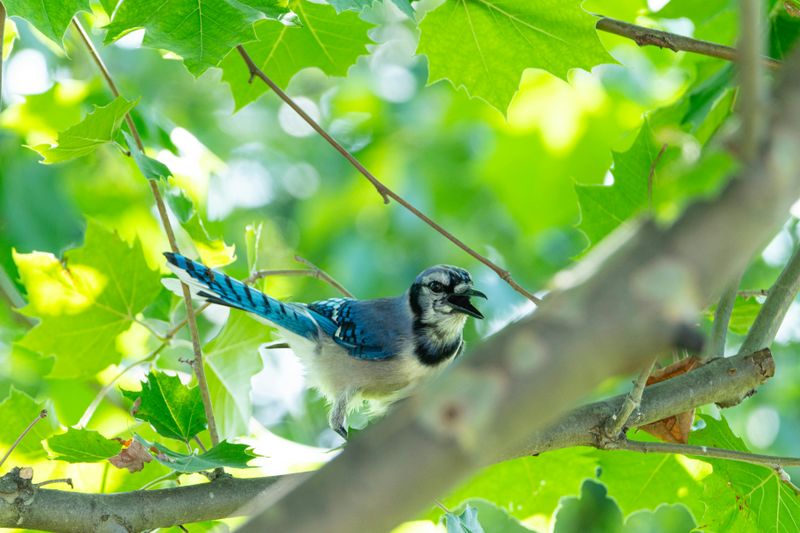
That sudden, frantic screaming from the oak tree is not the jay throwing a tantrum. It is a full-volume predator alert, and something nearby has triggered it.
Blue jays produce a specific, urgent call when they spot a threat, and it is distinctly different from their everyday chatter or territorial announcements. Once you learn to recognize it, you will never mistake it again.
Common triggers include outdoor cats, Cooper’s hawks, sharp-shinned hawks, and great horned owls roosting in daytime. The jay will often fly toward the threat rather than away from it, calling repeatedly to both mob the predator and alert every other bird in the area.
This mobbing behavior is surprisingly effective at driving away hawks and owls that prefer not to be harassed.
For backyard birders, a blue jay alarm call is genuinely useful information. If the screaming starts and does not stop, take a look around your yard before assuming the bird is just being dramatic.
There is a real chance a neighborhood cat is lurking near your feeder or a hawk is perched in a nearby tree. The blue jay spotted it first and has been broadcasting the warning the whole time.
Trust the bird.