The Virginia Porch Plant That Naturally Deters Mosquitoes And Ticks
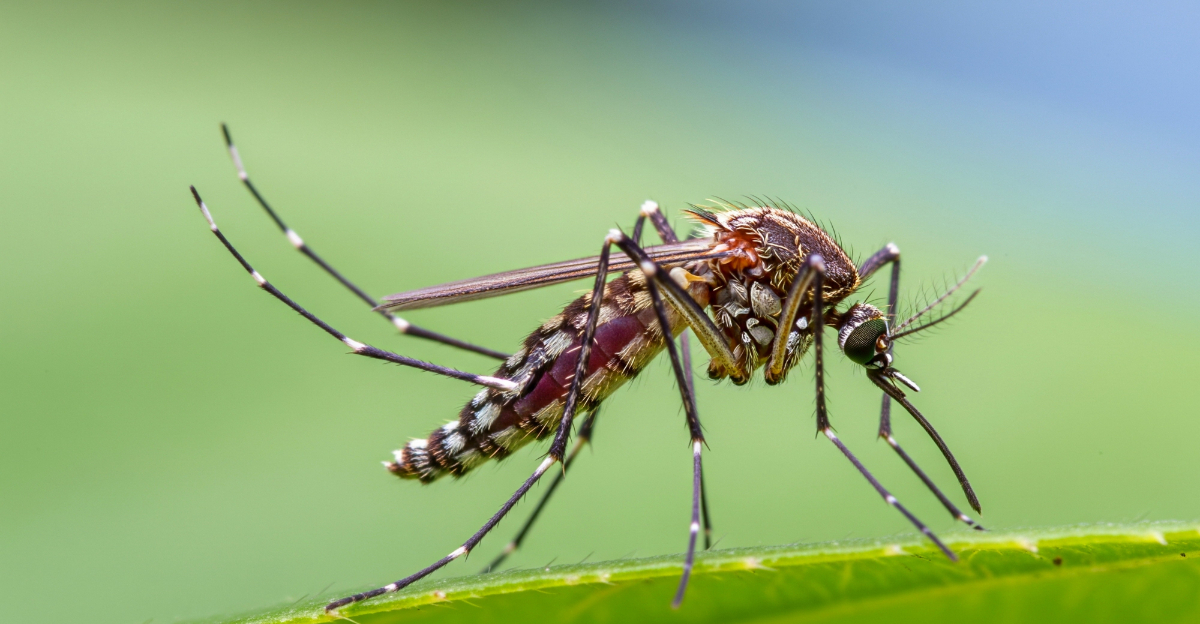
Virginia porch evenings deserve grilled corn, fireflies, and honeysuckle drifting on the breeze. Instead, most nights end with itchy ankles and a tick check before bed.
There’s a scrappy little herb that’s been quietly solving this problem for mid-Atlantic gardeners for years. It carries a natural compound called nepetalactone, and bugs steer clear of it the way people dodge a bad karaoke performance.
Some lab tests even suggest this compound outperforms DEET, which is a wild plot twist for something that grows in a small pot. Your cat, on the other hand, will probably want to move in with it.
Ready to see how a humble herb could become your porch’s best defense against bug season? Here’s everything worth knowing before you plant one.
One Fragrant Plant Doubles As A Natural Pest Deterrent
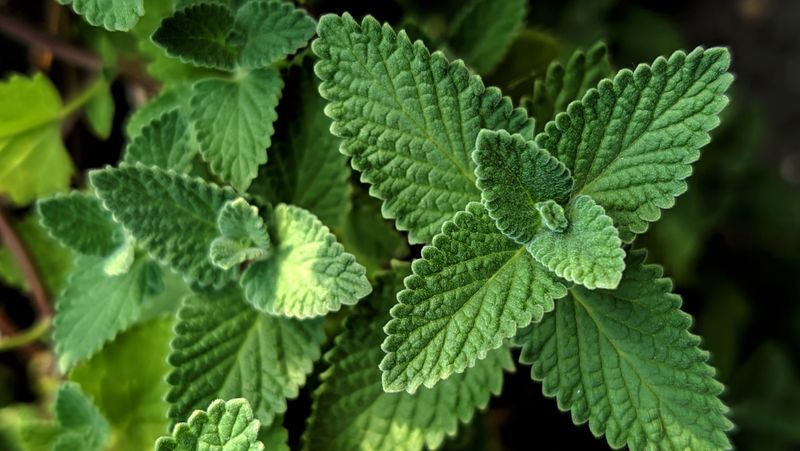
Your porch can smell amazing and stay bug-free at the same time. Catnip is the Virginia porch plant that naturally deters mosquitoes and ticks without harsh chemicals.
Crushed catnip leaves release a sharp, minty scent that bugs find unbearable. One container near your seating area can make a noticeable difference on warm evenings.
Gardeners love it because it looks good and works hard. It is honestly one of the most underrated plants you can grow.
Part of the appeal comes from how versatile the plant actually is. It fits into a cottage-style porch just as easily as it fits into a sleek modern container arrangement.
The silvery green leaves and soft purple blooms give it visual interest long before you notice the pest-repelling side benefits. Bees and butterflies tend to enjoy the flowers, so you get pollinator activity alongside the bug deterrence.
This kind of dual-purpose planting is exactly what busy homeowners look for. A single pot does double duty as decor and as a functional part of your outdoor pest strategy.
Unlike sprays that wash away after a rainstorm or wear off after a few hours, a living plant keeps producing its scent naturally. That staying power is part of what makes it such a popular choice among people who want low-maintenance solutions.
Once established, a single plant can hold its own near a doorway or a cluster of chairs. Adding two or three pots around a larger porch multiplies the effect without multiplying the effort.
Why Catnip Works Against Mosquitoes And Ticks
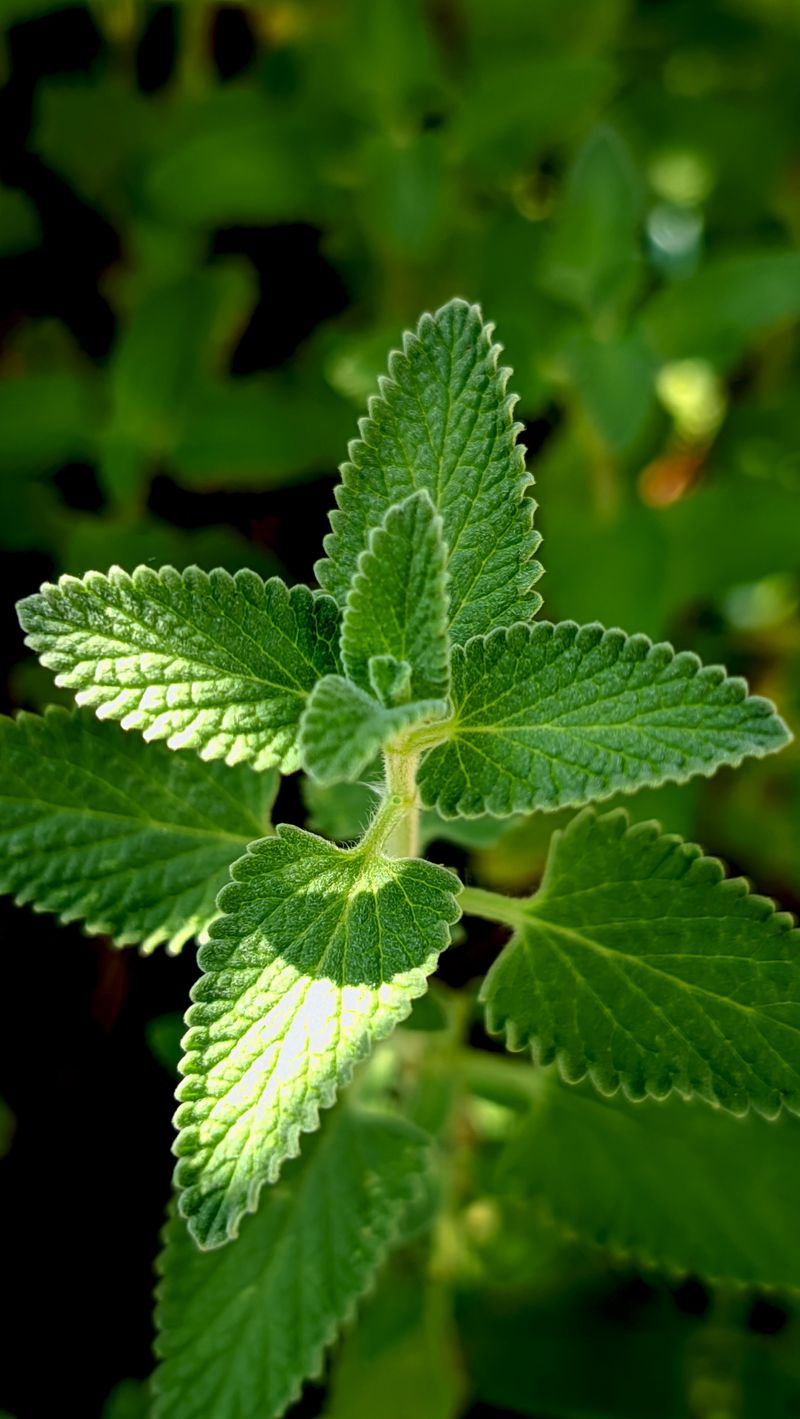
Nepetalactone is the compound inside catnip that sends bugs running fast. Iowa State University researchers found it repels mosquitoes up to ten times better than DEET in controlled tests.
Ticks also avoid the scent, making catnip a double threat on your porch. The compound interferes with the receptors insects use to detect and recognize human scent.
That interference makes it much harder for bugs to zero in on you in the first place. That is a powerful natural trick hidden inside a simple garden herb.
What makes nepetalactone particularly interesting is how it affects insect behavior rather than simply masking human scent. Instead of covering up the signals bugs rely on, it seems to interfere directly with their sensory detection systems.
Your Virginia Garden Changes Every Week. Your Plan Should Too.
Gardening in Virginia changes quickly throughout the season. Every Friday you’ll receive a simple weekly plan showing exactly what to plant, prune, fertilize, harvest, and protect so you never miss the right timing.
This is part of why researchers have taken a serious interest in the compound beyond casual gardening circles. Several studies have looked at isolating nepetalactone for use in commercial repellent formulas, since its effectiveness rivals synthetic options.
The scent that humans describe as minty or slightly lemony reads very differently to an insect’s sensory system. For mosquitoes and ticks, it acts almost like a warning sign that tells them to stay away from the area entirely.
Bruising or crushing the leaves intensifies this effect since it releases more of the volatile oils responsible for the scent. A light brush of your hand across the plant before sitting down can boost the repellent effect for the next hour or so.
This natural chemistry is exactly why so many gardeners treat catnip as more than just a pretty addition to their containers. It is functioning as an active, ongoing defense system every time it sits in the sun.
Growing This Plant In Containers On Your Porch
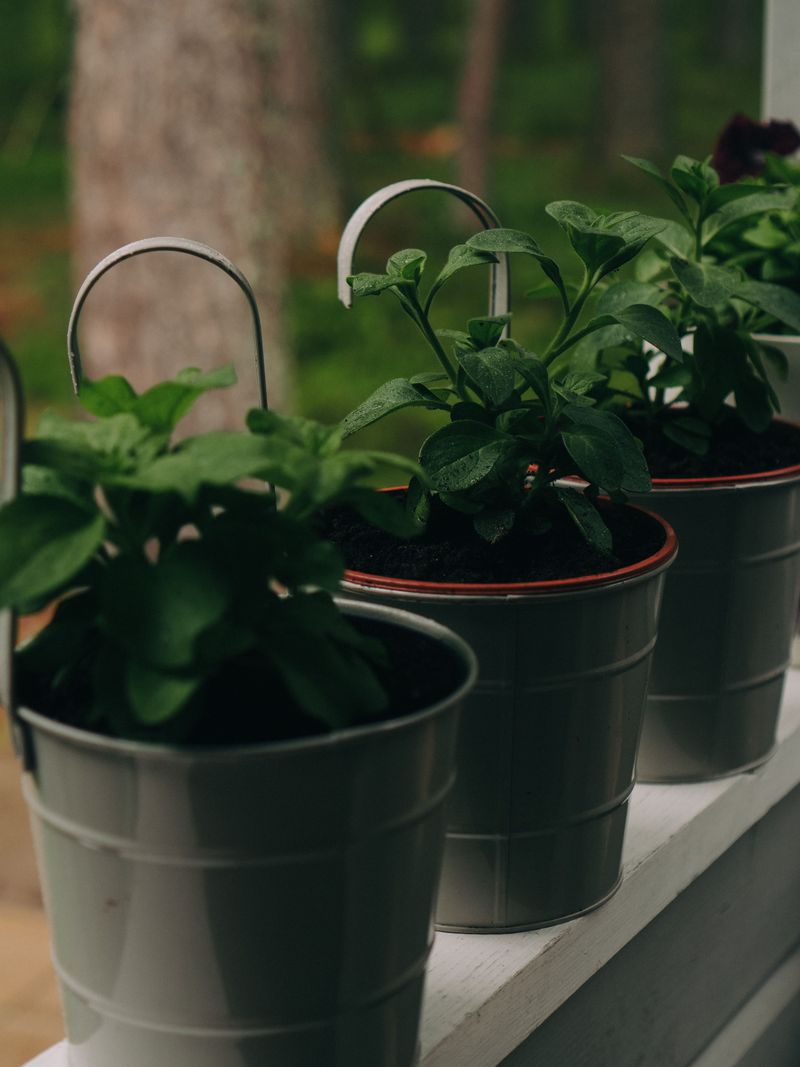
Container gardening makes catnip incredibly easy to manage and move around. Choose a pot at least ten inches wide with solid drainage holes at the bottom.
Catnip spreads aggressively in garden beds, so keeping it in pots saves your yard from a takeover. A basic potting mix with some perlite mixed in keeps roots happy.
Place young seedlings in spring after the last frost passes. Watching them fill out a container through summer is genuinely satisfying.
Starting from seed is possible, but most gardeners find transplanting young seedlings faster and more reliable. Nurseries and garden centers throughout Virginia typically carry starter plants in early spring, which saves weeks of waiting for germination.
Full sun produces the strongest scent and the bushiest growth, though catnip tolerates partial shade reasonably well. If your porch gets filtered light through the afternoon, you can still expect solid results as long as it gets a few hours of direct sun.
Drainage matters more than most new gardeners expect. Soggy roots invite rot quickly, so a pot with multiple drainage holes and a well-draining mix protects the plant through humid Virginia summers.
Repotting every year or two keeps the root system from becoming cramped. Refreshing the soil at the same time gives the plant renewed nutrients heading into another growing season.
Because it grows so easily in containers, catnip works well for renters or anyone who rearranges their porch setup often. You can shift pots toward the sunniest corner or closer to seating areas depending on what the season calls for.
Placing Catnip Where It Works Best
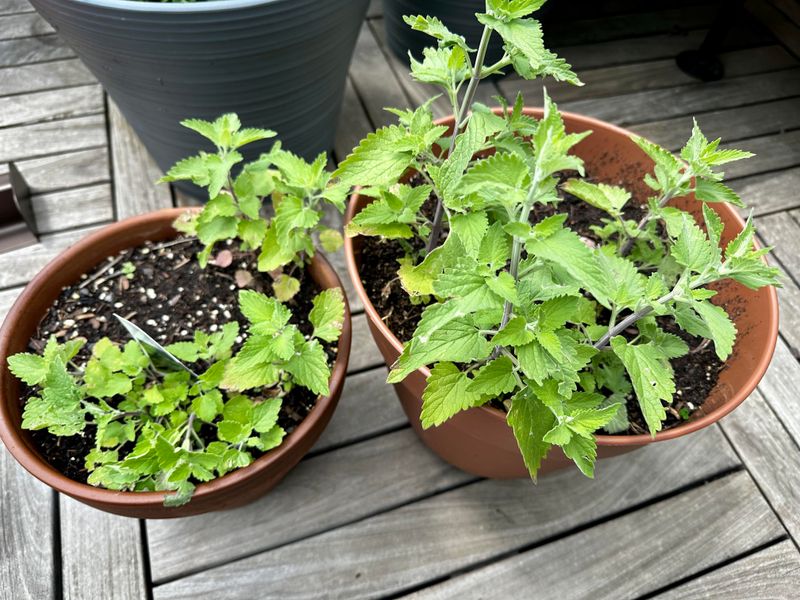
Placement matters more than most gardeners expect when using catnip for pest control. Set pots near chairs, along porch railings, and beside entry doors for maximum coverage.
The Virginia porch plant that naturally deters mosquitoes and ticks works best when airflow carries the scent outward. A gentle breeze becomes your ally in spreading that protective fragrance.
Avoid tucking pots in dark corners where air barely moves. Active circulation turns one plant into a wide pest barrier.
Grouping a few pots near high-traffic zones works better than spacing a single plant far from where people sit. Clustering containers near steps or a front door creates a scent barrier bugs have to cross before reaching you.
Height also plays a role in how the fragrance spreads. Raising pots onto a small stand or railing ledge puts the plant closer to nose level and lets the scent drift more directly toward seating areas.
Morning watering tends to release more fragrance as the sun warms the leaves. Pairing that timing with your porch’s natural airflow can make the effect stronger by evening, right when mosquito activity picks up.
If your porch faces a buggy corner of the yard, move a pot closer to that side. A few weeks of testing different spots will show you where the plant works best.
Caring For A Healthy, Bushy Plant Year Round
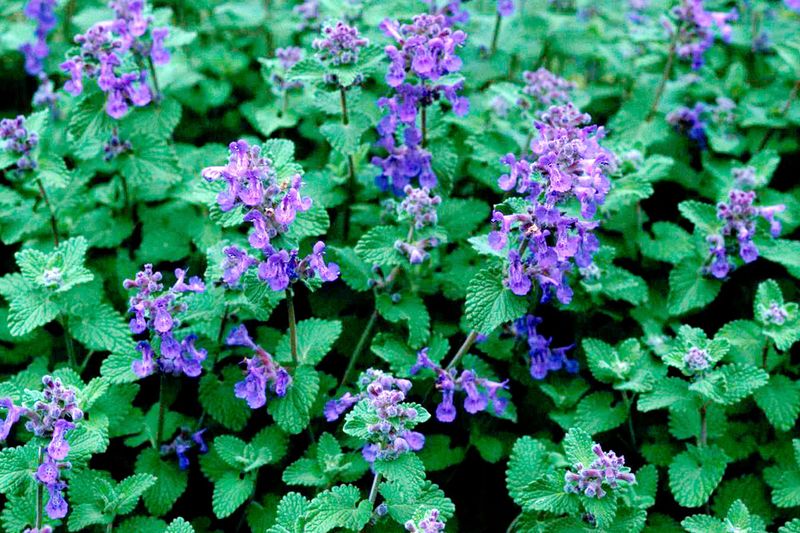
Catnip practically thrives on neglect, which makes it perfect for busy homeowners. Water it when the top inch of soil feels dry, and skip fertilizer unless growth stalls completely.
Trim flower spikes back regularly to encourage leafy, bushy growth all season long. More leaves mean more nepetalactone and stronger pest protection around your seating area.
In late fall, cut plants back hard before the first freeze. They often return in spring with zero extra effort from you.
Pruning is one of the simplest ways to keep the plant productive throughout the warmer months. Snipping back leggy stems every few weeks encourages fuller growth and keeps the plant from looking sparse by midsummer.
Pests rarely bother catnip itself, which is a nice bonus for anyone tired of battling aphids or spider mites on other container plants. Its strong scent seems to work in its favor here too, keeping most leaf-chewing insects from taking much interest.
Overwatering causes more problems than underwatering for this particular herb. Letting the soil dry out slightly between waterings mimics its natural preference for well-drained conditions and helps prevent root issues.
Bringing a pot indoors near a sunny window works in colder parts of Virginia. Many gardeners just let it fade back outdoors instead, trusting spring regrowth since the plant is a reliable perennial here.
With minimal upkeep, a single container can keep producing fragrant, pest-repelling growth for several years running. That kind of long-term payoff is part of what makes this herb such a smart addition to any porch setup.
What Science Says About Its Real Effectiveness
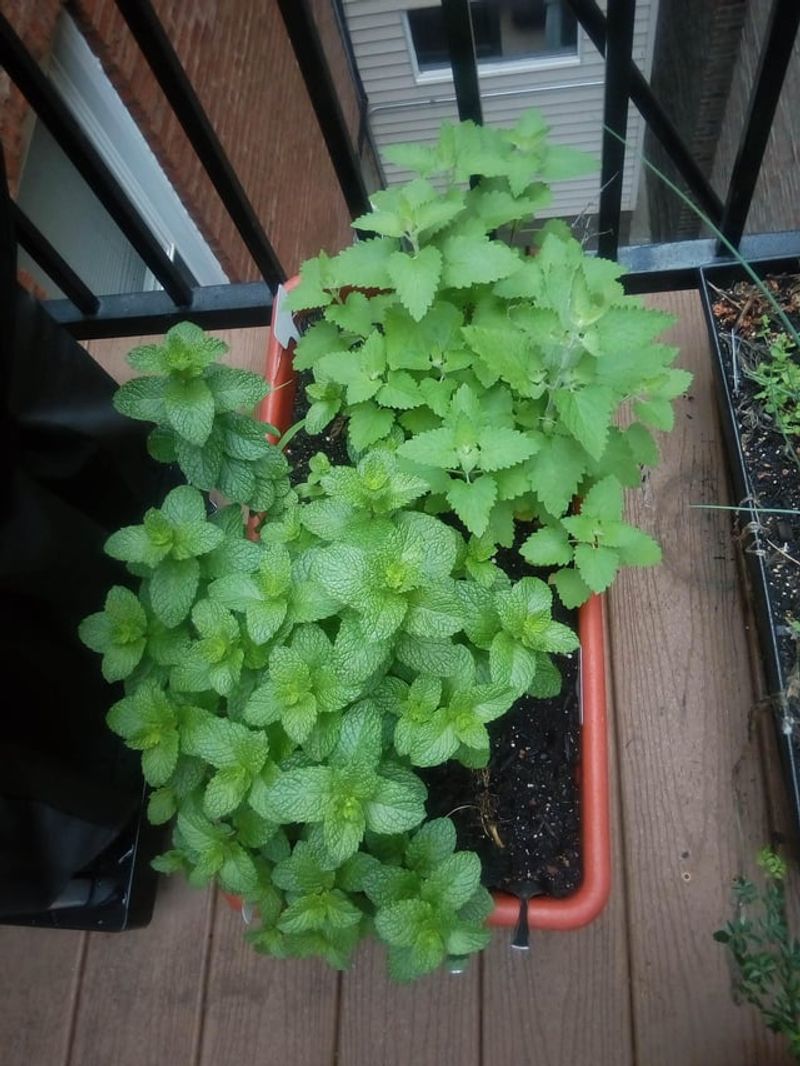
Lab results are promising, but real-world conditions add some variables worth knowing about. Catnip repels bugs most effectively when leaves are bruised or the air is warm and moving.
A 2010/2011 study published in the journal Phytochemistry confirmed nepetalactone’s strong repellent action against multiple insect species.
Still, no single plant replaces all pest control methods. Pairing catnip with other strategies gives you the strongest outdoor defense.
Wind and humidity both shape how strong the repellent effect feels on any given evening. Plant health matters too, since stressed or underwatered catnip produces fewer protective oils.
A sun-grown, well-watered plant releases much stronger scent than a struggling one. That difference shows up fast once you compare two pots side by side.
Researchers have also compared nepetalactone to other plant-based repellents like citronella and lemongrass. Several studies suggest catnip performs just as well, sometimes even better, depending on test conditions.
It helps to treat catnip as one layer in a bigger pest strategy. A few pots on your porch, paired with citronella candles or a small fan, can stretch that protection further.
Airflow spreads the scent, and extra tools cover the gaps a single plant might miss. Together, they create a stronger buffer than any one method alone.
Scientists continue studying nepetalactone for commercial repellent products. Its strong results and low toxicity make it an appealing natural option worth watching.
For now, growing the plant yourself is the simplest way to put that research to use. One pot on your porch turns years of lab data into something you can actually sit next to this summer.